Duplexes appear often in real estate listings, but the term is not always clear at first glance. You may be asking what a duplex is and whether it could suit the way you want to live.
I’ve tried to keep things simple so you can understand the basics without getting lost in real estate terms. You can also get a sense of what may matter as you look at different homes.
I’ll help you understand the idea in a clear and practical way, without making it feel complicated. By the end, you should have a sight of whether a duplex could fit your needs.
What Is a Duplex?
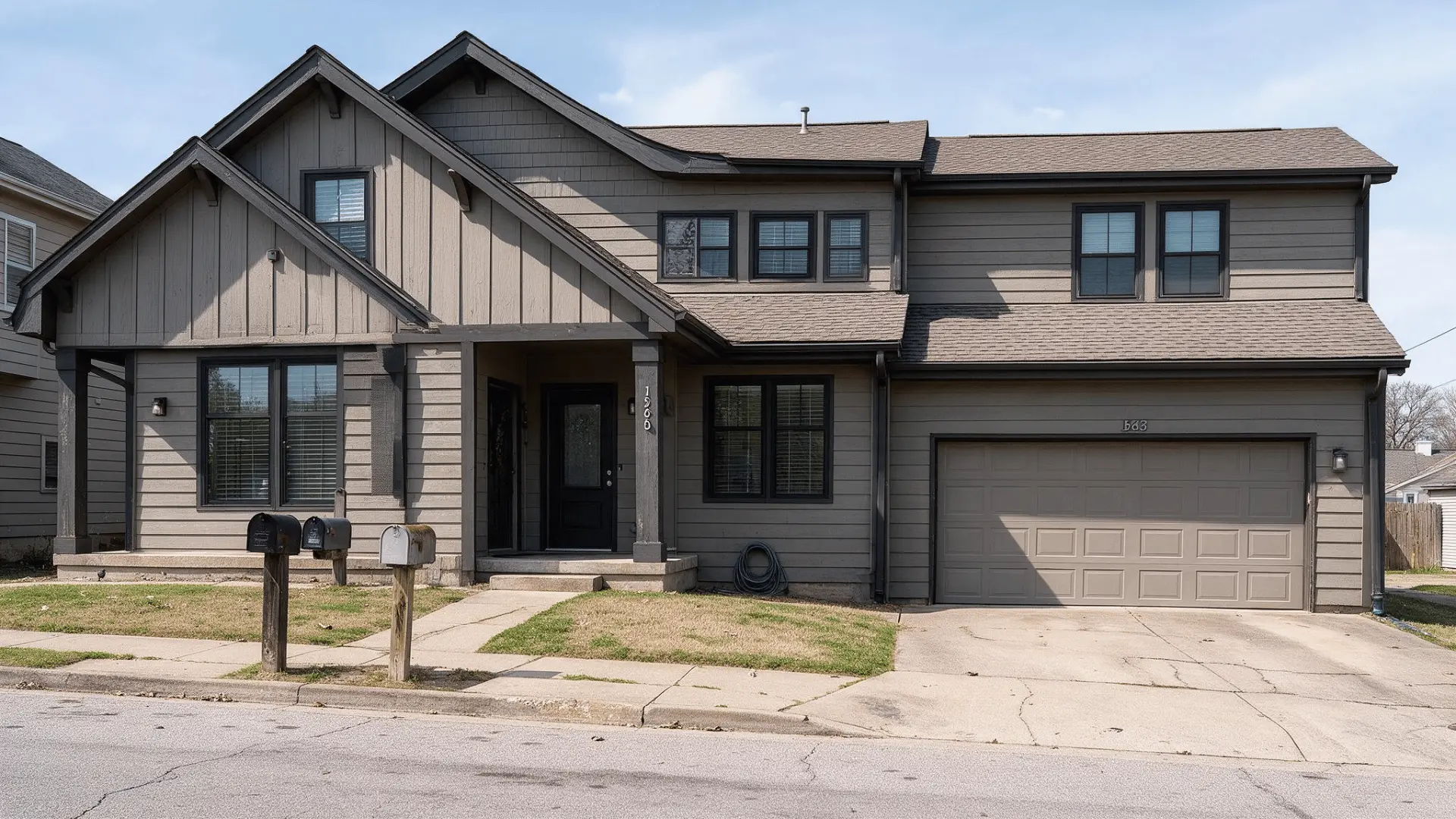
A duplex is one building divided into two separate homes. Each unit usually has its own entrance, kitchen, bathroom, and living space. The two homes may sit side by side or one above the other.
They share the same building but function as separate living areas. A duplex can house two families, or an owner can live in one unit and rent the other.
This can help reduce monthly housing costs. In most cases, the property sits on one parcel and has one title. Unlike an apartment building, a duplex contains only two units within the same structure.
Key Features That Shape Duplex Living
Once I look past the layout and ownership details, I like to focus on the practical features that can affect how comfortable a duplex feels every day. Here’s what I recommend checking:
1. Sound Separation Between Units
The quality of the wall or floor between units determines how much noise travels through.
Newer or well-built duplexes often include insulation, double drywall, or acoustic barriers, while older properties may transmit sound more easily.
Asking about wall/floor construction during a viewing can save you from future noise frustration.
2. Separate Heating and Cooling Systems
Most well-designed duplexes give each unit its own HVAC (Heating, Ventilation, and Air Conditioning) system, so residents can control their own temperature and aren’t dependent on a shared system.
Shared HVAC setups can lead to disputes over energy use and comfort preferences, so confirm this before buying.
3. Individual Utility Metering
Duplexes with separate meters for electricity, gas, and water make it easier to track and split costs fairly between units.
Older or converted duplexes sometimes share a single meter, which can complicate billing if you’re renting out the second unit.
4. Fire and Safety Separation
Building codes often require fire-rated walls or floors between duplex units to slow the spread of fire from one side to the other.
Checking for proper fire separation, smoke detectors, and code compliance is an important safety step, especially in older properties.
5. Storage Built Into Each Unit
Adequate closet space, attic access, or a garage for each unit can make everyday living much easier, especially compared with apartments that offer limited storage.
I also like to check whether basements, garages, or utility areas are shared between both households. Before deciding, make sure you know exactly which storage spaces belong to your unit and which ones are shared.
6. Natural Light and Window Placement
Window placement affects both privacy and how much natural light each unit receives, particularly in side-by-side layouts where windows may face the neighboring unit.
Well-designed duplexes typically stagger windows or add landscaping to balance light with privacy.
7. Private Outdoor Areas
Whether it’s a small patio, balcony, or yard, having a designated outdoor space for each unit can make daily life more comfortable.
I always like to check how that space is divided, especially when both households use the same property. A clearly private area can also help reduce confusion or disputes.
Before making an offer, confirm whether the outdoor space is private, shared, or split between both units.
Different Types of Duplex Homes
Duplexes can come in several layouts, and each one can feel a little different to live in. Here are the main types you may come across while comparing properties:
Side-by-Side Duplex

A side-by-side duplex has two homes built next to each other in one building. A shared wall separates the two units. Each home usually has its own entrance, porch, and driveway.
The floor plans are often similar or mirrored. From the street, the building may look like two matching homes joined together under one roof.
Stacked (Upper/Lower) Duplex

A stacked duplex has one home on the lower floor and another home directly above it. Each household has its own living space. Separate entrances may appear at the front, side, or both.
This type is common in older city neighborhoods. From outside, it may look like one house, even though two separate households live inside.
Front-and-Back Duplex

A front-and-back duplex splits one building into two separate living areas. One unit is located toward the front. The second unit sits toward the back of the building.
Each home usually has its own entrance and private rooms. This layout can be harder to notice from the street because both units share one main structure.
Common Downsides of a Duplex
I think a duplex can be practical, but it may not suit everyone. Here are the main drawbacks I would consider before choosing one:
- Neighbor disputes: Living close together can lead to disagreements about noise, parking, pets, or shared outdoor areas.
- Limited inventory: Duplexes are less common than single-family homes, so choices may be limited in some neighborhoods.
- Resale challenges: Duplexes attract a smaller group of buyers, so they may take longer to sell in some areas of the property market.
- Rental income can vary: If one unit stays vacant, the owner may lose expected rental income while still covering property costs.
- Financing may be more complex: Mortgage and insurance requirements can differ from standard homes, especially when part of the property is rented.
These drawbacks do not make duplexes a poor choice for everyone. Understanding them early can help you decide whether this housing style fits your plans.
What’s the Difference Between a Duplex, Flat, and Townhouse?
Flats, duplexes, and townhouses offer different levels of space, privacy, and ownership. Each option suits different needs and budgets. Here is a simple comparison of the three housing types:
|
Feature |
Duplex |
Flat |
Townhouse |
|---|---|---|---|
|
Ownership |
One property with two units |
Ownership of one unit |
Own unit and usually the land |
|
Structure |
One building divided into two homes |
One unit inside a larger building |
Attached homes built in a row |
|
Privacy |
Good privacy with one shared wall or floor |
Less privacy due to nearby units |
Moderate privacy with shared side walls |
|
Outdoor Space |
May include a private yard or porch |
Usually limited or shared |
Often includes a small private yard |
|
Maintenance |
Owner handles the whole property |
Often managed by the building or HOA |
Owner handles their own home |
|
Ideal For |
Rental income or multi-generational living |
Low-maintenance and simple living |
Buyers wanting more space with less upkeep |
A duplex can work well if you want extra space or rental income. Flats and townhouses may suit buyers who prefer lower maintenance.
Frequently Asked Questions (FAQs)
Is a duplex a good investment for rental income?
Yes, since you can live in one unit and rent the other, or rent both units out, covering part or all of your mortgage payment.
Can you get a regular home loan for a duplex?
Yes, most lenders offer standard mortgages for duplexes, though some require a larger down payment compared to a single-family home purchase.
Do duplexes have shared utilities?
It depends on the property. Some duplexes have separate meters for each unit, while older ones may share water, gas, or electric connections.
Is it harder to sell a duplex than a regular house?
It can take longer, since your buyer pool is smaller, but investors and multi-generational families often actively search for duplex listings.
The Bottom Line
Knowing what a duplex is can make your home search feel less confusing and focused. You now have a clearer way to judge whether the setup matches your comfort, budget, and long-term goals.
I suggest looking beyond the listing photos and paying attention to how the property will feel day-to-day. Ask clear questions, inspect the details, and see how you would use the space over time.
A smart choice should support your lifestyle without adding stress you did not expect. I hope this helps you approach your viewing with more confidence and fewer doubts.
Share your thoughts about duplex living in the comments below.