You’ve settled on a custom inflatable for your next event, product launch, or brand activation. Now the big question: how long will it actually take? Turnaround time is one of the most misunderstood aspects of ordering custom inflatables, and underestimating it can throw off your entire timeline. Several factors work together to determine how fast your order moves from concept to delivery. Understanding each one helps you plan smarter, avoid last-minute stress, and get exactly what you need on time.
Design Complexity and Artwork Readiness
The design stage is often where timelines get extended without anyone realizing it. If you submit a clear, high-resolution logo or print-ready artwork from day one, production can start quickly. But if your design requires multiple revision rounds, color matching, or structural planning for a 3D shape, expect that phase alone to add several days or even weeks.
Custom Inflatables like https://floatiekings.com/pages/custom-inflatables, tend to have more detailed design requirements than standard rectangular inflatables. A simple banner shape with a flat print is faster to finalize than a full-body character replica or a multi-section arch with gradient artwork.
To move things along, provide your artwork in vector format (AI or EPS), confirm your brand colors using Pantone references, and approve digital mockups quickly. Every day a design sits in your inbox waiting for feedback is a day added to your delivery date.
Material Selection and Sourcing Lead Times
Not all custom inflatables use the same materials. The type of fabric, vinyl grade, or PVC thickness you choose directly affects how long it takes to start production. Standard materials are usually available in stock, so production begins quickly. Specialty materials, such as flame-retardant fabric, heavy-duty commercial-grade vinyl, or UV-resistant coatings, may need to be sourced separately before any work begins.
If a specific material is backordered or needs to be imported, that sourcing gap can add anywhere from a few days to a few weeks to your total timeline. Some manufacturers work with a limited set of pre-approved materials to keep lead times short, while others offer broader options that come with longer waits.
Before you finalize your material choice, ask your supplier about current stock levels. If your deadline is tight, it may be worth selecting an in-stock alternative that still meets your performance and appearance needs.
Production Stages: From Printing to Assembly and Testing
Custom inflatables go through several distinct production stages, and each one takes time. First, the fabric or vinyl gets printed with your artwork. Then, panels are cut, stitched, or heat-welded together. After that, air valves, anchor points, and structural components are attached. Finally, the entire piece goes through an inflation test to check for air retention and structural integrity.
This is not a one-step process. A mid-size custom inflatable can take anywhere from five to fifteen business days just in production, depending on the complexity of the shape and the number of components involved. Larger inflatables with internal frames, LED lighting, or motorized parts take considerably longer.
Rushing any of these stages increases the risk of defects, so most reputable manufacturers do not skip steps even under pressure. If you need a faster turnaround, ask early rather than late since some facilities offer rush production slots at an additional cost.
Quality Assurance and Pre-Shipment Checks
Before your custom inflatable leaves the facility, it passes through quality assurance checks. This step involves a full inflation test, seam inspection, color verification against your approved artwork, and a review of all attachment points and hardware.
Quality checks add time to your order, but they exist for a good reason. An inflatable that arrives at your event with a leaking seam or a color mismatch is far more costly to deal with than a slightly longer production window. Most manufacturers build one to two business days into their timelines for this stage. If your order includes multiple units, QA time scales up accordingly.
Order Volume and Customization Level
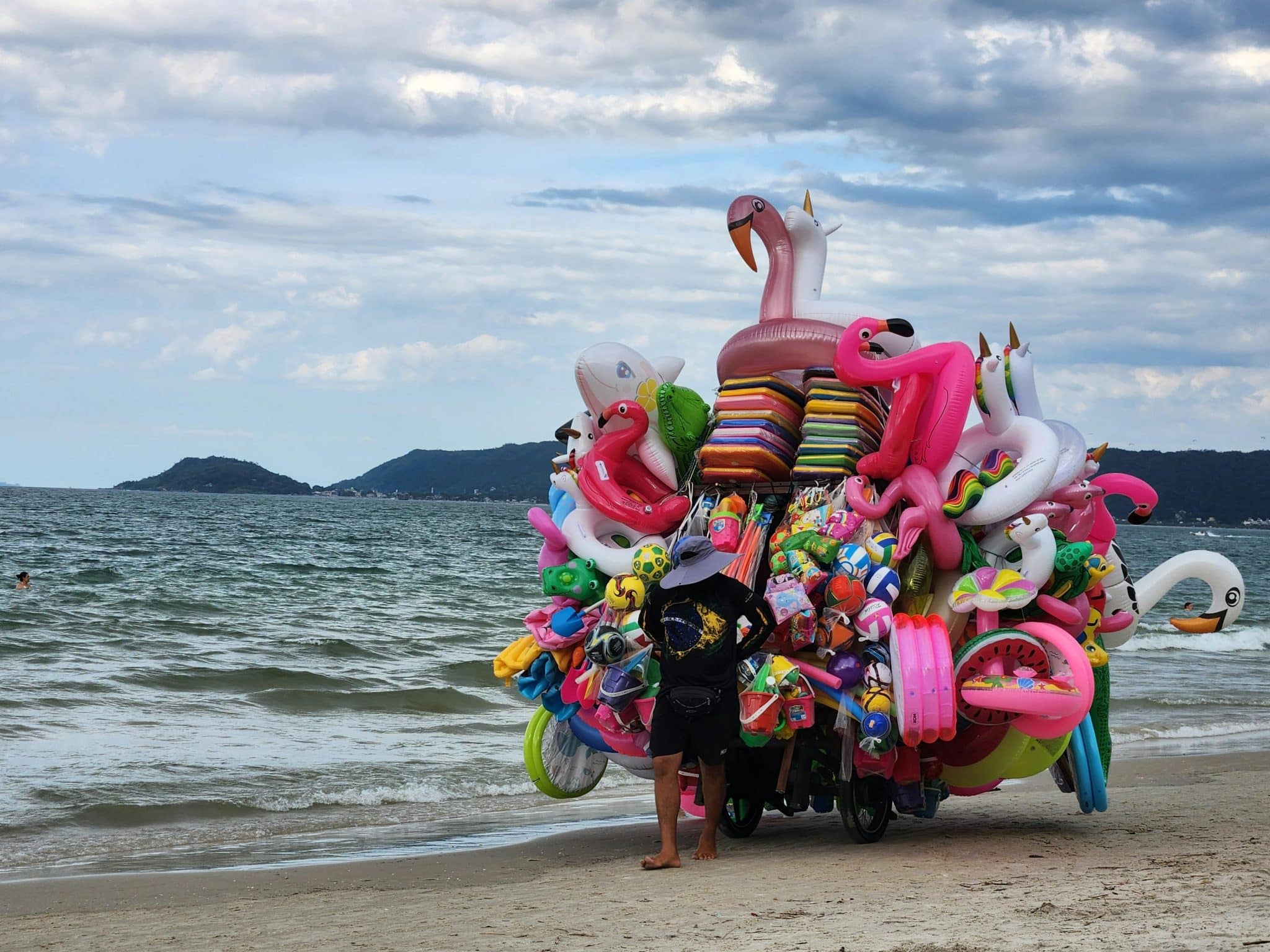
A single small inflatable and a bulk order of fifty branded pieces do not follow the same timeline. Larger orders require more material preparation, more labor hours, and more QA checks. Even if each unit is identical, the sheer volume extends production time.
Highly customized orders add another layer of complexity. A fully custom shape with unique structural geometry takes longer than a standard shape with a printed logo on it. The more bespoke your order, the more touchpoints there are in the process, from initial pattern drafting to final assembly.
If you are placing a large or highly custom order, build at least three to four weeks into your timeline beyond what a standard order would require. Communicate your deadline to your supplier at the time of inquiry, not after you place the order. That gives the production team time to assess capacity and flag any concerns before your deadline becomes a problem.
Seasonal Demand and Manufacturer Capacity
The time of year you place your order matters more than most people expect. Peak seasons for custom inflatables typically align with summer events, trade show seasons, and major holidays. During those periods, manufacturers run at full or near-full capacity, which means standard lead times stretch out.
If you place an order in January for a March event, you are likely in a reasonable window. If you place that same order in late February, you may find that production slots are already booked out further than your deadline allows. Some manufacturers have waitlists during peak periods, and rush fees may apply even if you are willing to pay them.
The practical solution is to order earlier than you think you need to. A good rule of thumb: add two to three weeks to whatever timeline feels comfortable, especially for events during summer or the holiday season. Off-peak orders tend to move faster and may even receive more attention to detail.
Shipping, Logistics, and Geographic Distance
Production finishing is not the end of the timeline. After your custom inflatable clears quality checks, it still needs to travel from the manufacturer to your location. Domestic shipping typically takes two to seven business days, depending on the carrier and service level. International shipping can add two to four weeks, particularly if customs clearance is involved.
The size and weight of your inflatable also affect logistics. Large inflatables are often shipped in oversized packaging, which limits carrier options and can increase transit time. Some items may ship via freight rather than standard parcel services, and freight schedules are less flexible.
If your event date is firm, calculate your shipping window first and then work backward to determine the latest possible production start date. Never treat shipping as a buffer for production delays. For international orders, especially, factor in potential customs holds, which can be unpredictable in duration.
Conclusion
Turnaround time for custom inflatables is the sum of many moving parts, from artwork approval and material sourcing to production, quality checks, and shipping. Each factor compounds the others, so a delay in one area ripples through the rest of your timeline. The most effective thing you can do is start early, communicate your deadline clearly, and stay responsive during the design approval process. Plan ahead, and your custom inflatable will arrive exactly when you need it.