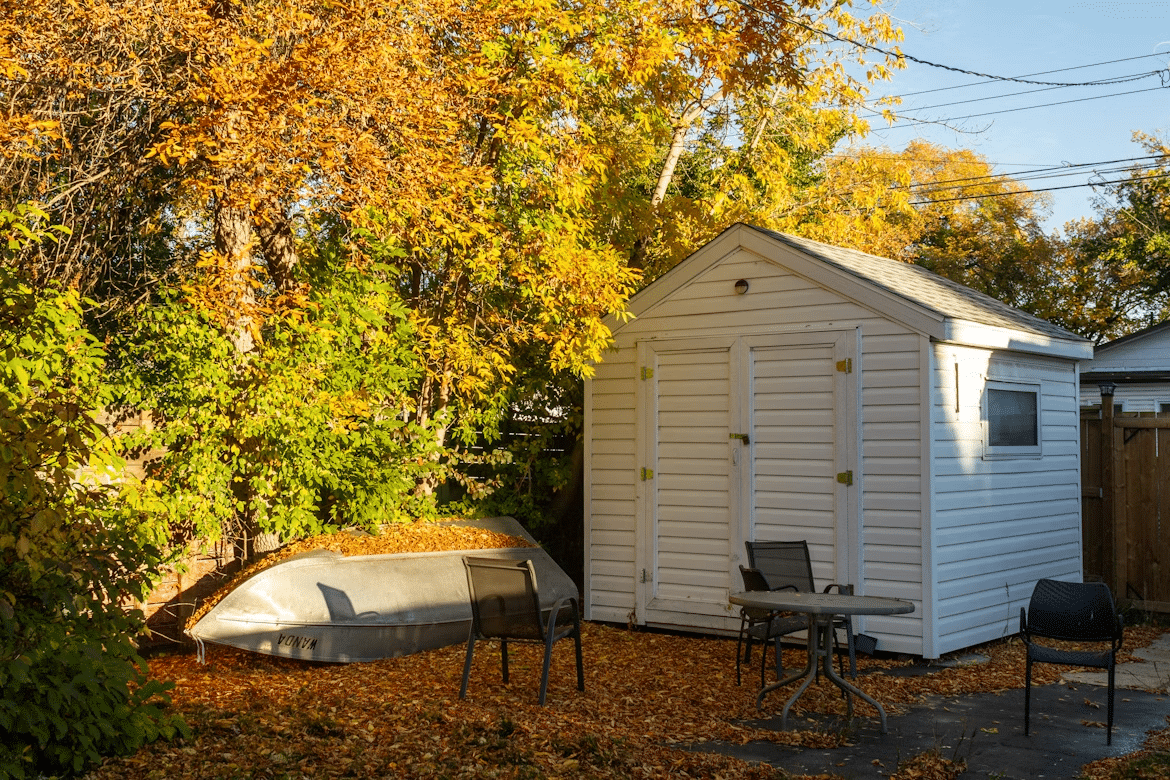
Powering a backyard shed typically costs anywhere from a few hundred to several thousand dollars, depending on distance, electrical needs, and installation complexity. A basic setup for lights and a couple of outlets will cost far less than a fully powered workshop. Knowing what drives the price helps you plan smarter and avoid surprises.
Homeowners often overlook how many variables affect the final cost. Trenching, wiring, permits, and safety requirements all add up quickly. Each decision you make can either increase or control your budget.
Breaking the project into key components makes it easier to estimate and compare options. The sections below highlight the main cost factors so you can scope your shed power project with confidence.
Distance and Trenching Costs
The distance between your home and the shed plays a major role in the overall cost. Longer distances require more wire, more conduit, and more labor to install everything properly.
Trenching is often one of the most labor-intensive parts of the job. Soil conditions and obstacles like tree roots or concrete can increase the difficulty and cost.
Factors that impact trenching include:
- Distance from main panel
- Soil type
- Required depth
- Obstacles underground
Comparing Electrical Estimates and Costs
Getting multiple quotes helps you understand realistic pricing. Electricians may vary in how they calculate labor, materials, and timelines.
Using an app for electrical estimates can help you review itemized quotes and track project costs more easily. Clear comparisons make it easier to spot gaps or unexpected charges.
When reviewing estimates, focus on:
- Labor breakdown
- Material costs
- Permit fees
- Project timeline
Wiring and Material Choices
Material selection directly affects both safety and cost. Choosing the right wire gauge and conduit ensures your system can handle the load safely.
Higher-quality materials may cost more upfront but can prevent issues later. Investing in proper components is usually worth it long term.
Common material considerations include:
- Wire gauge
- Conduit type
- Weatherproof fittings
- Burial-rated cable
Circuit or Subpanel Setup
Your electrical setup depends on how you plan to use the shed. Light use may only require a single dedicated circuit, while heavier use may need a subpanel.
A subpanel adds flexibility for future upgrades but increases initial costs. Planning can save money if you expect to expand later.
Options to consider include:
- Single circuit setup
- Subpanel installation
- Future power needs
- Equipment usage
Outlets, Lighting, and Fixtures
The number of outlets and lights you install will influence your total cost. More fixtures mean more wiring, labor, and materials.
Planning your layout ahead of time helps avoid unnecessary changes. A simple, efficient design keeps costs manageable.
Typical additions include:
- Interior outlets
- Exterior outlets
- Ceiling lights
- Task lighting
Safety and Permit Requirements
Electrical work must meet local codes, which often include safety protections like GFCI or AFCI breakers. These features add to the cost but are essential for safe operation.
Permits and inspections are also required in most areas. These ensure the work is done correctly and up to code.
Required elements may include:
- GFCI protection
- AFCI breakers
- Permit fees
- Inspection costs
Solar as a Cost Alternative
Solar power can be a practical alternative for sheds with lower energy needs. It eliminates the need for trenching and connection to your main panel.
While upfront costs can vary, installation is often simpler. Solar works best for basic lighting and light electrical use.
Solar setup basics include:
- Panels
- Battery storage
- Inverter
- Charge controller
Budgeting For A Permanent Power Solution
Powering a backyard shed doesn’t have to be overwhelming. Understanding the main cost drivers helps you make informed decisions and avoid overspending.
Comparing quotes, planning your layout, and choosing the right setup all contribute to a smoother project. Tools like an app for electrical estimates can simplify budgeting and keep everything organized.
A well-planned approach ensures your shed has safe, reliable power without unnecessary costs.