

I used to picture pineapples growing on tall tropical trees, just like mangoes or coconuts, until I found out the surprising truth behind their growth.
The way this golden fruit develops is far more interesting than most people realize.
Understanding what do pineapples grow on can completely change how you see this familiar fruit present on your kitchen counter.
Many people are interested if a pineapple bush or tree produces the fruit, but the answer is not what you might expect.
Below, I have shared the details behind pineapple plants and reveal do pineapples grow on trees or not.
What Does a Pineapple Plant Look Like?
A pineapple plant has a unique appearance that makes it easy to recognize, with its own defining features. Here are some of the features:
- Long sword-shaped leaves: Pineapple plants have tough, sharp-edged leaves that can grow several feet long and form a dense rosette.
- Central flower spike: A tall stalk grows from the middle of the plant and produces small colorful flowers before fruit formation.
- Fruit above the leaves: The pineapple develops on a short stem above the leaf crown instead of growing on branches or near the soil.
- Shallow root system: Wide-spreading roots stay near the surface and help the plant absorb moisture and nutrients efficiently.
What Do Pineapples Grow On?
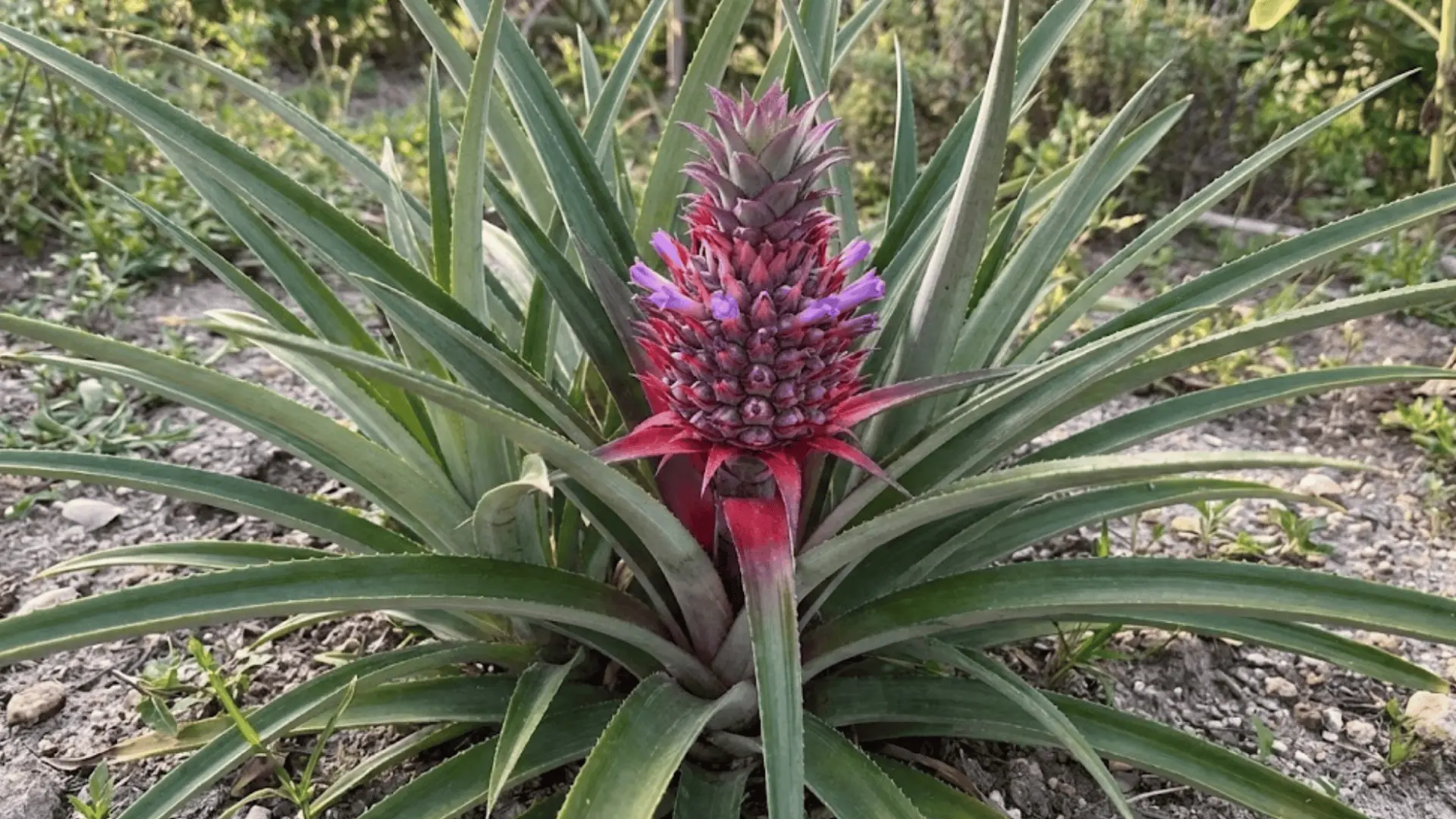
Pineapples grow on a low-growing tropical plant called Ananas comosus, not on trees or bushes.
The plant has long, thick leaves that spread outward from a central point near the ground. A pineapple fruit develops from a flowering stalk that grows upward from the center of the plant.
After many small flowers bloom, they join together to form a single pineapple.
Unlike fruits such as apples or mangoes that grow on branches, pineapples stay close to the ground throughout their growth cycle.
Each pineapple plant usually produces one main fruit before creating new shoots for future growth. This unique growing process makes pineapples different from many other common fruits.
Is a Pineapple a Bush or a Tree?
A pineapple is neither a bush nor a tree. It is a herbaceous perennial plant, which means it grows and survives for several years without developing a woody trunk.
Instead of branches, the plant forms a compact cluster of stiff leaves that grow outward in a spiral pattern.
The center of the plant produces a flowering stalk where the pineapple eventually develops.
Pineapple plants usually reach around 3 to 5 feet in height and spread wider as their leaves mature.
Because the plant has a thick leafy appearance, it may look like a small shrub, but its growth pattern is completely different from true bushes or trees.
Pineapple Growth Stages
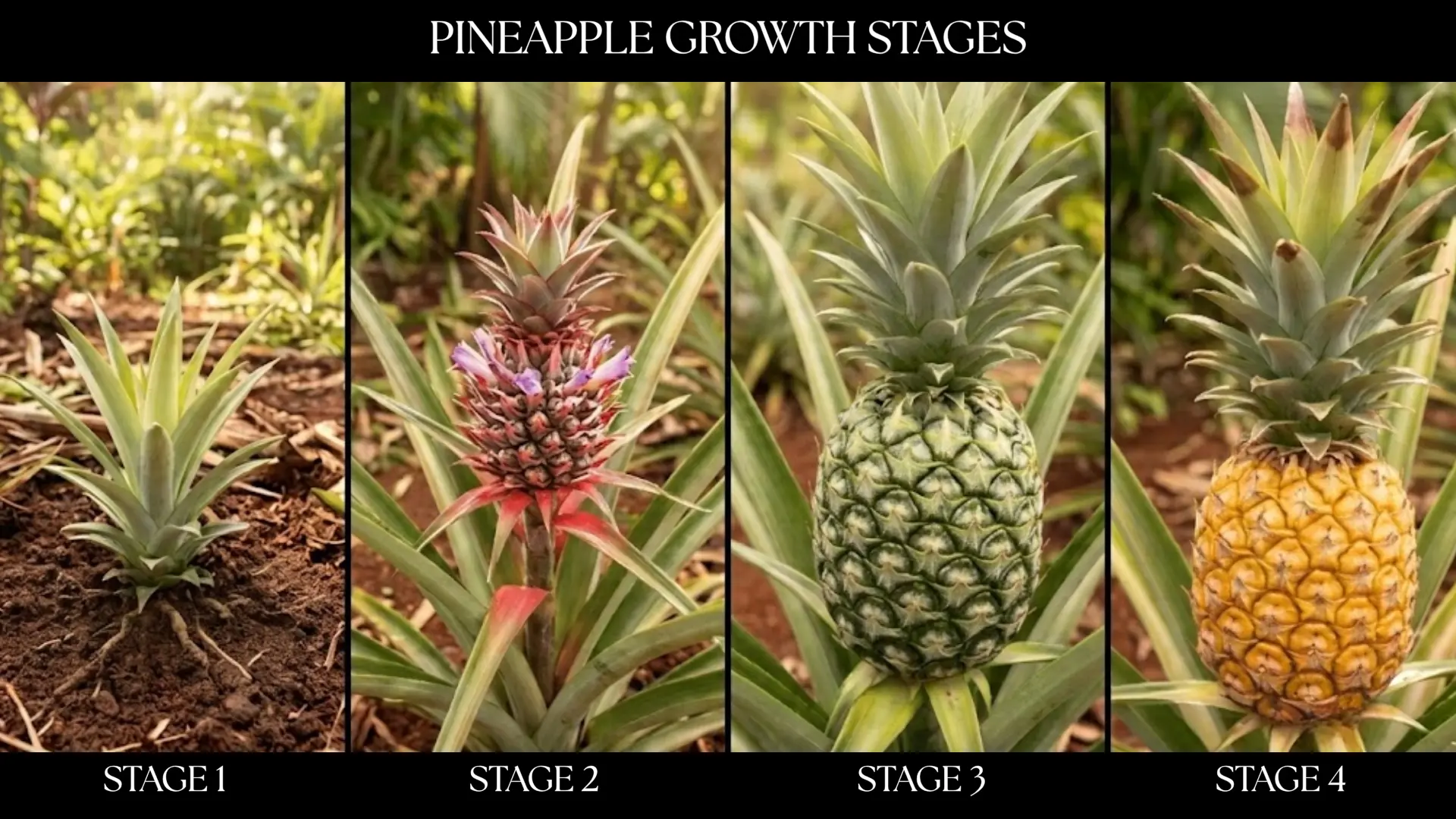
Watching a pineapple move through its growth stages feels like witnessing a slow unfolding. Each phase brings something new, building toward that final golden fruit.
Stage 1: Plant Establishment
The journey begins below ground. Roots push out from the base, anchoring the plant while new leaves unfold in tight spirals.
This foundation phase can take several months as the plant builds strength and size. The rosette grows wider, each leaf tougher and more substantial than the last. It’s all preparation for what comes next.
Stage 2: Flower Formation
When the plant reaches maturity, a central spike emerges, crowned with vibrant red or purple bracts. Small flowers bloom along this spike, each one delicate and short-lived.
The colors are striking against the green leaves, signaling that the plant is ready to fruit. This flowering stage marks the transition from vegetative growth to reproduction.
Stage 3: Fruit Development
After pollination, or even without it in commercial varieties, the flowers begin fusing together. Each tiny bloom becomes an individual berry, and these merge to form the composite fruit.
The pineapple swells gradually, pushing upward on its stalk. What starts as a tight cluster becomes the textured, segmented surface we recognize.
Stage 4: Maturing & Ripening
The final stretch brings visible changes. The fruit shifts from deep green to golden yellow, starting at the base and moving upward.
Aroma intensifies as sugars develop, and the outer shell softens slightly when pressed. The crown leaves may brown at the tips. These signals tell you it’s time to harvest.
How Long Does it Take to Grow a Pineapple?
Growing a pineapple requires patience that borders on meditative. The timeline stretches far longer than most garden crops, and every stage unfolds at its own unhurried pace.
| Growth Stage | Timeframe | Plant Activity | Visible Changes |
|---|---|---|---|
| Planting to Flowering | 12-18 months | Roots establish, leaf rosette expands | Plant matures, leaves thicken and multiply |
| Flower to Fruit | 5-7 months | Blooms fuse and develop | Fruit swells, changes from green to golden |
| Total Time to Harvest | 18-24 months | Complete growth cycle | Ripe pineapple ready to pick |
I planted my first pineapple top on a whim, tucked it into a corner of the garden, and honestly forgot about it for months.
When I finally noticed the tiny purple flowers pushing through the center, nearly a year and a half had passed. That’s the thing about pineapples: they teach you to stop watching the clock.
How Do Pineapples Reproduce?
Pineapples have their own ways of making more of themselves, and none of it involves seeds the way most fruits do. This may include the following ways:
- The crown propagation method is the one most home growers use, simply twisting off that leafy top and planting it in soil.
- Commercial farms prefer suckers, the side shoots that sprout from the main plant and root quickly for faster production.
- Then there are slips, small offshoots that grow right at the base of the fruit itself.
Planning where these new shoots will end up is a lot like mapping out spacing for a companion-planting layout in a vegetable bed, since each pup needs its own room to root.
Each method creates a genetic clone of the parent plant, which is why pineapples taste so consistent from one harvest to the next.
Growers often call this regeneration, since a new plant grows from an existing one instead of from a seed.
Where Pineapples Grow Best?
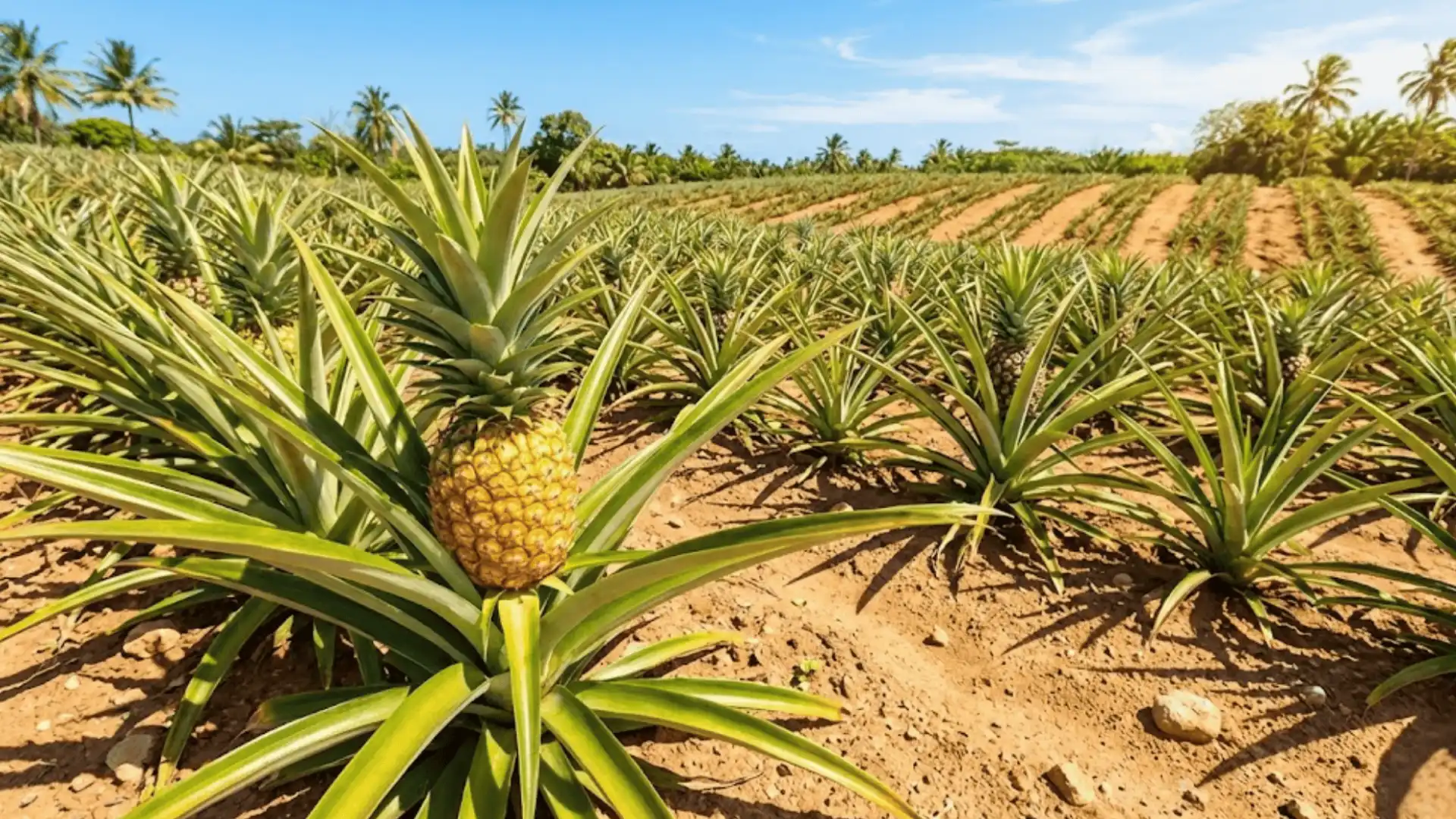
Pineapples are particular about their environment, thriving only where conditions mirror their tropical origins.
They need warmth year-round, ideally between 65°F and 95°F, and won’t survive even a light frost.
Pineapples grow reliably outdoors only in USDA hardiness zones 10 through 12, which covers most of Hawaii, southern Florida, and Puerto Rico.
Outside those zones, growing one in a container that can move indoors for winter is the more realistic option.
The soil matters just as much: well-drained and slightly acidic, ideally between 4.5 and 6.5 pH. Heavy clay or waterlogged ground will rot the roots long before flowers appear.
Full sun exposure for at least six hours daily fuels both growth and the fruit’s sweetness. As for water, pineapples prefer moderation. Keep the soil lightly moist but never soggy.
Can You Grow a Pineapple at Home?
Yes, you can grow a pineapple at home by using the leafy crown from a fresh pineapple.
This simple method allows you to turn kitchen scraps into a new plant with proper care and patience.
After removing the crown, clean the lower part, let it dry for a short time, and place it in well-draining soil. The plant needs warm temperatures, bright sunlight, and careful watering to grow successfully.
Although pineapple plants are easy to maintain, they develop slowly and may take several years before producing fruit.
Growing one at home is mainly a long-term gardening project that rewards patience with a unique tropical plant and the possibility of harvesting a homegrown pineapple.
Important Factors for Growing Pineapples at Home
Growing pineapples at home requires more than just planting a pineapple crown and waiting for fruit. There are certain important criteria to achieve.
- Choosing the right growing location: Indoor pineapple plants need a large pot with drainage holes and a bright south-facing window, while outdoor plants grow best in warm areas protected from frost.
- Avoiding overwatering problems: Excess water can damage pineapple plants by causing root rot, mushy roots, and yellow leaves before the plant reaches the flowering stage.
- Using proper soil conditions: Pineapples need well-draining soil with slight acidity because heavy, water-retaining soil can slow growth and reduce the chances of fruit production.
- Understanding the growth timeline: Pineapples require patience and may take several years to produce fruit, so expecting a harvest within the first year can lead to unrealistic expectations.
Conclusion
Pineapples are a great reminder that nature often works in unexpected ways. A fruit we commonly see in markets has a growing process that many people never stop to know.
From choosing the right planting method to providing the care it needs, growing a pineapple can become a rewarding experience for beginners and gardening enthusiasts alike.
Every plant takes its own time to develop as pineapples go from a leafy plant to the sweet fruit we enjoy.
If you have ever grown a pineapple or have tips from your own gardening experience, share your thoughts in the comments below.
Frequently Asked Questions
What Plant Family Do Pineapples Belong to?
Pineapples belong to Bromeliaceae, commonly called the bromeliad family, which also includes Spanish moss and colorful houseplants like guzmania. This is why pineapple leaves are so thick and waxy compared to most other fruiting plants.
How Many Pineapples Does One Plant Produce?
A single pineapple plant typically produces one large fruit per growing cycle. After harvest, the same base plant can send out a sucker or ratoon crop that flowers again, so a well-maintained plant may yield two or three fruits total over several years, though this varies with growing conditions.
Why Did Florida Stop Growing Pineapples?
Florida’s pineapple industry declined due to harsh weather events, including freezes and hurricanes, along with increasing competition from larger pineapple-growing regions.




One Response
Love the article on pineapples. Very interesting.