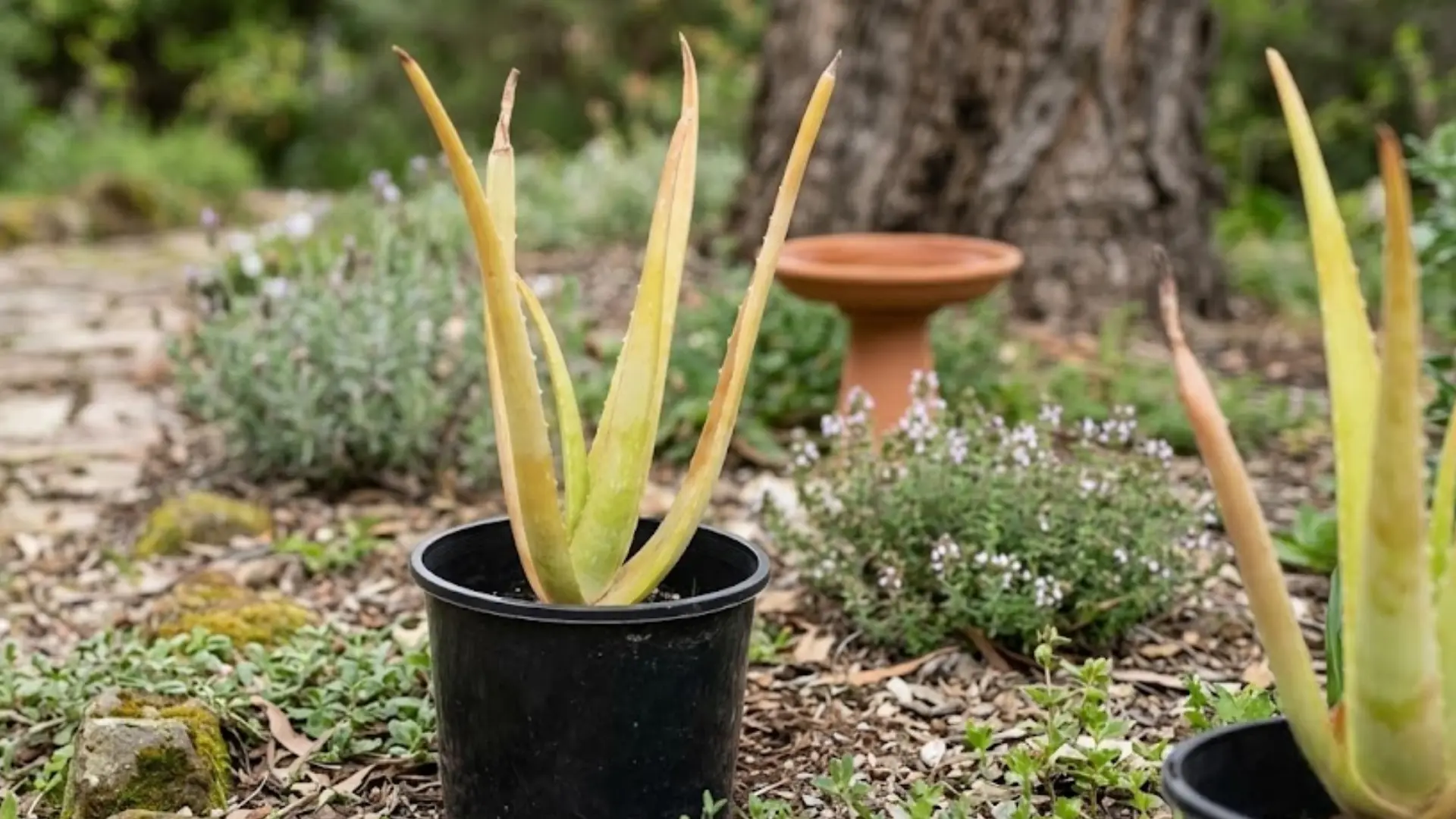
It is easy to wonder if you missed something or if the plant can still be saved. An unhealthy aloe plant does not always mean the worst.
I have learned that even small details, like a soft leaf, a dry brown tip, or an unexpected color change, can tell an important story.
An aloe plant can be surprisingly resilient, and those changes you notice are often its way of signaling that something in its environment needs attention.
Understanding what your aloe is trying to tell you can take the uncertainty out of plant care.
Understanding Your Aloe Plant’s Normal Growth
Aloe plants naturally grow at a slow, steady pace, so limited new growth does not always mean something is wrong.
Healthy aloe usually develops thick, fleshy leaves that grow upward and outward from the center of the plant.
New leaves often appear lighter green before becoming deeper in color as they mature. Growth is usually faster during spring and summer when light and temperatures are favorable.
In fall and winter, your aloe may grow much more slowly and require less frequent watering.
Older outer leaves can also dry, brown, or die occasionally as part of the plant’s natural growth cycle. Small offsets, often called pups, may develop around the base of a mature plant.
Common Signs of an Unhealthy Aloe Plant
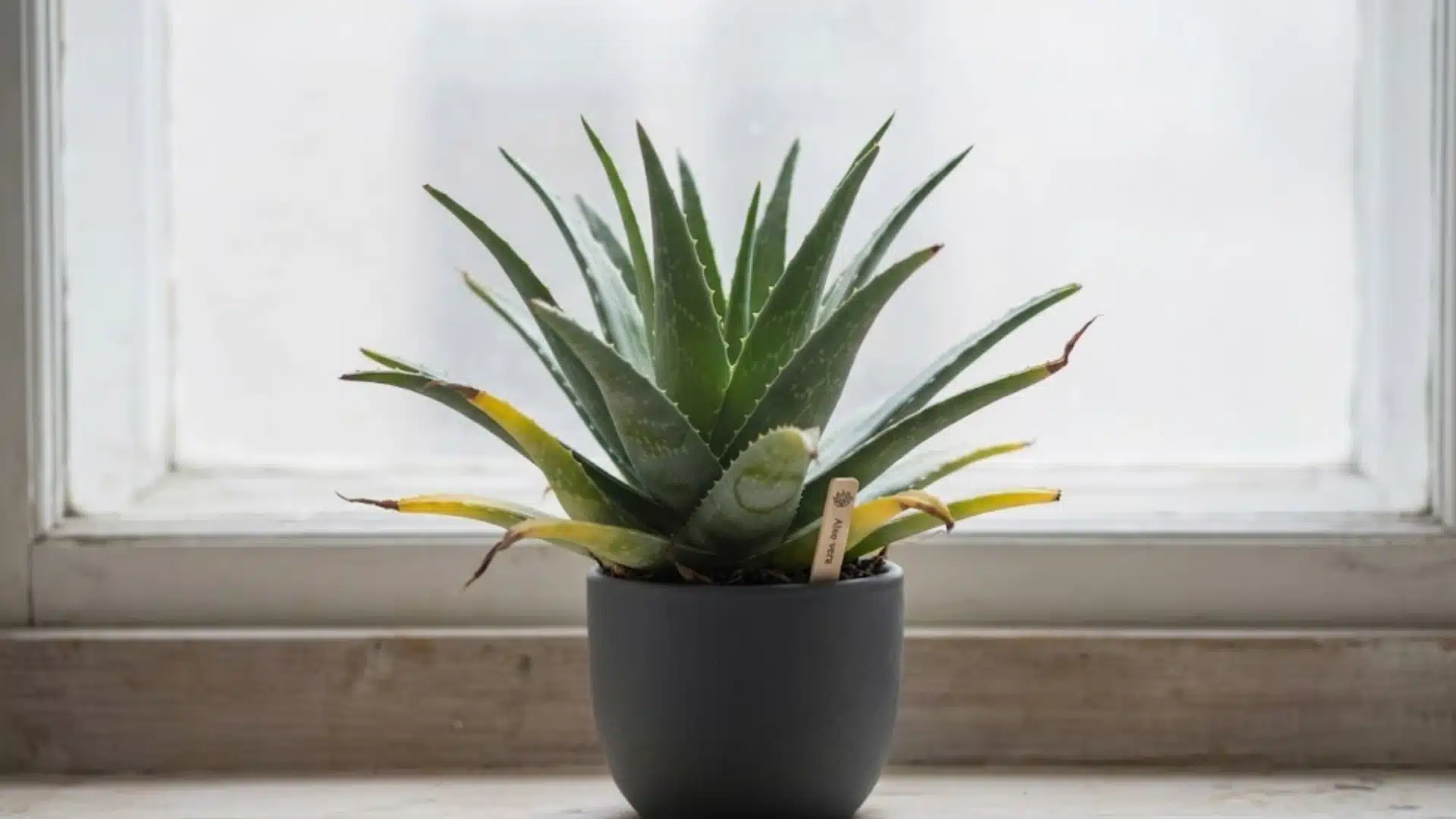
An unhealthy aloe plant often shows clear changes in its leaves, roots, or overall growth. Here are common signs your aloe vera may be showing.
1. Yellow Leaves
Yellow leaves are often one of the first signs that an aloe plant is under stress. Overwatering is a common cause, especially when the soil stays wet for long periods.
Poor drainage can make the problem worse by keeping excess moisture around the roots. In some cases, inadequate light may also contribute to yellowing.
Check the soil before watering again. If it feels damp several inches down, give the plant more time to dry.
2. Brown or Crispy Leaf Tips
Brown, dry tips can develop when an aloe plant does not get enough water or is exposed to harsh conditions.
Strong direct sunlight, excessive heat, or a buildup of fertilizer salts may also damage the leaf tips. Check whether the soil has remained completely dry for an extended period.
If watering seems adequate, consider the plant’s location and recent care. Crispy damage will not turn green again, but healthier conditions can protect new growth.
3. Soft and Mushy Leaves
Soft, mushy leaves are a strong warning that your aloe is receiving too much water. Aloe plants store moisture in their thick leaves, so they do not need constantly damp soil.
When the roots remain wet, they may struggle to function properly and eventually begin to rot.
The leaves can then become soft, translucent, or water-soaked. Stop watering and allow the soil to dry. If the problem continues, inspect the roots for signs of rot.
4. Drooping or Limp Leaves
Healthy aloe leaves usually grow upright or slightly outward, so noticeable drooping can indicate stress.
Both too much and too little water can cause limp leaves, making it important to check the soil first. Poor lighting may also cause weaker growth that can not stay upright.
If the soil is soggy, allow it to dry before watering. If it is extremely dry and the leaves look thin, your aloe may need a thorough watering.
5. Stretching or Leggy Growth
An aloe plant that becomes tall, stretched, or unusually spaced between leaves is often searching for more light.
This condition, known as etiolation, commonly occurs when aloe is kept in a dark room or too far from a window. New growth may appear thinner and weaker than normal.
Move the plant to a brighter location with plenty of indirect light.
Increase its light exposure gradually, since sudden intense sunlight can scorch previously shaded leaves.
6. Red or Purple Leaves
Red or purple coloring often appears when an aloe plant is experiencing environmental stress.
Intense direct sunlight is a common trigger, particularly when a plant accustomed to indoor conditions is suddenly moved outdoors.
Cold temperatures, heat, or major changes in growing conditions may also affect leaf color.
A slight reddish tint is not always serious, but widespread discoloration deserves attention.
7. Black or Dark Spots on Leaves
Black or dark spots can signal damaged tissue, fungal problems, excessive moisture, or exposure to cold temperatures. Pay attention to the texture of the affected area.
Soft, spreading spots are more concerning because they may indicate rot, while dry spots can result from physical or environmental damage.
Avoid letting water sit on the leaves and improve airflow around the plant.
8. Stunted or No New Growth
Aloe plants naturally grow slowly, but a complete lack of new growth during the active growing season may indicate a problem.
Insufficient light, poor soil, damaged roots, or incorrect watering can all slow development.
A severely rootbound plant may also have trouble producing healthy leaves. First, review its basic growing conditions before adding fertilizer.
9. Curling Leaves
Leaves that curl inward may be a sign that your aloe is trying to conserve moisture.
This commonly occurs when the plant has gone too long without water or is exposed to excessive heat. Root problems can also prevent the plant from taking up enough moisture.
Check the soil before reaching for the watering can. If it is very dry, water thoroughly and allow the excess to drain from the pot.
10. Thin, Flat, or Shriveled Leaves
Aloe leaves should normally look thick and fleshy because they store water inside their tissues.
When the leaves become thin, flat, or wrinkled, the plant may be dehydrated. This often happens after the soil has stayed dry for too long.
However, damaged roots can cause similar symptoms because they cannot absorb water effectively. Check the soil and roots before increasing watering.
11. Brown, Soft, or Rotten Roots
Healthy aloe roots should feel firm, while unhealthy roots may appear brown or black and feel soft or mushy.
Root rot usually develops when the soil remains wet for too long, often because of frequent watering or poor drainage. Affected roots may also smell unpleasant.
For that purpose, I recommend removing the plant from its pot and inspecting the root system carefully.
12. White Cotton-Like Spots
Small white, cotton-like patches on aloe leaves can indicate a mealybug infestation.
These sap-feeding pests often hide where leaves meet or in other protected areas of the plant.
Once you have confirmed the pest, clearing a mealybug infestation early keeps the damage from spreading to nearby leaves.
As their numbers increase, they can weaken the aloe and contribute to yellowing or poor growth.
13. Leaves Falling Off Easily
Aloe leaves that detach with very little pressure may indicate serious stress, particularly when they feel soft or mushy near the base.
Excess moisture and developing rot are common causes because damaged tissue can no longer support the leaf properly.
Physical damage can also cause individual leaves to loosen. Check the base of the plant and surrounding soil carefully.
What Causes an Aloe Plant to Become Unhealthy?
Aloe plants are hardy, but unsuitable growing conditions can quickly affect their appearance and overall health. Understanding the main causes makes it easier to correct these problems.
- Overwatering: Excess water keeps roots constantly wet, increasing the risk of root rot and mushy leaves.
- Poor Drainage: Heavy soil or inadequate drainage traps moisture around roots, preventing them from getting enough oxygen.
- Improper Sunlight: Too little light weakens growth, while intense direct sunlight can scorch and discolor aloe leaves.
- Temperature Stress: Cold drafts, frost, or extreme heat can damage leaves and slow the plant’s healthy growth.
- Pest Infestations: Mealybugs, scale, and spider mites feed on aloe, causing discoloration, weakness, and stunted plant growth.
How to Revive an Unhealthy Aloe Plant?
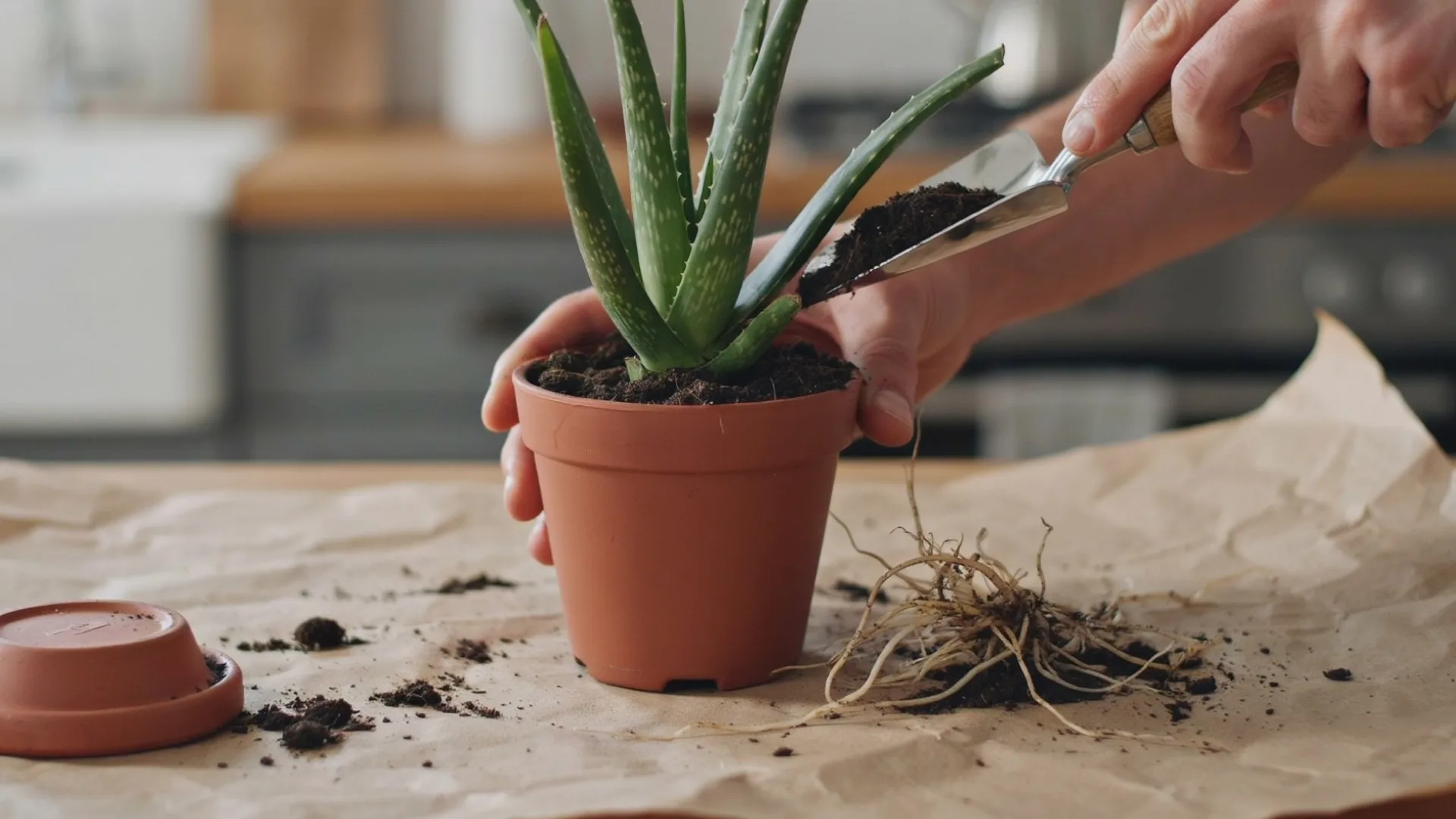
Reviving an unhealthy aloe plant starts with identifying the cause of the stress and correcting its growing conditions.
1. Check the Roots and Remove Damaged Parts
Start by gently removing the aloe from its pot and examining the roots. Healthy roots should feel firm, while rotten roots often look brown or black and feel soft.
Use clean, sanitized scissors to trim away mushy or dead roots.
Remove severely damaged leaves as well, especially those that are rotting near the base.
Let freshly cut areas dry briefly before repotting. This helps prevent damaged tissue from creating additional problems during recovery.
2. Repot in Fresh, Well-Draining Soil
Choose a pot with drainage holes so excess water can escape easily after watering.
Fill it with fresh cactus or succulent potting mix, which drains faster than regular garden soil.
Place the aloe at the same depth it was previously growing and gently settle the soil around its roots. Avoid packing the soil too tightly.
After repotting, wait a few days before watering if you trimmed roots, allowing damaged areas time to dry and heal.
3. Adjust Watering and Light Conditions
Once repotted, place your aloe where it receives plenty of bright light without sudden exposure to intense afternoon sun.
If moving it to stronger light, make the change gradually to prevent sunburn. Water only when the potting mix has dried thoroughly, then soak the soil and let excess water drain away.
Over the following weeks, watch for firm leaves and healthy new growth, which are encouraging signs of recovery.
Healthy vs. Unhealthy Aloe Plant: Quick Comparison
A healthy aloe plant usually has firm, fleshy leaves and steady growth, while an unhealthy aloe plant often shows noticeable changes in color, texture, or shape.
Use this quick comparison to spot potential problems early.
| Feature | Healthy Aloe Plant | Unhealthy Aloe Plant |
|---|---|---|
| Leaf Color | Even green to blue-green | Yellow, brown, red, or black areas |
| Leaf Firmness | Firm, plump, and fleshy | Soft, mushy, limp, or shriveled |
| Leaf Shape | Upright and full | Drooping, curling, thin, or flattened |
| Growth | Produces steady new growth | Slow, weak, stretched, or no new growth |
| Soil Condition | Dries between waterings | Constantly soggy or excessively dry |
| Root Appearance | Firm and light-colored | Brown, black, soft, or mushy |
How Long Does it Take an Aloe Plant to Recover?
An unhealthy aloe plant typically takes 2 to 8 weeks to show noticeable signs of recovery after its growing conditions are corrected.
Minor problems, such as slight underwatering or light stress, may improve within 1 to 3 weeks.
More serious issues, including overwatering, damaged roots, or root rot, can require 4 to 8 weeks or longer.
The exact recovery time depends on the plant’s condition, season, and severity of the damage.
Firm leaves, stronger upright growth, and fresh leaves emerging from the center are good signs of recovery.
During this period, avoid overwatering or fertilizing heavily. Give your aloe bright light, well-draining soil, and enough time to recover naturally.
Tips to Prevent Your Aloe Plant From Becoming Unhealthy
Keeping aloe healthy is easier when you provide the right balance of water, light, soil, and care. A few simple habits can prevent common problems and encourage strong, steady growth.
- Water Carefully: Let the soil dry completely between waterings to prevent soggy roots and moisture-related problems.
- Provide Enough Light: Place aloe in bright, indirect sunlight and gradually introduce stronger direct sunlight to prevent scorching.
- Use Well-Draining Soil: Choose cactus or succulent soil that lets excess water drain away from the roots quickly.
- Choose the Right Pot: Use a container with drainage holes to prevent excess moisture from collecting around aloe roots.
- Inspect Regularly: Check leaves, soil, and roots frequently for pests, discoloration, softness, or other early warning signs.
Conclusion
Caring for an aloe plant is often about noticing small changes before they turn into bigger problems.
An unhealthy aloe plant can look worrying, but many common problems are manageable when you catch them early.
Remember, damaged leaves may not recover, so look for firm new growth as the best sign your plant is improving.
Are you dealing with an unhealthy aloe plant? Share your experience and concerns in the comments below!
Frequently Asked Questions
Can I Remove Damaged Leaves From My Aloe Plant?
Yes, remove severely damaged, dead, or rotting leaves with clean scissors. Cutting unhealthy foliage helps prevent problems from spreading and supports healthier new plant growth.
Should I Fertilize an Unhealthy Aloe Plant?
Avoid fertilizing an unhealthy aloe plant until it shows signs of recovery. Fertilizer can stress damaged roots and make existing problems harder to correct successfully.
Should I Mist an Unhealthy Aloe Plant?
No, aloe plants generally do not need misting. Their succulent leaves prefer dry conditions, while frequent moisture on foliage may encourage fungal problems and rot.
What Temperature is too Cold for an Aloe Plant?
Aloe struggles once temperatures drop much below 55°F, and prolonged cold or frost can damage or kill the plant outright. If your aloe sits near a drafty window or an unheated porch in winter, moving it to a warmer spot is often enough to stop further stress.