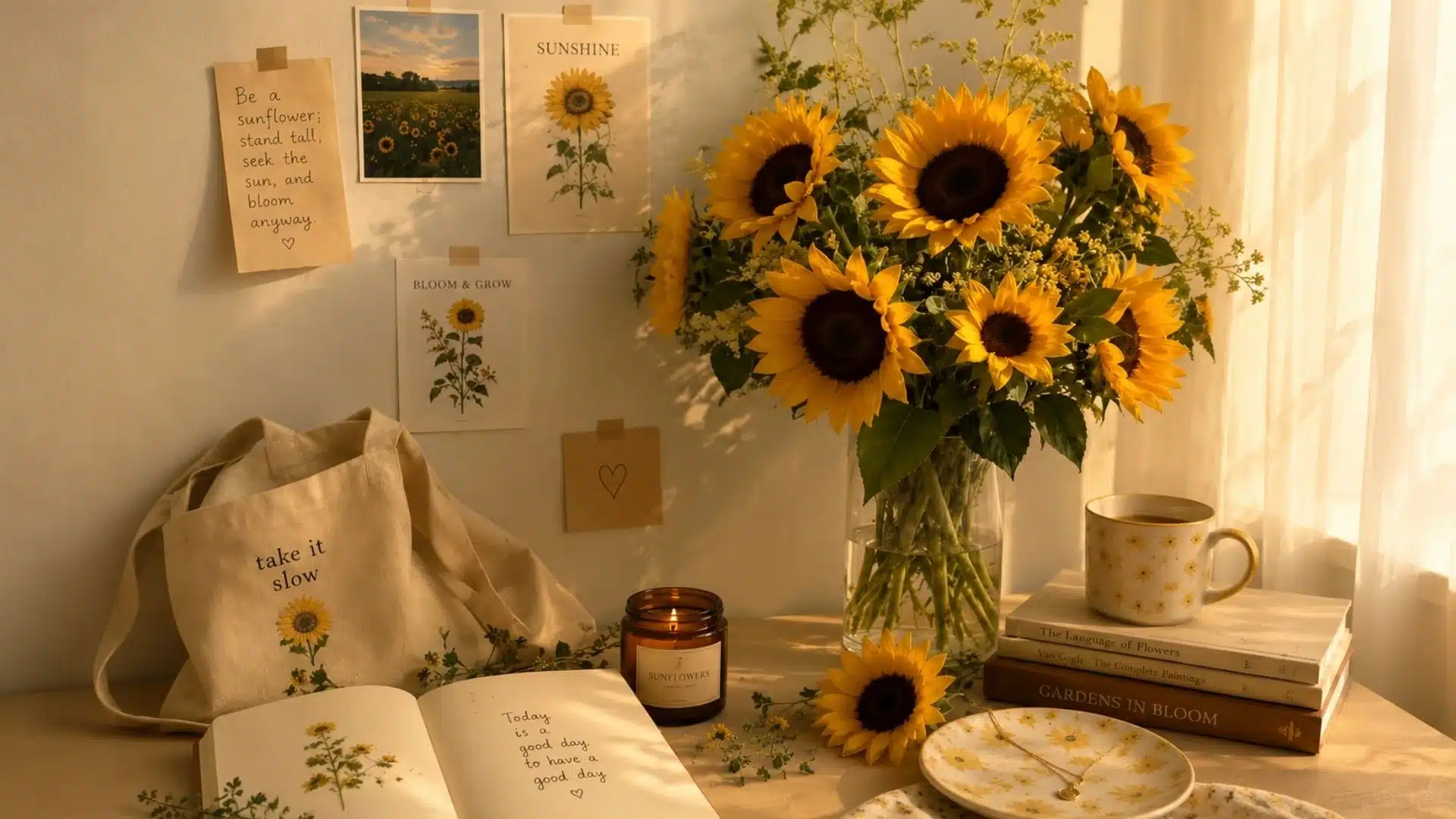
Ask a handful of gardeners to describe a sunflower, and most will picture the same tall yellow giant, but that’s barely scratching the surface.
Countless wild species and thousands of cultivated varieties exist, ranging from petite container blooms to towering giants with dinner-plate-sized heads.
This piece breaks down the main types of sunflowers by size and growth habit. It also covers the different types of sunflower seeds and what each is actually good for: snacking, cooking oil, or feeding backyard birds.
Beyond that, expect a look at colors well outside the usual gold-and-brown palette, plus a simple framework for narrowing down exactly which variety fits your space and purpose.
Sunflower Types at a Glance
Before getting into individual varieties, here’s how the main categories stack up side by side:
| Category | Typical Height | Bloom Habit | Best For |
|---|---|---|---|
| Giant & Tall | 8-15 ft | One large head per stalk | Privacy screens, seed harvest |
| Branching & Multi-Headed | 5-8 ft | Dozens of smaller blooms | Pollinator gardens, long bloom season |
| Single-Stem & Cut-Flower | 4-6 ft | One pollen-free bloom per stem | Bouquets, flower farming |
| Dwarf & Container | 1-3 ft | Compact, fast to bloom | Patios, pots, window boxes |
| Ornamental & Unique-Color | 2-8 ft (varies by variety) | Non-traditional colors or forms | Statement blooms, borders |
| Perennial & Native | 1-10 ft (varies by species) | Returns yearly, often spreads | Naturalized areas, wildlife habitat |
Height ranges are approximate. I’m not fully certain these hold true across all growing zones, so it’s worth checking the seed packet or the grower’s listing for a specific variety before planting.
How to Choose the Right Type of Sunflower?
With so many sunflower varieties to choose from, narrowing down the right one depends on what you need and where you’re planting. Here’s how to match a sunflower to your specific situation.
- For snacking or oil, stick with oilseed or confection varieties like Mammoth Grey Stripe or Russian Mammoth for the best seed yield and roasting quality.
- Check your USDA zonebefore planting perennial sunflowers, as types like swamp sunflower and willow-leaved sunflower need specific zones to survive winter.
- Ornamental sunflowers like Chocolate Cherry, Velvet Queen, or Moulin Rouge prioritize striking, non-traditional color over seed production.
- Container gardening works best with compact varieties like Teddy Bear, Little Becka, or Suntastic that stay manageable in pots.
- Cut-flower arrangements call for pollen-free single-stem varieties like ProCut Red or Sunrich Gold that hold up well in a vase.
- Pollinator and wildlife gardens do best with branching or native varieties such as Autumn Beauty, Stiff Sunflower, or Sawtooth Sunflower.
A privacy screen of giants at the back, dwarf pots by the door, and a few ornamental varieties mixed into a cutting bed cover most needs at once.
Keep this habit breakdown in mind as we move into seed types next, since growth habit and seed purpose often go hand in hand.
Giant & Tall Sunflower Varieties
These varieties put all their energy into height and a single dominant head, often topping 8 feet with blooms that stretch past a foot across.
They’re the pick for privacy screens, a dramatic backdrop, or a serious seed harvest from one plant.
1. Mammoth Russian
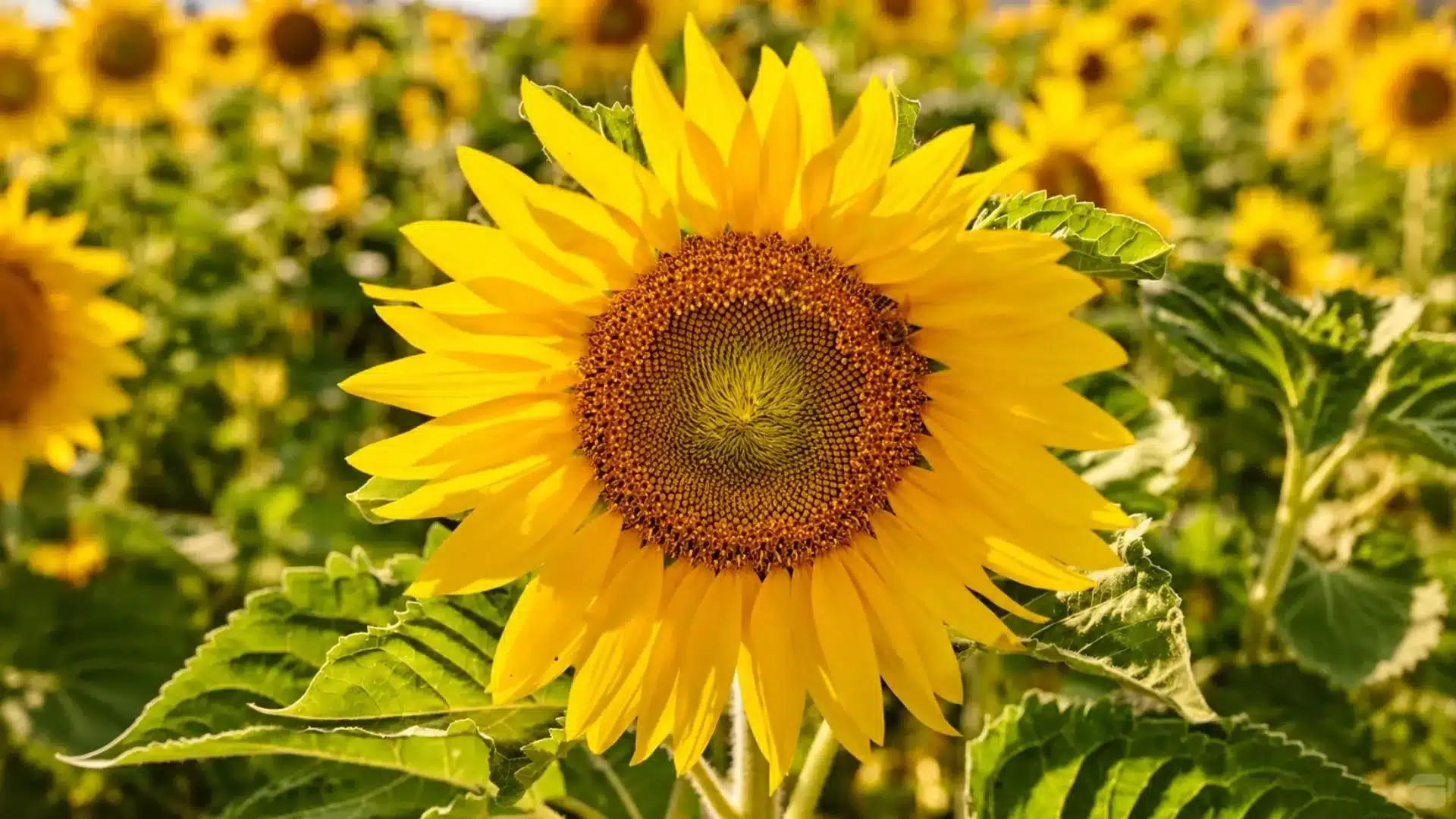
A true heirloom classic, this variety reliably reaches 10-12 feet with single, dinner-plate-sized flower heads that can span over a foot across.
Its seeds are large, striped, and easy to roast, making it a favorite for both ornamental drama and snacking. Give it full sun, rich soil, and sturdy support once the head fills out, since the weight can bend even a thick stalk.
2. Sunfinity
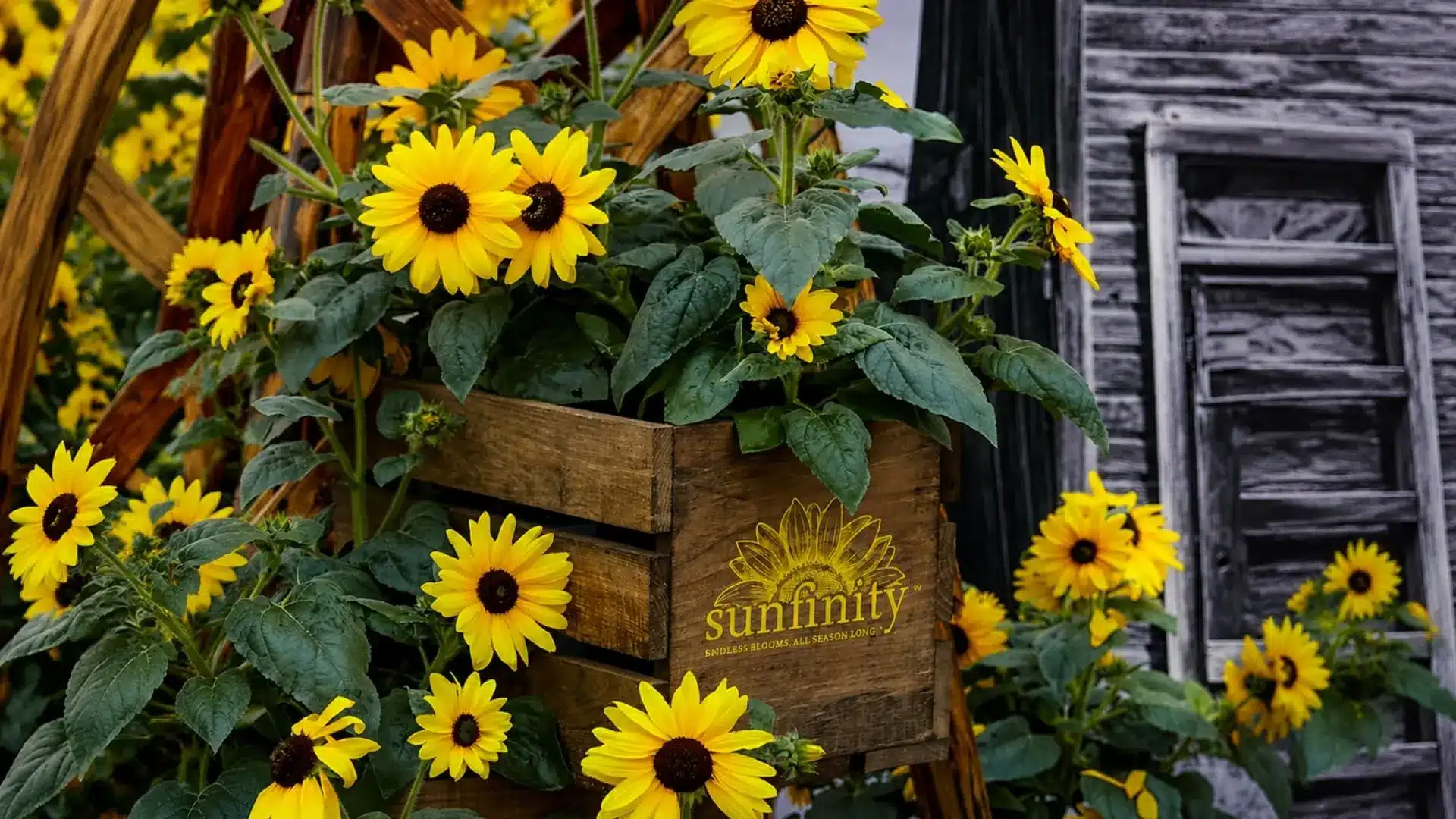
A modern branching hybrid bred for nonstop blooming, Sunfinity produces small-to-medium golden-yellow flowers continuously from early summer straight through fall, without deadheading.
Unlike older branching types that slow down mid-season, it keeps flowering steadily, making it a strong pick for gardeners who want reliable, long-lasting color in beds, borders, or large containers.
3. Sunzilla
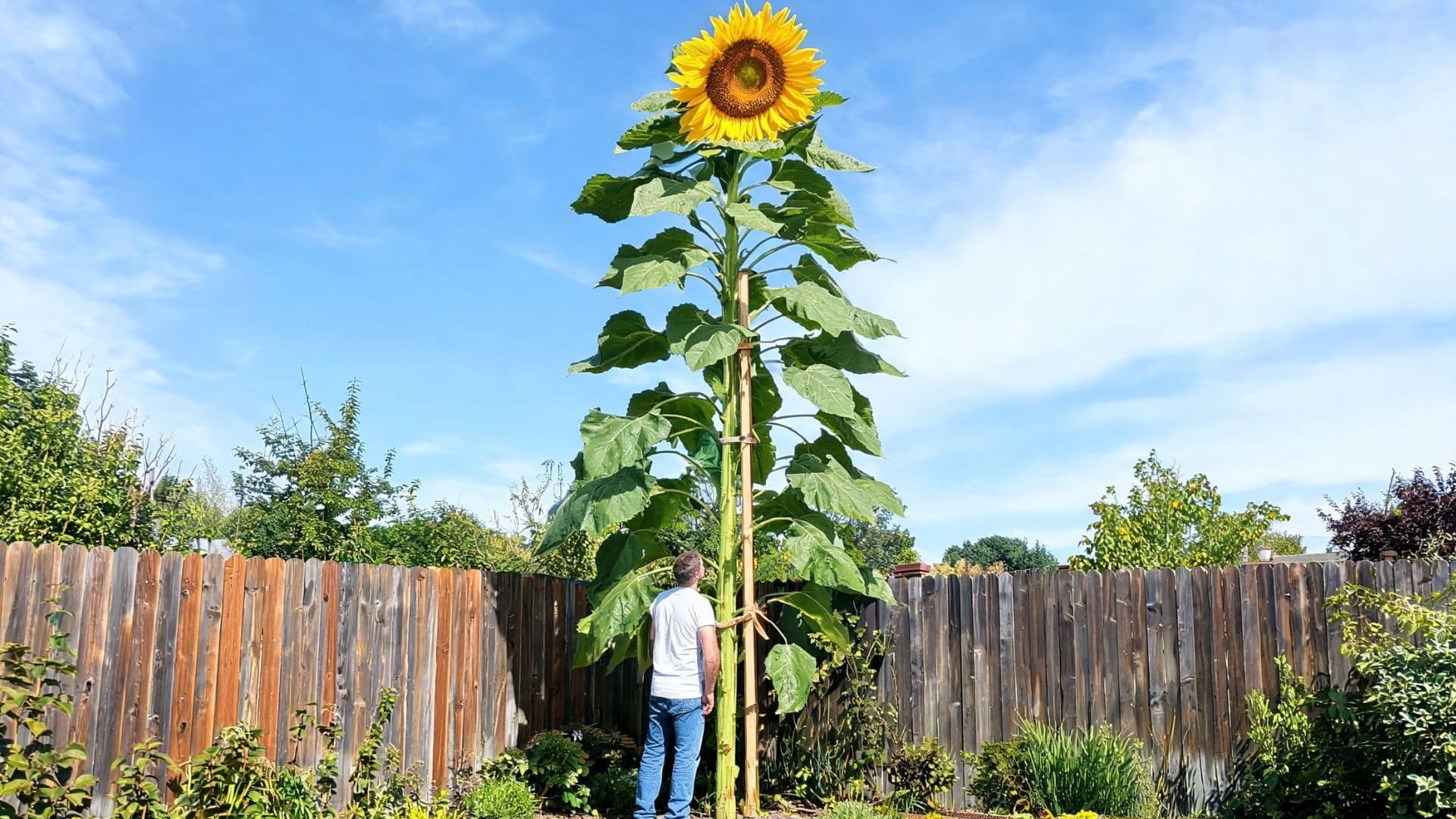
One of the tallest cultivated sunflowers on the market, Sunzilla routinely climbs 12 to 15 feet in a single growing season under good conditions.
It produces a proportionally large flower head atop a thick, woody stalk, making it a striking living privacy screen or backdrop for a summer garden. Expect to stake it early, since wind can topple even established plants.
4. Mongolian Giant
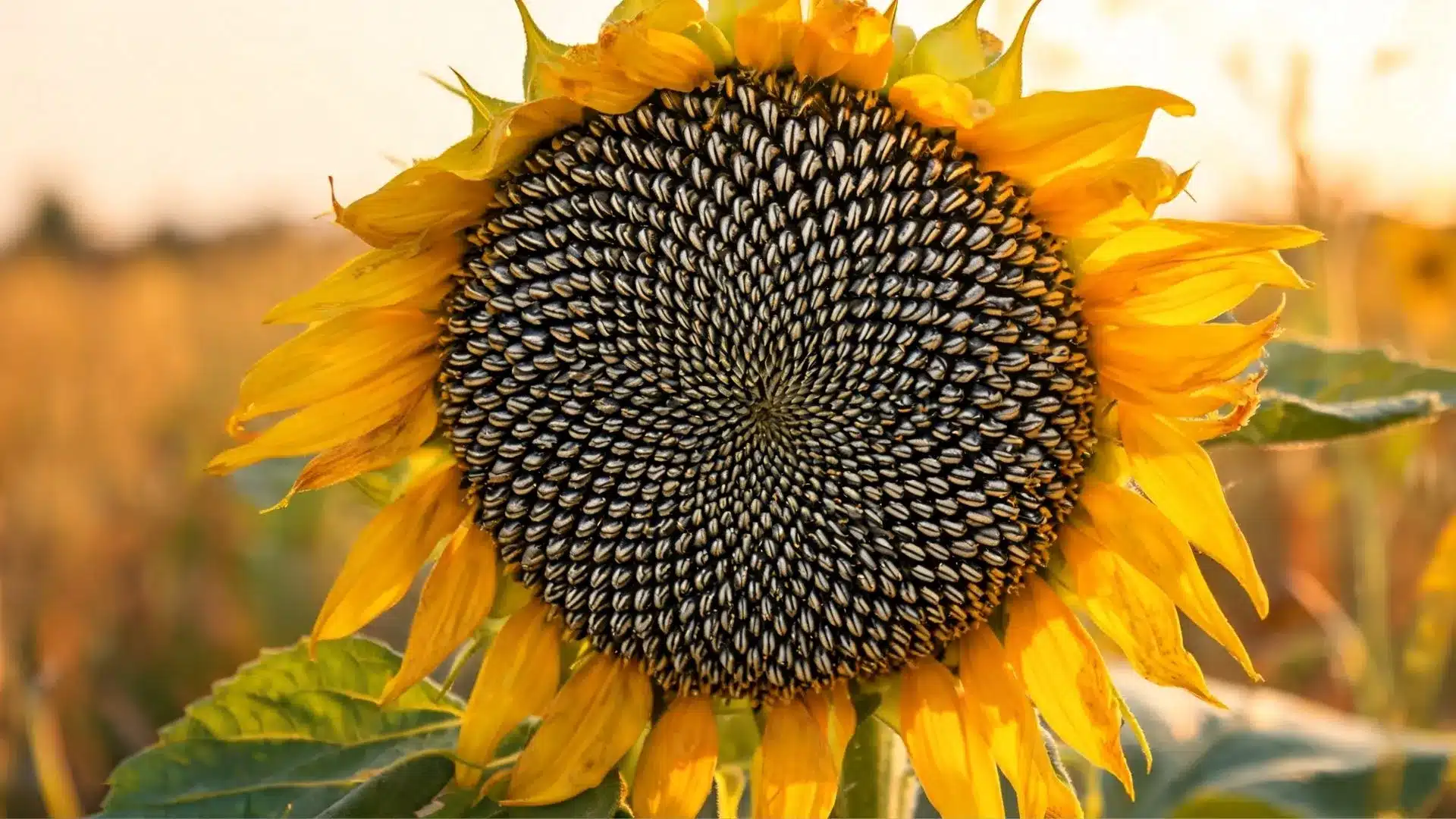
This heirloom variety is bred for one oversized bloom per stalk rather than branching, often producing flower heads well over a foot wide.
It shares Mammoth Russian’s towering height but tends to bulk up its central seed head even further, appealing to gardeners chasing record-sized blooms or a heavy seed harvest from a single, dominant plant.
5. Arikara
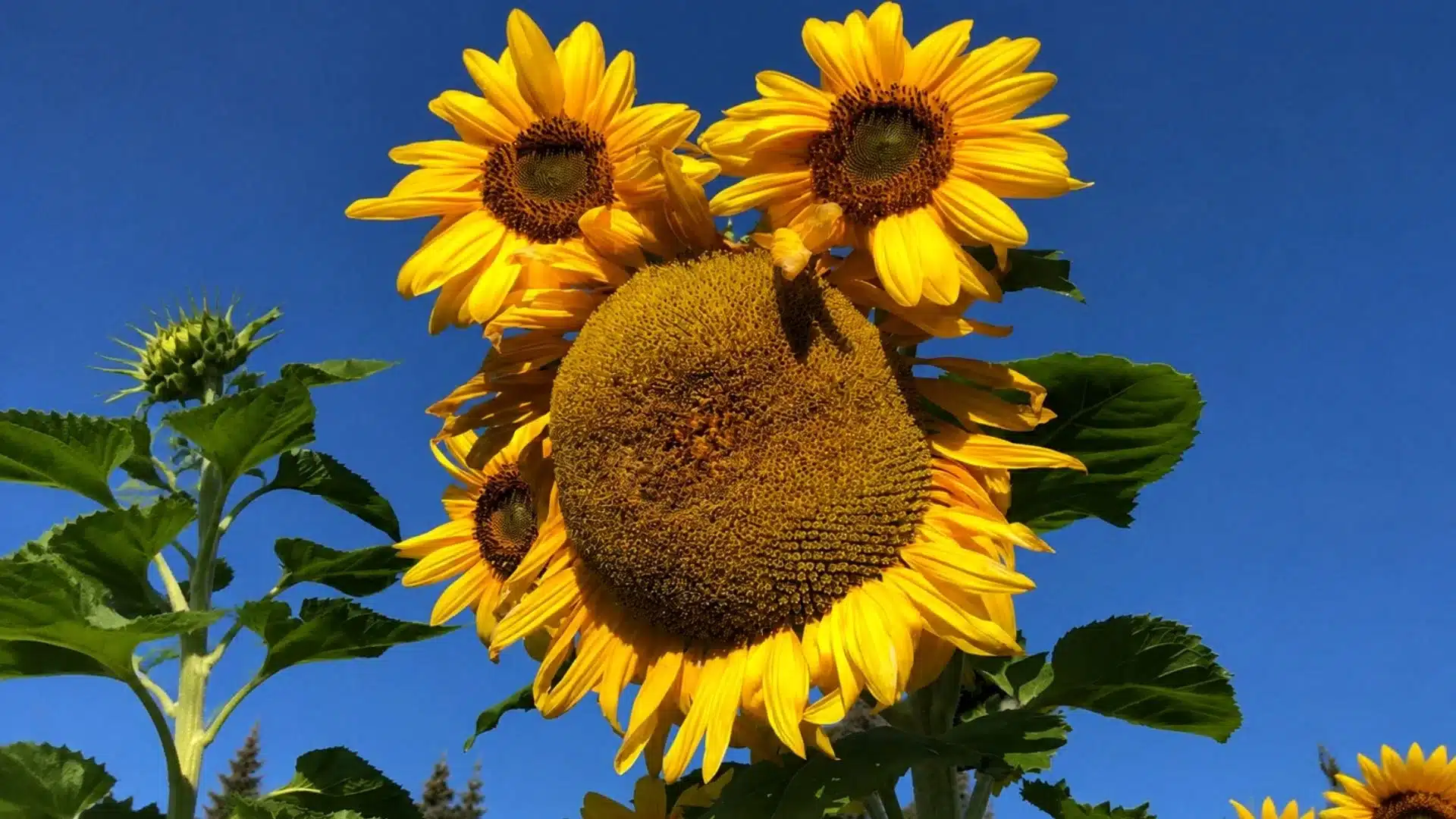
Cultivated for generations by the Arikara people of the Northern Plains, this heirloom produces large, single or branching flower heads up to 16 inches wide in shades of gold and orange.
It’s valued as much for its edible, nutrient-dense seeds as for its towering height, and its resilience reflects centuries of selection for reliable growth in tough prairie conditions.
6. Mammoth Grey Stripe
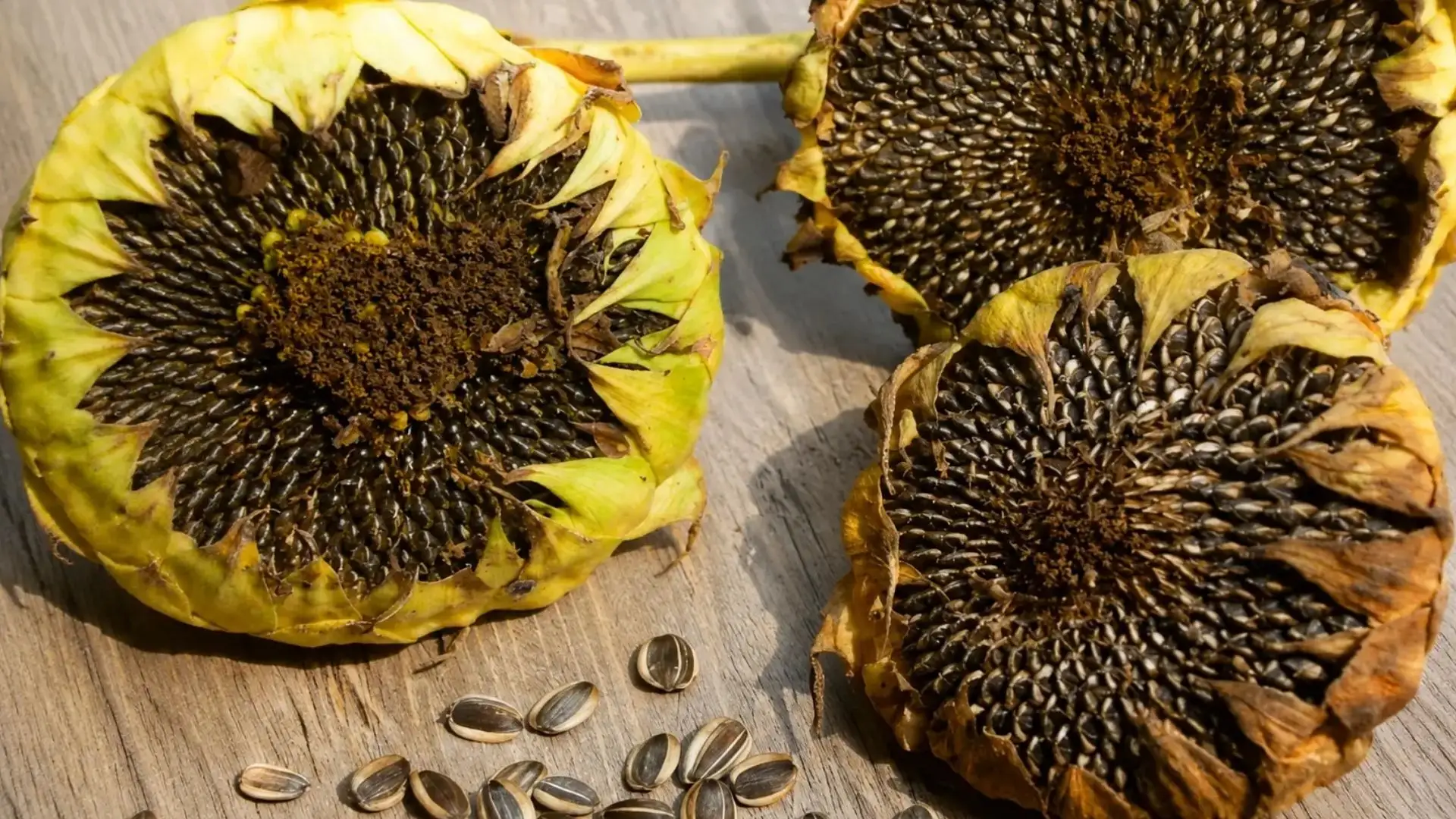
Bred specifically for snacking, this giant variety produces broad, striped seeds with a nutty flavor that hold up well to roasting and salting.
The plant itself grows 8 to 12 feet tall with flower heads reaching 8 to 12 inches across, making it a dual-purpose choice for gardeners who want both a dramatic backdrop and a real seed harvest.
7. Italian White
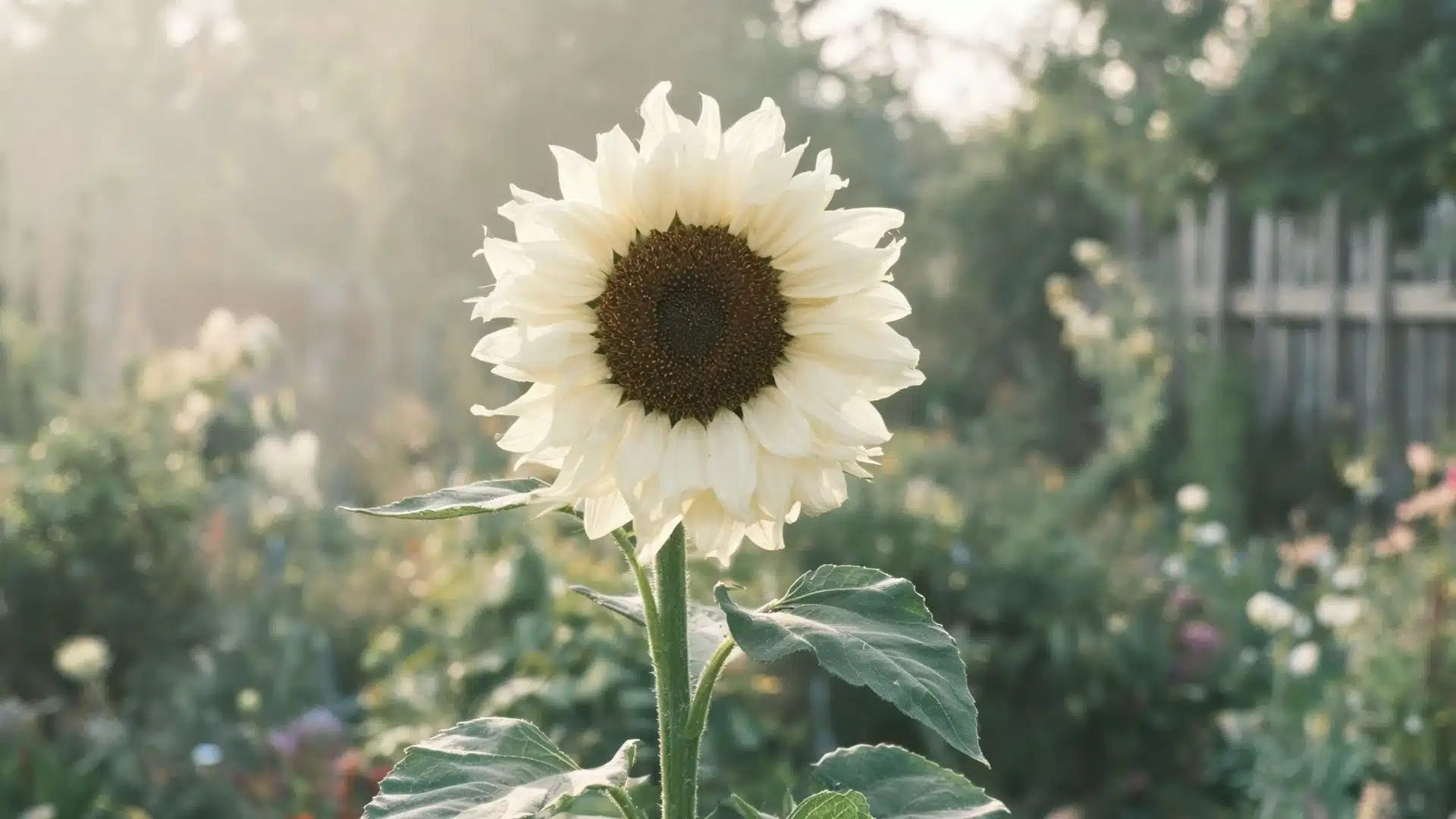
A less common heirloom, Italian White stands out for its pale, creamy petals rather than the typical golden hue, giving it a softer, almost antique look despite its towering height.
It still reaches giant proportions and produces a sizable central seed head, appealing to gardeners who want the drama of a giant sunflower without the classic gold color.
8. Kong Hybrid
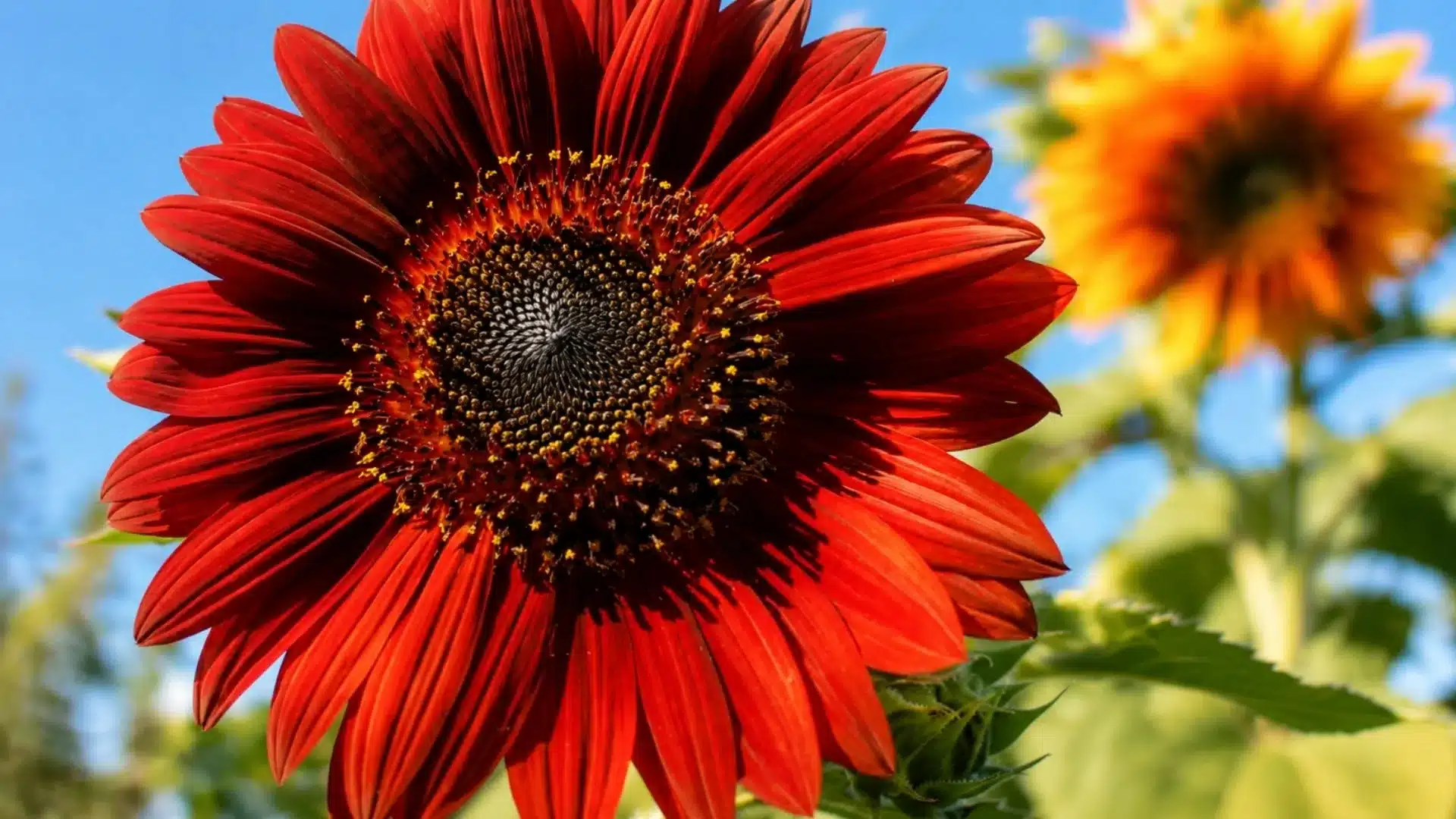
Bred specifically for speed and height rather than seed production, Kong Hybrid is one of the fastest-growing giant varieties, capable of reaching impressive heights within a single compressed season.
It’s a popular pick for growing in containers or as quick living screens, though its blooms and seed heads tend to be secondary to its sheer, rapid vertical growth.
Branching & Multi-Headed Varieties
Unlike single-headed giants, these varieties produce dozens of smaller blooms per plant rather than a single dominant flower.
That means a longer bloom window, more cut stems per plant, and better performance in pollinator gardens where continuous color matters more than a single showstopping head.
9. Autumn Beauty
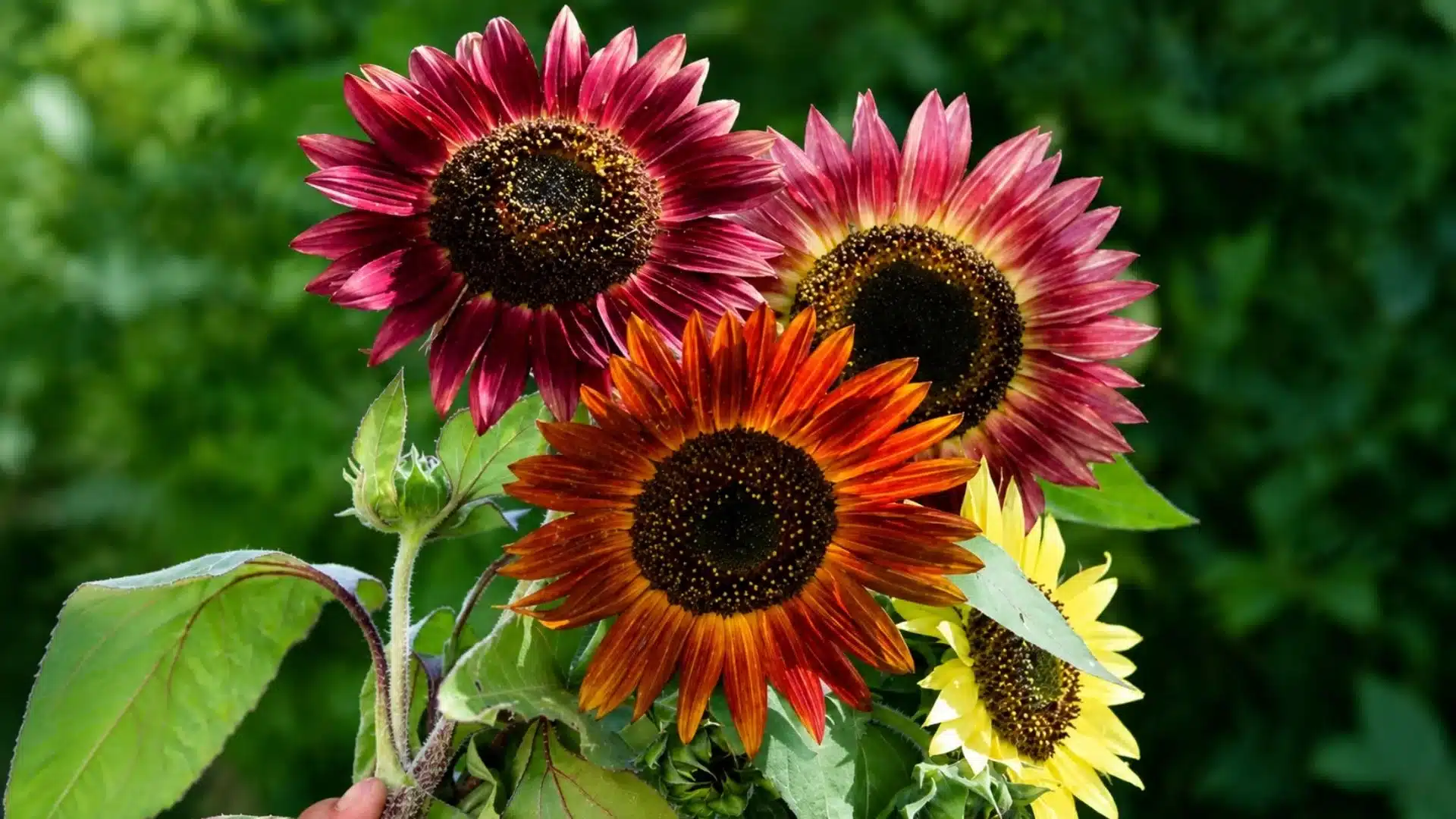
This branching heirloom produces a mix of red, orange, and yellow blooms on the same plant, often with several color variations appearing across a single row.
Reaching 5 to 6 feet tall, it blooms steadily from midsummer into fall, making it a favorite for informal cutting gardens and for attracting bees, butterflies, and seed-eating birds late in the season.
10. Evening Sun
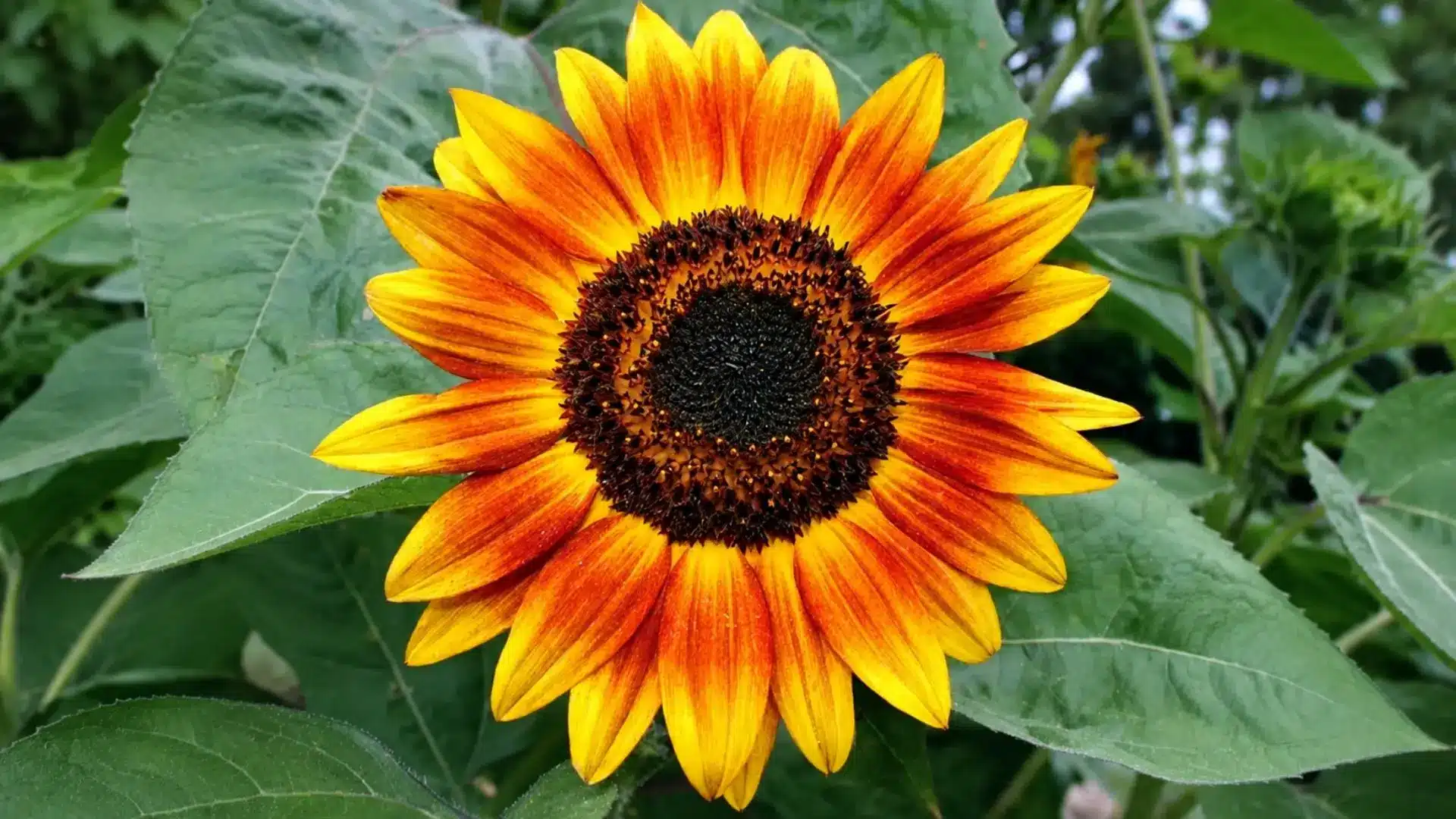
Named for its warm, sunset-like coloring, this variety produces large 8- to 10-inch blooms in copper, rust, and mahogany tones around a dark chocolate center.
It’s a fast-growing branching type that keeps producing new flowers for several weeks, making it a strong choice for gardeners who want a moodier, autumnal palette rather than classic gold.
11. Floristan
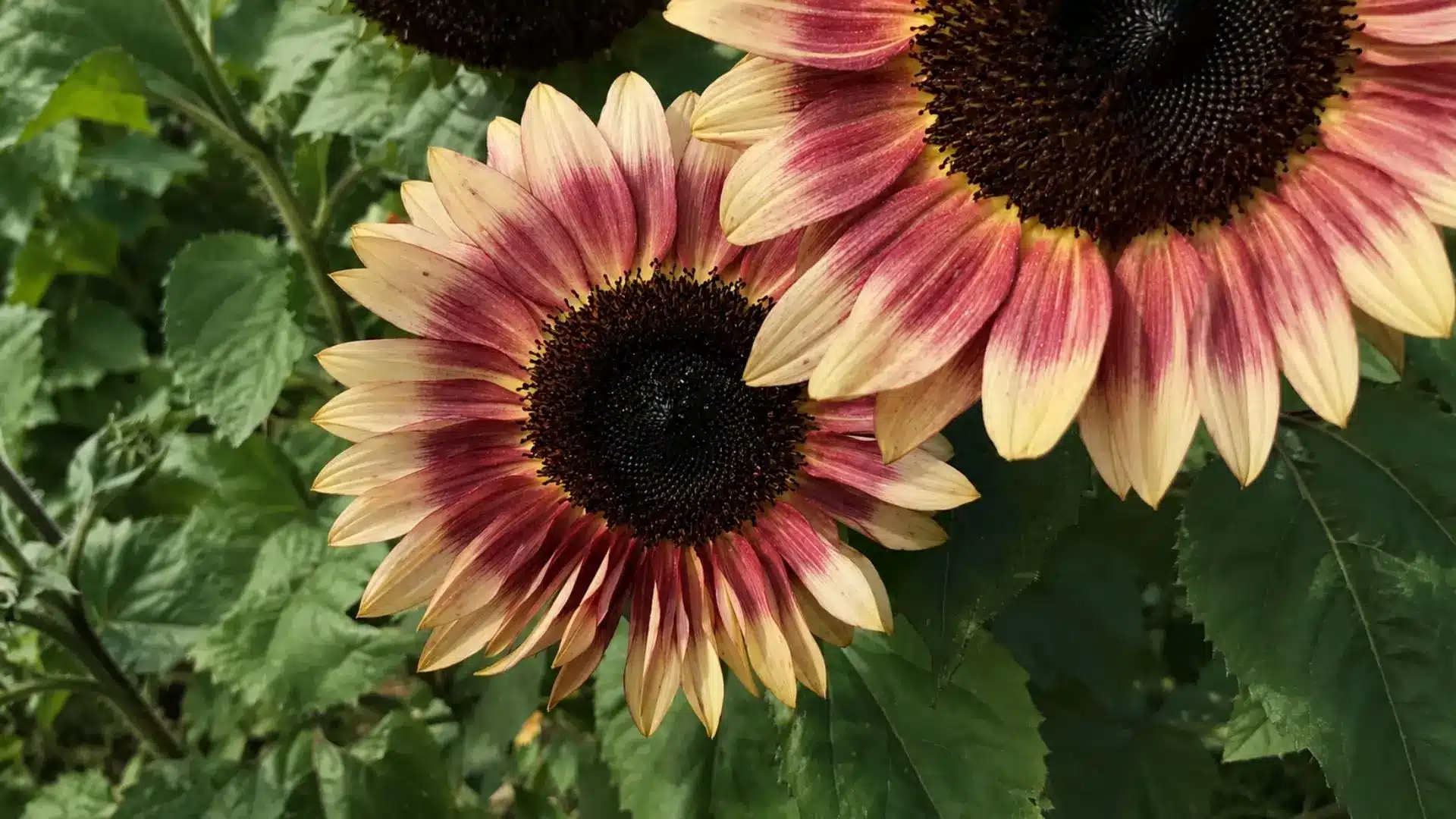
A dependable bicolor bloomer, Floristan pairs reddish-brown petals with golden-yellow tips around a chocolate-brown center.
Its well-branched habit means continuous flowering throughout the season rather than a single large bloom, which makes it especially useful for cut-flower gardeners who want a steady supply of bicolor stems for bouquets from a single planting.
12. Gypsy Charmer
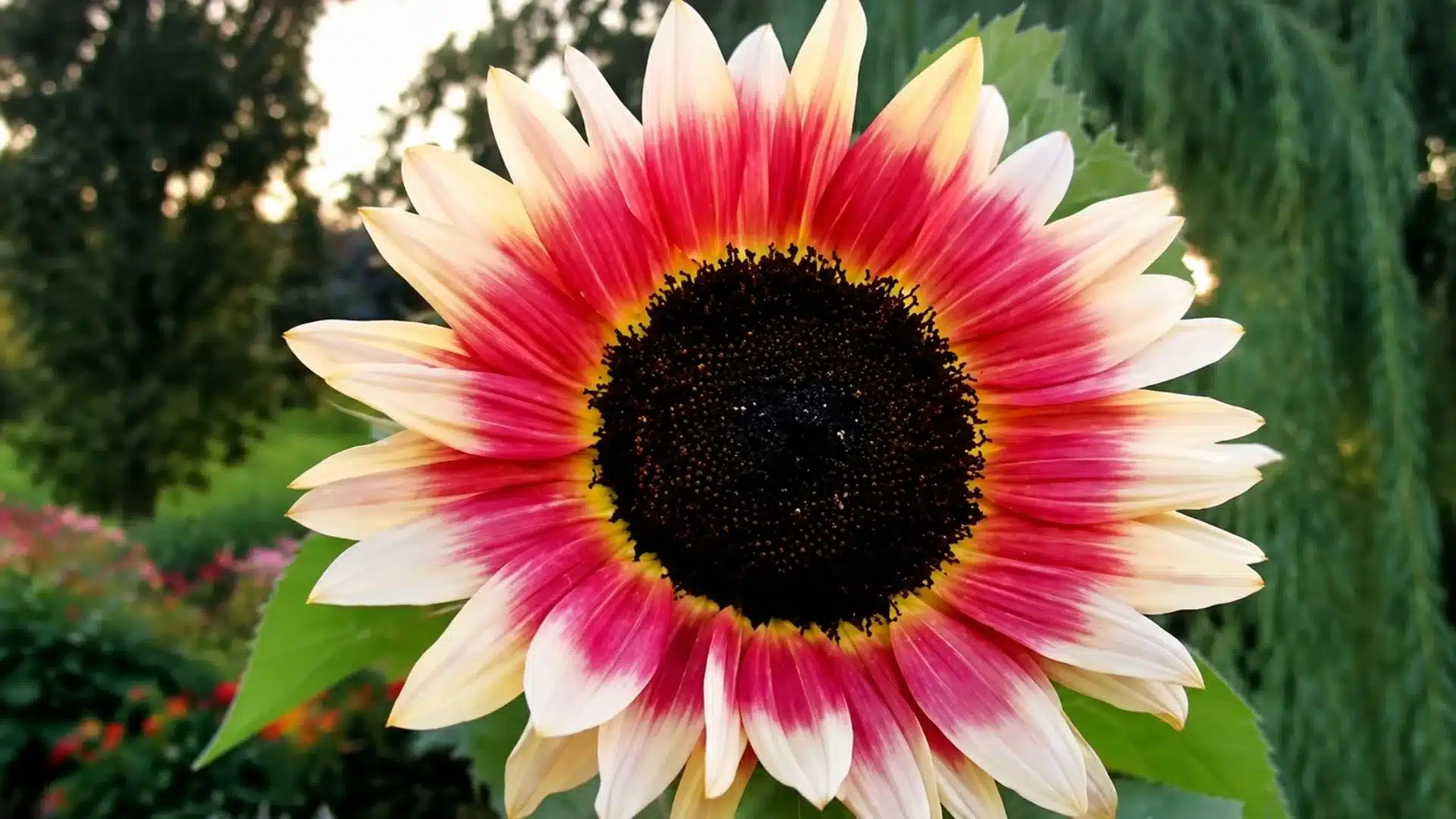
This fast-growing, branching variety produces a vivid blend of brilliant yellow, rosy red, and lemon yellow petals on 6- to 8-inch blooms.
Because it flowers early and repeatedly, it’s well-suited to sunny borders where continuous color matters, and its multicolored petals make each bloom look slightly different from the last.
13. Valentine
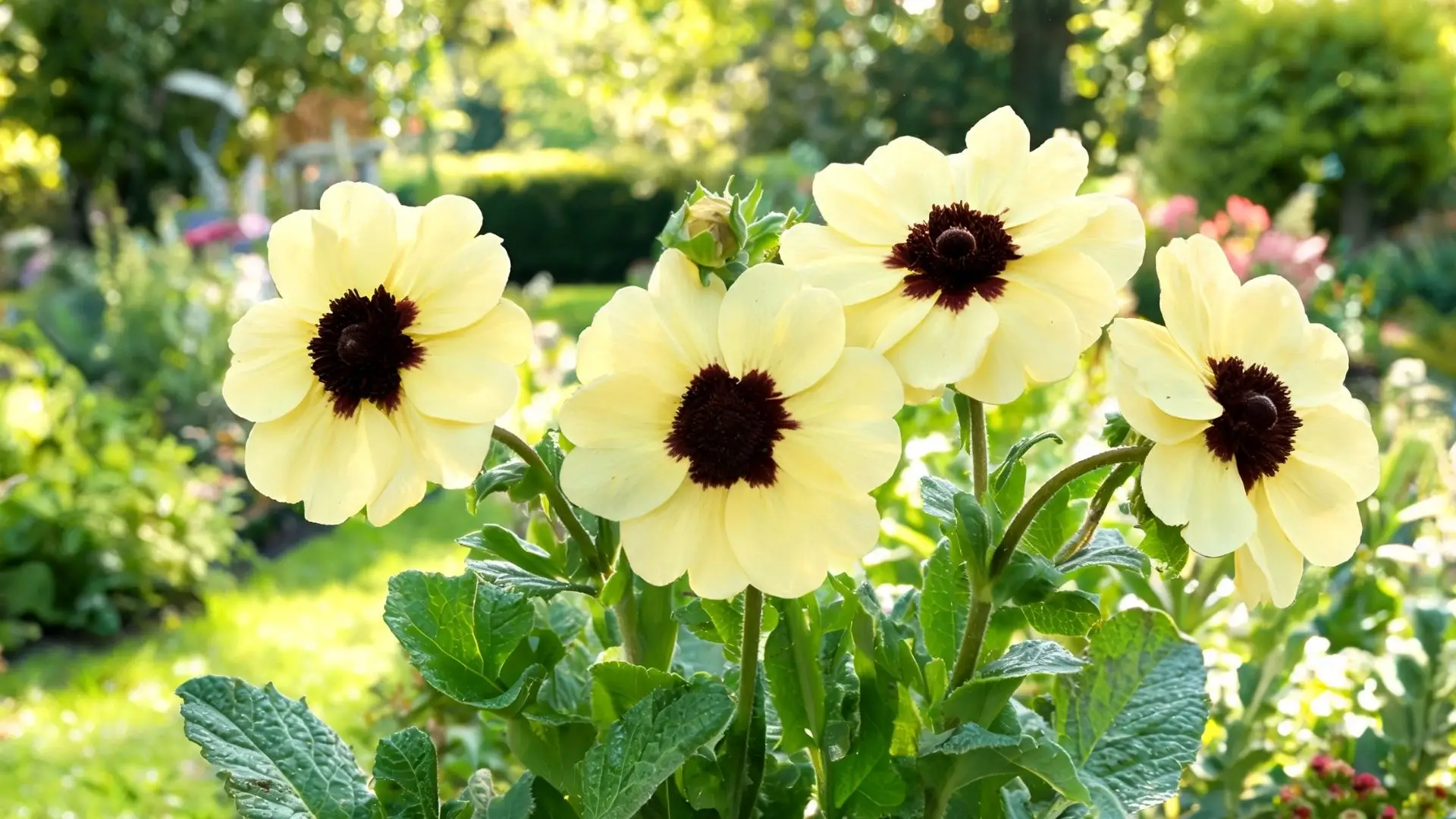
A heavy, reliable bloomer, Valentine produces soft primrose-yellow petals surrounding a dark chocolate center on blooms up to 7 inches wide.
Its well-branched, fast-growing habit means a long stretch of flowers rather than a single head, and its broad, rough leaves and strong stems make it a sturdy option for sunny borders or cutting beds.
14. Claret
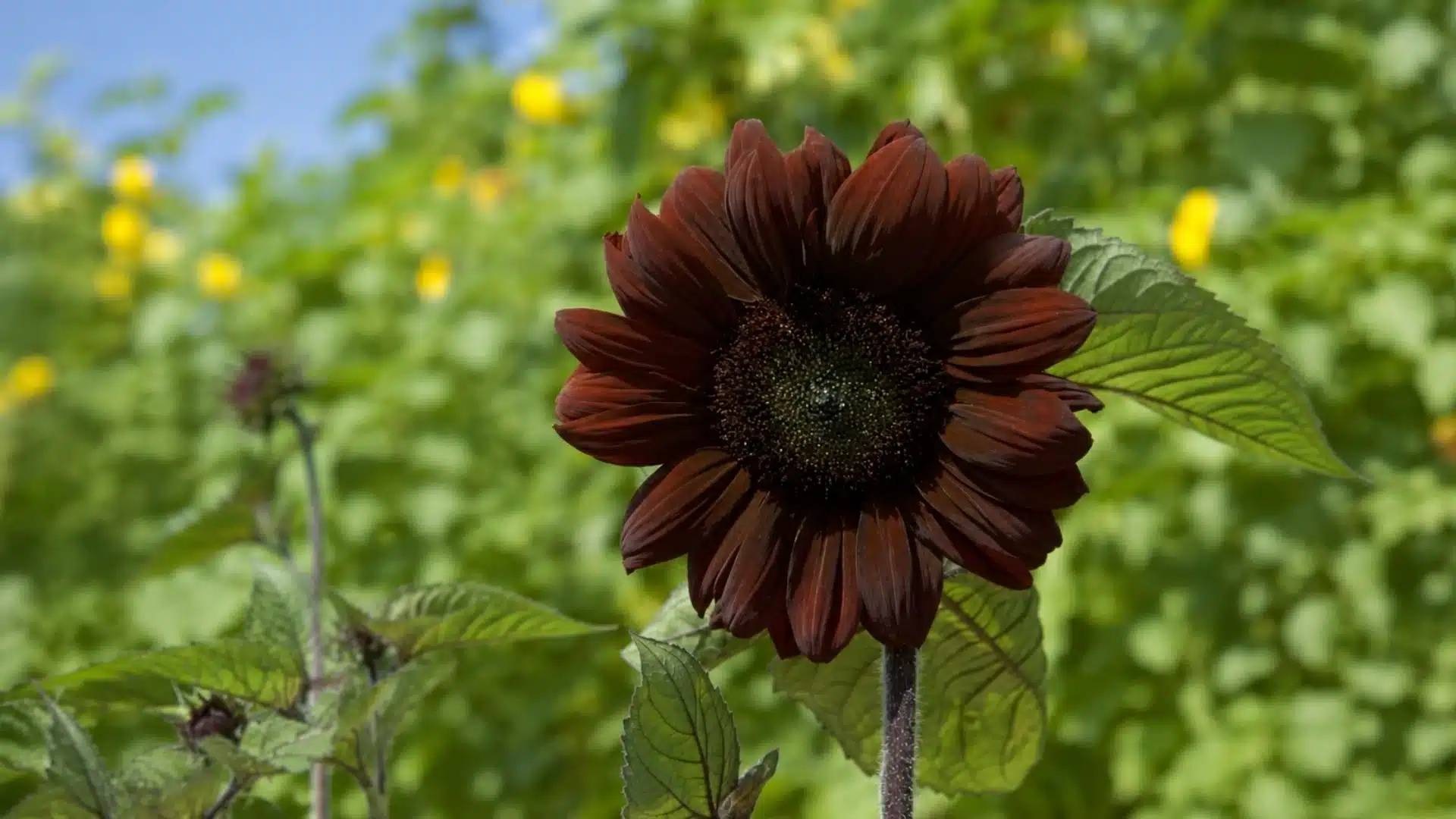
Known for its wine-red petals encircling an almost-black center, Claret is a striking branching variety that reaches 5 to 6 feet with blooms up to 6 inches across.
It flowers later in the season than most branching types, making it a strong pick for extending color into fall arrangements and late-summer garden displays.
15. Strawberry Blonde
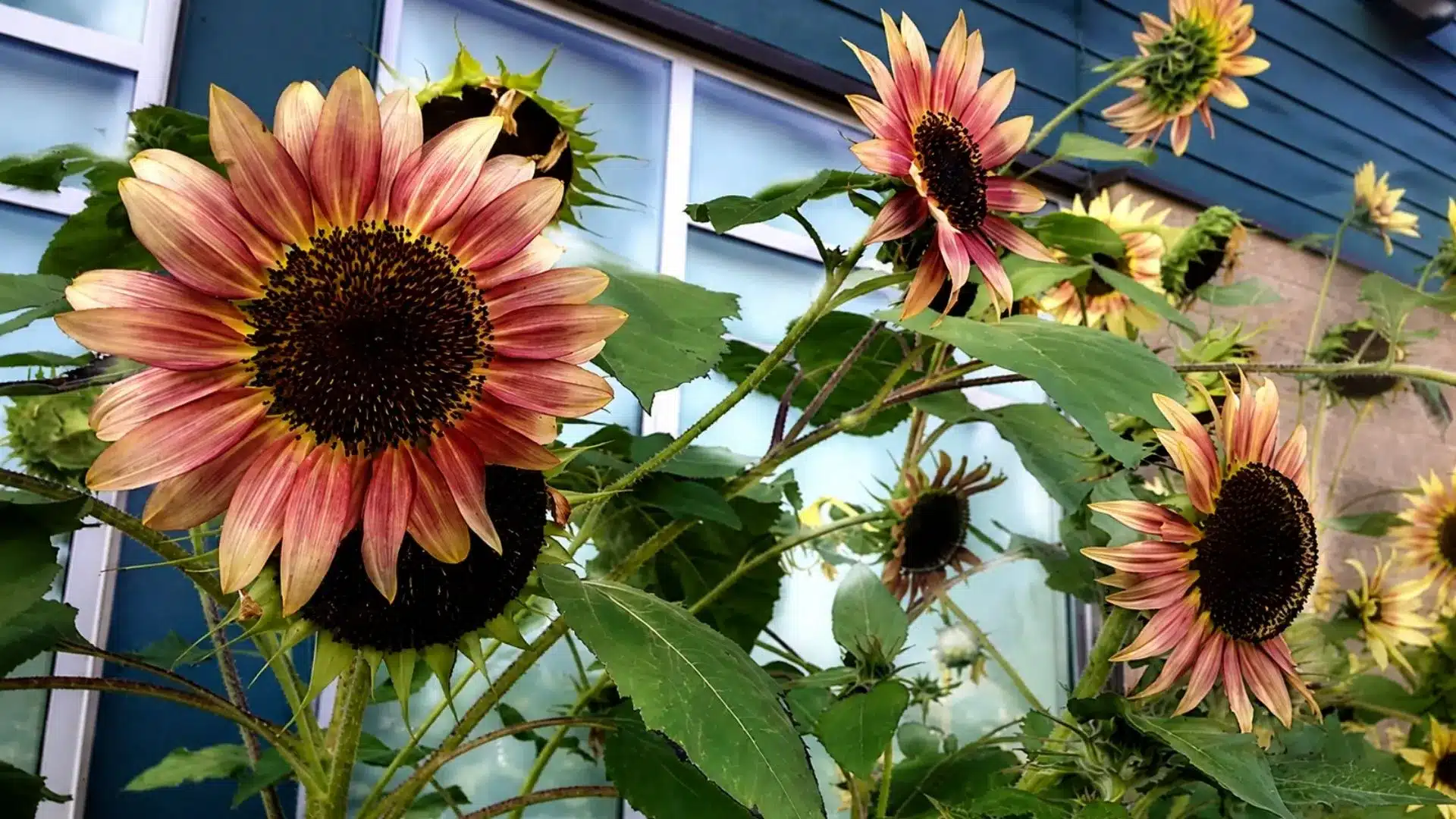
This unusual variety blends lemon, rose, and pink tones into a single bloom, a departure from the typical gold-and-brown sunflower palette.
Fast-growing and pollen-free, it’s particularly popular for cutting since the blooms won’t shed pollen on fabric, and its branching habit keeps new flowers coming for weeks after the first bloom opens.
16. Music Box
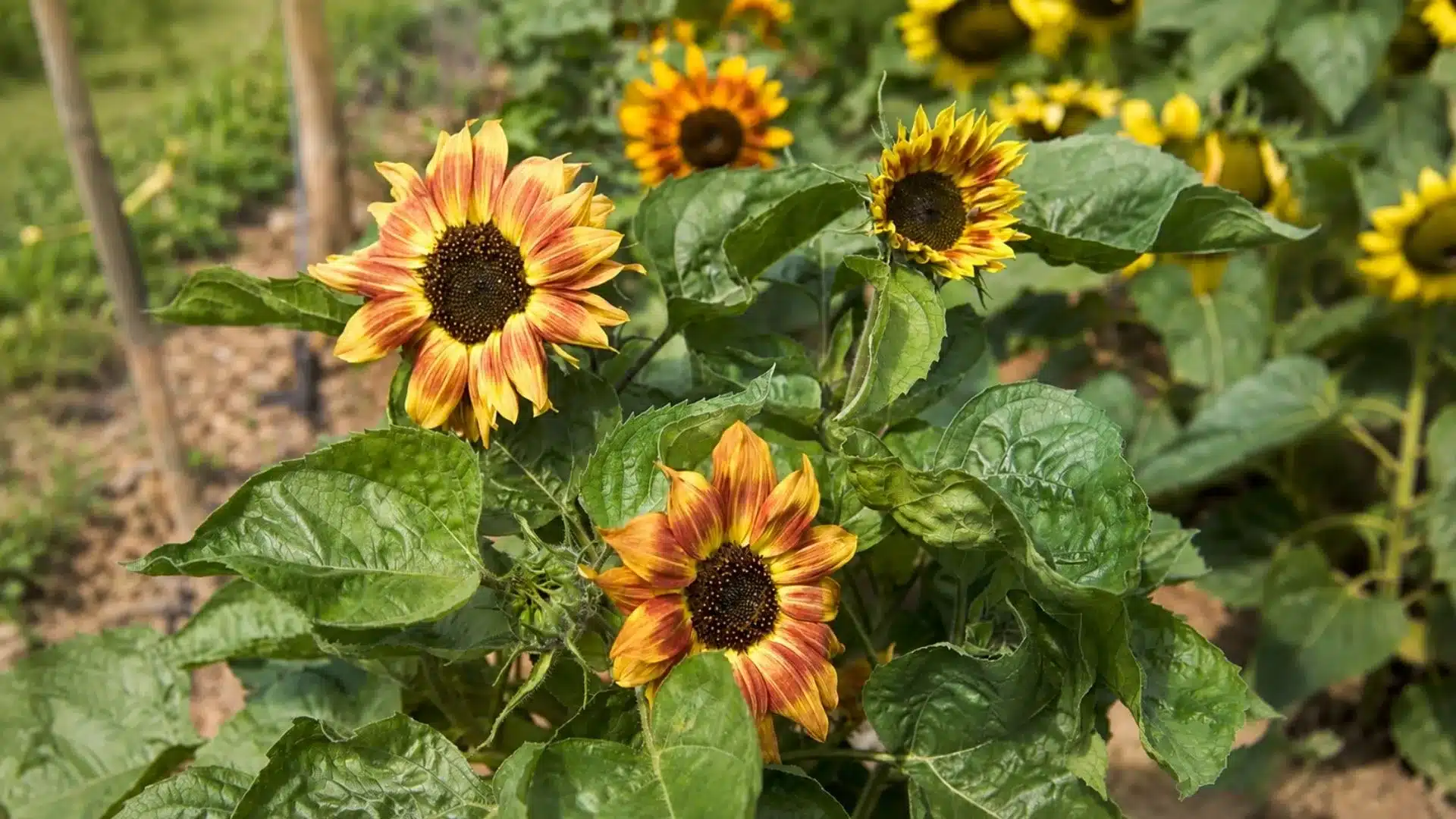
A compact branching mix, Music Box produces blooms spanning nearly the entire sunflower color range: cream, yellow, orange, red, and bicolor, all on the same shorter, bushier plant.
Because it stays more compact than most branching varieties, it works well in smaller garden beds or containers where a full range of color is still the goal.
Single-Stem & Cut-Flower Varieties
These varieties skip branching altogether, putting all their energy into a single stem and bloom.
Bred mainly for the florist trade, most are pollen-free and bloom on a predictable schedule, which makes them easy to grow in uniform rows for reliable, mess-free cutting.
17. ProCut Red
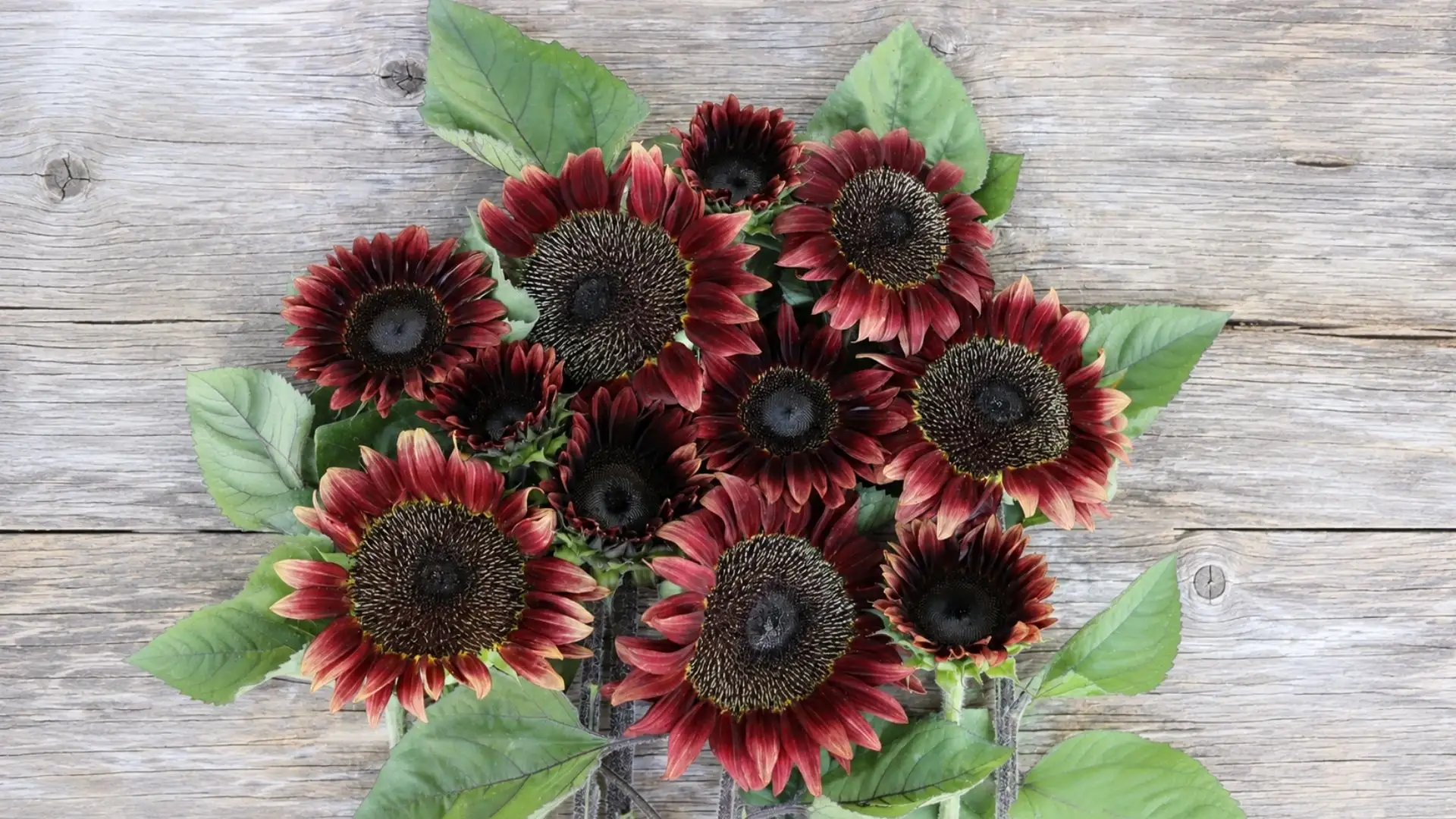
Bred purely for the florist trade, ProCut Red produces deep red petals around a dark center on a single, unbranched stem.
Its pollen-free blooms mean no mess on tablecloths or clothing, and its uniform height makes it easy to harvest in rows. Flower farmers favor it for consistent color and reliable vase life in mixed arrangements.
18. ProCut White Night
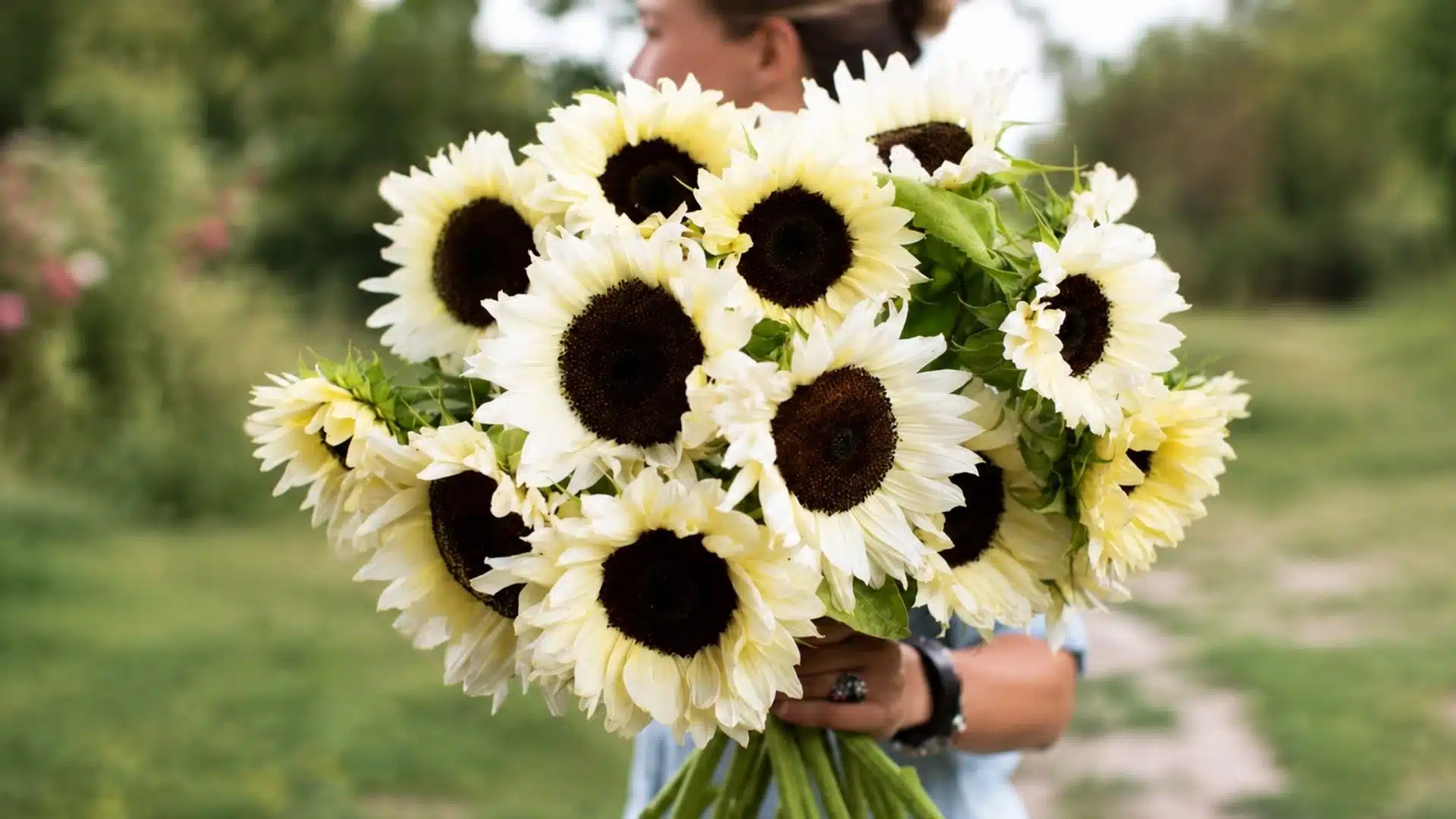
This variety stands out with creamy white petals surrounding a dark, contrasting center, giving it a softer, more graceful look than typical gold sunflowers.
Pollen-free and single-stemmed, it’s a favorite for weddings and neutral-palette floral designs, where a muted, sophisticated bloom is preferred over the bold, traditional sunflower look.
19. ProCut Orange
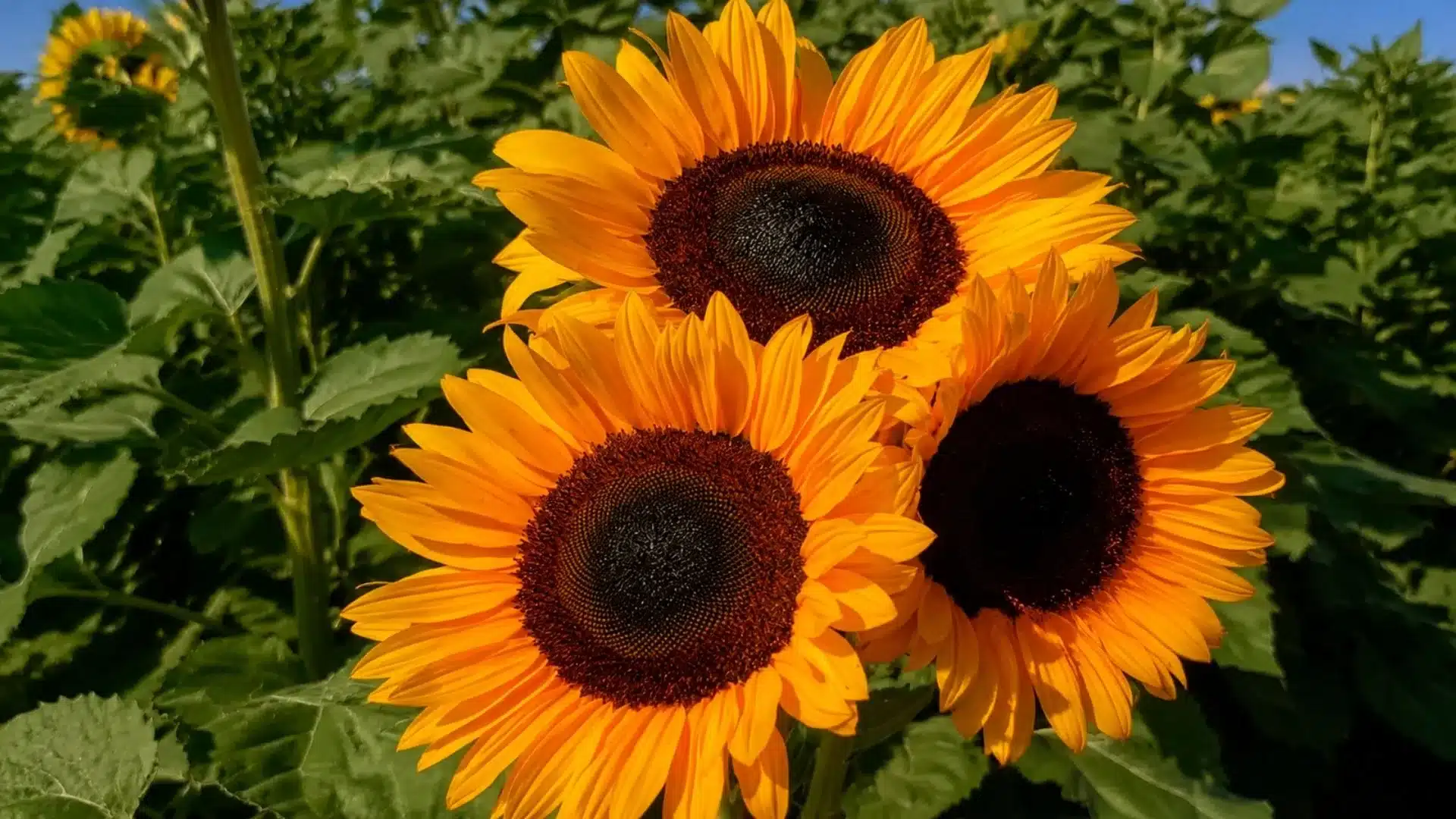
A bright, punchy orange bloom on a clean single stem, ProCut Orange is bred for strong vase life and uniform growth across a planting.
Like other ProCut varieties, it’s pollen-free, making it a practical choice for florists and home gardeners who want bold color without the mess pollen leaves behind on surfaces.
20. Sunrich Gold
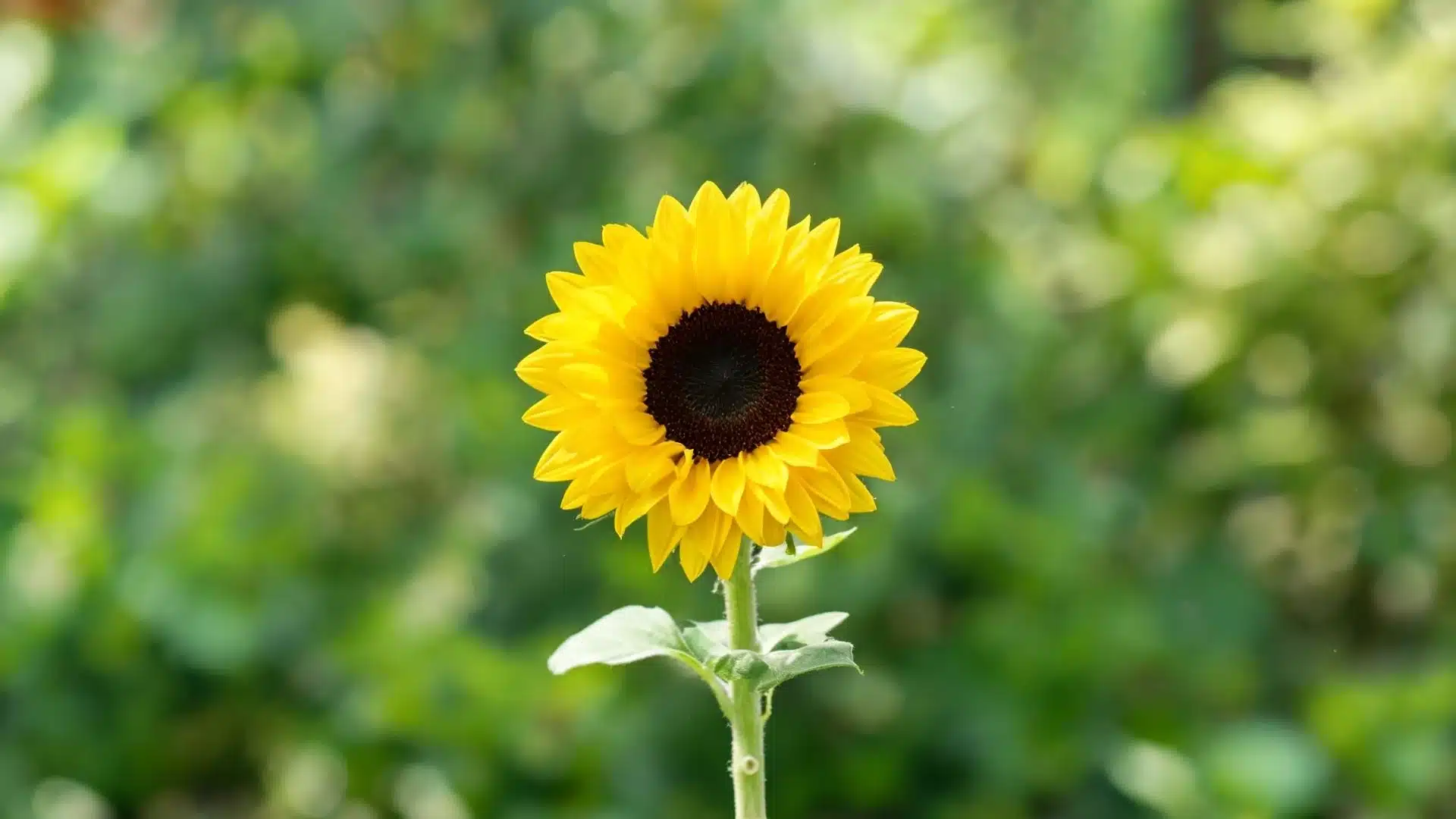
Bred specifically for bouquets, Sunrich Gold produces long-lasting, pollen-free golden blooms on a single upright stem.
Its extended vase life and reliable bloom size make it a dependable choice for cut-flower growers, while its clean, classic coloring keeps it a consistent seller in commercial and home-grown arrangements alike.
21. Sunbright Supreme
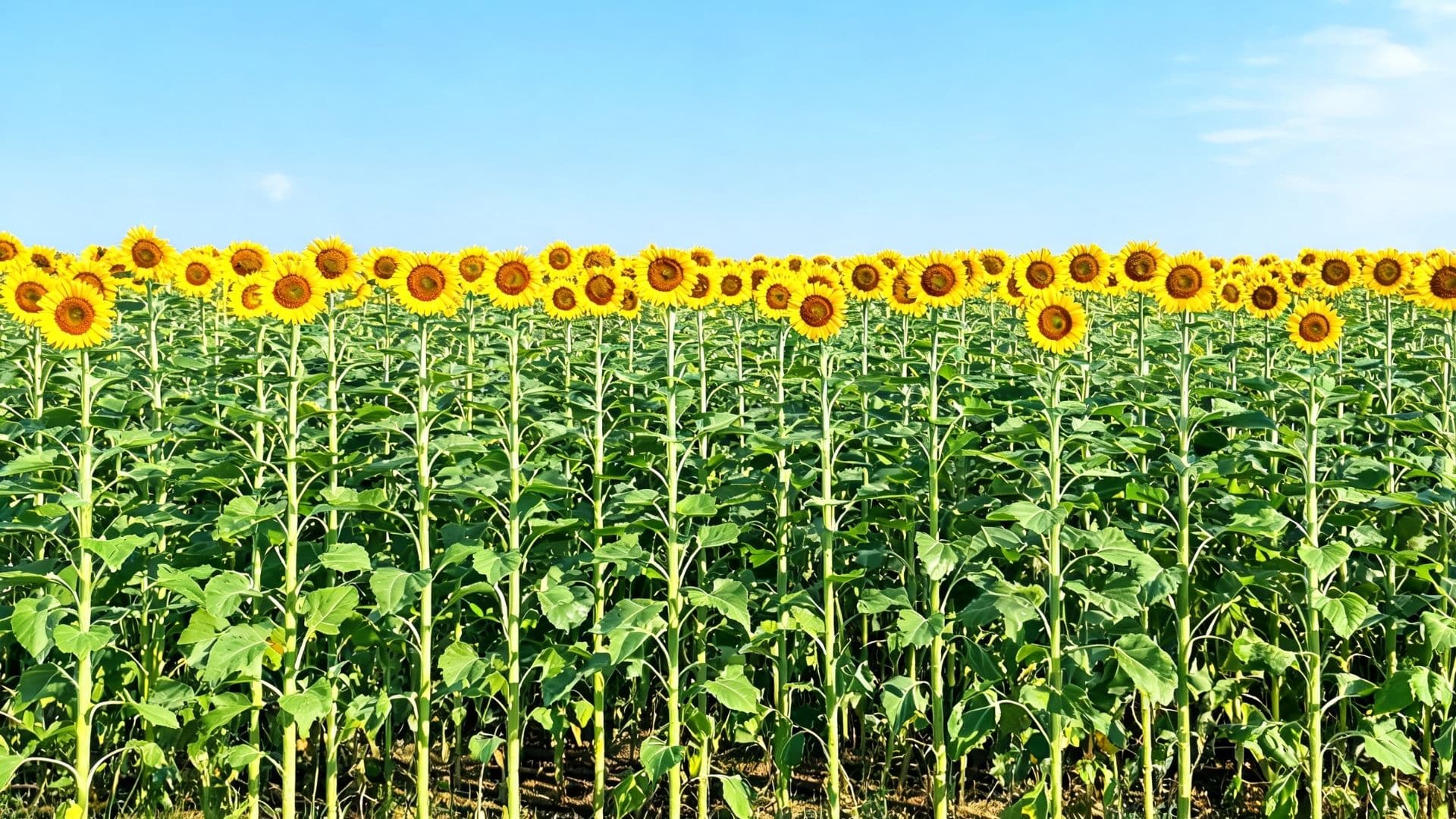
A tall, uniform single-stem variety, Sunbright Supreme is favored by flower farmers for its consistent height and reliable bloom timing across large plantings.
Its straight, sturdy stems make mechanical or bulk harvesting easier, and its dependable growth pattern reduces the guesswork associated with more variable branching patterns.
22. Sonja
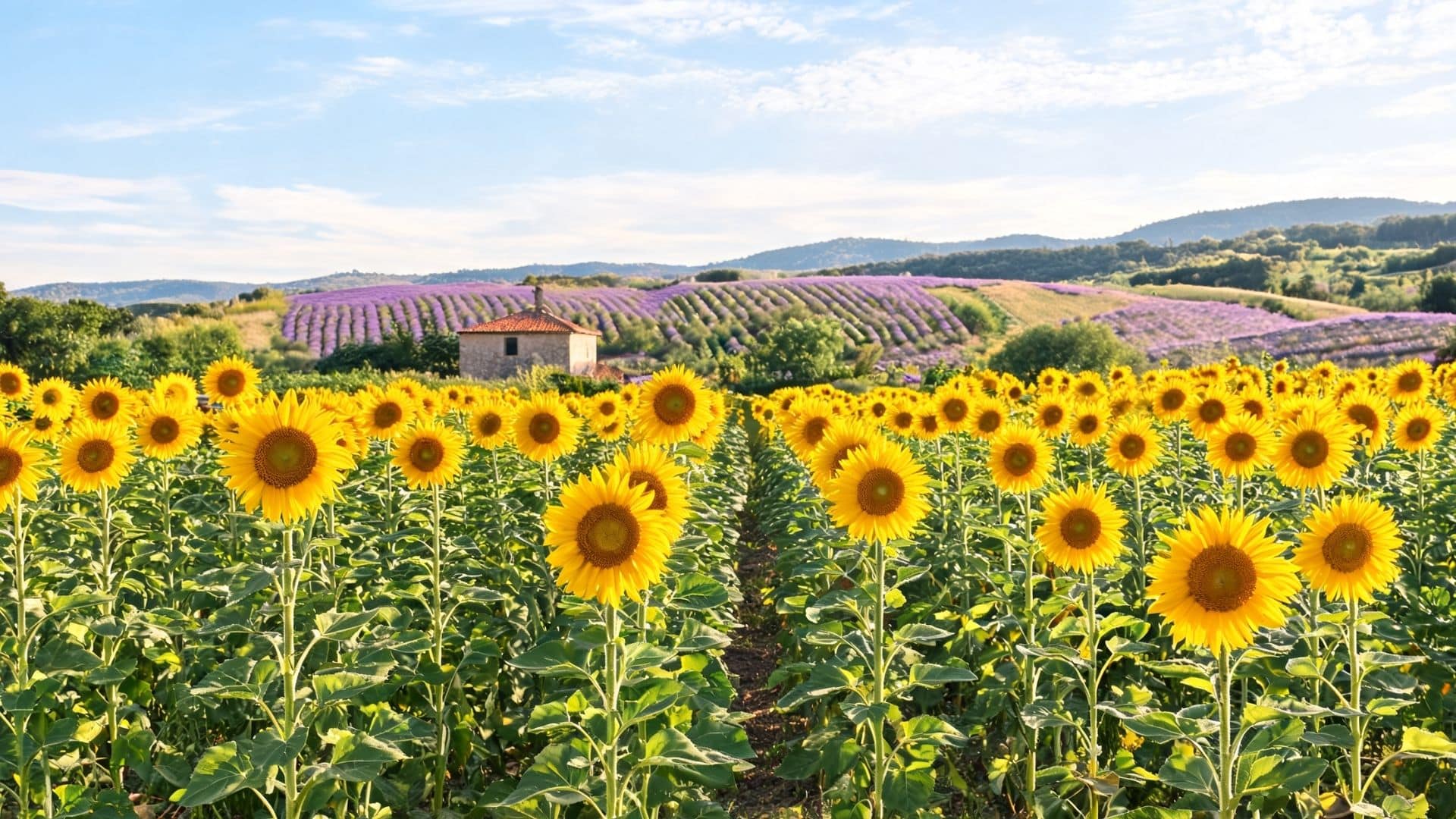
A shorter, single-stem variety, Sonja is well-suited to smaller bouquet arrangements where a more compact bloom is preferred over larger commercial varieties.
It still carries the pollen-free, uniform-growth traits typical of cut-flower sunflowers, making it a practical, easy-to-manage choice for home gardeners growing primarily for cutting.
Dwarf & Container Varieties
Bred for small spaces rather than height, these varieties top out well under most garden types on this list.
They’re the go-to picks for patios, window boxes, and anyone gardening with limited ground space, often flowering faster than their taller relatives.
23. Teddy Bear
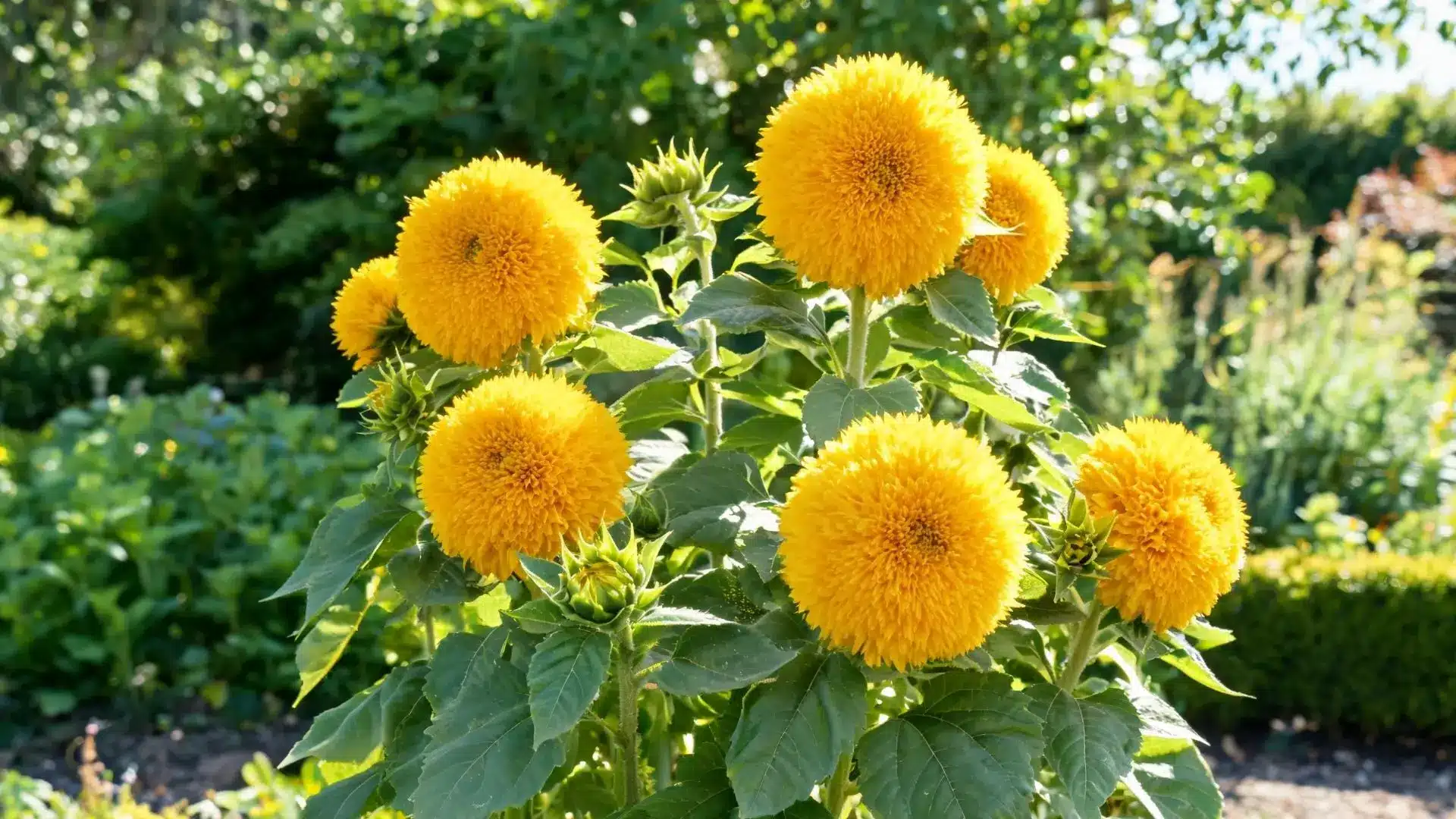
This reliable dwarf variety produces fluffy, fully double golden-yellow blooms that resemble pompoms, spanning up to 5 inches across on a compact 2- to 3-foot plant.
Ideal for sunny borders or containers, it excels as a cut flower despite its small size, blooming 60 to 75 days after planting with a soft, textured look unlike typical flat-petaled sunflowers.
24. Little Becka
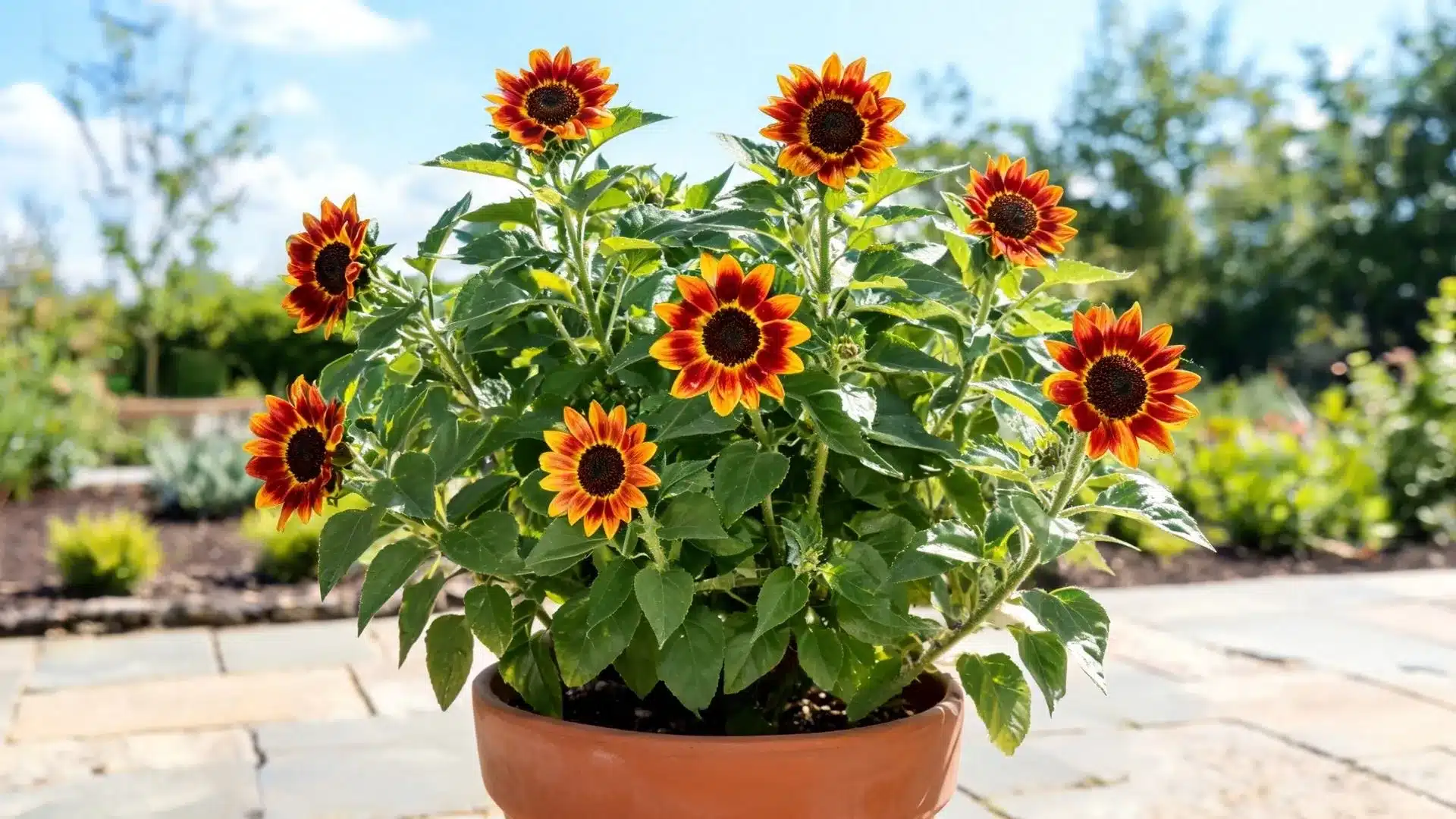
A multicolored dwarf variety, Little Becka produces smaller blooms in warm blends of red, orange, and yellow on a compact, well-branched plant.
Its manageable size makes it ideal for pots and small garden beds where a giant sunflower simply wouldn’t fit, while still delivering the varied, eye-catching color typical of larger branching types.
25. Sunny Smile
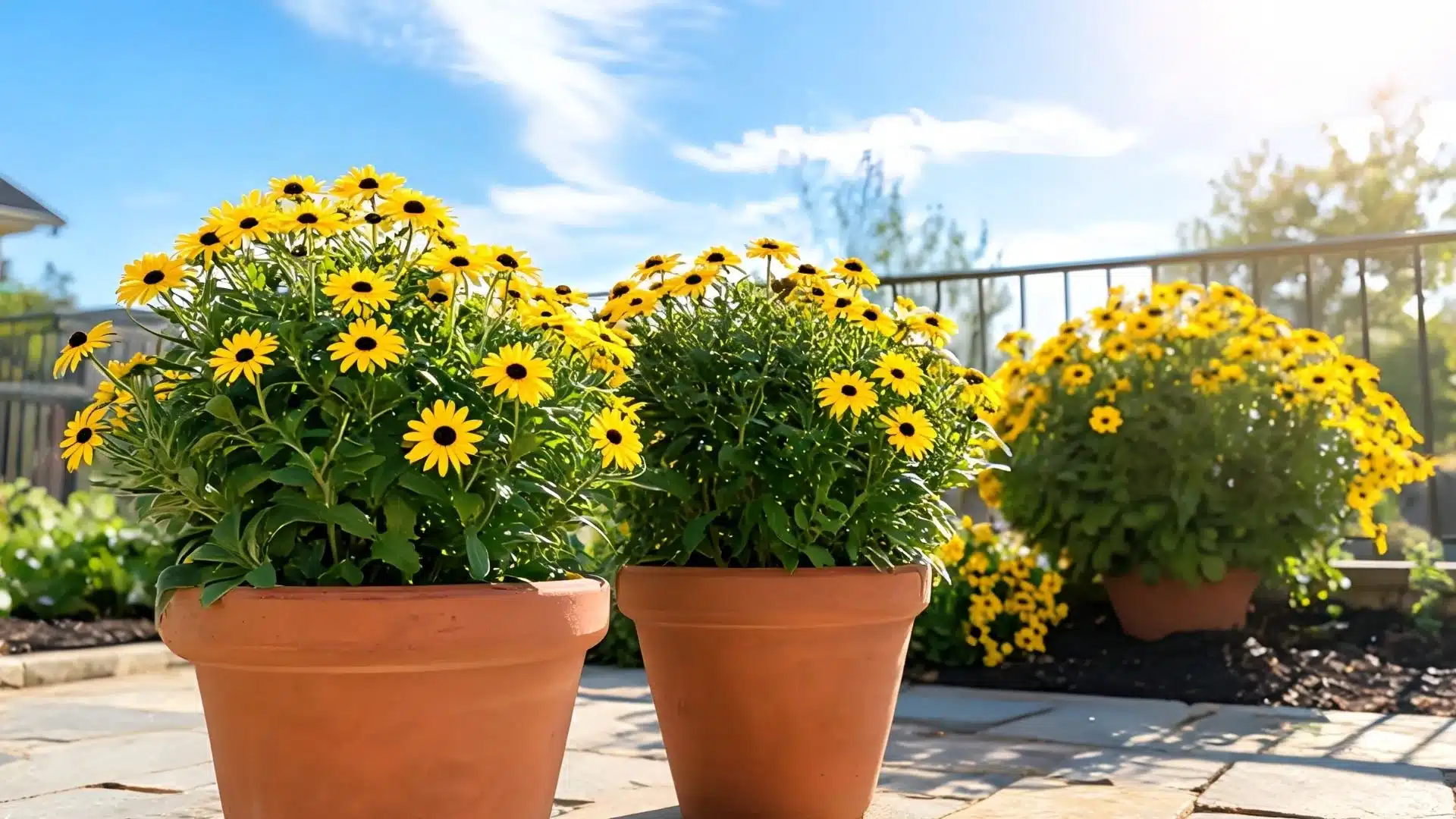
Growing just 15 to 20 inches tall, Sunny Smile is a true container variety, producing cheerful, bright-yellow blooms with dark centers throughout the summer.
Its compact size and full-sun preference make it a dependable choice for patios and small garden beds, where it adds consistent color without outgrowing its pot or overwhelming a small space.
26. Elf
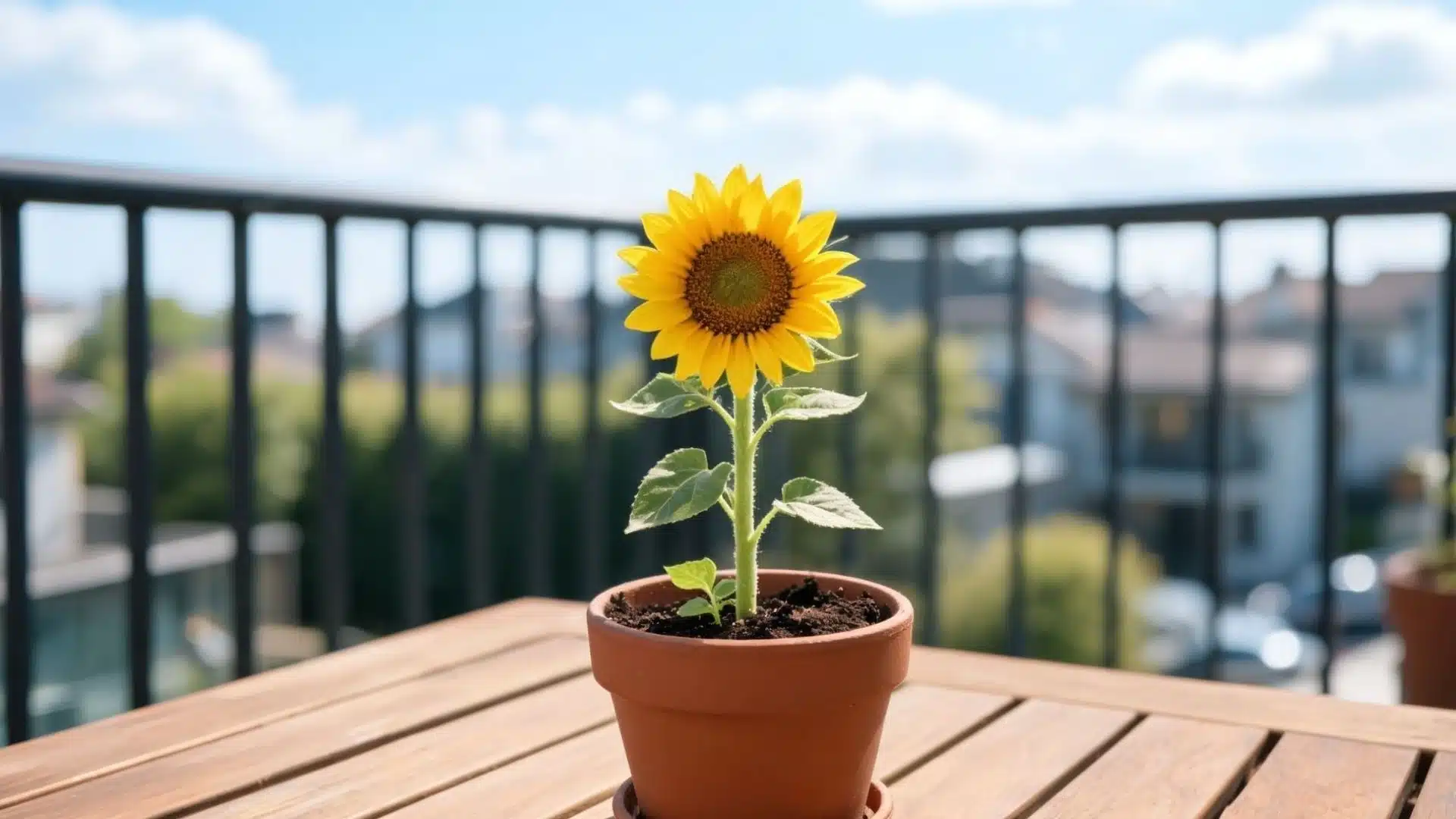
One of the smallest cultivated sunflower varieties available, Elf often stays under 16 inches tall, making it a genuine option for tabletop pots or tight balcony gardens.
Despite its diminutive size, it still produces a proportionate, recognizable sunflower bloom, appealing to gardeners who want the classic look in the smallest possible footprint.
27. Suntastic
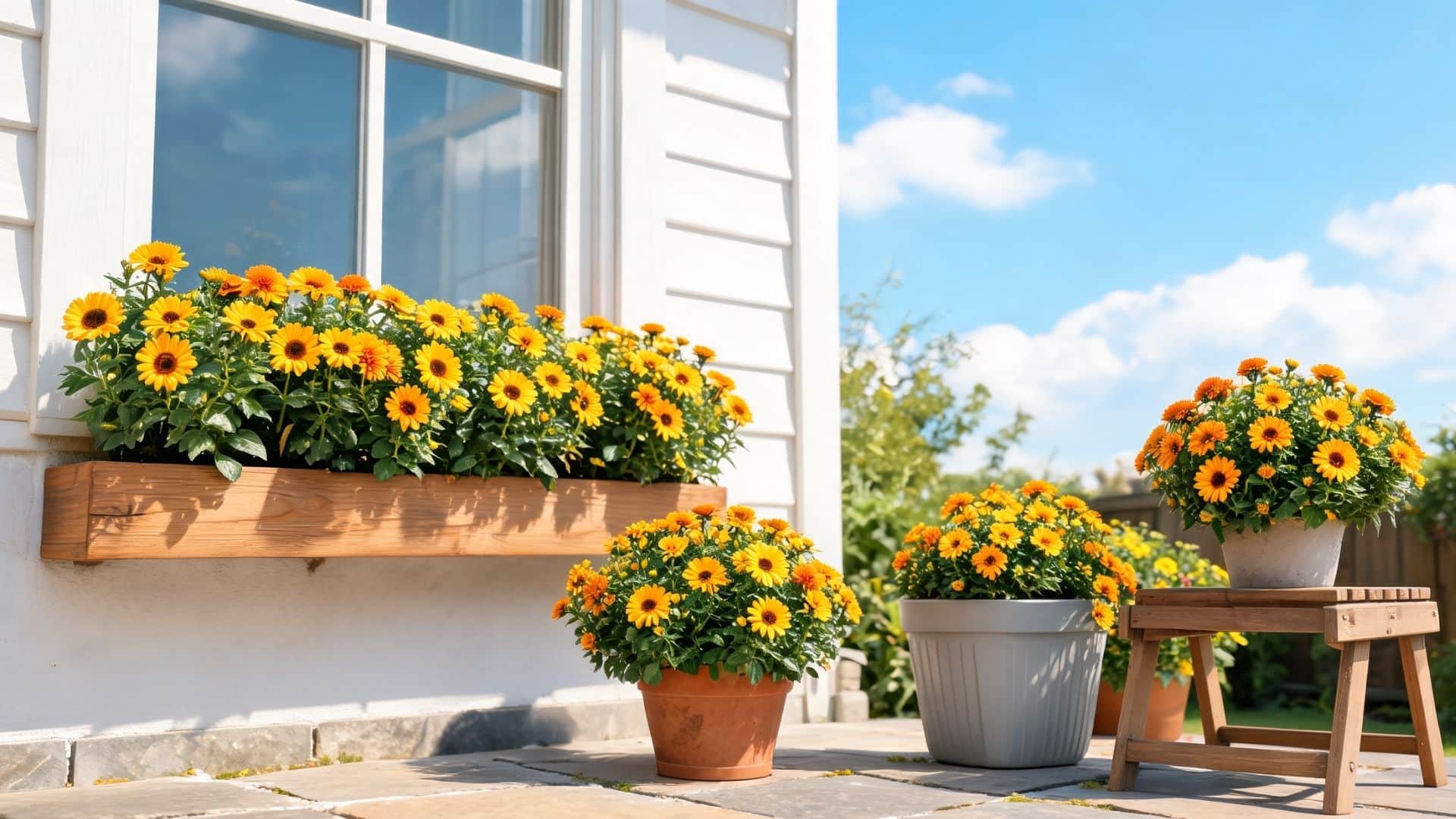
Bred specifically for early blooming, Suntastic is a compact dwarf variety well suited to patio containers and window boxes.
Its faster bloom time means color arrives sooner than most dwarf types, which is useful for gardeners who want quick results in small, contained spaces without waiting out a full-length growing season.
28. Pacino
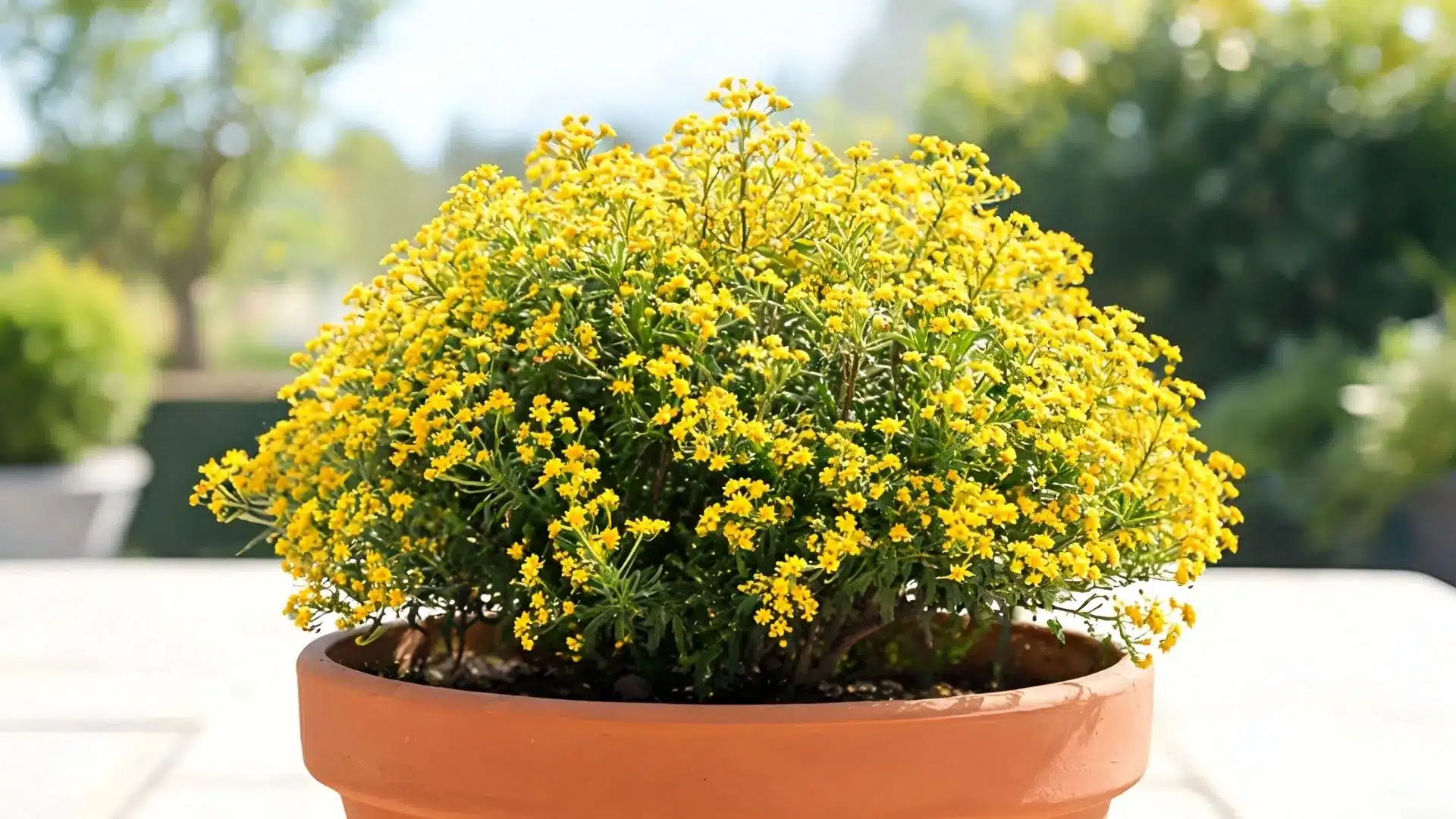
A compact, branching dwarf, Pacino produces multiple small golden blooms per plant rather than one central flower, giving it a fuller, bushier look despite its short stature.
This branching habit in a dwarf frame makes it a strong choice for containers where more blooms per plant matter more than one large statement flower.
29. Big Smile
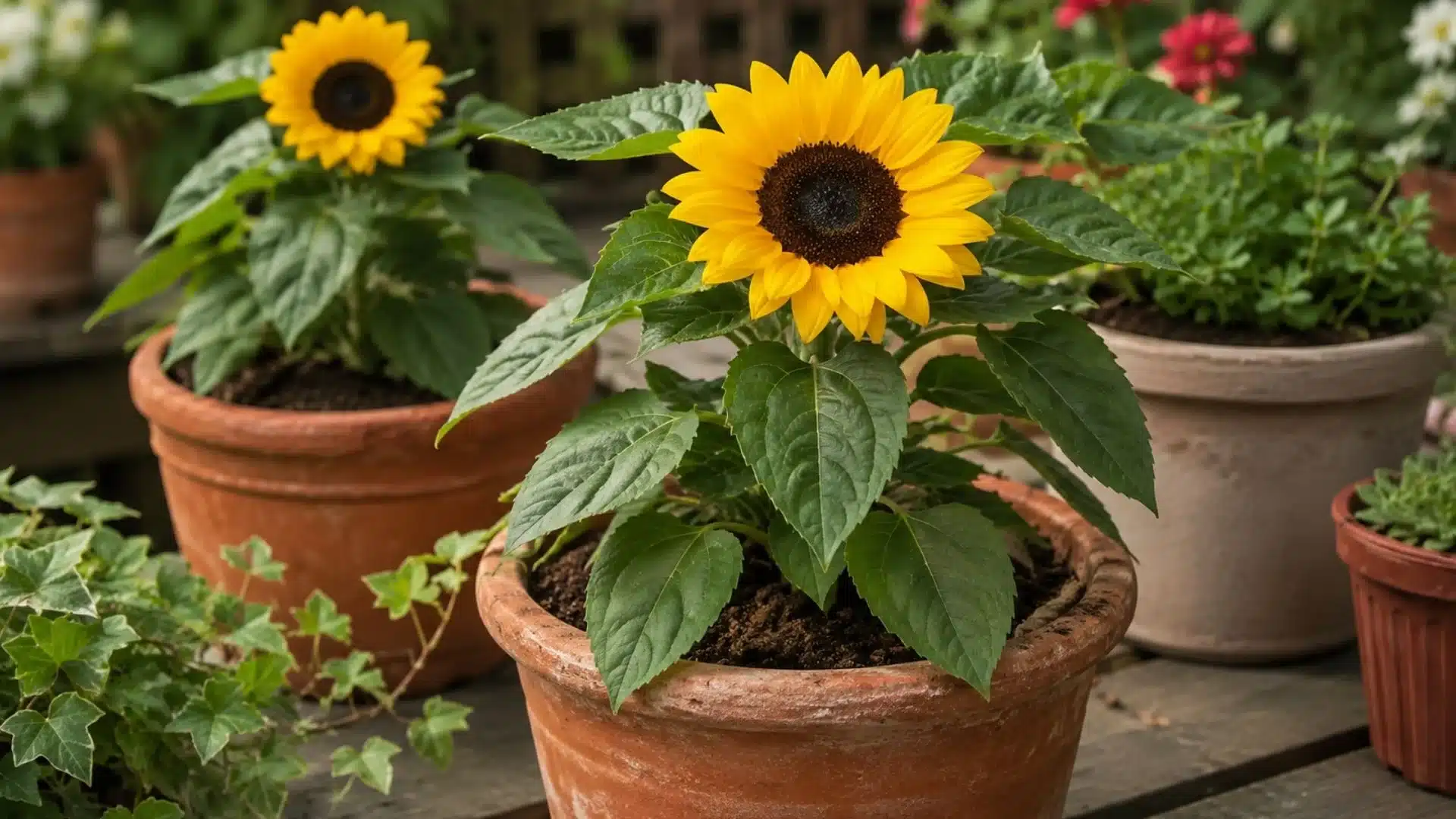
A miniature single-headed variety, Big Smile is popular with kids’ gardens thanks to its small size, fast growth, and classic sunflower shape scaled down to a manageable height.
It’s an easy, rewarding first-time grow for young gardeners, offering a recognizable bloom without the height or staking needs of larger varieties.
Ornamental & Unique-Color Varieties
This group trades practicality for pure visual impact, prioritizing rare colors, unusual petal forms, or standout blooms over seed yield or cutting efficiency.
If a garden bed feels too predictable, these varieties are usually the fix.
30. Chocolate Cherry
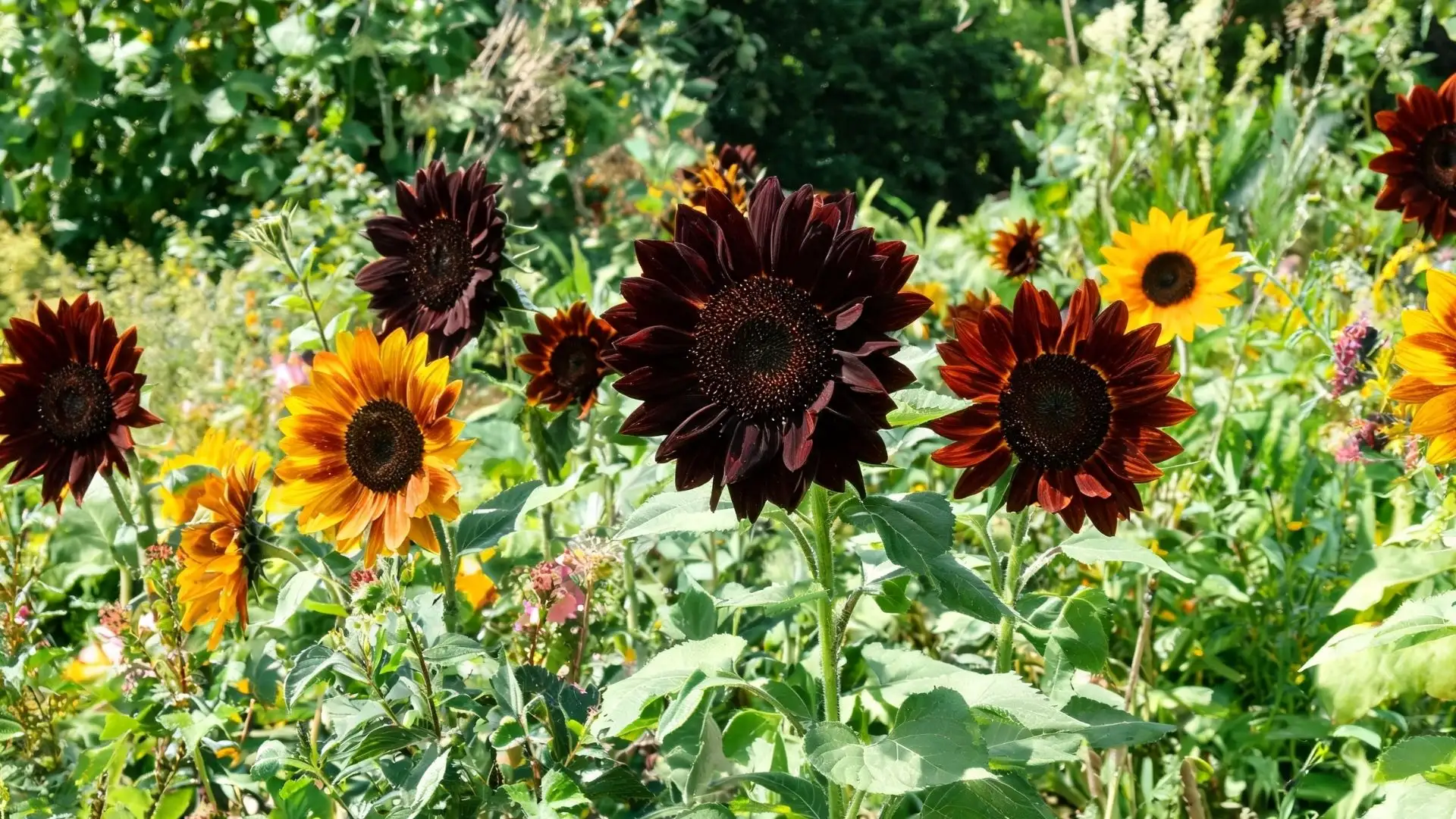
One of the darkest sunflower colors available, Chocolate Cherry produces deep burgundy petals that read almost black in low light.
This dramatic coloring makes it a standout in mixed beds or cutting gardens where most blooms lean gold or orange, offering a moody contrast that pairs well with lighter, brighter varieties nearby.
31. Moulin Rouge
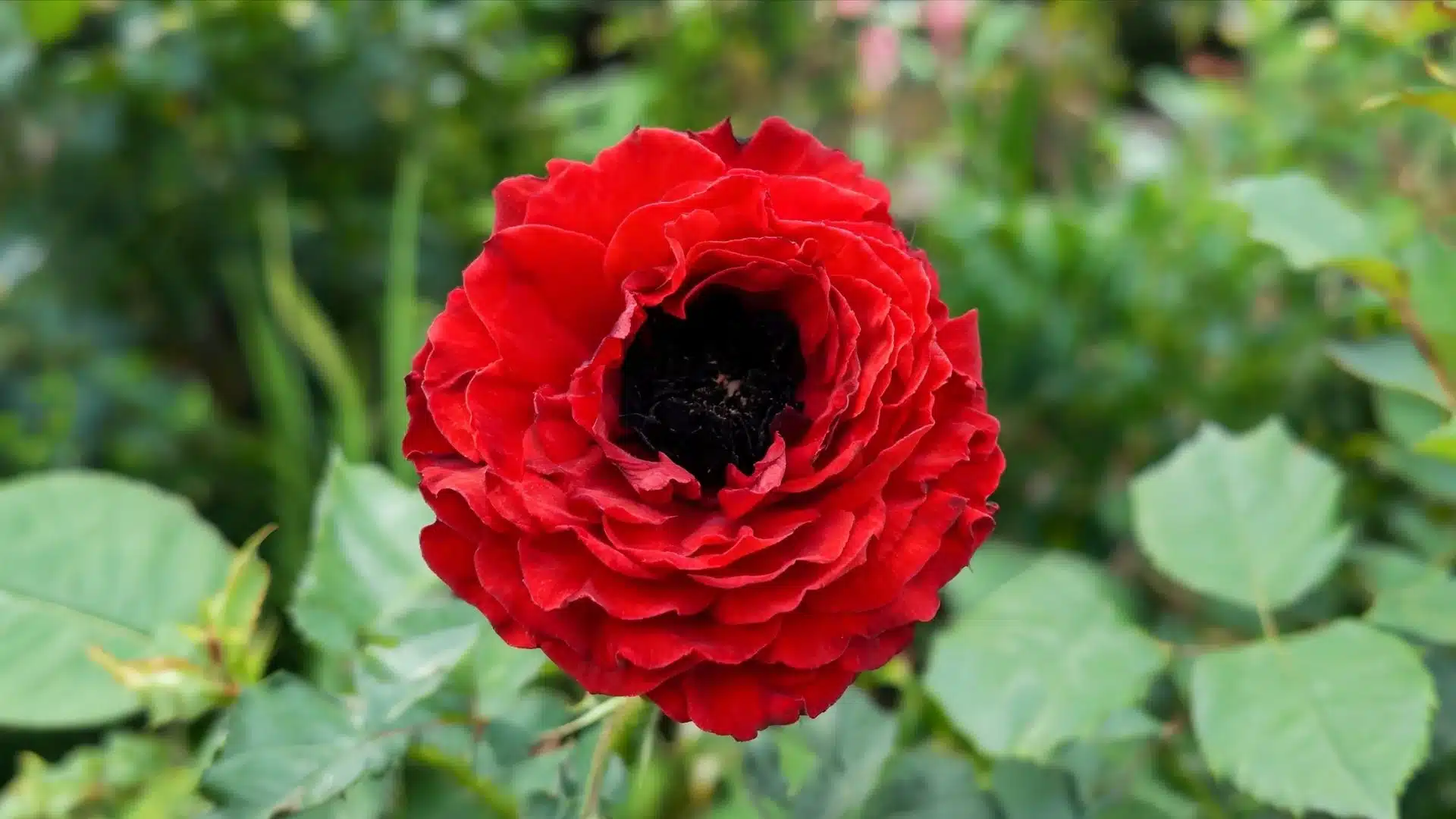
Vivid red petals surround a near-black center on this striking ornamental variety, giving it a bold, almost theatrical look in the garden.
It’s a popular choice for bouquets where a single dramatic bloom is meant to anchor the arrangement, standing out clearly against greenery or paler companion flowers.
32. Lemon Queen
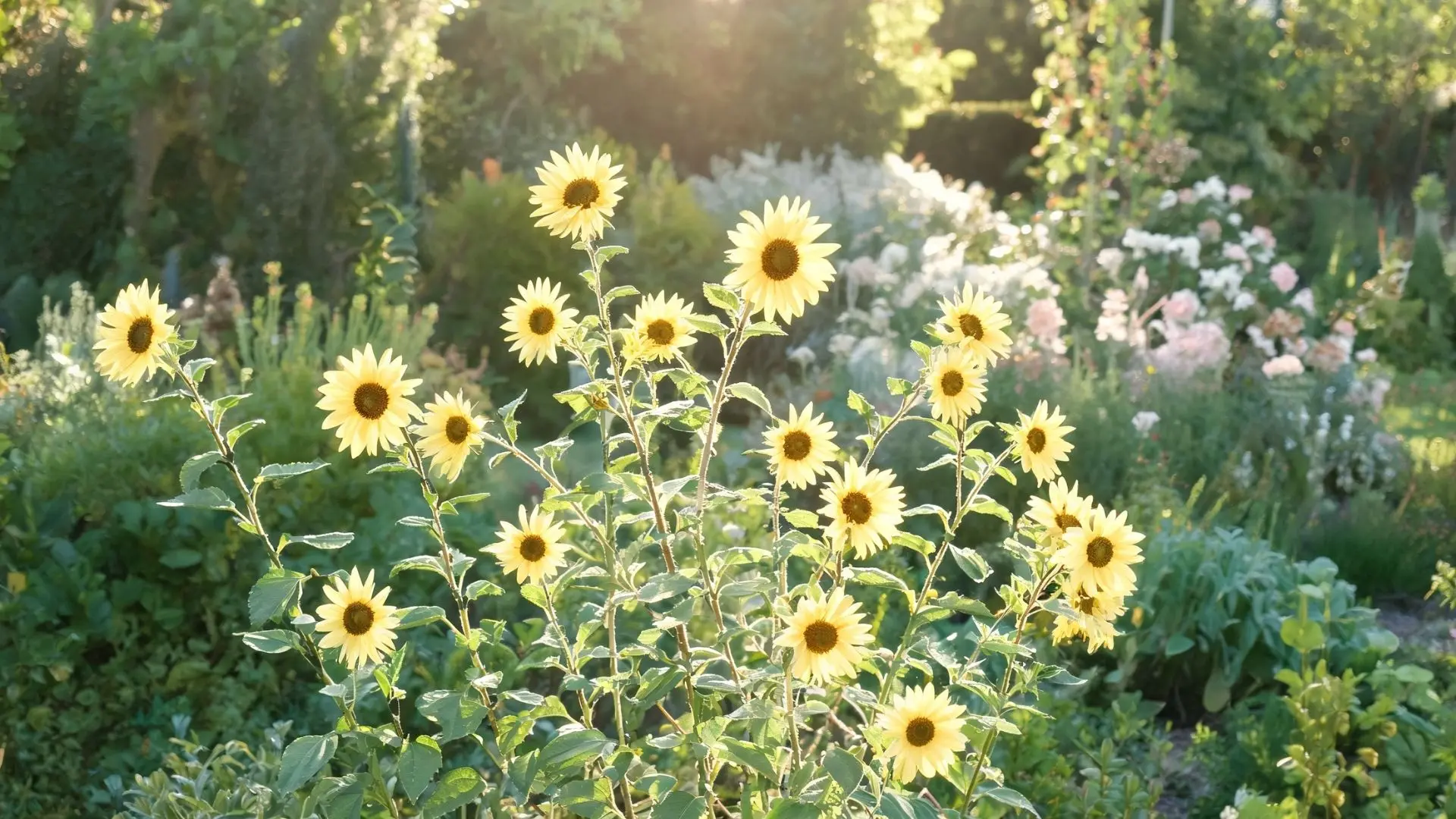
A petite, graceful branching variety, Lemon Queen produces soft, buttery-yellow petals that read lighter and more delicate than the classic bold gold sunflower.
Its smaller bloom size and branching habit make it well suited to informal cottage-style beds where a softer color palette is preferred over high-contrast blooms.
33. Ring of Fire
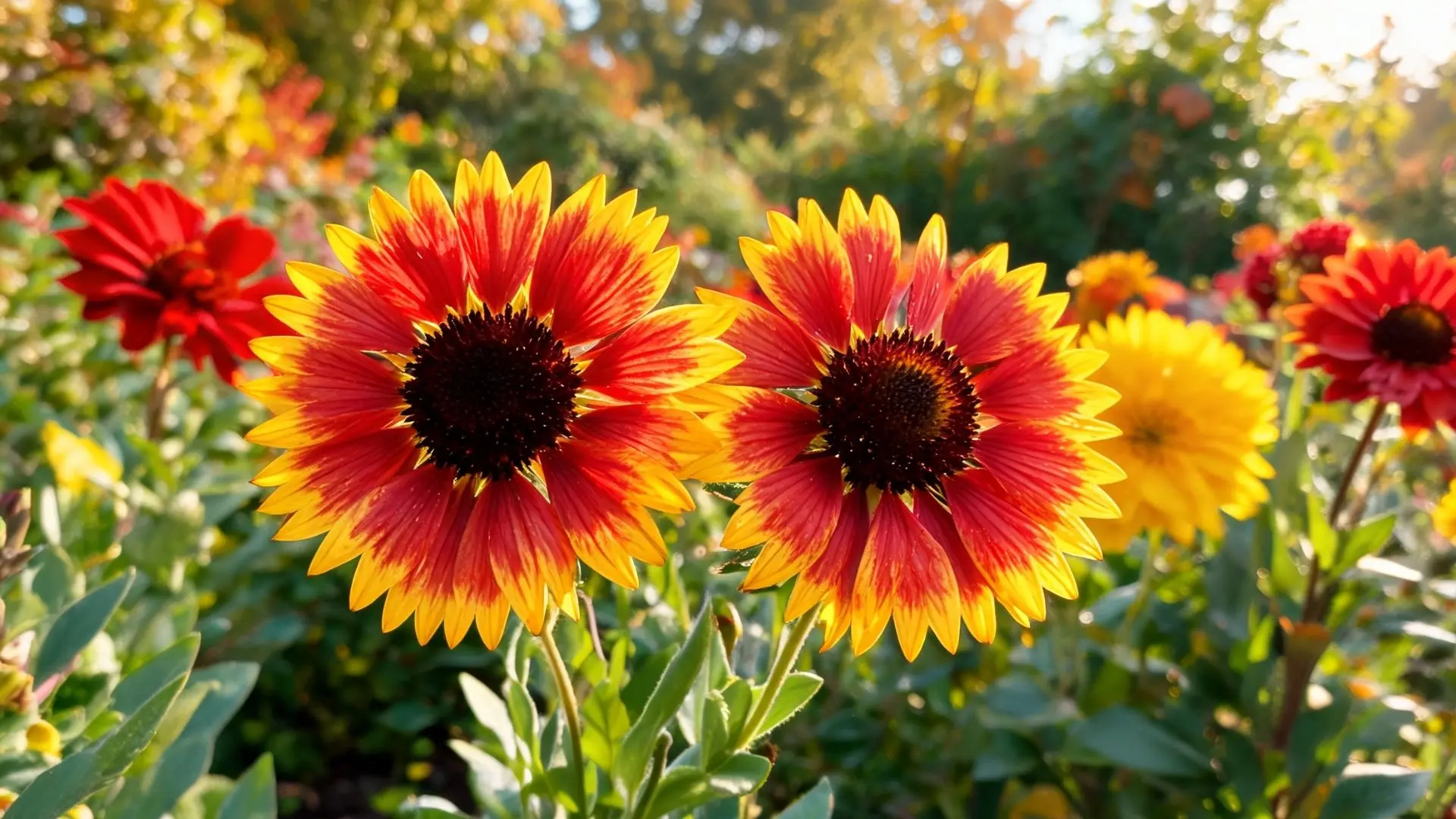
This bicolor variety features a fiery pattern of red and gold petals radiating around a dark center, creating a sunset-like effect on each bloom.
Its striking contrast makes it a favorite for fall-themed arrangements and garden beds, standing out clearly from single-color varieties planted nearby.
34. Velvet Queen
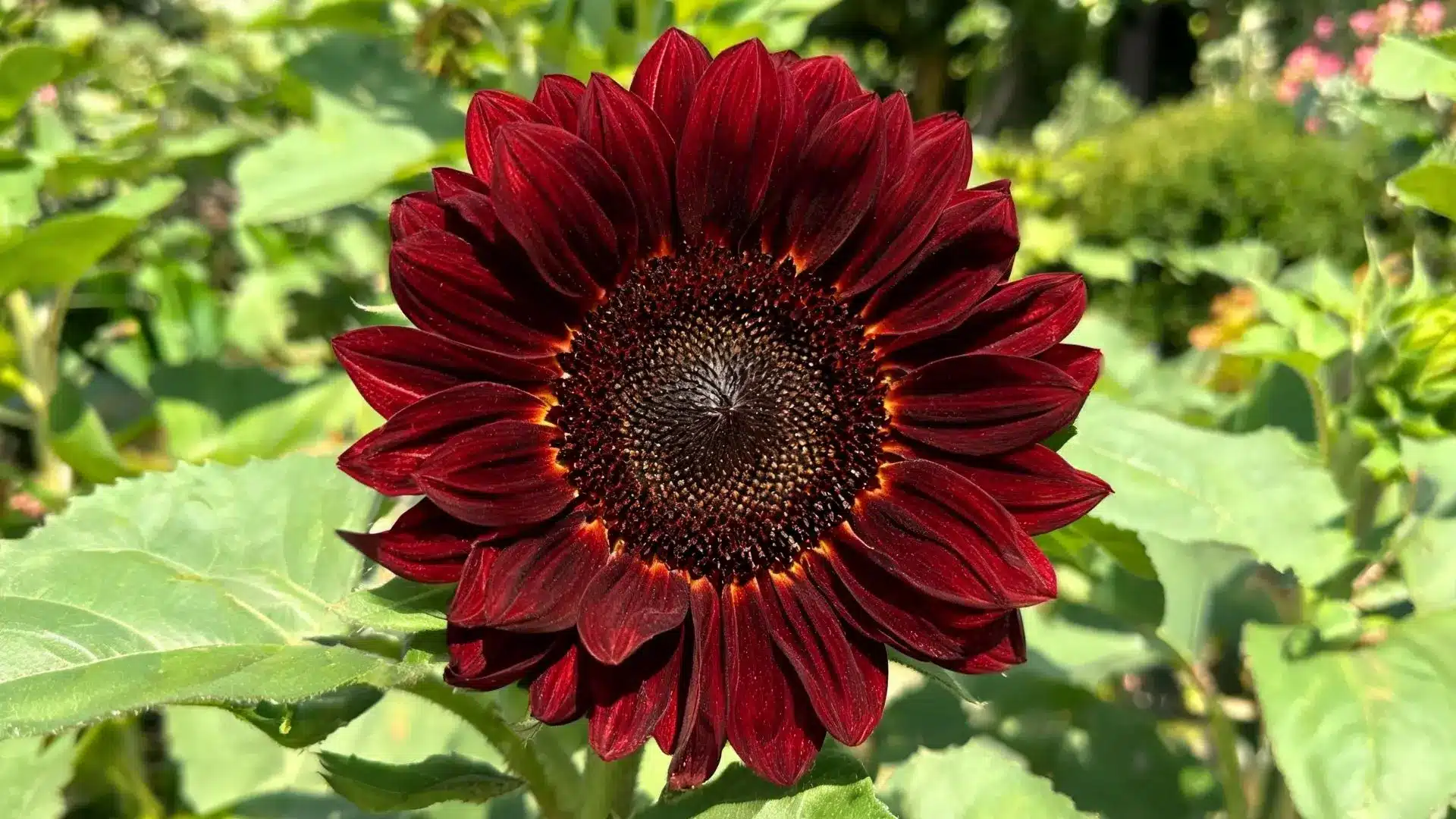
A long-time florist favorite, Velvet Queen produces deep maroon-red petals surrounding a chocolate-brown center, giving it a rich, velvety appearance.
Its dramatic coloring works well in both garden borders and cut arrangements, offering a deeper, more sophisticated alternative to the typical bright yellow sunflower.
35. Vincent’s Choice
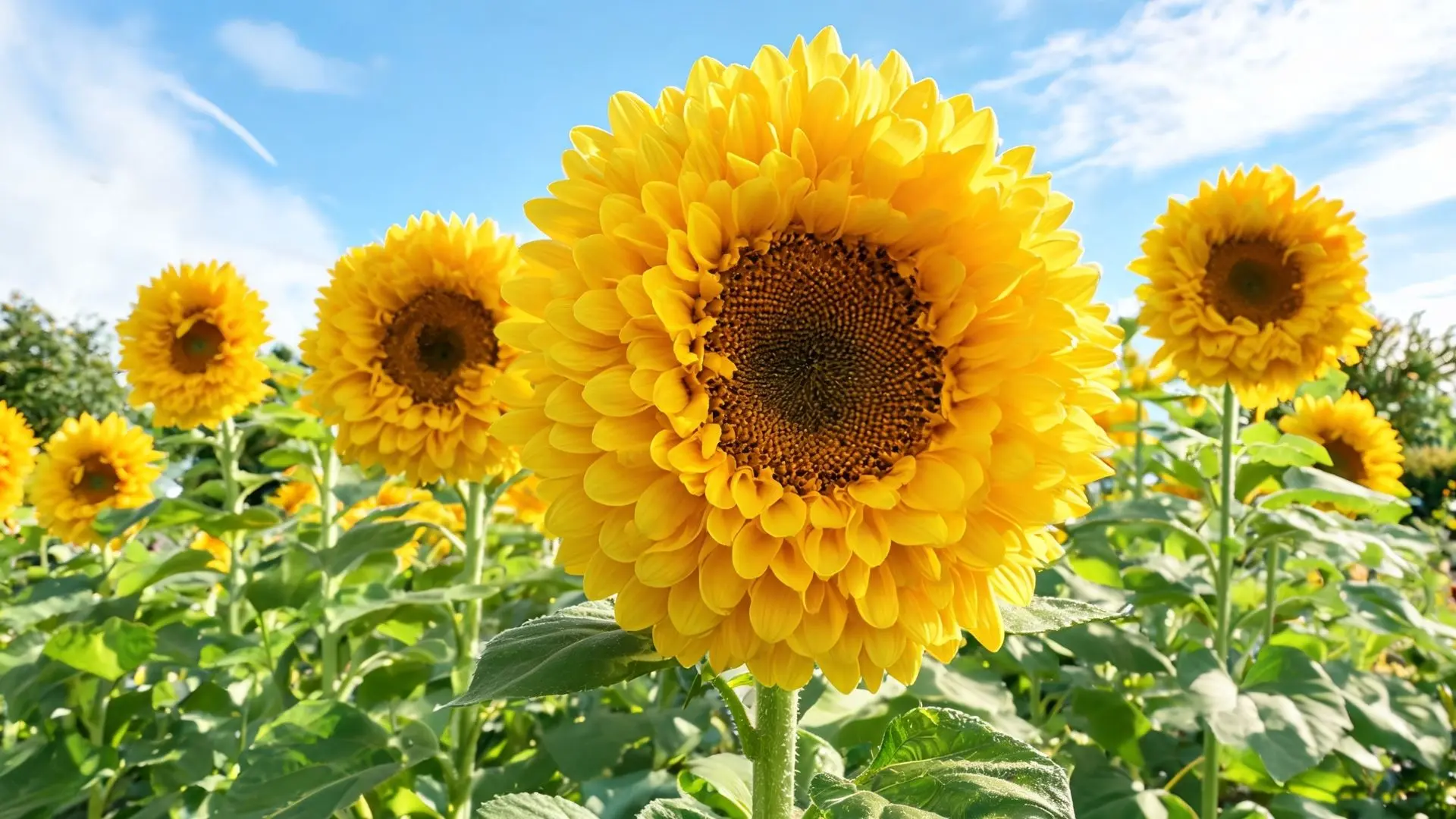
This variety features an extra ring of rounded golden petals for a fuller, more layered bloom than single-ring varieties.
Pollen-free and less sensitive to day length, it holds an extended bloom season compared to most sunflowers, making it a reliable ornamental choice for continuous color across a longer stretch of summer.
36. Starburst Lemon Aura
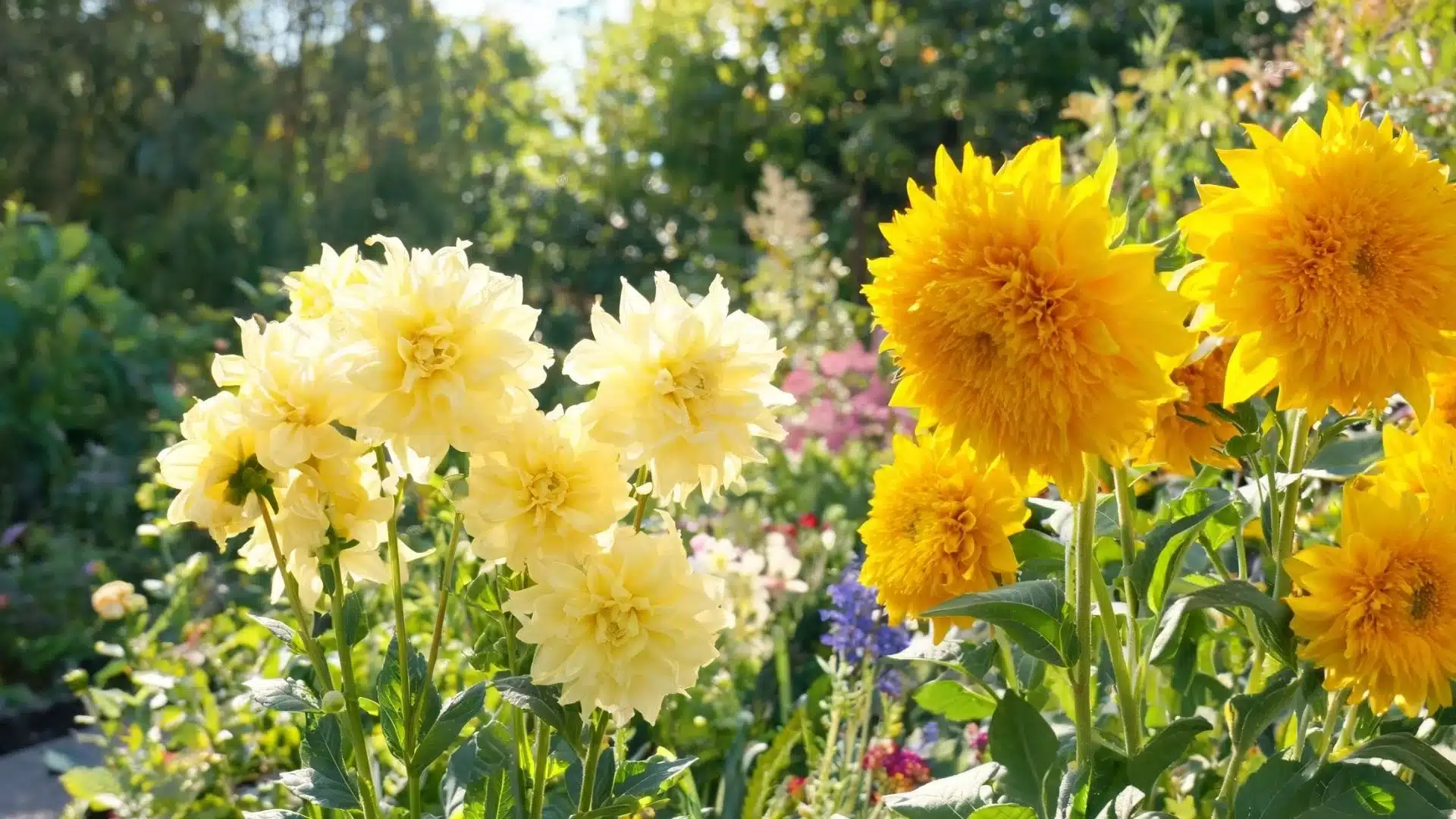
Soft yellow, semi-double blooms give this variety a delicate, airy look quite different from the dense, fully-double forms of other ornamental types.
Its lighter petal structure and pale coloring make it a gentler addition to mixed beds, softening the visual weight of nearby bolder, more saturated sunflower varieties.
37. Giant Sungold
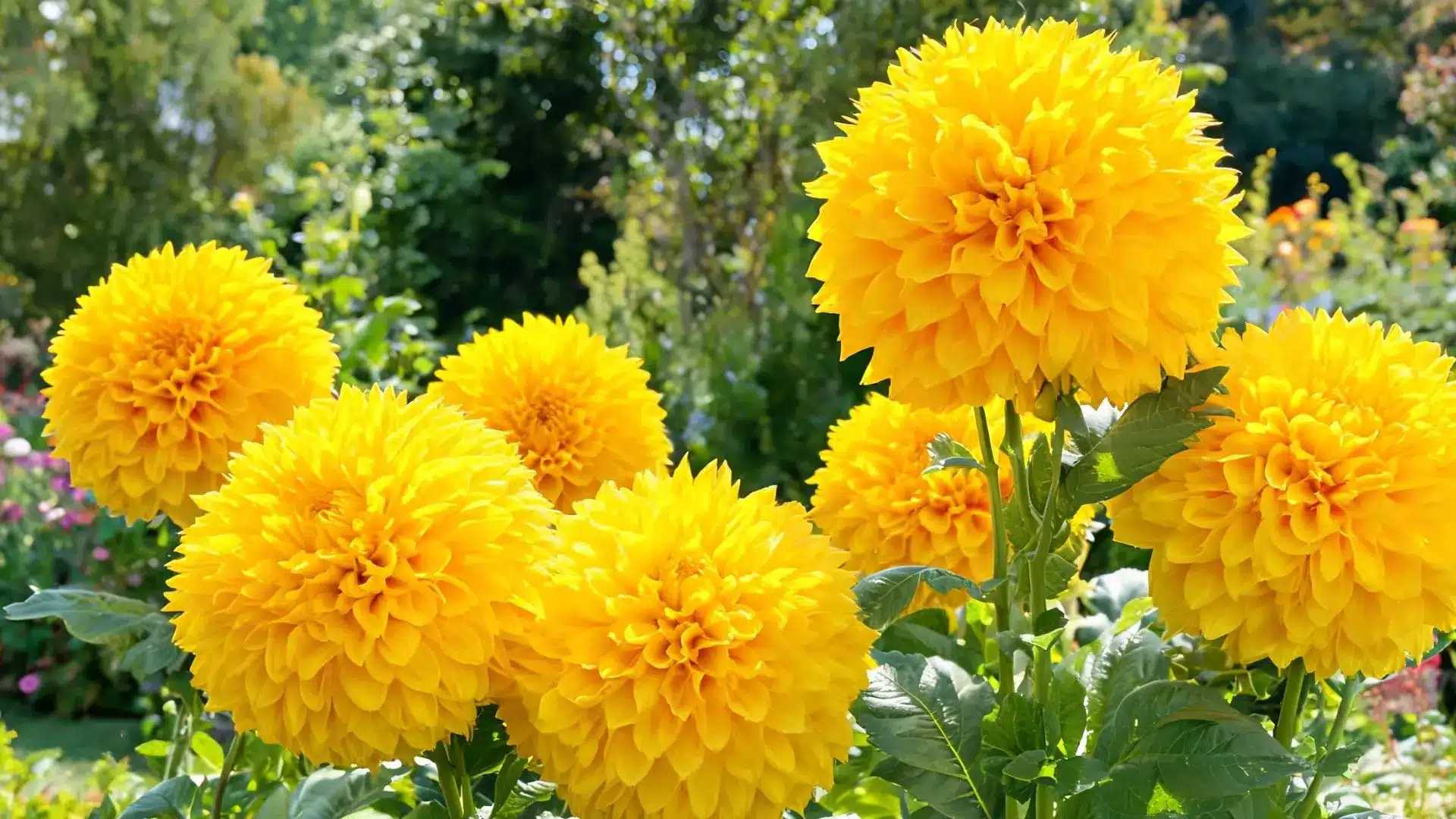
Fully double golden-yellow blooms resembling large, fluffy pompoms set this variety apart from single-petaled types.
Reaching 6 to 10 inches across, its dense, textured flower head adds volume and drama to borders or cutting beds, standing out for its sheer size and layered petal structure.
38. Soray a
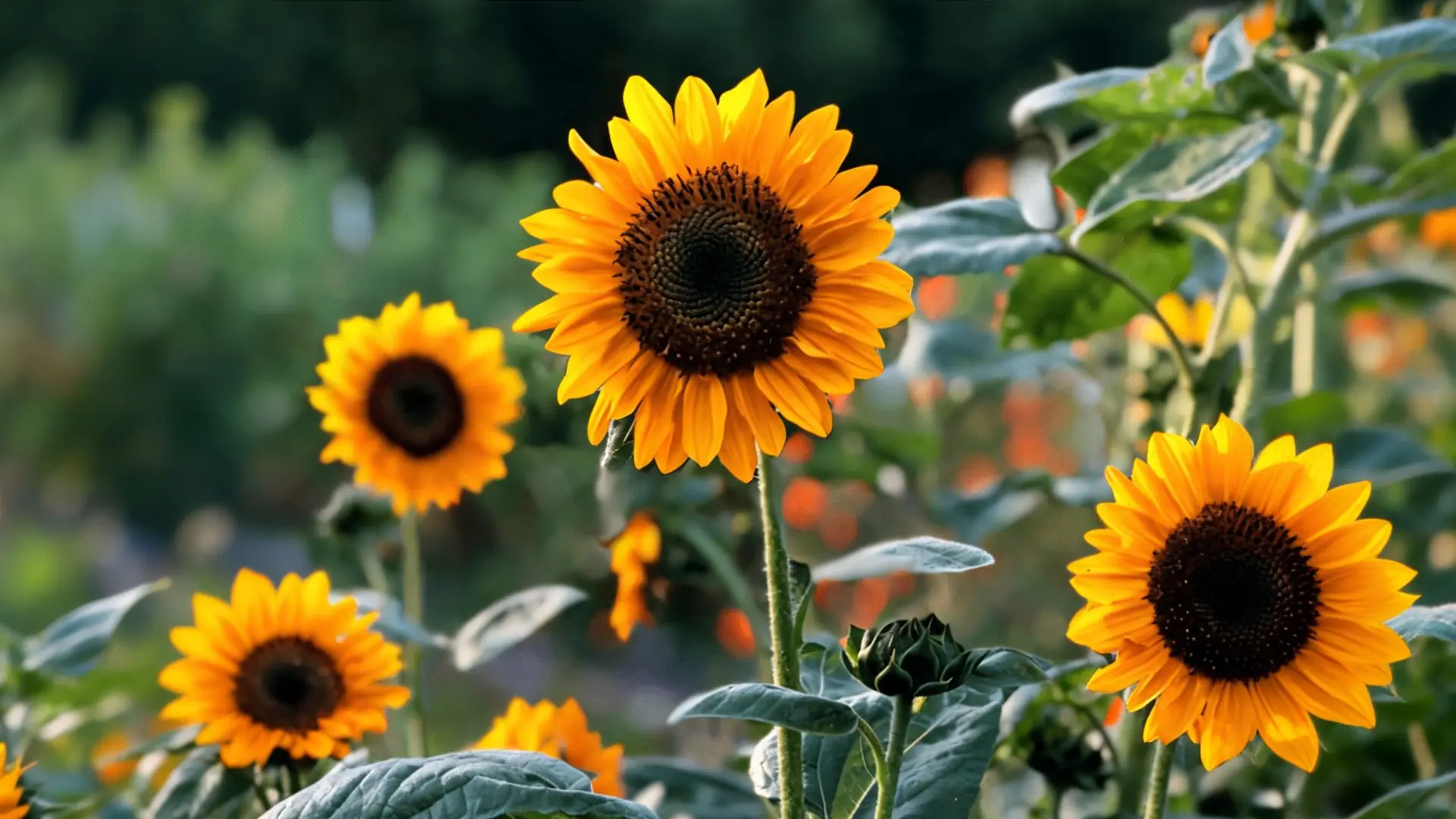
An award-winning variety, Soraya produces golden-orange blooms that are strongly attractive to bees, butterflies, and birds.
Its self-supporting stems and reliable bloom performance make it a dependable choice for both ornamental borders and pollinator-focused gardens, combining visual impact with genuine wildlife value.
39. Taiyo
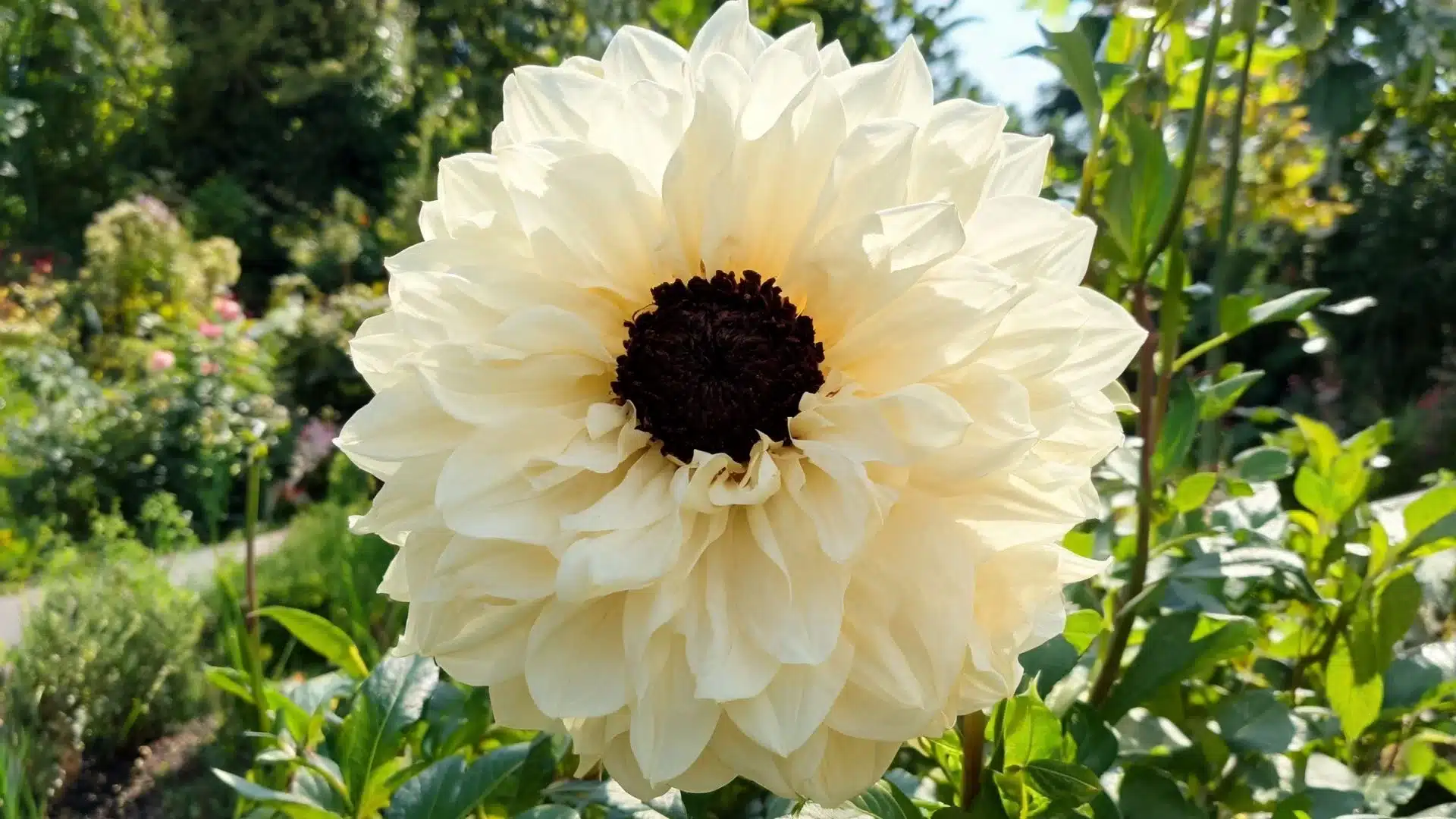
A large single Japanese variety, Taiyo produces dramatic blooms up to 10 inches across with a distinctly dark chocolate center.
Its bold size and contrast make it a striking focal point in the garden, while its relatively fast bloom time means the dramatic display arrives sooner than many other giant-headed types.
40. Miss Sunshine
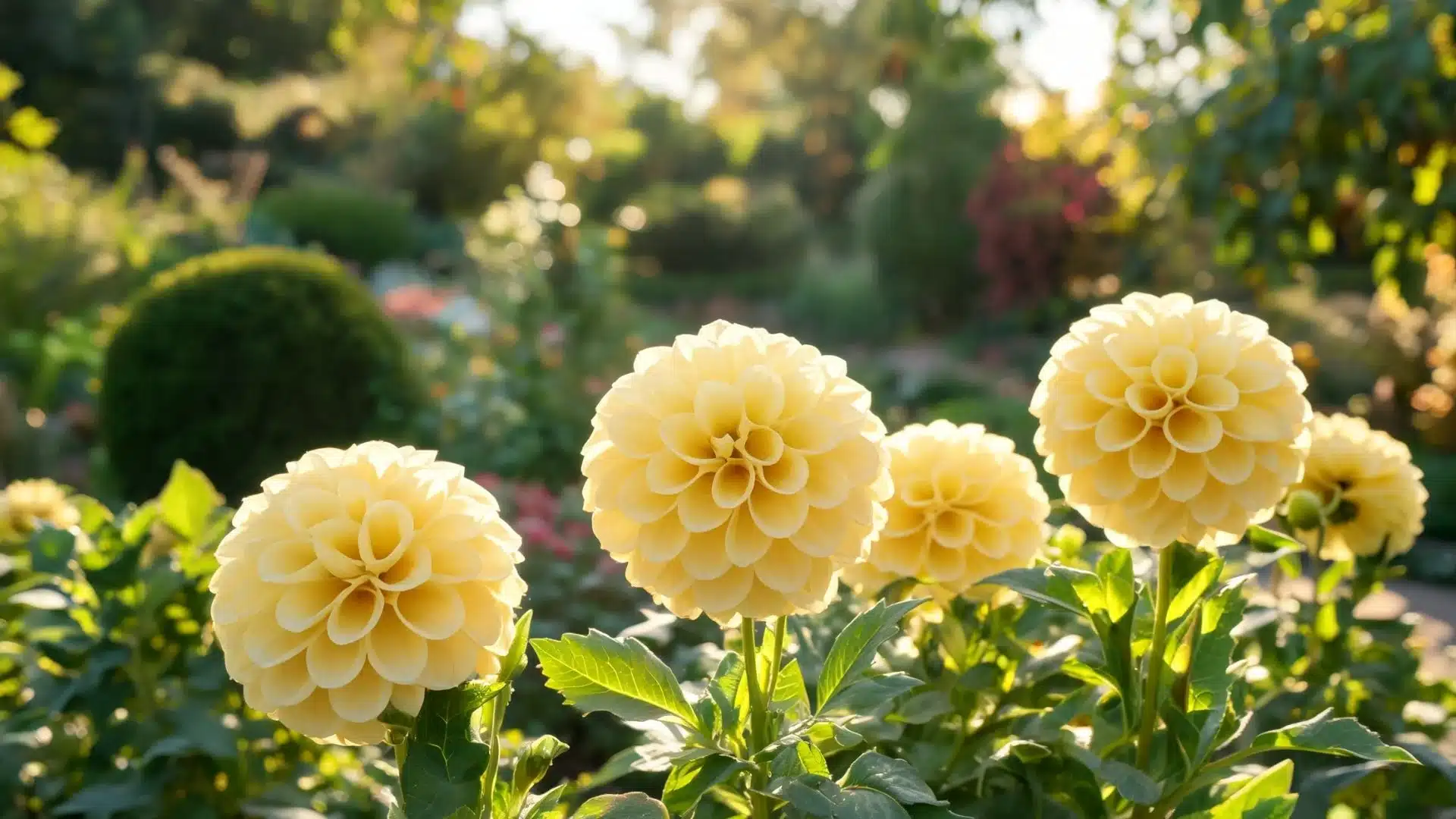
This variety offers soft yellow petals arranged in a distinctly rounded, tidy bloom shape, giving it a neater, more uniform appearance than looser, ragged-petaled types.
Its clean, compact form makes it a good fit for formal garden designs where a more structured, polished look is the goal.
Perennial & Native Varieties
Unlike the annual types above, this group returns year after year and often thrives with minimal intervention.
Many are native to North American prairies, wetlands, or coastlines, making them the natural choice for wildlife gardens, naturalized areas, or low-maintenance beds.
41. Jerusalem Artichoke (H. tuberosus)
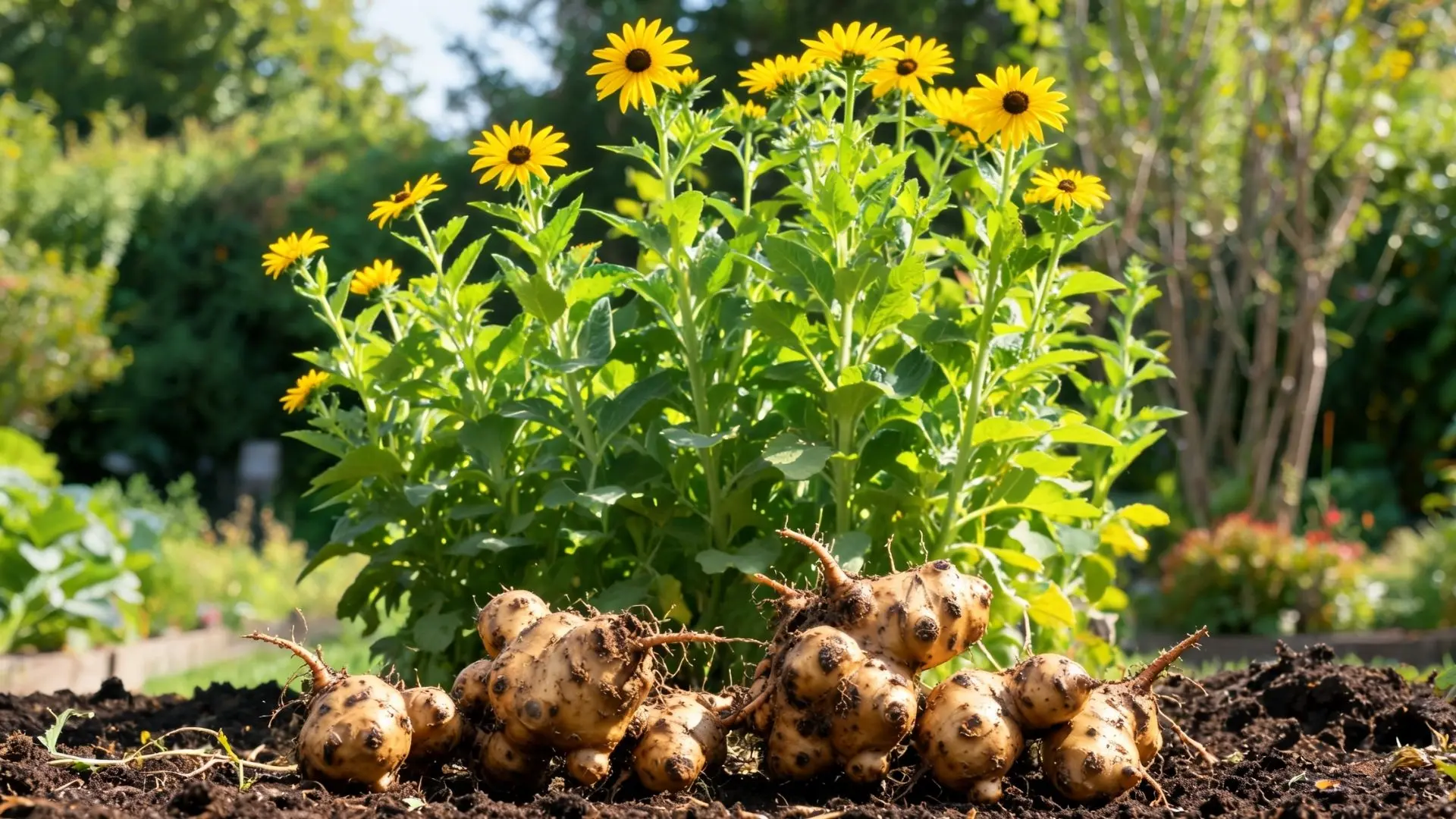
Grown mainly for its edible tubers rather than its blooms, this tall perennial produces cheerful yellow flowers atop a fast-growing, vigorous plant.
Its sweet, nutty tubers are rich in inulin, making them a popular low-glycemic alternative to potatoes, while the plant itself still supports pollinators through its late-summer flowering.
42. Willow-Leaved Sunflower (H. salicifolius)
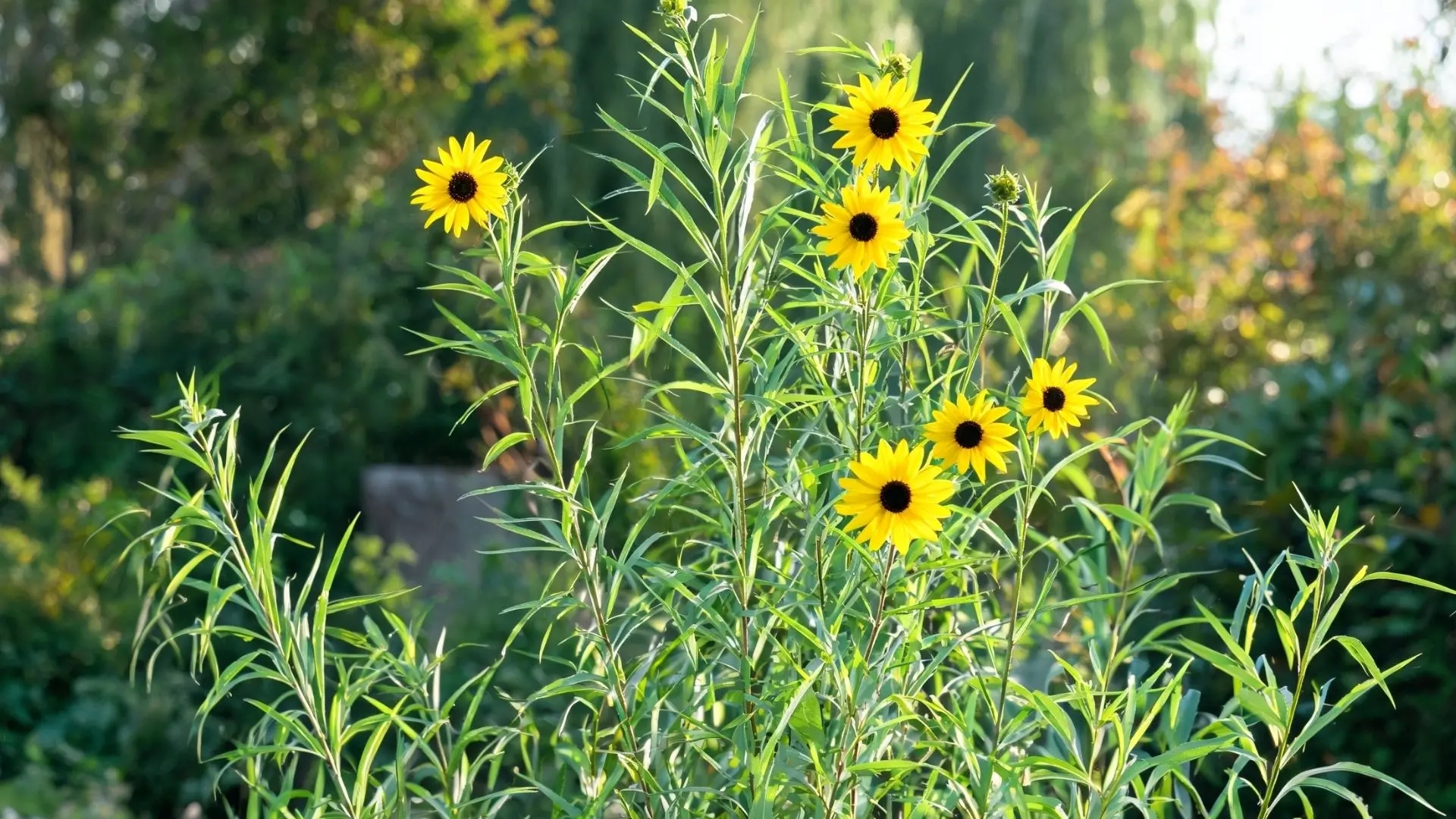
Named for its narrow, willow-like foliage, this perennial produces bright yellow daisy-like blooms late in the season, from late summer into fall.
Its upright stems and fine-textured leaves give it a more graceful look than typical sunflowers, and it’s a reliable source of late-season color and cut flowers.
43. Swamp Sunflower (H. angustifolius)
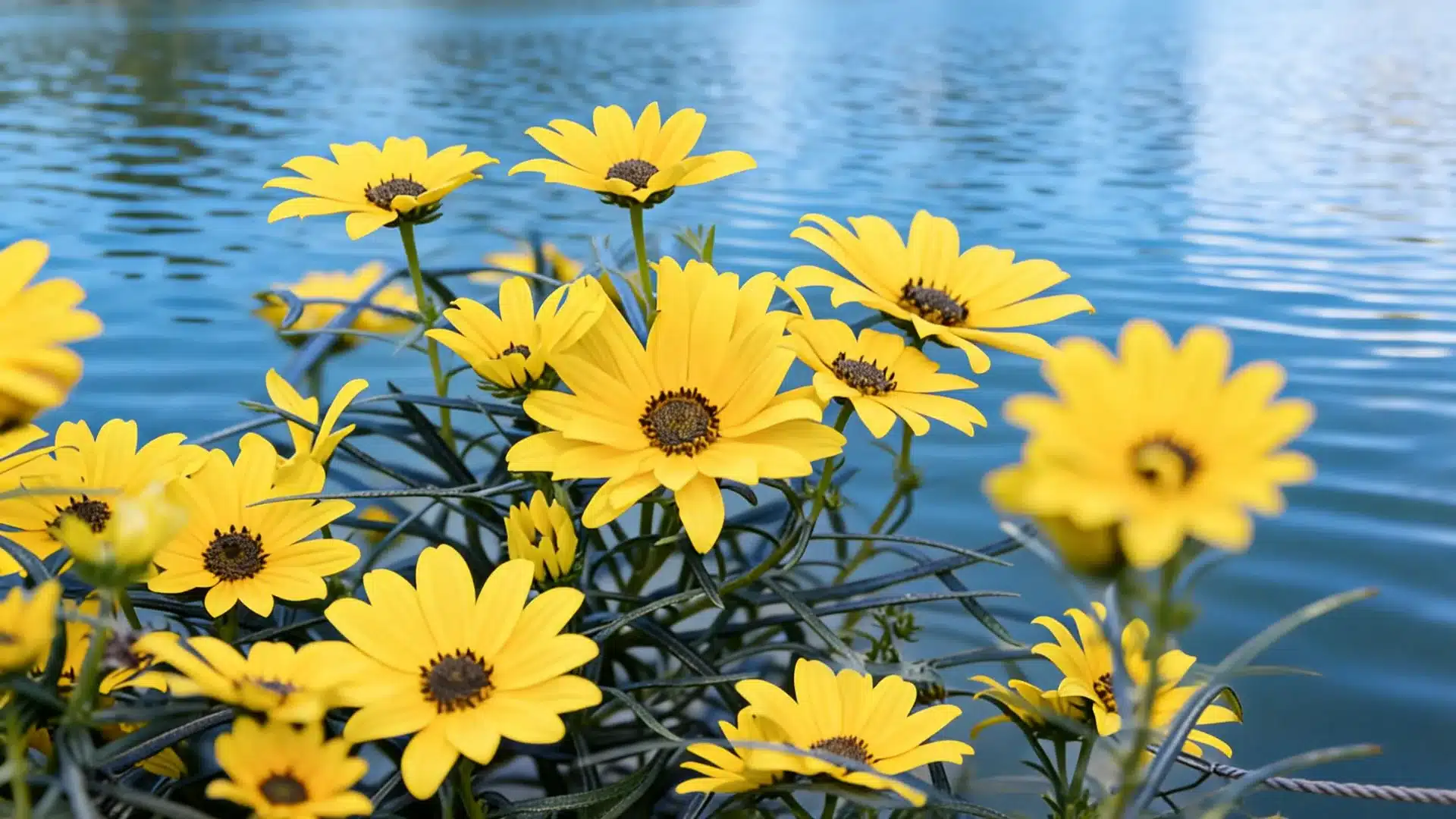
This tall perennial thrives in consistently wet soil where many other sunflowers would struggle, producing abundant golden-yellow blooms with a purplish-brown center.
It flowers from fall until the first frost, making it a valuable late-season nectar source for monarchs and other pollinators in rain gardens and naturalized wet areas.
44. Beach Sunflower (H. debilis)

A low, fast-spreading groundcover, Beach Sunflower is built for sandy, coastal soil and salt exposure where other varieties would fail.
It blooms nearly continuously in frost-free climates, spreading by runners to stabilize dunes and sandy areas, while still producing small, cheerful blooms prized by florists for cutting.
45. Sawtooth Sunflower (H. grosseserratus)
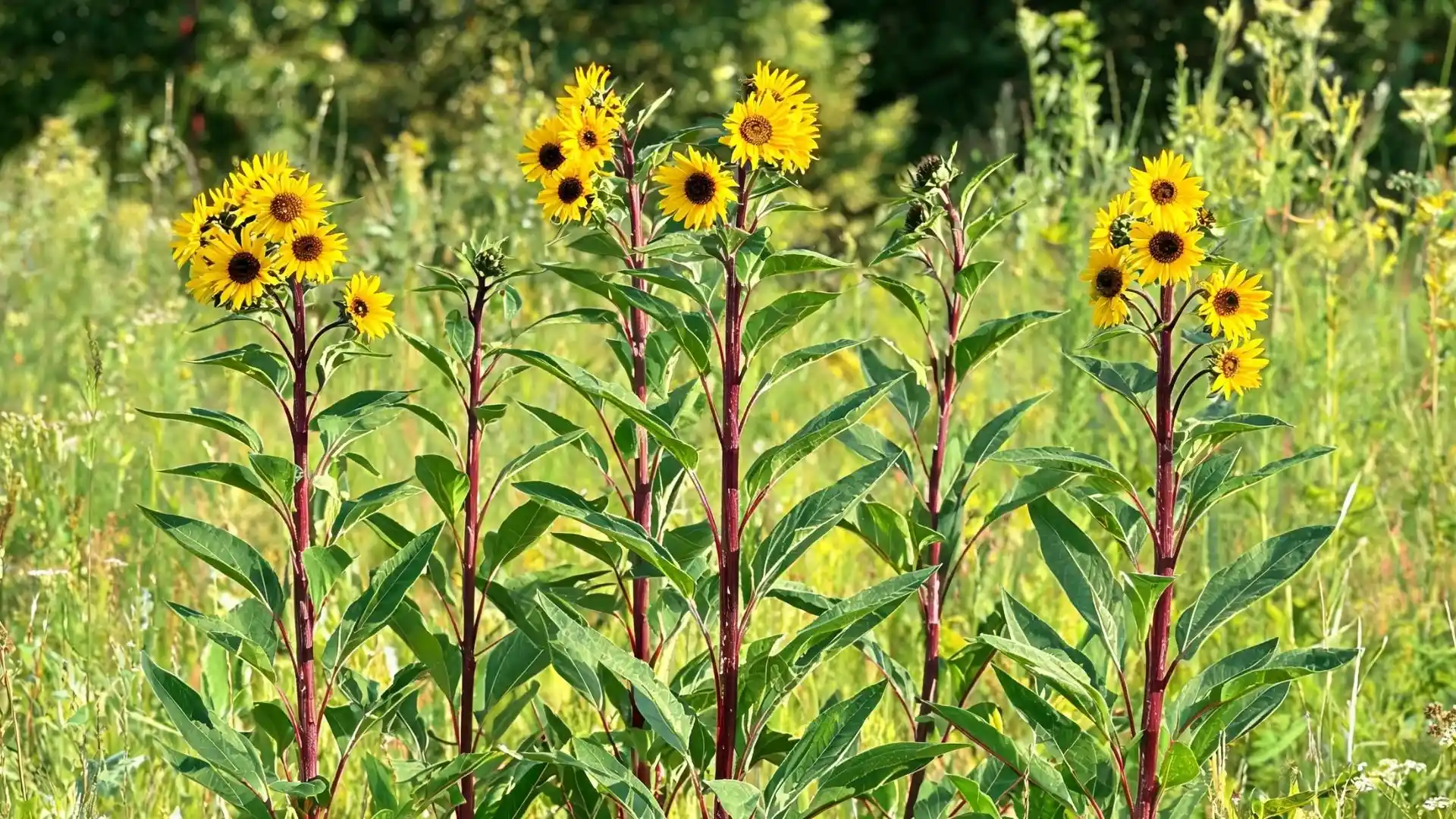
A tall native with distinctive reddish or reddish-purple stems, this variety produces loose clusters of bright yellow blooms from late summer into fall.
Its lance-shaped leaves are often smoother than its name suggests, and it spreads readily by rhizomes, making it a strong choice for naturalized colonies and pollinator habitat.
46. Western Sunflower (H. occidentalis)
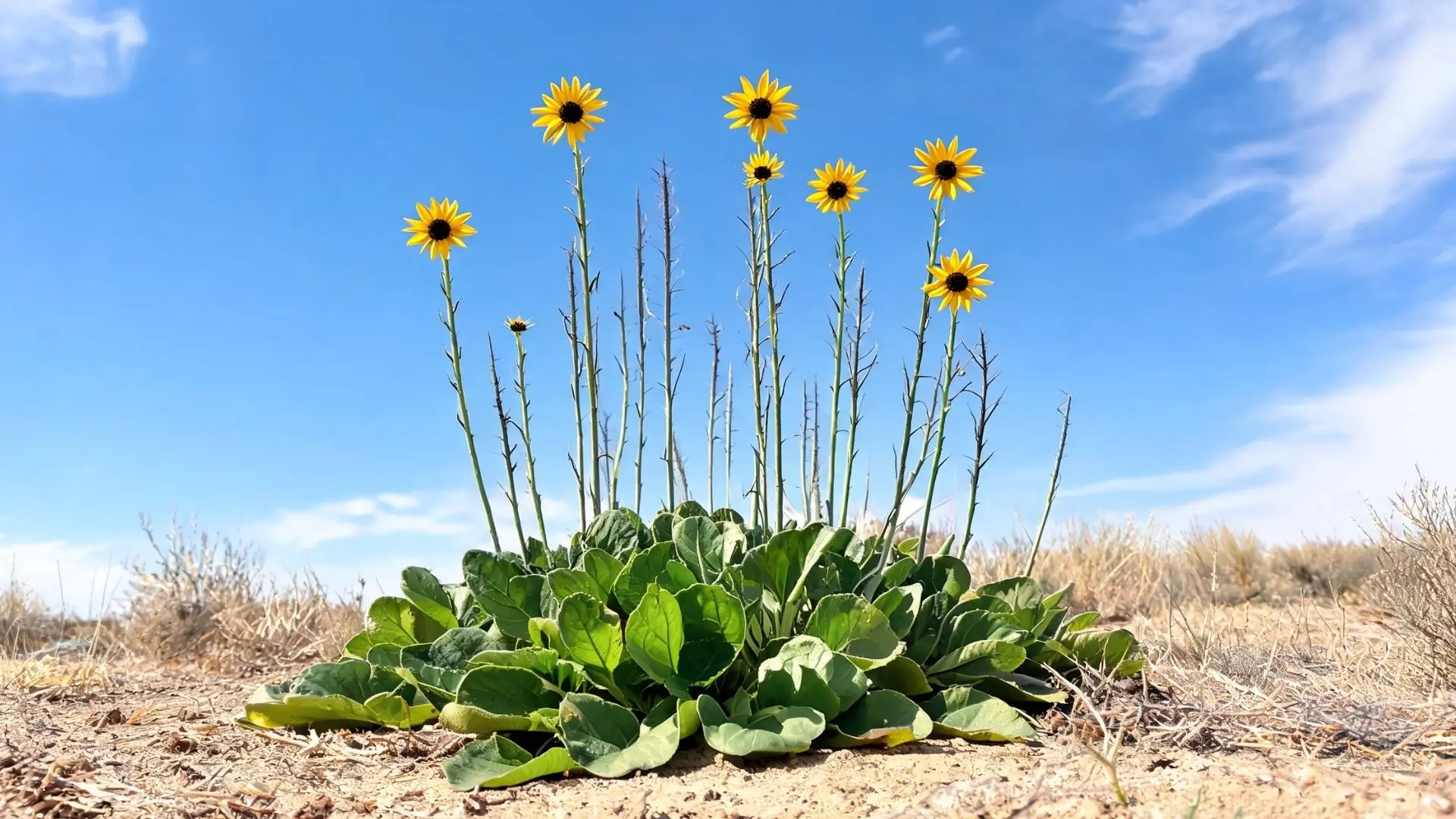
This showy native features nearly leafless flowering stalks rising from a rosette of broad basal leaves, giving it a distinct, minimalist look among sunflowers.
Blooming from midsummer into fall with star-like yellow flowers, it’s valued for erosion control and its extended flowering period in dry, sunny sites.
47. Ashy Sunflower (H. mollis)
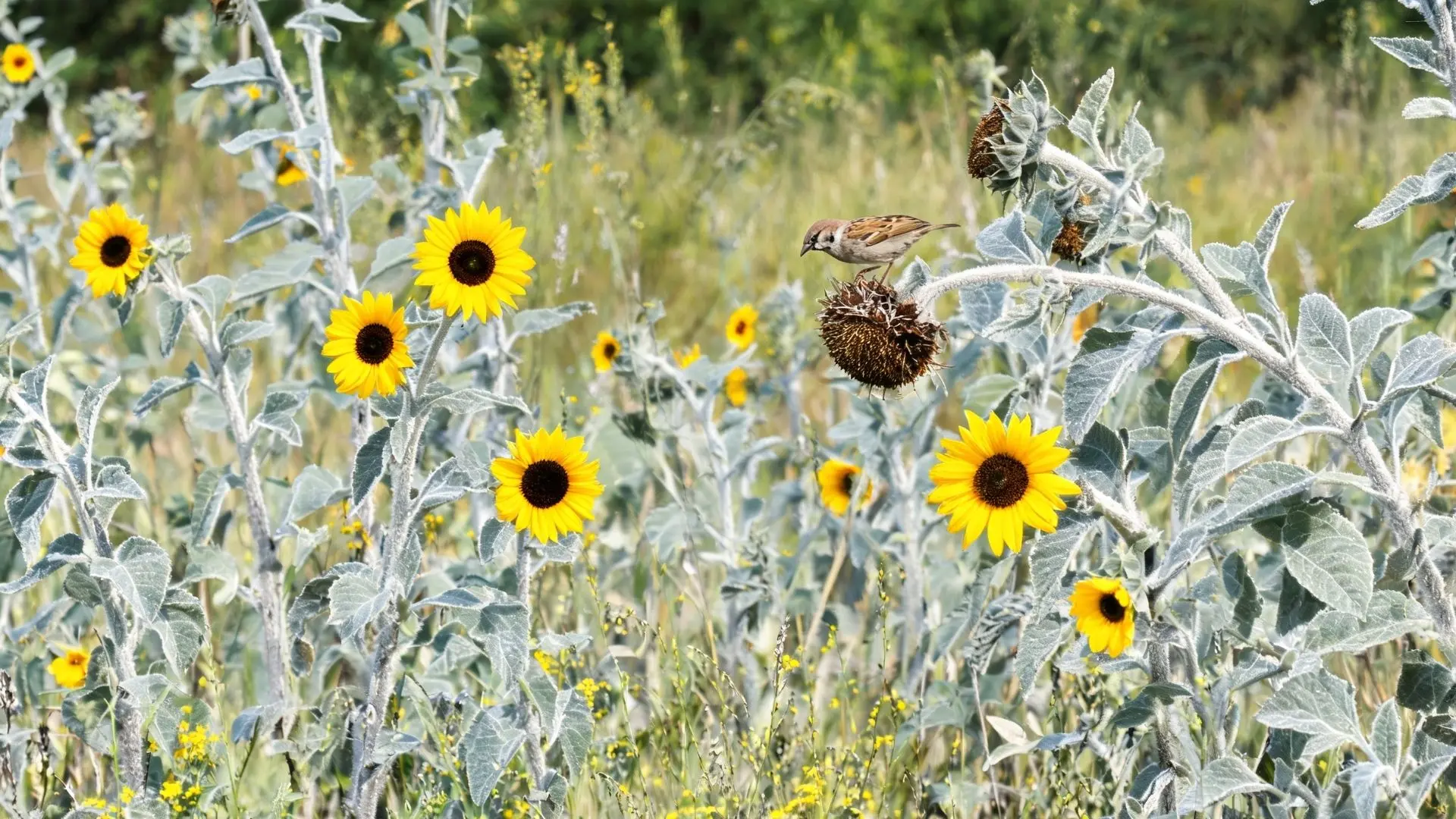
Recognizable by its ash-gray, fuzzy stems and foliage, this hardy perennial produces reliable yellow blooms from early summer through fall.
It spreads by rhizomes and self-seeding, making it well suited to naturalized areas, while its seedheads attract birds through the fall and winter months.
Different Types of Sunflower Seeds
Sunflower seeds are classified by shell type, size, and intended use. Comparing these features helps gardeners choose the right variety for roasting, oil production, bird feed, or ready-to-eat snacks.
| Seed Type | Appearance | Main Use | Key Features | Common Examples |
|---|---|---|---|---|
| Confection seeds | Large black-and-white striped shells | Roasting, salting, baking, and snacking | Thick shells, large kernels, and lower oil content than oilseed varieties | Mammoth, Grey Stripe |
| Oilseed sunflowers | Small seeds with thin, solid black shells | Cooking oil production and bird feed | High oil content, easy-to-crack shells, and strong appeal to finches and chickadees | Black Oil Sunflower |
| De-hulled kernels | Shell-free sunflower kernels | Granola, trail mix, baking, and seed butter | Convenient and ready to eat, but this is a processed seed form rather than a separate planting type | Packaged sunflower kernels |
Choosing seeds by purpose prevents disappointment at harvest time. Grow confection varieties for snacks, select oilseed types for oil or birds, and buy de-hulled kernels for immediate use.
Sunflower Maintenance & Care Tips
Choosing the right sunflower variety is only the first step. Consistent care throughout the season supports sturdy stems, larger blooms, and healthy seed heads ready for harvesting.
- Sunlight and Soil: Provide 6–8 hours of direct sun and use well-draining soil with a pH between 6.0 and 7.5. Water deeply once or twice weekly, increasing slightly during bud formation, flowering, and extended periods of hot weather.
- Spacing: Keep dwarf sunflowers 12–18 inches apart, while giant and branching varieties need around 2–3 feet.
- Staking: Support tall varieties before flower heads become heavy, especially in exposed areas where strong wind may damage stems.
- Feeding and Deadheading: Apply a balanced, low-nitrogen fertilizer at planting and remove faded blooms from branching varieties to support more flowers.
- Pest Protection: Check plants for aphids and cover developing seed heads with breathable netting to prevent bird damage.
- Harvest and Perennial Care: Harvest when the flower backs turn brown, then cut perennial stems back and divide crowded rhizomes as needed.
These tasks are simple, but proper spacing, steady watering, and timely staking make the biggest difference. Early care helps sunflowers remain strong and productive throughout the season.
Frequently Asked Questions (FAQs)
What are the Best Sunflowers for Sunflower Seeds?
For eating and oil, oilseed varieties win out: thin black shells and roughly 40% oil content make them ideal for cooking oil and bird feed. For snacking or roasting, confection varieties like Mammoth or Grey Stripe are the better pick.
What is the Healthiest Form of Sunflower Seeds?
De-hulled kernels eaten raw or lightly roasted retain the most nutrients, since they skip the added salt and processing of shelled snacking seeds. They’re also easier to toss straight into salads, granola, or smoothies.
What is the Most Beautiful Sunflower?
This is subjective, but a few varieties come up often: Chocolate Cherry for its near-black burgundy petals, Velvet Queen for its maroon-red bloom, and ProCut White Nite for its creamy white petals.
How Many Varieties of Sunflowers are There?
Botanists recognize roughly 70 to 80 wild Helianthus species (estimates vary by source), though breeding has produced thousands of cultivated varieties. The 47 named here only scratch the surface.
What is the Best Sunflower Variety for a Small Garden or Containers?
Dwarf varieties like Teddy Bear, Little Becka, or Sunny Smile are the best fit for small spaces, typically staying under 3 feet tall. They still produce full, colorful blooms in pots and window boxes without needing to be staked.
Final Thoughts
Sunflowers stop being “just yellow flowers” the moment you look closely: giant varieties for drama, branching types for pollinators, single-stemmed for the vase, and colors running from burgundy to cream.
Add in the split between confection, oilseed, and de-hulled seeds, and it’s clear there’s a sunflower suited to nearly every goal, not just every garden.
After growing a mix of these side by side, from towering giants to compact dwarfs, the biggest lesson has been that matching the variety to the space matters more than chasing the tallest or brightest option.
Still deciding which type to plant? Browse the full list above, pick a favorite, and tell us in the comments which one’s going in the ground this season.