Birch trees show up in yards, parks, and forests everywhere. Not every kind grows or behaves the same way. Some handle wet ground near rivers with ease.
Others survive icy winds on high mountain slopes. Climate and soil often decide which birch does best. That choice shapes how well your tree grows over time.
I researched the types of birch trees to help you choose wisely. Space matters too, since some grow tall and others stay small. Picking the right kind saves you headaches down the road.
You want a tree that fits your yard, not fights it. Read on to find the birch that fits your yard best.
What Makes Birch Trees Easy to Recognize?
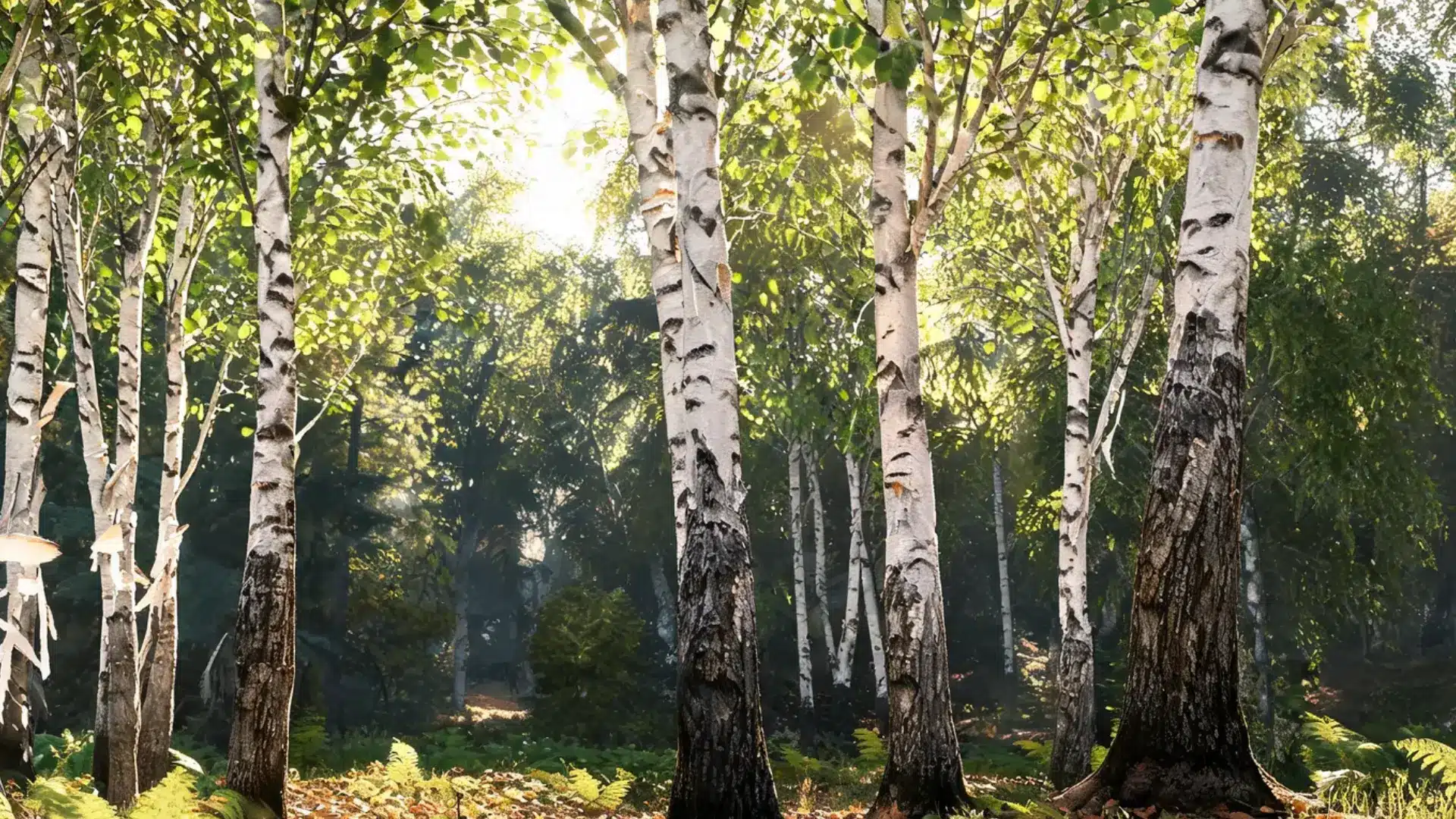
Birches stand out with slender trunks that often grow in clusters, making them easy to spot among other trees with distinct bark in a mixed yard or forest.
The bark is the biggest giveaway, since it peels away in thin, papery layers. Birch leaves are small and finely toothed along the edges, giving the canopy a light, airy look.
Whenever I spot those thin curls of bark, I know right away I’m looking at a birch. In spring, these trees grow long, dangling clusters called catkins, which hold their tiny flowers.
Put it all together, and you get a graceful, open canopy that lets light filter through easily. That combination of bark, leaves, and shape is what makes birches so easy to spot.
Popular Types of Birch Trees
I’ve researched a wide range of birch varieties, and each one brings its own personality to a yard. Here’s what I found on their bark, leaves, and growing needs:
1. River Birch (Betula nigra)
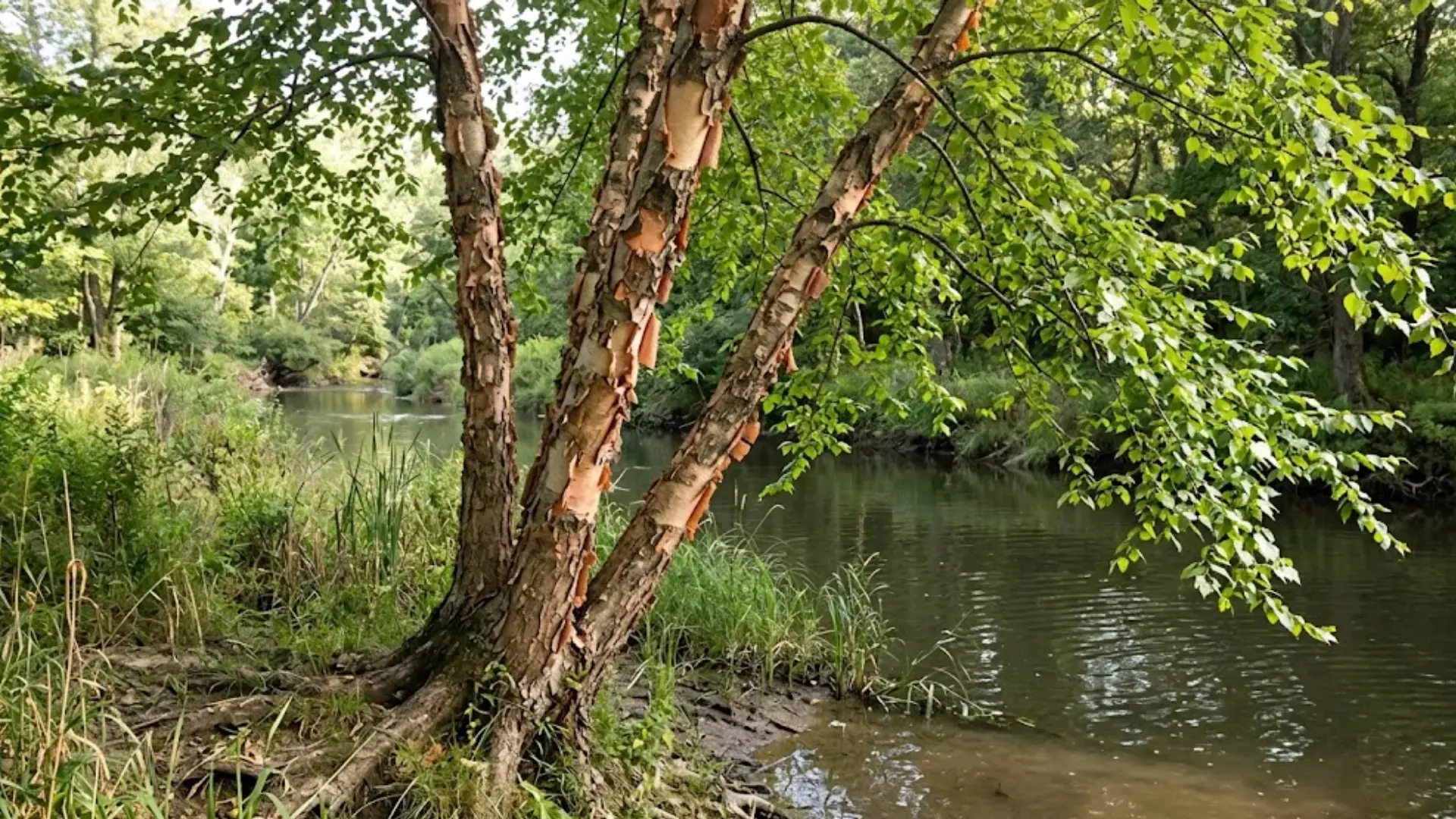
This birch grows wild along riverbanks and floodplains in the eastern United States, which explains why it likes wet soil so much.
Its bark peels in curly layers of pink and brown, and that look stays interesting year-round, even in winter. Leaves stay green in summer, then turn yellow in fall.
It grows fast and handles poor drainage well, making it a common pick near ponds, low spots, and streams.
- Mature height: 40-70 ft
- USDA hardiness zones: 4-9
- Heat or Cold tolerance: Handles humid heat well, moderate in cold winters
2. Paper Birch (Betula papyrifera)
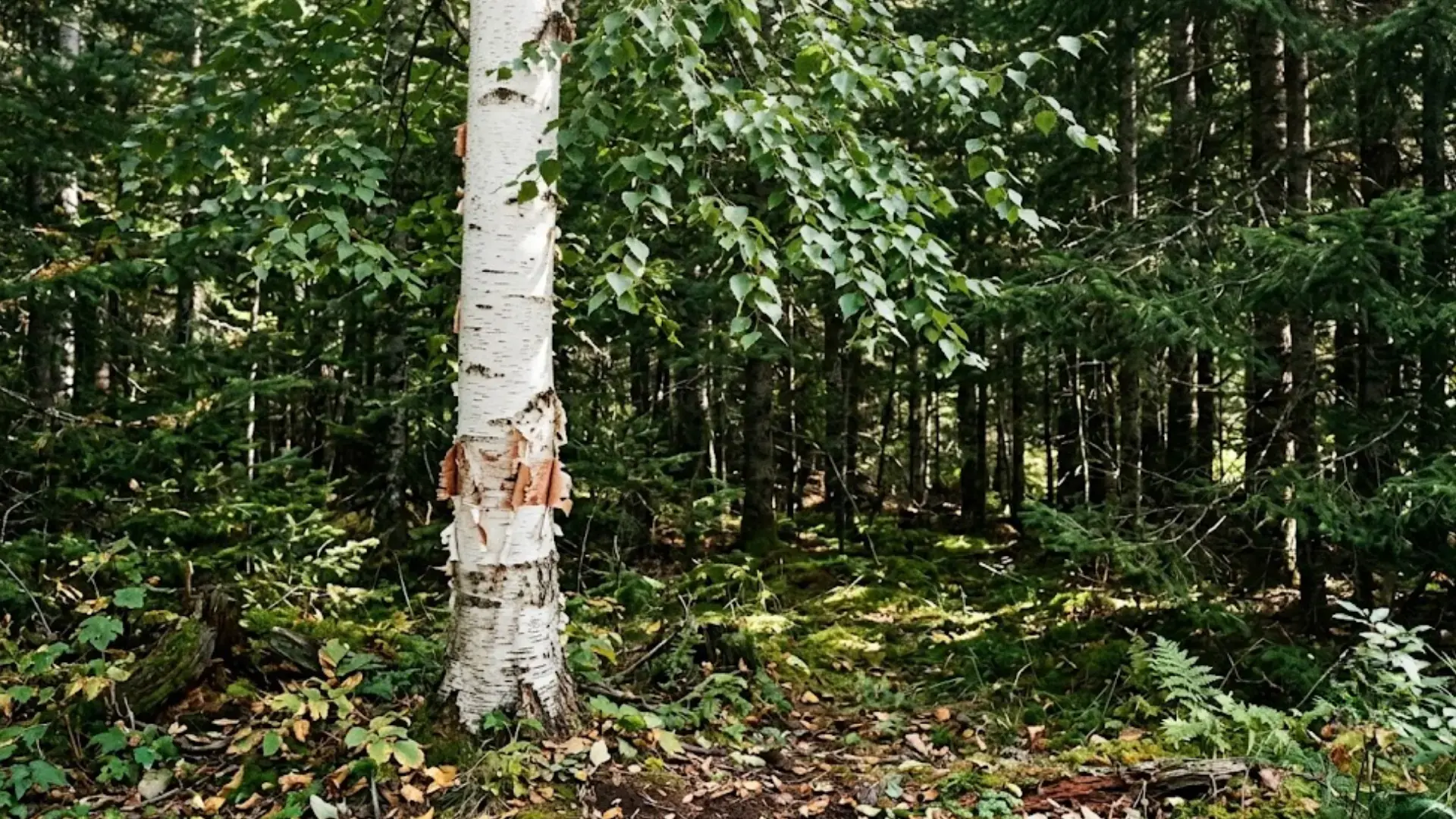
White bark that peels off in thin sheets is what this tree is best known for. It starts out reddish brown when young, then turns white as it matures.
People have used the bark for writing for generations, since it peels so thin and smooth. It grows natively across Canada and the far northern United States, often in cold forests.
Its green leaves turn yellow each fall, and the tree grows fairly quickly.
- Mature height: 50-70 ft
- USDA hardiness zones: 2-6
- Heat or Cold tolerance: Struggles in hot summers, handles harsh cold well
3. Silver Birch (Betula pendula)
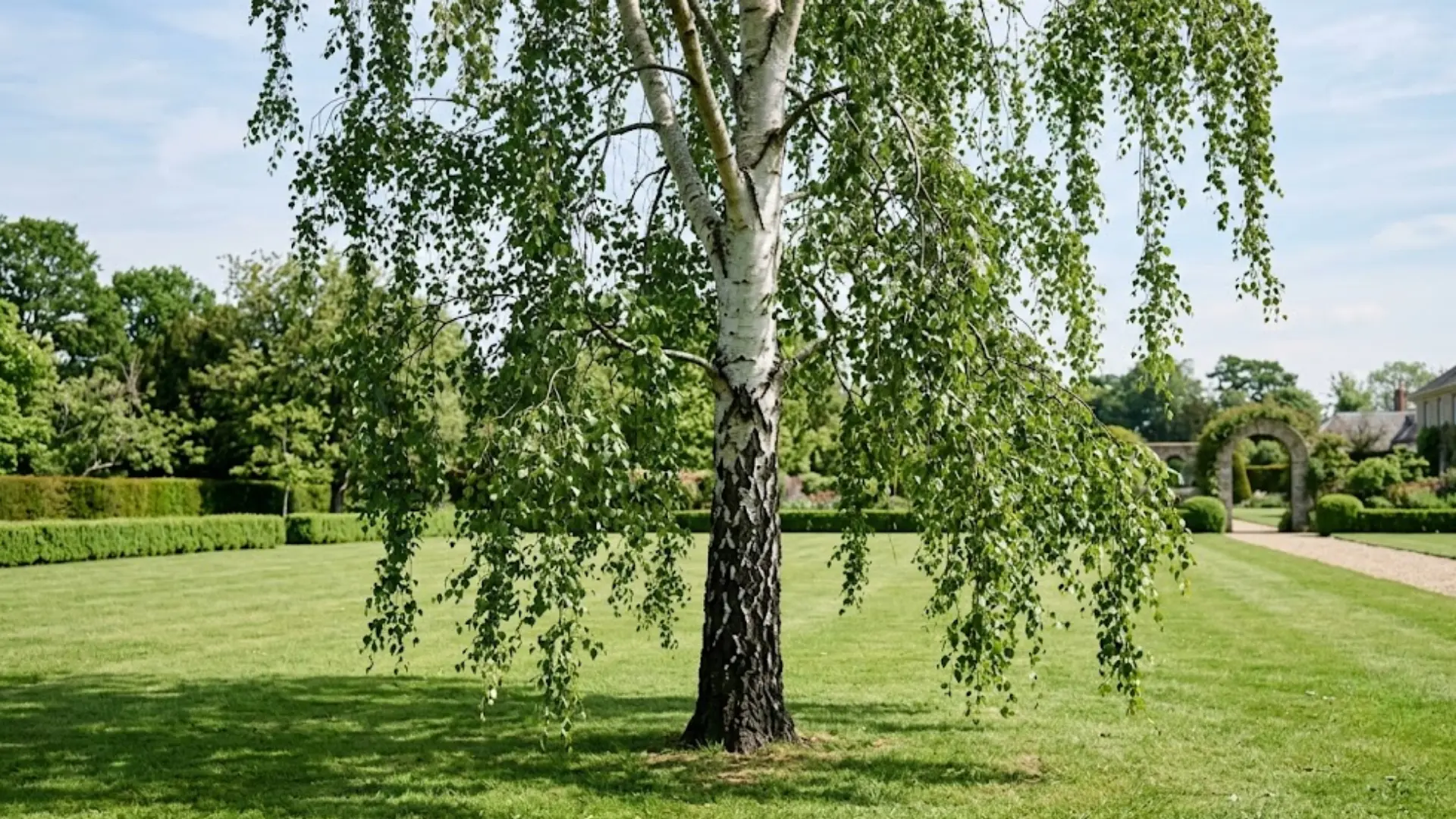
Drooping branches give this tree its graceful look, and it’s native to Europe and parts of temperate Asia. Small, diamond-shaped leaves stay green through summer, then turn yellow in fall.
The white bark roughens and turns black near the base as the tree gets older, adding contrast to the trunk. It’s often planted alone as a focal point, since its shape stands out even in winter.
- Mature height: 30-40 ft
- USDA hardiness zones: 2-6
- Heat or Cold tolerance: Poor in hot climates; handles severe cold well
4. Yellow Birch (Betula alleghaniensis)
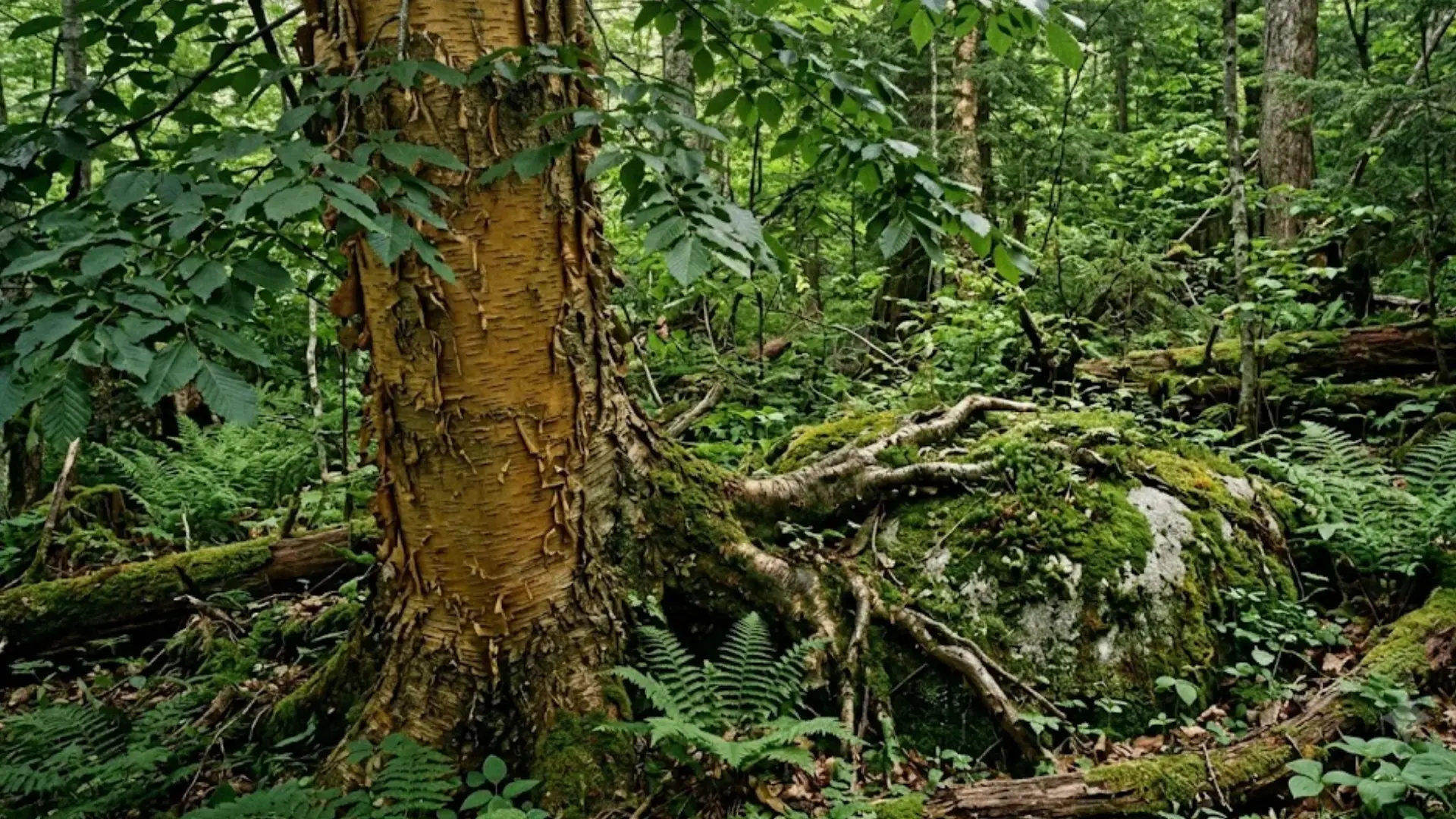
Snap a twig on this tree, and you’ll catch a bit of wintergreen scent. Its bark is yellowish bronze and peels into thin curly strips, which is where the common name comes from.
It grows naturally in forests across the northeastern United States and southeastern Canada, and it can live well over a hundred years there.
Leaves stay green through summer, then turn a rich yellow once fall arrives.
- Mature height: 60-80 ft
- USDA hardiness zones: 3-7
- Heat or Cold tolerance: Limited in summer heat; handles cold winters well
5. Sweet Birch (Betula lenta)
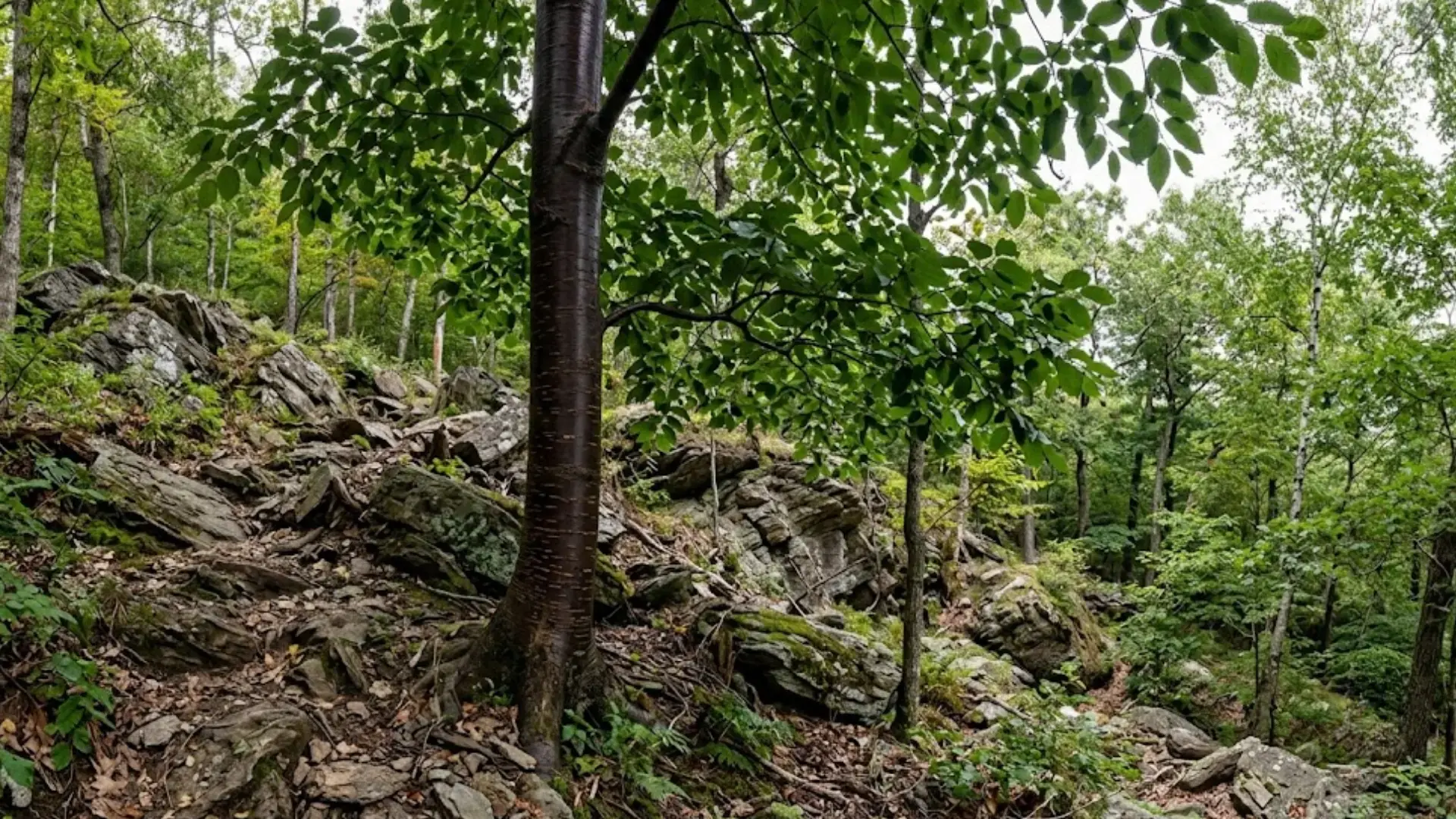
Break a twig on this tree, and you’ll smell wintergreen right away, which is its most memorable trait. The bark starts reddish-brown and darkens to almost black as the tree ages.
It grows natively across the eastern United States, from Maine all the way down to Alabama, often on rocky slopes. Leaves stay dark green through summer, then shift to golden yellow in fall.
- Mature height: 50-75 ft
- USDA hardiness zones: 3-7
- Heat or Cold tolerance: Handles some summer heat, tolerates cold winters well
6. Gray Birch (Betula populifolia)
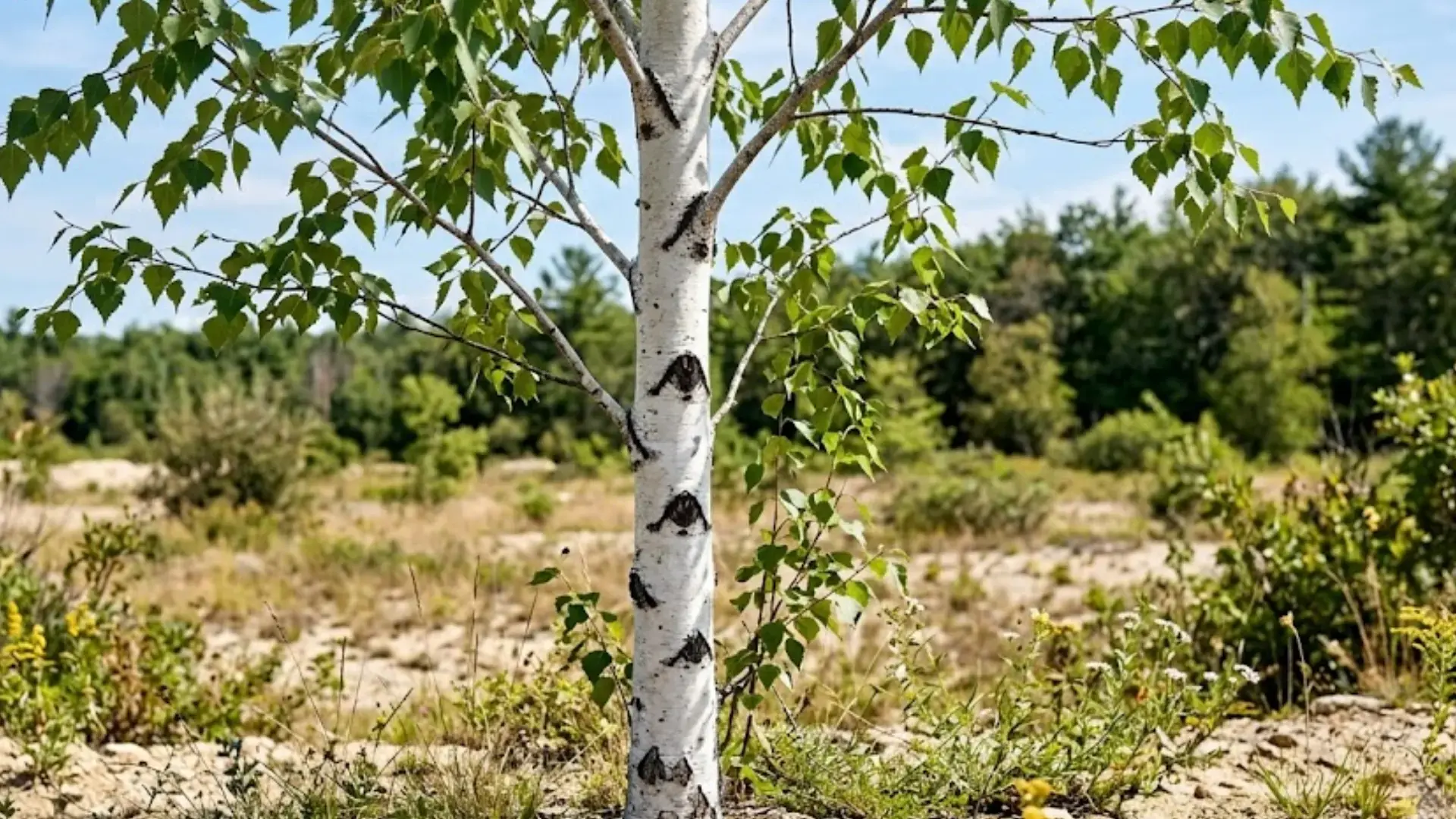
Unlike most birches, this one keeps its bark mostly intact instead of peeling away. The bark stays white, marked with dark triangle-shaped patches under each branch.
It grows fast and does well in poor, sandy soil, which fits its native range across eastern North America. Leaves are triangular and green, turning yellow in fall.
Because it grows so quickly, it’s often used to fill in bare, difficult spots.
- Mature height: 20-40 ft
- USDA hardiness zones: 3-6
- Heat or Cold tolerance: Short-lived in heat; handles cold winters well
7. Himalayan Birch (Betula utilis)
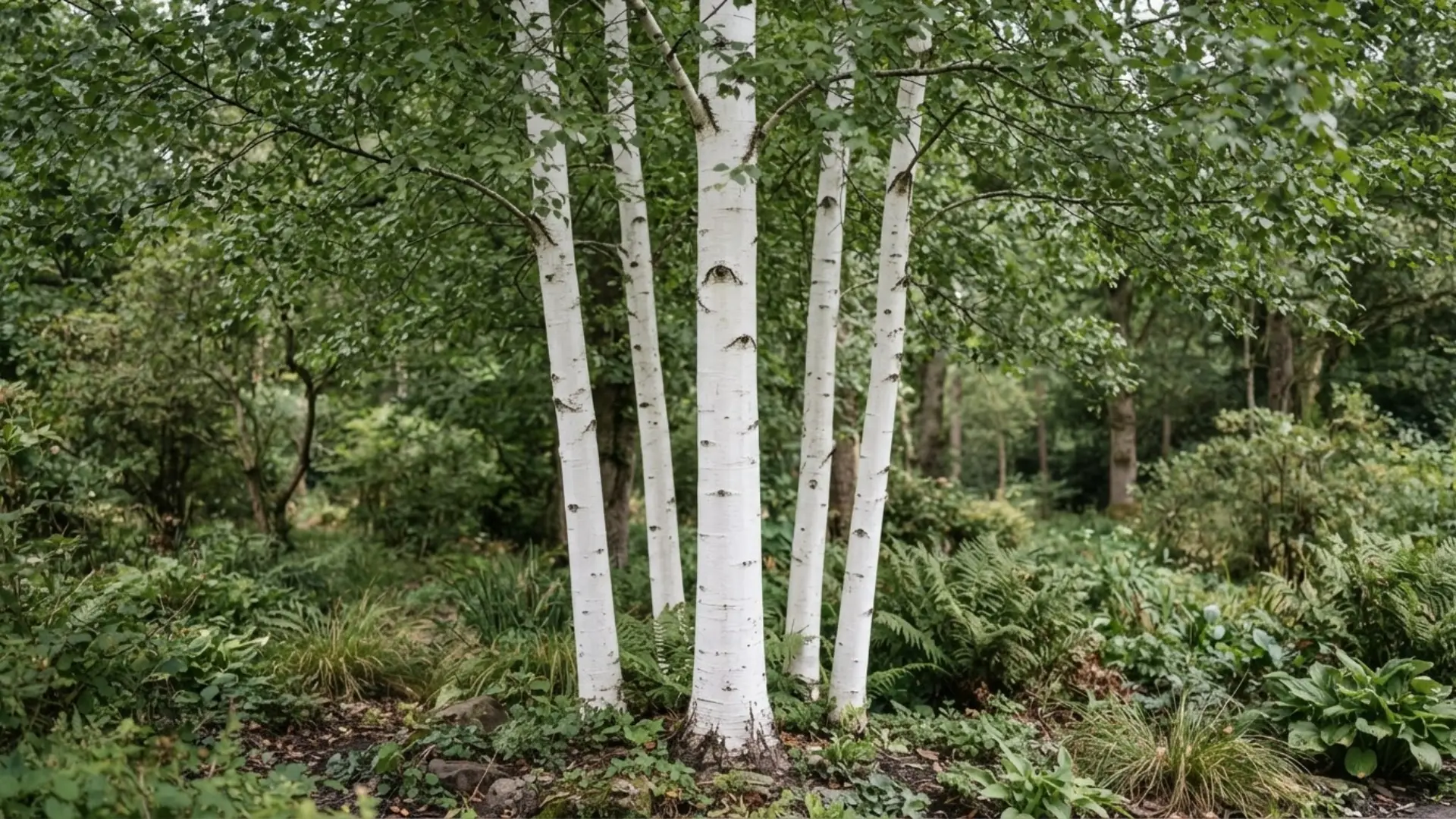
This tree is native to high elevations across the Himalayas and is grown mainly for its bark.
That bark ranges from white to soft pink and peels off in thin sheets, giving the trunk a bright look through winter once the leaves drop.
Green summer leaves turn yellow in fall, but the bark is really the reason gardeners plant this tree at all.
- Mature height: 30-40 ft
- USDA hardiness zones: 5-7
- Heat or Cold tolerance: Moderate in summer heat; handles cold winters well
8. Erman’s Birch (Betula ermanii)
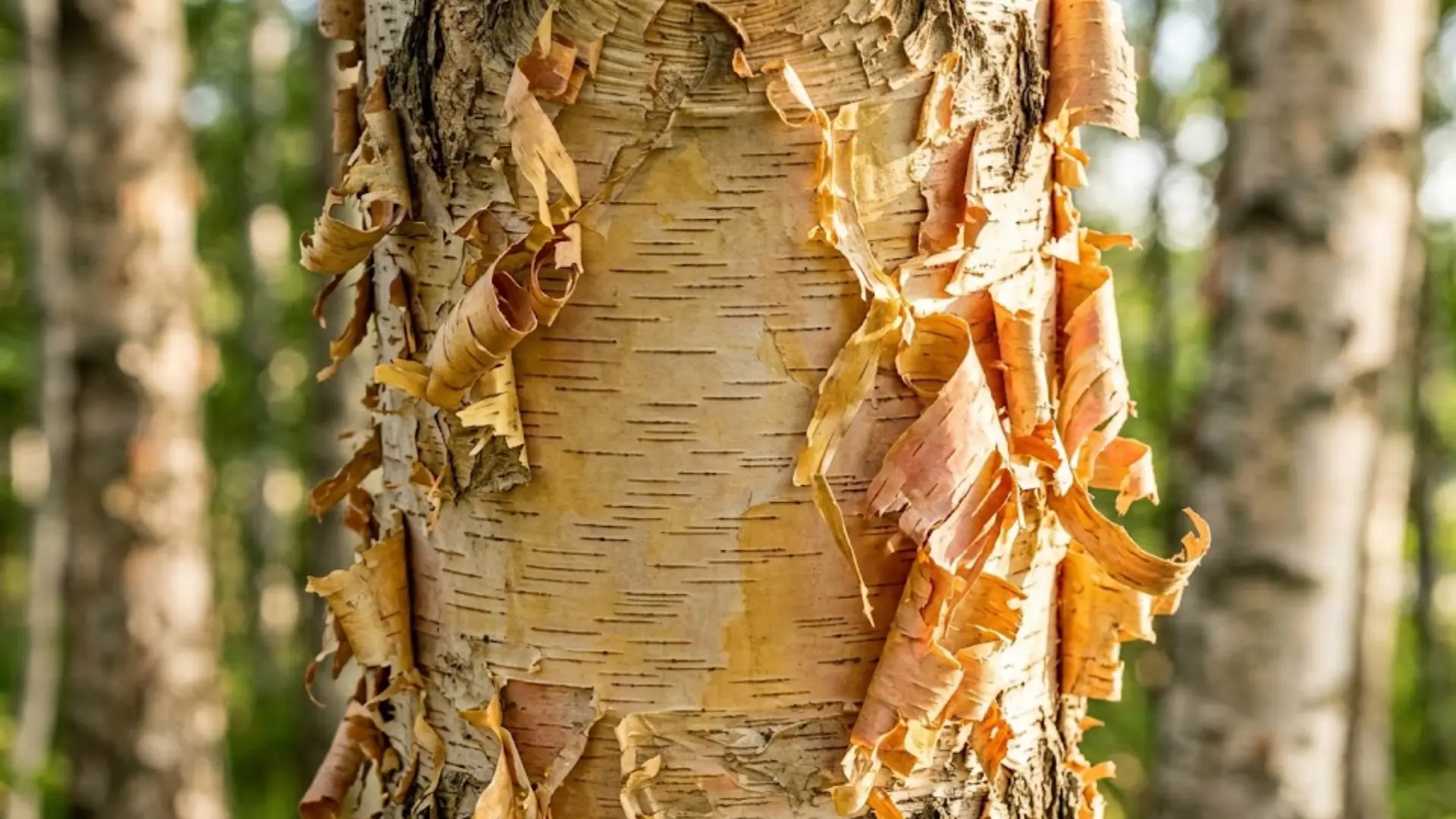
Cold mountain winters don’t bother this tree much, which makes sense given its native range across Japan, Korea, and parts of northeast Asia.
Its bark peels away in loose curls of white and pinkish orange, giving the trunk plenty of color even without leaves.
Dark green leaves turn a rich golden yellow in fall, rounding out a tree that stays interesting year-round.
- Mature height: 50-70 ft
- USDA hardiness zones: 5-7
- Heat or Cold tolerance: Struggles in warm weather, handles harsh cold well
9. Water Birch (Betula occidentalis)
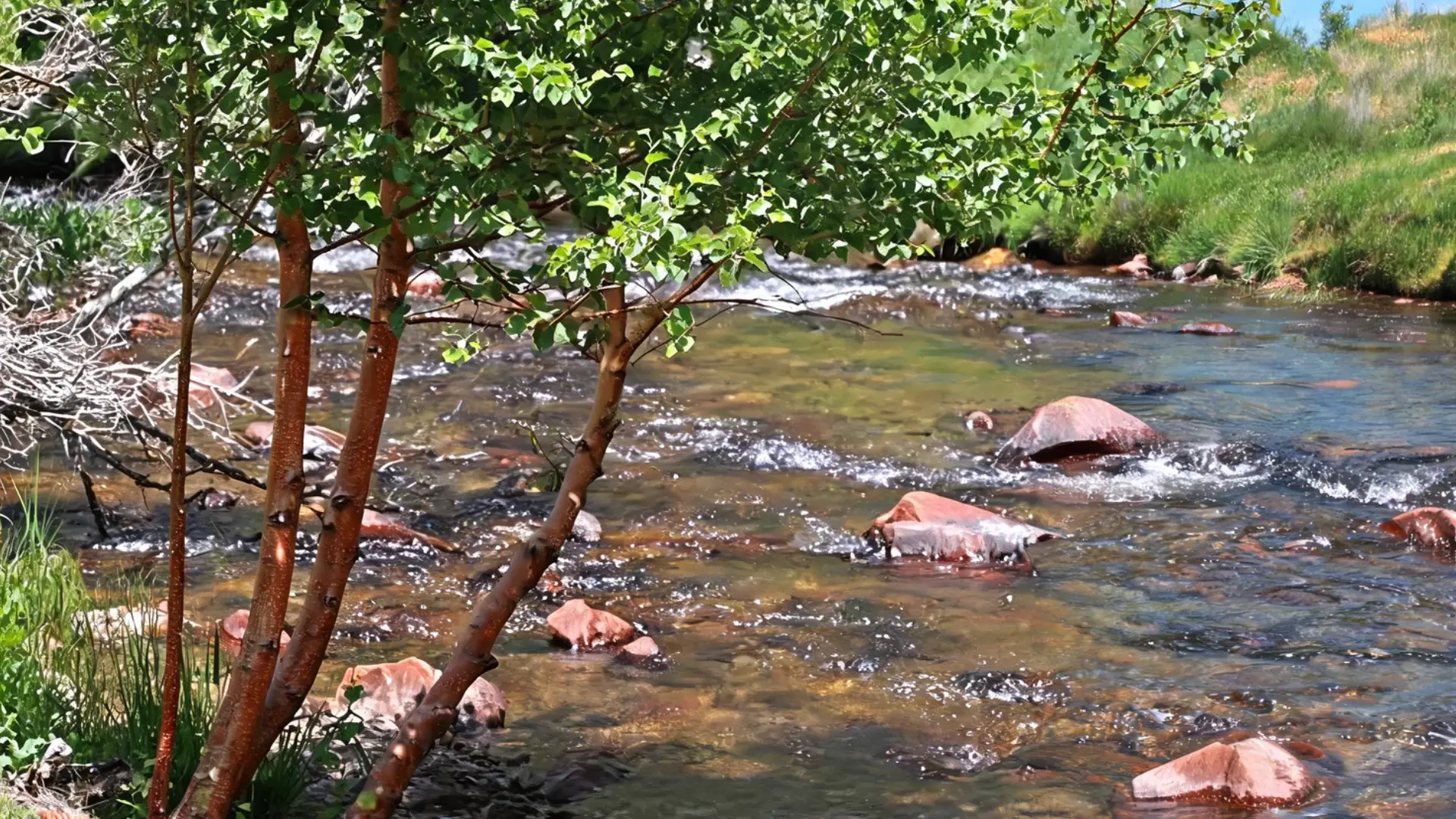
This tree grows along streams and rivers across western North America, and it isn’t picky about soil conditions.
Its bark stays smooth and shiny, in shades of dark red to bronze, and barely peels at all. Bright green summer leaves turn yellow in fall.
Because it handles both wet ground and dry spells, it’s a dependable choice for yards with uneven or unpredictable soil.
- Mature height: 20-30 ft
- USDA hardiness zones: 2-6
- Heat or Cold tolerance: Decent drought tolerance; handles cold winters well
10. Dwarf Birch (Betula nana)
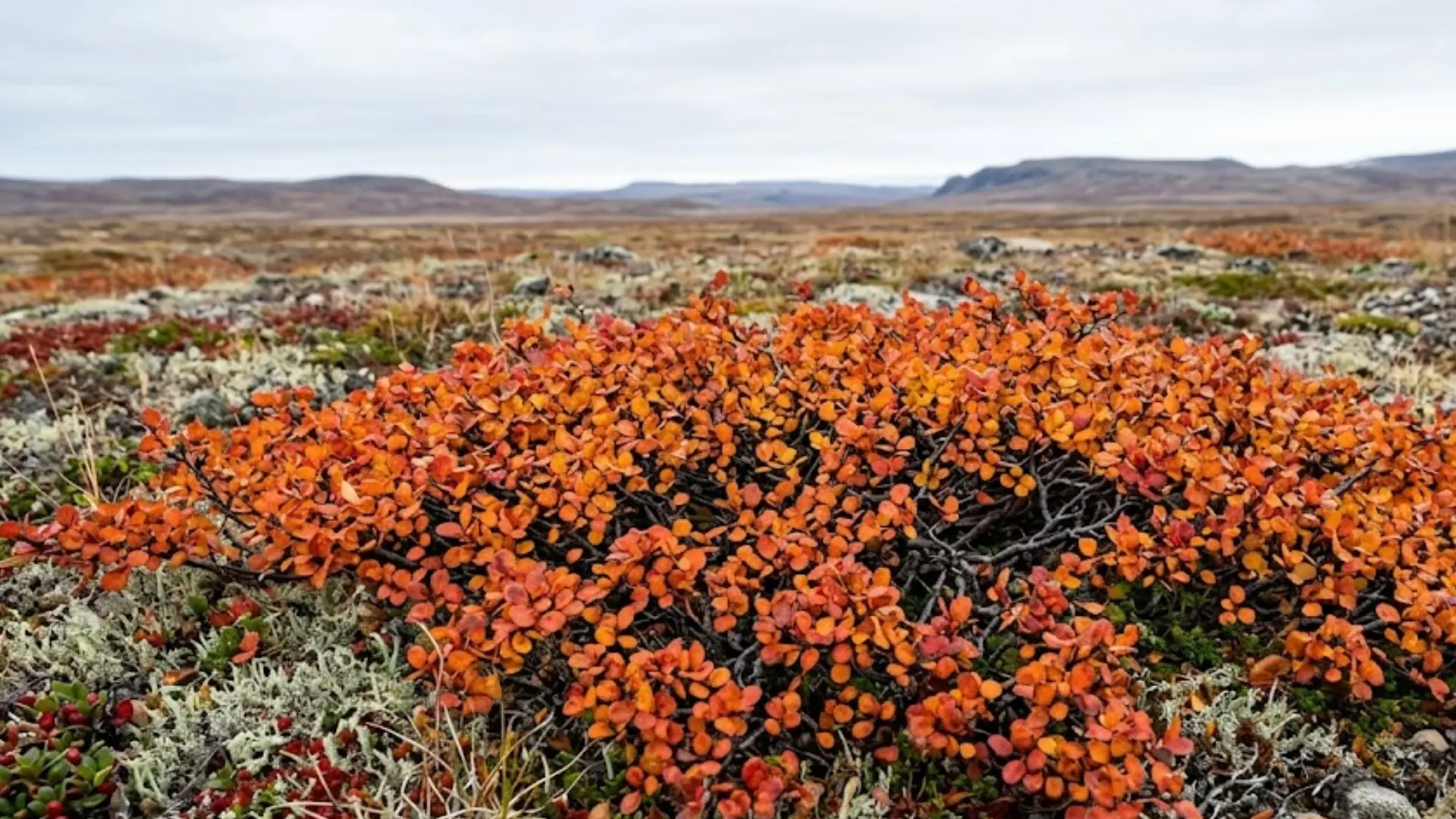
This tiny shrub stays low to the ground, which helps it survive harsh Arctic winters. It grows natively across tundra in Europe, Asia, and North America, often in areas too cold for most other plants.
Small, round, toothed leaves turn a striking orange-red in fall, set against dark brown bark. Reindeer and other tundra animals rely on it heavily as a source of food.
- Mature height: 1-3 ft
- USDA hardiness zones: 2-6
- Heat or Cold tolerance: Cannot handle real heat; built for extreme cold
11. Bog Birch (Betula pumila)
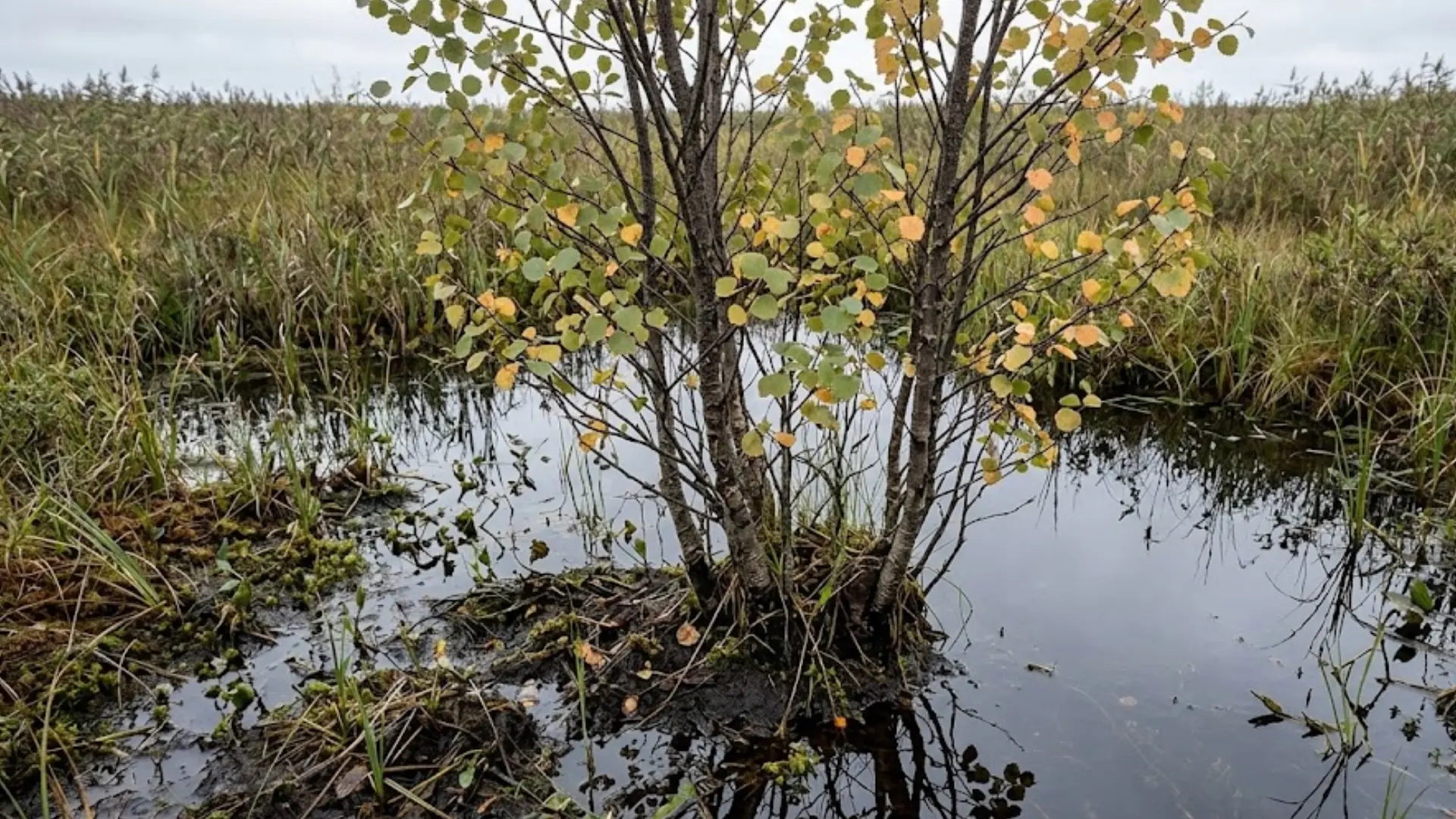
This small shrub can handle standing water, which explains why it grows in bogs, swamps, and wet meadows across northern North America. Few other birches manage soil this wet without struggling.
Its bark is dark brown to gray, and small, rounded leaves stay dull green through summer before turning soft yellow in fall. It often grows alongside other wetland shrubs and grasses.
- Mature height: 3-10 ft
- USDA hardiness zones: 2-6
- Heat or Cold tolerance: Weak once summers turn hot; handles cold winters well
12. Downy Birch (Betula pubescens)
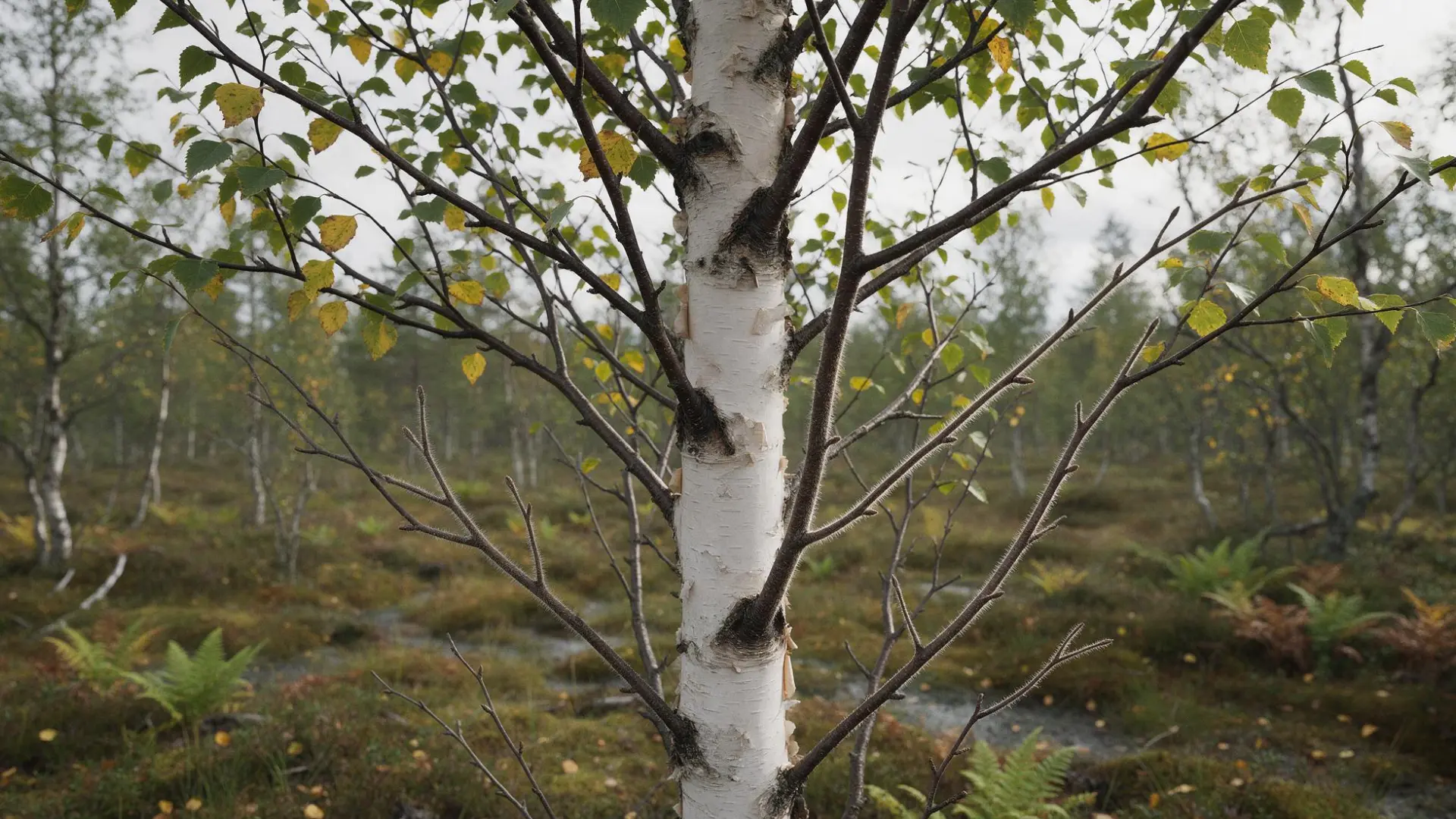
Fine, soft hairs cover the young twigs of this tree, which is where its common name comes from.
It grows natively across northern Europe, including Scandinavia and Iceland, and handles cold, wet, boggy ground better than most birches.
Its white bark stays intact longer than silver birch bark, resisting the same kind of peeling. Green leaves turn yellow in fall, closing out the growing season.
- Mature height: 40-60 ft
- USDA hardiness zones: 2-6
- Heat or Cold tolerance: Weak once temperatures climb, built for extreme cold
13. American Dwarf Birch (Betula glandulosa)
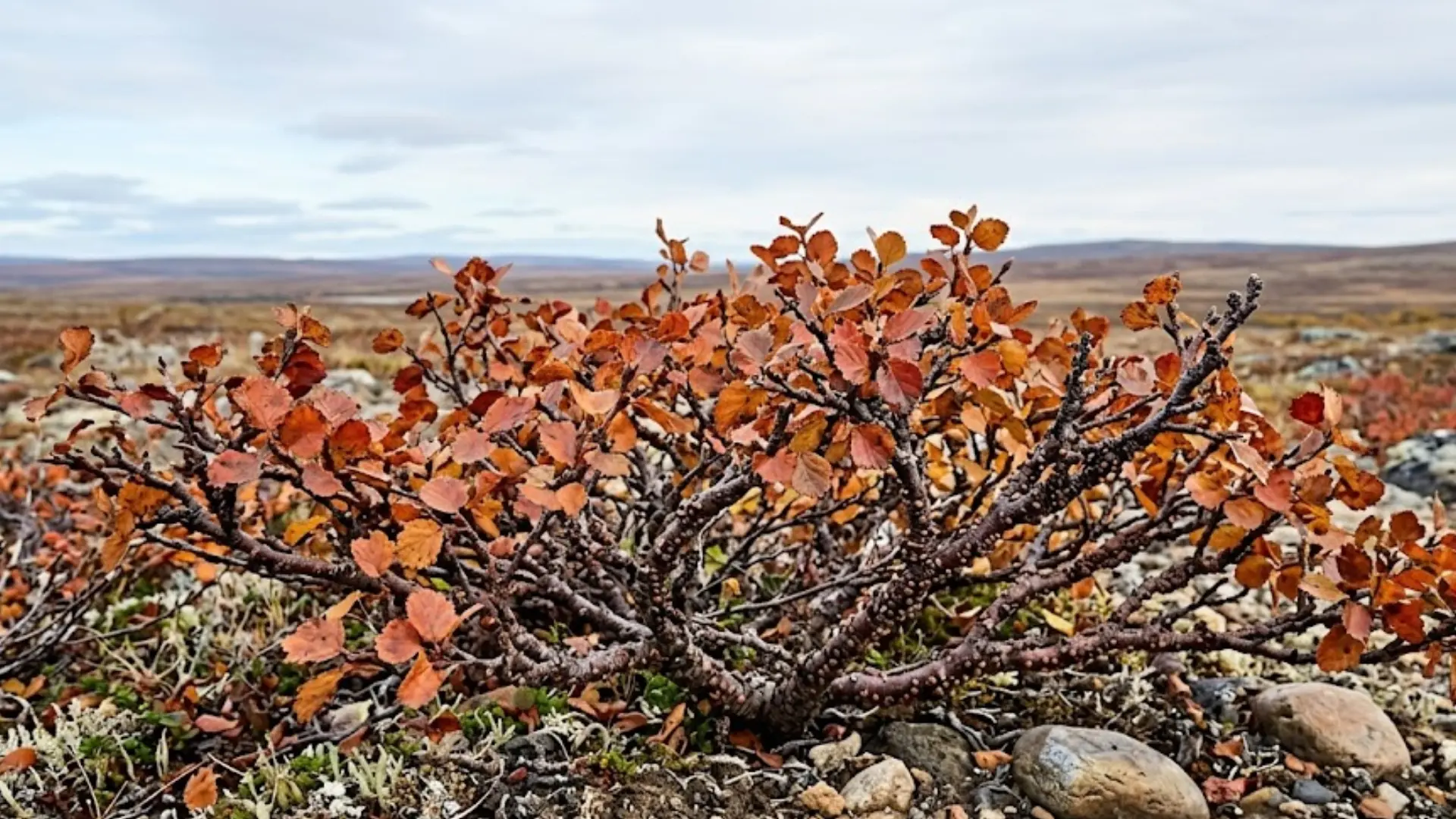
Small bumps cover the brown bark of this low, spreading shrub, a texture not seen on other birches.
It grows natively across Arctic and subarctic North America, where its compact shape helps it handle harsh, windy weather.
Small, round leaves stay green through summer, then turn orange-red in fall. Moose and caribou rely on this shrub heavily for winter food across its native range.
- Mature height: 1-6 ft
- USDA hardiness zones: 1-6
- Heat or Cold tolerance: Cannot handle heat at all; built for extreme cold
14. Dahurian Birch (Betula davurica)
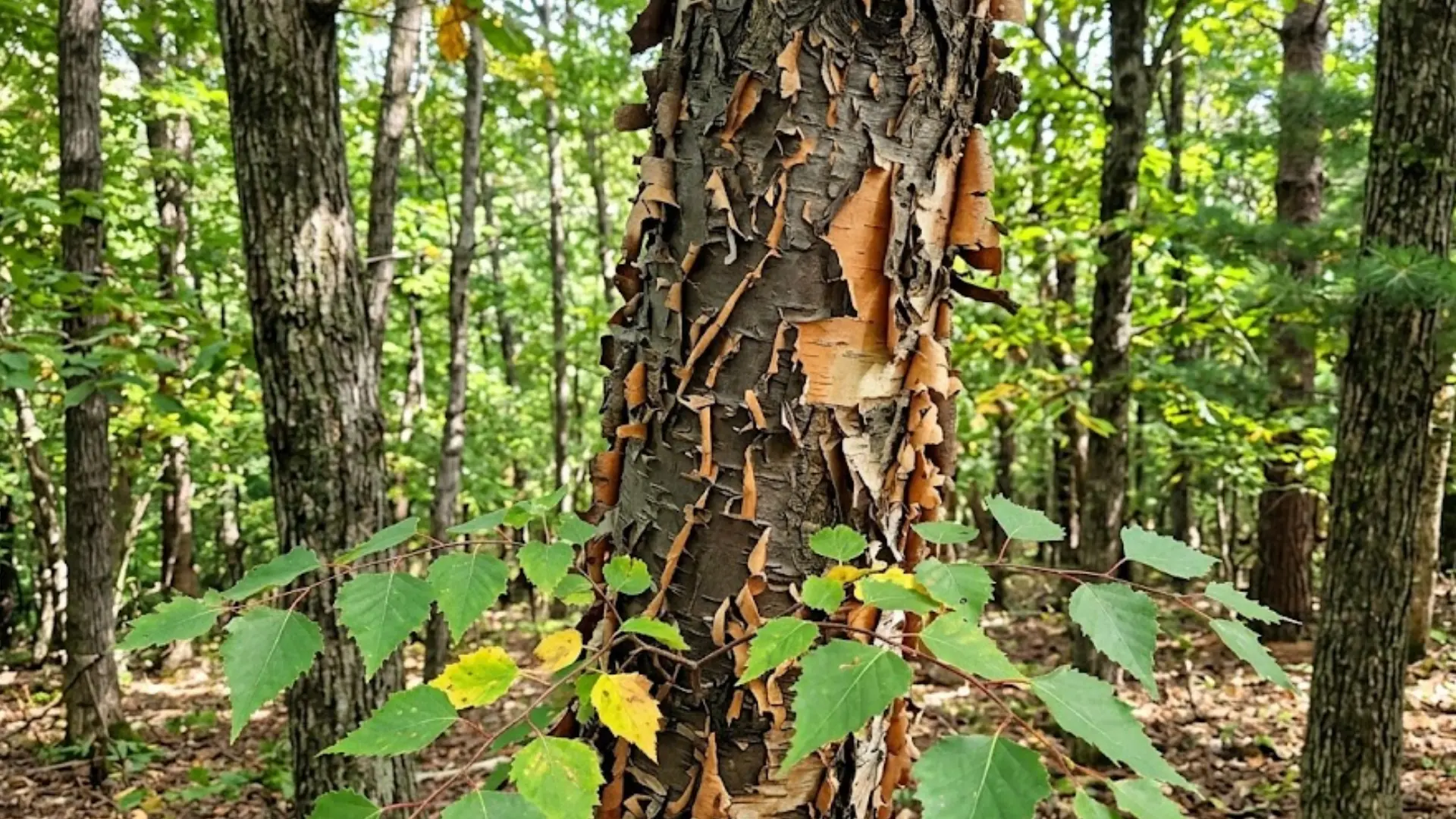
The bark peels away in curling strips, revealing lighter bark underneath as it goes. Young twigs are reddish brown before they darken with age.
It grows natively across Northeast Asia, including Manchuria, Korea, and Japan, often in mixed forests.
Sharply toothed leaves stay green through summer, then turn yellow in fall, giving the tree a shaggy, textured look most of the year.
- Mature height: 40-50 ft
- USDA hardiness zones: 4-7
- Heat or Cold tolerance: Moderate in heat; handles cold winters well
15. Japanese Cherry Birch (Betula grossa)
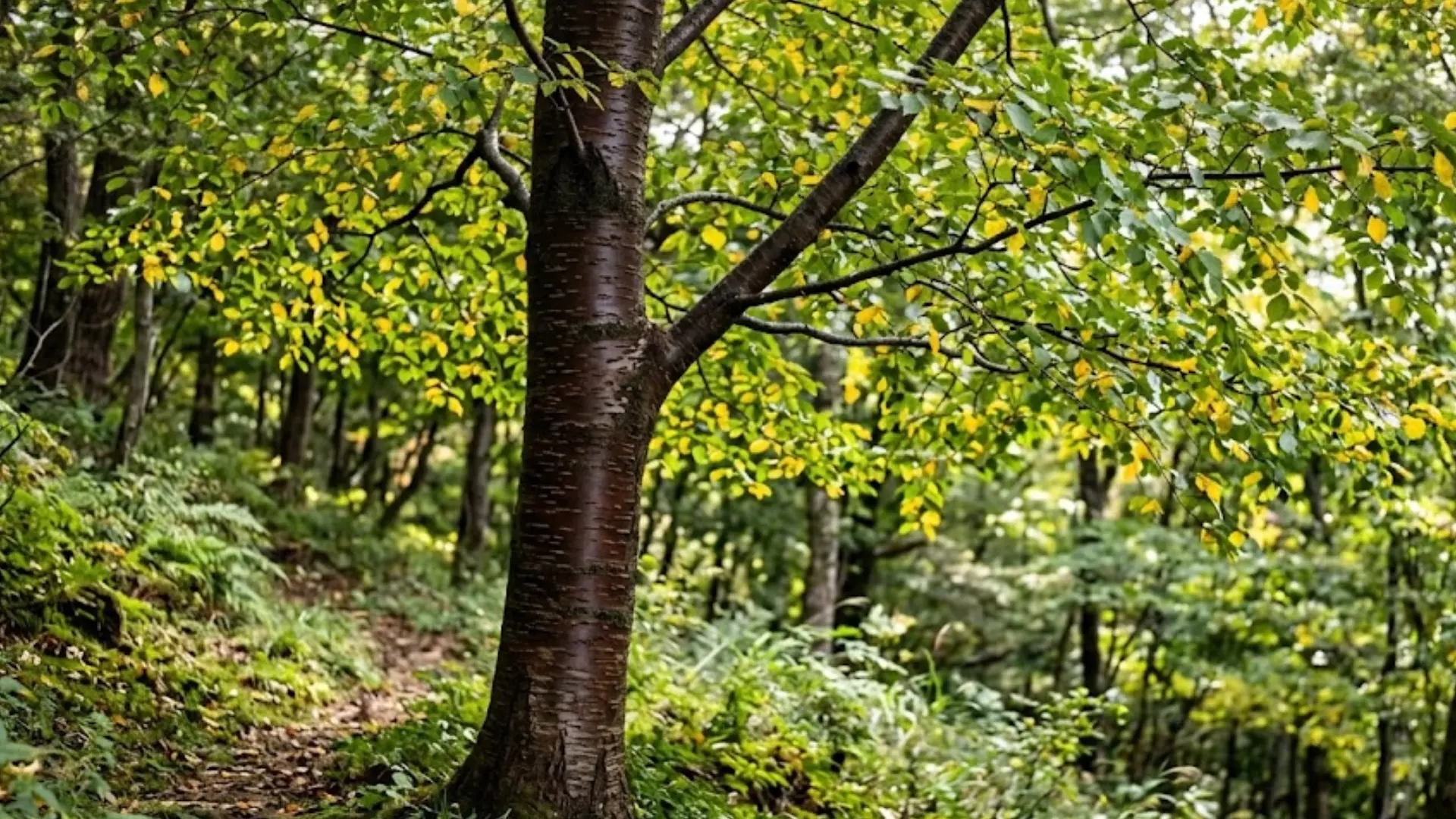
Snap a twig on this tree, and you’ll catch a bit of wintergreen scent, much like sweet birch. It’s native to the southern islands of Japan and grows into a sturdy tree with dark, cherry-colored bark.
That bark stays smooth for a long time before roughening with age. Green leaves in summer turn yellow in fall, making out easy to identify.
- Mature height: 50-60 ft
- USDA hardiness zones: 4-7
- Heat or Cold tolerance: Moderate in heat; handles cold winters well
16. Monarch Birch (Betula maximowicziana)
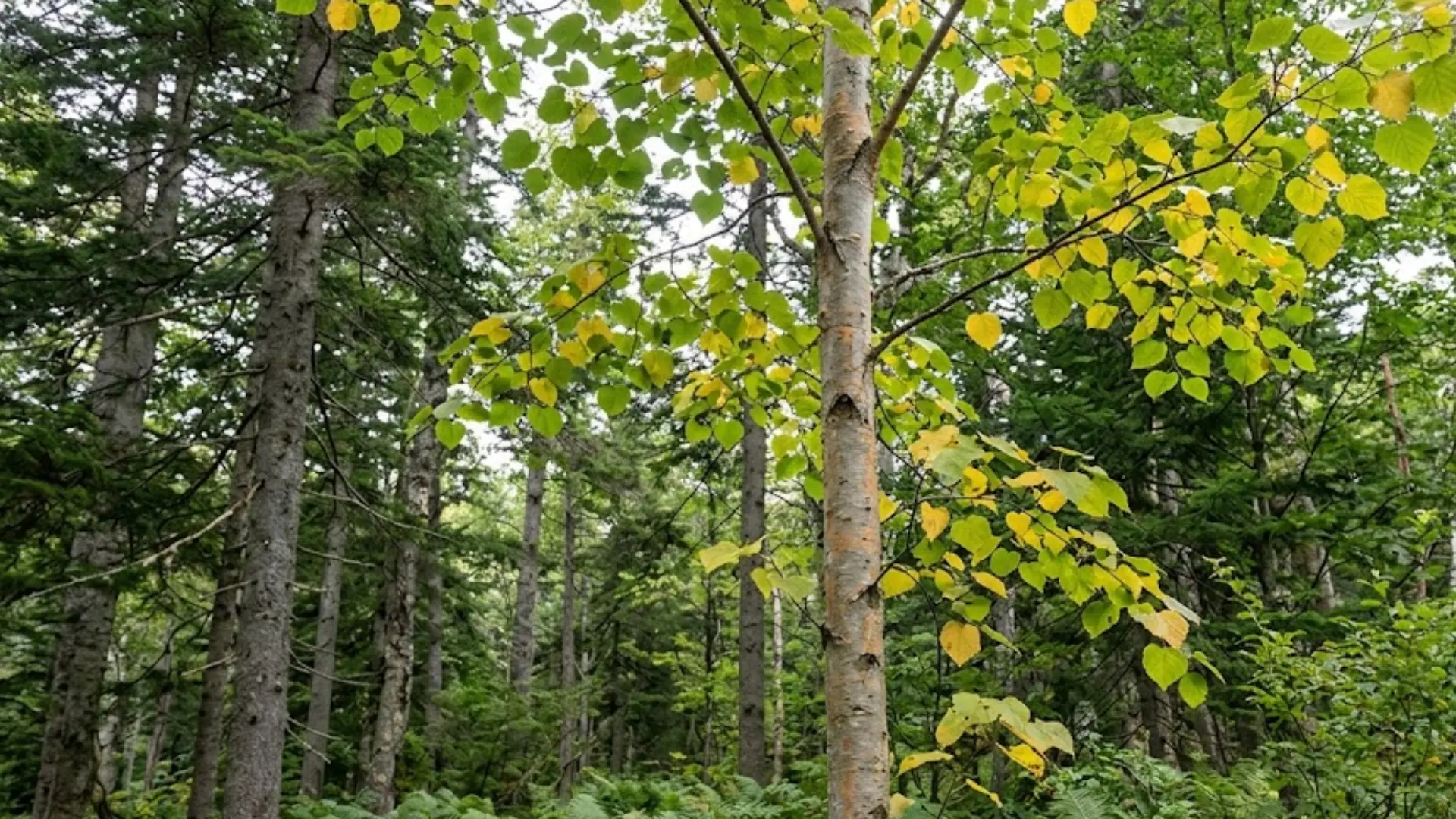
This tree grows the largest leaves of any birch, heart-shaped and green, turning yellow in fall. It’s native to Japan and the Kuril Islands, where it’s also used as timber.
The bark stays thin, gray and white with an orange tint, and peels only a little compared to other birches. It grows fast, which, along with its size, makes it stand out in a yard.
- Mature height: 45-80 ft
- USDA hardiness zones: 4-7
- Heat or Cold tolerance: Moderate in heat; handles cold winters well
17. Chinese Red Birch (Betula utilis subsp. albosinensis)
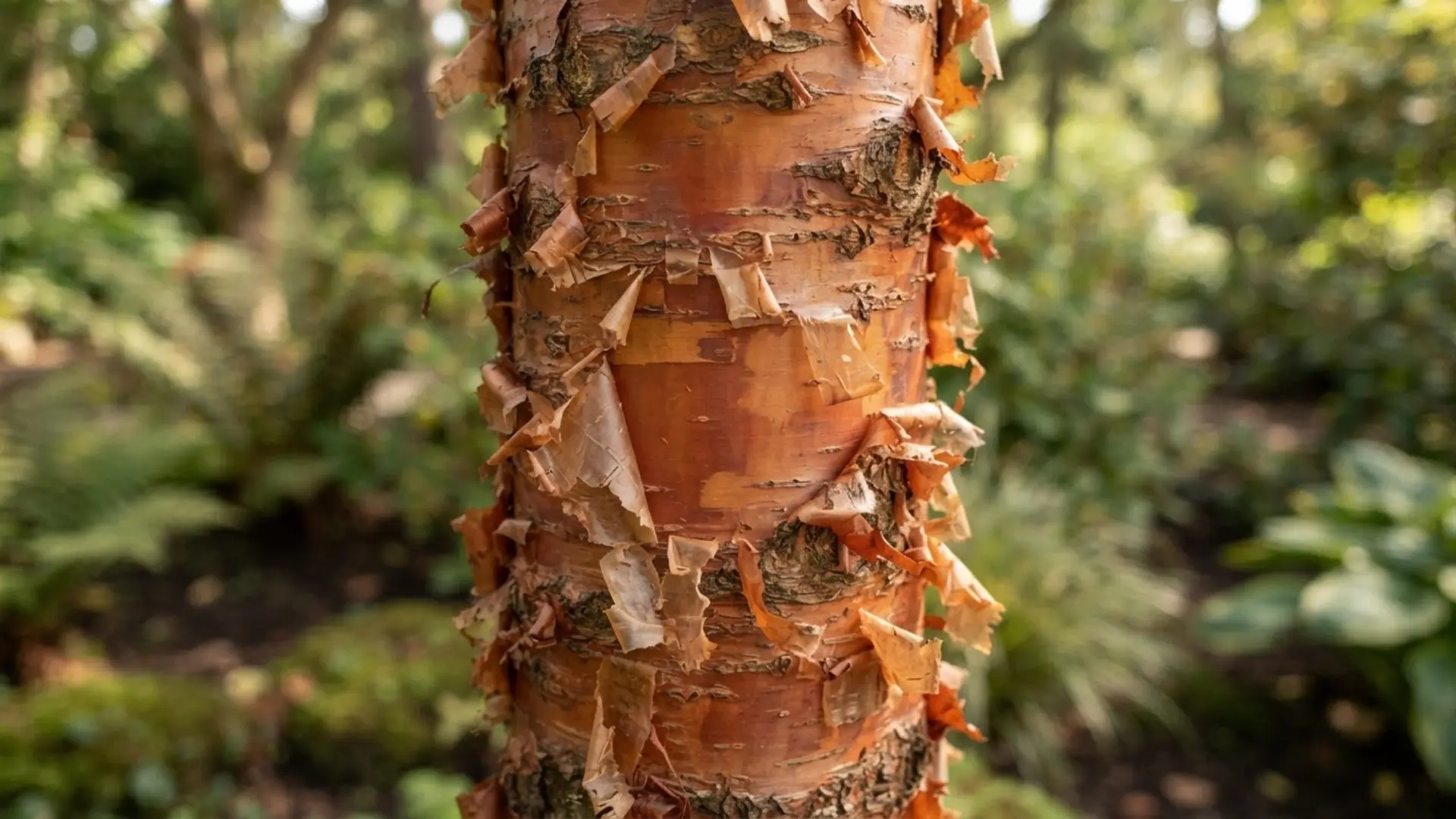
This tree grows tall and upright, valued mainly for its strikingly colored bark. It grows natively across northern and central China, often in cool mountain forests among conifers.
The bark peels away in thin sheets, showing a bright orange to orange-red color underneath. Each fresh layer carries a pale, chalky white bloom that fades as it ages. Leaves are dark green and pointed, turning yellow in fall.
- Mature height: 60-90 ft
- USDA hardiness zones: 5-8
- Heat or Cold tolerance: Moderate in heat; handles cold winters well
18. Korean Birch (Betula costata)
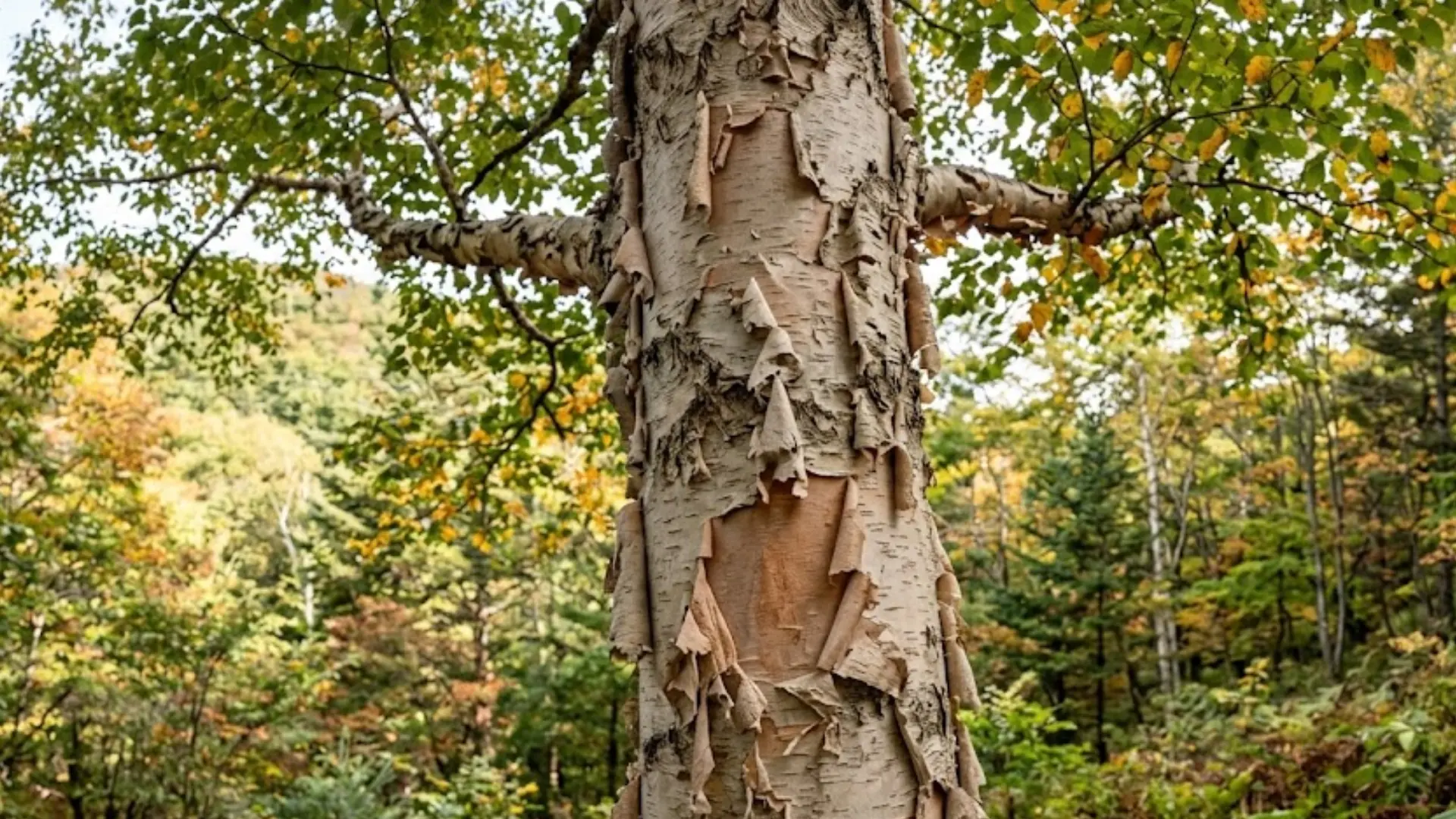
This tree has creamy, light gray-brown bark that peels away in flaking layers, an unusual look for a birch.
It grows into a large, broad shade tree over time, native to Korea, China, and Manchuria at higher elevations. Oval-shaped leaves stay green through summer, then turn golden yellow in fall.
Its size and soft bark color make it easy to spot among other birches.
- Mature height: 60-90 ft
- USDA hardiness zones: 4-6
- Heat or Cold tolerance: Poor once it gets warm; handles cold winters well
19. Tian Shan Birch (Betula tianschanica)
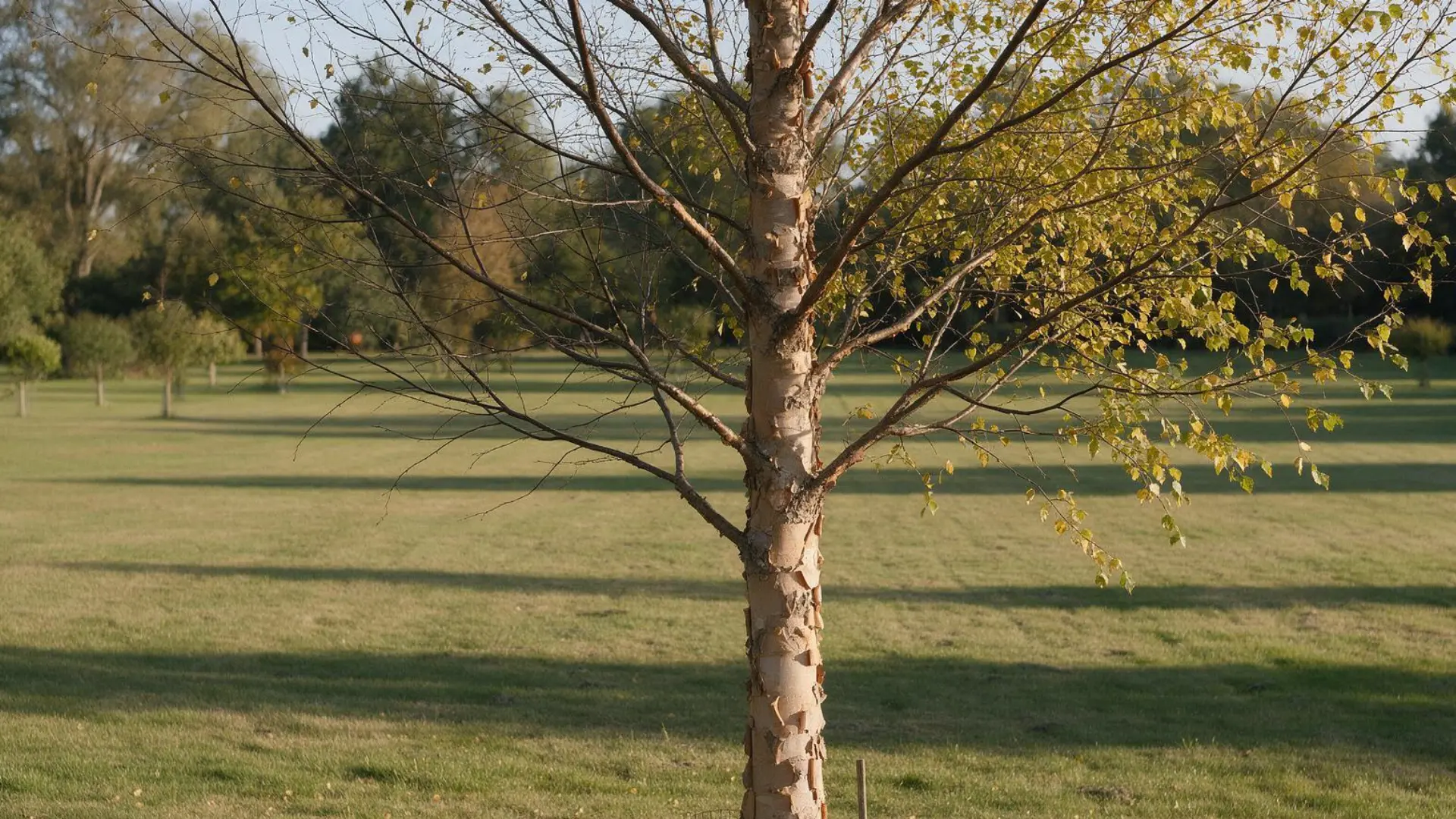
This tree is rare in cultivation and considered endangered in parts of its native range.
It grows in the mountains of Central Asia, including Kazakhstan and Kyrgyzstan, often along shaded streambanks.
It’s closely related to silver birch and looks similar, with white bark that peels in a similar way. Green leaves turn yellow in fall, and the tree tends to stay fairly modest in size.
- Mature height: 25-35 ft
- USDA hardiness zones: 5-6
- Heat or Cold tolerance: Poor once temperatures climb; handles cold winters well
20. Chinese Shining Birch (Betula luminifera)
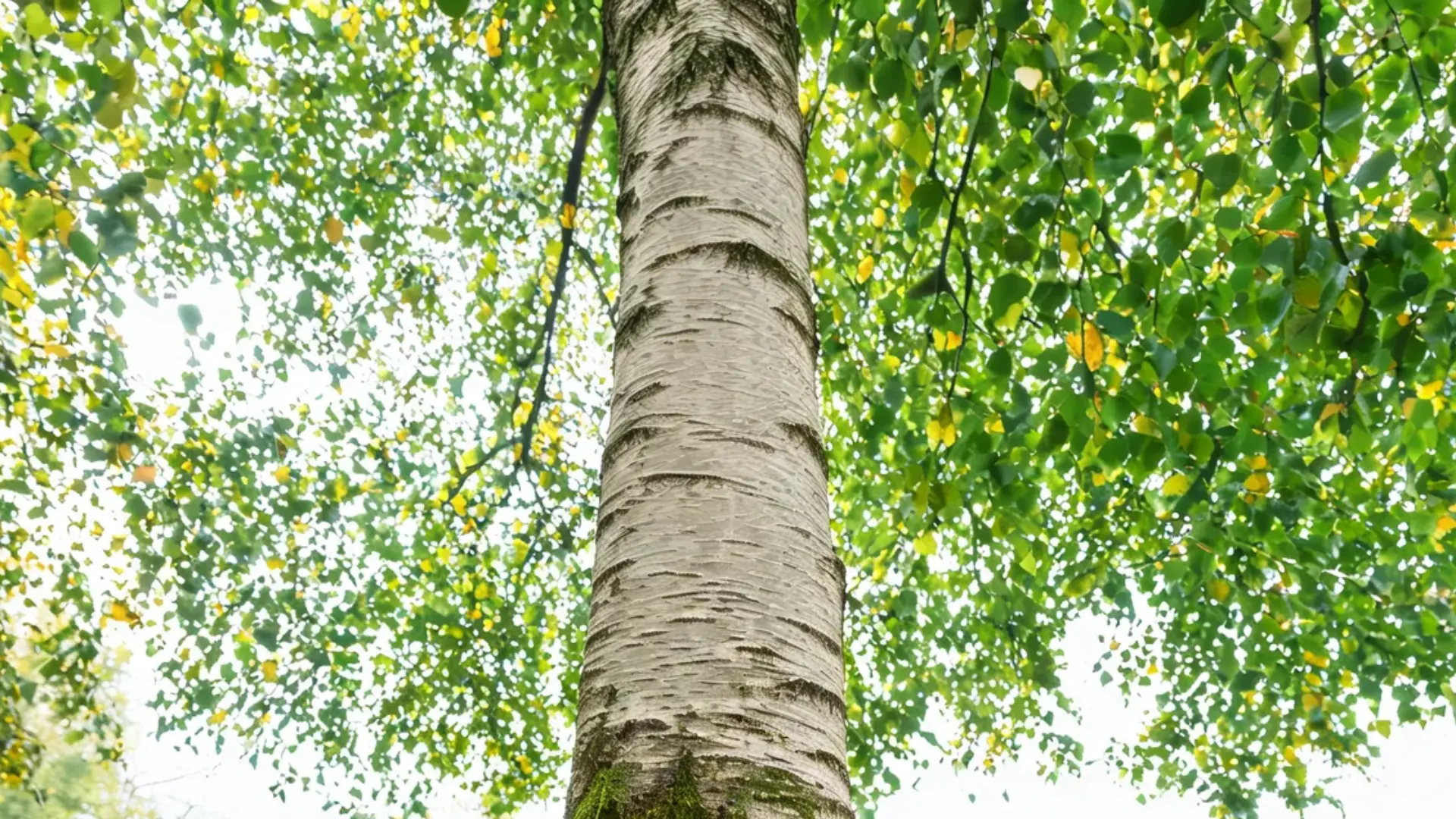
Glossy leaves that shine in sunlight give this tree its name and its main visual appeal. It’s a fast grower, native to western and southern China, often at lower elevations than other birches.
It’s also grown widely there as a timber tree because of that quick growth. The bark stays grayish brown, and the shiny leaves turn yellow before dropping in fall.
- Mature height: 50-65 ft
- USDA hardiness zones: 7-9
- Heat or Cold tolerance: Handles heat well, weak once it gets truly cold
Additional Birch Trees Worth Knowing
A few birches stand apart with unique leaf shapes and growing habits. Here are a few more worth knowing about:
21. Mountain Paper Birch (Betula cordifolia)
A heart-shaped leaf base sets this tree apart from other white-barked birches on this list. Those leaves turn yellow in fall, and the bark peels much like regular paper birch, in thin white sheets.
It grows natively at higher elevations across northeastern North America, often on rocky, exposed slopes. It handles cold winters and thin soil well, which suits its mountain habitat.
- Mature height: 40-60 ft
- USDA hardiness zones: 3-6
- Heat or Cold tolerance: Poor once summers get warm; handles harsh cold well
22. Chinese Alder-Leaf Birch (Betula alnoides)
This tree is one of the tallest birches around, native to the Himalayan foothills, southern China, and parts of Southeast Asia.
Its wood is prized for building throughout that native range. The bark is grayish white and peels off in thin sheets each year, refreshing the trunk’s look.
Lance-shaped leaves stay green through the growing season before dropping, and the tree grows fast for its size.
- Mature height: 60-100 ft
- USDA hardiness zones: 8-10
- Heat or Cold tolerance: Handles heat well; cannot survive hard freezes
23. Hazel-Leaf Birch (Betula corylifolia)
Large leaves with deep, jagged teeth give this tree its name, since they look a lot like hazel leaves.
It grows natively on the main island of Japan, usually at high hills, which is why it handles cold winters so well.
The bark stays grayish brown through most of the tree’s life, and the leaves turn yellow in fall. It stays fairly compact compared to other tree birches.
- Mature height: 20-30 ft
- USDA hardiness zones: 5-7
- Heat or Cold tolerance: Moderate in heat; handles cold winters well
Note: hardiness zones, sizes, and growing conditions can vary by climate, soil, and care, so treat these as general guidelines.
Common Problems With Birch Trees
I always tell people that picking a birch means knowing the risks too. Every tree has some drawbacks, and birches are no different. Here’s a quick look at common problems you might run into:
|
Problem |
What Happens |
When It’s Worse |
What Helps |
|---|---|---|---|
|
Bronze Birch Borer |
Attacks weak trees and damages the wood underneath. |
Heat or drought leaves the tree stressed. |
Keep the tree watered and healthy. |
|
Birch Leafminer |
Causes cosmetic damage to the leaves. |
Trees are already weak or struggling. |
Healthy trees often tolerate it fine. |
|
Heat and Drought Stress |
Leads to leaf scorch and early leaf drop. |
Summers are long, hot, or dry. |
Regular watering during hot spells helps. |
|
Poorly Drained or Dry Soil |
Affects growth, since moisture needs vary by type. |
The wrong birch is planted in the wrong spot. |
Match the tree to your soil type. |
Knowing these issues ahead of time helps you avoid surprises later. A little care and the right spot go a long way toward a healthy birch.
How to Choose the Right Birch Tree?
Picking a birch tree takes more than just liking how it looks. A few simple checks can help you choose one that will actually thrive:
- Climate matters a lot, since some birches handle heat better than others.
- Available space counts too, so check the height, width, and nearby walls or wires.
- Soil moisture makes a difference, as birches can suit wet, average, or dry ground.
- Bark color varies a lot, from bright white to deep bronze or brown.
- Maintenance needs differ, including pruning, watering, and cleaning up fallen leaves.
Taking these steps helps you avoid a tree that struggles in your yard, and I always run through them before I plant one. A little planning now means a healthier birch for years to come.
The Bottom Line
Now you know birch trees come in many shapes, sizes, and bark colors. Some birches love wet soil, others prefer dry mountain slopes.
Picking the right kind means checking your climate and space first. Bark alone can help you tell one type apart from another. Each type also comes with its own care needs.
Trust me, checking these details first makes planting so much easier. Your birch will grow well if you match it to your yard. Planting the right type keeps your yard looking neat and healthy.
I hope this list helps you find your favorite birch. Drop a comment below and tell me which one you’re planting.