When dreaming up the perfect outdoor space, the choice between natural turf and artificial grass can feel surprisingly complex.
Homeowners craving that lush backyard haven, sports facilities needing year-round durability, or anyone planning a landscape that balances beauty with practicality, understands each option’s true benefits, making a difference.
Natural turf brings that authentic, earthy charm we’ve always known, while artificial grass promises convenience wrapped in modern innovation. Both have their devoted followers, and for good reason.
This guide will walk you through what sets them apart, uncover their unique strengths and trade-offs, and help you find which one aligns beautifully with your vision and lifestyle.
What is Turf?
Natural turf is the living, breathing grass we’ve known for generations, rooted in soil and nurtured by sunlight and water. It creates those soft, verdant carpets found in backyards, parks, and playing fields.
When people refer to “turf” in modern contexts, they often mean the specialized grass varieties cultivated for sports surfaces like football pitches and golf courses.
These are carefully selected for their resilience and ability to withstand heavy foot traffic.
Think of turf as nature’s original ground cover, offering that unmistakable fresh scent and cool touch underfoot. It’s been the gold standard for outdoor spaces long before synthetic alternatives entered the scene.
What is Artificial Grass?
Artificial grass is a synthetic surface designed to mimic the look and feel of natural grass without the need for constant maintenance.
Made from durable plastics like polyethylene or polypropylene, it has longer, softer blades for a lush appearance year-round. Modern versions feature realistic textures and varied blade heights, enhancing realism over early versions.
You’ll find artificial grass turning residential lawns, cozy patios, pet-friendly yards, and commercial landscapes where consistent greenery matters.
It’s a popular choice for spaces needing beauty and function without the watering, mowing, or seasonal upkeep of living grass.
Key Differences Between Turf and Artificial Grass

Understanding the nuances between turf and artificial grass helps you make smarter decisions for your space.
While they might seem similar at first glance, these surfaces differ significantly in design, texture, durability, and purpose, each crafted to meet distinct needs and lifestyles.
1. Appearance and Aesthetic
Turf typically showcases a uniform, performance-focused look designed for consistency across sports fields and training grounds. Its appearance prioritizes functionality over visual variety.
Artificial grass, on the other hand, features multi-shade blades in varying heights that create a more natural, garden-like aesthetic.
The color variations and textures mimic real lawns beautifully, making it ideal for residential settings where curb appeal matters as much as practicality.
2. Texture and Feel
Walking barefoot reveals the clearest difference. Turf feels firmer and coarser underfoot, engineered to withstand athletic impact and provide stable footing during intense activity.
Artificial grass offers a softer, more cushioned experience that’s gentler on bare feet and perfect for lounging.
The longer, pliable blades create a comfortable surface that invites relaxation, making it the preferred choice for patios, play areas, and spaces where comfort takes priority over performance.
3. Durability and Performance
Turf is built specifically for high-impact sports use, designed to endure constant running, sliding, and heavy foot traffic without losing integrity. Its dense construction and specialized backing systems handle professional-level wear.
Artificial grass suits moderate residential and commercial applications beautifully, handling everyday activities like family gatherings, pet play, and light recreational use.
While durable enough for most homeowners’ needs, it’s not engineered for the relentless demands of competitive athletics.
4. Maintenance Requirements
Turf demands regular grooming in high-traffic zones to maintain its performance qualities, including brushing fibers upright and ensuring infill distribution stays even.
Sports facilities often schedule routine maintenance to preserve playing conditions.
Artificial grass requires minimal upkeep, occasional rinsing to remove debris, light brushing to keep blades standing, and addressing spills as needed.
This low-maintenance nature makes it incredibly appealing for busy homeowners seeking beauty without weekend yard work.
5. Cost Comparison
The financial investment for turf versus artificial grass varies considerably based on application, quality, and long-term needs.
Understanding these cost differences helps you budget appropriately and anticipate the true value beyond initial installation.
| Cost Factor | Turf | Artificial Grass |
|---|---|---|
| Installation (per sq ft) | $8-$15 | $5-$12 |
| Annual Maintenance | $500-$2,000 | $100-$300 |
| Lifespan | 8-10 years | 15-20 years |
| Best Value For | Sports facilities, high-traffic athletic zones | Homeowners, residential, and moderate-use spaces |
Comparing Turf and Artificial Grass with Natural Grass
Natural grass offers undeniable environmental benefits like oxygen production, carbon absorption, and biodiversity support that synthetic options simply can’t replicate.
It cools the surrounding areas naturally and provides habitat for beneficial insects.
However, turf and artificial grass outperform natural grass in several practical scenarios. They thrive in harsh weather conditions where real grass struggles, maintaining a consistent appearance year-round.
Water conservation becomes effortless, eliminating the need for constant irrigation during droughts. High-traffic areas that would turn natural grass into muddy patches stay pristine and playable.
For those prioritizing convenience over ecological impact, synthetic surfaces deliver reliable beauty without the demanding care schedule living grass requires.
Turf vs. Artificial Grass: Advantages and Drawbacks
Weighing the strengths and limitations of both options clarifies which surface aligns best with your priorities. Each choice brings distinct advantages while carrying trade-offs worth considering before making your investment.
Turf: Strengths and Limitations
Understanding what turf excels at and where it falls short helps determine if it’s the right fit for your athletic or high-traffic needs.
| Advantages | Drawbacks |
|---|---|
| Handles heavy traffic with consistent performance | Firmer feel, not ideal for barefoot comfort |
| Year-round usability in all seasons | Can retain heat in direct sunlight |
| Limited weather impact, stays playable | May look less natural than landscaping alternatives |
| Built for intense athletic activities | Requires regular grooming for maintenance |
Artificial Grass: Strengths and Limitations
Artificial grass shines in residential and aesthetic applications, though certain environmental factors require consideration.
| Advantages | Drawbacks |
|---|---|
| Low maintenance with minimal upkeep | Heat retention under direct sun exposure |
| Soft, comfortable, and aesthetically pleasing | Higher upfront cost than some alternatives |
| Perfect for landscaping and residential yards | Doesn’t contribute to the ecosystem like natural grass |
| Stays green without watering or mowing | Limited biodiversity support |
How to Choose Between Turf and Artificial Grass?
Selecting the right surface comes down to matching your specific needs with the strengths each option provides. Consider these key factors to guide your decision toward the surface that fits your lifestyle, space, and budget.
- Sports fields and high-traffic athletic zones perform best with turf, engineered for consistent play and heavy impact resistance.
- Home lawns and residential landscapes shine with artificial grass, offering aesthetic appeal, comfort, and curb-enhancing beauty.
- Climate challenges like drought, intense heat, or poor soil favor both synthetic options, eliminating irrigation and seasonal struggles.
- Budget-conscious homeowners should weigh installation costs against long-term maintenance savings, with artificial grass typically delivering better residential value.
- Families with pets and kids benefit from artificial grass’s softer texture, excellent drainage, and easy cleanup for active, safe play areas.
The right choice ultimately depends on how you’ll use your space and what matters most in your daily life. Prioritize performance for athletics, comfort for living areas, and practicality for maintenance-free beauty that lasts.
Installation and Care Tips for Turf and Artificial Grass
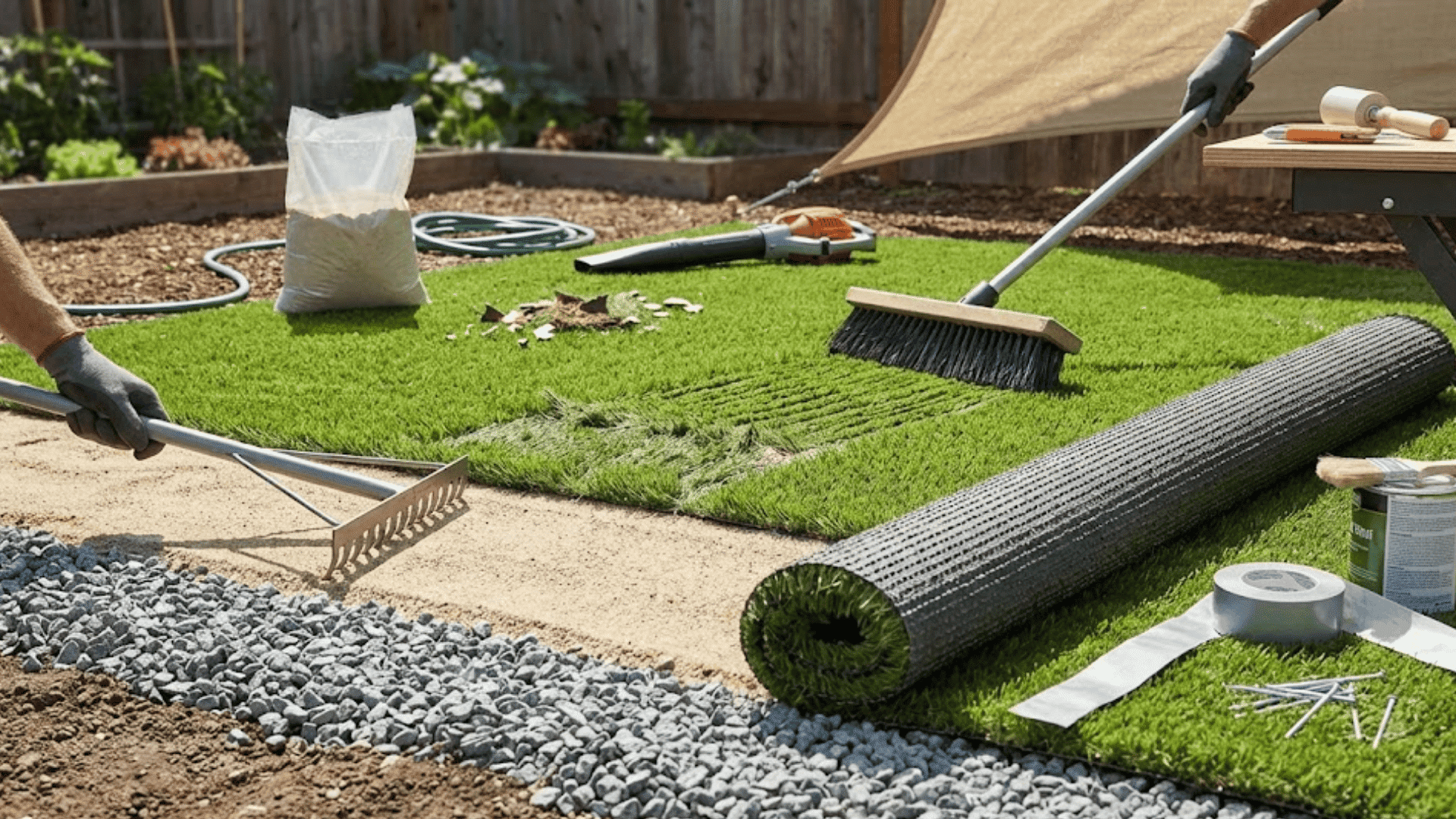
Proper installation and ongoing care ensure your synthetic surface performs beautifully for years to come. Following these essential steps protects your investment and maximizes both durability and aesthetic appeal.
- Site preparation begins with proper ground leveling and debris removal, creating a smooth, stable base with quality drainage layers of crushed stone or gravel to prevent water pooling.
- Secure edges and seams professionally using adhesive or securing pins to avoid lifting, gaps, or visible joining lines that compromise both appearance and safety.
- Brush fibers regularly and remove debris promptly to keep blades upright, prevent matting, and maintain cleanliness without odor buildup or staining.
- Manage heat retention with light-colored infill, cooling sprays, or shade structures during peak sun hours, especially in hotter climates where surface temperatures can rise significantly.
- Schedule periodic deep cleaning to refresh infill distribution, eliminate bacteria, and address wear patterns that develop in heavily used zones for lasting performance.
Consistent attention to these care practices keeps your turf or artificial grass looking fresh and functioning flawlessly. A little routine maintenance goes a long way in preserving that just-installed beauty season after season.
Analyzing Long-Term Costs and Return on Investment
Understanding the long-term financial picture helps you see beyond initial installation expenses. Lifecycle costs reveal which option delivers the best return on investment for your specific situation.
| Cost Factor | Turf | Artificial Grass | Natural Grass |
|---|---|---|---|
| Initial Installation | $8-$15 per sq ft | $5-$12 per sq ft | $0.10-$0.50 per sq ft |
| Annual Maintenance | $500-$2,000 | $100-$300 | $800-$1,500 |
| Water Costs (Annual) | Minimal for cleaning | Minimal for cleaning | $500-$1,200 |
| Lifespan | 8-10 years | 15-20 years | Ongoing with reseeding |
| Total 10-Year Cost | $12,000-$25,000 | $6,000-$15,000 | $13,000-$27,000 |
The real cost advantage emerges around year three when cumulative maintenance expenses begin to favor synthetic options.
Natural grass may seem budget-friendly initially, but ongoing water bills, equipment purchases, fertilizer costs, and countless weekend hours spent mowing add up significantly faster than most homeowners anticipate.
The Bottom Line
Choosing between turf and artificial grass ultimately comes down to how you’ll use your space and what brings you peace of mind.
Sports enthusiasts and facility managers often lean toward turf’s rugged performance, while homeowners craving that effortless green sanctuary find artificial grass perfectly suited to their lifestyle.
Both options free you from the endless cycle of watering, mowing, and seasonal stress that natural lawns demand. Whichever path resonates with your vision, you’re investing in lasting beauty and functionality.
Have thoughts or questions about turf vs. artificial grass? Share your experience in the comments below; we’d love to hear what worked for your space.