Getting kids moving used to be easy. You opened the door and they disappeared until dinner.
These days it takes a little more thought.
But the core idea has not changed at all. Give kids something worth going outside for, and they will go outside. Simple as that.
The trick is not forcing it. Timed laps around the block, screen-time ultimatums, and “you need fresh air” lectures almost never work. Kids see straight through the agenda.
What actually works is building an environment where outdoor activity feels like the obvious choice. The fun option. The one they pick themselves.
That comes down to a few things: the right gear, meaningful activities that hold their attention, and parents who lead rather than just instruct.
Let’s break it all down properly.
The Gear That Gets Kids Out the Door Without an Argument
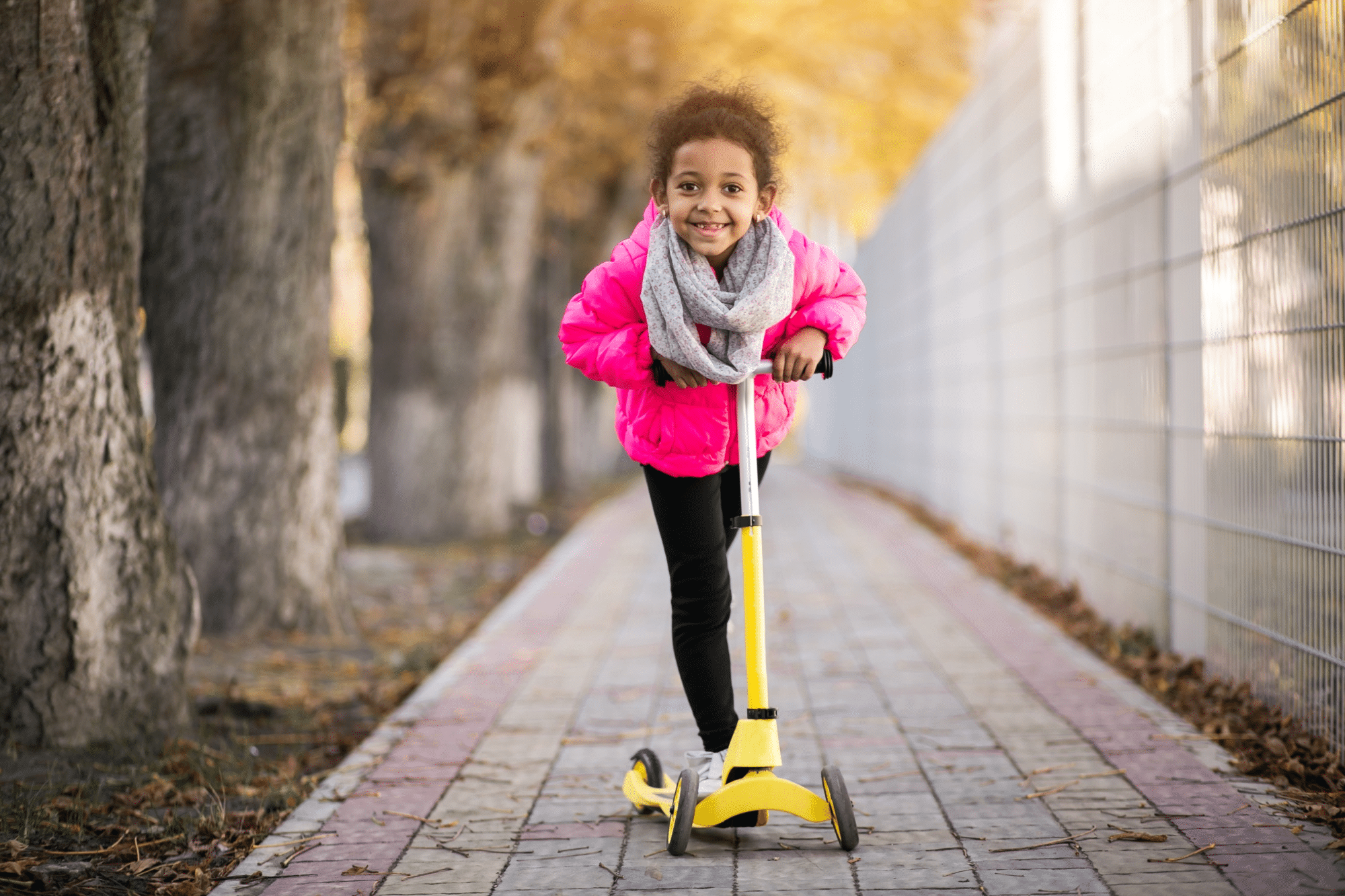
Think about the last time a child needed convincing to ride a scooter.
It almost never happens.
Scooters work because the learning curve is gentle but the fun ceiling is high. Kids feel capable within minutes. Balance, coordination, and spatial awareness all develop naturally while they are simply having a great time.
That combination of accessible and endlessly enjoyable is exactly what you want from any piece of kids’ outdoor gear.
The difference between a scooter that gets ridden every single day and one that ends up gathering dust comes down to build quality.
Adjustable handlebars matter as children grow. Deck width affects stability for younger riders. Wheel size determines how the scooter handles on different surfaces. Brake quality matters more than most parents realise until something goes wrong.
These details are not minor when you are watching a five-year-old navigate a busy footpath at full speed.
It is also worth thinking about weight. A scooter that is too heavy for a small child becomes frustrating quickly. One that is lightweight and easy to carry becomes part of the daily routine without any friction.
Parents looking for options built around real durability and performance will find a solid range when they shop kids scooters Australia. The focus is on scooters that hold up through seasons of genuine everyday use, not just a few enthusiastic weekends before falling apart.
Once your child has a scooter they genuinely love, step back and let them lead. Let them pick the route. Let them set the pace. The goal right now is not fitness or structured exercise. It is the feeling of freedom and control that brings them back again the very next day.
That feeling is what builds the habit.
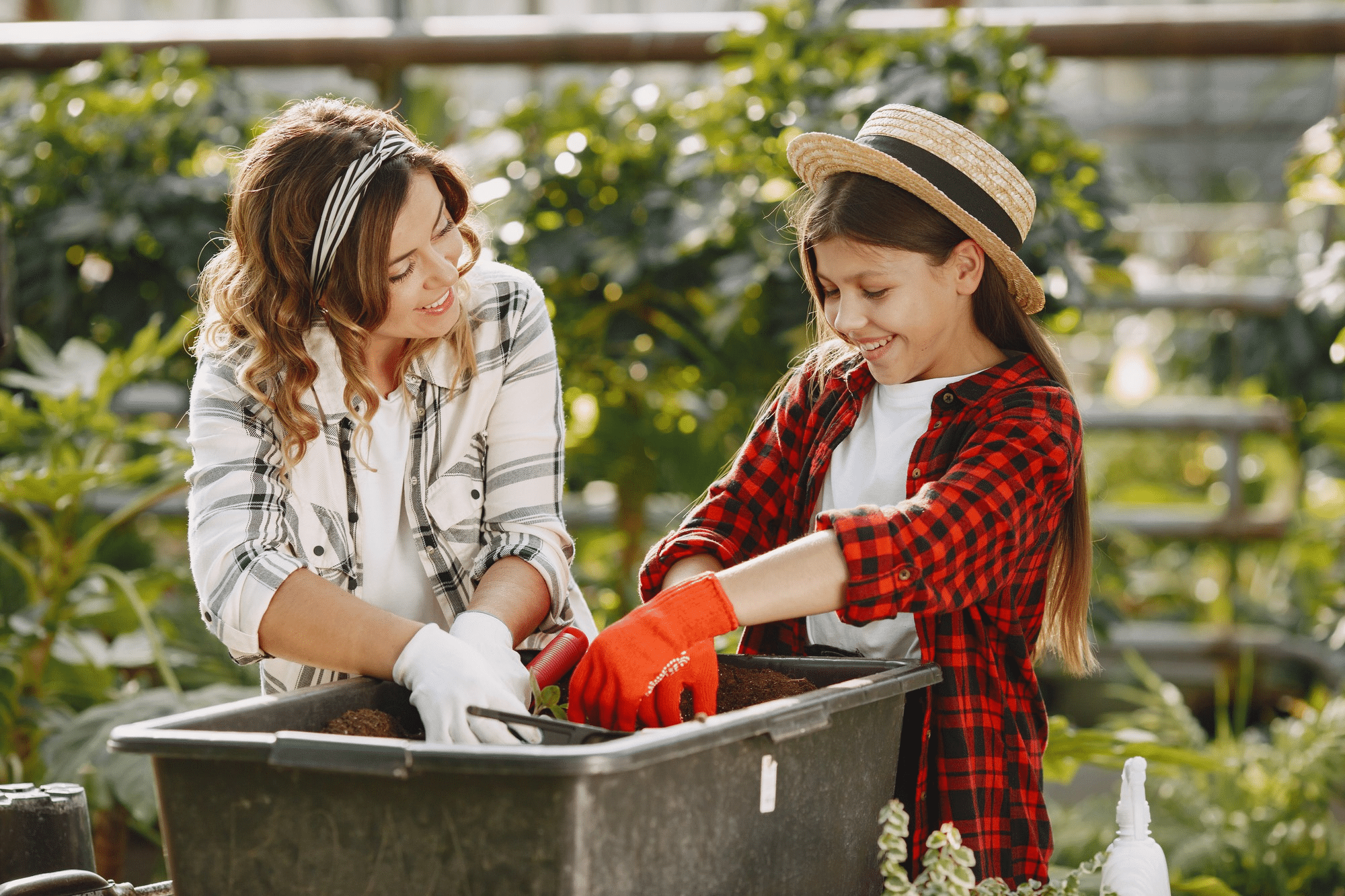
Why Gardening Deserves a Spot in the Outdoor Routine
Gardening with kids does not get nearly enough credit.
It gets dismissed as slow, messy, or too adult. But those are exactly the wrong reasons to skip it.
A child who plants a seed and later eats what grew from it has experienced something genuinely meaningful. Patience. Effort. A tangible result that took real time and real care to achieve.
Those lessons are hard to manufacture. And they do not come easily from most childhood activities.
You do not need a big yard to make it work either. A couple of containers on a balcony are perfectly fine. A single raised bed in a small outdoor space is more than enough to get started.
The key is picking plants that reward fast enough to hold a child’s attention through the waiting period.
Cherry tomatoes, lettuce, radishes, and fresh herbs are all ideal starting points. They grow relatively quickly, they produce something edible and satisfying, and kids are far more likely to actually eat something they grew with their own hands.
Getting the whole family involved in choosing what to grow also helps. When a child has a say in the selection, they develop a personal investment in the outcome.
For families who are new to growing and not quite sure where to begin, beginner-friendly seed kits designed for home growing take most of the guesswork out of the process. What to plant, when to plant it, and how to look after it at each stage is all clearly laid out. It makes the whole experience feel approachable rather than like a project that requires specialist knowledge.
There is one more thing worth mentioning about gardening that rarely comes up in these conversations.
In a world of instant results and on-demand everything, waiting three weeks to harvest a tomato is quietly powerful. Kids who spend regular time in a garden tend to build a kind of calm persistence that shows up in other areas of their lives too. It is one of those slow-burn benefits that is hard to measure but very easy to notice over time.
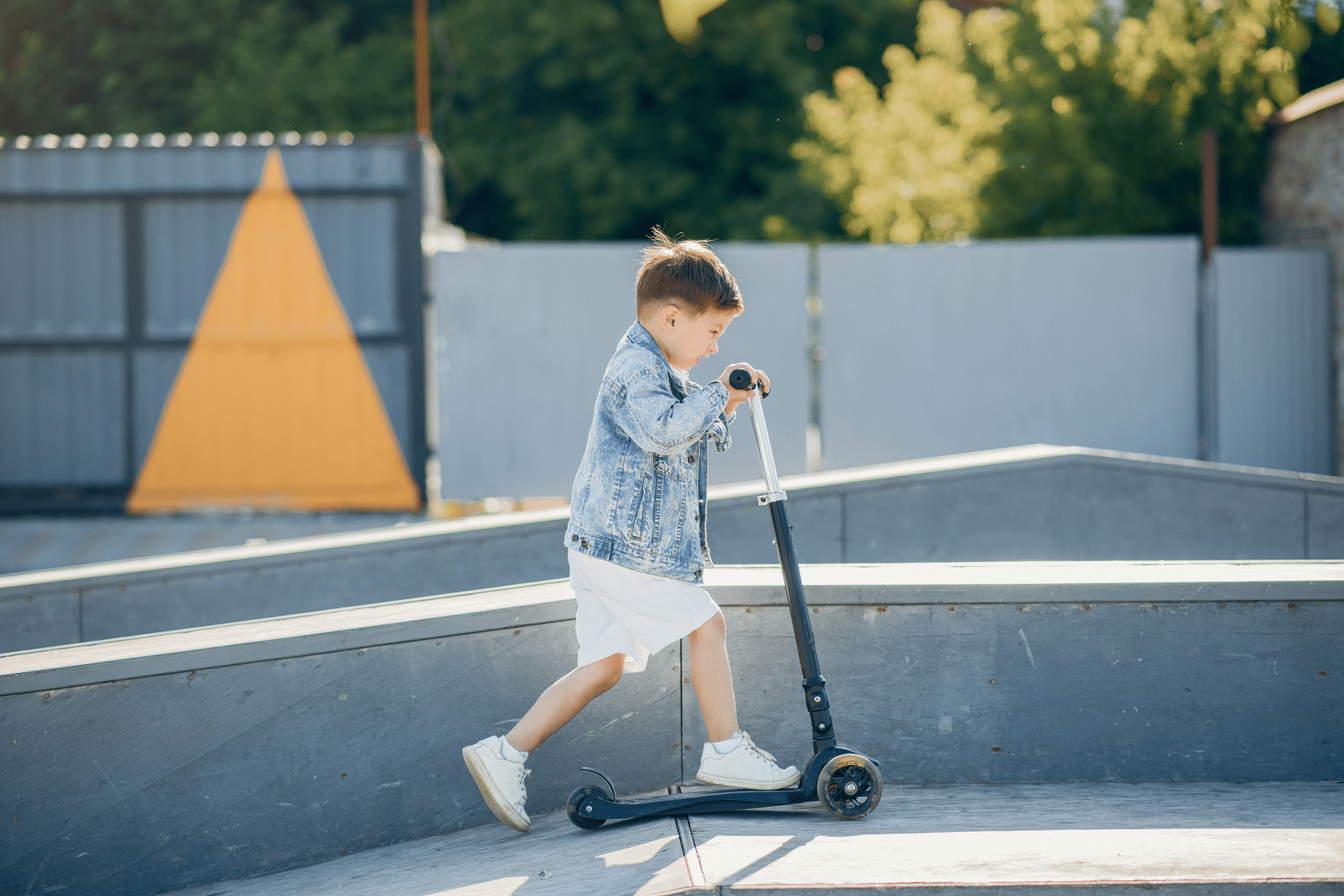
When the Neighbourhood Footpath Is No Longer Enough
Most kids hit a point where the usual route just does not cut it anymore.
The scooter comes out every afternoon without being asked. They are experimenting with small jumps. Pushing for sharper turns. Riding faster and looking for more challenging terrain.
The original scooter that worked brilliantly at age five is now met with mild contempt. Too small. Too basic. Too easy.
This is actually a great sign. It means the habit is well and truly established.
Upgrading at this stage is worth doing properly rather than just grabbing the next thing available.
A scooter that genuinely matches your child’s current skill level will push their development forward in a meaningful way. One that is too basic will bore them within a week. One that is too advanced introduces unnecessary risk before they are ready to manage it.
Think about where your child is riding most often. Smooth paths require different specs than skate parks. Casual riding has different demands than a child who is actively learning tricks and testing limits.
Parents who want to explore a proper range before committing will find plenty of well-considered options when they shop kids scooters online in Australia. The selection covers everything from confident recreational riders to kids who are starting to develop real technical ability and want gear that keeps up with them.
One more thing while you are upgrading: revisit the safety gear at the same time.
Kids who have been riding for a while sometimes start treating helmets as optional. They are absolutely not optional. Knee pads and wrist guards matter too, especially when new tricks are being attempted and falls are more likely.
A practical tip: let kids choose their own helmet design and colours wherever possible. It shifts wearing protective gear from feeling like a parental rule to feeling like a personal choice. That small shift in framing makes a surprisingly large difference to compliance.

Parents: You Have to Actually Show Up
Children notice everything.
Every choice you make about how you spend your time gets quietly filed away. A parent who stays active sends a clear, consistent message: movement is just part of life. Not a punishment. Not something reserved for sporty people. Just what the family does.
You do not have to run marathons or join a gym to send that message effectively.
Regular walks count. Weekend hikes count. Keeping up with a scooting child at the park absolutely counts. Even choosing stairs over a lift registers on some level.
The goal is just to be visibly active in a way that makes physical movement look normal and enjoyable rather than like an obligation.
What makes staying active genuinely sustainable for most adults, though, is not motivation or discipline. It is comfortable.
When exercise hurts, when your feet ache after twenty minutes, or when your joints complain the next morning, you find reasons to skip it. The reasons are always easy to find if the physical experience is unpleasant.
When movement feels good, you go back. The right footwear makes a far bigger practical difference than most people give it credit for.
Worn-out shoes change your gait. Poor cushioning creates tension in your knees and hips over distance. The wrong fit makes short distances feel longer than they are. None of that is dramatic on its own, but it accumulates and eventually becomes the reason you stop going.
The Hoka Clifton range has built a genuinely strong reputation for addressing exactly these problems. The cushioning is generous without feeling unstable or disconnected from the ground. The fit is consistent and works well across a wide range of foot shapes. Fatigue over longer distances is noticeably reduced compared to most standard athletic shoes.
Whether you are walking kids to the park, fitting in morning kilometres before the household wakes up, or just spending a long afternoon on your feet, the right shoe changes the whole experience in a way that keeps you coming back.
Those ready to try the latest version can shop Hoka Clifton 10 online, with the full range of sizes and colourways available and the option of home delivery.
It is a straightforward investment in showing up consistently. And consistency, more than anything else, is what your kids are quietly watching for.
Building a Routine That Actually Lasts
Starting is the easy part. Staying consistent over weeks and months is where most families struggle.
The households that manage it long term are not the ones with the most willpower. They are the ones who made active living as frictionless as possible.
Keep the scooter near the front door, not buried in the garage. Put the garden bed somewhere visible so it gets attention rather than forgotten. Keep your walking shoes somewhere easy to grab rather than tucked in the back of a cupboard.
Small environmental cues like these make a real difference to whether good intentions actually turn into daily habits.
Social connection helps too. Active kids thrive when movement is tied to time with other people. Arrange playdates at parks. Find a weekend group that rides or walks together. Let your child invite a friend along for the next scooter session. The social layer turns physical activity into something kids actively look forward to rather than just something they do.
And when motivation dips, as it inevitably does for everyone, do not make it dramatic. Skip a day. Come back next. The habit does not have to be perfect to be powerful.
It Really Does Not Have to Be Complicated
A scooter near the front door. A pot of tomatoes on the balcony. A pair of shoes that make going outside feel good rather than like a chore. Time spent outside alongside your kids rather than just watching from a distance.
Small things. But the right small things, repeated consistently, add up to something significant.
Families who stay active together over the long term are not the ones with perfect schedules. They are the ones who made the choice to show up, kept the friction low, and let the habit build on its own momentum over time.
Start there. Everything else follows.