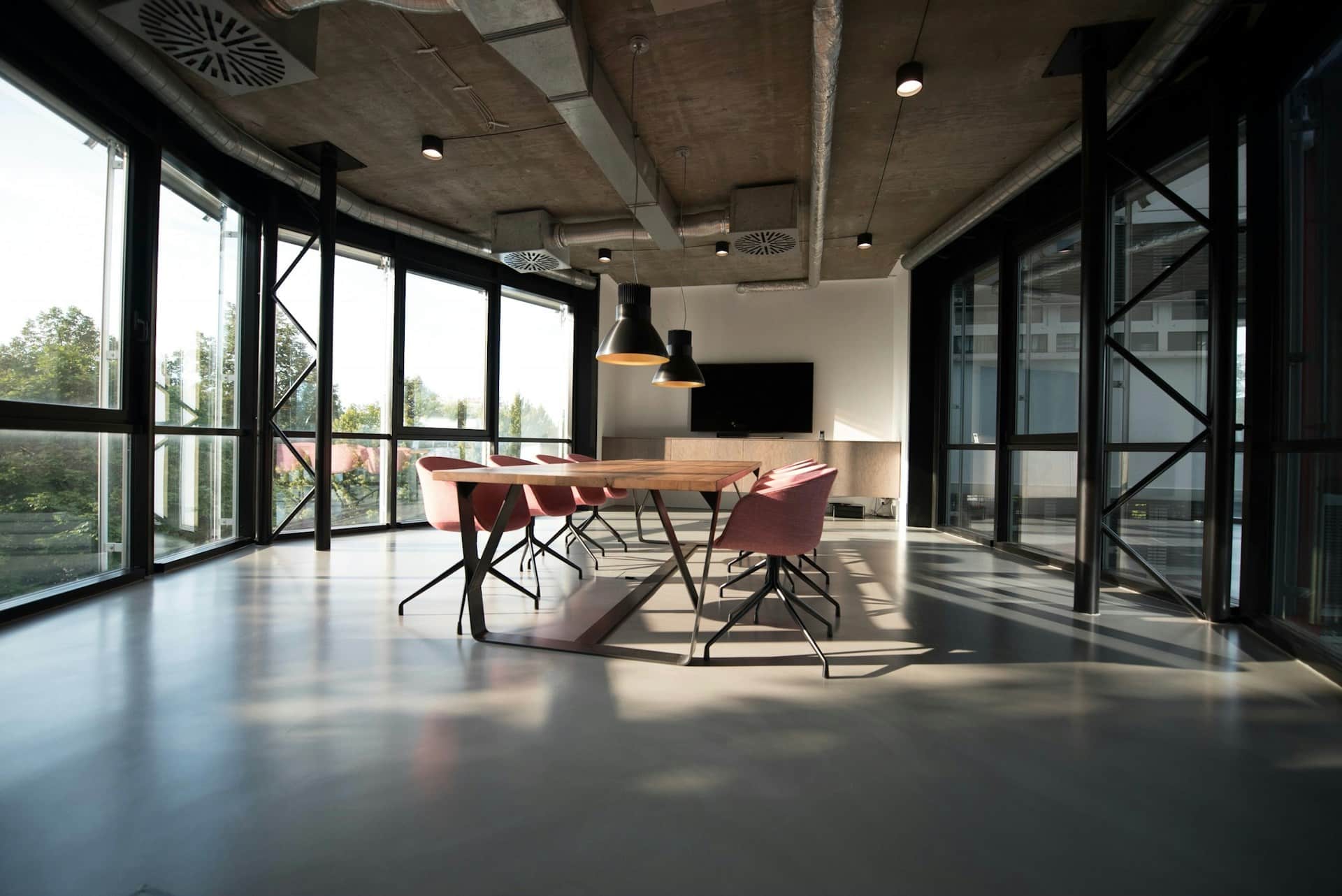
Your dorm room is more than just a place to sleep – it’s a daily environment that shapes focus, motivation, stress levels, and even academic performance. In many ways, the way a small shared space is organized can influence how effectively you learn, rest, and manage your time. Understanding the psychology of dorm design helps create a setup that supports better concentration and healthier study habits.
This guide explores how lighting, layout, color, organization, and personal elements affect mental performance and how to design a dorm room that actually works for your academic goals.
Why Dorm Room Design Matters for Academic Performance
Dorm room design has a direct impact on academic performance because the physical environment influences concentration, motivation, and stress levels. A well-organized space helps reduce distractions, improves focus, and supports better study habits over time. When a room is cluttered or poorly lit, cognitive overload increases, making it harder to process information efficiently. This is why design choices like lighting, layout, and personalization are essential for maintaining productivity in small living spaces. Some students, especially during demanding academic periods, also turn to support from the privacy-focused platform EduBirdie for guidance, which highlights how external help sometimes complements environmental improvements. However, even with such services, a well-designed dorm remains the foundation for effective learning and daily productivity. Ultimately, students who optimize their living space tend to experience better academic outcomes because their environment reduces unnecessary mental strain and supports consistent study routines. Small adjustments such as repositioning desks, reducing visual noise, and creating dedicated zones for studying and resting can significantly improve focus and time management, making it easier to balance coursework, deadlines, and personal well-being in a limited space. Overall, intentional dorm design supports both academic success and healthier daily habits throughout the semester for better results overall.
Lighting: The Hidden Driver of Focus and Energy
Lighting plays a major role in regulating alertness. Natural light is the most effective for maintaining energy levels during the day. Exposure to daylight helps regulate circadian rhythms, which directly influence attention and memory retention.
In dorm settings where natural light is limited, artificial lighting becomes essential. Warm lighting is better suited for relaxation, while cooler white light supports concentration and alertness. A combination of both – such as a bright desk lamp for studying and softer ambient lighting for downtime – creates balance.
Poor lighting can cause eye strain, fatigue, and reduced focus, especially during long study sessions.
Layout and Spatial Flow: Organizing for Mental Clarity
The way furniture is arranged affects how the brain perceives space. A well-structured dorm layout separates zones for sleep, study, and relaxation, even in small rooms.
Ideally, the desk should face a wall or window with minimal visual distractions. The bed should be positioned away from the primary study area to create a psychological boundary between rest and work.
Keeping frequently used items within reach reduces friction in daily routines. When everything has a defined place, the brain spends less time searching and more time focusing.
Color Psychology: Influencing Mood and Productivity
Colors have a subtle but powerful effect on emotions and cognitive performance. In dorm environments, color choices often shape motivation levels without being consciously noticed.
- Blue tones are linked to calm focus and are often used in study environments.
- Green supports balance and reduces eye strain.
- Neutral shades like beige or gray help reduce visual overload.
- Too much red or bright color can increase stimulation and make it harder to concentrate.
In small spaces, using color strategically – such as through bedding, posters, or desk accessories – can help create a more productive mindset without overwhelming the room.
Clutter and Cognitive Load: Why Organization Matters
Clutter competes for attention. Even when it’s not actively being looked at, visual mess signals the brain that tasks are unfinished or disorganized.
This increases cognitive load, making it harder to concentrate on assignments or studying. A clean, minimal workspace supports mental efficiency by reducing unnecessary visual input.
Simple organizational systems – like storage bins, under-bed boxes, or wall shelves – can dramatically improve focus. The goal isn’t perfection but consistency: a space that resets easily at the end of each day.
Personalization: Creating Emotional Stability in a Small Space
A dorm room should feel like a personal environment, not just a temporary setup. Personal items such as photos, artwork, or meaningful objects help create emotional grounding.
This sense of familiarity reduces stress, especially during high-pressure academic periods. However, over-personalization can lead to visual clutter, so balance is important.
The most effective approach is intentional personalization – choosing a few meaningful items rather than filling every surface.
Noise Control and Study Efficiency
Sound is one of the most overlooked factors in dorm design. Shared living environments often include unpredictable noise, which can disrupt concentration and memory retention.
Noise-canceling headphones, white noise machines, or even soft background music can help maintain focus. Arranging the desk away from doors or common areas also reduces interruptions.
Creating a consistent auditory environment signals the brain that it’s time to concentrate, improving study efficiency over time.
Sleep Environment: The Foundation of Academic Performance
Sleep quality has a direct impact on learning, memory consolidation, and emotional regulation. A dorm room that supports good sleep habits contributes significantly to academic success.
Keeping the sleeping area dark, cool, and free from electronic distractions improves sleep depth. Avoiding bright screens before bed and maintaining a consistent bedtime routine also strengthens sleep cycles.
Even small changes – like blackout curtains or reducing desk clutter near the bed – can improve rest quality.
Building a Study-Friendly Dorm Routine
A well-designed dorm room is only effective when paired with consistent habits. Structuring daily routines around the space reinforces productivity.
For example:
- Studying at the same desk builds mental association with focus.
- Keeping the bed reserved for rest strengthens sleep signals.
- Resetting the room at the end of the day reduces morning stress.
Over time, the brain begins to recognize different zones within the room, improving efficiency and reducing decision fatigue.
Final Thoughts
The psychology of dorm design is about more than aesthetics – it’s about creating an environment that supports focus, reduces stress, and improves overall academic performance. Lighting, layout, color, organization, and noise control all work together to shape how effectively the mind functions in a small shared space.
By intentionally designing a dorm room with cognitive well-being in mind, it becomes easier to stay organized, maintain motivation, and handle academic demands with greater clarity and control.