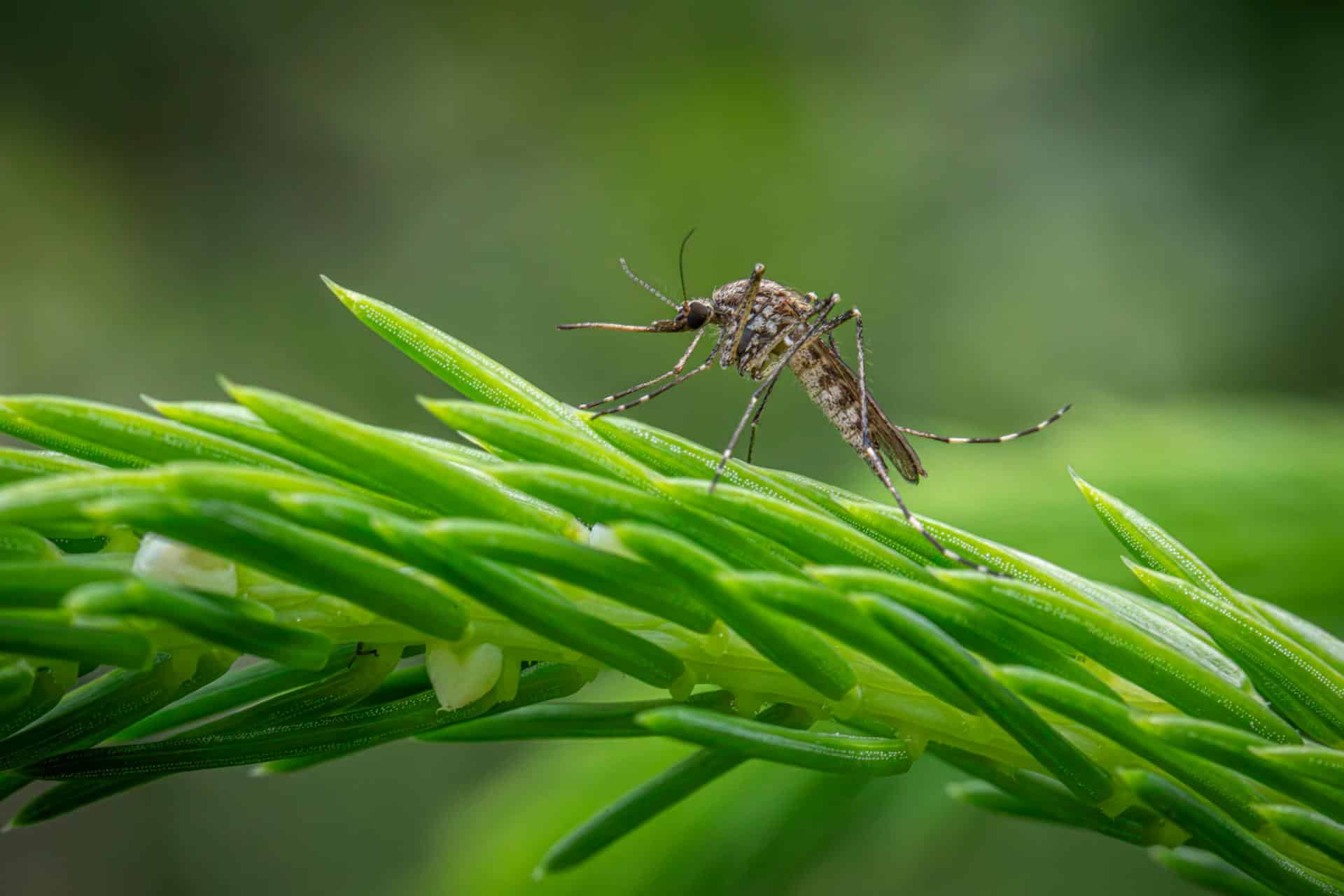
Knowing your enemy is half the battle when it comes to pest control — and yes, that includes knowing what kind of enemy you’re dealing with.
Not every uninvited guest in your home requires the same response, and that’s exactly where understanding the four types of pests changes everything.
Pest control professionals don’t just show up and spray; they identify, categorize, and strategize.
The type of pest determines the treatment, the timeline, and, honestly, how worried you should be. Consider this your approachable, no-fluff guide to making sense of it all.
What are the Four Types of Pest?
When pest control professionals talk about categorizing infestations, they’re usually referring to a pretty straightforward system built around four core groups:
- Insects (ants, termites, cockroaches, mosquitoes)
- Rodents (mice, rats, squirrels)
- Birds (pigeons, starlings, sparrows)
- Wildlife (raccoons, opossums, larger nuisance animals)
Some sources do classify pests by habitat instead, think household, agricultural, or structural, but in residential pest control, the four-type system is the most widely used standard.
It keeps things practical and helps professionals zero in on the right treatment path without overcomplicating the process. Keep termites, ants, and rodents away with proven pest control from All American Pest Control that works in every season.
1. Insect Pests
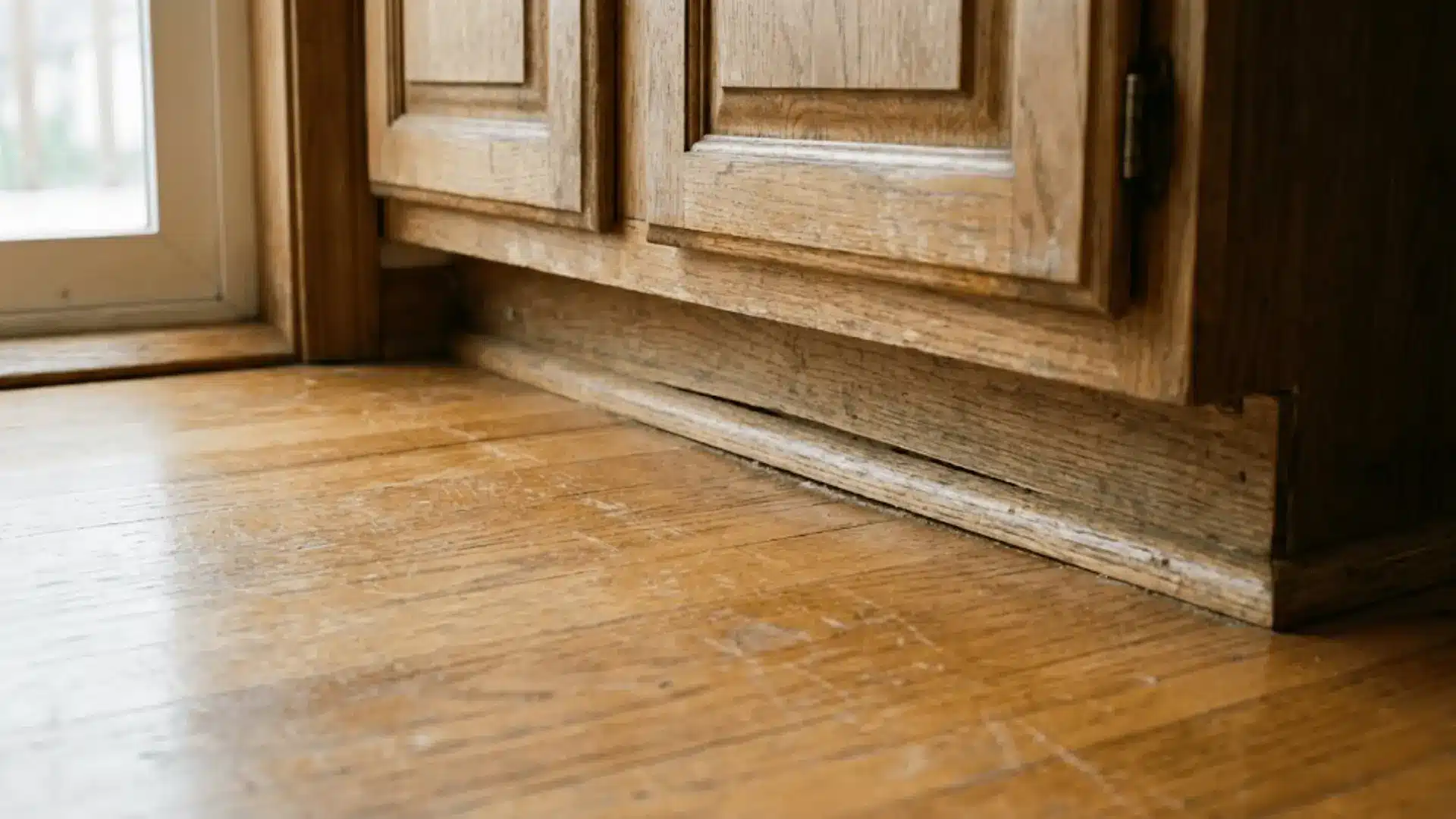
Common examples: Ants, cockroaches, termites, bed bugs, mosquitoes
Insects top the list because they’re virtually everywhere and nearly impossible to fully exclude. Their small size allows them to slip through tiny gaps; they reproduce rapidly, and seasonal changes force them indoors.
This extends beyond the home, too; soil bugs in gardens are just as common and often go unnoticed. Termites cause structural damage quietly, while others contaminate food, trigger allergies, or leave itchy, uncomfortable bites behind.
Control strategies worth knowing:
- Seal cracks, gaps, and entry points around windows and doors
- Keep kitchens clean and eliminate standing moisture
- Use targeted insecticides for active infestations
- Call a professional for recurring or widespread problems
2. Rodent Pests
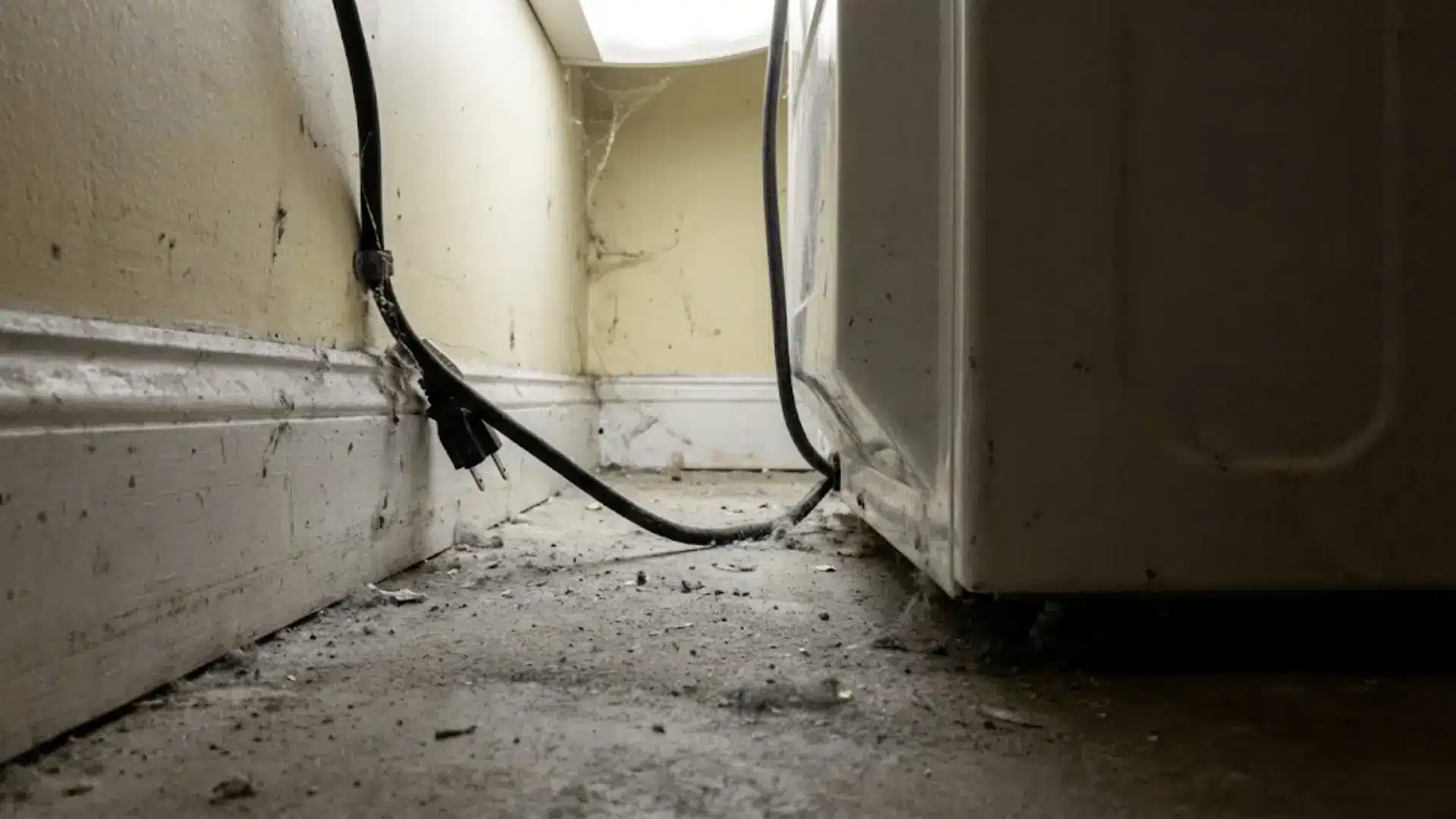
Common examples: Mice, rats
Rodents are a bigger threat than most homeowners realize. They chew through electrical wiring, weaken structural materials, and breed fast, meaning a couple of mice can become a full infestation within weeks.
They also carry diseases and contaminate any food or surface they come into contact with.
Control strategies worth knowing:
- Install exclusion barriers to block entry points
- Set traps in active zones early
- Maintain strict sanitation, especially in food storage areas
- Bring in professionals for established infestations
3. Bird Pests
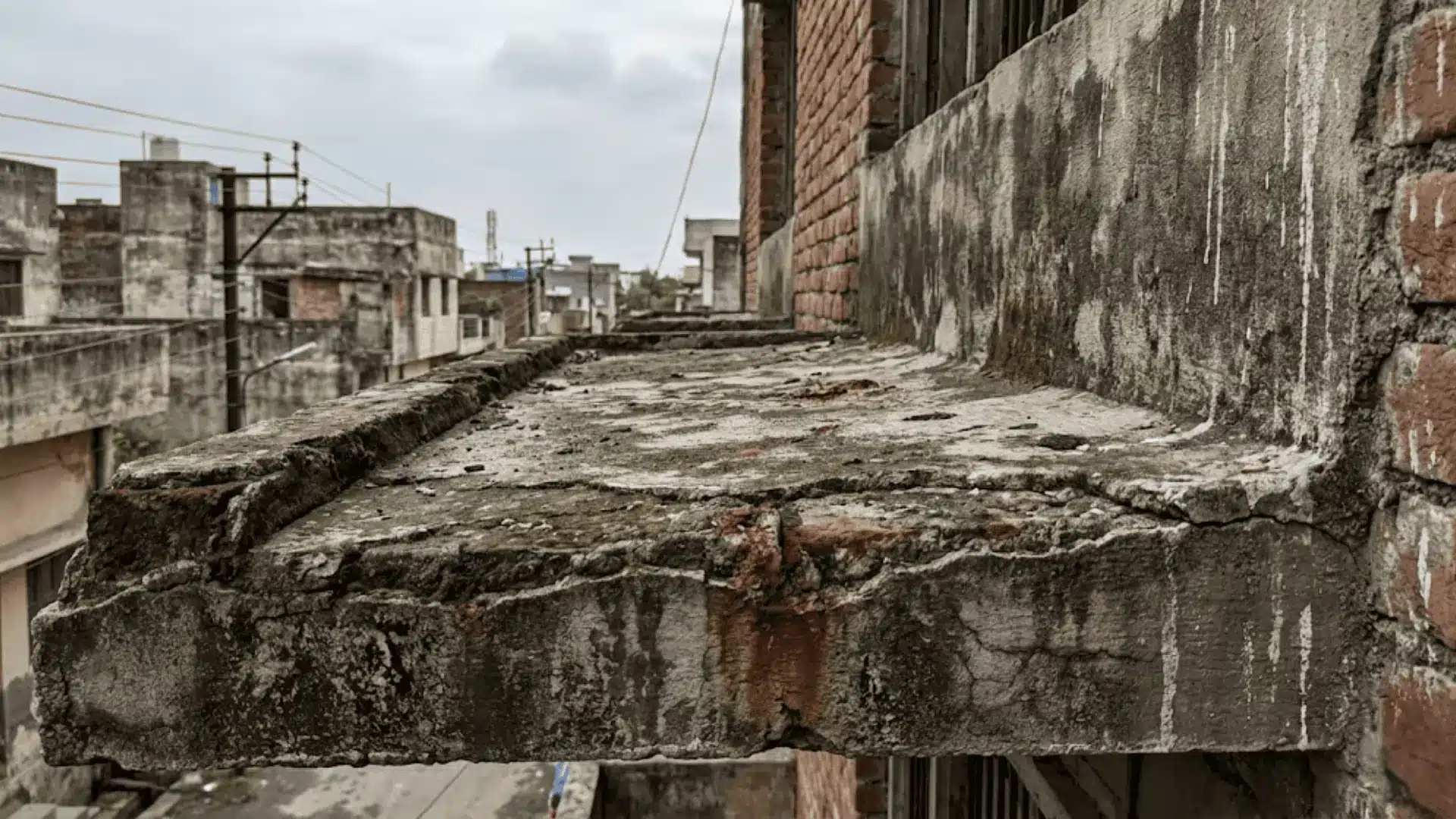
Common examples: Pigeons, sparrows, starlings
Birds become a pest concern when they nest in vents, leave corrosive droppings across surfaces, or create ongoing noise and odor issues.
What makes this category trickier is the legal side; many bird species fall under wildlife protection laws, so control methods must be humane and regulation-compliant.
Control strategies worth knowing:
- Install bird netting over vulnerable areas
- Use spikes on ledges and roosting surfaces
- Modify the habitat to make it less inviting
- Always verify local laws before attempting removal
4. Wildlife Pests
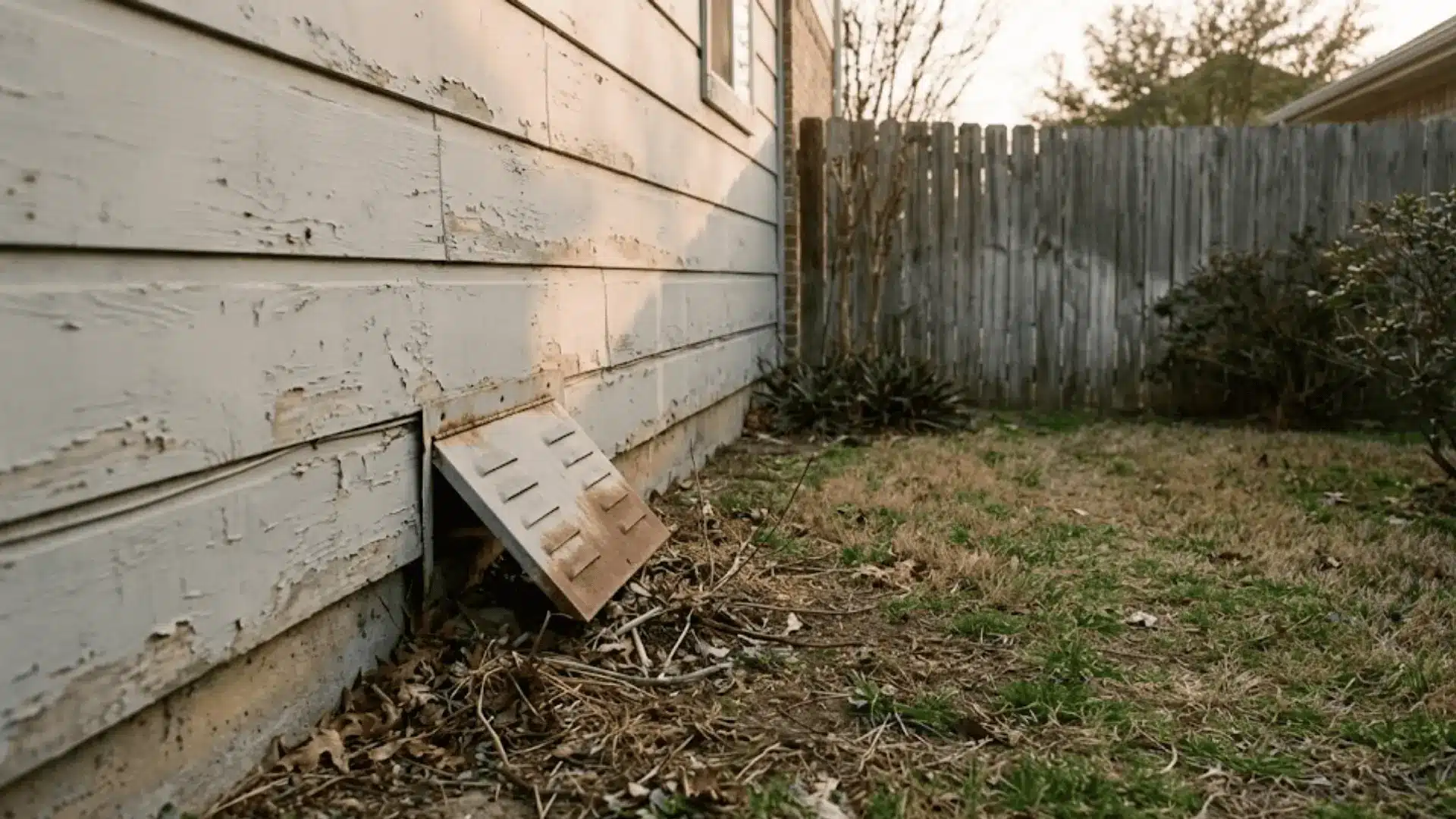
Common examples: Raccoons, squirrels, opossums, skunks
Wildlife typically wanders in searching for food or a warm place to shelter, especially heading into colder months.
Attics and crawlspaces are common entry points, and once inside, these animals can cause serious structural damage. Aggressive encounters and disease transmission add to the concern.
Control strategies worth knowing:
- Secure garbage bins and remove outdoor food sources
- Seal attic vents and crawlspace openings
- Use exclusion barriers around the home’s perimeter
- Always rely on licensed wildlife control for safe removal
How to Identify Which Type of Pest You Have?
Before any treatment can happen, identification comes first. The type of pest living in or around your home leaves behind distinct clues, and knowing what to look for saves you time, money, and a lot of guesswork.
Outdoor spaces add another layer to this; soil mites, for instance, are often misidentified or completely overlooked despite their presence in most garden beds.
Here’s a quick breakdown to help you read the signs.
| Indicator | Insects | Rodents | Birds | Wildlife |
|---|---|---|---|---|
| Droppings | Tiny dark specks | Small pellets along walls | White, pasty residue | Large droppings near attics |
| Noise | Faint rustling or clicking | Scratching and gnawing | Chirping, cooing | Heavy thumping overhead |
| Damage Type | Hollow wood, chewed packaging | Gnawed wiring, shredded insulation | Blocked vents, surface staining | Torn insulation, displaced roofing |
| Activity Time | Varies; mostly nocturnal | Mostly nocturnal | Daytime, early morning | Dusk to dawn |
Which Pest Type Causes the Most Damage?
Not all pests are equal when it comes to the destruction they leave behind. Some are nuisances, others are genuinely costly, and a few can compromise your home’s safety in ways that aren’t immediately visible.
- Termites top the list, silently destroying structural wood and costing homeowners billions in repairs annually.
- Rodents are a close second, with gnawed wiring being a leading cause of house fires.
- Wildlife like raccoons and squirrels cause significant attic damage, from torn insulation to compromised roofing.
- Birds rank lower in structural impact, but their acidic droppings cause long-term surface and equipment damage.
When you stack these up by economic impact, termites and rodents consistently lead the conversation.
Not all soil-dwelling organisms fall into the pest category either; common soil creatures actually play a valuable role in plant and garden health.
When to Call a Professional?
Some infestations are manageable with DIY methods, but certain situations genuinely need expert hands.
Call a professional when you’re dealing with more than one pest category at once, when the same infestation keeps coming back despite treatment, or when there’s any risk of disease exposure.
Structural damage is the other big one; if termites, rodents, or wildlife have compromised wiring, insulation, or foundational wood, a professional assessment isn’t optional.
The longer those situations sit, the more expensive they get.
The Bottom Line
Understanding the four types of pests is less about memorizing categories and more about knowing how to protect your home before a small problem turns into a costly one.
Each pest comes with its own set of risks, behaviors, and solutions, and that’s exactly what makes identification so valuable.
Insects, rodents, birds, and wildlife all behave differently, and the right knowledge always puts you a step ahead.
If this guide helped clarify things, drop a comment below and let us know what pest situation you’re currently dealing with.