Summers in the Lone Star State can do a number on a lawn. One week everything looks green and healthy but a couple of brutal hot days later the yard looks tired, dry, and patchy.
If you live here, you already know the pattern. Long sunny days with temperatures climbing well past 90°F, sometimes over 100°F for days at a time, and rain that shows up when it feels like it and disappears just as quickly.
Grass feels that stress just like people do. When the heat sticks around long enough, lawns slow down, thin out, and start showing brown spots.
But keeping a lawn alive through such heat does not require complicated routines or expensive products. Most of the time, the solution is adjusting a few everyday habits that will keep your yard looking a lot better during those long, dry stretches.
Why Texas Summers Are So Hard on Grass
Grass struggles for a few simple reasons.
When the temperature climbs high and stays there, moisture leaves the soil. You water, the sun comes out and a good portion of that moisture disappears before the roots really get a chance to use it.
Then there is the soil itself. Many yards have compacted soil or clay-heavy ground where water runs off instead of soaking in. Roots stay shallow because they never need to dig deep for moisture.
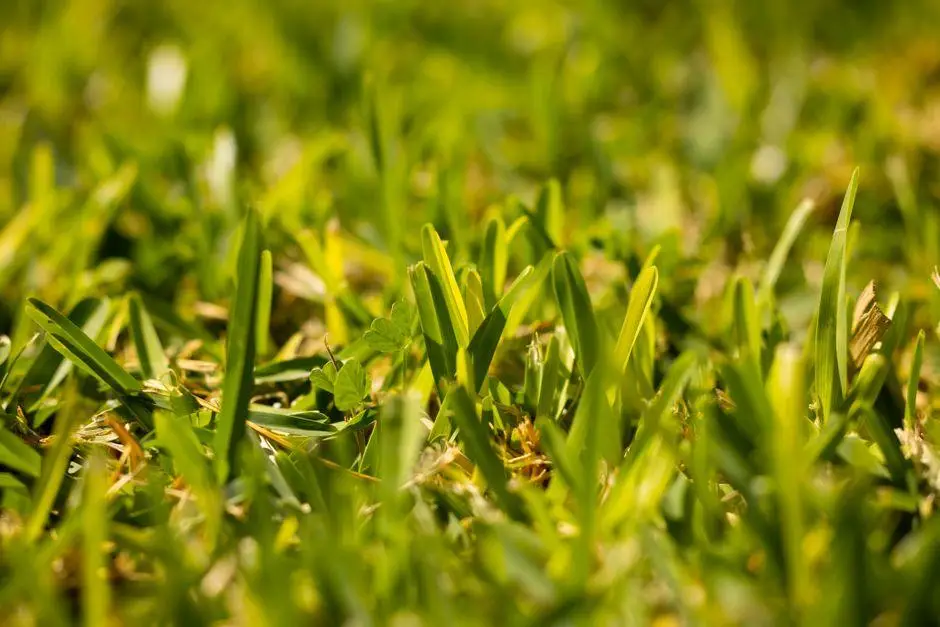
Eventually the grass blades start looking dull instead of bright green. You walk across the yard and the footprints linger longer than usual and sometimes the grass takes on a grayish color before the brown patches begin.
All of this usually means the grass is stressed and trying to conserve energy and that is the right moment to bring in small adjustments in care.
Watering the Lawn the Right Way
A lot of homeowners react to heat by watering more often which is when you think about it, logical. The lawn looks dry, so it gets another round of water.
But frequent watering usually causes more problems than it solves. Grass that gets watered lightly every day never develops strong roots because they stay close to the surface where the moisture lives. When the sun dries out that top layer of soil, the grass has nowhere else to look for water.
Deeper watering changes that. When water soaks farther into the soil, the roots follow it, and over time they stretch down into cooler, more stable ground. Grass with deeper roots handles heat better and recovers faster after dry spells.
Most lawns in this state do well with around one to one and a half inches of water each week and that includes rainfall. It does not need to happen all at once. Two or three deep watering sessions usually work better than daily sprinkling.
Morning is still the best time to run the sprinklers. The air is cooler, the sun has not started pulling moisture away yet and water has time to sink into the ground before the real heat arrives.
If you ever wonder whether the lawn actually needs water, there is an easy way to check. Push a screwdriver or a small metal rod into the soil. If it slides in without much resistance, the ground still has moisture, but if it stops almost immediately, the soil has probably dried out.
Picking Grass That Actually Likes the Heat
Some lawns struggle every summer because the grass itself is not suited for the climate. The key is to choose the right type of grass because certain varieties simply handle heat better than others.
Warm-season grasses tend to perform best in dry areas. They grow actively when temperatures rise and stay resilient through long sunny stretches.
Bermuda is one of the most common options because it handles heat extremely well and recovers quickly after stress. TifTuf Bermuda grass is especially popular because it’s tough, drought-tolerant, and doesn’t require a lot of maintenance to stay looking good.
St. Augustine grass shows up in many neighborhoods too. It grows thick and lush, especially in yards with partial shade. The tradeoff is that it usually needs more water and maintenance than Bermuda.
Zoysia grass sits somewhere in between. It grows dense and durable, and it tolerates heat fairly well. The growth rate is slower however, which some people appreciate since it reduces mowing.
Choosing grass that naturally fits the climate makes lawn care a lot easier in the long run. It needs less water, fewer repairs and fewer frustrating brown patches in the middle of summer.
Mowing Habits That Help During Hot Weather
Many people like the look of short grass because it looks tidy and it is easy to manage. But short grass struggles more when temperatures climb. Allowing grass to grow a little taller creates shade across the soil and that shade helps the ground hold moisture longer. It also keeps the root zone cooler, which matters a lot during long heat waves.
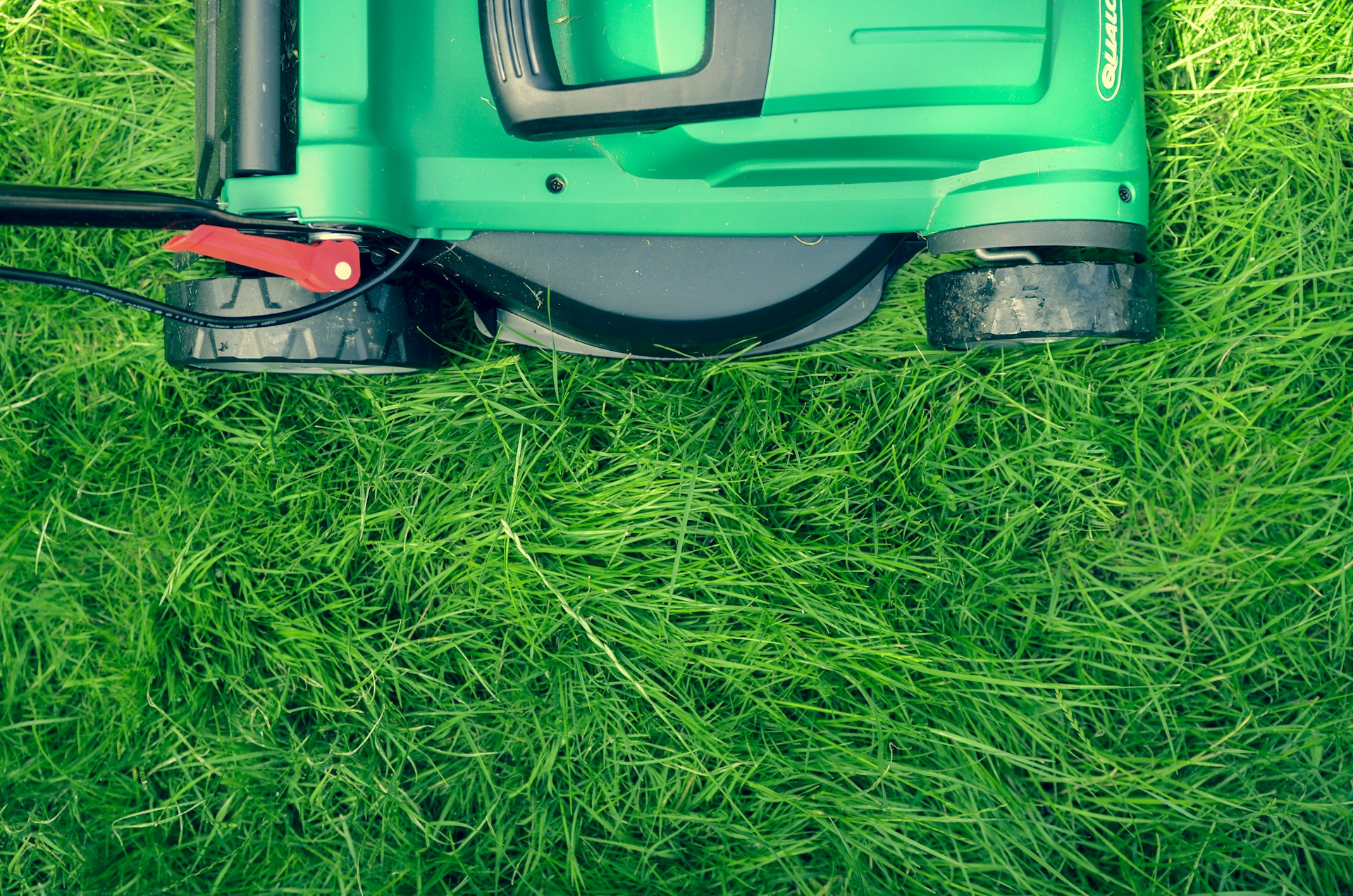
Different grasses have different ideal heights, but most lawns in this area benefit from raising the mower blade a notch during summer. There is also a simple rule worth remembering. Never cut more than one third of the grass blade in a single mowing. Taking too much height off at once shocks the lawn and slows recovery.
Sharp mower blades help as well, because when blades are dull, they tear the grass instead of cutting it cleanly and those ragged edges dry out faster and sometimes invite disease.
Leaving clippings behind can also be a good thing in the long run. They break down quickly and return small amounts of nutrients to the soil, and they also help trap a little moisture near the surface, which grass appreciates during hot afternoons.
Soil Matters More Than Most People Think
Healthy soil makes a huge difference in how a lawn survives heat. Compacted soil causes several problems at once. Water struggles to soak in, oxygen has trouble reaching the roots while nutrients stay near the surface where they are less useful.
Aeration fixes that. This process involves pulling small plugs of soil out of the ground which creates holes that allow water, air, and nutrients to move deeper down and roots begin to stretch downward instead of clustering near the surface.
Organic material is also important. Compost added to the soil improves its ability to hold moisture and it feeds the microscopic life that supports healthy root systems. Over time the soil becomes more balanced and grass begins to develop stronger roots that tolerate heat better.
Even a simple topdressing of compost once a year can slowly improve the condition of many lawns.
Final Words
Texas summers will always challenge lawns because the combination of intense sun, dry stretches, and high temperatures pushes grass to its limits every year. But lawns are tougher than they sometimes look. When watering habits improve, mowing stays consistent, and the soil gets a little attention, grass becomes far more resilient.
The yard might not stay perfectly green every single day of summer and that is normal in this climate. What matters more is how well the lawn recovers, how deep the roots grow, and how healthy the soil becomes over time.
With a little patience and a few smart adjustments, Texas lawn can ride out the heat and still look strong when cooler weather finally rolls back in.