Sustainable living in your garden is a practical approach to reducing waste, conserving resources, and producing food closer to where it is consumed. A garden reshapes how you interact with everyday materials, as what was once discarded can become part of a productive cycle.
That shift is more important than it first appears.
Globally, households generate significant food and packaging waste, much of which could be reduced with better planning and local food production.
When you grow even a portion of your own food, you shorten supply chains, reduce reliance on packaging, and gain direct control over freshness and usage.
You also begin to see waste not as something to remove, but as something to repurpose.
This article explores how sustainable gardening reduces different types of waste, how to build an efficient system at home, and how your kitchen habits influence the overall success of your efforts.
What Does Sustainable Living in Your Garden Really Mean?
Sustainable living in your garden is a way of managing resources that minimizes waste while maintaining productivity over time. The garden becomes more than a place for plants. It becomes a system where inputs and outputs are connected.
A sustainable garden operates through cycles.
Organic matter returns to the soil, water is used efficiently, and plant choices align with local climate conditions.
This approach reduces dependence on external inputs such as packaged soil amendments, synthetic fertilizers, and excess water.
Instead, it prioritizes balance, efficiency, and long-term soil health.
It also changes behavior.
You begin to plan meals based on seasonal availability, reduce overbuying, and manage waste at the source rather than after disposal.
Why Start with Your Garden for Sustainable Living?
The garden is one of the most accessible entry points into sustainable living because it delivers visible results quickly. Unlike abstract sustainability concepts, gardening allows you to see direct cause-and-effect relationships.
You notice how compost improves soil.
You see how overwatering wastes resources.
You understand how harvesting only what you need reduces food waste.
These small observations build habits that extend into other areas of life.
There are 5 main benefits that make gardening an ideal starting point:
- Reduce packaging waste by replacing store-bought produce with homegrown alternatives.
- Lower food waste through fresh, on-demand harvesting
- Improve soil naturally using compost and organic materials.
- Save money by growing crops you use frequently.
- Build long-term sustainable habits through daily practice.
What Types of Waste Can You Reduce Through Gardening?
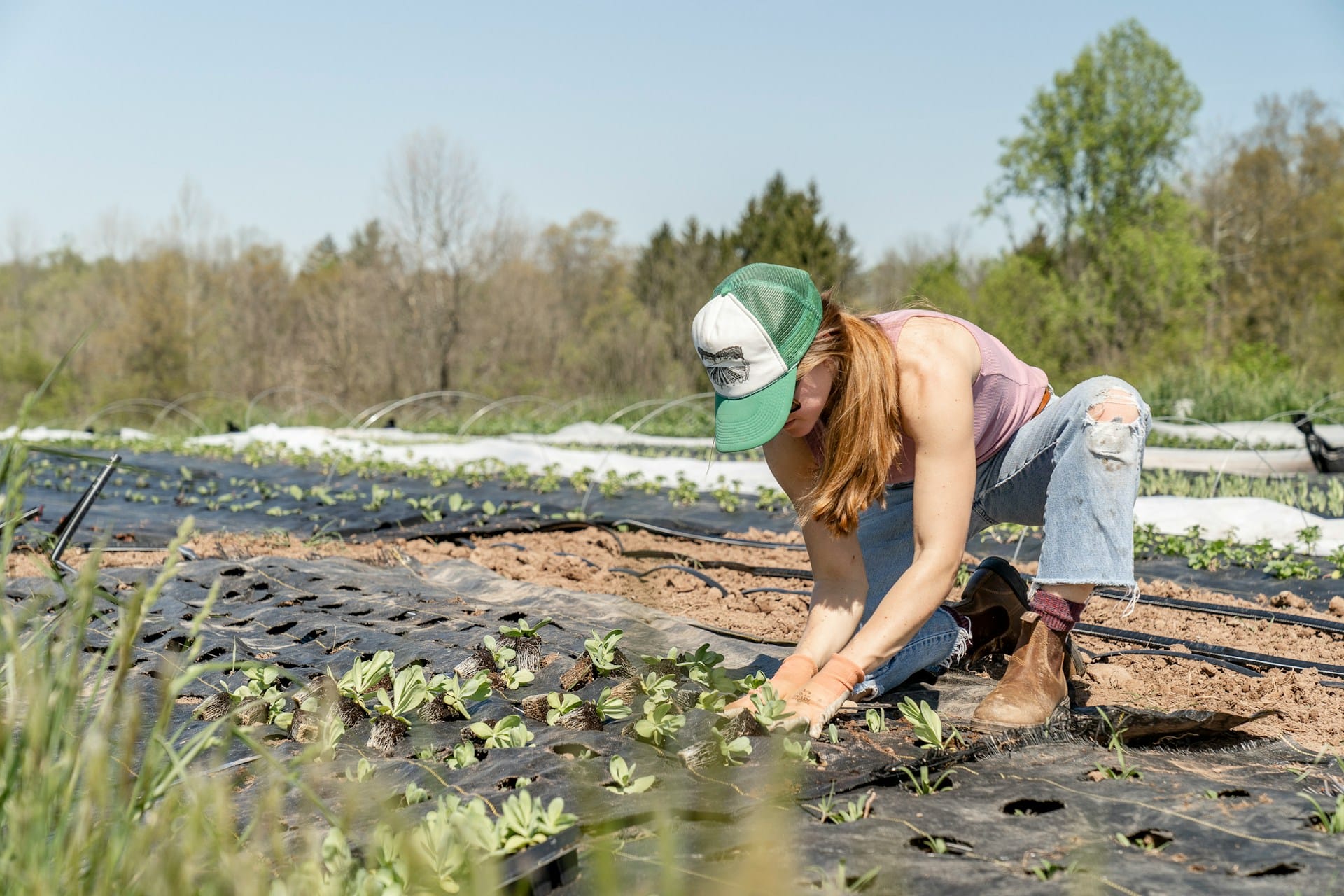
Gardening addresses multiple types of household waste simultaneously, making it a highly effective sustainability strategy.
Organic waste is the most immediate.
Kitchen scraps, plant trimmings, and fallen leaves can be composted and returned to the soil rather than discarded.
Plastic waste is also reduced.
When you grow your own herbs and vegetables, you rely less on packaged goods, which often come with single-use plastics.
Water waste can be minimized through better irrigation practices and improved soil structure.
Healthy soil retains moisture, reducing the need for constant watering.
Food waste decreases naturally as well.
You harvest only what you need, and because the food is fresh, it is less likely to spoil before use.
How Can You Start a Sustainable Garden at Home?
Starting a sustainable garden involves selecting a suitable space, choosing practical crops, improving soil quality, and using water efficiently. The goal is to create a system that fits your lifestyle rather than complicates it.
The process begins with observation.
Understanding sunlight, wind exposure, and drainage allows you to design a garden that works with natural conditions rather than against them.
For larger properties, planning extends beyond plants.
Water access and land usage play a role in long-term sustainability. In such cases, understanding concepts like what are water rights can help you manage resources responsibly and avoid future limitations.
There are 5 key steps to follow:
- Assess your space by evaluating sunlight, soil, and layout.
- Select useful crops that match your diet and climate.
- Enhance soil health with compost and organic matter.
- Implement efficient watering techniques.
- Start small and expand gradually.
Composting: How Does It Work and Why Is It Essential?
Composting is a biological process that converts organic waste into nutrient-rich material that supports plant growth. It is one of the most important elements of a sustainable garden because it directly reduces waste while improving soil quality.
The process relies on microorganisms.
These organisms break down organic matter into simpler compounds, enriching the soil.
Green materials provide nitrogen, while brown materials provide carbon.
When combined correctly, they create an environment that supports decomposition.
Composting improves soil structure, increases water retention, and reduces the need for synthetic fertilizers.
It also closes the loop between kitchen waste and garden productivity.
Instead of discarding organic material, you reuse it to support future growth.
How Can You Save Water While Gardening?
Water conservation is essential to sustainable gardening, but it is not about limiting water use. It is about using it more effectively.
Soil plays a critical role.
Healthy soil with organic matter retains moisture and reduces evaporation.
Timing also influences efficiency.
Watering early in the morning ensures that plants absorb moisture before heat causes evaporation.
Design choices matter as well.
Grouping plants with similar water needs prevents overwatering.
There are 5 key strategies:
- Apply mulch to retain moisture and regulate soil temperature.
- Water deeply to encourage strong root systems.
- Irrigate early to minimize evaporation.
- Group plants strategically based on water requirements.
- Use rainwater whenever possible.
Drip Irrigation Systems
Drip irrigation is a system that delivers water directly to plant roots through controlled flow. It reduces water waste by minimizing evaporation and runoff.
The system operates through a network of tubes and emitters.
Water is released slowly, allowing it to soak into the soil efficiently.
This method ensures consistent moisture levels.
It is particularly effective for vegetables and densely planted areas.
By targeting the root zone, drip irrigation improves water efficiency and supports healthier plant growth.
Rainwater Harvesting
Rainwater harvesting is the process of collecting and storing rainwater for later use. It reduces reliance on treated water and provides an additional resource during dry periods.
Even simple systems can be effective.
A basic collection barrel can supply enough water for small gardens.
This approach connects your home infrastructure with your garden.
It transforms rainfall into a usable resource rather than letting it go to waste.
What Are the Best Low-Waste Gardening Practices?
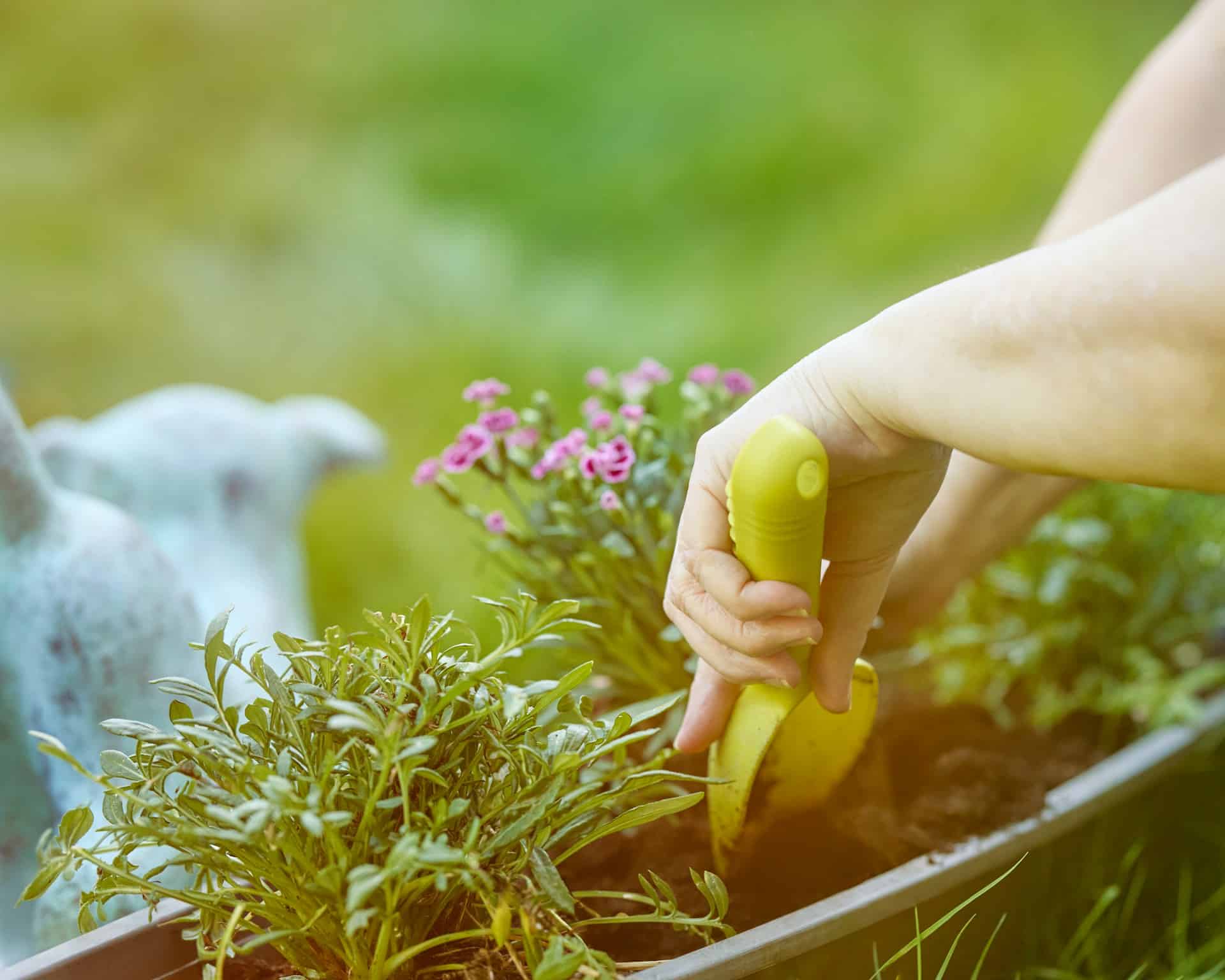
Low-waste gardening focuses on reducing unnecessary inputs while maximizing efficiency. The goal is to create a system that produces more value with fewer resources.
Consistency is key.
Small habits, when repeated over time, can lead to significant improvements.
Material quality also matters.
Durable tools and reliable suppliers reduce the need for frequent replacements. This is similar to how structured supplier evaluation ensures efficiency and quality in larger systems.
There are 6 essential practices:
- Reuse materials such as pots, trays, and supports
- Compost organic waste to enrich the soil
- Mulch the soil to reduce water loss.
- Plant seasonally for better efficiency
- Preserve excess harvest through drying or freezing.
- Invest in durable tools.
How Does Your Kitchen Setup Affect Garden Waste?
The kitchen is where the success of your garden is ultimately measured. Even the most productive garden can lead to waste if food is not stored and used properly.
Fresh produce requires attention.
Different crops have different storage needs, and improper handling shortens shelf life.
Organization plays a major role.
Clear storage systems and meal planning reduce the likelihood of spoilage.
Adopting principles from a commercial kitchen can improve efficiency without adding complexity. Structured workflows and proper storage methods help maintain freshness.
There are 4 key habits:
- Label produce to track freshness.
- Store items correctly based on type.
- Prepare food in small batches.
- Plan meals around available produce.
Sustainable Gardening vs Conventional Gardening: What’s the Difference?
Sustainable gardening emphasizes efficiency, resource conservation, and long-term productivity, while conventional gardening often focuses on immediate results.
Over time, the differences become more pronounced.
Sustainable systems improve soil health and reduce waste, while conventional systems may rely more on external inputs.
This affects cost, water usage, and environmental impact.
|
Factor |
Sustainable Gardening |
Conventional Gardening |
|
Soil health |
Improves over time |
Maintained externally |
|
Water use |
Efficient and controlled |
Often higher |
|
Waste |
Reduced |
Increased |
|
Cost |
Lower long-term |
Higher over time |
Conclusion
Sustainable living in your garden transforms everyday actions into meaningful improvements. It reduces waste, improves efficiency, and creates a system that supports both your household and the environment.
The process does not require perfection.
It requires consistency and thoughtful choices.
Start small.
Focus on one improvement at a time.
Over time, those small changes build a garden that works efficiently, produces less waste, and supports a more sustainable way of living.