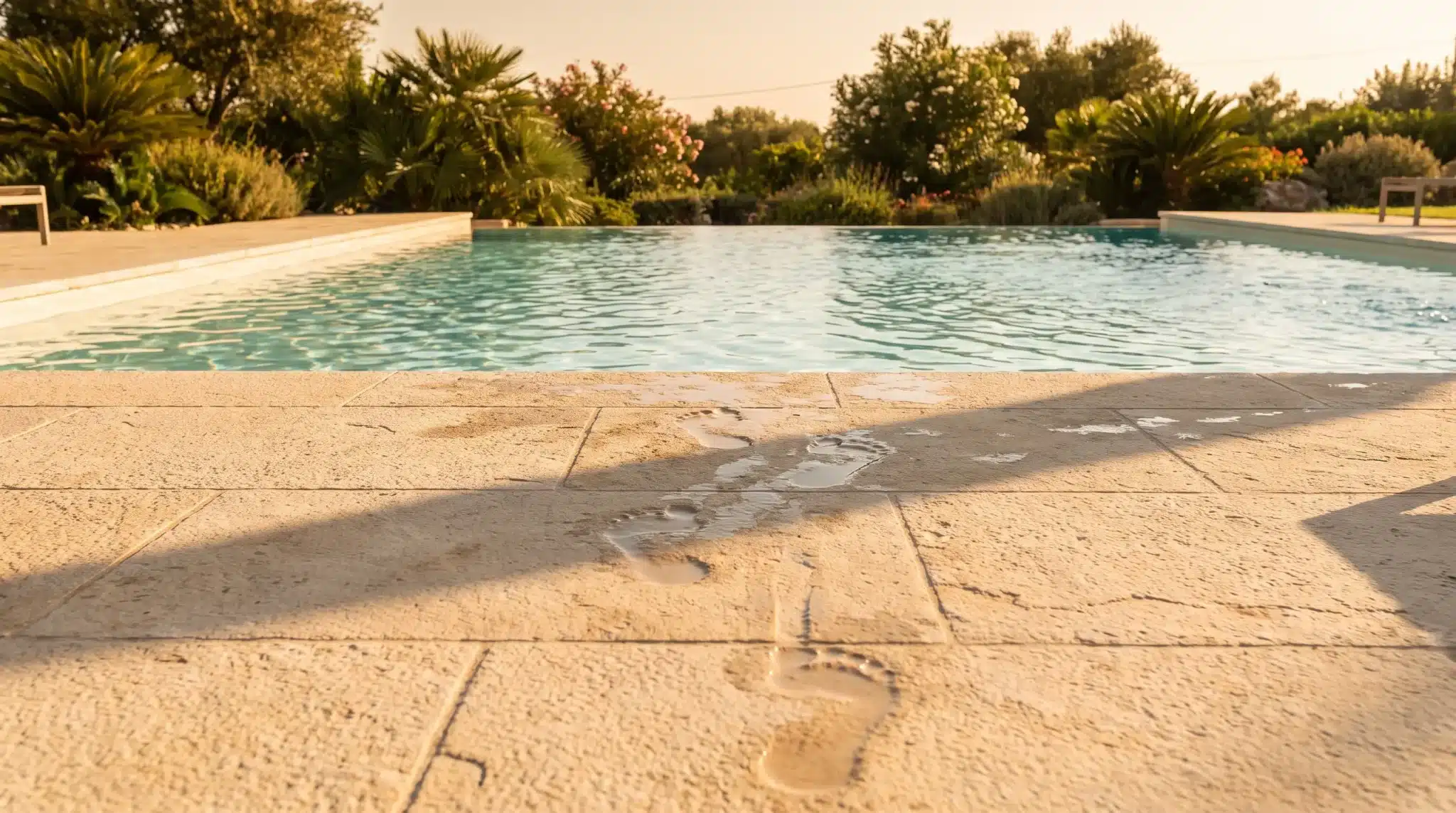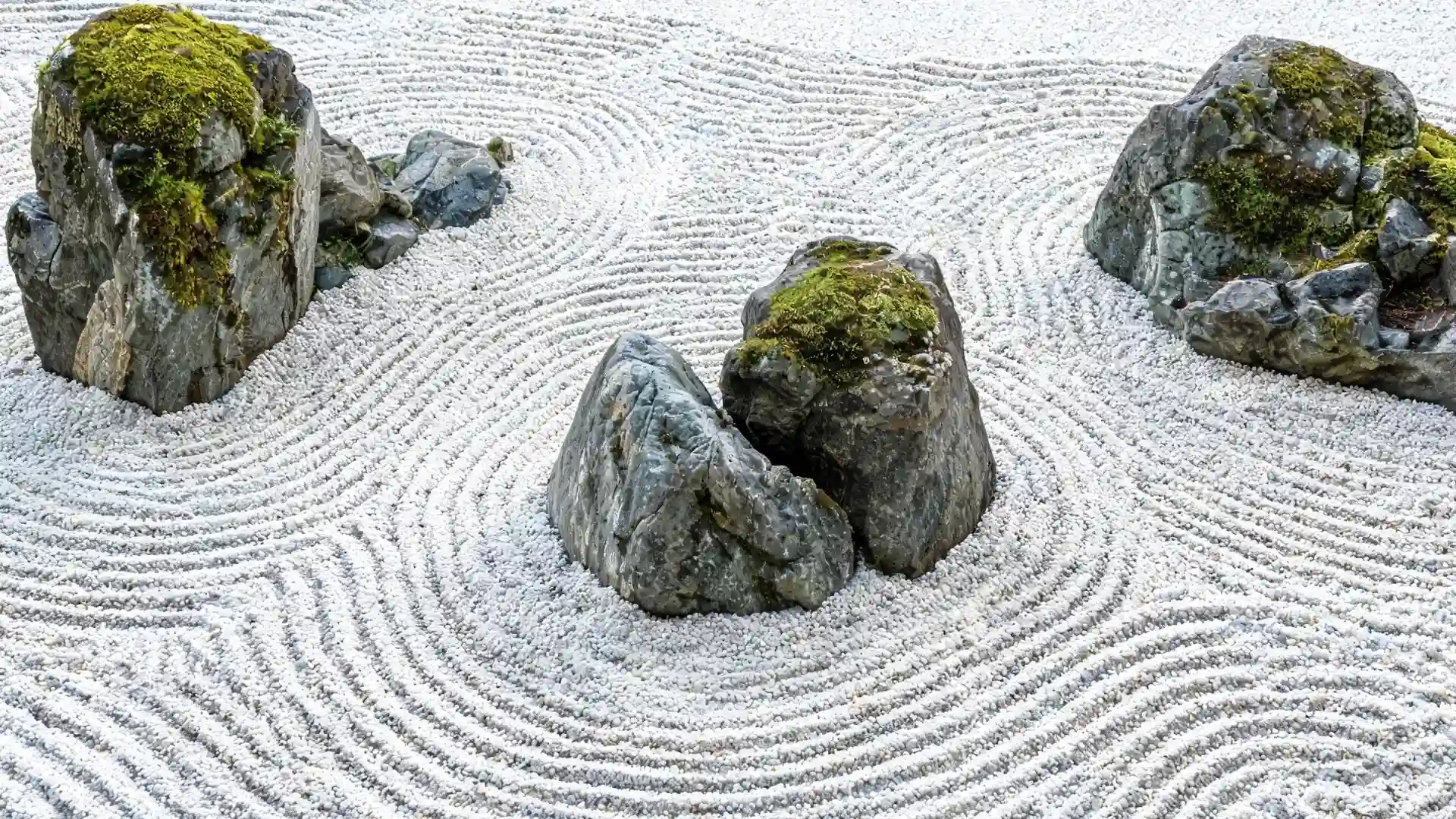
A quiet corner of your yard can feel completely different with just a few carefully placed stones. That is the simple beauty of a Japanese rock garden.
It does not rely on bright flowers, costly decor, or a large amount of space. Instead, it creates calm through balance, texture, and thoughtful design.
Japanese garden rocks offer a gentle starting point. Their shapes, positions, and surrounding gravel can turn an ordinary area into a place that encourages slower moments and clearer thoughts.
With planning, you can too shape this peaceful feature to reflect your space, climate, and personal sense of calm.
The History Behind Japanese Rock Gardens
Japanese rock gardens, known as karesansui or dry landscape gardens, began developing in Japan during the late Kamakura period, from 1185 to 1333.
Early designs used stones, gravel, sand, and limited plants to represent mountains, rivers, islands, and natural landscapes without using actual water.
The style became more established during the Muromachi period, when dry gardens appeared at Buddhist temples and were designed for quiet viewing from nearby rooms or verandas.
Over time, these gardens became valued for their simple composition, controlled space, and close attention to natural forms.
Famous temple gardens helped spread the style, which later influenced garden design beyond Japan while remaining closely connected to Japanese culture and landscape traditions.
Defining Features of a Japanese Rock Garden
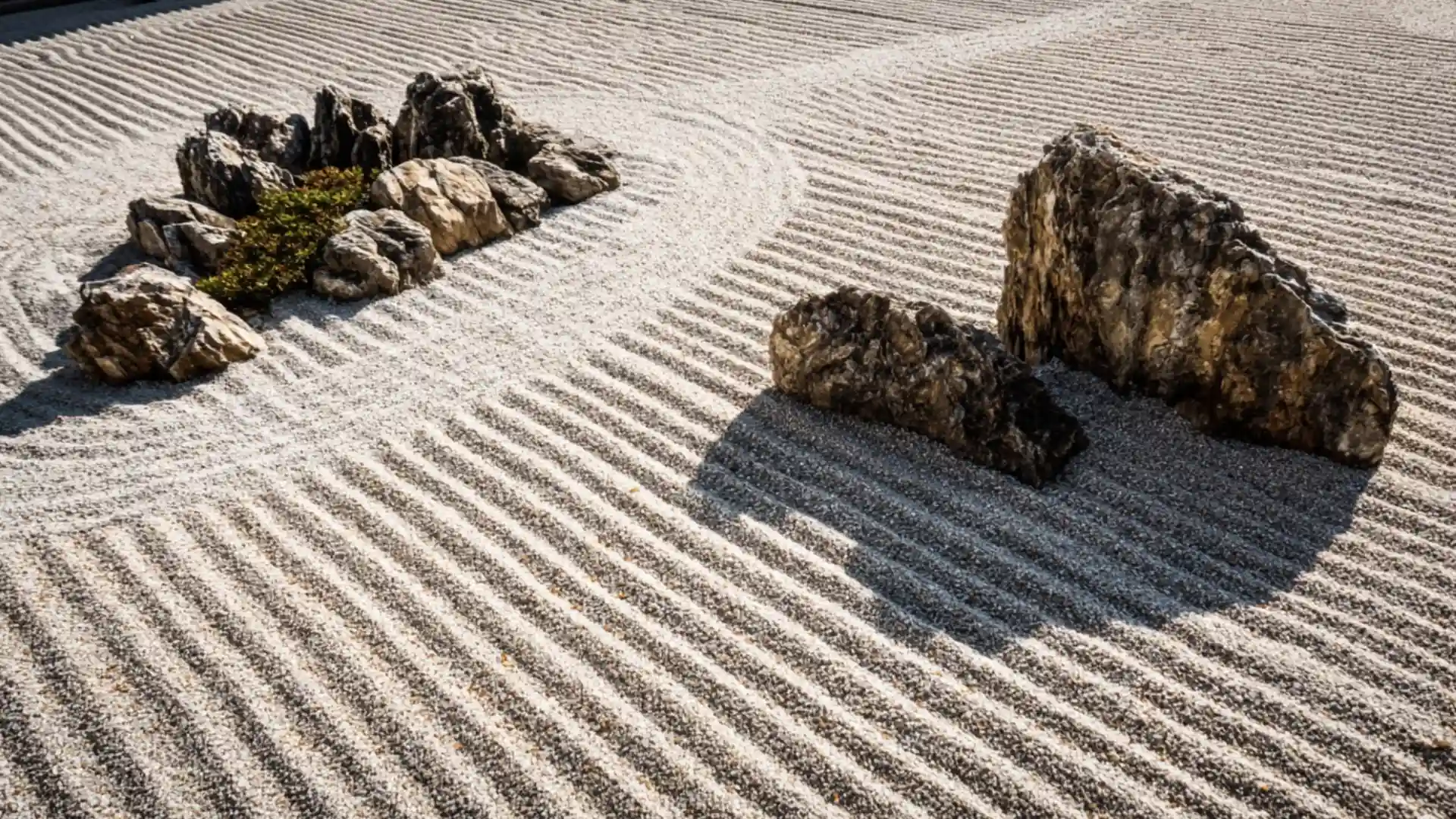
Japanese rock gardens follow clear and thoughtful design rules, and every part is chosen with care.
Below are the key features that I provide for these gardens:
- Carefully Placed Rocks: Large and small Japanese garden rocks are arranged to suggest mountains, islands, cliffs, or natural landforms.
- Minimal Planting: Moss, low shrubs, and small trees may be included, but plants usually remain limited so the stones stay prominent.
- Open Space: Empty areas help each feature stand out and prevent the garden from looking crowded or overly designed.
- Asymmetrical Layout: Rocks and other elements are placed unevenly to create a more natural and balanced appearance.
- Simple Color Palette: Neutral shades such as gray, white, brown, and green keep the design calm and visually consistent.
- Defined Viewing Point: Many gardens are designed to be seen from a veranda, window, bench, or single seated position.
- Natural Materials: Stone, gravel, moss, wood, and plants are used to maintain a close connection with the surrounding landscape.
Cultural Meaning and Philosophy of Zen Gardens
Zen gardens reflect Japanese ideas about simplicity, balance, nature, and mindful observation.
Instead of copying a landscape exactly, they use rocks, gravel, sand, moss, and open space to suggest mountains, islands, rivers, or the sea.
The empty areas are just as important as the visible elements because they create calm and give each stone room to stand out.
Raked lines in gravel can represent flowing water, waves, or movement, while solid rocks may suggest strength, permanence, or natural forms.
These gardens are often linked with Zen Buddhist practice, but their meaning also comes from wider Japanese design traditions.
They encourage people to slow down, notice small details, and reflect quietly.
How to Build a Japanese Rock Garden: Step-by-Step Process
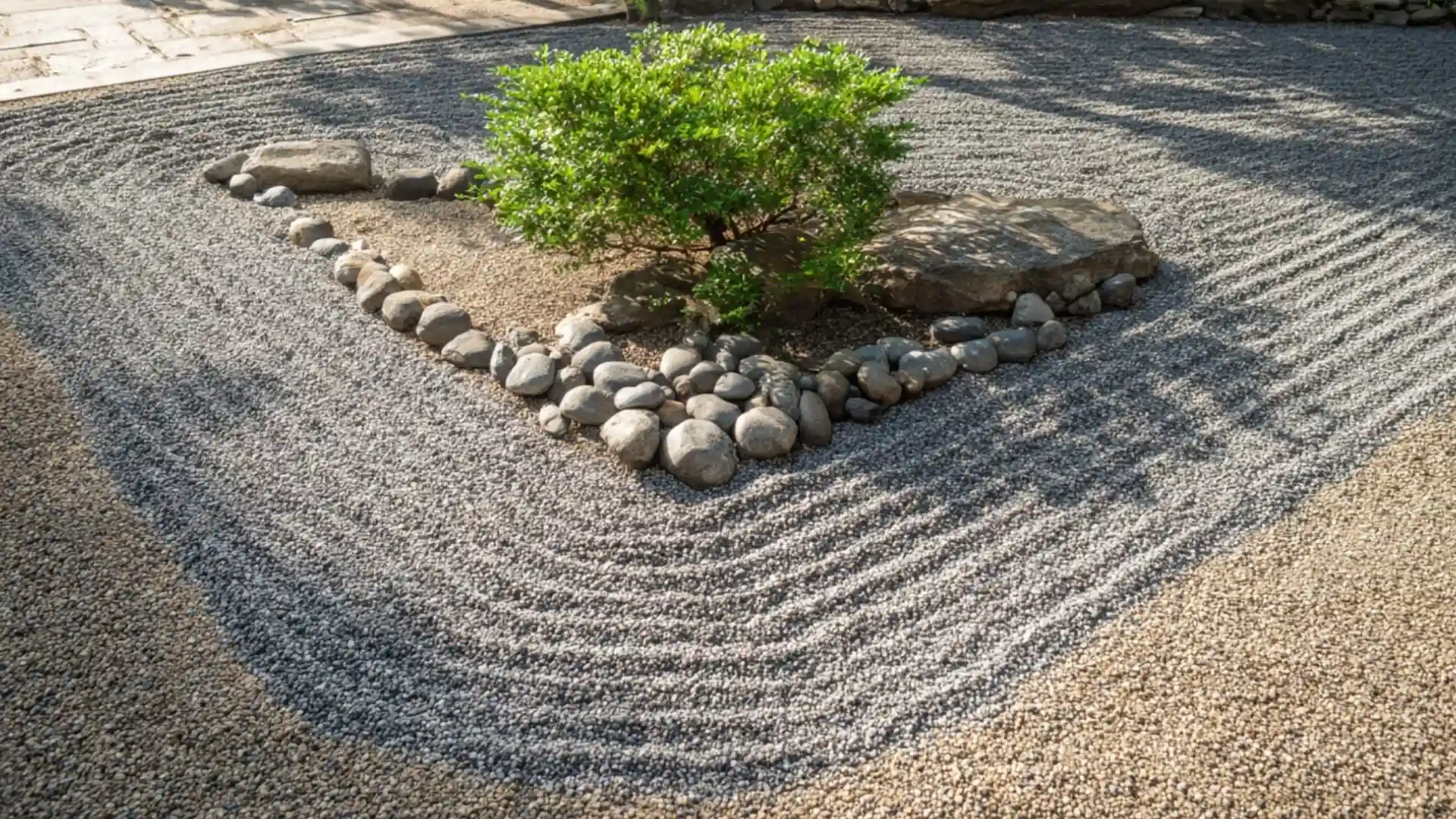
Building a Japanese rock garden does not require a large yard or expensive materials.
With careful planning and thoughtful placement, you can create a peaceful outdoor space that reflects natural landscapes.
Step 1: Choose the Right Location
Start by selecting a quiet area where the garden can be enjoyed without distractions.
A flat space with good drainage works best because standing water can damage the design over time. So, just think about the main viewing point, whether it is from a patio, window, or bench.
A smaller area is often easier to arrange well than a large space filled with too many features.
This same restraint is what makes a rock garden work as a low-upkeep front yard feature, since fewer elements mean less time spent on weekly upkeep.
Step 2: Plan the Layout
Sketch out a simple layout for your Japanese rock garden before moving any rocks.
Decide where the main stone group, gravel, plants, and pathways will go. Keep the design open instead of filling every corner.
Leave enough empty space around the rocks to create balance and make each feature stand out. Because, planning first also helps prevent heavy stones from being moved multiple times.
Step 3: Place the Main Rocks
Begin with the largest rocks because they become the foundation of the entire garden.
You can position Japanese garden rocks in natural-looking groups as per your design instead of straight rows or perfect patterns.
Bury part of each rock in the soil so it appears firmly rooted. I usually walk back to the main viewing spot several times before
I am satisfied with the angles; it almost always takes more adjusting than expected.
Step 4: Add Gravel or Sand
Spread a layer of gravel or coarse sand evenly across the open areas. So, always choose a material that drains well and complements the color of the stones.
Leave the bases of the rocks slightly exposed so they look naturally settled into the landscape.
After leveling the surface, use a garden rake to create clean, consistent patterns around the stone groups.
The same base and edging steps carry over if you are also planning a gravel patio layout nearby, since both rely on level ground and well-drained material
Step 5: Add Plants Sparingly
Use only a few carefully selected plants to soften the landscape without taking attention away from the rocks.
Moss, dwarf shrubs, ornamental grasses, or a small Japanese maple can work well, depending on your climate.
Place plants around the edges or near selected stones rather than throughout the entire garden. This keeps the overall design simple and uncluttered.
Step 6: Create the Final Details
Add finishing touches that improve the garden without making it feel crowded.
A few stepping stones, a stone lantern, or a small bench can complement the design if used with restraint.
Avoid adding too many decorative items because simplicity is one of the defining features of a Japanese rock garden. Every feature should support the overall composition.
Step 7: Maintain the Garden Regularly
Keep the garden looking neat by removing leaves, pulling weeds, and refreshing the gravel patterns when needed.
Check that the rocks remain stable after heavy rain or seasonal weather changes. Trim nearby plants so they do not hide the stone arrangement.
Regular maintenance takes only a little time but helps preserve the calm, balanced appearance that defines a Japanese rock garden.
Best Plants for a Japanese Rock Garden
A Japanese rock garden uses plants sparingly. The varieties below are traditional choices because they hold their shape without heavy pruning and stay in scale with the stones around them:
- Japanese Black Pine (Pinus thunbergii): A hardy evergreen often trained into a windswept shape, giving a rock garden its main vertical anchor.
- Japanese Maple (Acer palmatum): Prized for delicate, layered foliage that adds seasonal color without overwhelming the stones.
- Azalea: A compact flowering shrub commonly clipped into rounded forms, offering a short but noticeable burst of color in spring.
- Moss: A shade-loving ground cover that softens the edges where rock meets gravel and needs no mowing or feeding once established.
- Dwarf Mondo Grass: A low, grass-like plant used to edge paths or stone groupings without competing with them for attention.
- Clipped Boxwood: Pruned into rounded mounds, boxwood is sometimes used to echo the shape of distant hills, a technique called karikomi.
Match plant choices to your climate first. A Japanese maple that thrives in a shaded, humid yard may struggle in a hot, dry one, so it’s worth checking hardiness for your specific region before you plant.
Tips on Material and Design Selection
Choosing the right materials and layout helps a Japanese rock garden look natural, balanced, and easy to maintain.
So, just focus on simple textures, muted colors, and a few well-matched elements that support the stones without making the space feel crowded.
- Natural Rocks: Choose weathered rocks in varied shapes and sizes, avoiding polished surfaces that can appear artificial.
- Gravel or White Pebbles: Use gravel or white pebbles for neat patterns, easy upkeep, and a clean overall appearance.
- Fewer Plant Types: Limit the garden to three or four plant varieties to prevent a crowded, distracting look.
- Low-Growing Plants: Select compact plants that stay tidy, require little pruning, and preserve clear views of rocks.
- Bamboo or Wood Features: Add bamboo or wood accents for warmth, texture, and a natural style that feels balanced.
- Simple Colors: Use greens, grays, whites, and browns to create a calm, connected, and uncluttered overall appearance.
Japanese Rock Garden to Know
Several historic Zen gardens show how rocks, gravel, open space, and carefully controlled planting can represent wider natural landscapes.
Here, each garden has its own layout and meaning, offering useful ideas for understanding traditional Japanese rock garden design.
1. Ryōan-ji Rock Garden
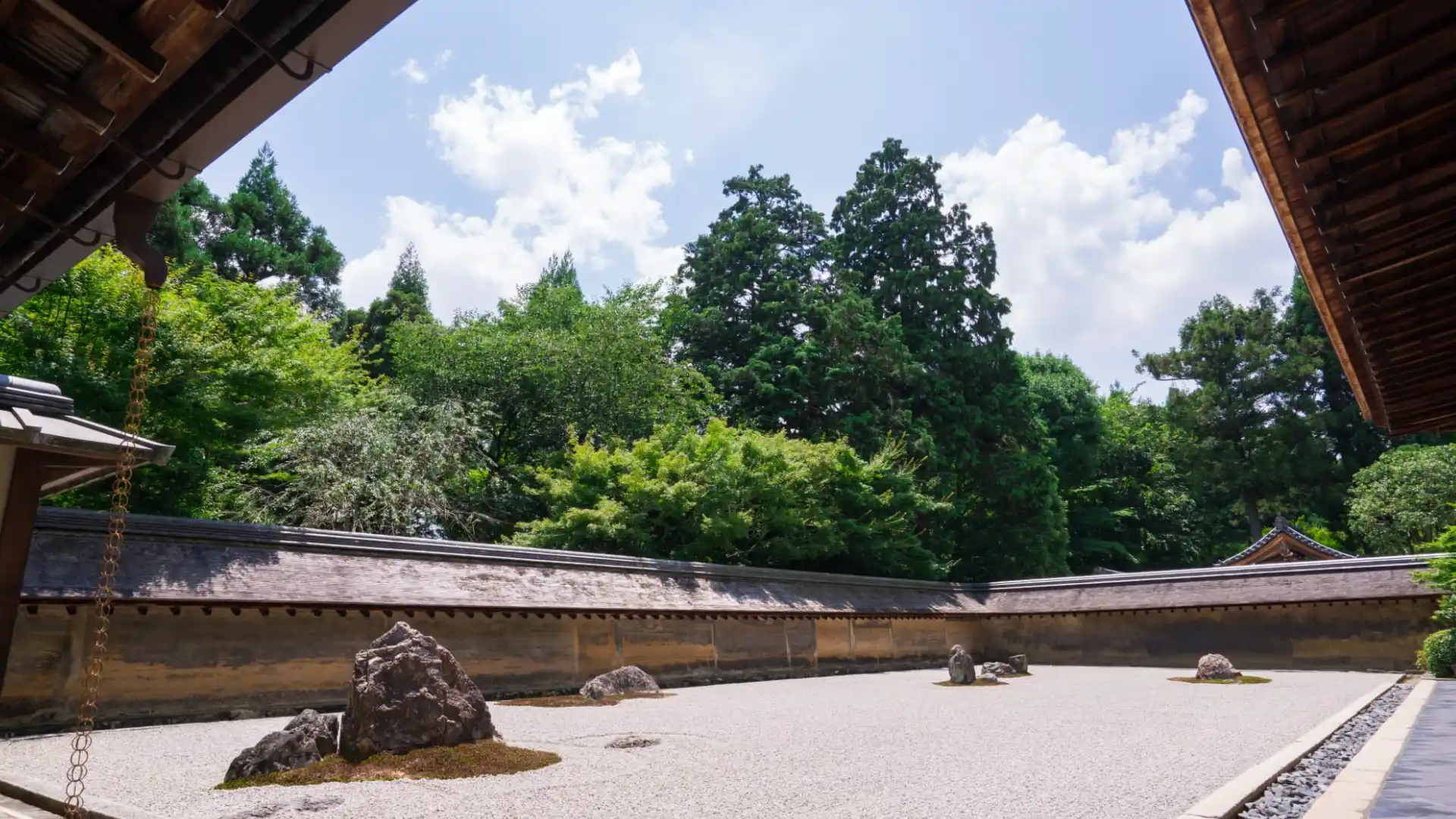
Source: Japan National Tourism Organization
Ryōan-ji is one of the world’s most recognized Japanese rock gardens. Its rectangular courtyard contains 15 stones arranged in five groups across finely raked gravel.
The stones may suggest islands, mountains, or animals crossing water, although the original meaning remains unknown.
Clever wall angles and ground levels also create greater visual depth. The temple is included within Kyoto’s UNESCO World Heritage listing.
2. Portland Japanese Garden Sand and Stone Garden
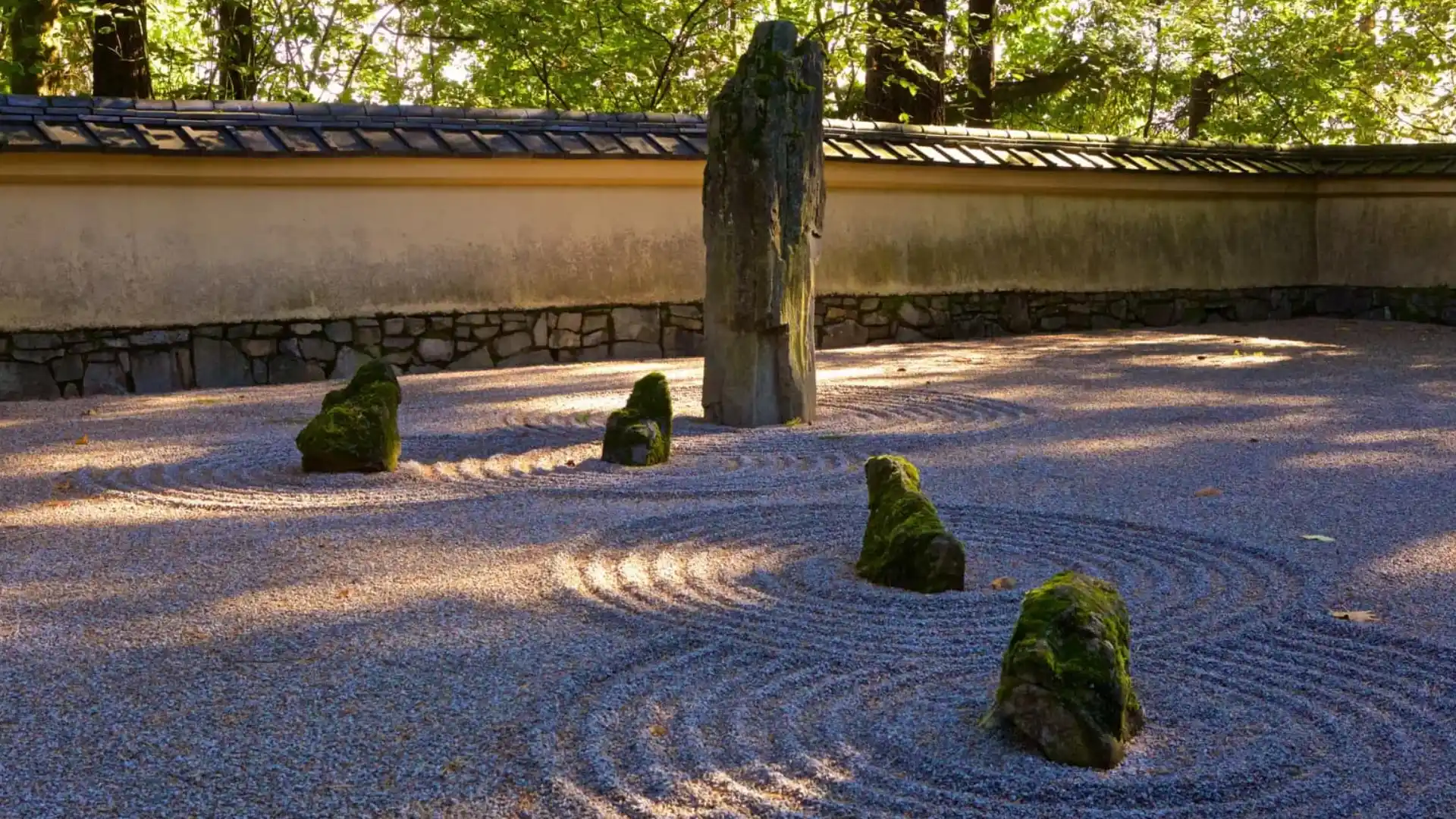
Source: Portland Japanese Garden
Located in Portland, Oregon, this dry landscape garden was designed by Professor Takuma Tono during the 1960s.
Its carefully arranged stones and open gravel field were inspired by a Buddhist story about compassion and self-sacrifice.
The garden also highlights yohaku-no-bi, meaning the beauty of blank space. Visitors can observe how simple materials create depth, movement, and a powerful sense of stillness.
3. The Huntington Zen Garden
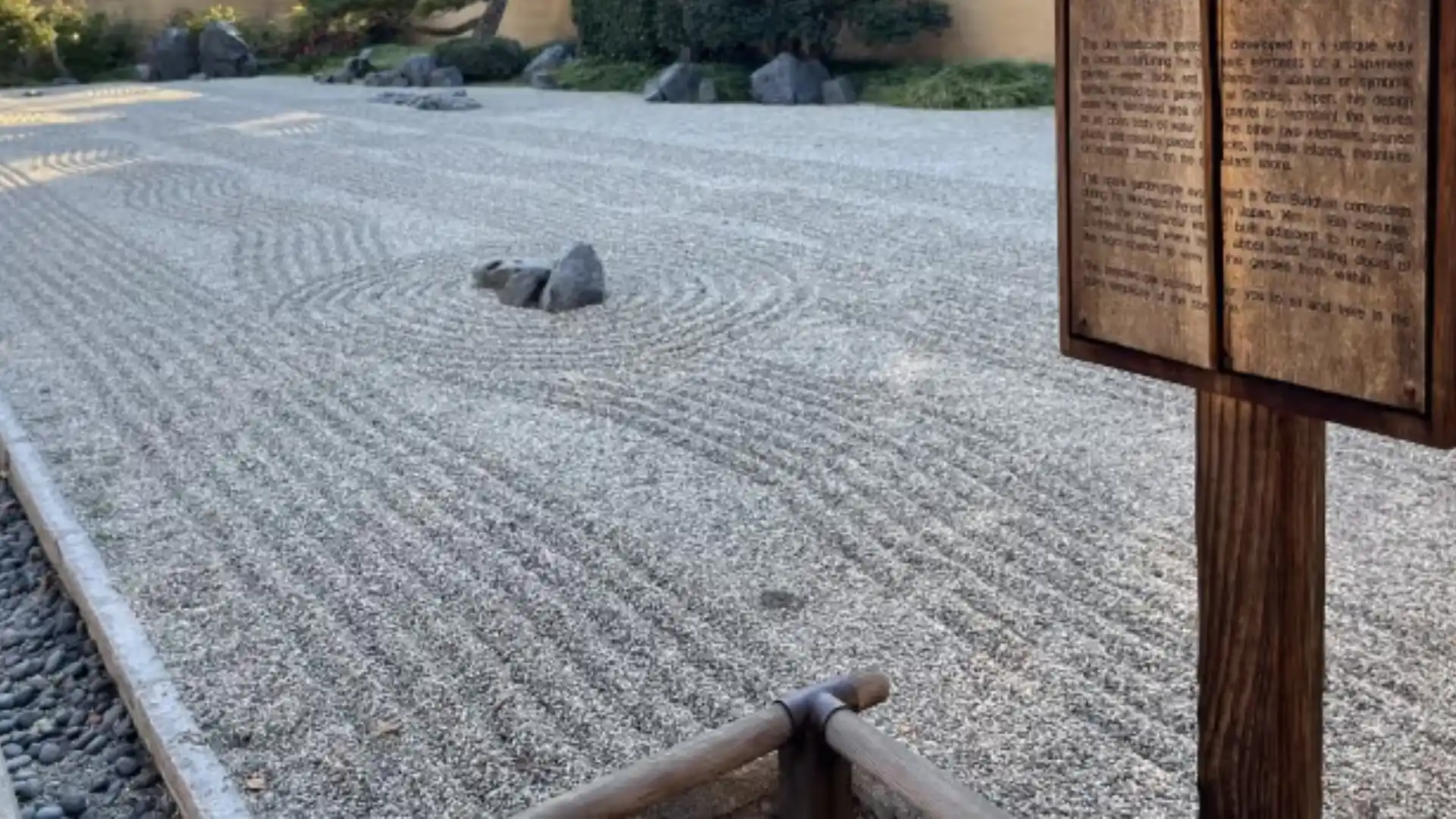
Source: The Huntington
The Zen Garden is part of The Huntington’s historic Japanese Garden in San Marino, California.
It uses raked gravel, grouped rocks, and carefully shaped shrubs to represent water, movement, space, and other abstract ideas.
The enclosed layout reflects the dry landscapes once developed in Japanese temple gardens. Visitors can also explore nearby bonsai displays, viewing stones, a ceremonial teahouse, and the garden’s famous moon bridge.
Japanese Rock Garden Maintenance and Long-Term Care Tips
A Japanese rock garden may look still, but it needs quiet attention over time. Regular care keeps it clean, clear, and peaceful without taking much effort.
Here are a few things to keep in mind as you care for your garden:
- Rake Gravel Regularly: Refresh gravel patterns regularly to maintain clean lines and remove footprints, leaves, and small debris.
- Remove Weeds Promptly: Pull weeds early before they spread and disturb the garden’s neat, uncluttered appearance and balance.
- Trim Plants Carefully: Prune shrubs and ground covers regularly to keep rocks visible and preserve the intended garden design.
- Inspect Rock Stability: Check larger rocks after heavy rain to ensure they remain secure and naturally positioned safely.
- Clean Garden Features: Sweep fallen leaves and gently clean stones to preserve their natural texture and overall appearance.
With small, steady upkeep, your garden will stay calm and clear. The care you give it can become part of the peaceful rhythm it offers you.
Conclusion
I believe a Japanese rock garden can turn even a small outdoor space into a calm and thoughtful retreat.
By choosing natural stones, using gravel carefully, limiting plants, and keeping the layout simple, you can create a design that feels balanced rather than crowded.
The key is to let every element have a clear purpose, from the placement of each Japanese garden rock to the patterns raked into the gravel.
You do not need to copy a temple garden exactly. Focus on what suits your space, climate, and personal style.
Have you created a Japanese rock garden at home? Share your experience, favorite materials, or design tips with other readers in the comments below.
Frequently Asked Questions
What is the Best Gravel for a Japanese Rock Garden?
Fine crushed granite or small angular gravel is ideal because it holds raked patterns, drains well, and stays in place better than smooth rounded pebbles.
What is the Best Ground Cover for a Japanese Garden?
Moss is a classic choice for shaded, moist areas, while mondo grass, creeping thyme, and low sedges suit gardens needing easier care or greater sun tolerance.
Can a Japanese Rock Garden Be Built in a Small Yard?
Yes, a small Japanese rock garden can work beautifully in a compact yard using one stone group, simple gravel patterns, limited plants, and a clear viewing point.
Does a Japanese Rock Garden Need Water or Irrigation?
No. A traditional dry landscape garden uses gravel and rock to suggest water rather than actual water features, so it needs little to no irrigation beyond watering the few plants you include.