A beautiful room means very little if it’s awkward to move through. Sharp corners, cluttered walkways, slippery rugs, and poor lighting can turn everyday routines into frustrating little battles. The good news is that comfort often comes from small edits, not expensive renovations. Shift a few things. Remove a few others. Suddenly the home feels calmer, safer, and easier to use.
Clear Pathways Make a Bigger Difference Than Fancy Furniture
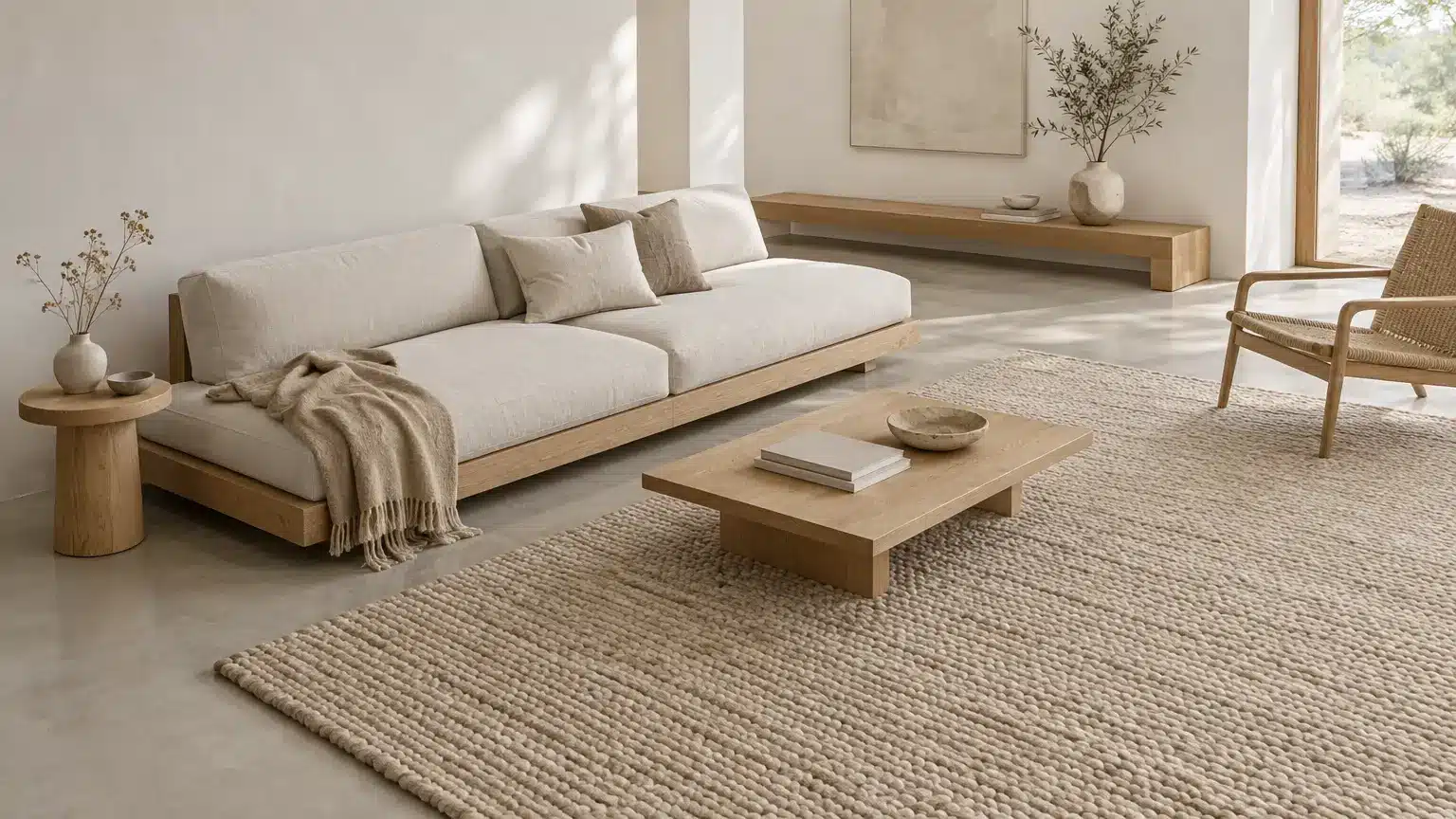
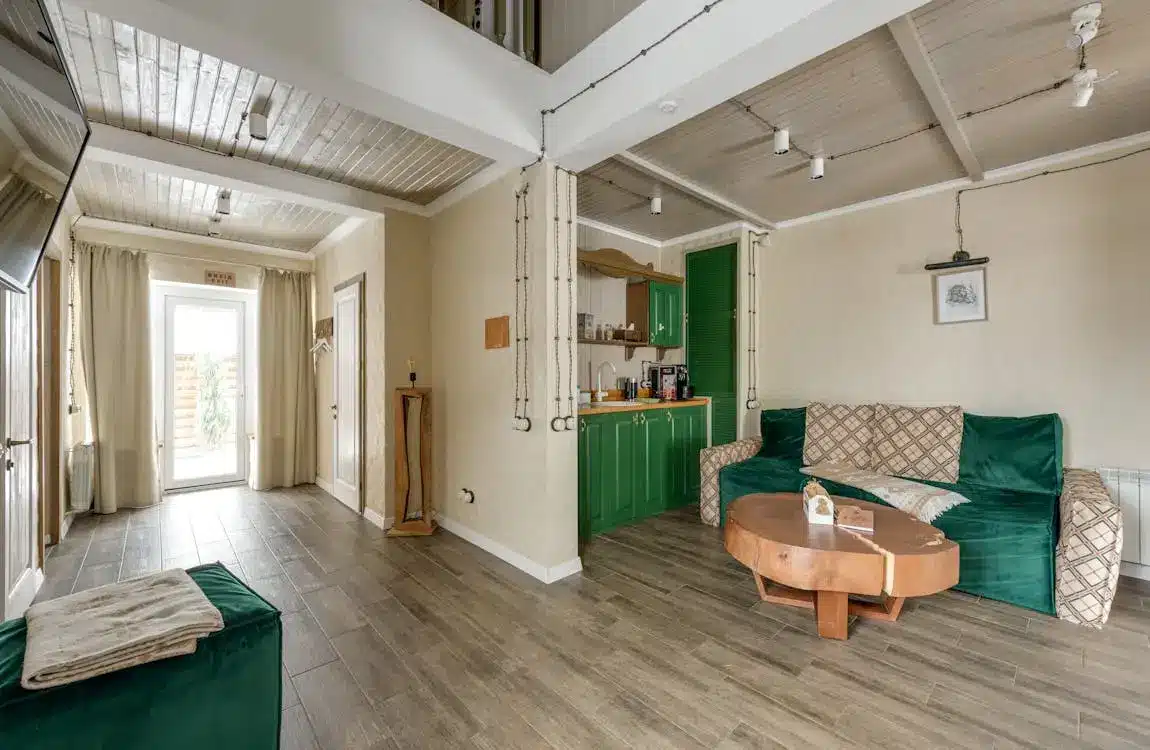
The fastest improvement usually comes from creating open walking space. Not glamorous, but effective. Coffee tables that pinch the route between sofa and doorway can go. Oversized side chairs that collect laundry instead of compliments can move elsewhere.
A living room should allow natural movement without sidestepping like a crab. The last time a designer friend rearranged a tight lounge room, the owners swore it felt twice the size. Nothing structural changed. They simply stopped forcing furniture against every wall and opened the center line of the room.
Keep the most-used routes obvious and wide. Bedroom to bathroom. Kitchen to dining table. Front door to living room. Those daily pathways matter more than decorative symmetry.
Lighting Should Help, Not Just Look Good
Soft mood lighting has its place, but nobody wants to hunt for the lamp switch while carrying laundry. Layered lighting works better. Use ceiling lights for broad visibility, then add task lamps where reading, cooking, or hobbies happen.
Dark hallways deserve attention first. They’re notorious. A shadowy corridor can feel harmless until someone misses a step or clips a shoulder on a corner. Motion-sensor lights are one of those rare purchases that feel smarter every day.
Warm bulbs can still create comfort, but brightness matters. Style should never outrank function when basic visibility is on the line.
Floors Need Grip, Space, and Common Sense
Slippery flooring is the enemy of confidence. Rugs that curl at the edges or slide across timber might look charming in photos, yet they cause endless irritation in real life. If a rug moves when nudged with a foot, it’s on borrowed time.
Choose low-pile rugs with strong underlays, or skip them in high-traffic zones altogether. Hallways, kitchens, and entries benefit from simple, stable surfaces. Outdoors, wood composite decking can be a practical option because it offers a neat, durable finish with less upkeep than many traditional materials.
And yes, fewer floor obstacles usually means fewer stubbed toes. Science may never publish that study, but experience already has.
Seating Should Be Easy to Use
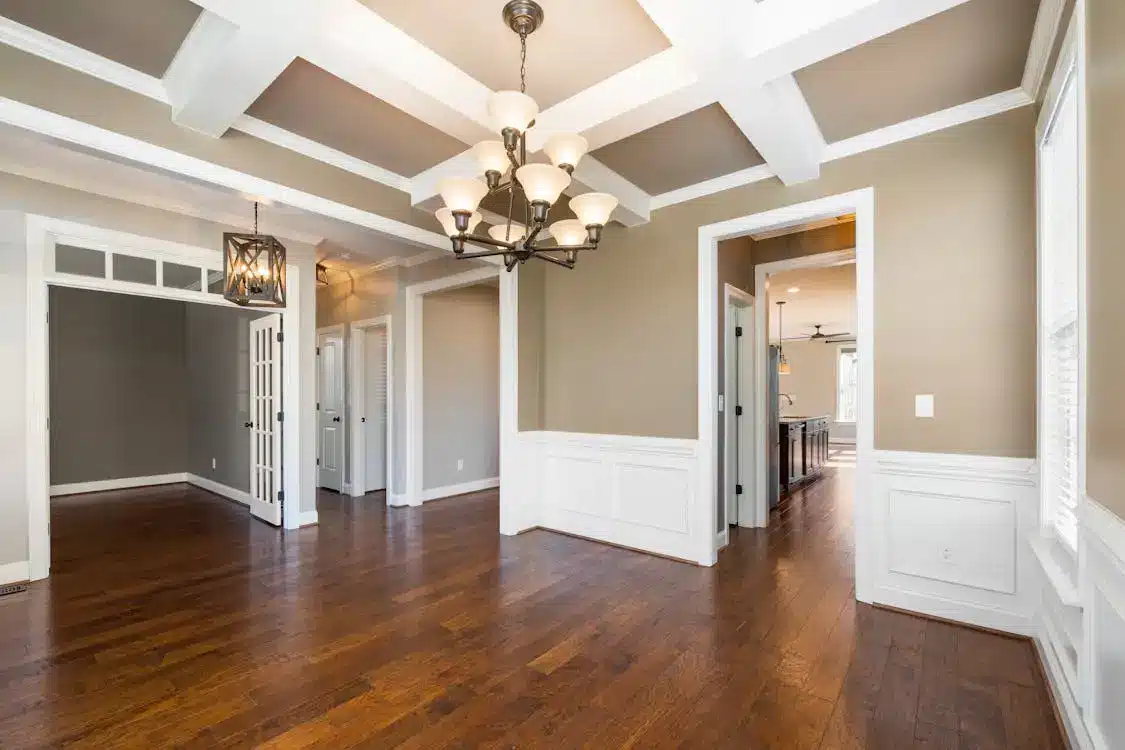
Some chairs look incredible and feel terrible. Deep lounge seats that swallow people whole are not winning any awards for usability. Neither are dining chairs that wobble or sit too low.
Supportive seating with steady arms can make standing up much easier. That matters for older adults, guests recovering from injury, or anyone whose knees complain louder than they used to. A chair should welcome people in and let them leave without drama.
Test furniture before buying when possible. Sit down. Stand up. Repeat. If the second part feels like a gym session, keep shopping.
Storage That Reduces Reaching and Bending
Daily-use items belong between shoulder and waist height whenever possible. That’s the sweet spot. It reduces awkward stretching and repeated bending, both of which become tiring faster than most people realize.
Move heavy cookware from low cabinets to easier shelves. Store favorite mugs where they can be reached without tiptoes. Put cleaning products in places that don’t require crawling into the back of a cupboard like an archaeologist.
One client once kept every pantry staple on the top shelf because it “looked tidy.” It also meant using a step stool three times a day. Tidy lost that argument quickly.
Bathrooms Benefit From Quiet Upgrades
Bathrooms often need the most support and receive the least attention. Strange, considering how often they’re used. Simple upgrades such as non-slip mats, handheld shower heads, lever taps, and towel rails placed within easy reach can make routines smoother right away.
A shower niche for soap and shampoo sounds minor until bottles stop living on the floor. Raised toilet seats or comfort-height fixtures can also help where needed, especially in homes coordinating aged care in home support for family members who want to remain independent.
Good bathroom design doesn’t need to look clinical. It just needs to work.
Entryways Set the Tone for the Whole Home
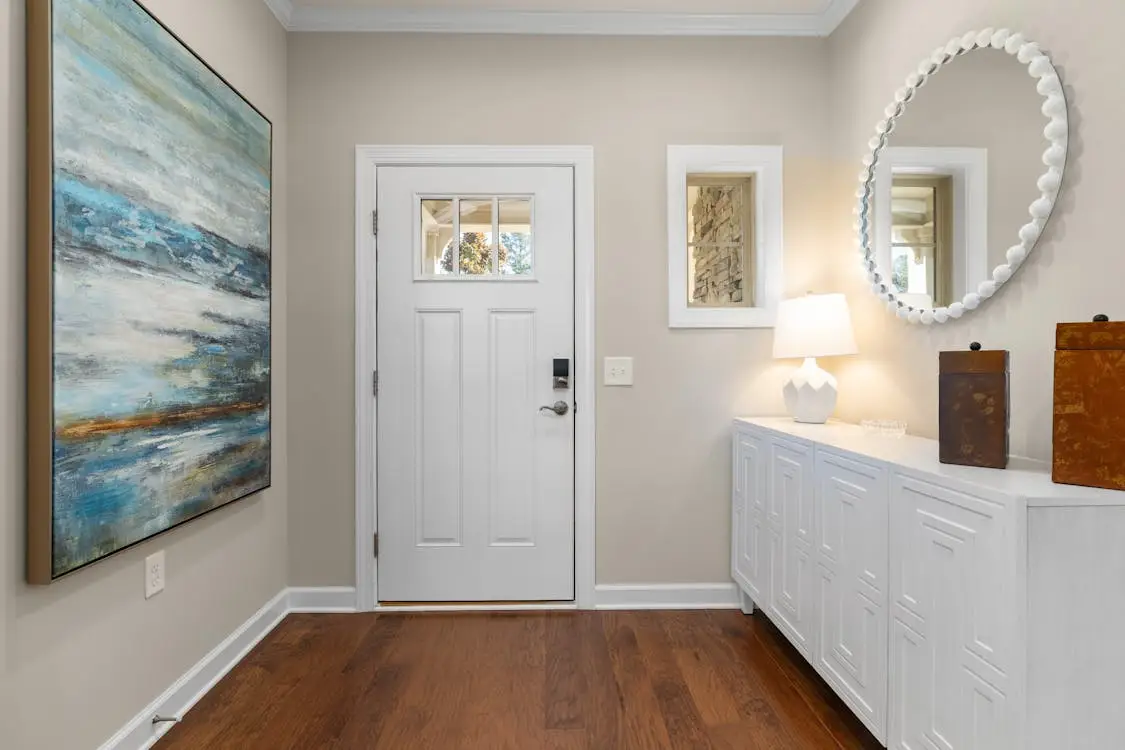
The front door area often becomes a dumping ground for bags, shoes, umbrellas, and things nobody remembers buying. That clutter creates instant friction. A narrow bench, wall hooks, and a small tray for keys can restore order fast.
Stable seating near the entrance helps with putting shoes on or taking them off. So does proper lighting. So does not tripping over three pairs of sneakers that belong to one teenager somehow.
When the first few steps into a home feel easy, the rest of the space usually follows.
Comfort Lives in the Details
Mobility-friendly decor isn’t about making a house look sterile or overly cautious. It’s about removing tiny annoyances that pile up over time. Better lighting. Smarter furniture placement. Safer floors. Storage that respects the human body.
Those changes may seem small on paper. They rarely feel small once completed. Rooms become easier to navigate, tasks feel lighter, and the home supports daily life instead of resisting it. That’s good design, plain and simple.