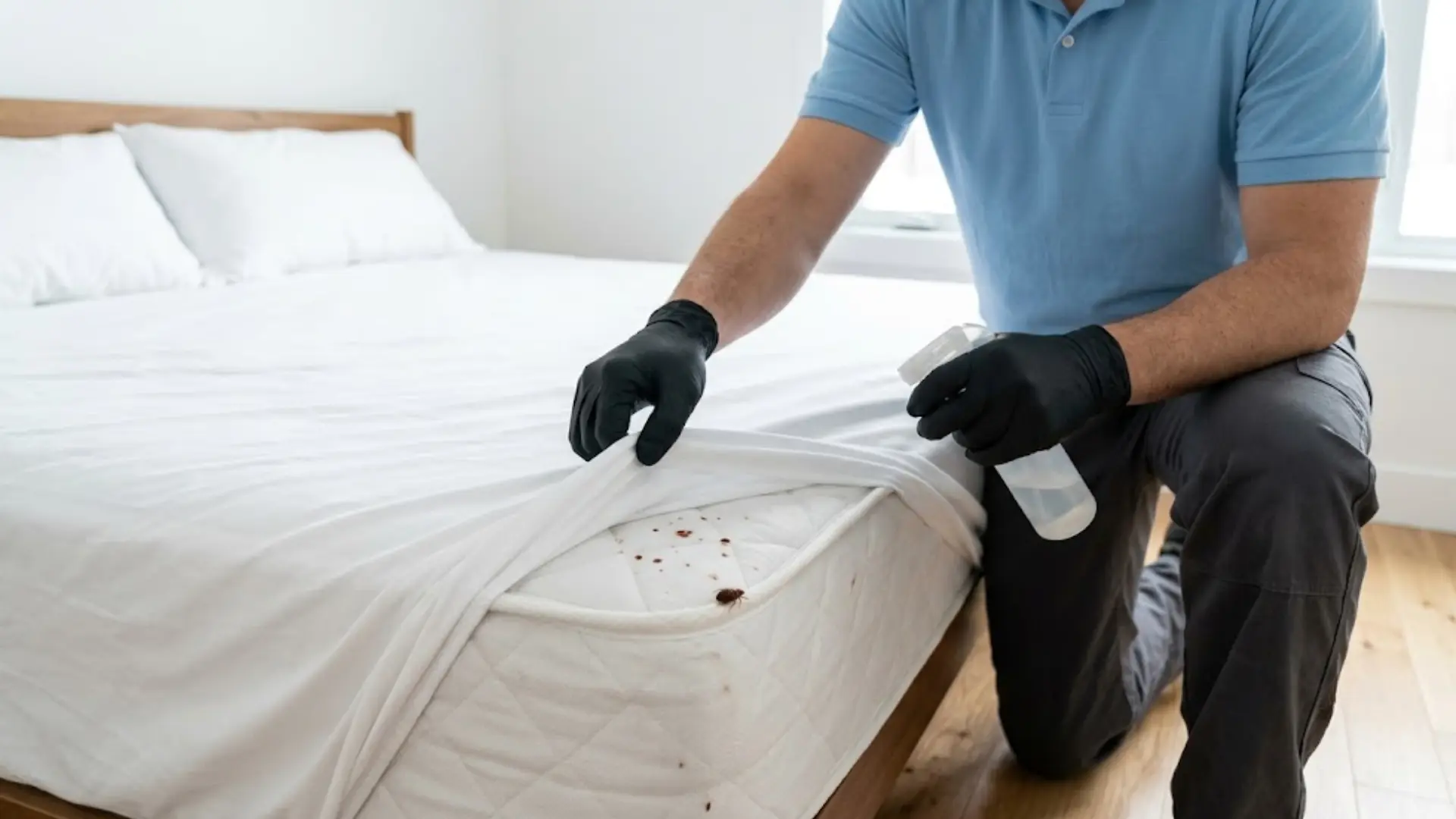
Bed bugs can be difficult to deal with because they often hide in small spaces and remain unnoticed until signs appear.
Many people look for simple ways to make their homes less attractive to these pests, including learning about scents bed bugs hate.
Certain strong smells may help discourage bed bug activity in specific areas, while other odors can help them locate a host.
Understanding how different scents affect bed bugs can help you make better choices when managing and preventing infestations.
Do Bed Bugs Actually Respond to Smells?
Yes, they rely heavily on carbon dioxide from your breath and the warmth radiating from your body to locate you while you sleep.
Their olfactory receptors guide them toward these signals, but strong odors can disrupt this process. A repellent might confuse or deter them temporarily, but it won’t kill them.
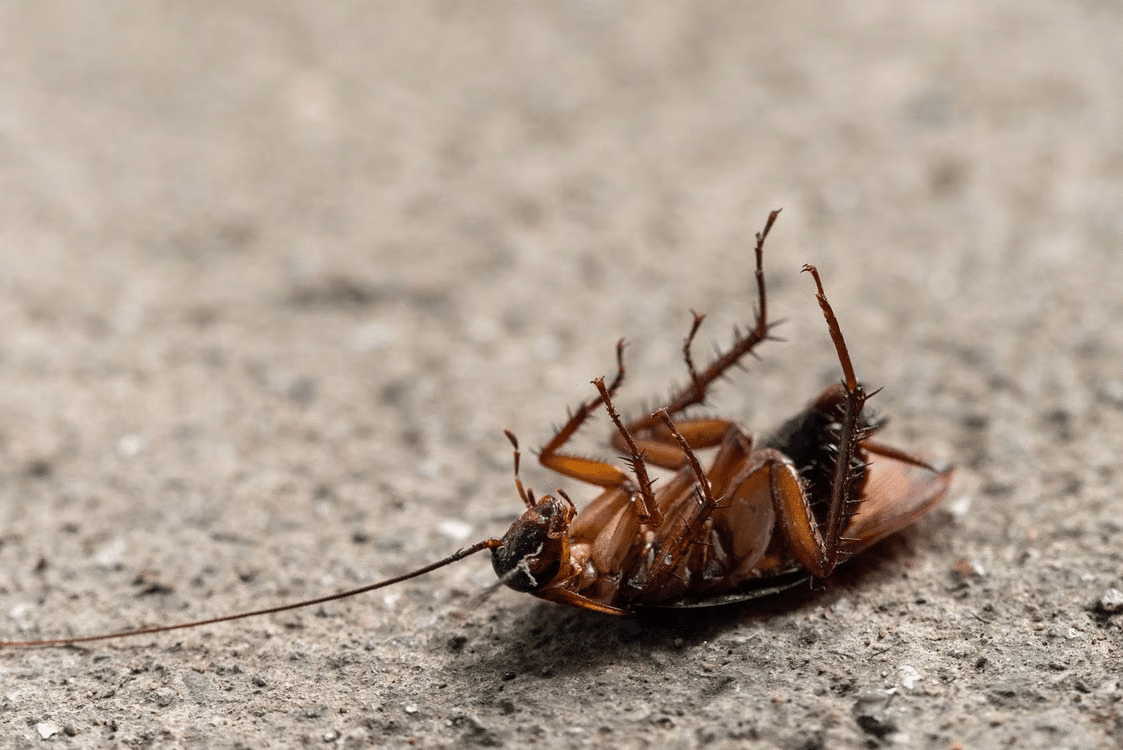
Before you spray anything, make sure you’re actually dealing with bed bugs
I’ve had clients treat a room for weeks with essential oils, only to find out the real culprit was one of the insects commonly mistaken for bed bugs.
Carpet beetles, bat bugs, and a handful of other small brown insects look close enough to bed bugs that a quick glance won’t settle it.
What Smells Do Bed Bugs Hate?
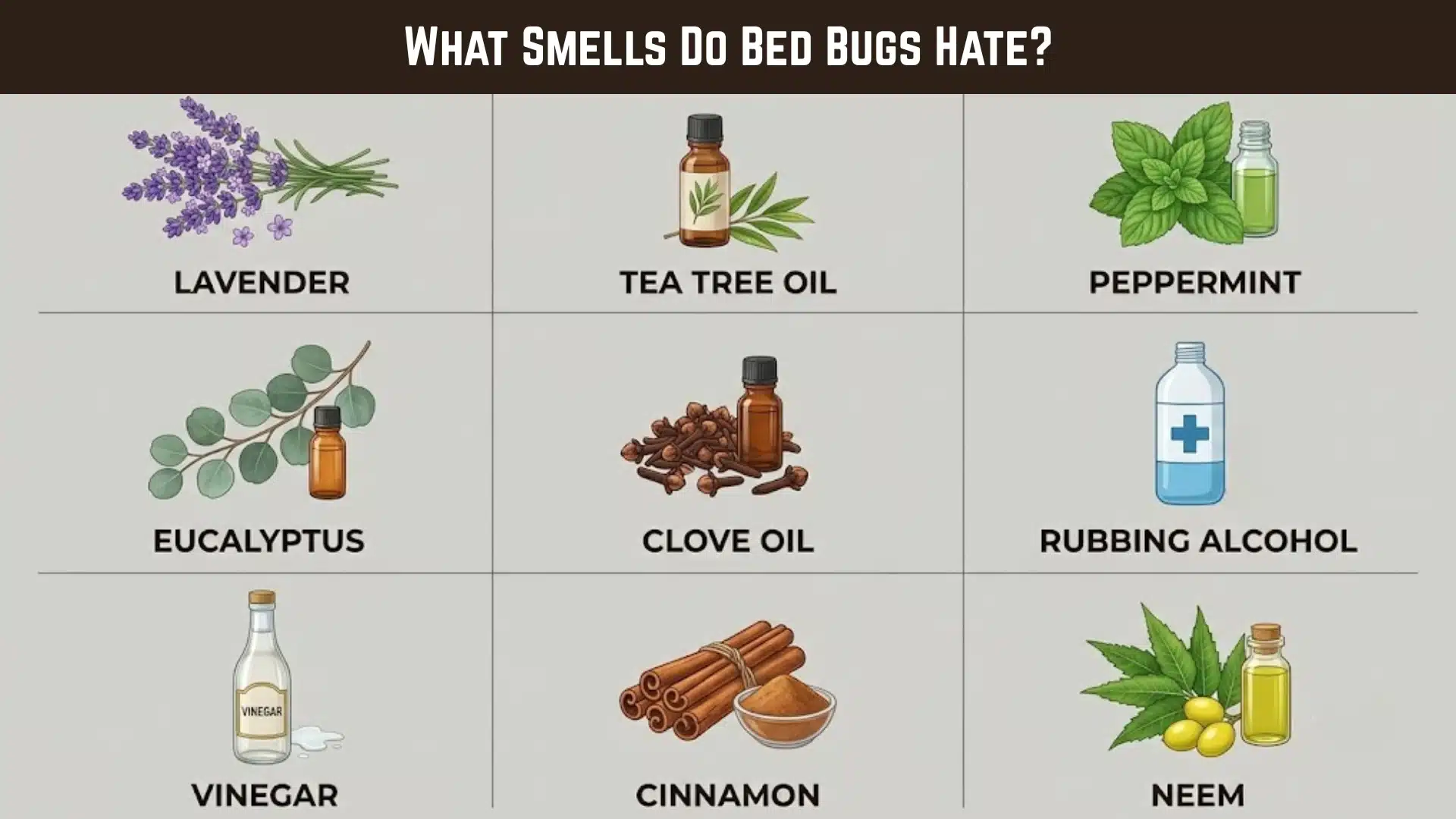
Bed bugs are sensitive to strong odors, and certain scents may make areas less comfortable for them. Combining scent-based methods with cleaning, inspection, and proper bed bug treatments offers a more effective approach.
1. Lavender
Lavender is one of the most popular scents people use when trying to discourage bed bugs. Its strong floral aroma may interfere with how these pests detect their surroundings.
Lavender oil sprays, sachets, or dried lavender can be placed near bedding, closets, and furniture. While the smell may make an area less appealing, it does not kill bed bugs or eliminate eggs.
2. Tea Tree Oil
Tea tree oil has a powerful herbal scent that many people use as a natural pest deterrent. Its strong aroma may help make certain areas less attractive to bed bugs when applied properly.
Diluted tea tree oil sprays are sometimes used around cracks, furniture edges, and bedding areas. However, it should never replace proven treatment methods.
3. Peppermint
Peppermint has a sharp, refreshing smell that bed bugs may find unpleasant. The strong scent from peppermint oil can help mask odors and may discourage bed bugs from staying in treated areas for a short time.
Many homeowners use diluted peppermint sprays around mattresses, baseboards, and furniture gaps. However, peppermint alone cannot remove an infestation.
4. Eucalyptus
Eucalyptus has a strong, fresh scent that is often used in natural pest control routines. The aroma may help make areas less inviting for bed bugs because of its intensity.
Eucalyptus oil sprays or scented products can be used around furniture, closets, and other possible hiding areas. Even though the smell may discourage some activity, it does not destroy bed bugs or their eggs.
5. Clove Oil
Clove oil contains a strong spicy fragrance that many people use as a natural insect deterrent. Because clove oil is highly concentrated, it should always be mixed properly before use.
Researchers at Purdue University tested individual essential oil compounds directly against bed bugs and found that eugenol (the compound in clove oil), thymol, and carvacrol caused reliable mortality when applied at concentrated levels.
6. Rubbing Alcohol
Rubbing alcohol has a strong chemical smell that may temporarily repel bed bugs. Some people use it on certain surfaces because of its quick-drying nature, but it comes with important safety concerns.
Alcohol is highly flammable and should not be sprayed near flames, heat sources, or large areas of furniture. It also does not reliably eliminate all bed bugs or eggs.
This section covers a household product with a real fire risk. Read the label and use caution, and consider this informational rather than a recommendation to use it indoors.
7. Vinegar
Vinegar has a sharp acidic smell that some people believe bed bugs dislike.
Its strong odor may temporarily discourage movement in treated areas, but it does not kill bed bugs or prevent them from returning.
Vinegar can be used for general household cleaning, but it should not be considered a primary treatment for an infestation.
8. Cinnamon
Cinnamon has a strong, spicy aroma that many people use as a natural way to discourage bed bug activity.
The powerful scent may make certain areas less appealing, especially around cracks, furniture, and sleeping spaces.
Some homeowners use cinnamon sticks or diluted cinnamon oil as a fragrance barrier.
9. Neem
Neem has a strong herbal scent and is commonly used in natural pest management practices.
Neem oil products may help make areas less attractive to some insects, including bed bugs, because of their noticeable odor.
People often apply diluted neem solutions around furniture edges and possible hiding spots.
What Smells Attract Bed Bugs?
Plenty of folk remedies promise bed bug relief, but most fall short when put to the test. Here’s what you can skip:
-
Human Body Odor: Natural skin scents help bed bugs identify nearby people as potential sources of blood meals.
-
Carbon Dioxide: Bed bugs detect carbon dioxide from breathing, helping them locate sleeping humans during nighttime hours.
-
Dryer Sheets: Despite their fresh scent, dryer sheets have no proven repellent effect on bed bugs and won’t prevent infestations.
-
Cinnamon: While it smells strong to us, cinnamon lacks the potency needed to repel or kill bed bugs in any meaningful way.
-
Garlic: The pungent aroma that keeps vampires away in folklore does absolutely nothing to deter bed bugs in reality.
-
Perfume or Cologne: These fragrances might mask odors temporarily, but they won’t interfere with bed bugs’ ability to track you down.
-
Ultrasonic Repellents: Ultrasonic devices have zero impact on bed bug behavior or movement.
Save your money and effort for methods that actually work. If the bites themselves have you second-guessing what’s biting you, comparing your rash against bed mite symptoms and photos is a faster way to narrow it down than chasing scent theories.
Better Ways to Get Rid of Bed Bugs
While certain scents may help discourage bed bug activity, they are not enough to remove an infestation completely.
Effective bed bug control requires a combination of proven methods that target both visible pests and hidden hiding spots.
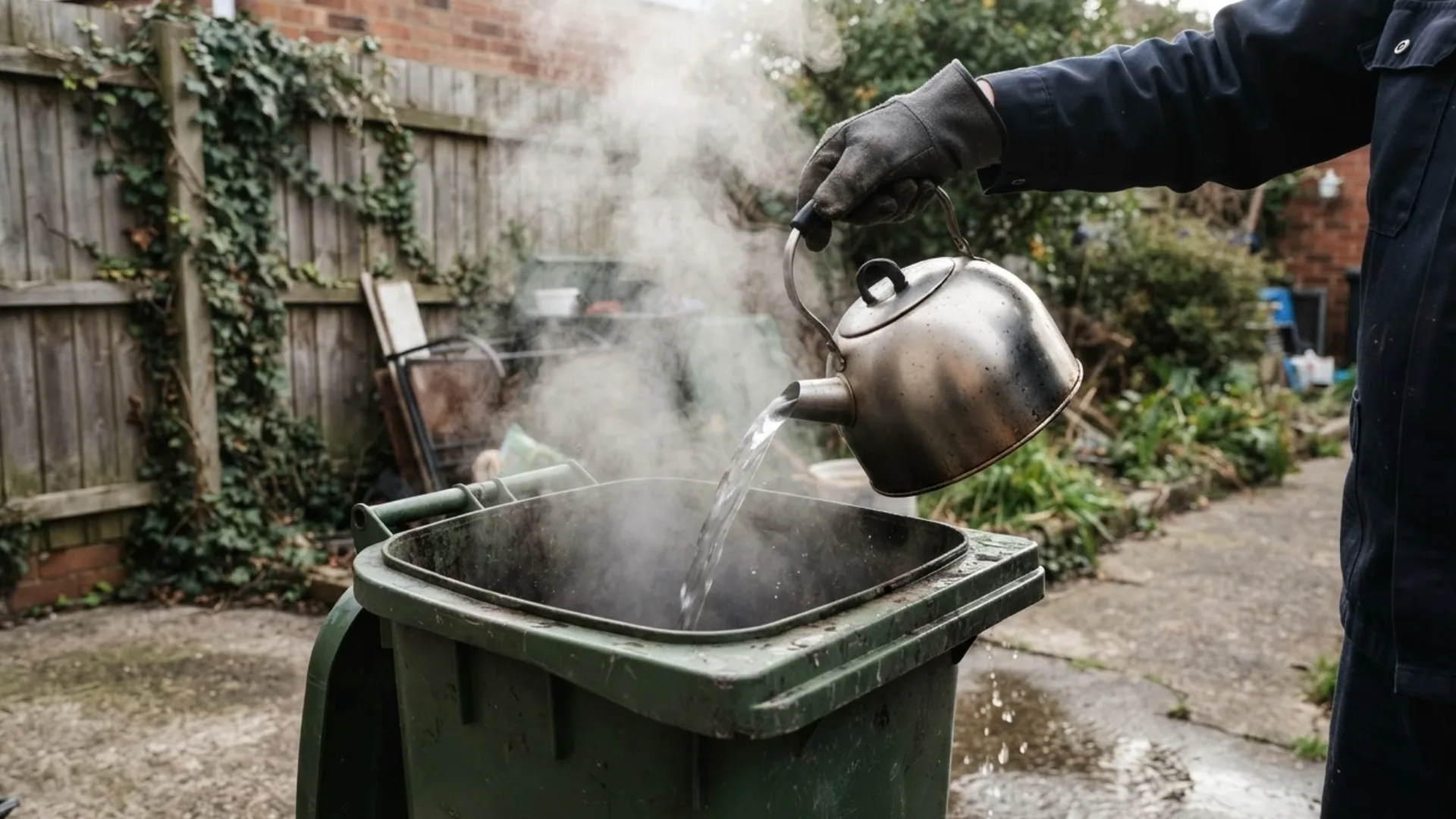
- Heat Treatment: Exposing bed bugs to temperatures above 120°F kills them at all life stages, making professional heat treatments one of the most effective solutions.
- Professional Pest Control: Trained exterminators use targeted insecticides, specialized equipment, and proven strategies that DIY methods simply can’t match.
- Mattress Encasements: High-quality, bed bug-proof encasements trap any bugs inside your mattress or box spring, preventing them from feeding and eventually starving them out.
- Hot Laundry Cycles: Bedding, curtains, and clothing from an affected room should go through a hot wash and a full dryer cycle, since bed bugs cannot survive that high heat.
- Integrated Pest Management Approach: Combining multiple tactics like monitoring, prevention, non-chemical methods, and targeted treatments delivers the most comprehensive and lasting control.
Conclusion
While certain scents that bed bugs hate might offer a temporary deterrent, they’re far from a complete solution.
Lavender, tea tree oil, and peppermint can play a minor supporting role, but tackling an infestation demands a more strategic approach.
Heat treatments, professional intervention, and thorough prevention methods will always outperform a spritz of essential oil.
Combine smart strategies, stay persistent, and reclaim your peace of mind.
Have you tried any scents for bed bug prevention? Share your experience in the comments below.
Frequently Asked Questions
Do Bed Bugs Stay Away From Clean Homes?
Cleanliness alone does not prevent bed bugs since they can enter through luggage, furniture, clothing, and other belongings regardless of hygiene.
How Long Do Scents Keep Bed Bugs Away?
Most scents only provide temporary effects and usually lose strength as the fragrance fades, making regular prevention methods more important.
Does Baking Soda Keep Bed Bugs Away?
Baking soda is not proven to repel or kill bed bugs. It may help with cleaning but should not replace effective treatment methods.