In Salem, OR, the rainy season isn’t a surprise—it’s a pattern homeowners deal with every year. Still, many homes aren’t fully prepared when the steady rain sets in. Water finds its way through small gaps, loose shingles, or clogged drainage systems, and those minor issues can turn into costly repairs within weeks. The challenge is that most of these problems stay hidden until they become obvious. Preparing your home ahead of time doesn’t have to feel like a major project. With a focused approach and a few smart checks, you can reduce the risk of leaks, moisture damage, and unnecessary stress once the rain starts.
Spot Early Warning Signs on Your Roof
A quick look at your roof from the ground can tell you more than you might expect. Pay attention to shingles that look uneven, curled, or darker than the rest. These often signal wear or trapped moisture. Check for debris collecting in valleys, since that area tends to hold water longer during rain. If your roofline looks uneven, that could point to structural stress that needs attention. Many homeowners ignore these details because everything seems fine from inside the house. By the time a leak shows up indoors, the damage has already spread. Catching these small signs early gives you time to fix them before the rainy season puts extra pressure on weak spots, and if anything looks questionable, it’s worth having a local Salem roofing contractor take a closer look.
Make Sure Water Drains Away From Your Home
Even if your gutters are clear, poor drainage can still cause trouble. Downspouts need to direct water several feet away from your foundation. If water collects near the base of your home, it can seep into the structure over time. Walk around your property after a light rain and notice where water settles. Low spots in your yard or near walkways often need simple grading adjustments. Adding a downspout extension can solve the problem quickly. Some homeowners overlook this step because it doesn’t seem urgent, but repeated exposure to standing water weakens surfaces and increases the chance of moisture getting inside. Good drainage reduces that risk significantly.
Check Your Attic for Hidden Moisture
The attic is one of the first places where roof problems show up, even before you notice anything inside your living space. Take a few minutes to look for damp insulation, water stains on wood, or a musty smell. These signs often point to slow leaks or poor ventilation. During the rainy season, trapped moisture can build up quickly if air isn’t moving properly. Make sure vents are clear and not blocked by insulation or debris. If the attic feels unusually humid, that’s worth addressing before the rain gets heavier. A dry, well-ventilated attic helps your roof perform better and prevents small issues from turning into larger repairs.
Seal Gaps Around Windows and Doors
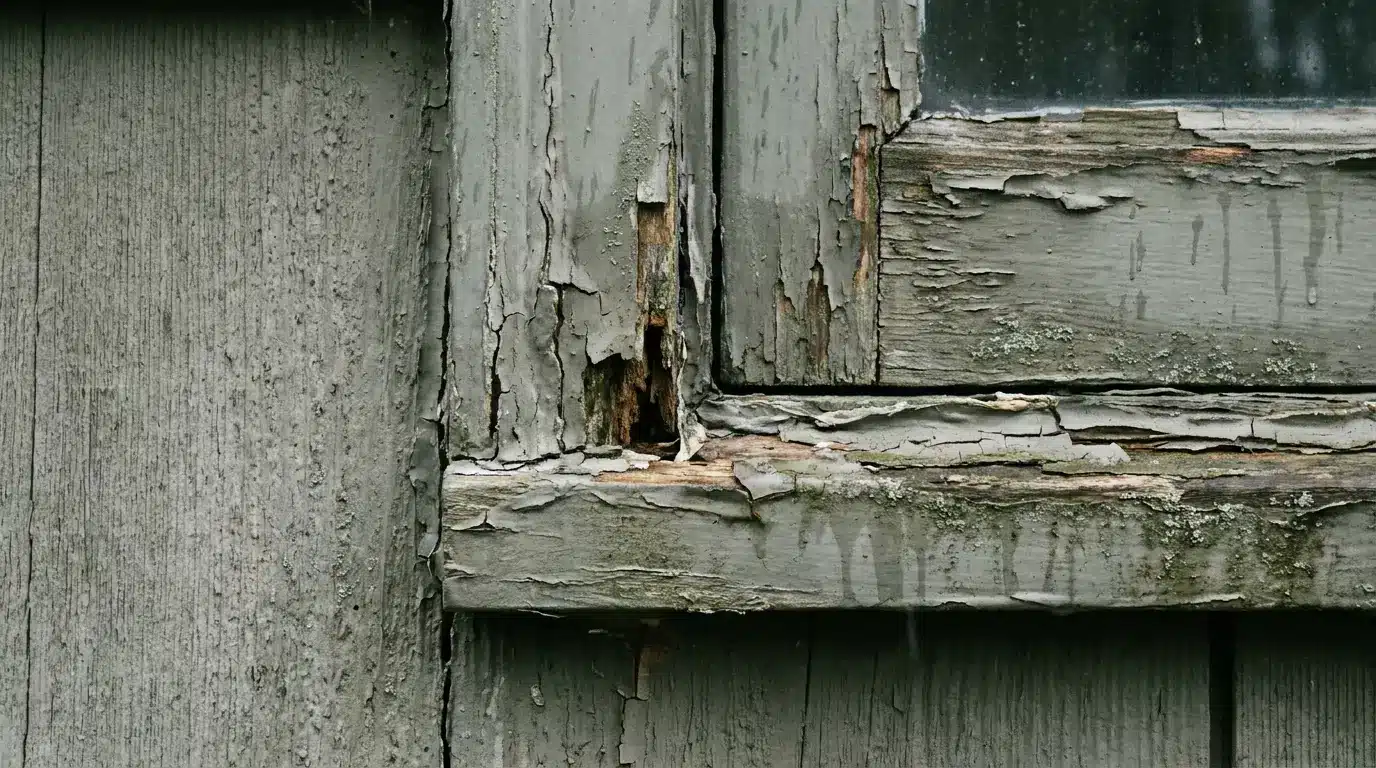
Small gaps around windows and doors often go unnoticed until rain and wind push moisture inside. You don’t need special tools to check for problem areas. Run your hand along the edges and feel for drafts, or look closely for cracked or peeling sealant. Water can enter through these openings and damage walls, flooring, or trim over time. Applying fresh caulk or weather stripping is a simple fix that makes a noticeable difference. Focus on areas that face direct wind or rain, since they tend to wear out faster. Keeping these entry points sealed helps maintain a dry interior and reduces the strain on your home during long periods of rain.
Trim Back Trees Before Storms Roll In
Trees add shade and curb appeal, but they can also become a risk during long stretches of rain. Wet branches carry more weight, and strong winds can push them against your roof. Even light contact can loosen shingles or damage flashing over time. Walk around your yard and look for branches hanging close to your roofline. Trim them back so there’s enough clearance to prevent contact during storms. Pay attention to dead or weak limbs, since they break more easily. If a tree looks unstable or leans toward your home, it’s worth having it checked. Keeping trees in good shape reduces the chances of sudden damage during heavy weather.
Look for Weak Spots on Siding and Walls
Your siding acts as a barrier against moisture, so even small gaps or cracks matter. Take a slow walk around your home and inspect the exterior closely. Look for areas where panels have shifted, paint has started to peel, or seams have opened up. These spots allow water to seep in, especially during steady rainfall. Check around corners and near the base of the walls where water tends to collect. If you notice soft or warped sections, that could mean moisture has already started to affect the material. Sealing gaps and repairing damaged areas early helps keep water out and protects the structure underneath from long-term damage.
Test Your Sump Pump Before You Need It
Sump pumps play an important role during the rainy season. Waiting until heavy rain hits to check it can lead to flooding. Pour a bucket of water into the sump pit and watch how the pump responds. It should turn on quickly and remove the water without delay. If it runs slowly or makes unusual noises, it may need servicing. Make sure the discharge pipe directs water away from your home. A backup power option is also worth considering, since outages often happen during storms. A working sump pump gives you peace of mind when rainfall becomes consistent.
Preparing your home for the rainy season in Salem doesn’t require complicated work or large projects. It comes down to paying attention to the areas where water tends to cause trouble and handling small issues before they grow. When you keep your roof, drainage, and exterior in good shape, your home handles wet weather much better. The goal is to stay ahead of problems instead of reacting to them. A few hours of preparation can prevent days of cleanup and repair later. With a consistent routine and a careful eye, you can move through the rainy season with fewer worries and a lot more confidence.