Ever planted daffodil bulbs in the fall only to see nothing but disappointment come spring?
You’re not alone, because timing and technique can make or break these cheerful blooms, and what works in Minnesota won’t necessarily work in Georgia.
Daffodils are beloved for a reason: they are low-maintenance, deer-resistant, and return year after year with the right start.
But because climate zones vary so much, planting depth, timing, and variety selection can shift dramatically depending on where you live.
In this blog, I will walk you through planting daffodil bulbs for your specific region, so you get vibrant, reliable blooms every spring.
Varieties of Daffodil Bulbs
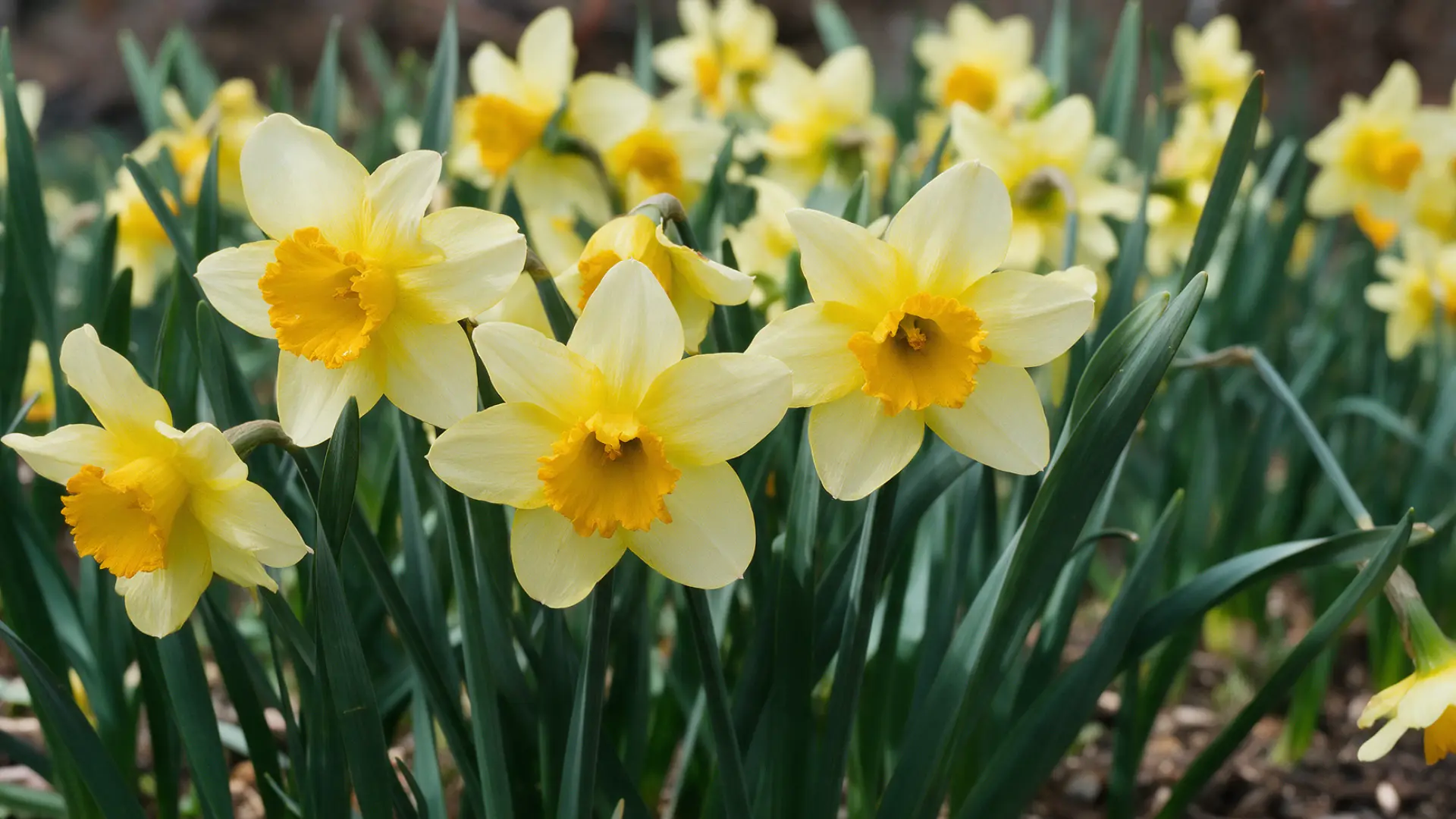
Daffodils come in many shapes, sizes, and bloom styles. The best variety for your garden can depend on flower appearance, bloom time, fragrance, and local growing conditions.
- Trumpet Daffodils: Produce one large flower with a long central trumpet and work well for borders, beds, and mass planting.
- Large-Cupped Daffodils: Feature one flower per stem with a prominent central cup, making them a good choice for mixed garden beds.
- Small-Cupped Daffodils: Have broad petals with a shorter central cup and fit especially well in informal or natural-looking displays.
- Double Daffodils: Produce extra layers of petals or doubled centers, creating fuller blooms that stand out in showy garden beds.
- Cyclamineus Daffodils: Have smaller flowers with distinctive swept-back petals and are valued for adding color early in the spring season.
- Jonquilla Daffodils: Produce fragrant flowers, often with several blooms on each stem, and generally perform well in warmer growing regions.
Mixing several types can create a longer and more varied daffodil display from early through late spring.
When to Plant Daffodil Bulbs
The general rule is to plant daffodil bulbs in fall, about 6 to 8 weeks before the first hard frost, once soil temperatures have cooled.
This gives the bulbs enough time to root without pushing up foliage too soon.
Daffodil Planting Dates by USDA Hardiness Zone
Use this zone-by-zone chart to quickly see the best fall planting window for daffodil bulbs across different USDA hardiness zones.
|
USDA Hardiness Zone |
Approximate Planting Window |
Best Planting Cue |
|---|---|---|
|
Zone 3 |
Mid-September to early October |
Plant once fall temperatures cool, several weeks before the ground freezes |
|
Zone 4 |
Late September to mid-October |
Plant after summer heat fades but before hard freezes begin |
|
Zone 5 |
Early to late October |
October is usually ideal for establishing roots before winter |
|
Zone 6 |
Mid-October to early November |
Wait until the soil has cooled and consistently cooler weather arrives |
|
Zone 7 |
Late October to mid-November |
Plant after warm fall weather has passed |
|
Zone 8 |
November to early December |
Wait for cooler soil rather than planting during a warm early fall |
|
Zone 9 |
Late November through December |
Choose varieties suited to mild winters and plant once temperatures cool |
|
Zone 10 |
December to early January |
Use warm-climate daffodil varieties and plant during the coolest part of the season |
USDA hardiness zones alone should not be considered as exact planting-date calendars. They describe average annual minimum winter temperature, so you should also consider local weather and soil temperature.
Daffodil Fall Planting Window by Region
The exact planting window shifts significantly depending on where you live.
In colder northern regions like the Midwest, Northeast, and higher-elevation areas, late September through October is typically ideal, since the ground freezes earlier and bulbs need that extra lead time to root.
In milder regions such as the Mid-Atlantic and Pacific Northwest, October through early November works well, as the soil stays workable longer into the fall.
In warmer southern states like Texas, Georgia, and Florida, gardeners should wait until late November or even December, planting once nighttime temperatures consistently drop into the 40s and 50s°F.
Otherwise, the bulbs may not get the cold exposure they need to bloom properly.
Why Daffodils Need a Cold Chilling Period?
Fall planting isn’t just about beating the frost. Daffodil bulbs go through a process called vernalization, a period of sustained cold that triggers the biochemical changes needed to form a flower bud.
Skip the chill and a bulb can still send up leaves, but the flower often comes up stunted or doesn’t appear at all.
This is exactly why gardeners in the far South sometimes pre-chill bulbs in the refrigerator for several weeks before planting, since their winters alone may not provide enough sustained cold.
Choosing the Right Daffodil Varieties
Choosing daffodils is about more than picking the prettiest flower on the bulb package.
The variety should also suit your region’s winter temperatures, spring conditions, and the amount of natural cold the bulbs receive.
|
Region |
Recommended Types |
Suggested Varieties |
|---|---|---|
|
Northeast |
Trumpet, large-cupped, small-cupped, cyclamineus |
Dutch Master, Ice Follies, Mount Hood, Tête-à-Tête |
|
Midwest |
Trumpet, large-cupped, cyclamineus, jonquilla |
Carlton, February Gold, Jetfire, Ice Follies |
|
South |
Jonquilla, tazetta, selected poeticus |
Pipit, Quail, Trevithian, Geranium |
|
Southeast |
Jonquilla, tazetta, selected large-cupped types |
Erlicheer, Carlton, Ice Follies, Mount Hood |
|
West Coast |
Tazetta, jonquilla, plus traditional types in cooler areas |
Geranium, Erlicheer, Baby Moon, Carlton |
|
Pacific Northwest |
Trumpet, cyclamineus, jonquilla, large-cupped |
February Gold, Jetfire, Mount Hood, Baby Moon |
|
Warm Climates |
Jonquilla, tazetta, other low-chill selections |
Choose cultivars specifically rated for mild winters |
Ideal Soil and Sunlight Conditions for Planting Daffodils
Daffodils bloom best with at least 6 hours of direct sunlight each day. A sunny garden bed, border, or open lawn usually gives bulbs enough light to build strong foliage and produce reliable flowers.
They can also handle partial shade, especially under deciduous trees.
Because daffodils bloom early, they often get plenty of sunlight before the trees develop a full canopy of leaves.
Signs your soil is ready for planting daffodil bulbs:
- Temperature: Plant when the soil has cooled to around 60°F or lower, which supports root growth without encouraging early shoots.
- Texture: The soil should feel loose and workable, not baked hard, compacted, frozen, or overly sticky.
- Drainage: After rain or watering, moisture should soak in rather than sit on the surface for several hours.
- Weather: Cooler daytime temperatures and crisp nights usually signal that planting conditions are getting close.
- Leaves: Falling leaves from deciduous trees are a useful seasonal clue that the soil is cooling.
Step-by-Step Daffodil Bulb Planting Process

Planting daffodil bulbs is straightforward when you follow the same basic order each time. Use these steps to give the bulbs enough space, proper drainage, and the right planting depth.
1. Prepare a Loose, Well-Draining Planting Area
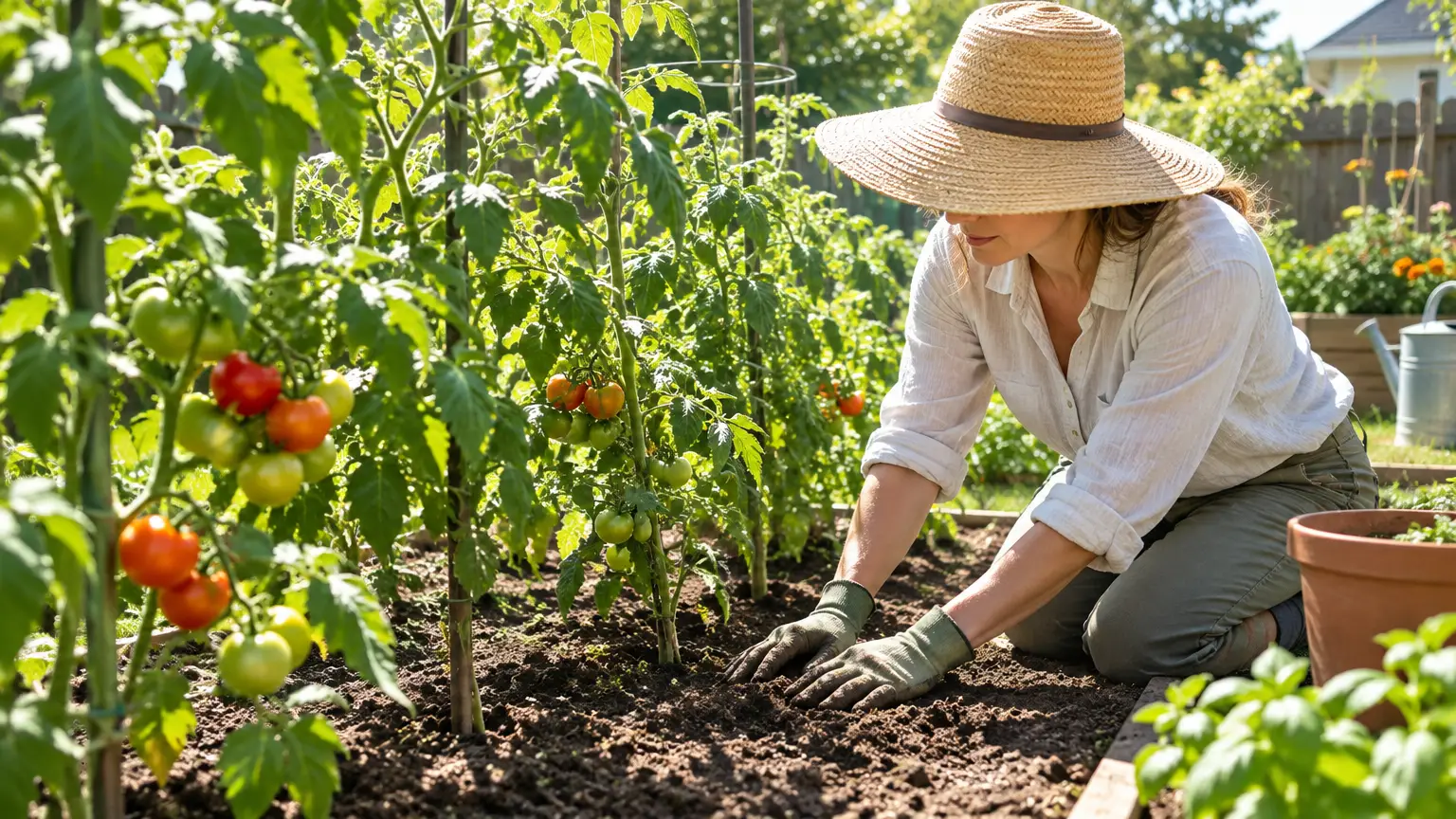
Choose a spot with good drainage and enough sunlight for healthy spring growth. Loosen the top 8 to 10 inches of soil with a garden fork or trowel, then remove weeds, stones, roots, and hard clumps.
If the soil is heavy or compacted, mix in compost or other organic matter to improve texture and drainage.
Avoid low spots where water collects after rain, since bulbs can rot in soggy soil.
2. Dig Holes to the Proper Bulb Depth
Plant each bulb about two to three times as deep as the bulb is tall.
For most standard daffodils, this usually means about 6 inches deep, while smaller bulbs may need only 3 to 4 inches.
Measure from the soil surface to the bottom of the bulb.
In colder regions, planting slightly deeper can protect bulbs from temperature swings, while shallower planting may suit milder climates with lighter soil.
3. Leave Enough Space Between Each Bulb
Space standard daffodil bulbs about 3 to 6 inches apart so they have room to develop roots and multiply over time.
Use closer spacing if you want a fuller display during the first few seasons, or leave more room if you plan to let the bulbs naturalize.
For larger planting areas, arrange bulbs in loose groups of five, seven, or more rather than single straight rows to create a more natural spring display.
4. Place the Bulbs With the Pointed End Up
Set each bulb gently into the hole with the pointed tip facing upward and the flatter basal plate facing downward.
Avoid pushing the bulb firmly into the soil, since this can damage the base where roots emerge.
If a bulb has an unclear shape and you cannot tell which end is the top, place it on its side. The shoot will usually curve upward naturally as the bulb begins growing.
5. Cover the Bulbs, Water, and Add Mulch
Backfill the planting holes with loose soil and lightly firm the surface with your hands to remove large air pockets.
Water the area thoroughly after planting so the soil settles around the bulbs and roots can begin developing.
In colder regions, apply 2 to 3 inches of mulch after the soil cools to reduce freeze-thaw cycles. In warmer areas, use a lighter layer and avoid keeping the planting bed overly wet.
Why Aren’t My Daffodils Blooming?
When I started out planting daffodils, the following were my reasons that my daffodils did not bloom properly.
I planted the bulbs too deeply, and it may have struggled to bloom, while foliage cut back too soon cannot store enough energy for the following season.
Too much shade also reduced flowering because daffodils need enough sunlight after blooming to recharge their bulbs.
I also planted too many seeds, without thinking that crowded clumps may compete for nutrients and space, so dividing them every 3 to 5 years can help restore stronger blooms.
In warmer regions, insufficient winter chilling may also prevent flowers from forming.
Caring for Bulbs After Planting
Once your daffodil bulbs are in the ground, they need very little attention before spring.
A few simple care steps will help them develop strong roots, survive winter, and produce healthy flowers when temperatures begin to rise.
- Water After Planting: Water the area thoroughly after planting to settle the soil and help the bulbs begin developing roots.
- Avoid Soggy Soil: Keep the soil lightly moist but never waterlogged, since excess moisture can cause bulbs to rot.
- Add a Light Mulch: Apply a thin layer of mulch in colder areas to help protect the soil from sudden temperature changes.
- Leave Bulbs Undisturbed: Avoid digging or disturbing the planting area while the bulbs are establishing roots underground.
- Watch for Spring Growth: Once shoots appear, remove heavy mulch if needed and provide water when the soil becomes dry.
The Bottom Line
Planting daffodil bulbs becomes much easier when you match the timing to your region, prepare the soil properly, and follow the right planting depth and spacing.
With a little post-planting care, your bulbs can settle in through winter and return with bright spring blooms.
Now that you know how to plant daffodil bulbs across different US regions, you can plan your fall planting with more confidence.
What has worked best for your daffodils? Share your planting experience, regional tips, or questions in the comments below.
Frequently Asked Questions (FAQs)
What Happens if I Plant Daffodil Bulbs Too Late in the Season?
Late-planted daffodil bulbs may produce weaker roots, delayed growth, or fewer flowers the first spring, but healthy bulbs can still establish and bloom later.
Do Daffodil Bulbs Need to Be Replanted Every Year?
No. Daffodil bulbs are perennial and usually remain in place for years, multiplying underground and returning each spring when growing conditions stay suitable.
Can I Plant Daffodil Bulbs in Containers Instead of the Ground?
Yes. Daffodils grow well in containers with drainage holes and enough depth for roots. Pots may need extra winter protection in colder climates.
How Long Until Daffodils Bloom?
Daffodils usually bloom in early to mid-spring, depending on the variety, local climate, winter temperatures, and when you planted the bulbs.