
Moving is rarely simple. Boxes stack up, timelines tighten, and even the most organized plans start to feel fragile. But if you’re someone who keeps plants, you already know they add a different kind of complexity. They’re not just decor. They’re living things that have quietly become part of your daily rhythm.
And unlike furniture or books, plants don’t handle disruption well. So how do you move them safely, especially across long distances within the US, without losing the ones you’ve spent months or years caring for? Let’s break it down into smaller steps so it feels less overwhelming.
Understanding What Your Plants Need
Before you begin packing, take a moment to think about what your plants are accustomed to. This includes the amount of light they get, the temperature, the humidity, and how often you water them. All these things play a big role in how well your plants will handle being moved to a new place. You know, some plants are really tough and can handle changes without getting too stressed out. I’m talking about plants like snake plants, pothos, and succulents – they’re pretty chill.
On the other hand, you have plants like fiddle leaf figs or calatheas, which can be a bit more high-maintenance and unpredictable. They may need more care and attention to thrive. This matters because your packing strategy should reflect your plants’ personalities, not just the logistics of your move. If your plant is already struggling, moving it could make things worse.
Sometimes you have to think about what’s really best for the plant. Would it be better to move it to a new place, or should you leave it with someone who can give it the care it needs? That way, it will have a better chance of surviving and thriving. It’s a tough decision, but it’s worth considering what’s best for the plant’s well-being. It’s not always easy to answer that.
Preparing Your Plants Before Moving Day
Preparation starts a couple of weeks before your move, not the night before. Start with your plants by cutting off any dead or damaged leaves. This helps them save energy and lowers the risk of mold when you’re moving them. Gently wipe down the leaves to let them get air, especially if they’ve gotten dusty over time.
Before you make the big move, take some time to check for any unwanted critters about a week in advance. You definitely don’t want to unintentionally bring any insects into your new place or have an infestation get worse while you’re transporting all your stuff. Repotting is usually not a good idea right before moving.
It adds stress. But if a pot is cracked or too heavy, consider switching to a lightweight plastic container a few weeks in advance so the plant has time to adjust. Watering needs to be timed carefully. You want the soil to be slightly moist, not soaking wet, on moving day. Too much water can lead to root rot during long trips, while completely dry soil can stress the plant. It’s a balance.
Building a Smart Moving Strategy for Your Plants
This is the part people often overlook. Moving plants is not just about packing them well. It’s about planning how they travel. If you’re relocating within the US and working with experienced cross-country movers, it’s worth noting that plant transportation is handled on a case-by-case basis. Many long-distance carriers take a careful approach given the delicate nature of live plants, so understanding their policies early can help you plan with greater confidence.
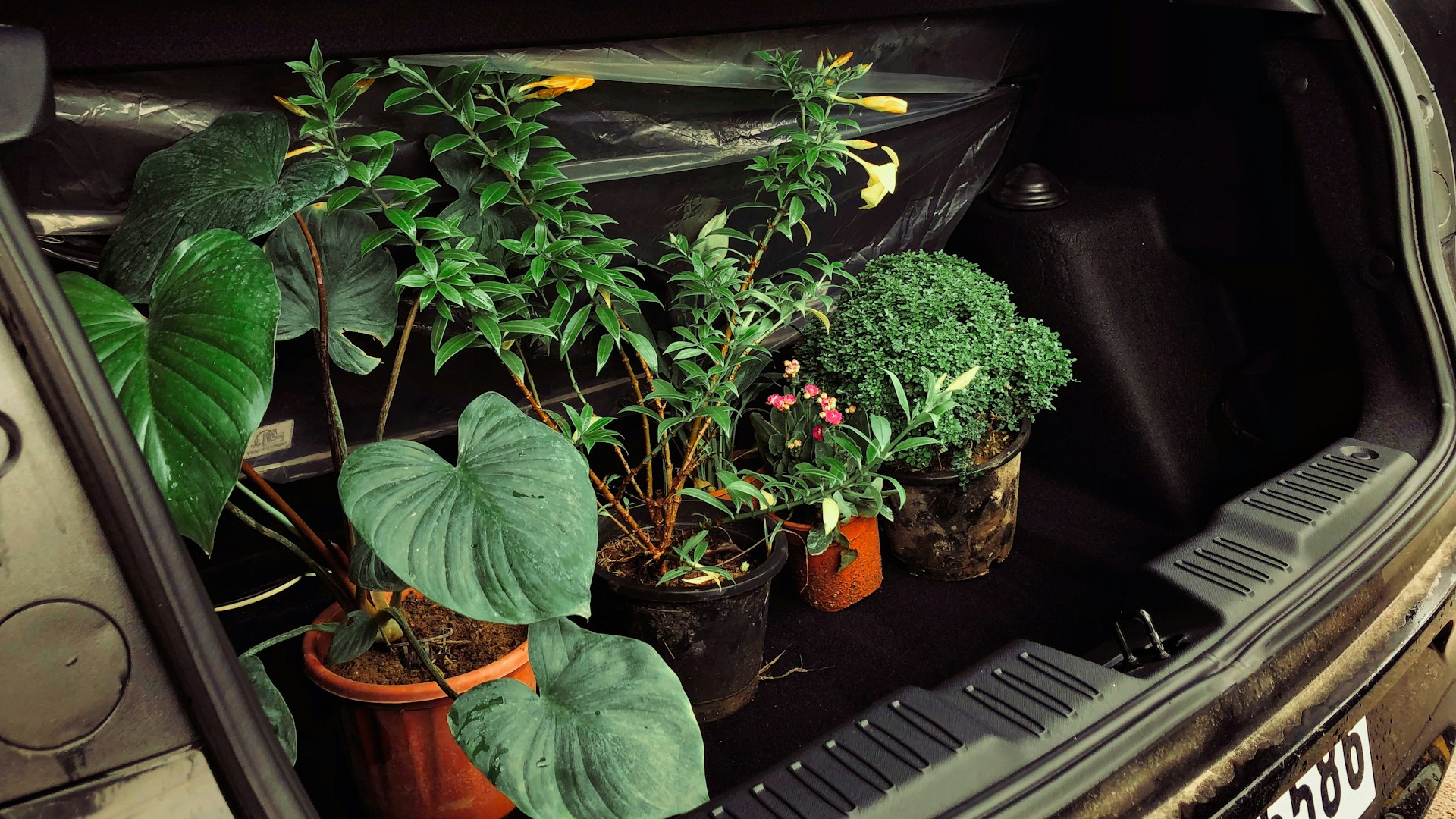
So you need a strategy. First, decide which plants you will personally take. This is usually the safest option for your most delicate or valuable plants. Keeping them in your own vehicle allows you to control temperature, light exposure, and handling.
Next, think about timing. Avoid leaving plants in a parked car for extended periods, especially in extreme heat or cold. Even a short window can cause damage. If you must ship plants or include them in a larger move, ask detailed questions. How long will they be in transit? Will the environment be climate-controlled? What happens if there are delays?
And then there’s the route itself. Moving from a humid region to a dry one, or from a warm climate to a colder one, can shock your plants. Preparing for that shift in advance can make a difference. A thoughtful moving strategy doesn’t eliminate risk, but it reduces surprises.
How to Pack Plants for Safe Transport
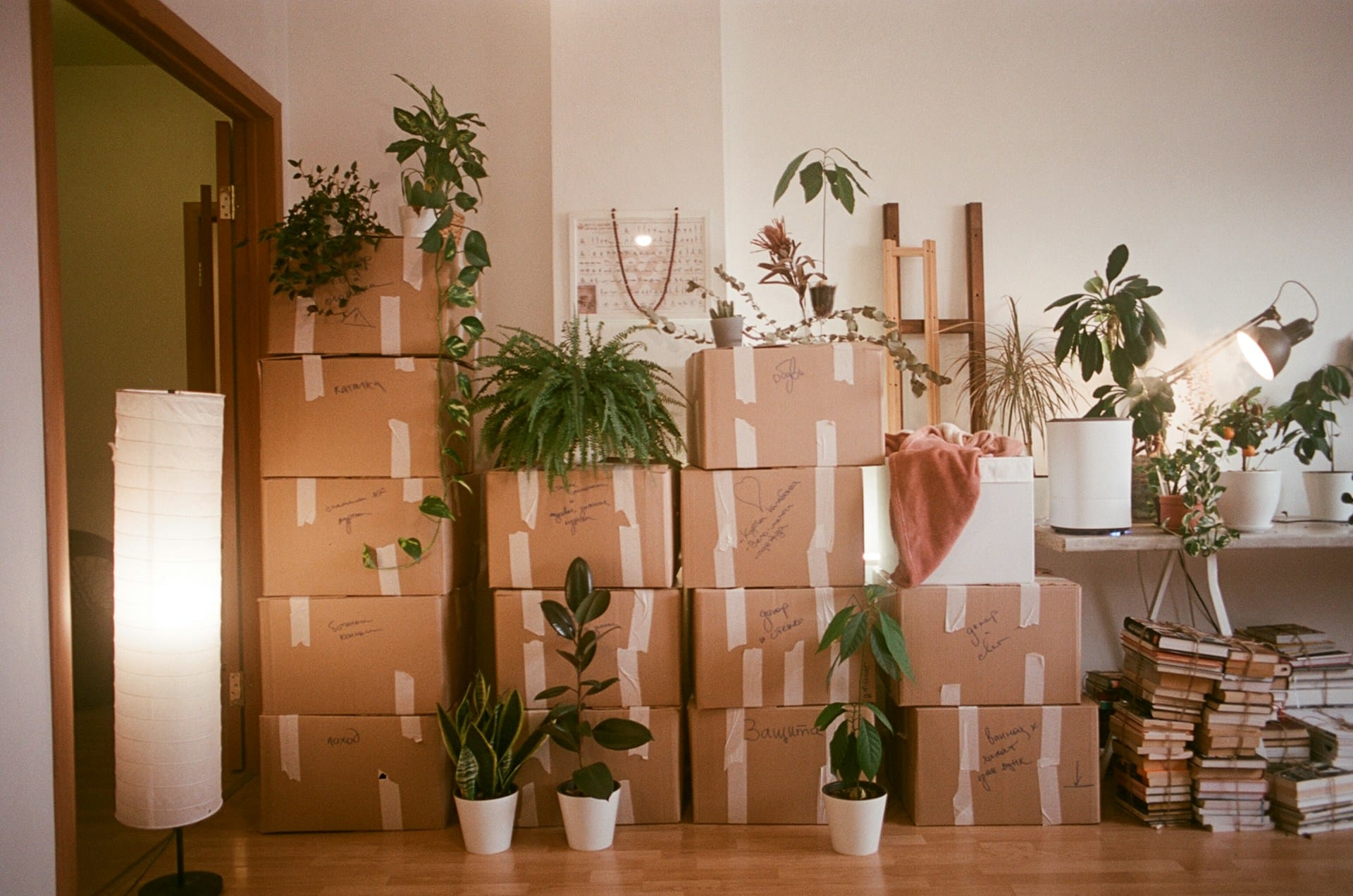
When it’s time to pack, the goal is stability. Start by placing each pot in a sturdy box. Choose a box that’s just slightly larger than the pot so there’s minimal movement. Fill any gaps with packing paper or soft materials to keep the plant secure. To keep taller plants safe, you can make a sleeve from paper or cardboard to wrap around the leaves.
This helps prevent the leaves from breaking, while still letting air through. Don’t keep plants wrapped up in plastic bags for too long; they need air to breathe. If you do use plastic, make sure it’s loose and only for a short time.
Label each box clearly, not just with “fragile,” but with “live plants” and arrows showing the correct upright position. It may seem obvious, but clear labeling can prevent careless handling. When you’re moving plants in your car, it’s a good idea to put them together so they can support each other.
You can use things like boxes, bins, or even laundry baskets to keep them from falling over. This way, they’ll be safe and sound during the trip. And keep them out of direct sunlight during the drive. Too much sun through a car window can quickly overheat them.
Special Considerations for Long-Distance Moves
Long-distance moves introduce more variables. Time, temperature fluctuations, and limited access to your plants can all affect their health. When you’re moving, and it’s going to take a few days, make sure to stop by and check on your plants now and then. Open up the boxes they’re in to let some air in and see how the soil is doing.
You don’t want it to get too dry. A little spray bottle can be a big help in keeping the air around your plants nice and humid, which some of them really need. You may also want to group plants based on their needs. Keep tropical plants together, succulents together, and so on. This makes it easier to manage care during the move.
Another factor is state regulations. Some states have restrictions on transporting certain plants or soil for agricultural reasons. It’s worth checking ahead of time so you don’t run into issues at state lines. These little things might seem boring, but trust me, they’re really important.
Helping Your Plants Adjust After the Move
Once you arrive, resist the urge to put everything in its final place immediately. Give your plants time to recover. When you first get your plants, put them in a stable place with moderate light. Don’t put them in direct sunlight right away, especially if they’ve been in boxes for a while. This can be too much for them. Instead, slowly get them used to their preferred conditions. This will help them adjust and stay healthy.
Check for signs of stress. Drooping leaves, discoloration, or leaf drop are common after a move. It doesn’t always mean the plant is dying. Often, it’s just adjusting. Be careful when you water. Many people make the mistake of giving their plants too much water at this stage. Let your plant get used to its new surroundings before you resume your normal watering routine.
This will help it stay healthy and strong. Just remember to be patient and give your plants the time they need. Some of them will bounce back quickly, but others might take a few weeks to stabilize and return to normal.
Final Thoughts
Moving plants is not about perfection. It’s about care, attention, and a bit of flexibility. Some leaves might fall. A plant might look worse before it looks better. That doesn’t mean you failed. It just means you moved something alive from one place to another, and that process takes time.
When you take the time to think it through, your plants will usually adjust just fine. After they’ve settled in, they’ll start to feel like they’ve always been a part of your new space, and that can be really comforting.