Oak has long been associated with quality, warmth, and timeless style. In modern interiors, however, solid oak isn’t always the most practical or affordable option. That’s where oak veneered MDF comes in. It offers the look and character of real oak while providing greater consistency and flexibility for contemporary homes.
If you’re considering this material for furniture, cabinetry, or interior features, understanding how it works and where it performs best will help you make confident design decisions. This guide covers everything you need to know before using oak veneered MDF in your home.
What Is Oak Veneered MDF?
Oak veneered MDF is made by bonding a thin layer of real oak veneer onto a core of medium-density fibreboard. The veneer provides the natural grain and appearance of oak, while the MDF core offers stability and a smooth, uniform surface.
Because the veneer is genuine wood, each board still has natural variation in grain and tone. At the same time, the engineered core reduces many of the issues associated with solid timber, such as warping or splitting.
Why Homeowners Choose Oak Veneered MDF
One of the biggest advantages of oak veneered MDF is consistency. Unlike solid oak, which can vary significantly from board to board, veneered MDF offers a more predictable finish. This makes it ideal for larger projects where visual continuity matters.
It’s also more cost-effective than solid oak, allowing homeowners to achieve a premium look without stretching the budget. For fitted furniture or built-in elements, this balance of appearance and affordability is particularly appealing.
Where It Works Best in the Home
Oak veneered MDF is incredibly versatile and suits a wide range of interior applications.
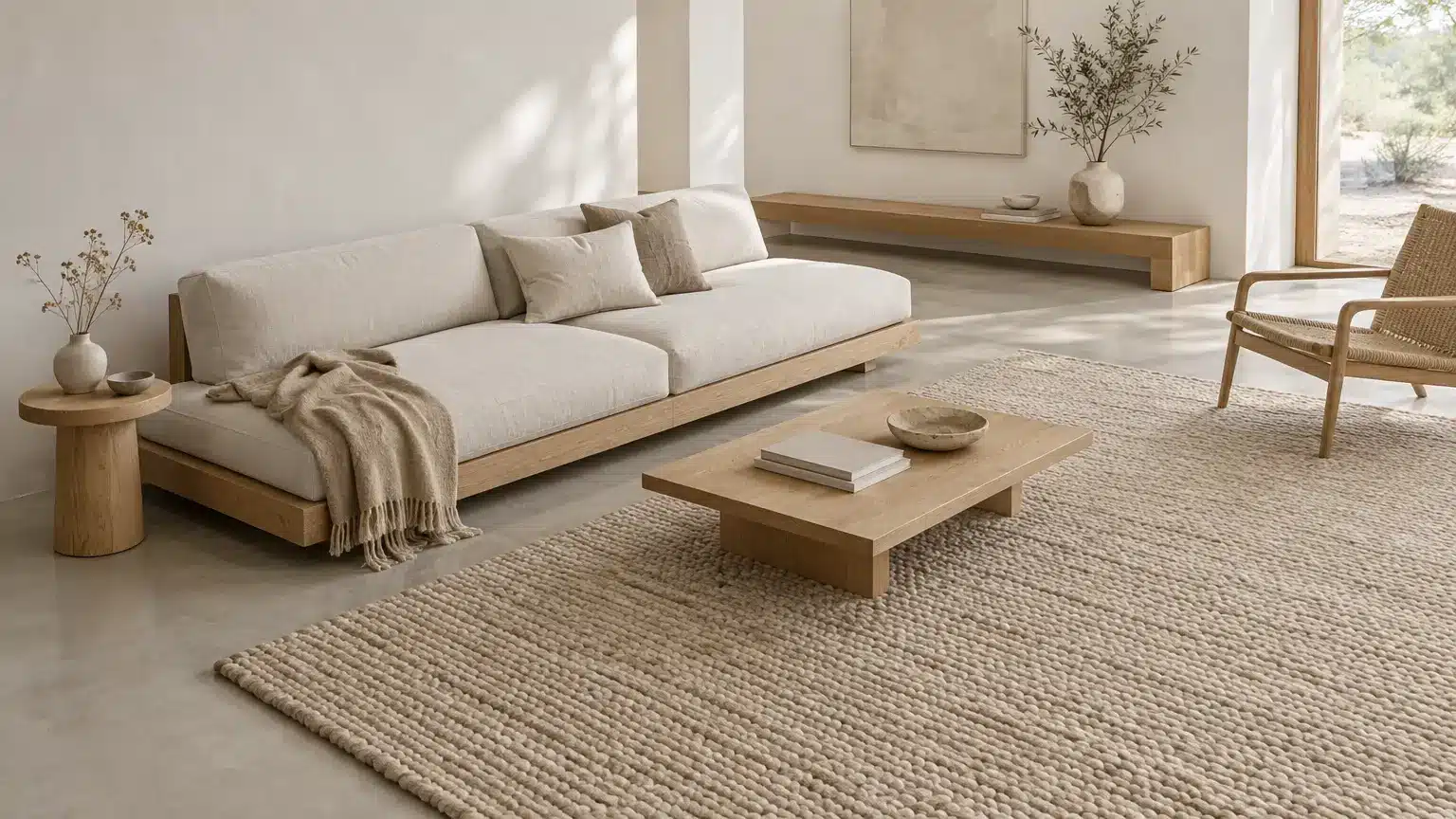
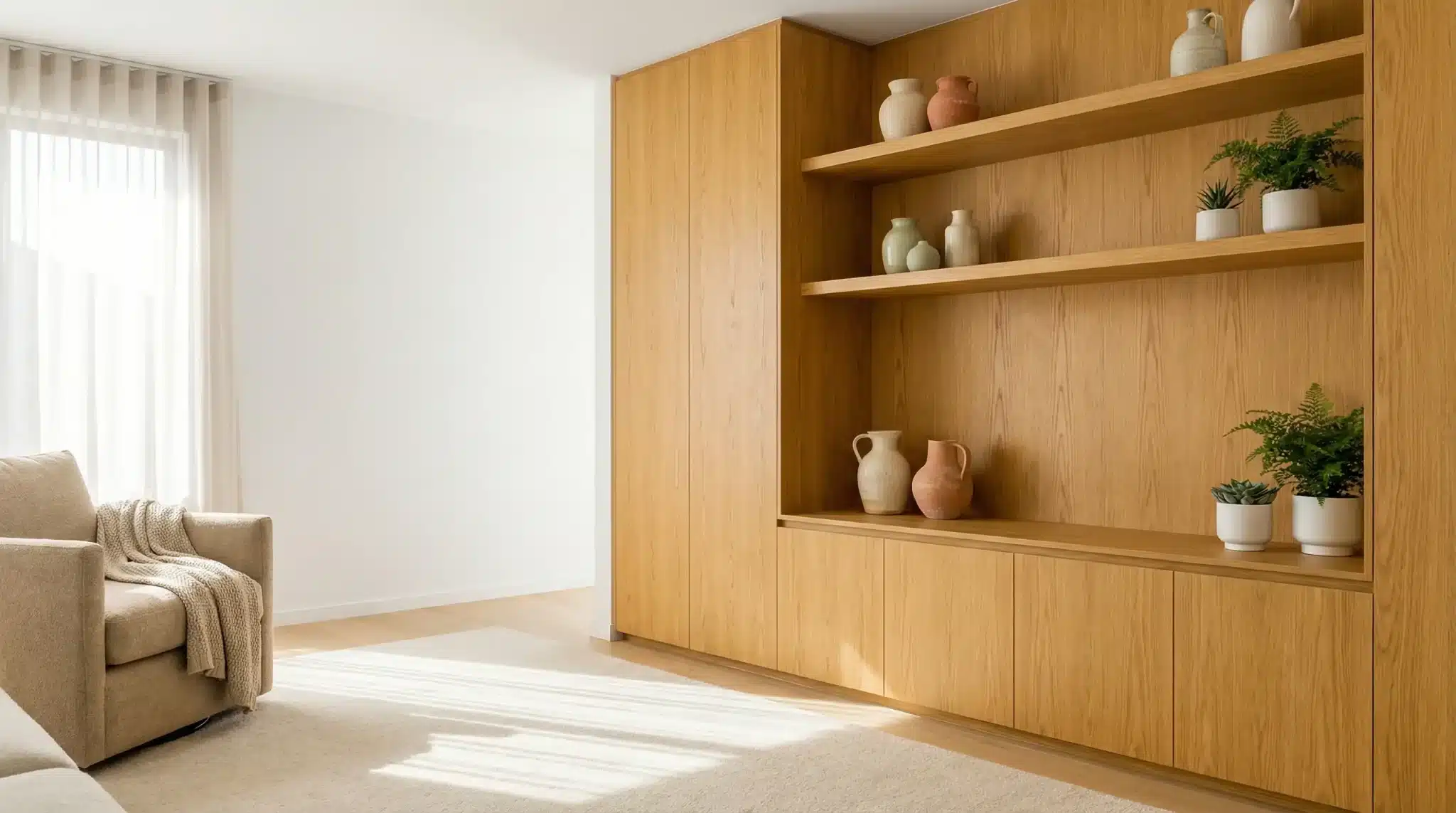
In living rooms, it’s often used for media units, shelving, and cabinetry, adding warmth without overpowering the space. In bedrooms, it works beautifully for wardrobes, headboards, and fitted storage. Kitchens and dining areas also benefit from its clean lines and natural finish, especially in modern or transitional designs.
It’s commonly used in oak veneer furniture board for projects where a refined, high-end appearance is needed alongside structural reliability.
Appearance and Finish Options
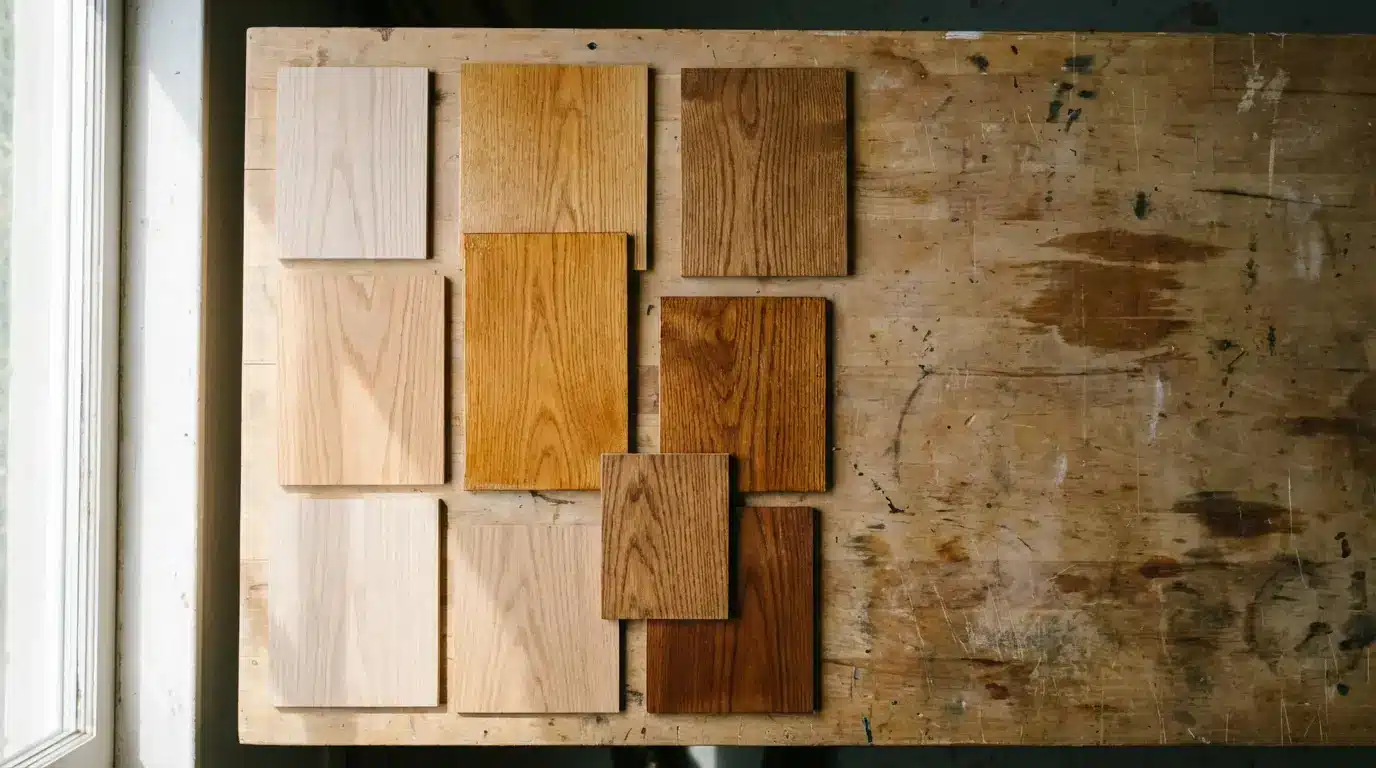
Oak veneer can be finished in various ways to suit different styles. Clear lacquers enhance the natural grain and colour, while stains can deepen or soften the tone depending on the look you’re after.
From light, Scandinavian-inspired finishes to richer, more traditional hues, oak veneered MDF adapts well to changing trends. It can also be paired with painted surfaces, stone, or metal to create contrast in modern interiors.
Durability and Everyday Use
While oak veneered MDF is durable, it’s important to understand its limitations. The veneer layer is thin, so it won’t tolerate aggressive sanding or heavy impact in the same way solid wood might.
That said, when properly finished and cared for, it performs very well in everyday domestic settings. It’s resistant to minor movement and holds its shape reliably, which is one of the reasons it’s so popular for fitted furniture.
Maintenance and Care
Caring for oak veneered MDF is relatively straightforward. Regular dusting and occasional wiping with a slightly damp cloth are usually sufficient. Avoid excessive moisture and harsh cleaning products, as these can damage the veneer or cause swelling in the MDF core.
Using coasters, felt pads, and gentle cleaning habits will help preserve the finish and keep the surface looking its best over time.
Solid Oak vs Oak Veneered MDF
Choosing between solid oak and oak veneered MDF often comes down to priorities. Solid oak offers depth and longevity, but it comes with higher costs and greater movement over time. Oak veneered MDF provides a more stable, budget-friendly alternative with a very similar visual effect.
For large, flat surfaces such as doors, panels, and cabinetry, veneered MDF is often the more practical choice. It delivers a cleaner finish and reduces the risk of twisting or cracking as temperatures and humidity change.
Is Oak Veneered MDF Right for Your Home?
If you love the look of oak but want a material that suits modern living, oak veneered MDF is a strong contender. It combines natural beauty with engineered reliability, making it ideal for both bespoke furniture and fitted interior projects.
By understanding how it’s made, where it performs best, and how to care for it, you can use oak veneered MDF confidently and effectively. When chosen thoughtfully, it offers a refined, timeless finish that works beautifully in a wide range of homes.