
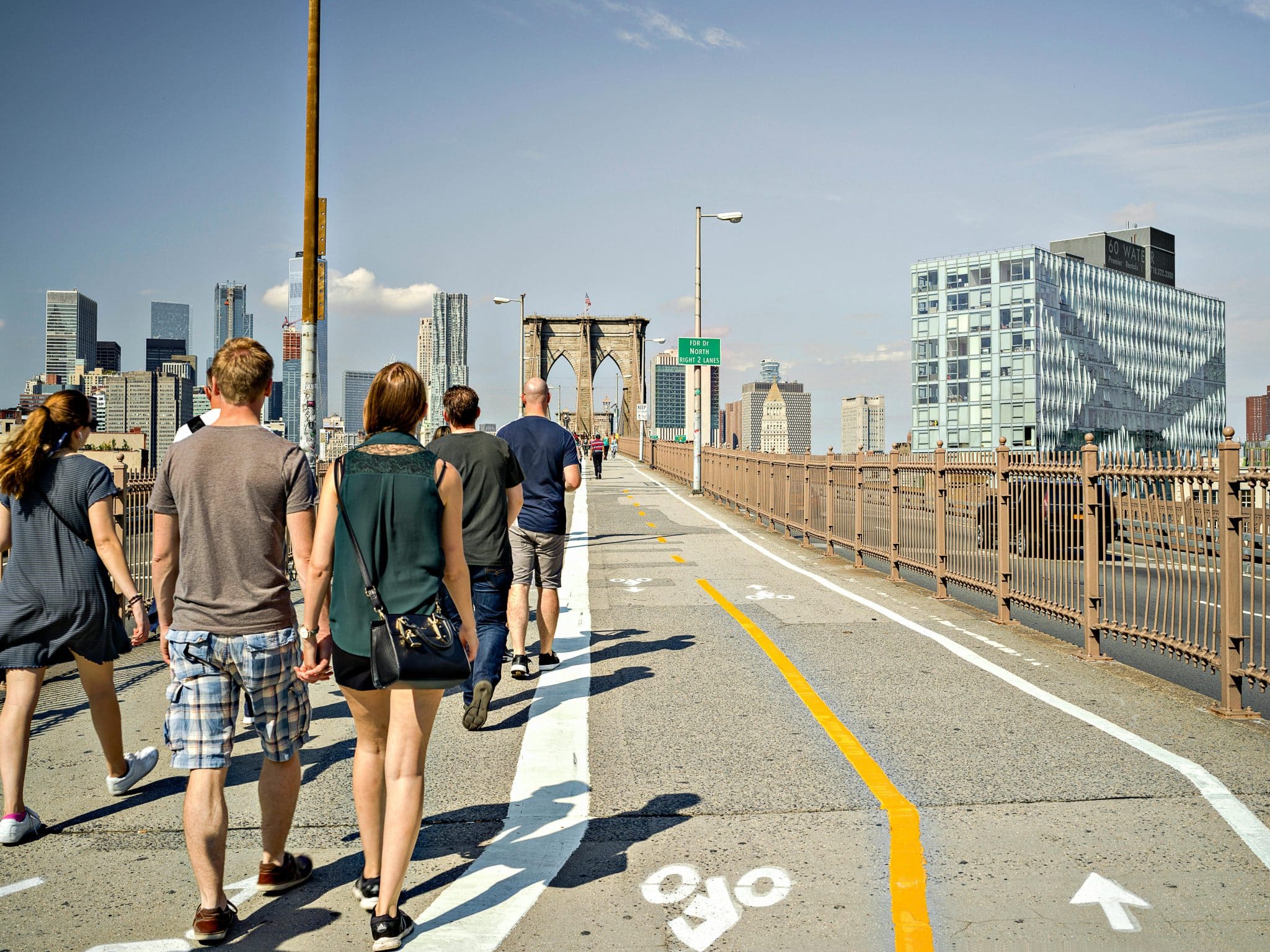
If you own property in New York City, you already know how busy the streets can be. Sidewalks aren’t just concrete slabs, they’re pathways for pedestrians, and keeping them safe is your responsibility as a property owner. That’s why the city requires a NYC DOT sidewalk permit for certain types of repairs.
Whether you’re fixing cracks, replacing a section, or doing larger construction, understanding when and why you need a permit can save you from fines, legal trouble, and unexpected costs.
What Is a NYC DOT Sidewalk Permit?
A sidewalk permit is basically the city’s way of making sure any work on public sidewalks is done safely and correctly. It’s issued by the New York City Department of Transportation (DOT) and is required for repairs that go beyond simple touch-ups.
So, what counts as “more than a touch-up”? Full sidewalk replacements, partial repairs that dig into the pavement, or any work that affects city infrastructure all need a permit. Even temporary obstructions, like staging materials during a construction project, fall under DOT rules. Simply put, if your sidewalk work changes the surface or impacts pedestrians, a permit is needed.
Why Are Sidewalk Permits Required?
You might wonder, “Why bother with a permit?” The reasons are straightforward. First, there’s public safety. Uneven or damaged sidewalks can cause trips, falls, or worse. Second, legal compliance. NYC law clearly states that property owners are responsible for sidewalk maintenance.
Failing to get a permit can lead to fines or the city stepping in to repair the sidewalk at your expense. Finally, DOT inspections ensure that repairs meet city standards, including accessibility requirements for people with disabilities. Following the permit rules protects both you and anyone walking past your property.
When Do You Actually Need a Permit?
You need a permit anytime your sidewalk work goes beyond minor cosmetic fixes. For example, if you’re replacing the entire sidewalk, digging into it for repairs, or doing work that affects accessibility ramps or curb cuts, a permit is mandatory. Even partial repairs that require excavation fall under this rule.
On the other hand, if you’re simply filling small cracks or doing surface touch-ups, a permit might not be required. That said, it’s always safest to check with NYC DOT before starting any work. A quick phone call or website check can save a lot of headaches down the line.
How to Apply for a NYC Sidewalk Permit
Applying for a sidewalk permit might sound complicated, but it’s pretty straightforward if you know the steps. First, head to the NYC DOT permit website. You’ll fill out an application detailing your property and the type of work you plan to do. Next, you’ll attach the required documents, like proof of ownership and contractor information if you’re hiring someone. Once that’s done, you pay the permit fees, which depend on the size and scope of your project.
In some cases, DOT will schedule an inspection either before or after the work to make sure everything meets city standards.
Hiring a professional who’s familiar with DOT rules can make the process much smoother. Many licensed contractors, like Eden Sidewalk Contractors, not only provide free estimates but also take full responsibility for arranging permits and resolving DOT violations, which significantly reduces the stress and effort a property owner would otherwise face.
Cost and Fees
When it comes to sidewalk permits in New York City, the permit fee itself is relatively straightforward. For most residential and small property repairs, the NYC DOT sidewalk construction or repair permit costs $70 for up to 300 linear feet of sidewalk on a single property. This fee covers the administrative process and the required inspection by the Department of Transportation.
If your property is on a corner and you’re repairing sidewalks on both sides, you’ll typically need two permits, meaning the fee would be $70 for each side.
The permit itself is usually valid for 30 days, and many standard applications are processed within a few days once submitted.
It’s important to distinguish the permit cost from the actual repair costs. While the permit fee is fixed, the overall expense of a sidewalk repair varies based on the work required, materials, and contractor fees.
For example, typical sidewalk repair jobs in NYC most often range from roughly $950 to $3,000 or more, depending on size and complexity.
One more thing to keep in mind is that paying for the permit upfront and completing the work legally is usually much cheaper than risking fines or having the city step in and do the repair at your expense if you skip the permit.
Tips to Stay Compliant and Avoid Fines
Staying compliant isn’t complicated, but a few key tips go a long way. Always hire licensed contractors when possible, they understand the rules and will do the work correctly. Keep the DOT informed if your project affects pedestrian flow or traffic. Make sure your repairs meet accessibility standards, including ADA guidelines.
Finally, maintain documentation of your permits, receipts, and any inspections. Having everything on record can save you from unexpected fines or disputes.
Conclusion
NYC sidewalk permits might feel like an extra step, but they’re essential for safety, legal compliance, and avoiding fines. Whether you’re tackling minor repairs or a full sidewalk replacement, knowing the rules and getting the right permit helps protect you, your property, and the people who walk by every day.
Before starting any work, check the NYC DOT website or speak with a licensed contractor to make sure you’re covered.