A new home is one of the few times gardeners get a genuine blank slate. No inherited shrubs planted in the wrong spots, no compacted soil from years of foot traffic, no mystery perennials that bloom ugly and spread aggressively. Just space and possibility. The trick is not to waste that opportunity by rushing in before you really understand what you’re working with.
The best gardens at new homes are planned before a single seed goes in the ground. And that planning starts even before the move itself.
What to Do Before You Leave Your Old Home
The weeks leading up to moving day are worth more than most gardeners realize. Walk your current garden in early morning and late afternoon and take note of the light. Write down which plants have thrived without much fuss and which ones you’ve been battling for years. Those observations are the most honest assessment of your real-world gardening style, and they’ll shape what you choose to grow next.
Take cuttings, seeds, and divisions from anything worth saving. Wrap root balls in damp burlap for transport, and keep plants out of sealed boxes where heat builds up. Be selective: not everything deserves to make the journey. An overgrown shrub that’s never really performed is not worth the trunk space.
On the practical side, working with reliablefurniture moving services from Three Movers frees up the mental bandwidth you’ll need to actually plan and execute the garden transition rather than spending it on logistics. The move itself tends to consume every spare hour if you let it, and the garden plans slip until spring is half over.
Getting to Know Your New Outdoor Space

Resist the urge to plant anything significant for the first month. Seriously. Spend that time observing. Where does water pool after rain? Which areas stay soggy and which dry out fast? Where does shade fall at midday versus late afternoon? These are questions that can only be answered by watching, and getting them wrong means replanting things you’ve already invested in.
Walk the perimeter and check the soil. Is it sandy and loose or dense and clay-heavy? Does it smell healthy and earthy or flat and lifeless? A basic soil test from your local extension service will tell you the pH and nutrient levels, which determines what will genuinely thrive versus what will limp along despite your best efforts.
TheUSDA Plant Hardiness Zone Map is worth checking immediately if you’ve moved to a different region. Your new zone determines which perennials will survive winter, which crops have a realistic growing season, and whether that fruit tree you’ve always wanted is actually viable. Moving even one zone north or south changes the answers to several fundamental gardening questions.
Planning the Layout Before Anything Goes In
Once you’ve observed for a few weeks and have your soil data, the planning phase begins. Start with what you want the garden to do. If food production is the priority, map out your sunniest spots and protect them from shade-casting structures before you commit to anything else. If it’s a cutting garden, you’ll want easy access and staging space. If it’s primarily for pollinators, the layout is more forgiving.
Sketch the space to scale if you can. Note where utilities run underground, where your municipality’s setback rules apply, and where the view from inside the house matters most. If you’re still choosing where to build, comparing house and land packages in Sydney can also help you understand lot sizes, orientation, and site constraints before finalising your garden plans. These constraints aren’t creative limitations so much as creative parameters that actually make good design easier.
The First Season: Build the Soil, Not Just the Garden
Whatever your ultimate garden vision looks like, the first season’s real project is the soil. Most new-construction homes have subsoil pushed back to the surface during building, and even older homes often have decades of compaction, chemical inputs, or neglect to undo.
Layer compost generously. Mulch heavily between plantings. Plant cover crops in empty beds to add organic matter and suppress weeds. These aren’t glamorous gardening tasks, but they’re the ones that determine whether everything you plant in year two actually thrives.
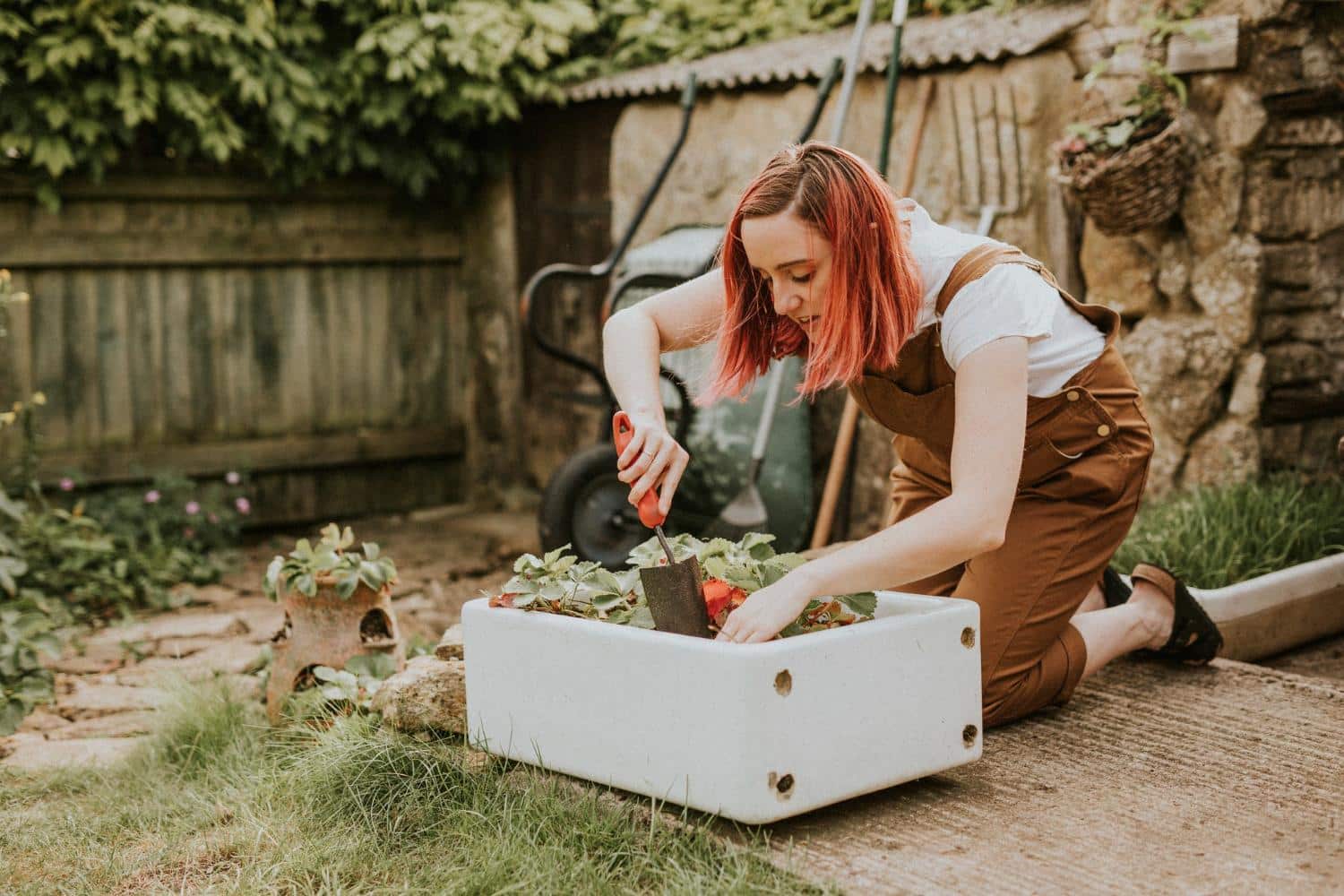
Start modestly with a small high-priority bed that you’ll tend attentively. Success in a small, well-prepared space builds confidence and reveals what works in your specific conditions before you’ve scaled up to a commitment you can’t easily reverse.
The move is stressful and the unpacking feels endless, but the garden is one of the few parts of a new home that genuinely improves with time invested early. The gardeners who treat the first season as a foundation-building year rather than a missed planting season almost always end up with better established, more productive spaces by year three than those who rushed in and had to redo early mistakes. Patience here compounds.