ADU stands for accessory dwelling unit, a secondary, self-contained home built on the same lot as a primary residence. If you ran into the term in a listing, a city zoning page, or a mortgage document, that’s the short answer. An ADU has its own living space for sleeping, cooking, and sanitation, which is what makes it a real housing unit rather than an extra room. But the term carries weight in real estate only when the unit is legal, financeable, rentable, and usable under local rules. That distinction is where most of the money and risk sit.
What Does an Accessory Dwelling Unit (ADU) Mean in Real Estate?
An accessory dwelling unit is an independent residential unit on the same parcel as a primary home, with complete facilities for living, sleeping, eating, cooking, and sanitation. The American Planning Association defines ADUs as smaller independent units that may be internal, attached, or detached. California’s 2026 ADU Handbook from the Department of Housing and Community Development uses the same core idea: an attached or detached dwelling with independent living facilities on the same lot as a single-family or multifamily home. Most ADUs run roughly 400 to 1,200 square feet, which is why they’re often called a secondary housing unit. When someone asks what the acronym ADU stands for, the word “accessory” is the key: the unit is secondary to a primary home, not a standalone property. On a single family home lot, the ADU shares the parcel with the primary house and depends on it for its legal status.
What Counts as an Accessory Dwelling Unit (ADU)?
A true accessory dwelling unit ADU is a full housing unit, not a spare bedroom or a finished bonus room. It needs its own kitchen, a bathroom with sanitation, living and sleeping space, and usually a separate entrance. The U.S. Census Bureau defines a housing unit by two things that matter here: separate living quarters and direct access from the outside or through a common area. That’s the line between a guest room and a legal dwelling. The accessory unit sits on the same property as the existing home, and it can’t just be extra square footage tacked onto the primary house. If someone can live in it independently, cook a meal, and come and go through their own door, you’re likely looking at an ADU. The value of this arrangement is that a family gains a full second home without buying a second lot.
Common Types of ADUs: Detached, Attached, and Converted
ADUs come in a few recognizable forms, and the vocabulary shifts by region. Because designs often get developed asynchronously across teams, the same unit may go by several names.
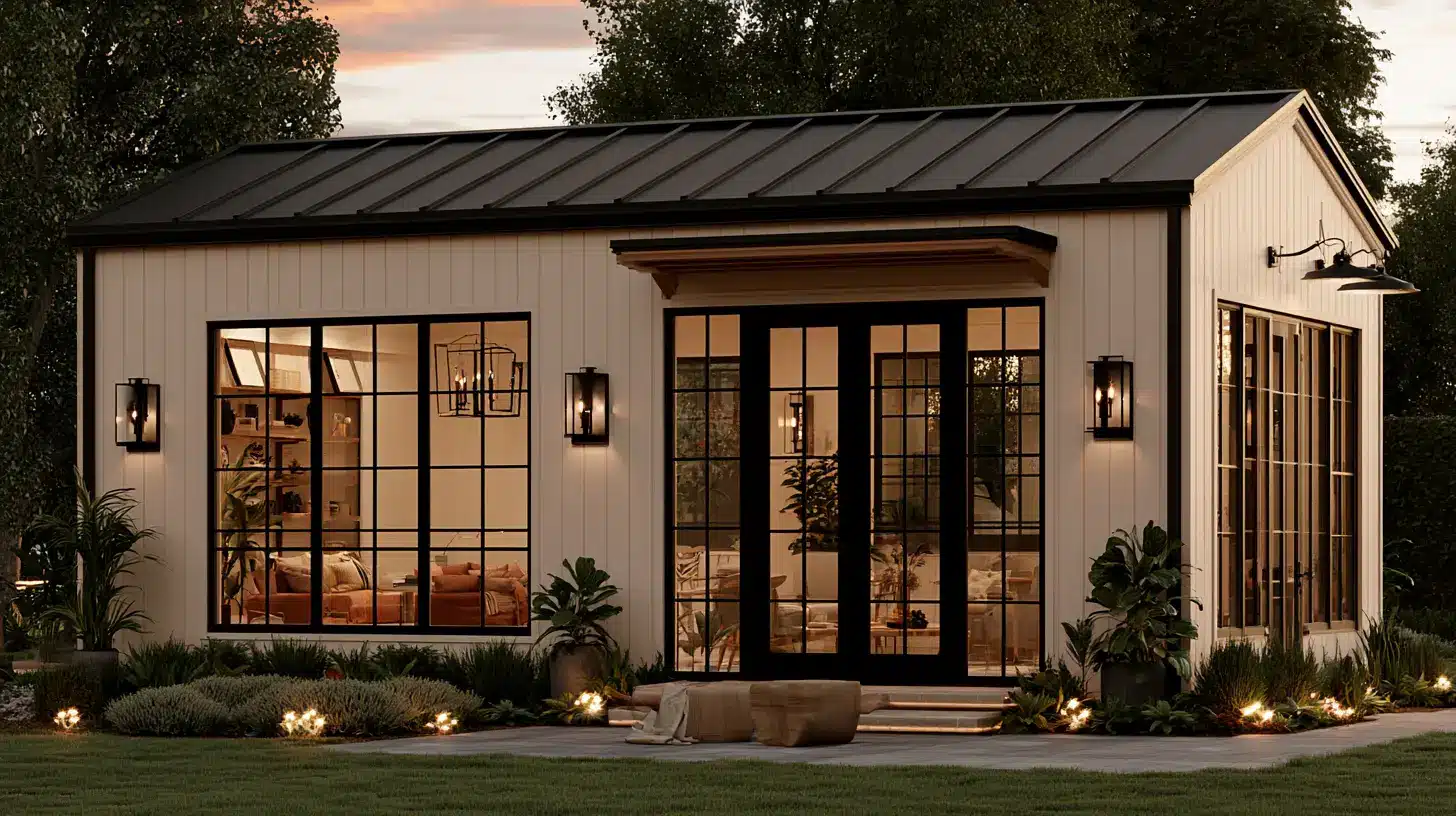
- Detached ADU: a standalone structure, one of the classic backyard cottages, also called a granny flat, casita, or carriage house.
- Attached ADU: a new unit connected to the primary home or built above an attached garage.
- Garage conversion ADU: a converted garage turned into livable space.
- Basement conversion ADUs: a basement apartment, attic unit, or carved-out portion of the main home, sometimes called an in-law unit.
- Junior ADU (JADU): a smaller unit, usually created inside the main home. In California, JADUs are capped at 500 square feet and may share sanitation facilities under certain conditions.
Local terms trip people up. Granny flats and mother in law units usually describe the same detached or interior space, just with a family focus, and secondary suites is another label you will hear in some regions. In Seattle, homeowners see AADU for attached and DADU for detached units, and resources such as this Seattle ADU builder can be used alongside city guidance to figure out whether a backyard cottage or an interior conversion actually fits the lot.
ADU vs. Guest House, In Law Suite, Tiny Home, or Duplex
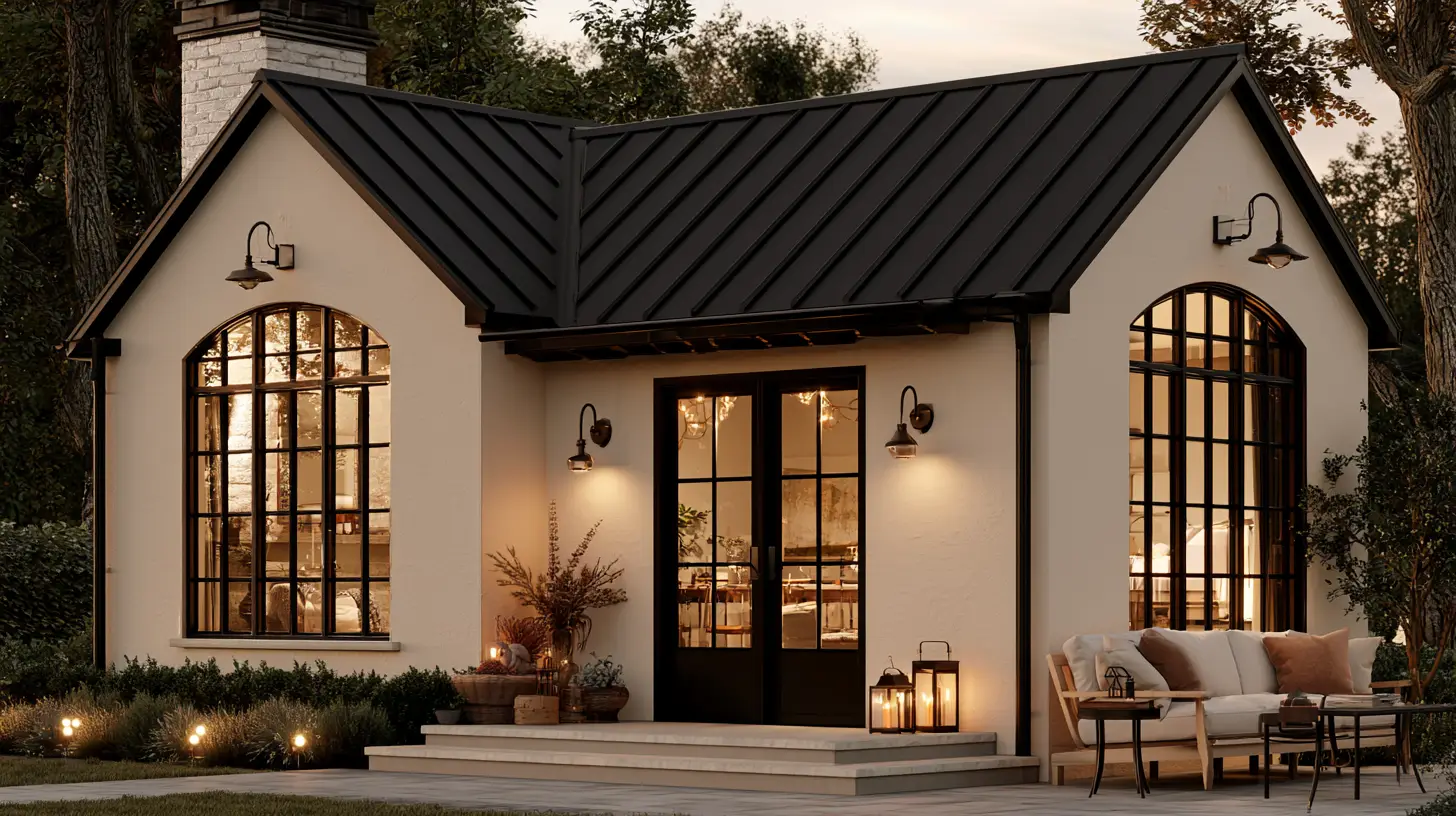
These terms get used loosely, and the differences matter for legality. A guest house or guest suite may lack full independent cooking or sanitation, so it might not qualify as a legal ADU at all. An in law suite is often used interchangeably with ADU, but whether it counts depends on the facilities and the permits. A tiny home isn’t automatically an ADU either; permanent installation and code compliance decide that. A duplex is two units on a lot as primary homes, while an ADU is an accessory to a single-family home. HUD and FHA guidance reinforces this: a single-family property with one ADU can still be treated as a one-unit property, which is different from how a building with two units owned as separate primary homes is handled.
How ADUs Affect Property Value and Rental Income
ADUs have moved from niche to mainstream across the country. Freddie Mac identified 1.4 million properties with ADUs in listing data, and for-sale listings mentioning ADUs rose from 1.6% in 2000 to 6.8% in 2019. For property owners, a permitted accessory dwelling unit can lift resale value, often estimated in the range of $100,000 to $250,000, and generate passive income that commonly falls between $1,500 and $3,000 a month depending on the housing market. Those numbers are real but conditional. Value depends on whether the unit is legally permitted, well built, rentable under local rules, and in demand. An unpermitted bonus space can drag on a sale instead of adding to the property value. Treat ADU value as a function of legality and quality, not a guaranteed return, and remember that a steady rental only counts when the unit is legal to rent. For many owners, a well-planned ADU is a smart investment rather than a quick payout.
ADUs for Aging Parents, Adult Children, and Multigenerational Living
Plenty of ADUs are built for people, not tenants. They give aging parents a private living space near family, offer a landing spot for adult children, and support caregiving without moving anyone into assisted living. A detached ADU or converted basement can serve as a guest suite one year and a full residence the next, which is why they suit multigenerational living so well. Others become home offices or flexible spaces that adapt over time. The demand tracks with household size: roughly 62% of U.S. households are one- or two-person households, and smaller independent units fit that reality better than large single-family homes do. The AARP fact sheet highlights these community benefits, from aging in place to incremental housing supply that doesn’t require large new developments.
What an ADU Requires: Permits, Zoning, and Local Rules You Can’t Skip
ADU rules follow municipal land use policy, though many are shaped by state law. Most jurisdictions require permits, and building an unauthorized unit can lead to fines and forced changes. California has some of the most ADU-friendly laws in the country, and even there the details matter: side and rear setbacks for attached or detached ADUs generally can’t exceed four feet, and parking requirements are limited or waived in situations like units within a half-mile walk of transit. Some local zoning rules require the owner to live on the property, and owner occupancy conditions are common for JADUs. Expect to check size limits, separate utilities requirements, and energy code compliance, since the California Energy Commission notes that new detached ADUs face different compliance considerations than conversions. Whether an ADU requires its own water and electric service, or can tie into the main house, has a real effect on cost. Adding an ADU can also raise property taxes, often by around $1,100 a year, and the way municipal land is zoned in residential areas shapes what you can build. In Bay Area and Sacramento markets, homeowners may compare city permit-ready plans with local design-build resources such as Golden State ADUs before deciding whether a garage conversion, attached unit, or detached backyard ADU is realistic under local zoning regulations.
Can You Rent or Sell an ADU Separately?
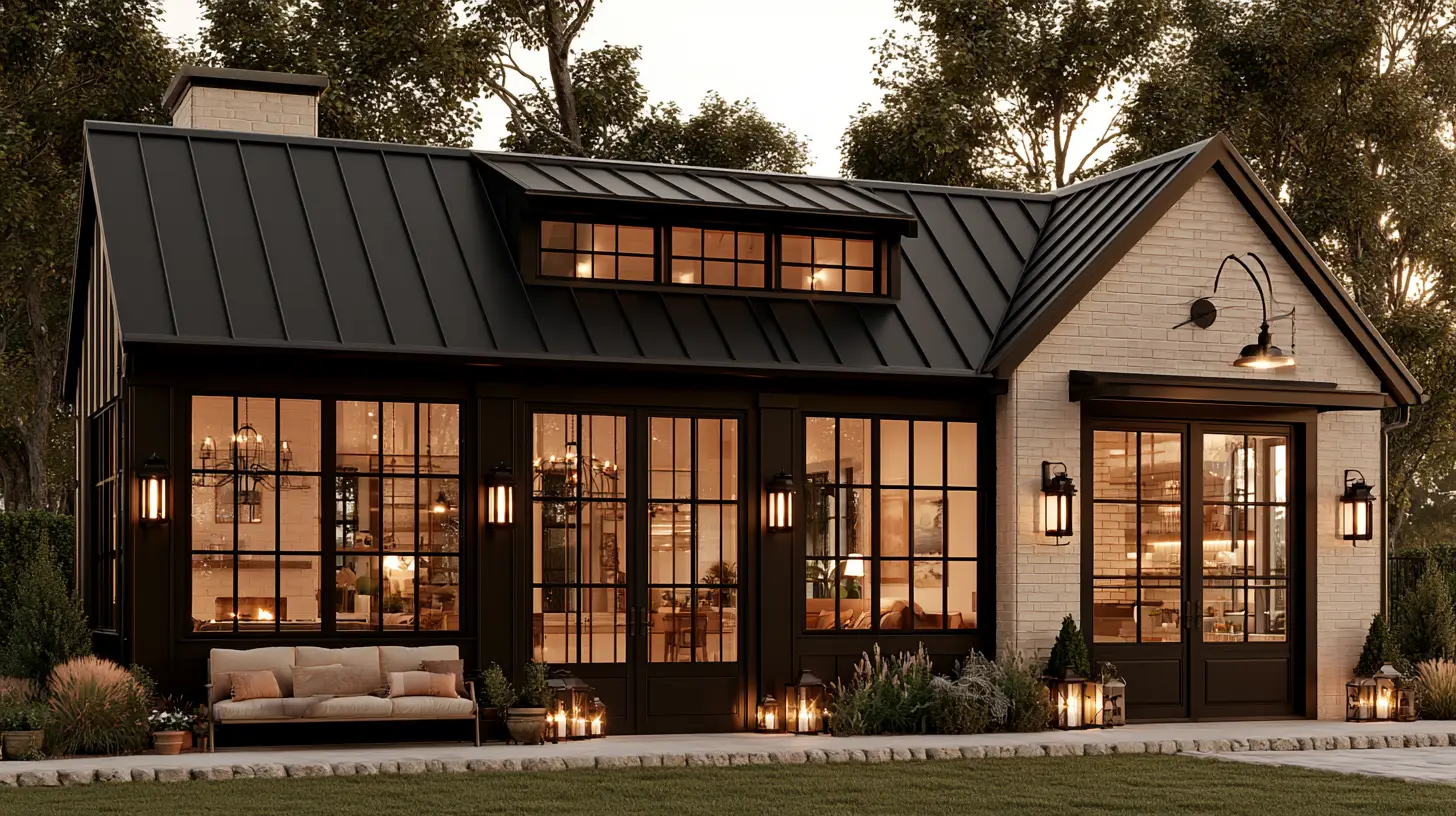
Long-term rentals are commonly allowed, but the terms vary by city and state. California, for example, lets local agencies require rental periods longer than 30 days, which effectively blocks short term rentals in many places. Short-term use is where restrictions bite hardest, so confirm the rules before you count on that income. Selling is more limited. ADUs generally can’t be sold separately because they share a parcel with the primary home. A few jurisdictions now allow narrow exceptions, and California permits local agencies to adopt ordinances for condominium-style separate conveyance if statutory requirements are met.
How Lenders and Appraisers Treat ADUs (and What They Cost)
Financing rules changed in the ADU’s favor. Under FHA Mortgagee Letter 2023-17, certain ADU rental income can be counted in underwriting: up to 75% of estimated rent for some existing ADUs and 50% for new ADUs financed through a 203(k) rehab loan. A one-unit property with one ADU can stay a one-unit property for FHA purposes, but appraisers still have to analyze the unit’s legality, rentability, gross living area, and comparable rents. The Urban Institute points out that appraisal and financing gaps remain real barriers to broader housing supply even where zoning has loosened. Costs swing widely by location. Rocket Mortgage cites a range of $20,000 to $400,000, and Homes.com quotes builder pricing of $150 to $600 per square foot. Conversions usually cost less than detached builds, which carry more foundation, drainage, and utilities work.
| ADU Type or Cost Factor | Typical Range | What It Reflects |
| Overall project cost | $20,000 to $400,000 | Wide swing based on type, size, and market |
| Builder pricing per square foot | $150 to $600 | Detached builds sit at the higher end |
| Conversion (garage or interior) | Lower end of range | Reuses existing structure, less foundation work |
| Detached build | Higher end of range | More foundation, drainage, and utilities work |
| Estimated resale value added | $100,000 to $250,000 | Conditional on permits, quality, and demand |
| Monthly rental income | $1,500 to $3,000 | Only when the unit is legal to rent |
| Property tax increase | Around $1,100 a year | Added assessed value from the new unit |
Home equity loans are a common funding path for ADU projects, since the income potential and added property value can help justify the borrowing. Get three local estimates and, in complex markets, homeowners may work with architects, contractors, or design-build ADU firms such as GSADUs to coordinate plans, permitting, and construction.
Buyer and Homeowner Checklist Before You Commit
Before you buy or build, work through the details that decide whether the additional living space an ADU adds becomes an asset or a liability.
- Is the unit permitted, with a certificate of occupancy on file?
- Does it have a legal kitchen and sanitation?
- Is there a separate entrance and, ideally, a separate address?
- Are utilities separate or shared with the main house?
- Is long-term rental allowed, and are short-term stays restricted?
- How will it affect property taxes and insurance?
- How did the appraiser classify it?
- Do HOA rules or CC&Rs limit ADUs?
Verify these against city records and, when in doubt, consult local planning resources and a qualified design-build professional before committing.
Frequently Asked Questions
What Does ADU Mean?
ADU means accessory dwelling unit, a secondary independent home on the same lot as a primary residence, with its own kitchen, bathroom, and living space.
What Is the Maximum Size an ADU Can Be?
Size limits are local, but ADUs commonly run 400 to 1,200 square feet. Junior ADUs are capped at 500 square feet in California, and zoning often limits both size and style.
What Are the Disadvantages of an ADU?
The main downsides are construction cost, permitting complexity, a possible property tax increase of around $1,100 a year, owner-occupancy requirements in some areas, and the fact that an ADU generally can’t be sold separately from the main home.
What Are the Common Mistakes When Building an ADU?
The frequent ones are skipping permits or building an unpermitted conversion, ignoring setbacks, utilities, and energy-code rules, underestimating total cost, and overestimating the return the unit will actually deliver for your family.