
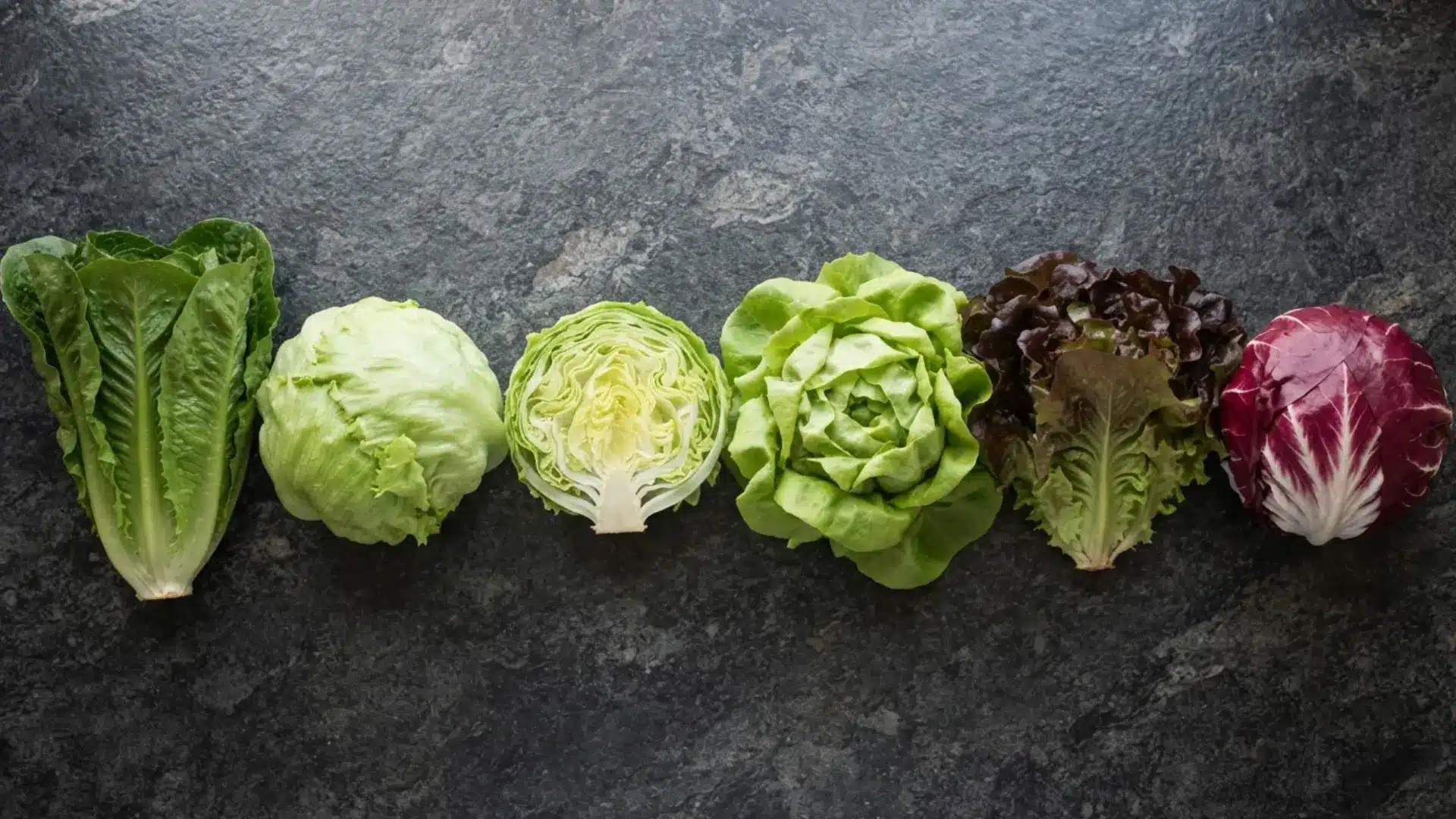
Stand in the produce aisle long enough, and I find that the sheer number of lettuce varieties can quickly blur together.
What separates a butterhead from a Boston lettuce is not always obvious at first glance, and it is easy to grab whatever looks fresh and green.
Lettuce deserves more thought because the type I choose can make a noticeable difference in a salad, sandwich, wrap, or taco.
Here, I will break down the lettuce types worth knowing, what each one tastes like, and the dishes where they work best.
From Ancient Crop to Modern Lettuce Varieties: A Quick Look
Lettuce goes back thousands of years to ancient Egypt, where it was first grown for its oil-rich seeds rather than eaten as a green.
Farmers gradually bred out the bitterness in favor of milder leaves, and the crop made its way through the Mediterranean into Greece and Rome, where it became a regular at the table.
Most lettuce falls into one of four broad groups:
| Category | Texture | Nutritional Value |
|---|---|---|
| Crisphead | Crunchy | Provides vitamin K, folate, and small amounts of vitamin A; high in water and relatively low in nutrients compared with darker lettuces. |
| Butterhead | Soft, mild | Offers vitamin A, vitamin K, folate, and small amounts of iron and potassium. |
| Romaine (Cos) | Sturdy, crisp | Rich in vitamin A and vitamin K, with folate, vitamin C, and potassium. |
| Looseleaf | Tender | Often rich in vitamins A and K, especially darker red and green varieties, with folate and antioxidants. |
A fifth, lesser-known category exists too: stem lettuce, also called celtuce or asparagus lettuce, which is grown mainly for its thick, edible stalk rather than its leaves.
It is rarely sold in US grocery stores but shows up in some Asian markets and home gardens.
The nutrional value is for general information and is not a substitute for advice from a doctor or registered dietitian.
Crisp and Sturdy Lettuces
These types are crunchy, reliable, and built to hold their structure whether it is heavy dressing, a hot grill, or a sandwich piled high.
1. Romaine Lettuce
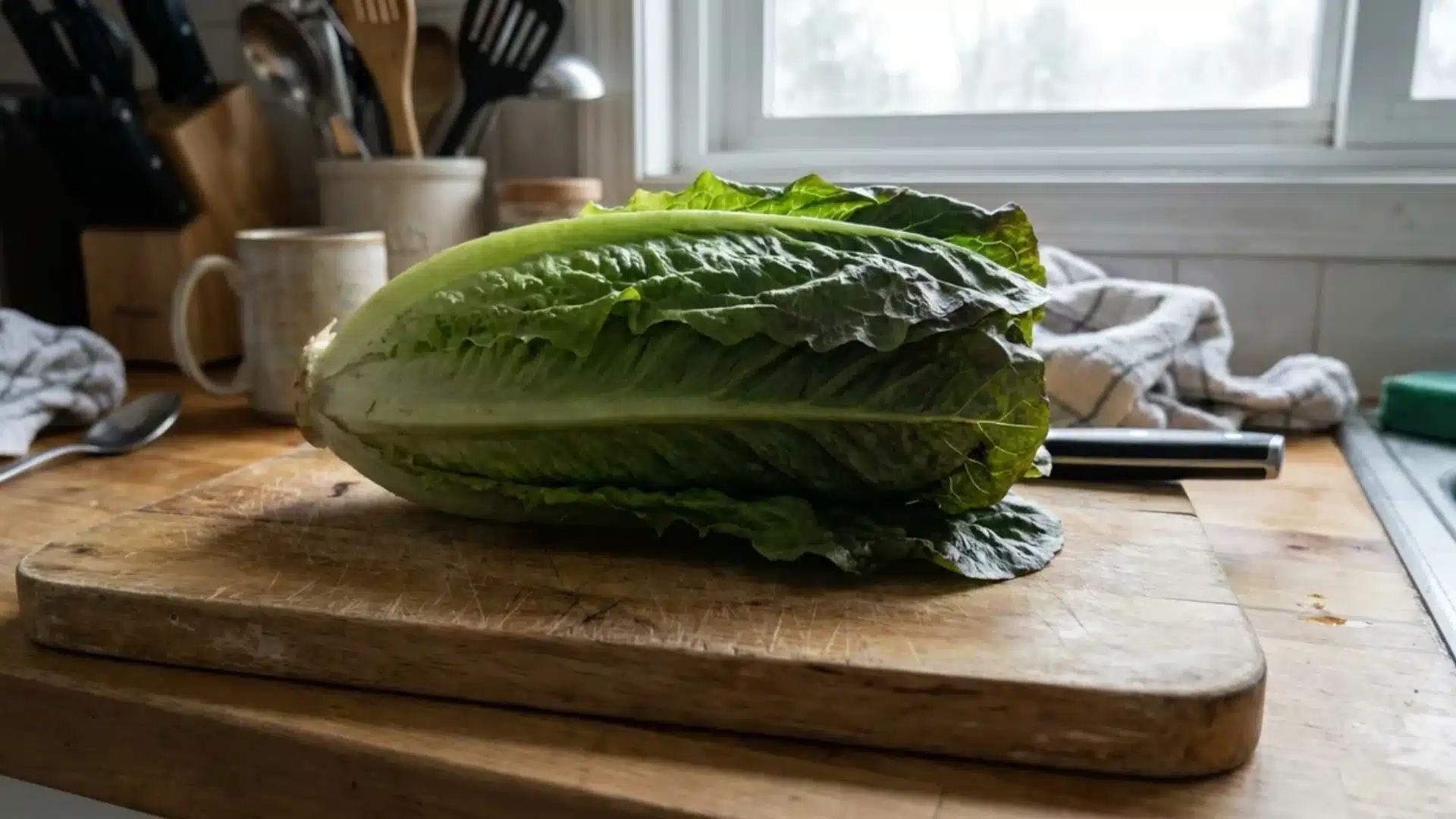
Romaine is the workhorse of the lettuce world.
Long, sturdy leaves with a satisfying crunch and a rib down the middle, strong enough to hold up to a Caesar dressing without going soggy.
It’s the default for grilled lettuce too, since the leaves char nicely without falling apart.
Restaurants lean on it for a reason: it’s cheap, it lasts in the fridge longer than most leafy greens, and it delivers that snap people expect from a proper salad.
2. Little Gem Lettuce
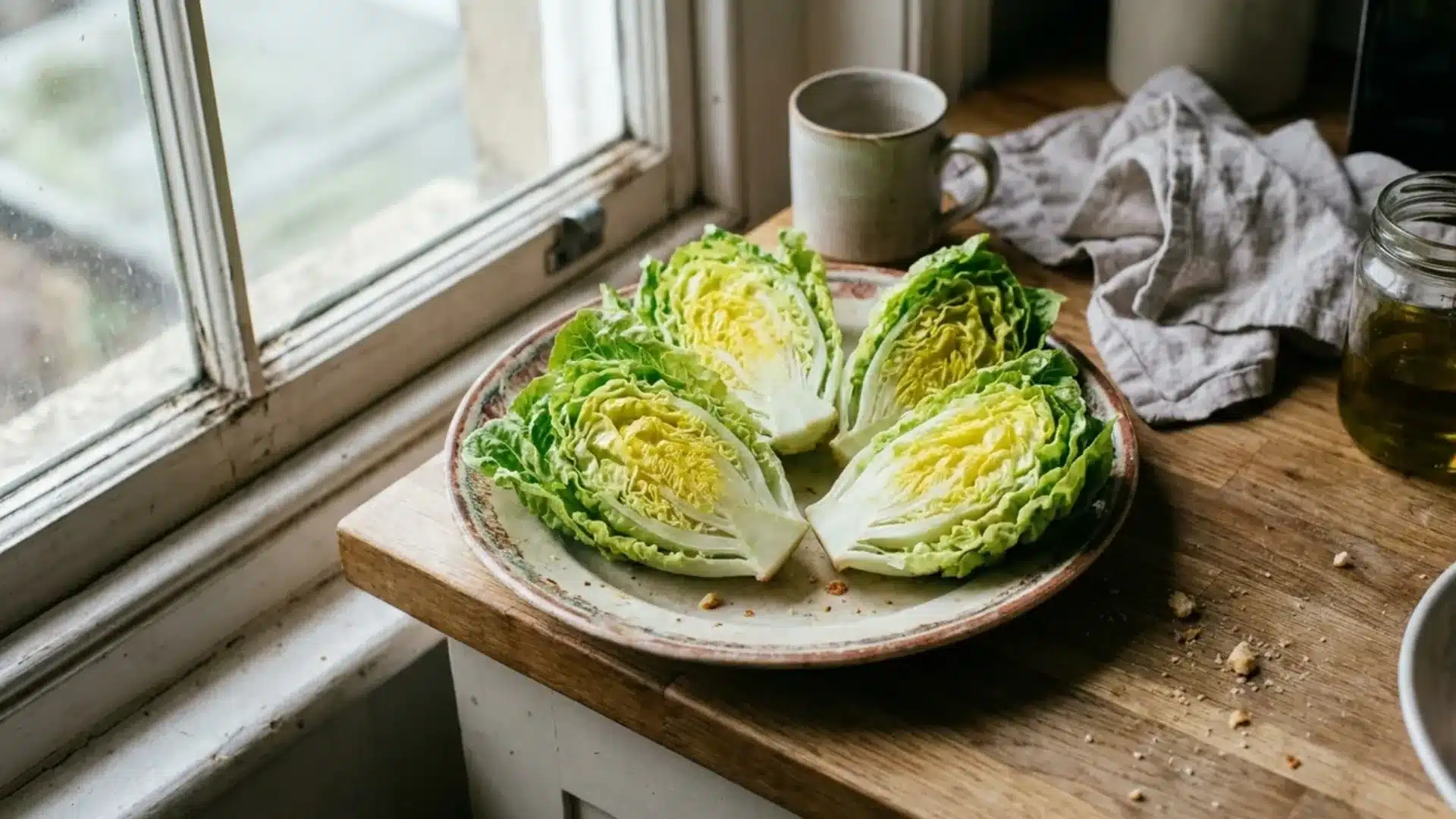
The leaves are more tender, the flavor is a little sweeter, and the compact size makes it perfect for individual salads or halving and grilling whole.
It’s become a restaurant favorite, showing up on menus split lengthwise, charred, and drizzled with a Caesar-style dressing.
Because each head is small, there’s barely any waste, and the crunch stays intact even after a quick char on the grill.
3. Crisphead (Iceberg) Lettuce
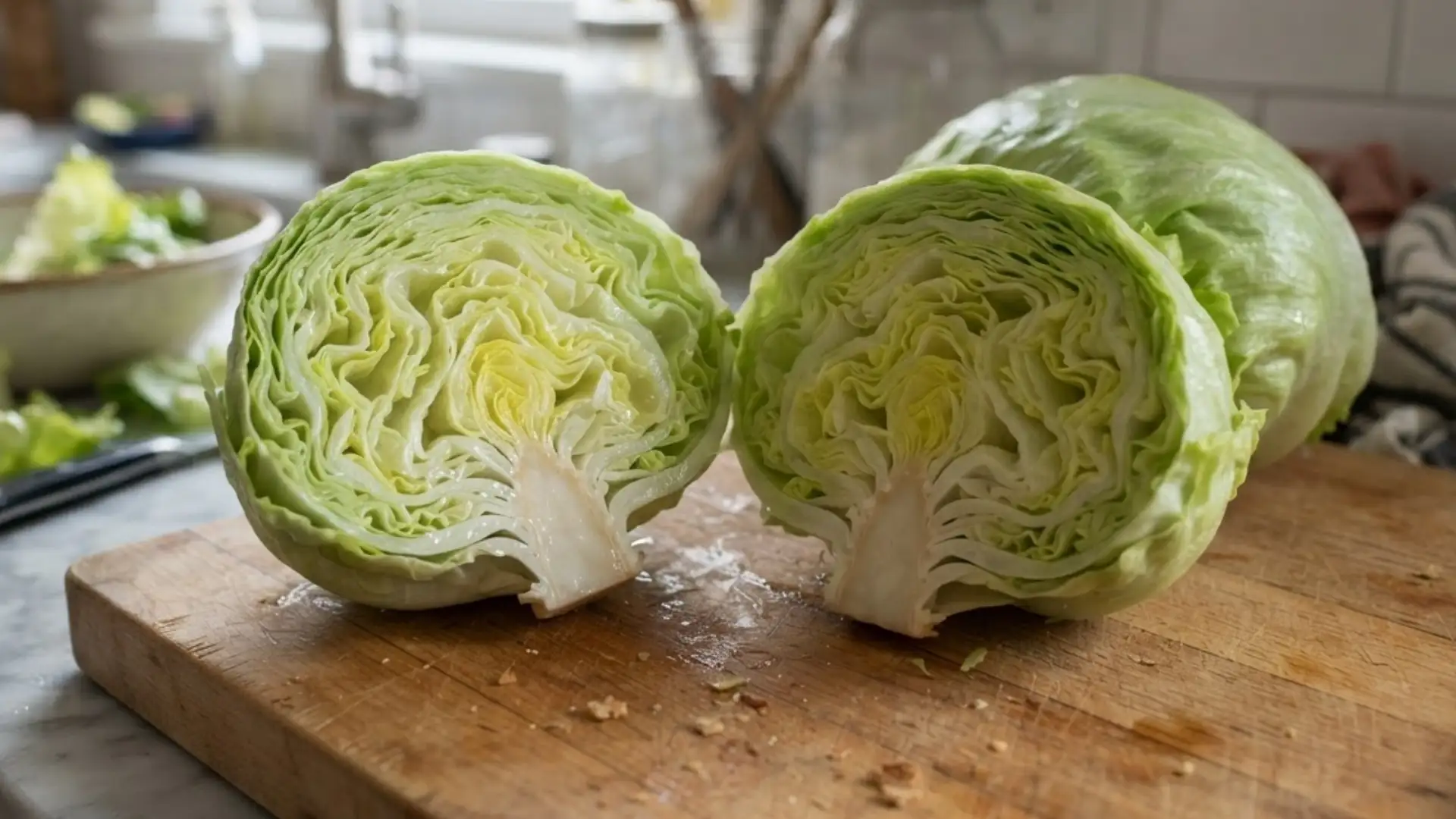
Iceberg gets a bad reputation for being “just water,” but there’s a reason it’s stuck around.
It’s crunchy, holds cold well, and doesn’t wilt fast, making it the go-to for burgers, tacos, and anything that needs a cool, crisp bite without much flavor competing for attention.
It’s also the cheapest, most widely available lettuce on this list, which is exactly why diners, food trucks, and home cooks reach for it without a second thought.
4. Batavia (Summer Crisp) Lettuce
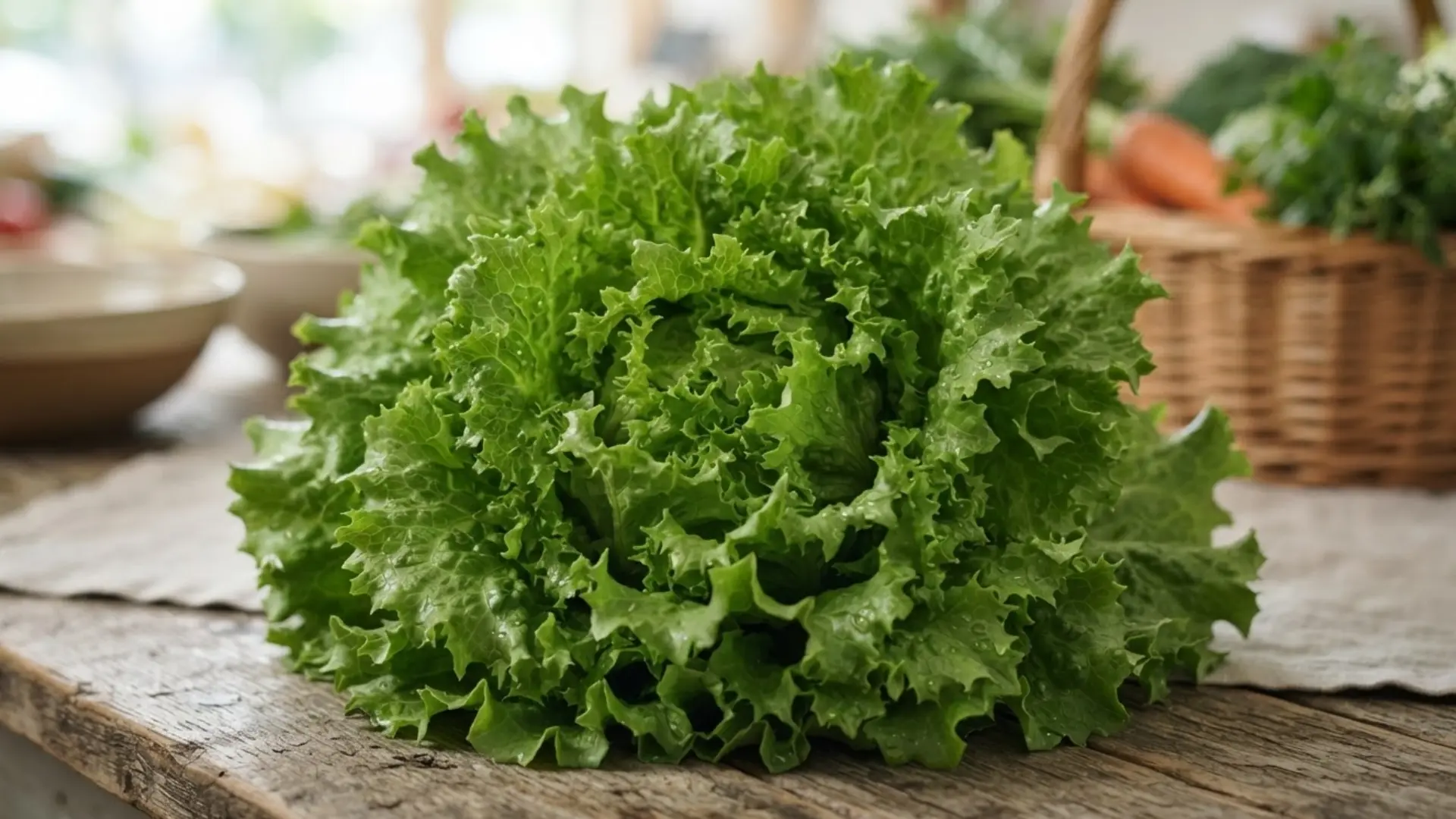
Batavia sits right between crisphead and looseleaf, forming a loose head with thick, crunchy leaves.
It holds up better in heat than most lettuces, which is why gardeners lean on it for summer harvests, and it brings a satisfying crunch to sandwiches.
Unlike iceberg, it does not need refrigeration to stay crisp, making it a favorite for backyard growers who plant through the hotter months.
Soft and Mild Texture Lettuces
These varieties are tender and gentle in flavor, best suited for wraps, delicate salads, or anywhere one thing matters most.
5. Butterhead Lettuce
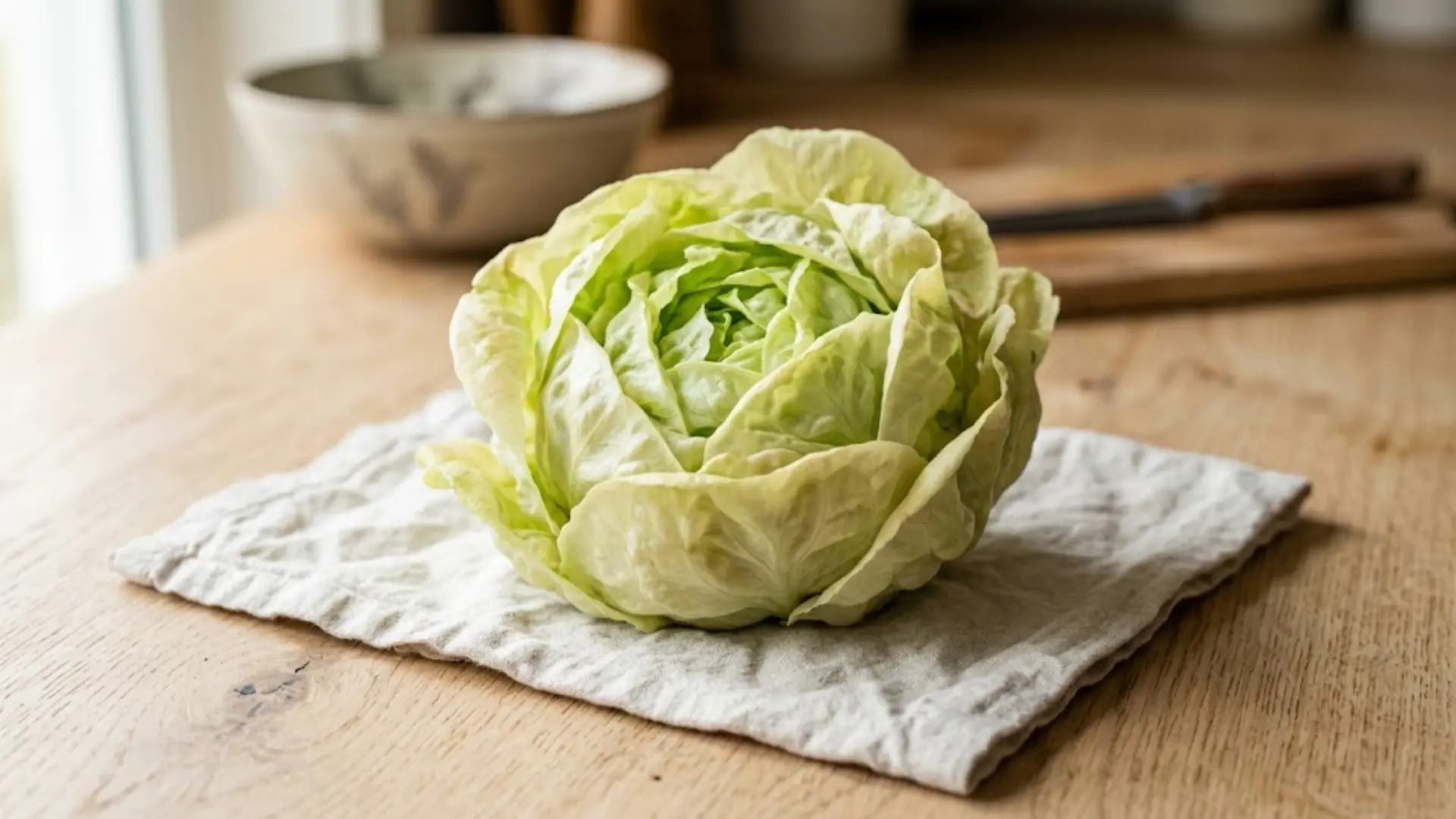
Butterhead (Bibb and Boston are the two most common varieties) has soft, cupped leaves with a mild, almost sweet flavor.
The texture is where it earns its name: smooth and a little buttery on the tongue.
Great for wraps since the leaves are pliable enough to fold without tearing.
The loosely packed head also makes it easy to peel apart leaf by leaf, which is exactly why it’s the top pick for lettuce cups filled with ground meat, rice, or stir-fried vegetables.
6. Green Leaf Lettuce
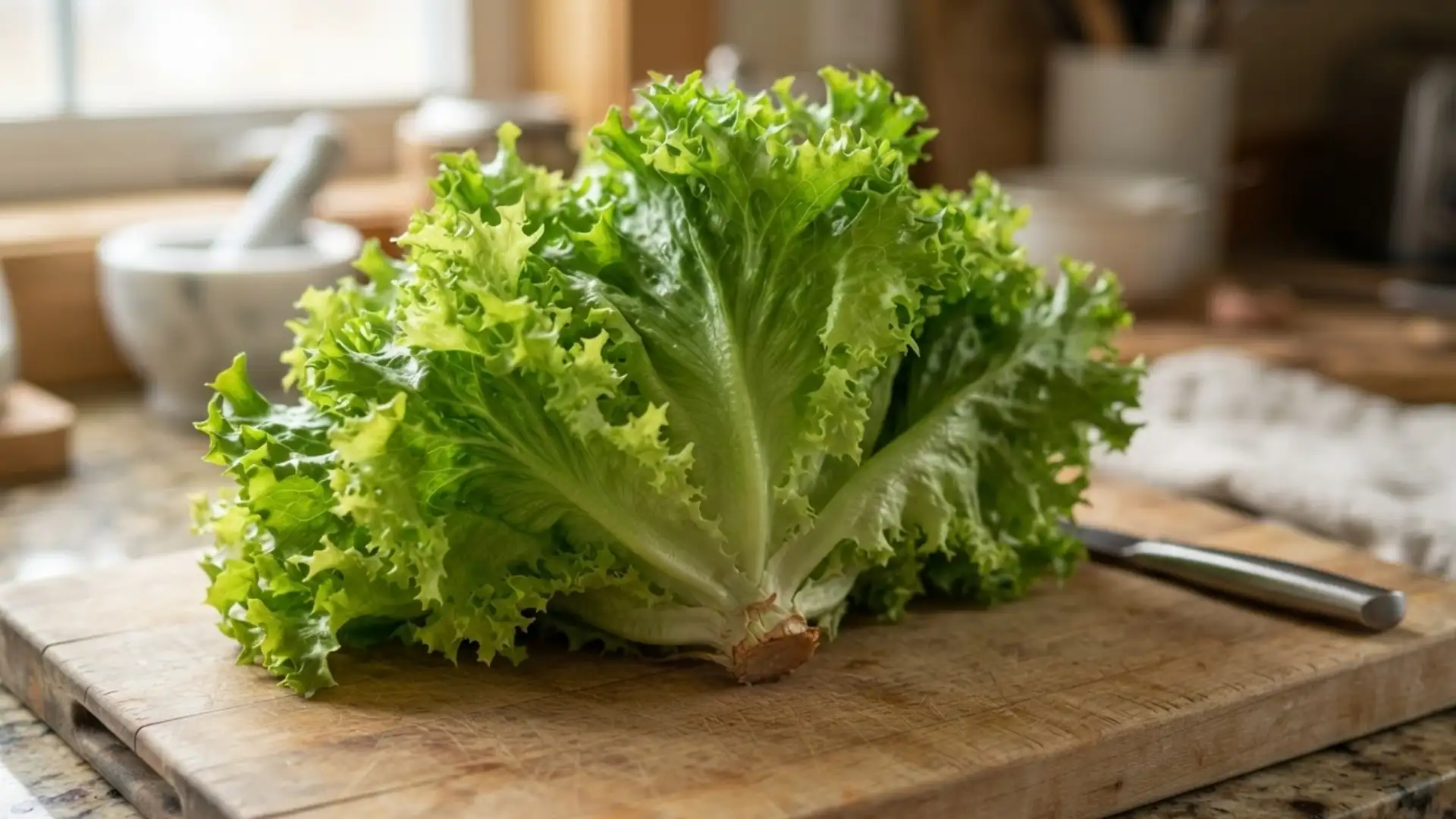
Green leaf lettuce grows in loose bunches with ruffled edges and a mild, slightly peppery taste.
It does not form a tight head, so the leaves are more tender than romaine or iceberg, which makes it a solid all-purpose choice for everyday salads.
It’s also one of the easiest vegetables to grow at home, since it matures fast and can be harvested leaf by leaf without pulling the entire plant, keeping a steady supply going for weeks.
7. Red Leaf Lettuce
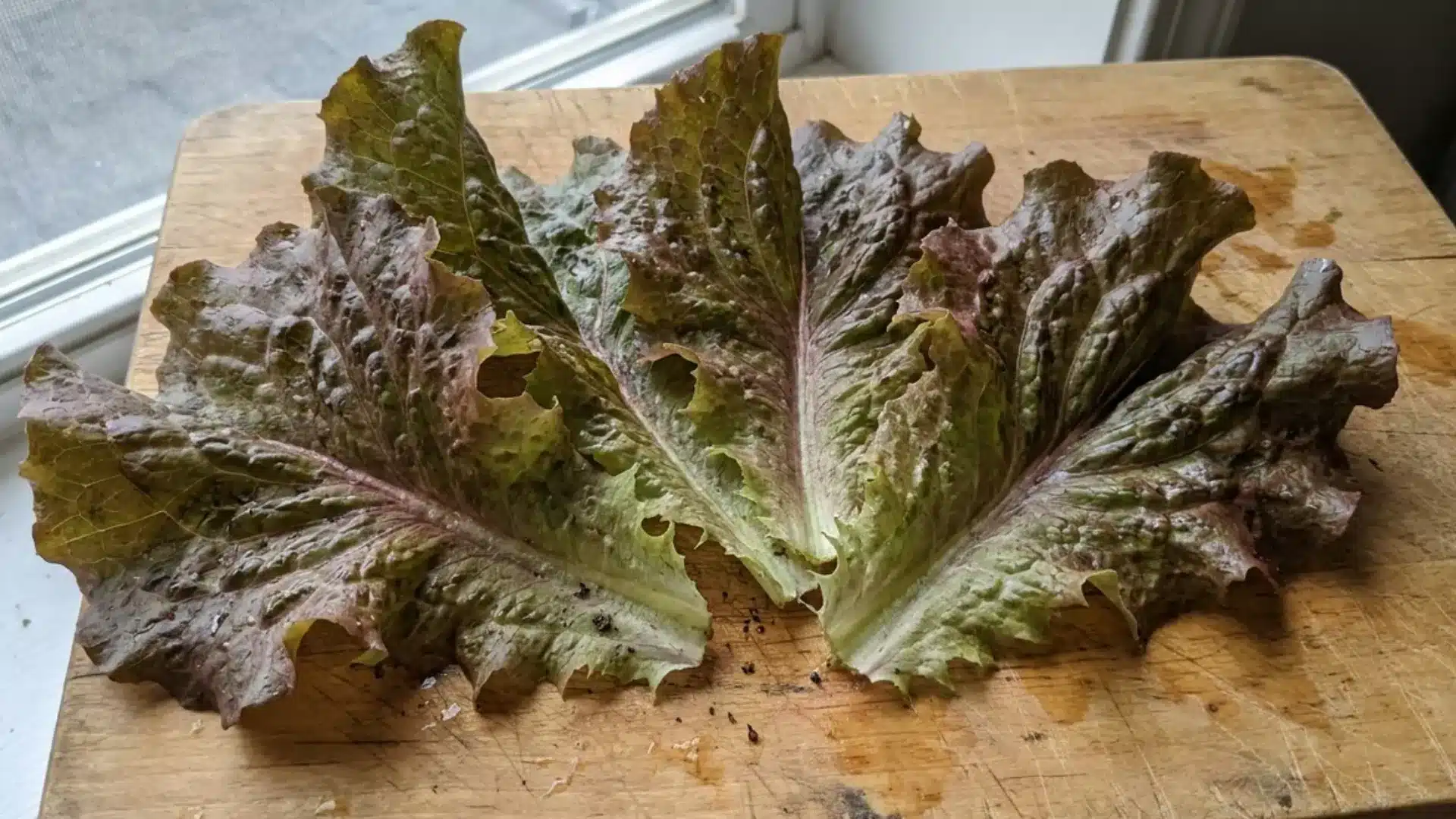
Red leaf is green leaf’s color-shifted sibling, with the same loose, ruffled shape but reddish-purple tips.
The flavor is just as mild, and it’s often used to add color contrast to a salad mix rather than for anything distinct in taste.
The reddish tint comes from anthocyanins, the same pigment responsible for the color in red cabbage and berries, and it tends to deepen with more sun exposure during growing.
8. Oak Leaf Lettuce
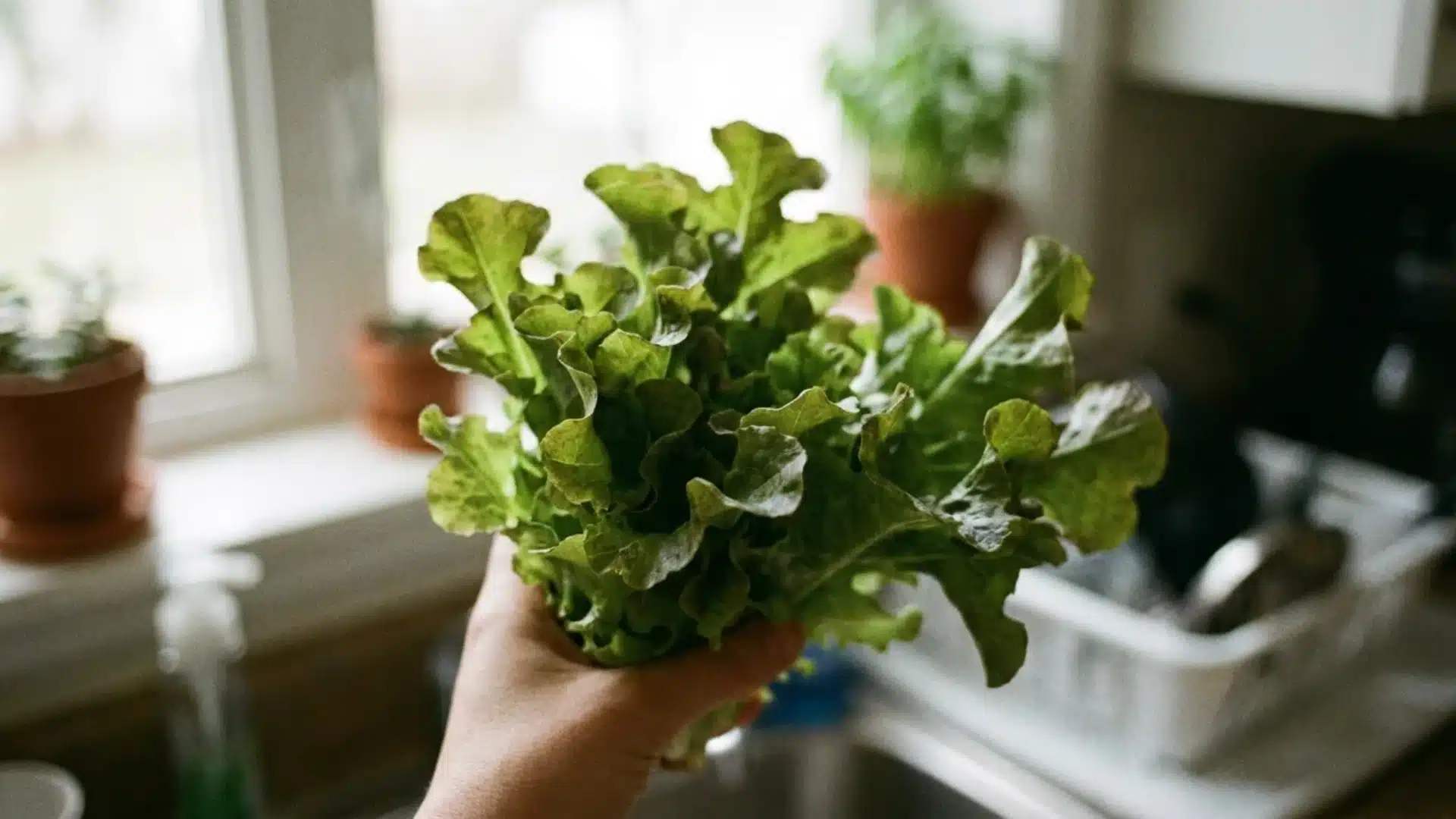
Named for its lobed, oak-tree-shaped leaves, this one comes in both green and red varieties.
It’s tender, slightly nutty, and works well mixed into a salad blend rather than as a standalone base.
Home gardeners favor it because it’s slow to bolt compared to other looseleaf types, meaning it stays sweet and edible longer into the season.
Bitter Greens and Chicories
Technically not true lettuce, but these show up in the same aisle and get treated the same way in the kitchen, bringing something the milder greens can not.
9. Lollo Rossa Lettuce
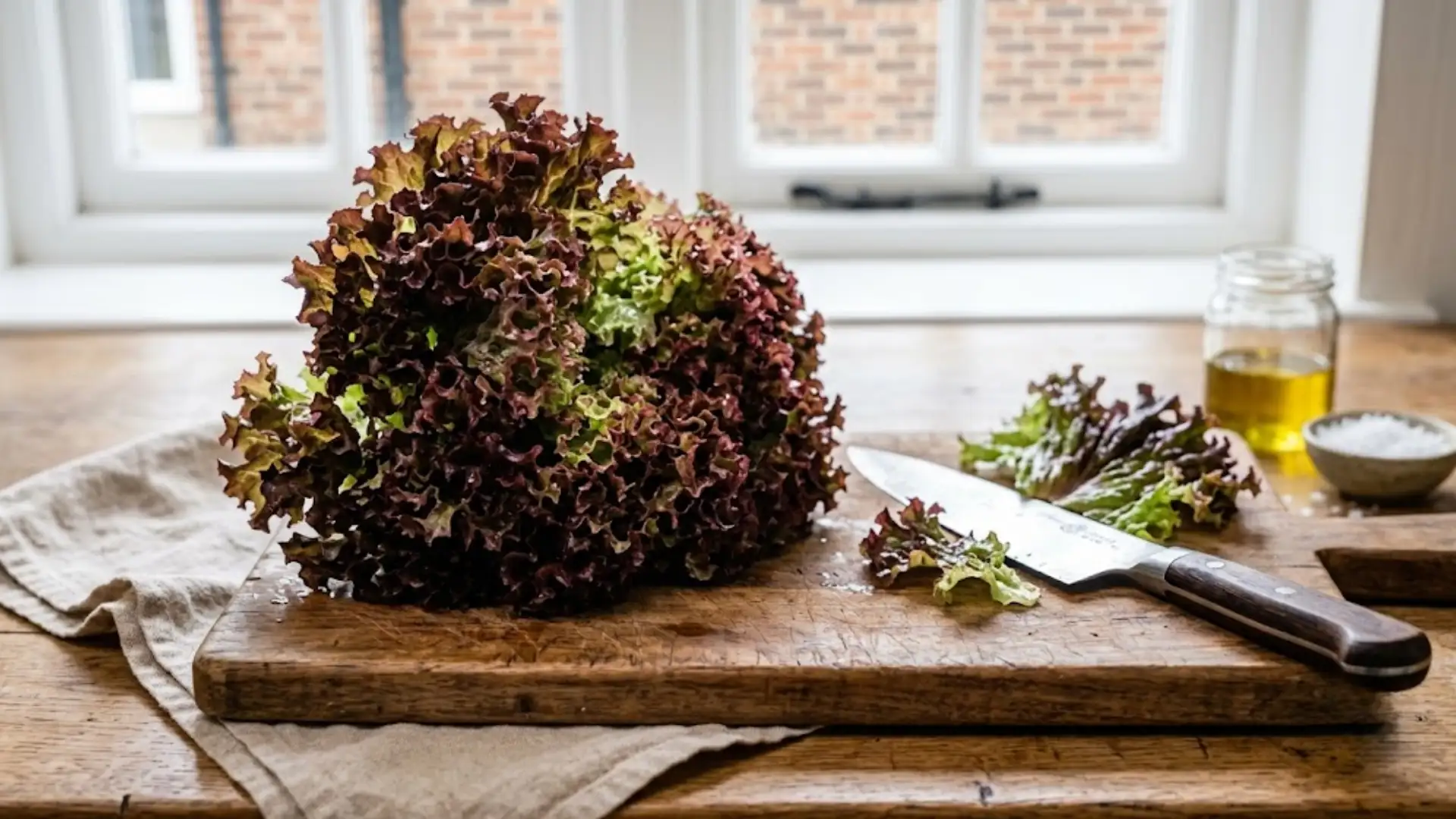
Lollo Rossa is the frilly, deep red-purple lettuce that looks almost too pretty to eat.
The leaves are tightly curled and have a slightly bitter edge, making it a good textural and visual addition to a mixed salad rather than a lettuce to use on its own.
Italian in origin, it’s often paired with milder greens to balance out its bite, and its ruffled shape holds vinaigrette better than flatter leaf types do.
10. Frisée Lettuce
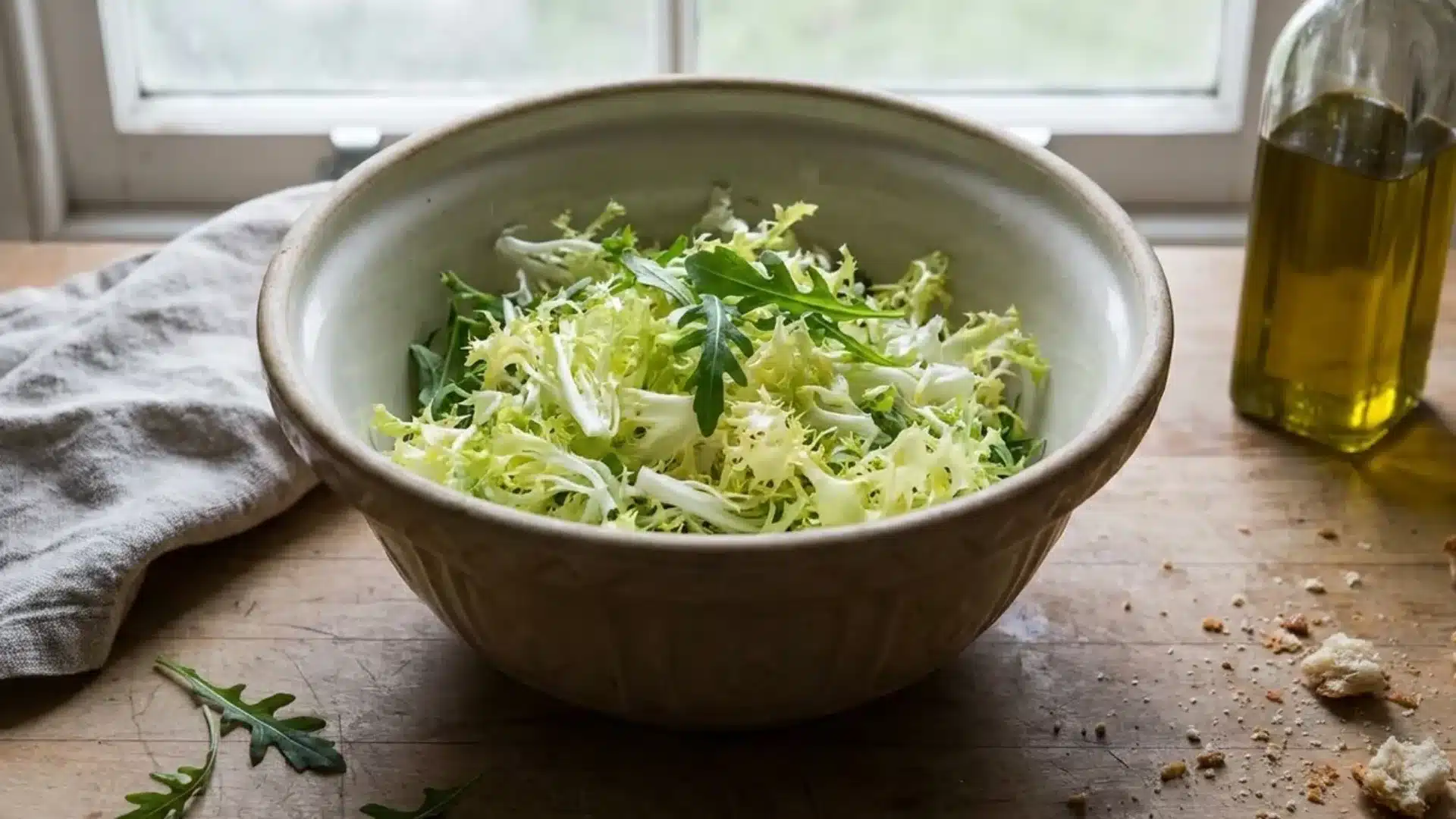
Frisée has thin, curly, almost wiry leaves with a noticeably bitter bite.
It’s the classic base for a frisée aux lardons salad, and its texture holds dressing exceptionally well.
The bitterness mellows when paired with something rich, which is exactly why it’s traditionally served with warm bacon fat, a poached egg, and a sharp vinegar dressing.
11. Radicchio
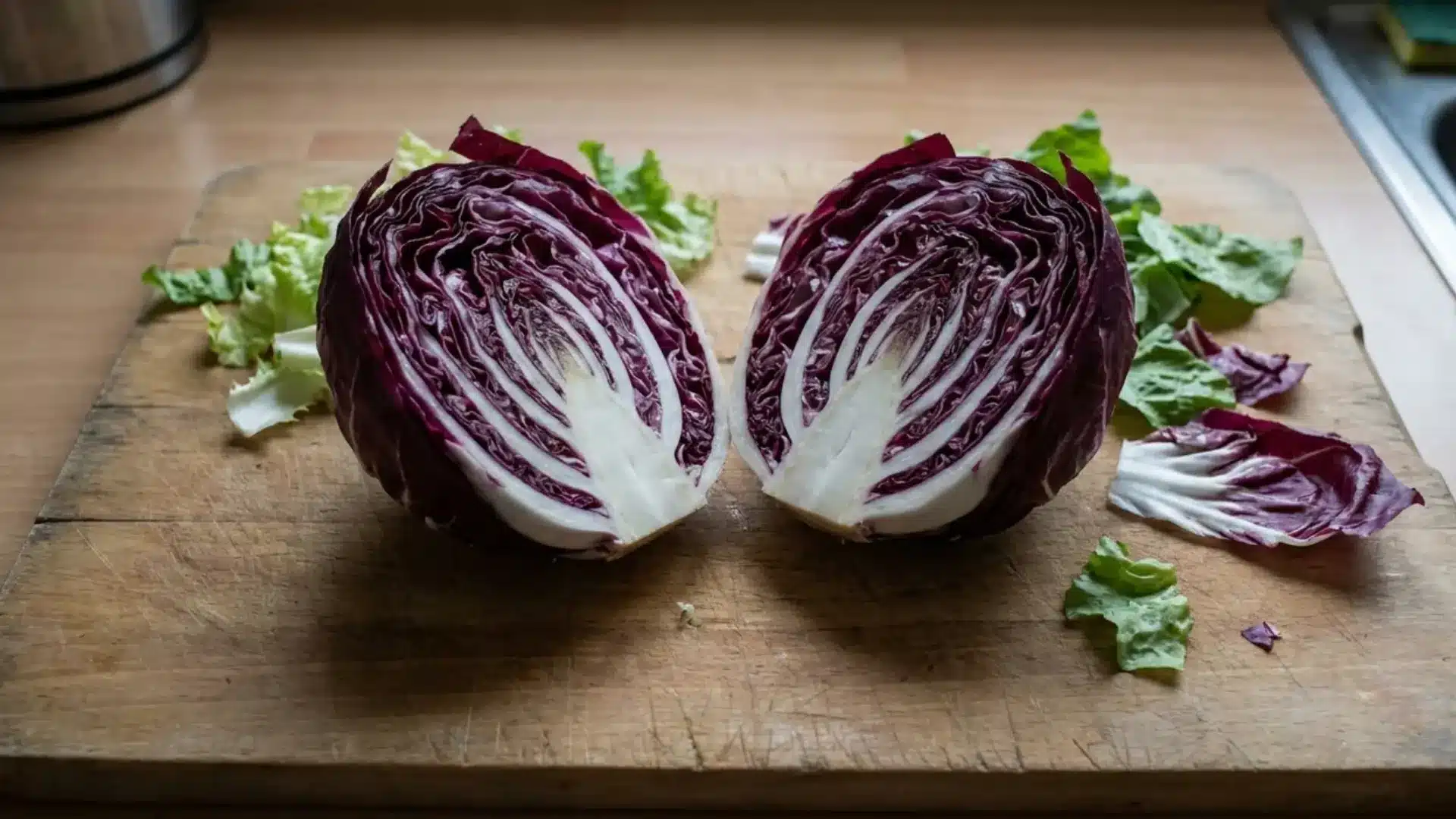
Radicchio is a chicory that gets treated like lettuce in most kitchens.
The deep red-purple leaves are firm and distinctly bitter, which mellows out nicely when grilled or roasted.
Raw, it’s best sliced thin and mixed with something sweet to balance the bite.
Originally from Italy, it’s a staple in northern Italian cooking, often brushed with olive oil and charred whole on a grill until the edges crisp and the bitterness turns smoky.
12. Endive
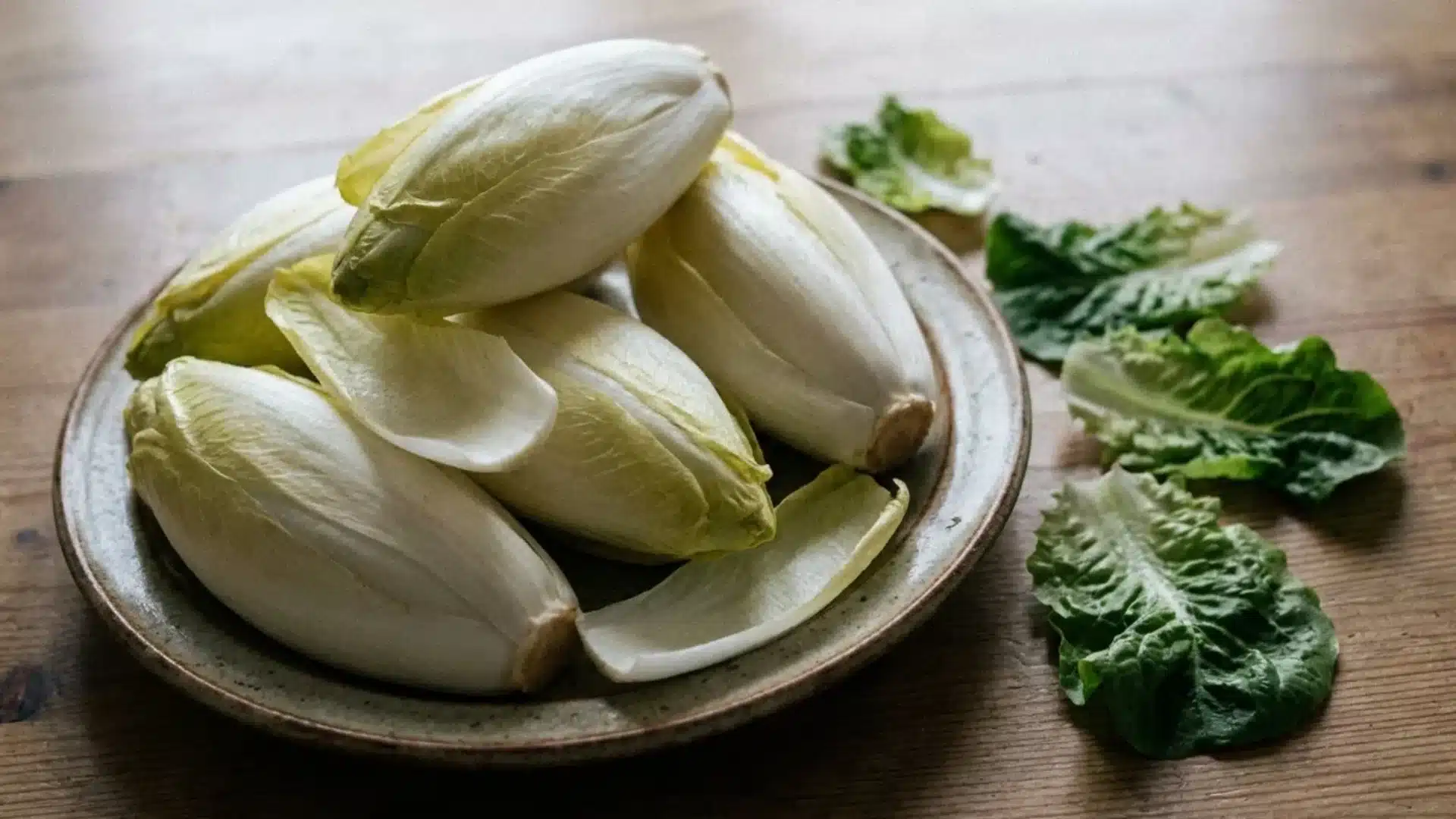
Endive comes in two forms, curly (similar to frisée) and Belgian (small, tight, torpedo-shaped heads).
Both carry a bitter edge, and the Belgian variety in particular is often used as an edible scoop for dips or appetizers rather than tossed loose in a bowl.
Belgian endive is grown in complete darkness to keep the leaves pale and prevent the bitterness from turning harsh, a process that takes real patience from the farmer.
Baby Greens and Mixed Lettuce
Baby greens and lettuce mixes combine young, tender leaves that are harvested before reaching full size. They offer a mix of colors, textures, and mild flavors.
13. Mâche (Corn Salad)
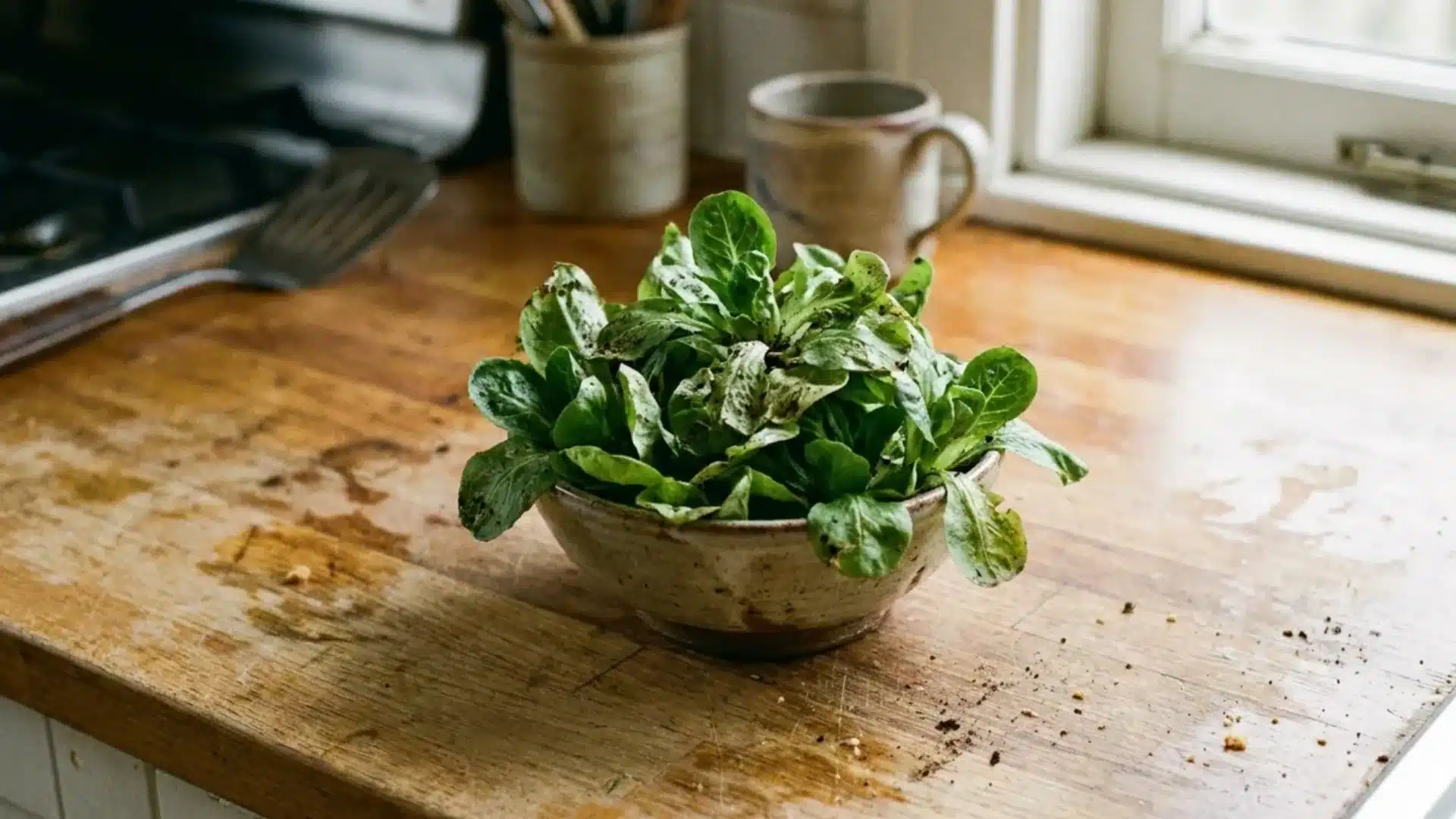
Mâche is small, tender, and mild, with a slightly nutty flavor that sets it apart from most lettuces on this list.
The leaves grow in tiny rosettes and are delicate enough that they’re usually served whole rather than chopped.
It’s a cool-weather crop that thrives through winter in regions too cold for most other greens.
14. Mesclun (Spring Mix)
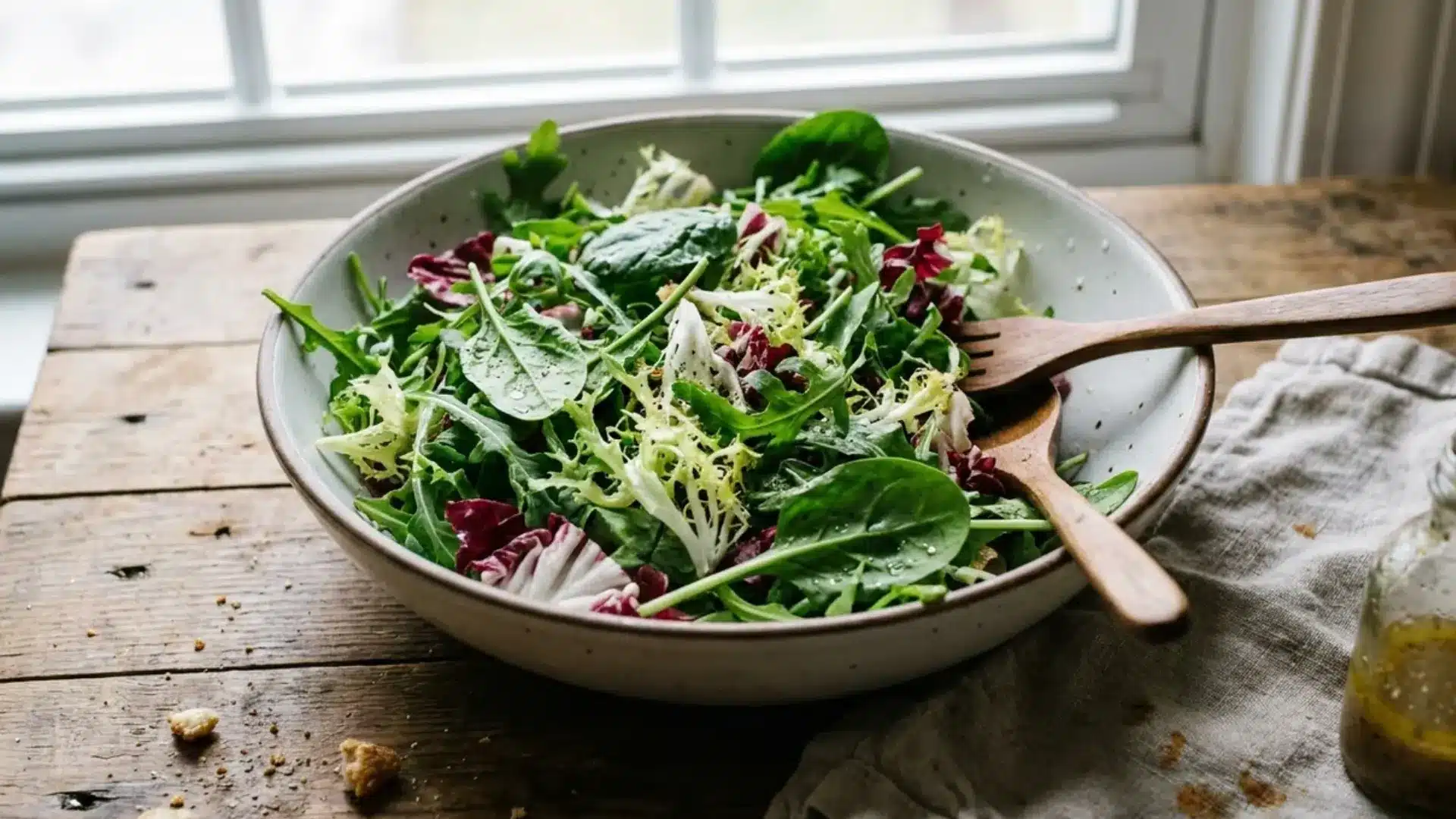
Mesclun is not a single lettuce type but a mix of young, tender greens, often including a combination of lettuces, arugula, and other baby greens.
It’s the pre-made salad mix to grab when variety is the goal, without picking apart individual lettuce heads.
The name comes from a Provençal word meaning mixture, and traditional versions include at least four or five different greens harvested while still young.
15. Arugula
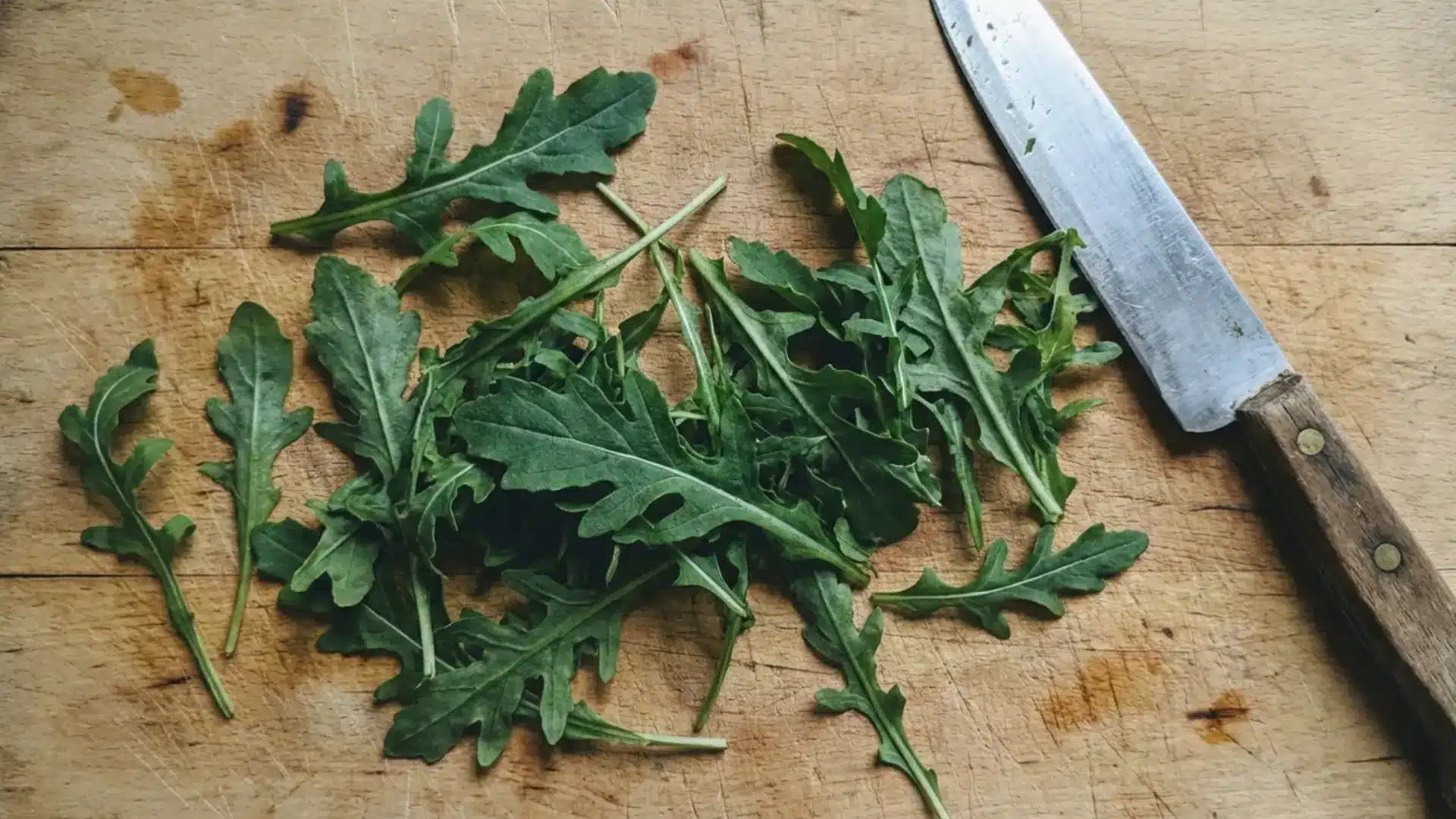
Arugula is peppery, slightly spicy, and nothing like the mild lettuces on the rest of this list.
It’s technically a member of the mustard family rather than true lettuce, but it gets used the same way, tossed into salads, layered on pizza, or piled onto a sandwich for a sharp bite.
Older, larger leaves carry more heat than young ones, so many cooks harvest it early if a milder bite is what’s wanted.
Nearly every lettuce above fits somewhere in this framework, aside from a couple of oddballs, radicchio and endive, which are technically chicories, not true lettuce.
How to Choose the Right Lettuce for Your Recipe?
The right lettuce can change the texture, flavor, and overall feel of a dish. Some varieties stay crisp under heavy toppings, while others work better with light dressings or wraps.
Use the table below to match lettuce with your recipe.
| Recipe or Use | Best Lettuce Types |
|---|---|
| Fresh Salads | Romaine, Green Leaf, Red Leaf |
| Caesar Salad | Romaine |
| Burgers | Iceberg, Green Leaf |
| Sandwiches | Romaine, Butterhead, Green Leaf |
| Lettuce Wraps | Bibb, Boston, Butterhead |
| Tacos | Iceberg, Romaine |
| Grilled Dishes | Romaine, Little Gem |
| Wedge Salads | Iceberg |
| Garnishes | Lollo Rosso, Red Leaf |
Pairing a crisp lettuce with the right cucumber varieties for salads keeps a bowl from turning watery before it hits the table.
How to Store Different Types of Lettuce?
Proper storage helps lettuce stay crisp, fresh, and ready to use while reducing wilting and spoilage.
- Romaine Lettuce: Wrap unwashed leaves loosely in paper towels and store them in a breathable container or produce bag in the refrigerator.
- Iceberg Lettuce: Keep the whole head dry and refrigerated in a loosely closed produce bag until you are ready to use it.
- Butterhead Lettuce: Store delicate Bibb or Boston lettuce in a container lined with dry paper towels to protect the soft leaves.
- Loose-Leaf Lettuce: Place clean, thoroughly dried leaves between paper towels inside a container or bag to control excess moisture.
- Summer Crisp Lettuce: Keep the leaves or whole head refrigerated in a produce bag with a paper towel to absorb moisture.
- Cut Lettuce: Refrigerate cut lettuce promptly in an airtight container lined with paper towels, and use it sooner than whole lettuce.
Conclusion
Lettuce is far more than a filler ingredient sitting at the bottom of a bowl.
From crunchy romaine to bitter radicchio to peppery arugula, each type brings its own texture and flavor to the table, and knowing the difference makes every dish a little better.
Keep a couple of varieties on hand, one sturdy for hearty salads and one milder for everyday use, and there’s always the right base ready to go.
Are you team romaine, iceberg, or butterhead? Tell us your favorite in the comments!
Frequently Asked Questions
Which Lettuce Types Last Longest in the Fridge?
Iceberg and romaine lettuce generally last longest because their firm, sturdy leaves retain moisture and crispness better than delicate butterhead and loose-leaf varieties.
Can Different Types of Lettuce Be Grown Together?
Yes, different lettuce types can grow together if they have similar light, soil, watering, and temperature needs, making mixed lettuce beds easy to maintain.
What Time of Year is Best to Grow Lettuce?
Lettuce grows best during cool weather, typically in early spring and fall, when temperatures stay around 45-65°F and plants face less heat stress.