Your kitchen island can make or break the whole space, and most people only realize this after the renovation is done.
A size that looks perfect on paper feels completely different once you’re actually moving around it, cooking in it, living with it.
Getting the dimensions right means your kitchen flows naturally, seats comfortably, and works beautifully for everything from busy weekday mornings to slow weekend brunches.
Here, we cover standard sizing, smart spacing, seating, and layouts so your island becomes the heart of your home.
Kitchen Island Clearance Guidelines
Clearance is what separates a kitchen that breathes from one that constantly feels in the way. Before settling on your island size, these are the spacing rules worth building around.
- 36 inches is the bare minimum clearance you can work with on any side of the island.
- 42 inches is the sweet spot for standard walkways and everyday cooking comfort.
- 48 inches or more keeps things easy when multiple people are cooking at once.
- Appliance doors need extra planned clearance so your oven, fridge, and dishwasher can open fully without obstruction.
- Tight clearance on even one side of the island can throw off the flow of the entire kitchen.
Getting the clearance right before anything else saves you from redesigning around a problem that was always avoidable.
Everything else, the size, the seating, the layout, builds much more naturally once the spacing is sorted.
Kitchen Island Dimensions by Function
Not every island is built the same, and it shouldn’t be. The way you actually use your kitchen should be the starting point for every sizing decision you make.
1. Prep-Only Island
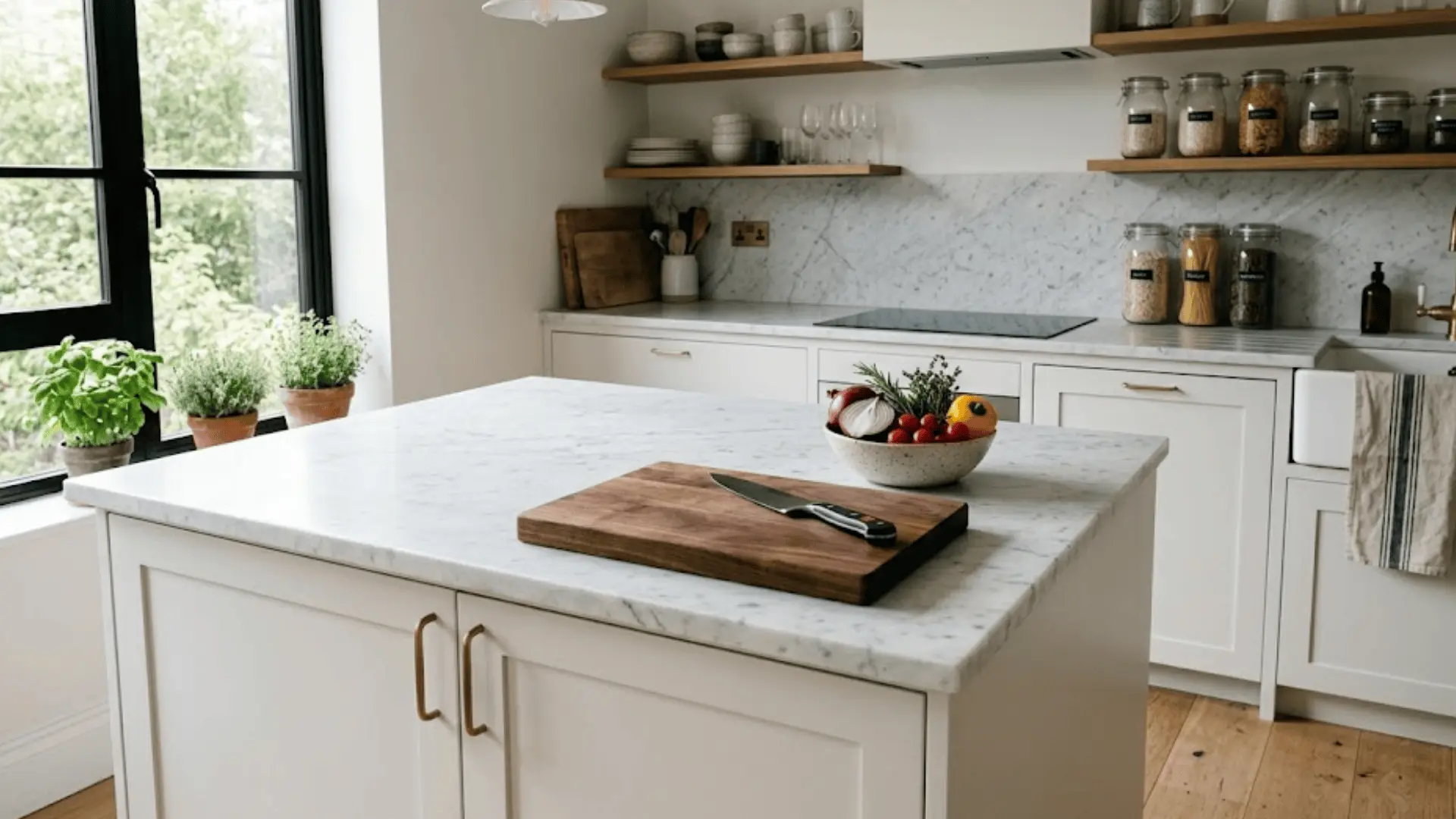
Dimension: 24 to 36 inches wide
A prep-only island works best with a smaller, focused footprint that keeps everything within arm’s reach without overwhelming the space.
A compact countertop surface is really all you need here, just enough room to chop, roll, and work comfortably without the island competing for space with the rest of the kitchen.
2. Island with Sink
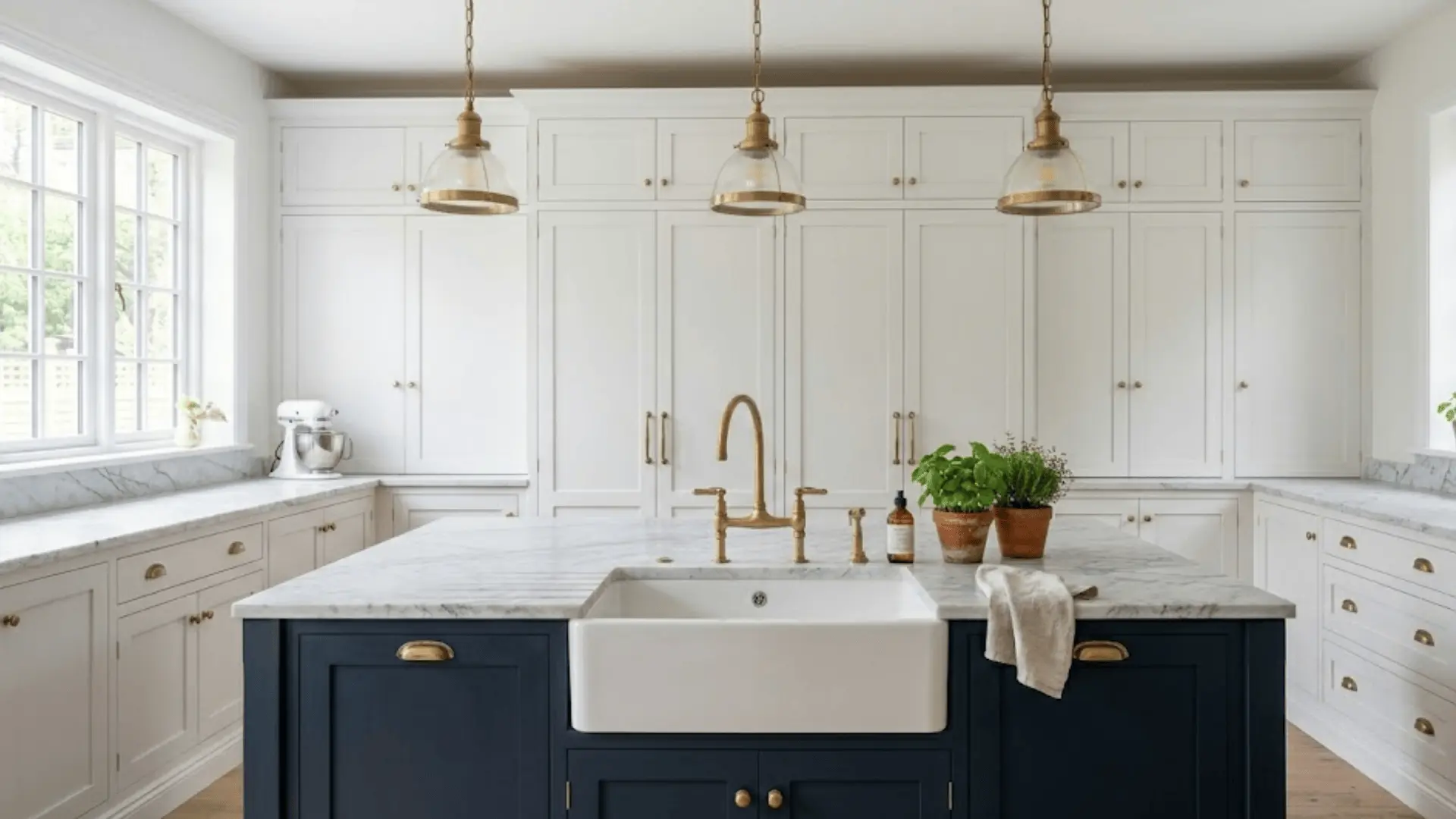
Dimension: 36 to 42 inches wide
A sink island needs a little more thought because the plumbing takes up room you have to plan for upfront.
Extra width on both sides of the sink gives you landing space that makes the whole setup actually functional rather than just pretty to look at.
3. Island with Cooktop
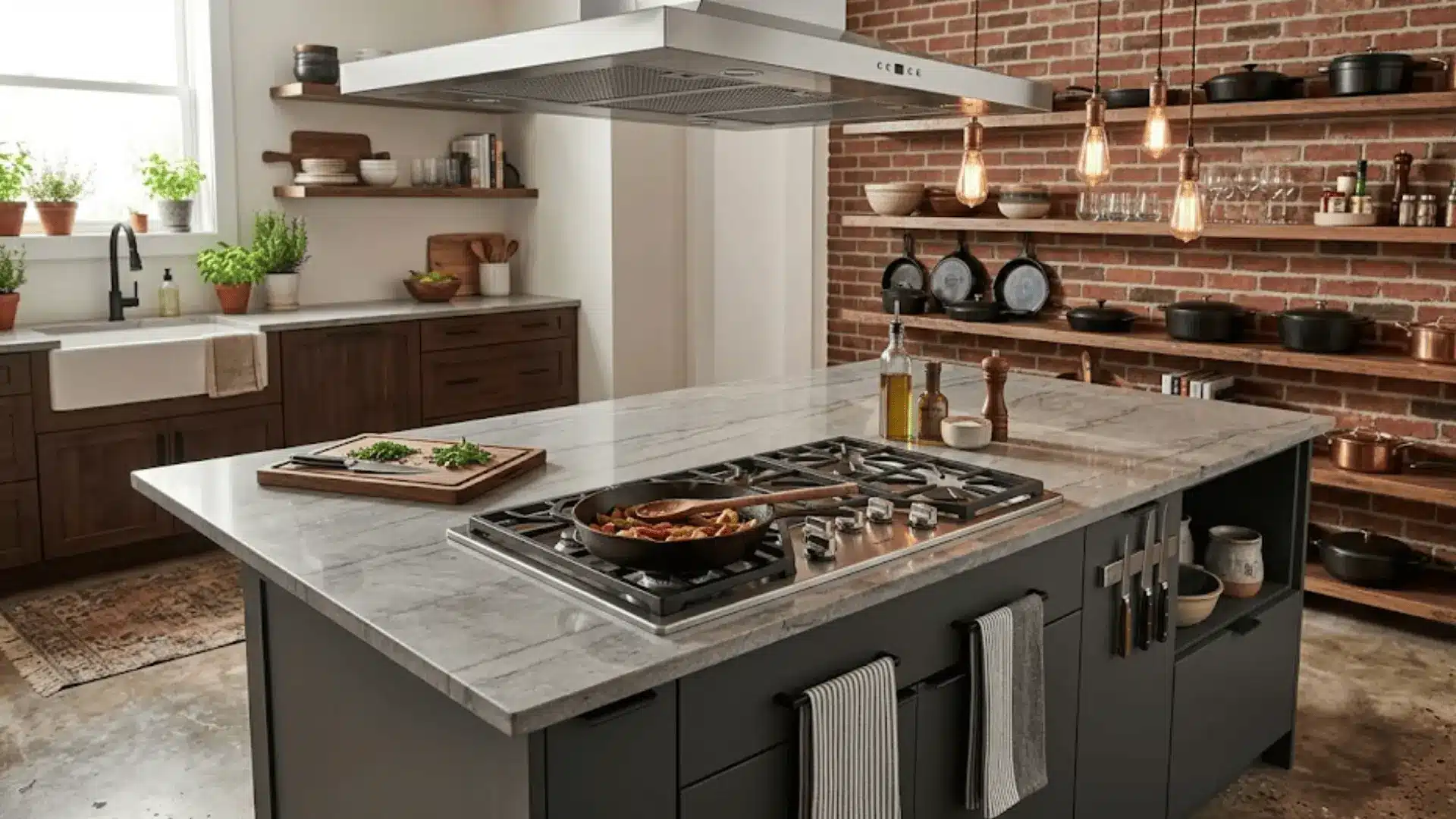
Dimension: 42 to 48 inches wide
A cooktop island shifts the priority toward safety clearance and ventilation, both of which need to be figured out before the dimensions are finalized.
The island needs enough breathing room around the cooking zone so nothing ever feels cramped or hazardous mid-cook.
4. Multi-Functional Island
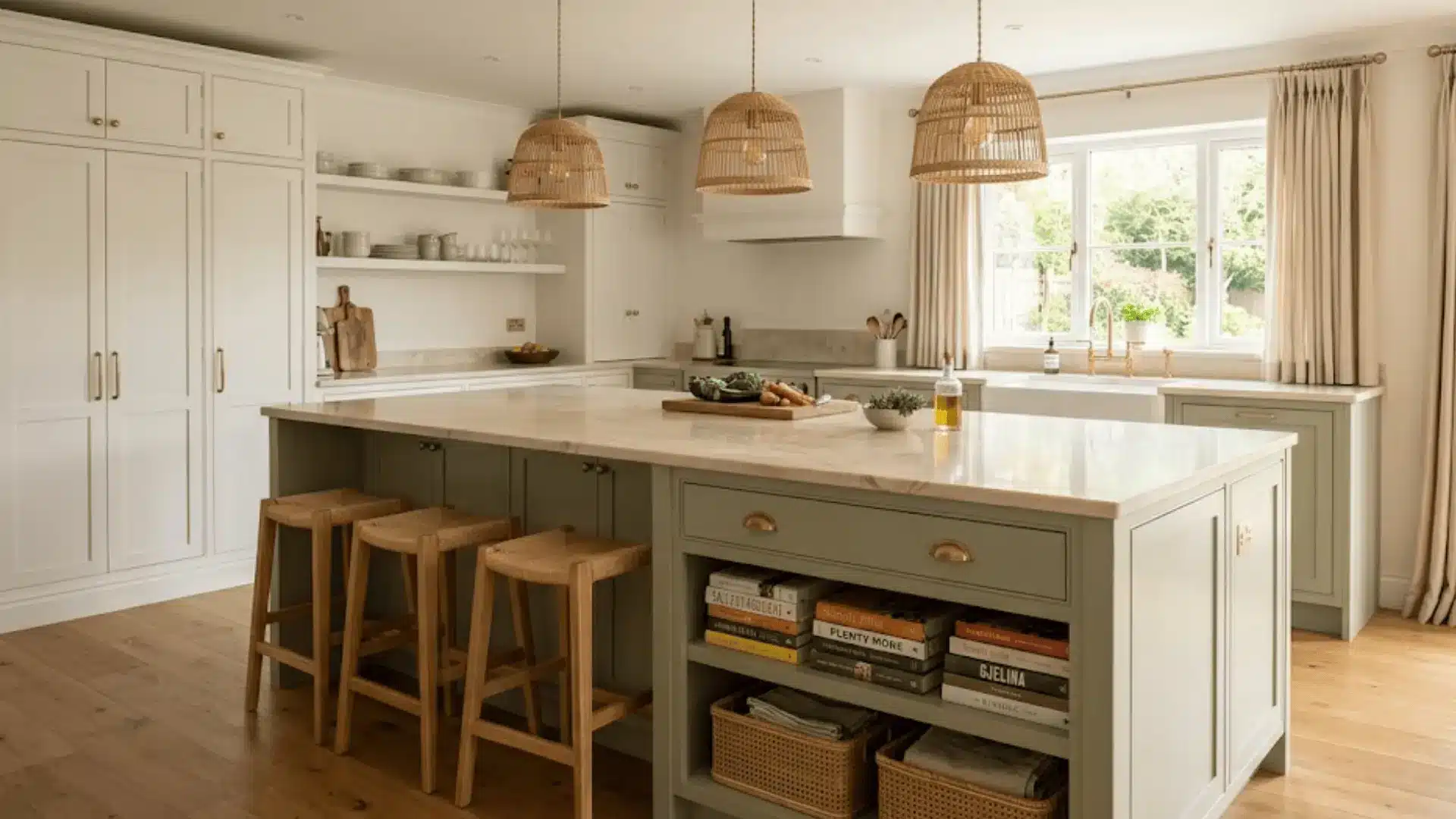
Dimension: 48 inches or more in width
A multi-functional island is where prep, storage, and seating all come together, which means the dimensions need to be generous enough to hold all of that without the island swallowing the entire kitchen.
Thoughtful sizing here pays off in every single part of your daily kitchen routine.
Kitchen Island Seating Dimensions
Seating is where the kitchen island stops being just a workspace and starts becoming the spot everyone naturally gravitates toward.
Getting the dimensions right here means the difference between seating that feels generous and seating that feels like an afterthought.
| Seating Capacity | Island Length | Space Per Seat | Recommended Overhang |
|---|---|---|---|
| 2 seats | 4 feet | 24 inches per person | 15 to 18 inches |
| 3 seats | 6 feet | 24 inches per person | 15 to 18 inches |
| 4 seats | 8 feet | 24 inches per person | 15 to 18 inches |
| Tight fit | Any length | 24 inches minimum | 12 inches |
| Comfortable fit | Any length | 26 to 28 inches | 15 to 18 inches |
Kitchen Island Dimensions by Kitchen Size
Your kitchen’s square footage sets the boundaries, and the island has to work within them, not against them. Sizing down or up based on your actual kitchen size is what keeps the whole space feeling intentional.
1. Small Kitchens
Dimensions: 24 to 36 inches wide, 36 to 48 inches long
A compact island or a rolling cart works really well here because it gives you the extra workspace without eating into the clearance you need.
The goal is to keep things functional and proportionate, so the kitchen feels complete rather than crowded.
2. Medium Kitchens
Dimensions: 36 to 48 inches wide, 48 to 72 inches long
A medium kitchen has just enough room to do everything well, seating, storage, and prep, without pushing the boundaries of the space.
A standard island size here feels natural and leaves enough clearance on all sides to move through the kitchen comfortably.
3. Large Kitchens
Dimensions: 48 inches or more wide, 72 inches or more long
A large kitchen can genuinely support an oversized island or even two separate islands zoned for different purposes.
This is where you can think bigger, dedicating sections to prep, dining, and entertaining without any single function feeling squeezed or compromised.
Kitchen Island Height Guide
Height is one of those details that quietly shapes how comfortable your kitchen actually feels to work and sit in. Before you finalize anything, these are the key height considerations worth knowing.
- 36 inches is the standard counter height and the most practical choice for everyday prep work.
- 42 inches works best for bar-height islands where stools and casual seating are part of the plan.
- Two-level islands combine a lower prep surface with a raised seating ledge, giving you the best of both heights.
- A mismatched island height relative to your countertops can throw off the visual flow of the entire kitchen.
Getting the height right ties the whole island together, because even the most well-sized island will feel off if the proportions are not working with the rest of the space.
Popular Kitchen Island Layouts & Dimensions
The shape of your island has just as much influence on the kitchen as the size does. Picking a layout that fits your space and the way you cook makes everything else fall into place naturally.
1. Rectangular Island
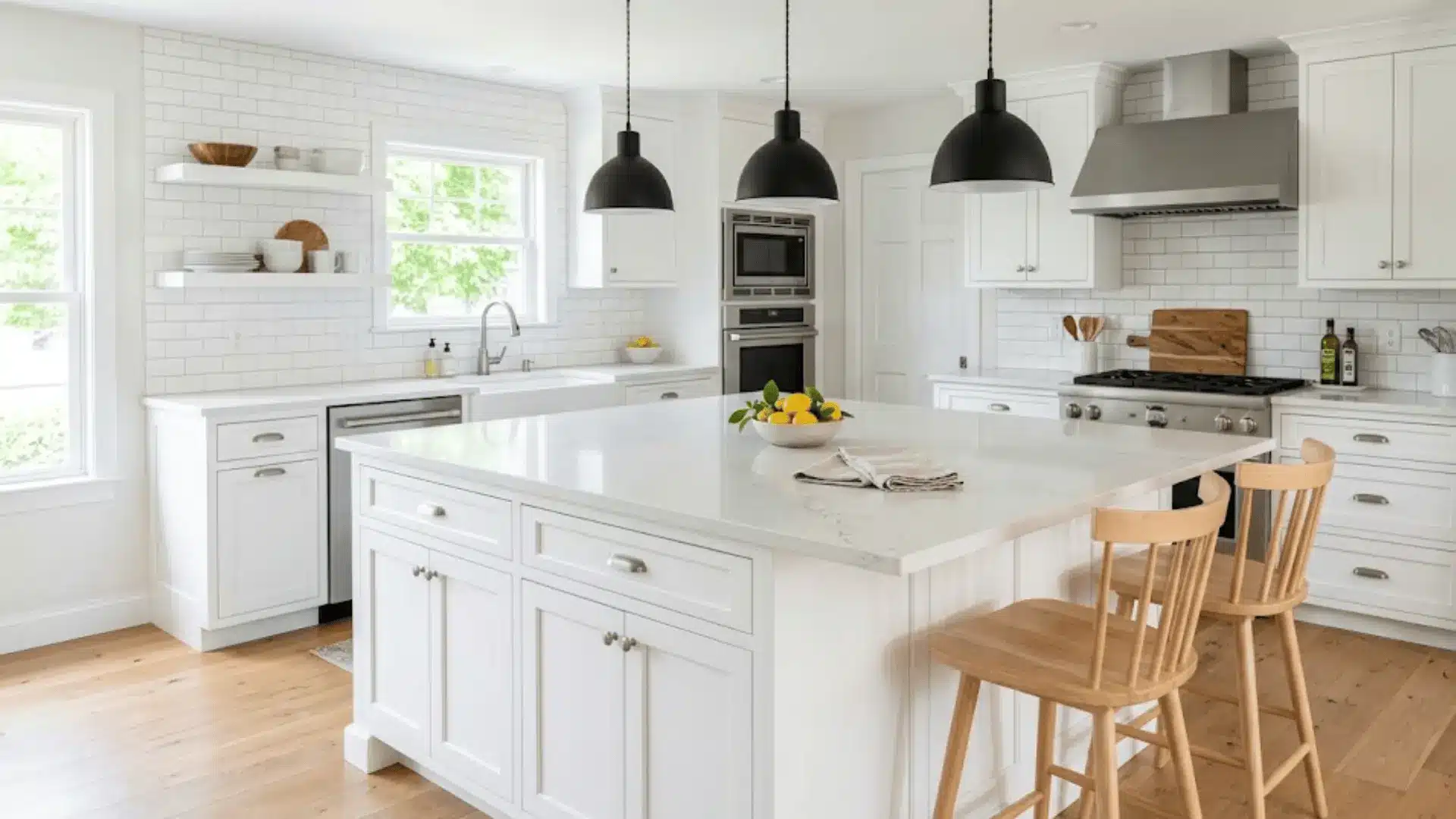
The rectangular island is the most common for good reason; it fits nearly every kitchen size, works with any style, and gives you a clean, uninterrupted surface for prep, seating, and storage.
It is straightforward, versatile, and almost always the safest starting point when you are figuring out what layout actually suits your kitchen.
2. L-Shaped Island
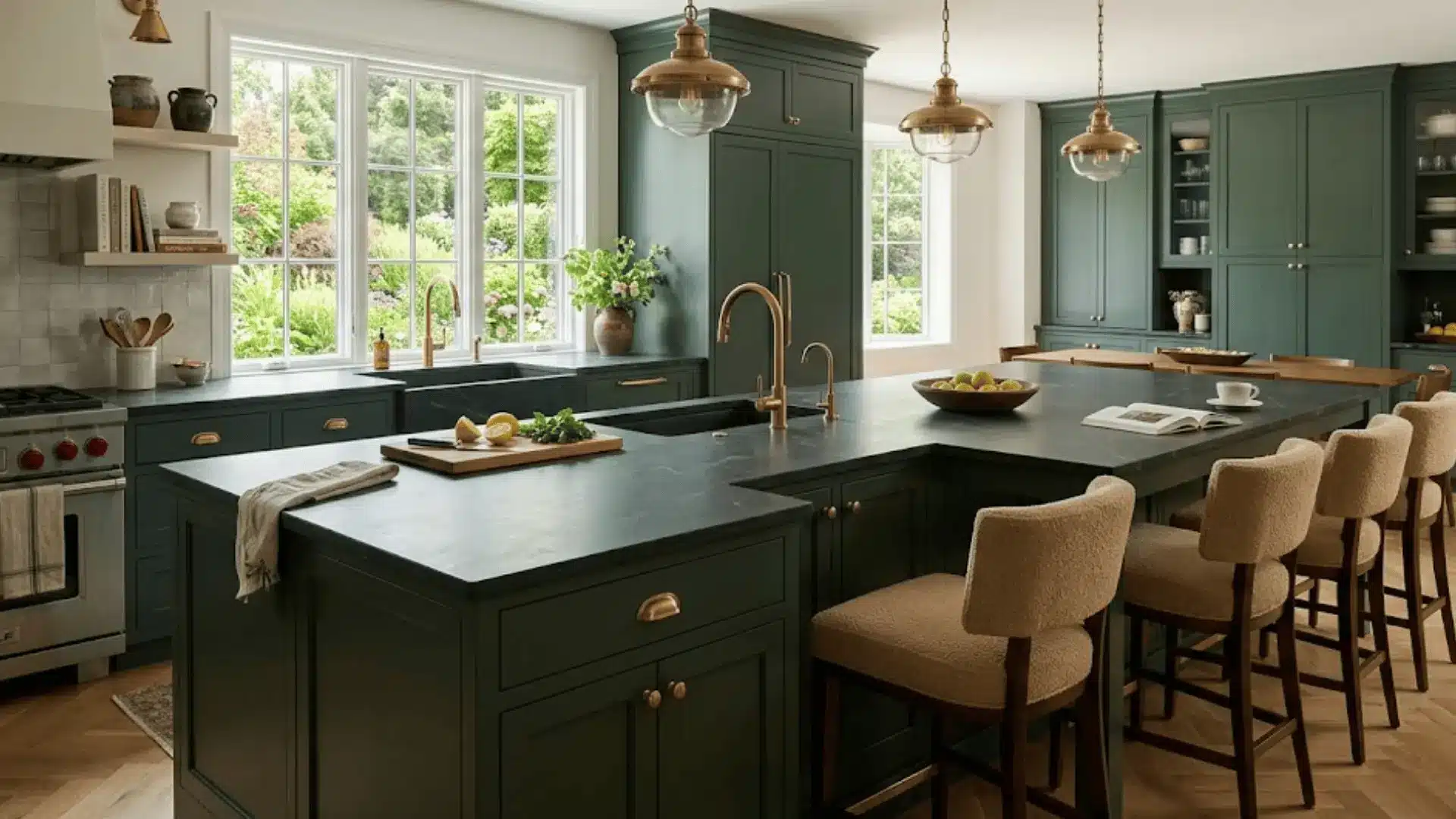
An L-shaped island is really built for larger kitchens where there is enough room to let the layout breathe. It naturally creates dedicated zones for different tasks, keeping prep, cooking, and seating from stepping on each other.
If you frequently have multiple people in the kitchen at once, this layout handles that kind of activity without making the space feel chaotic.
3. Galley Kitchen Island
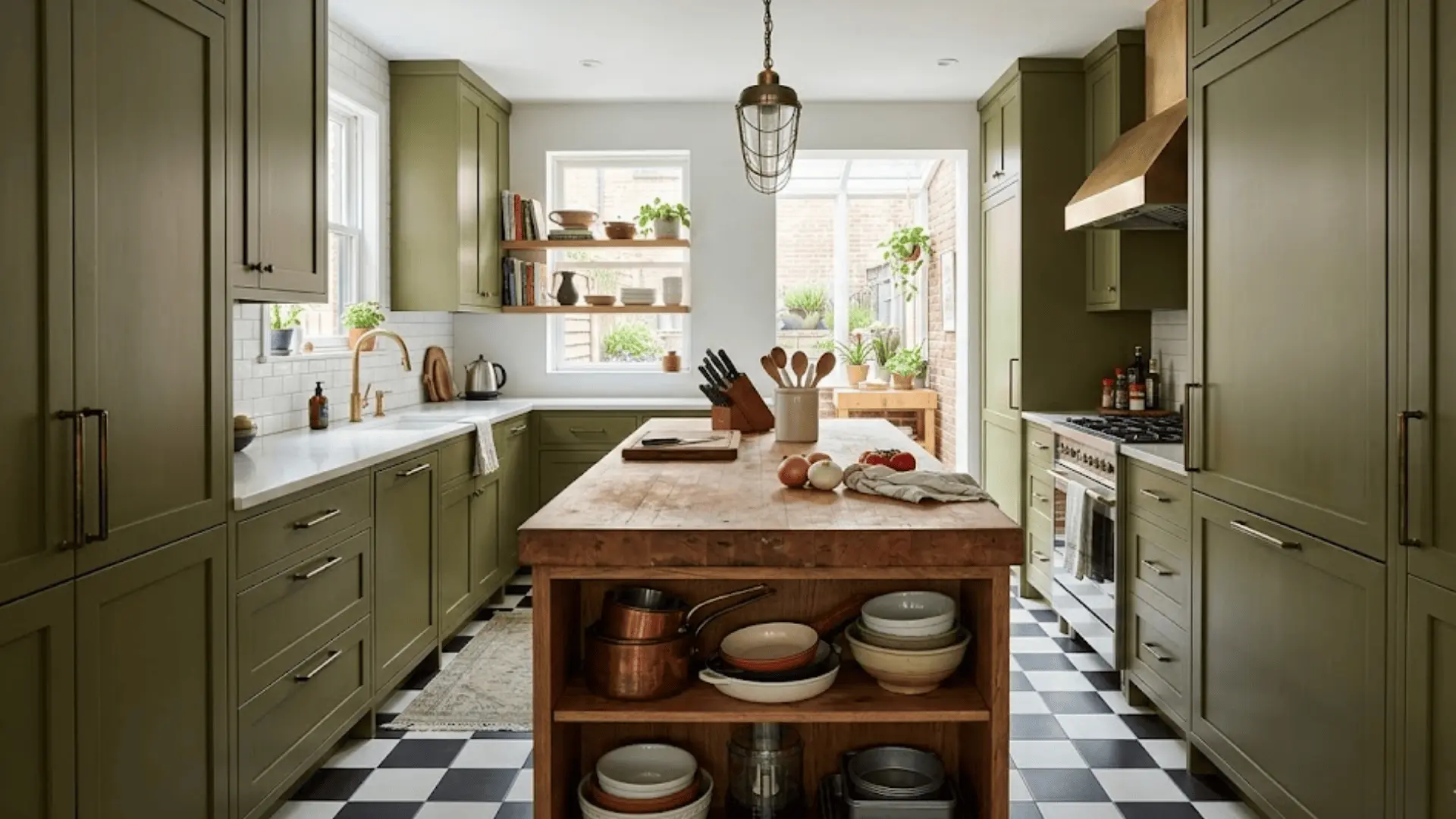
A galley island works by keeping things narrow and purposeful, slipping into tighter kitchens where a full-sized island simply would not fit.
It adds counter space and storage without disrupting the parallel flow that galley kitchens are built around. The key is making sure the clearance on both sides stays generous enough to move through comfortably.
4. Double Island Layout
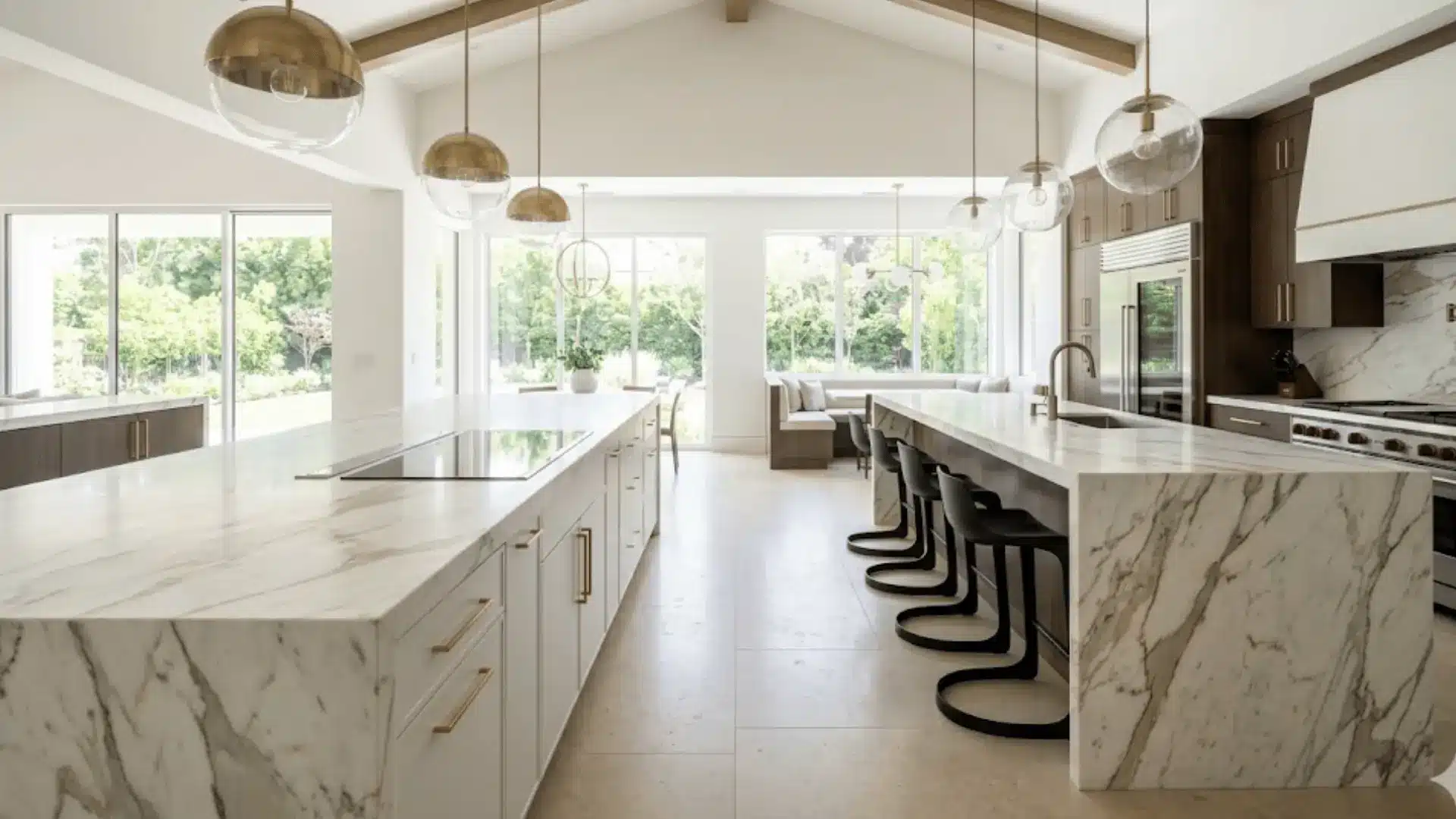
A double island is a luxury layout that only really works when the kitchen square footage can genuinely support it.
One island handles prep and cooking, while the other manages seating and entertaining, preventing overlap. When done correctly, it’s one of the most functional, visually impressive kitchen setups.
Storage & Functional Space Planning
A well-planned island does a lot more than just sit in the middle of your kitchen looking good. The storage and functional details built into it are what make it genuinely worth the space it takes up.
| Storage Feature | Type/Option | Recommended Dimension |
|---|---|---|
| Base cabinet depth | Standard | 24 inches |
| Drawer storage | Soft-close drawers | 18 to 24 inches wide per drawer |
| Open shelving | Display or everyday use | 12 to 15 inches deep |
| Pull-out storage | Pots, pans, organizers | 18 to 24 inches wide |
| Microwave integration | Built-in drawer or cabinet | 24 to 30 inches wide |
| Wine fridge | Undercounter unit | 15 to 24 inches wide |
| Dishwasher | Panel-ready integration | 24 inches wide (standard) |
Kitchen Island Design Tips for Better Functionality
A beautiful island that does not work well for your lifestyle will always feel like a missed opportunity. These pointers help you design around function first, so the aesthetics can follow naturally.
- Workflow comes first; position your island in a way that keeps the sink, stove, and fridge in a natural, easy triangle.
- Shape follows the kitchen, not personal preference; let your available space and traffic flow guide the layout decision.
- Pendant lighting placed 30 to 36 inches above the countertop keeps the island well-lit without overwhelming the visual balance of the room.
- Mixing materials on the island countertop and base adds depth and character without needing to change the overall kitchen design.
When these details are thought through early, the island stops feeling like a separate element and starts feeling like a natural extension of the kitchen itself.
Wrapping Up
Getting your kitchen island dimensions right is really just about understanding your space, your habits, and how you want the kitchen to feel on an ordinary day.
When the sizing, spacing, and layout all work together, the island stops being just a design choice and starts being the hardest-working spot in your home.
Starting from scratch or reworking an existing layout, the details covered here give you a solid foundation to build from.
Got questions about your specific kitchen setup? Drop them in the comments below!