Exterior maintenance gets exhausting once the house starts aging in obvious ways. You fix one thing, then something else outside immediately starts looking rough. Gutters overflow during storms, paint near the garage peels again, siding looks worn after winter, and suddenly the house feels like it constantly needs attention just to stay in decent shape.
This cycle happens a lot in Pittsburgh because homes deal with brutal weather changes all year long. Rain sits on exterior surfaces for days, snow and ice stress roofing systems, humidity wears materials down slowly, and freezing temperatures create cracks in places homeowners barely notice at first. A lot of outdoor materials simply stop holding up once they go years without smarter upgrades.
Smarter Window Upgrades
Inefficient windows create more daily annoyance than people expect. One room turns into a sauna every afternoon while another feels freezing once temperatures drop outside. Older frames collect condensation constantly, paint around the windows starts bubbling, and furniture near direct sunlight fades unevenly over time.
Most homeowners slowly adapt to all of it without realizing how much stress outdated windows place on the rest of the house every single season.
Modern window upgrades help settle the entire house down. Better insulation and stronger sealing stop outside temperatures from constantly affecting indoor spaces, which means heating and cooling systems do not need to work nearly as hard all day.
Moisture buildup around frames becomes much less common, too, helping protect nearby drywall, trim, and flooring from slow damage that usually gets ignored until repairs become expensive later.
Many homeowners now work with Pittsburgh energy efficiency experts when replacing older windows because the region’s weather exposes weak insulation problems very quickly. Once the upgrade is done, the house usually feels quieter, cleaner, and noticeably easier to manage year-round.
Replacing High-Maintenance Wood Features
Exterior wood starts becoming high maintenance the second the weather really gets to it. Railings crack after repeated winter freezes, deck boards absorb moisture during rainy months, trim starts peeling around corners, and suddenly, you are repainting the same sections every year just to stop everything from looking worn out.
A lot of homeowners get stuck constantly patching outdoor wood because the materials themselves were never built for long-term weather exposure.
Composite decking, engineered trim, and moisture-resistant materials stay stable much longer without constantly warping, splitting, or softening after storms and humidity. You stop dealing with endless sanding, repainting, sealing, and replacing damaged boards every few seasons. The biggest benefit, honestly, comes from how much mental space it frees up.
Preventing Expensive Roof Damage
Roofing problems become expensive fast because water never stays contained once it gets underneath damaged sections. A few missing shingles or weak flashing around roof edges may not look serious immediately, but repeated moisture exposure slowly spreads into attic spaces, insulation, ceilings, and wall structures underneath. By the time stains start appearing indoors, the actual problem has usually been building for much longer than homeowners realize.
Early reinforcement helps stop that entire chain reaction before repairs spiral into something much larger. Stronger roofing materials, reinforced flashing, updated underlayment, and impact-resistant products all help roofs survive harsh weather much more effectively over time. Snow buildup, freezing temperatures, heavy rain, and constant seasonal shifts place huge stress on older roofing systems every year.
Using Water-Resistant Siding Materials
Siding takes nonstop abuse throughout the year, especially in places where rain, humidity, snow, and heat all hit within the same few months. Older siding materials often start showing damage gradually.
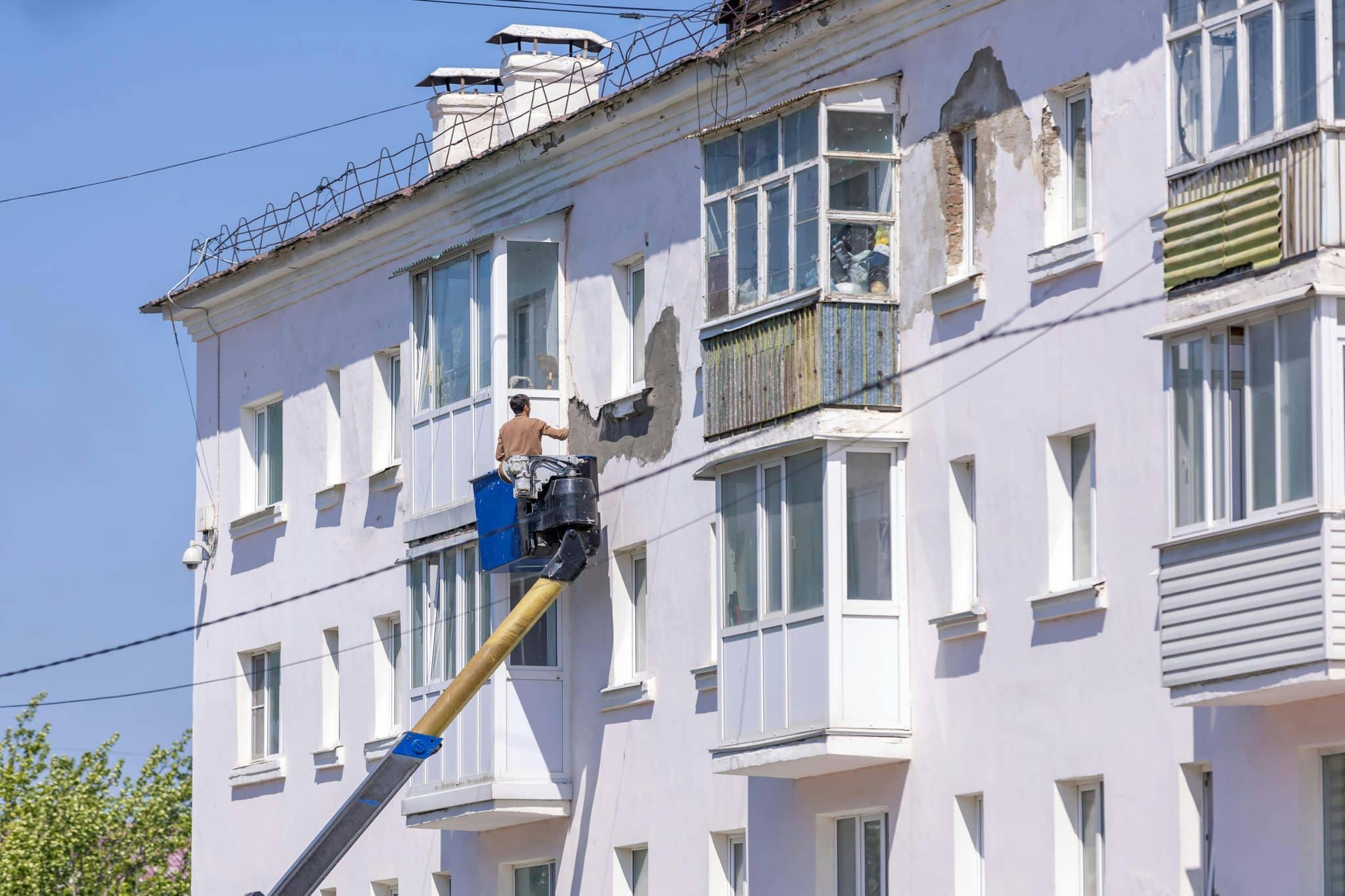
Paint fades unevenly, moisture weakens lower sections, cracks spread near seams, and certain sides of the house suddenly age much faster than others. Once siding begins trapping moisture underneath, repairs usually stop being simple cosmetic problems.
Water-resistant siding materials help eliminate a lot of that long-term frustration because they are built specifically to handle repeated weather exposure without constantly breaking down.
Fiber cement, engineered siding panels, and modern composite materials usually resist moisture, cracking, and warping far better than traditional exterior products. Homeowners spend way less time patching weak spots or repainting damaged sections because the siding itself stays durable through rough seasons.
Choosing Gutters That Handle Heavy Rain
Gutters usually get ignored until they stop working properly, then suddenly water starts showing up everywhere it should not. Overflow spills onto siding during storms, landscaping gets destroyed near the foundation, puddles collect around walkways, and dirty streaks begin running down exterior walls after every heavy rain.
Weak gutter systems create a surprising amount of long-term damage because water keeps hitting the same vulnerable areas repeatedly.
Better gutter systems help control that problem before it spreads further around the house. Larger gutters, stronger downspouts, gutter guards, and smarter drainage layouts move rainwater away much more effectively during heavy storms.
Once gutters stop overflowing every season, homeowners usually notice less siding damage, fewer drainage problems near the foundation, and way less cleanup after storms pass through.
Reducing Paint Maintenance
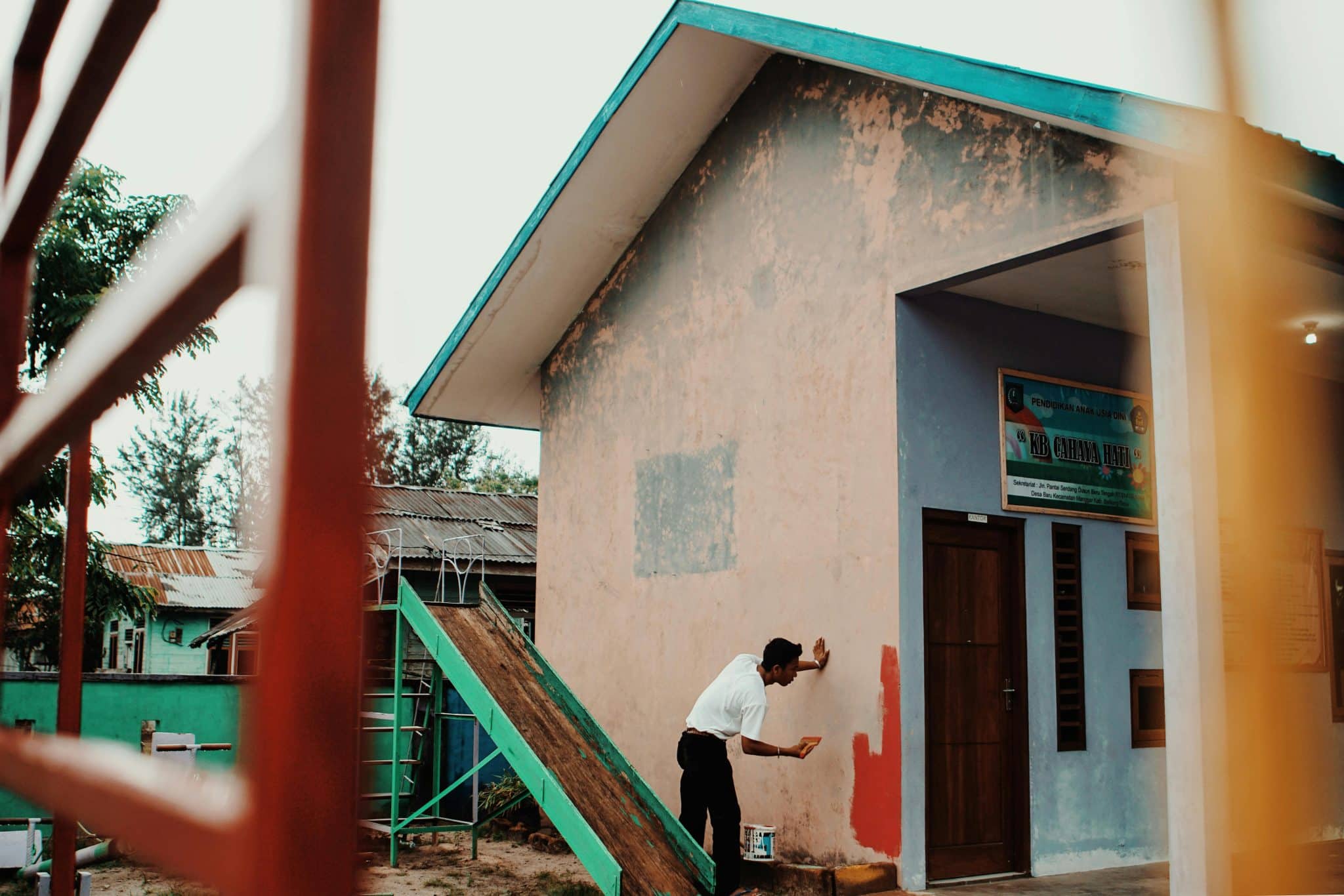
A lot of homeowners end up repainting sections constantly because standard exterior finishes simply cannot handle years of rain, humidity, freezing temperatures, and harsh summer heat without slowly breaking down. The frustrating part is that fresh paint may look good temporarily, yet the same problem areas usually return not very long afterward.
More durable exterior finishes help reduce that endless repainting cycle because they are designed to tolerate weather exposure much longer without cracking, fading, or peeling so quickly.
Modern coatings hold color better, resist moisture more effectively, and help exterior surfaces stay cleaner overall. That means homeowners spend far less time pressure washing walls, touching up damaged corners, or scheduling another repainting project every few years.
Outdoor Walkways That Resist Cracking
Outdoor walkways start becoming a problem once the ground underneath them stops staying stable through changing seasons. Cracks spread across concrete after freezing temperatures, pavers begin shifting unevenly after heavy rain, and certain sections start collecting standing water that turns into slipping hazards later.
Extreme weather variations especially create pressure on outdoor surfaces because repeated freezing and thawing keep forcing materials to expand and contract throughout the year. A walkway may look completely fine one season, then suddenly look uneven and worn down after another harsh winter passes through.
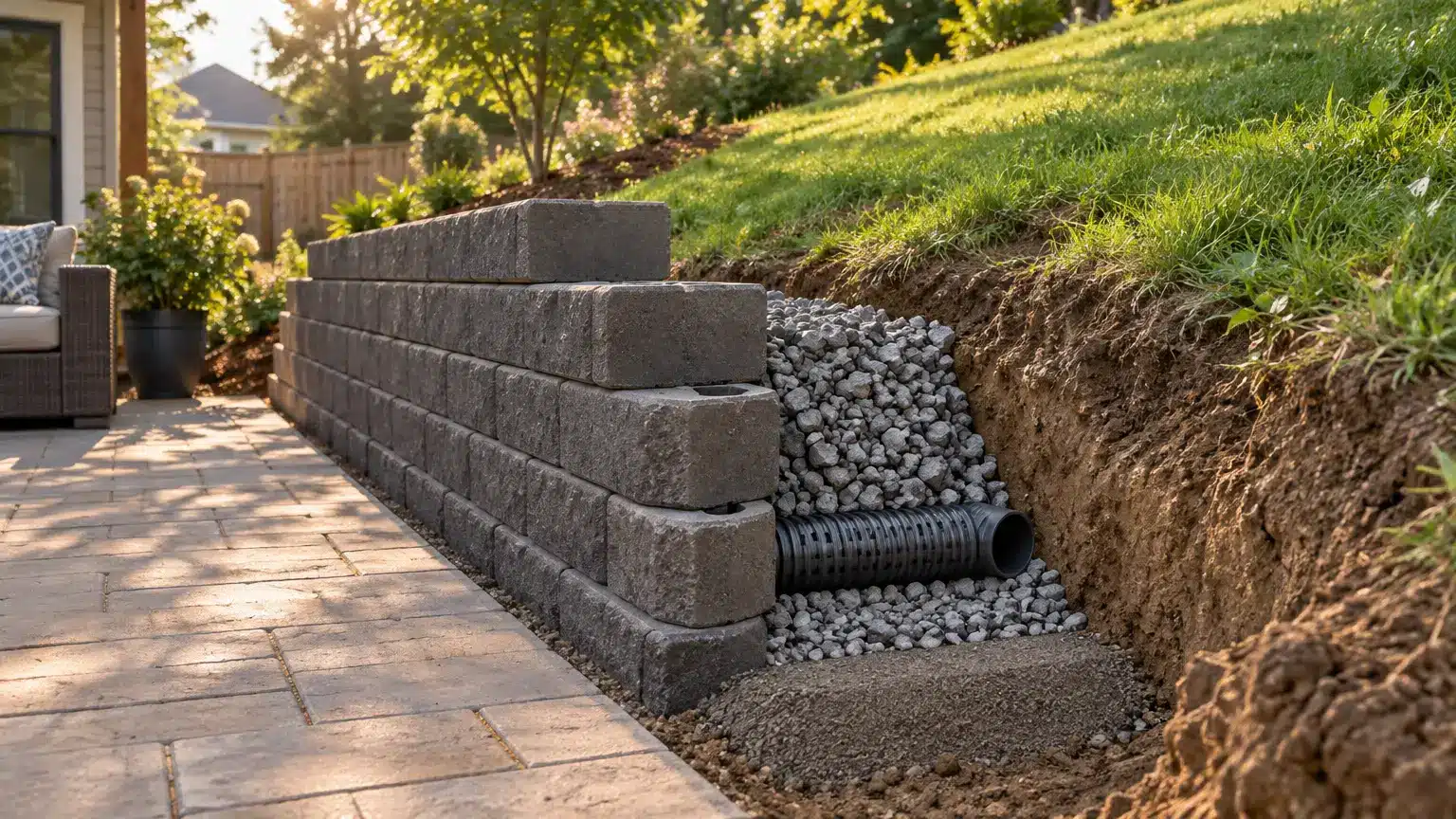
Stronger walkway materials and better installation planning help prevent a lot of those long-term problems from developing so quickly. Proper drainage underneath walkways, reinforced foundations, and more weather-resistant materials help outdoor paths stay level and stable much longer without constant repairs.
Homeowners usually notice a difference almost immediately because the surfaces feel safer, cleaner, and easier to maintain after storms or seasonal weather changes.
Long-term exterior maintenance becomes easier once the house stops fighting against the weather at every weak point. With these tips, the house stays more functional and easier to manage through changing weather conditions year after year.