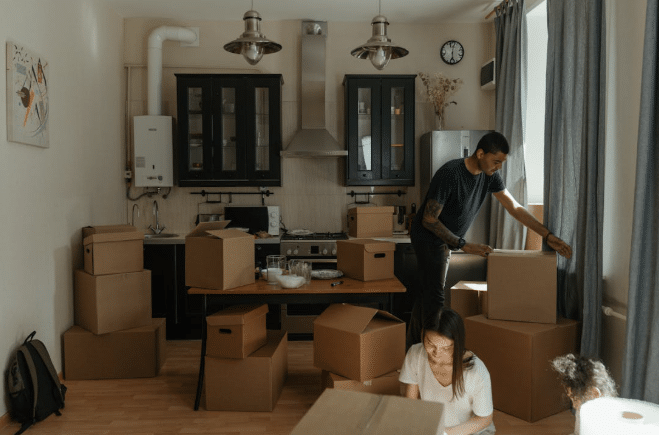
Most people underestimate how much work happens before moving day. Packing boxes is only one part of the process. The real stress usually comes from poor planning, forgotten tasks, and trying to organize an entire home at the last minute.
Many homeowners end up searching for missing documents, rushing to clean rooms, or throwing random items into boxes just hours before the movers arrive. That chaos often follows them into the new house as well.
A smoother relocation starts with preparing your home early and handling tasks in the right order. Small decisions made ahead of time can protect your belongings, reduce moving costs, and make unpacking far less overwhelming.
The goal is simple: leave your current home in good shape while making your next home easier to settle into from day one.
Prepare Furniture Before Moving Day
Large furniture and appliances often create delays because people wait too long to prepare them. Start by measuring bulky items and checking whether they fit through doorways, hallways, and staircases. Remove detachable parts from tables, shelves, and bed frames before moving day to save time and avoid damage. Keep screws and hardware inside labeled plastic bags so reassembly becomes easier later.
Clean appliances thoroughly before disconnecting them. Refrigerators and freezers need time to defrost and dry properly to prevent odors or leaks during transport. Washing machines and dishwashers should also remain completely empty before the movers arrive. If you are hiring professionals, confirm which items they will disconnect or move themselves.
Companies such as Coleman Worldwide Moving can handle large household items during long-distance relocations, which helps homeowners avoid common moving-day problems.
Protect Important and Fragile Belongings
Certain belongings need more attention than regular household items. Documents, jewelry, electronics, artwork, and sentimental pieces should never get mixed into random moving boxes.
Set these items aside early and create a safe storage area where they stay protected during the entire relocation process. Losing important paperwork during a move creates unnecessary stress that can delay utility setup, school enrollment, or financial tasks.
Take photos of valuable belongings before packing them. This helps with insurance records and gives you proof of their condition before transport. Wrap fragile items carefully using proper materials instead of old newspapers or thin grocery bags.
Label delicate boxes clearly so movers handle them with extra care. Careful preparation reduces the chance of damage and makes unpacking much less frustrating later.
Finish Small Repairs Before Leaving
Many homeowners focus so much on packing that they ignore basic home maintenance until the final day. Small unfinished repairs can create problems during inspections, security deposit returns, or buyer walkthroughs.
Start early by checking walls, doors, cabinets, faucets, and light fixtures throughout the house. Tighten loose handles, patch nail holes, replace burned-out bulbs, and fix dripping taps before the home becomes crowded with boxes.
Cleaning should also happen gradually instead of all at once. Deep clean storage areas, baseboards, and kitchen appliances before packing blocks access to those spaces.
If you are selling the property, clean and repair work helps create a better impression during final visits. Leaving a well-maintained home also makes the transition smoother for the next occupants and reduces last-minute stress for you.
Pack a First-Night Essentials Bag
The first day inside a new home rarely goes exactly as planned. Boxes may arrive late, furniture may still need assembly, and important items often disappear during unloading. A separate essentials bag helps you avoid digging through dozens of boxes just to find basic necessities. Pack enough clothes, toiletries, medications, chargers, and important documents to last at least two days.
Families with children should also include snacks, comfort items, and bedtime essentials to keep routines stable after a long moving day. Keep cleaning wipes, paper towels, scissors, and a flashlight nearby because these items become surprisingly useful during unpacking.
Store this bag in your personal vehicle instead of the moving truck whenever possible. Easy access to daily essentials helps reduce stress while you settle into the new space.
Keep Kids and Pets Comfortable
Moving affects children and pets more than many people realize. Loud packing, unfamiliar routines, and constant activity can make them anxious before moving day even arrives. Try to keep daily schedules as normal as possible during the transition. Regular meals, bedtime routines, and familiar activities help create stability while the house changes around them.
Pack children’s rooms later than other areas so they can keep familiar items nearby for longer. For pets, prepare a quiet room with food, water, toys, and bedding while movers work inside the house.
This prevents stress and reduces the risk of pets escaping through open doors. If you are traveling over a long distance, confirm pet-friendly hotels and transportation plans early. A calmer environment helps everyone adjust more comfortably throughout the relocation process.
Confirm Moving-Day Details Early
Many moving-day delays happen because homeowners wait too long to confirm basic logistics. Contact your moving company several days before relocation and review arrival times, addresses, parking access, and inventory details.
Apartment buildings and gated communities often require elevator reservations or loading permits, so handle those arrangements early to avoid delays.
Double-check utility transfer dates as well. Electricity, internet, and water should already be active when you arrive at the new property. Keep paper copies of important contracts and moving documents in case your phone battery dies during the process.
Walk through your home one final time before movers leave to check closets, cabinets, and storage spaces carefully. Forgotten chargers, documents, and keys often hide in small spaces people overlook while rushing through the final hours.
Get the New Home Ready First
Preparing the new home before move-in day saves a huge amount of time later. Schedule utility activation early and confirm internet installation appointments before arrival. Empty homes also provide the best chance to deep clean floors, cabinets, bathrooms, and kitchen surfaces properly without furniture blocking access.
Check smoke detectors, door locks, and air filters before unloading begins. If the previous owners left paint codes, manuals, or spare keys behind, organize them immediately in one safe place. Unpack strategically instead of opening every box at once.
Start with bedrooms, bathrooms, and kitchen basics so the home becomes functional quickly. Many people create more stress by unpacking randomly without priorities. A simple room-by-room plan helps you settle in faster and prevents unnecessary clutter from taking over the new space during the first few weeks.
A successful move depends on preparation long before the truck arrives. Simple steps like decluttering early, organizing important belongings, preparing furniture, and confirming logistics can prevent many common moving problems. People who plan ahead usually spend less time dealing with damaged items, missing paperwork, and unpacking confusion after arrival.
The goal is not to make the move perfect. The goal is to make it manageable. A well-prepared home creates a smoother transition and helps you settle into your new space with less stress. Moving will always involve work, but thoughtful preparation makes the entire process easier to handle from start to finish.