Rubber mulch has been having a serious moment in the landscaping world, and honestly, it makes sense. It looks clean, holds its color beautifully, and practically takes care of itself.
But a pretty garden bed that works against your plants is the last thing anyone wants.
So before you commit to a full yard makeover, it’s worth asking: is rubber mulch actually good for your garden, or just good-looking?
Everything you need to know, including how it compares to classic wood mulch, is laid out right here so you can make a choice your garden will genuinely thank you for.
What is Rubber Mulch?
Rubber mulch is shredded, recycled tire material repurposed as ground cover for gardens and outdoor spaces.
Unlike organic mulches that break down over time, rubber is inorganic, meaning it won’t decompose, feed your soil, or attract insects the way wood chips might.
You’ll commonly find it lining playground areas, garden beds, and decorative pathways where low maintenance and durability matter most.
The core difference between organic and inorganic mulch really comes down to one thing: soil relationship.
Organic mulch works with your soil; rubber mulch simply sits on top of it, focused on function and appearance rather than enriching what’s underneath.
Pros of Rubber Mulch
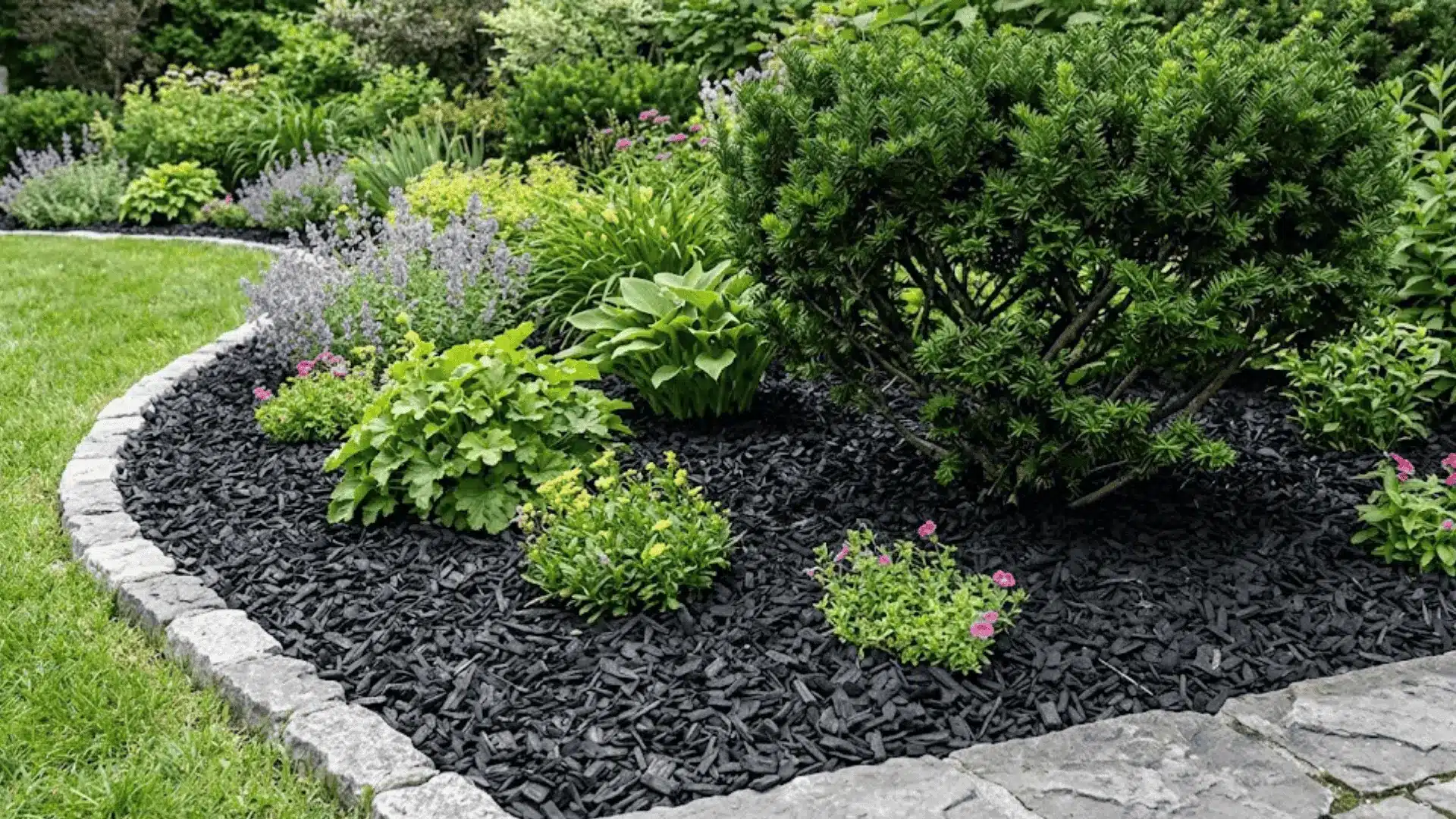
Rubber mulch brings some genuinely impressive qualities to the table, especially for gardeners who want results without the constant upkeep.
Here’s what makes it worth considering.
1. It Lasts for Years Without Replacement
One of rubber mulch’s biggest selling points is its incredible lifespan. While wood mulch needs refreshing every season or two, rubber holds up beautifully for close to a decade.
You’re essentially making a one-time investment that keeps your garden beds looking tidy and cared for, year after year, without the hassle of restocking every spring.
2. Practically Zero Maintenance Required
Rubber mulch doesn’t decompose, which means it won’t thin out, break down, or turn soggy over time. For busy homeowners or low-maintenance gardens, that’s a genuine win.
No topping up, no replacing, no seasonal refreshing. Once it’s down, it largely takes care of itself, freeing up your time for the parts of gardening you actually enjoy.
3. Keeps Weeds Down and Moisture In
Rubber mulch creates a dense, compacted barrier that makes it tough for weeds to push through. It also helps the soil beneath retain moisture, reducing how often you need to water.
For garden beds that tend to dry out quickly or areas prone to stubborn weed growth, this combination of benefits is hard to overlook.
4. Pests Simply Aren’t Interested
Unlike wood-based mulches, rubber offers nothing for termites, ants, or other insects to feed on or nest in. No organic material means no pest attraction.
If you’ve dealt with wood mulch inviting unwanted visitors close to your home’s foundation before, switching to rubber can bring some real peace of mind.
5. Stays Exactly Where You Put It
Rubber mulch is noticeably heavier than most organic alternatives, so wind, rain, and foot traffic don’t scatter it around.
It holds its position well, keeping garden edges neat and pathways defined without needing constant raking or redistribution. For high-traffic areas or spots exposed to strong winds, that stability makes a real difference.
6. Comes in a Range of Colors
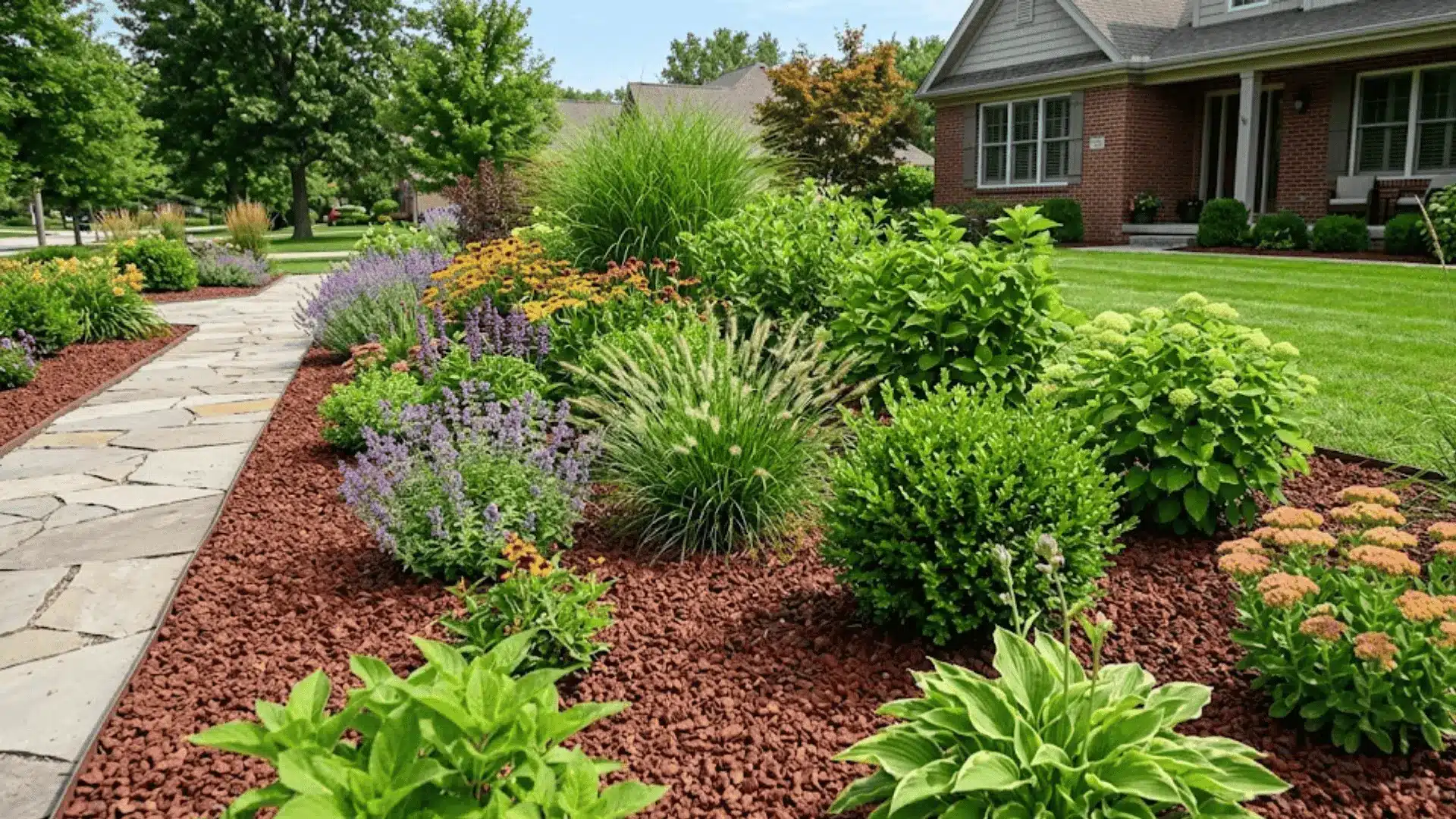
Rubber mulch is available in an appealing variety of colors, from natural browns and reds to bold blacks and even greens. Better still, the color holds for years without fading the way dyed wood mulch often does.
For gardeners who care about how their outdoor space looks all year round, that lasting visual appeal is a definite plus.
Cons of Rubber Mulch
Rubber mulch has its appeal, but it comes with some real tradeoffs that are worth understanding before you commit.
Here’s an honest look at the downsides.
1. It Does Nothing for Your Soil
Rubber mulch covers your soil beautifully, but that’s where its relationship with the earth ends. No nutrients are added, no organic matter builds up, and no microbial activity is supported.
Over time, gardens mulched with rubber can end up with increasingly depleted soil underneath, especially compared to wood mulch that quietly enriches the ground as it breaks down.
2. Chemical Leaching Is a Real Concern
Recycled tires contain compounds like zinc, volatile organic compounds (VOCs), and other industrial chemicals that can slowly leach into the soil over time.
While research is still ongoing, many gardeners and horticulturists prefer to err on the side of caution, particularly in areas near edible plants, water features, or spaces where children and pets spend a lot of time.
3. It Absorbs and Traps Heat
Rubber holds heat in a way that organic mulch simply doesn’t. On a warm summer day, rubber mulch surface temperatures can climb high enough to stress or damage plant roots and stems.
For gardens in warmer climates or beds with delicate plantings, this heat retention can quietly work against everything you’re trying to grow.
4. It’s a Fire Hazard
This one often surprises people. Rubber burns significantly hotter and faster than wood mulch, and once it catches, it’s much harder to extinguish.
Using rubber mulch near fire-prone areas, dry climates, or close to structures carries a genuine safety risk. It’s one of the more serious drawbacks that doesn’t always make it onto the product packaging.
5. The Upfront Cost is Steep
Rubber mulch costs noticeably more than most wood or bark alternatives at the point of purchase.
The long lifespan does help balance things out over time, but the initial investment can feel significant, especially for larger garden beds or expansive landscaping projects.
It’s worth doing the math before assuming longevity always makes it the more economical choice.
6. Removing it is a Real Headache
Unlike wood mulch that slowly disappears into your soil, rubber mulch sticks around indefinitely, and removing it is genuinely tedious work.
Small rubber pieces work their way into the soil and become difficult to fully extract. If you ever want to switch mulch types or replant an area, you may find yourself dealing with leftover rubber fragments for seasons to come.
Rubber Mulch vs. Wood Mulch: Which is Better?
Choosing between the two really comes down to what your garden actually needs.
Rubber mulch and wood mulch serve quite different purposes, and knowing where each one shines makes the decision a whole lot easier.
| Feature | Rubber Mulch | Wood Mulch |
|---|---|---|
| Lifespan | Very long (years) | Shorter, needs replacing |
| Soil Health | No benefit | Actively improves soil |
| Upfront Cost | Higher | More budget-friendly |
| Safety | May release chemicals | Generally safer |
| Fire Risk | Higher | Lower |
| Heat Retention | Absorbs and traps heat | Stays relatively cool |
| Best Use | Playgrounds, pathways, decor | Garden beds, around plants |
Rubber mulch earns its place in low-maintenance decorative areas and high-traffic spaces, but when living, growing plants are involved, wood mulch is generally the smarter pick.
When is Rubber Mulch a Good Choice?
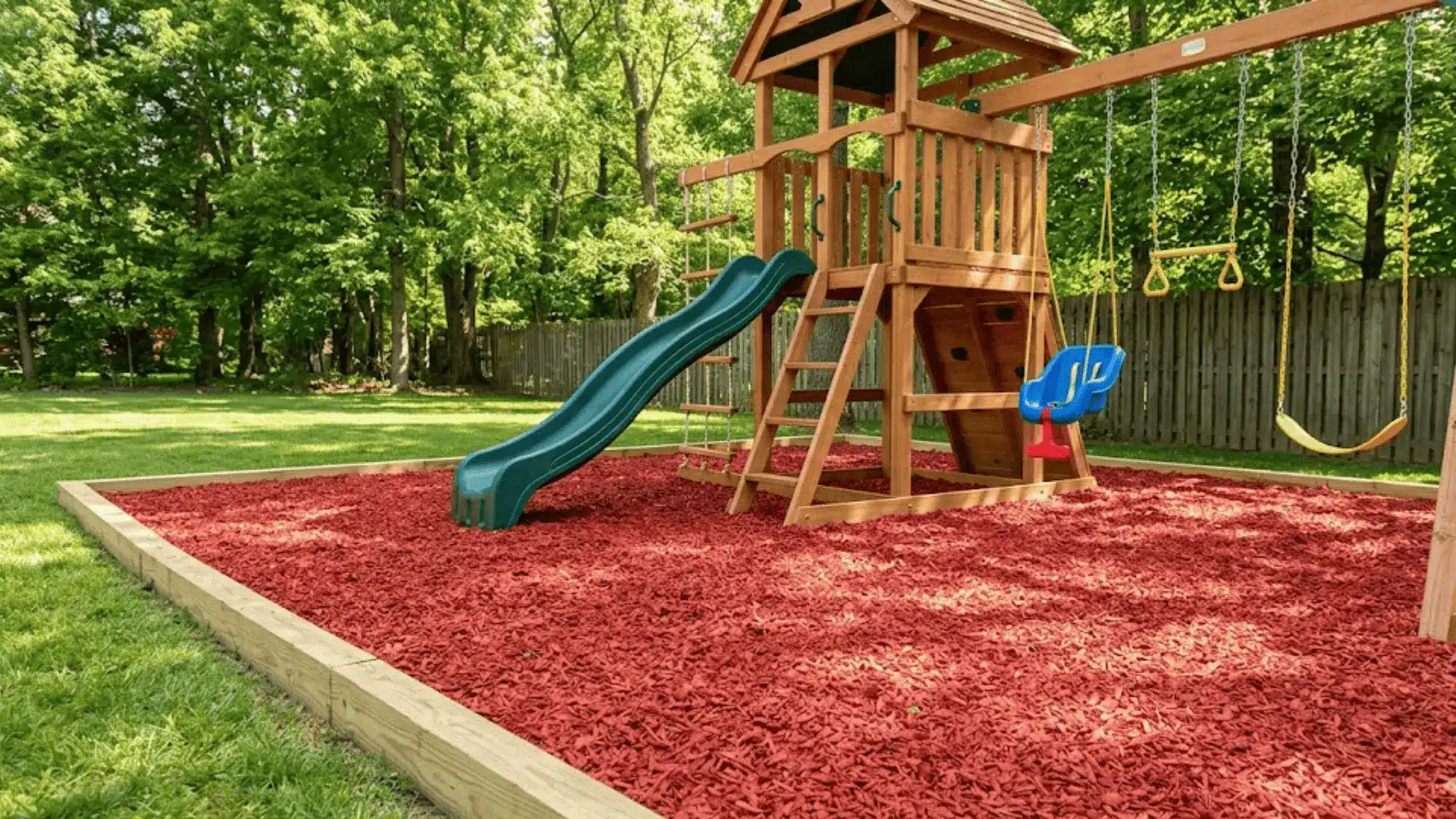
Rubber mulch isn’t the right fit for every corner of your garden, but there are specific situations where it genuinely pulls its weight.
- Playgrounds and Play Areas: Its natural shock absorption makes it a safer, cushioning surface for kids to land on.
- Decorative Landscaping Beds: Ideal for low-upkeep spaces where appearance matters more than soil enrichment.
- High Rain and Wind Zones: Heavy enough to stay put through rough weather without washing or blowing away.
- Non-Plant Zones: Pathways, borders, and purely decorative areas where soil health simply isn’t a factor.
Think of rubber mulch as a specialist, not an all-rounder. Point it toward the right spots and it performs beautifully; ask it to nurture a garden bed full of living plants and it’ll fall short every time.
When Should You Avoid Rubber Mulch?
As useful as rubber mulch can be in the right setting, there are places in your garden where it really has no business being.
- Vegetable Gardens: The risk of chemical leaching near edible plants isn’t worth it, no matter how convenient the low maintenance sounds.
- Flower Beds with Active Plantings: Soil-dependent flowers need organic matter and nutrients that rubber simply cannot offer.
- Hot Climate Gardens: In already warm environments, rubber’s heat retention can push soil temperatures to levels that stress and damage plant roots.
- Fire-Prone Areas: Rubber ignites faster and burns hotter than organic mulch, making it a serious safety concern in dry or wildfire-risk zones.
If your garden is full of life and growth, rubber mulch is better left out of the picture. These are spaces that deserve materials working actively in their favor.
Environmental Impact of Rubber Mulch
Rubber mulch starts its life as a genuinely good idea: recycled tires diverted from landfills and repurposed into something functional. That part deserves credit.
But the environmental story doesn’t end there.
Rubber is not biodegradable, meaning it quietly persists in your garden soil for decades.
Over time, metals like zinc and other tire-derived compounds can leach into the surrounding earth, raising legitimate concerns about long-term soil and water contamination.
For eco-conscious gardeners, that tradeoff between reducing tire waste and potentially introducing toxins into a living ecosystem is something worth sitting with before making a decision.
Best Alternatives to Rubber Mulch
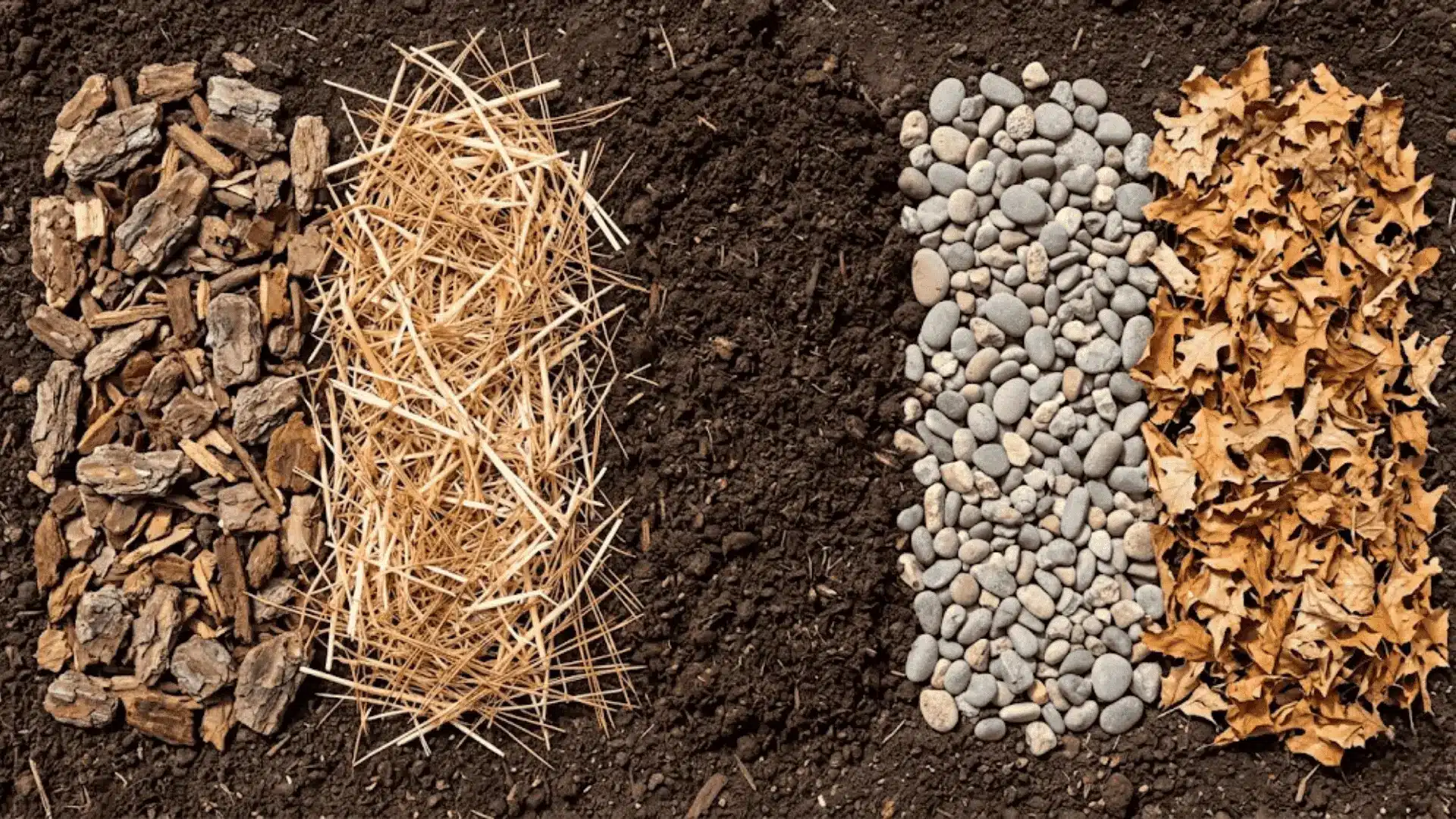
If rubber mulch isn’t feeling like the right fit, the good news is there are plenty of materials that do the job beautifully and then some.
- Bark and Wood Chips: The most popular choice for good reason, offering reliable moisture retention, weed suppression, and gradual soil enrichment.
- Straw or Pine Needles: Lightweight, affordable, and wonderful for vegetable gardens or areas needing a gentler, more natural ground cover.
- Compost Mulch: Pulls double duty by protecting soil on the surface while actively feeding it with nutrients from underneath.
- Gravel or Pebbles: A clean, decorative option for pathways and non-plant zones where durability and drainage matter most.
- Shredded Leaves: A completely free, surprisingly effective mulch that breaks down beautifully and gives back generously to your soil.
Unlike rubber, organic mulches don’t just sit there looking tidy. They work quietly in the background, building healthier soil with every passing season, which is really what a thriving garden is rooted in.
Rubber Mulch vs. Wood Mulch: Cost Comparison
Price is often what tips the decision one way or the other, and with rubber versus wood mulch, the numbers tell an interesting story depending on how far out you’re planning.
| Cost Factor | Rubber Mulch | Wood Mulch |
|---|---|---|
| Upfront Cost | Higher initial investment | Budget-friendly to start |
| Lifespan | Lasts for years without replacing | Needs refreshing seasonally |
| Long-term Replacement | Minimal to none | Regular replenishment needed |
| Labor Over Time | Low, rarely needs attention | Moderate, requires topping up |
| Overall Value | Better for long-term savings | More affordable short-term |
Which one actually saves you money depends entirely on how long you’re planning to keep your garden looking its best.
The Bottom Line
At the end of the day, whether rubber mulch is good for your garden is less a yes or no answer and more a matter of placing the right material in the right space.
For playgrounds, pathways, and purely decorative areas, it holds up wonderfully.
For living, growing garden beds, organic mulch will always serve your plants better. Know what your garden is asking for, and let that guide your choice.
Found this helpful or have a mulching experience of your own? Drop it in the comments below, would love to hear what’s working in your outdoor space.