Most gardeners keep a notebook. A few keep a spreadsheet of planting dates and harvest weights. But almost nobody keeps a video record of the slow, quiet transformation their yard goes through across a season, and that’s a shame, because a garden is one of the few home projects that actually looks better in motion. The soil darkens after rain, the seedlings lean toward the window, the raised bed fills in from bare wood to a tangle of green in a matter of weeks. If you’ve ever filmed bits of this on your phone and let the clips pile up unused, a simple home and garden habit worth building this year is turning those scattered clips into something you’ll actually watch again, using a lightweight, browser-based tool like the Clideo video editor to stitch it all together without learning a full production suite.
Why a Garden Deserves Its Own Video Record
Photos freeze a single second. A short video captures the in-between moments that photos miss entirely, the way wind moves through tall sunflowers, the sound of a trowel cutting into damp soil, the slow unfurling of a fern frond over three days condensed into three seconds. For anyone who has spent a weekend building a raised bed layer by layer, or slowly filling in a bare flower bed along the front walk, a video diary does something a written log can’t: it shows texture, scale, and light, three things gardeners obsess over but rarely record properly.
There’s also a practical reason to keep video footage of your garden and home projects. When something goes wrong later, whether it’s a plant that suddenly wilts, a fence panel that starts leaning, or a pest outbreak that seems to appear overnight, having a running visual record makes it much easier to spot exactly when the change started. A five-second clip from three weeks ago showing healthy leaves can be more useful than memory alone when you’re trying to diagnose a problem.
Start Small: Film in Short, Purposeful Bursts
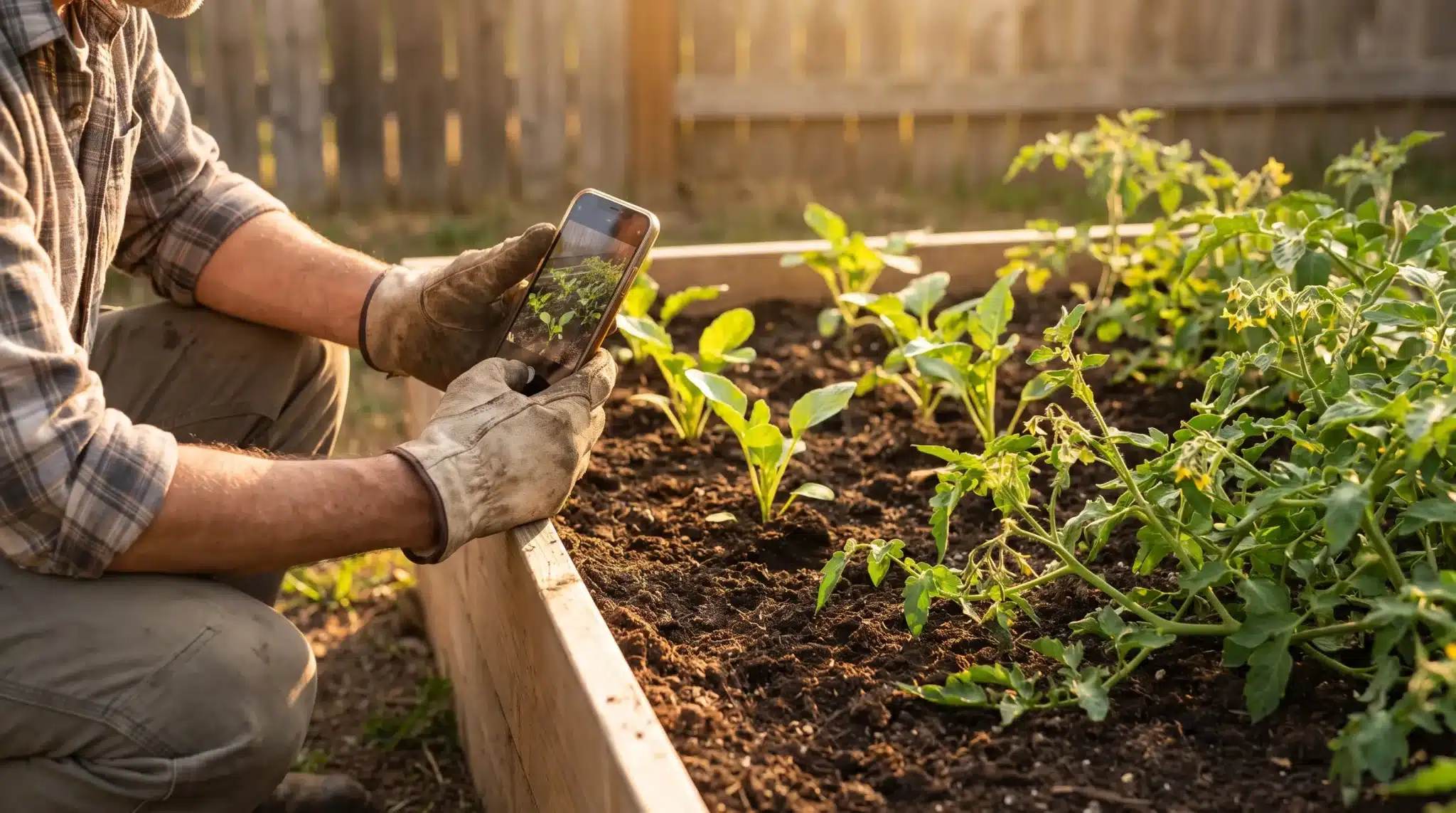
You don’t need a proper camera rig or a tripod collection to start a garden video journal. A phone is more than enough. The trick is filming with intention rather than filming everything. A few habits that make a real difference:
- Film the same angle every time. Pick one corner of the raised bed, one spot on the porch, one section of the flower border, and return to that exact spot each week. Consistency is what makes a time-lapse feel like progress rather than a random collection of clips.
- Keep clips short. Ten to fifteen seconds per update is plenty. You’re building a library you’ll later trim down, not shooting a documentary.
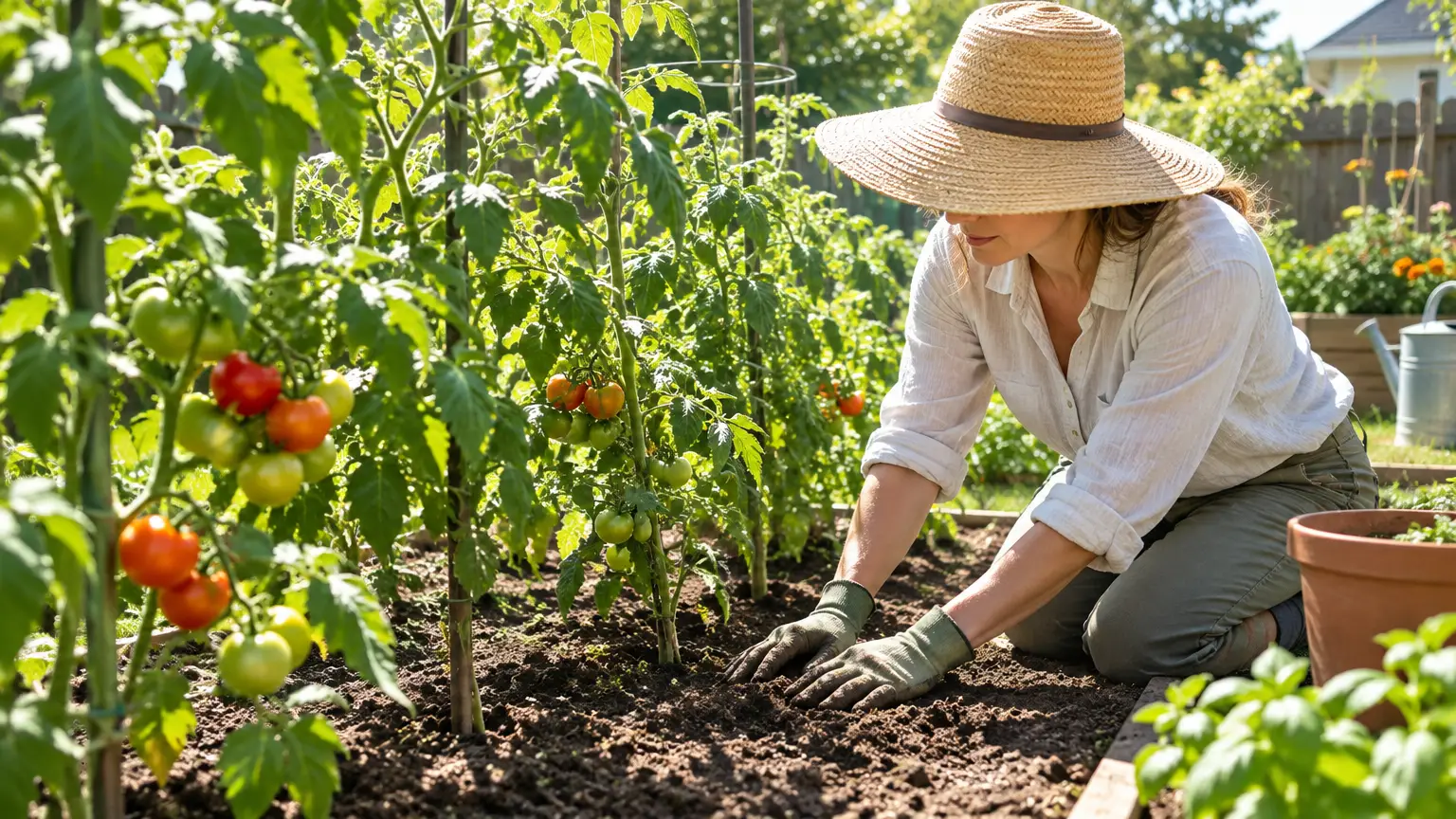
- Capture process, not just results. A clip of hands mixing compost into soil, or spacing out seedlings along a string line, adds far more personality to the final video than another still shot of a finished bed.
- Note the date somehow. Even saying the date out loud at the start of a clip, or holding up a small chalkboard, saves a huge amount of guesswork when you sit down to edit weeks later.
Do this consistently for a single growing season, from spring planting through the first frost, and you’ll end up with a genuinely satisfying stretch of footage without ever feeling like you were “filming a project.”
Turning Raw Clips Into Something Watchable
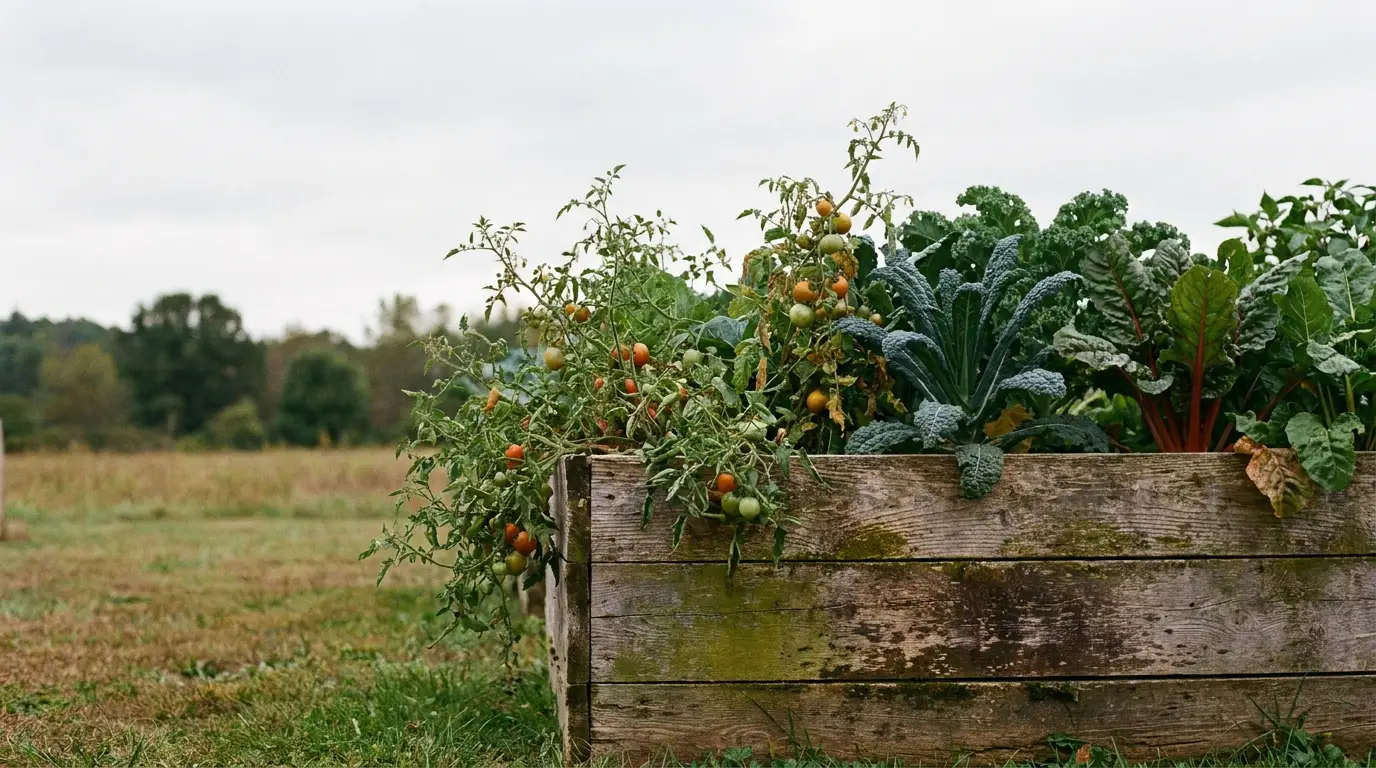
This is the part that stops most people. Dozens of short clips sitting in a phone’s camera roll rarely turn into anything unless there’s an easy way to trim, arrange, and combine them. This is exactly where a simple online tool earns its place in a gardener’s toolkit rather than a filmmaker’s. Rather than installing heavy desktop software, many home hobbyists now reach for the Clideo video editor directly in a browser: upload the clips, trim the dead space at the start and end of each one, arrange them in the order the season actually happened, add a short title card for each stage, and export the result. No steep learning curve, no rendering delays that eat an entire evening, just a straightforward way to go from folder-of-clips to a shareable, three-minute season recap.
A few small touches make the final video feel intentional rather than thrown together:
- Trim tightly. Cut every clip down to only the seconds that matter. A tight edit is far more watchable than a loose one, even if it means losing footage you liked.
- Group by stage, not by date. Bed-building, planting, first sprouts, mid-season growth, and harvest make a natural five-part structure that viewers can follow even if they know nothing about gardening.
- Add simple text overlays. A short caption like “Week 3, first true leaves” does more for context than a spoken narration track.
- Keep the soundtrack quiet. Ambient outdoor sound, or a low instrumental track, keeps the focus on the garden itself rather than pulling attention away from it.
Beyond the Garden: Documenting the Whole Home Project
The same approach works just as well for the DIY and home-decor projects that tend to pile up alongside gardening, a board and batten accent wall, a repainted basement, a reworked entryway. These projects often involve messy middle stages that look nothing like the polished “before and after” photo most people end up sharing. A short video record captures the primer coat, the half-finished trim, and the pile of tools on a drop cloth, the parts that actually explain how the transformation happened. Piecing those clips together later, even loosely, turns a project that felt exhausting in the moment into something genuinely satisfying to look back on.
For anyone managing several projects in the same season, a vegetable bed here, a repainted fence there, a refreshed flower bed out front, separate short video recaps for each project, rather than one long mixed video, tend to age much better. Each one becomes its own small record you can revisit the following year when you’re deciding whether to repeat the same layout, the same paint color, or the same planting spacing.
Making It a Habit, Not a Chore
The easiest way to keep a garden video journal alive past the first two weeks is to lower the bar for what counts as “filming.” You are not making a film. You are collecting raw material for a future five-minute recap that will take you an evening to assemble, not a weekend. Set a recurring reminder, Sunday afternoons work well for most home gardeners, to walk the same route through the yard with a phone, film the same handful of angles, and move on. The editing can wait until the season ends, at which point a single sitting with clips already trimmed down and grouped by stage is usually enough to produce a recap worth keeping.
A garden already rewards patience. Giving it a proper visual record, built slowly and edited simply, is one more way to make sure that patience shows.