I used to think growing food indoors was only for people with big windows or fancy setups. Then one day, I stuck a green onion in a jar of water on my counter. It grew. Fast.
That small moment pulled me in. I started growing more: lettuce, basil, even cherry tomatoes, all from the corner of my kitchen.
My indoor vegetable garden didn’t need much, just a little attention and a bit of light.
Now it’s your turn to try. You’ll see how to grow fresh vegetables in your home without needing a yard.
This blog will show you what to grow, how to care for your plants, and how to fix problems early. It’s easier than it sounds, and it starts right where you are.
Why Growing Food Inside Has Its Own Rules
Growing vegetables indoors feels different from outdoor gardening, and not just because of the space. Inside, you’re in charge of the light, water, and airflow.
That can be a good thing, but it also means you need to stay involved. It’s not something you plant and forget.
Many beginners struggle with the same things. The light is often too weak, so plants grow tall and floppy. The soil stays too wet, which can lead to root rot.
Without enough airflow, leaves may develop mold or attract pests. These problems are common but can be fixed with a few small changes.
Success indoors usually starts with simple crops like lettuce, spinach, or basil. These plants grow quickly and are easier to manage. Once you get those right, you can move on to larger vegetables. The goal is to grow steady and healthy plants by paying attention and adjusting as needed.
Setting Real Goals for Your Indoor Vegetable Garden
It’s easy to picture big baskets of fresh produce on your kitchen counter. But indoor gardening is more about steady, small harvests than big rewards overnight.
If your goal is to grow fresh herbs, make a few salads, or keep a backup supply of greens in winter, you’re on the right track. The key is knowing what’s possible with the space, time, and setup you have.
Here’s what you can expect:
- Greens and herbs grow well in small spaces and give steady harvests
- Tomatoes or peppers need more light and space but can still work with effort
- You won’t replace your grocery store supply, but you can support it
- Time needed: 10–20 minutes a day for care, plus weekly check-ins
- Start-up cost: Can be low if you reuse containers and go with basic lights
- Space: A windowsill, shelf, or corner can be enough to begin
It’s worth it if your goal is freshness, not perfection. Small harvests can still make a big difference on your plate.
Light is the Make-or-Break Factor
Light is the one thing you can’t afford to get wrong. Without enough of it, your indoor vegetable garden won’t do much. Sunlight works great if you have strong, direct light for at least 6 hours a day.
A south-facing window is best. But if your home doesn’t get enough sun or if winter makes it too weak grow lights are a smart choice.
Here’s a quick guide to light needs:
- Seedlings: 12–16 hours of strong light every day
- Leafy greens (like lettuce or spinach): 10–14 hours
- Fruiting plants (like tomatoes or peppers): 14–18 hours
Watch for using the light source too far from plants and the plants not getting enough hours of light each day, or using weak or the wrong type of bulbs.
Signs your plants need more light:
- Long, thin stems that stretch toward light
- Small or slow-growing leaves
- Pale color instead of bright green
Fixing light early keeps your plants strong from the start.
Containers and Drainage That Prevent Root Rot
Good drainage is one of the most important parts of indoor gardening. Outside, extra water can soak into the ground. Inside, it just sits in the pot.
If the roots stay too wet, they can rot, and your plant may not recover. That’s why every container you use needs drainage holes.
The right pot size depends on the plant. Leafy greens and herbs grow fine in shallow containers, while deep-rooted plants like tomatoes need bigger pots with more room.
Use saucers under pots to catch extra water and keep surfaces clean. Some people like bottom watering, where plants soak up water from below, which can help avoid overwatering.
Fabric pots let roots breathe but dry out faster. Plastic pots hold water longer but may need more attention. Self-watering containers are helpful but can be tricky for beginners.
Choose based on your space, your plants, and how often you want to check them.
Soil and Growing Mix Choices That Work Indoors
Using garden soil indoors might seem easy, but it often causes more problems than it solves. It’s too heavy, holds too much moisture, and may bring pests inside.
A good indoor mix should be light, airy, and help water drain well while still keeping roots moist.
Here’s a quick look at what to use and why:
| Material | What It Does |
|---|---|
| Potting Mix | Ready-to-use blend that drains well and holds moisture |
| Perlite | White bits that keep soil loose and prevent clumping |
| Coco Coir | Made from coconut husk, helps hold water without soaking |
| Compost | Adds nutrients but should be mixed in small amounts |
Replace your potting mix if it smells bad, drains poorly, or hasn’t been changed in over a year. Refresh it by mixing in a little compost or new potting mix to keep plants healthy.
Best Vegetables to Grow Indoors
Not every vegetable grows well indoors, but plenty of good options exist, especially if you’re just starting out. Pick the easy wins first.
They grow fast, don’t need much space, and are more forgiving if you make a few mistakes along the way.
Easiest Wins for Beginners
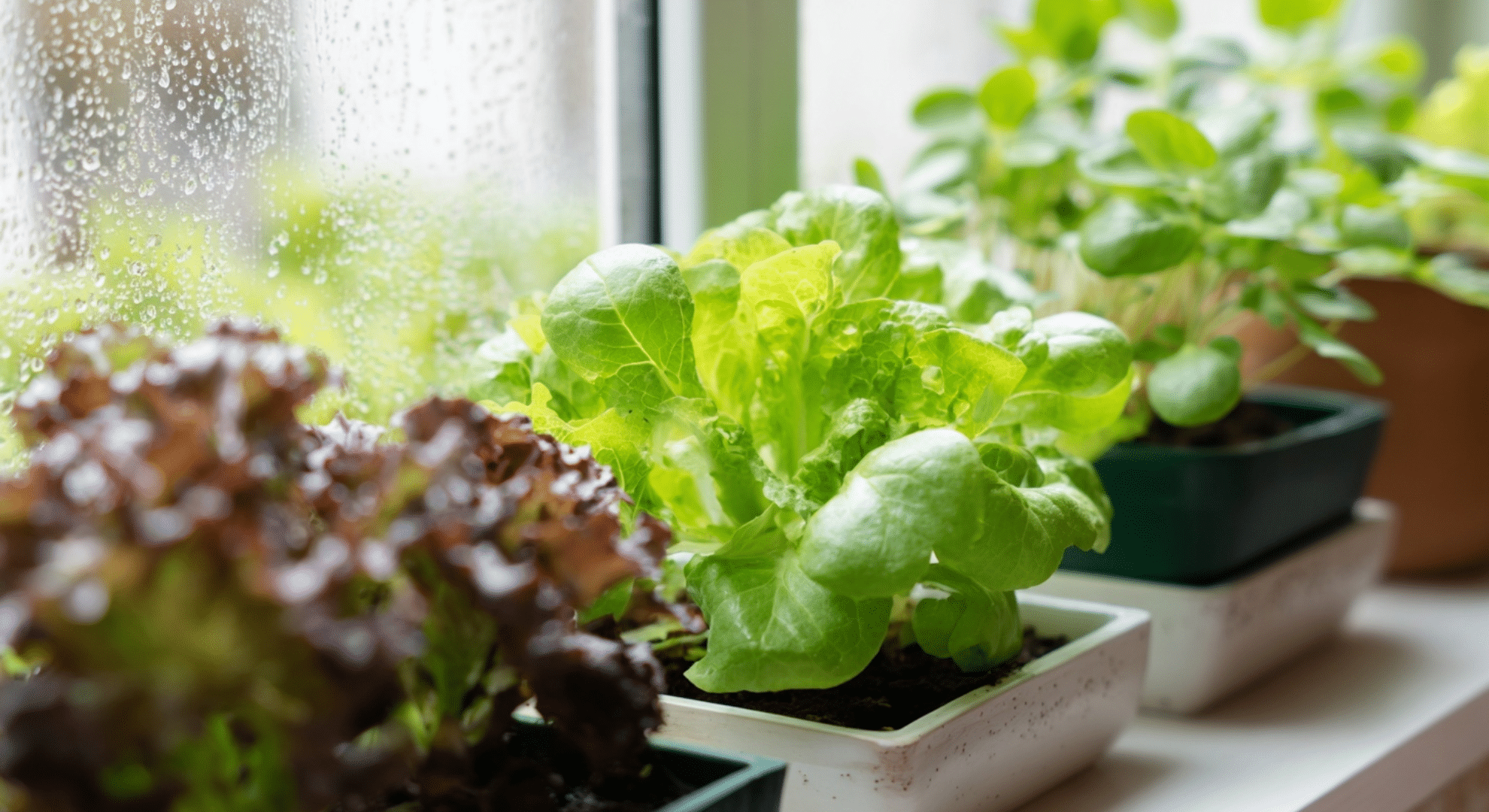
Start with leafy greens like lettuce, spinach, arugula, and baby kale.
These don’t need deep soil and grow well in low to medium light. You can harvest them a few leaves at a time.
Green onions are another great choice; you can even regrow them from grocery store scraps. Radishes grow quickly too, though they’ll need more light.
Microgreens are the fastest of all. They grow in trays, take just a week or two, and pack a lot of flavor.
Herbs That Grow Well Indoors
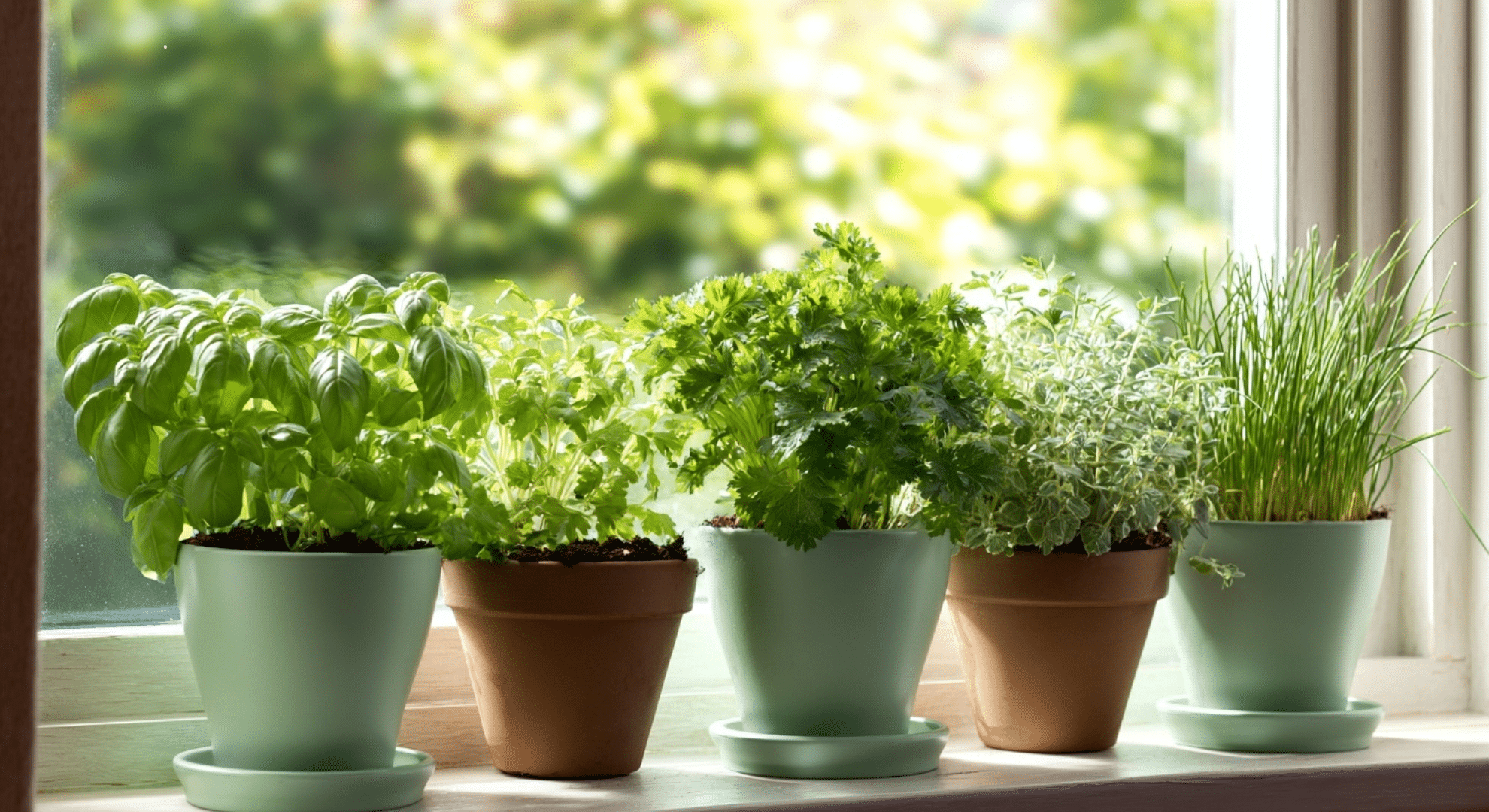
Basil loves warmth and light, so place it near a sunny window or under a grow light.
Parsley grows more slowly but is very low-maintenance.
Cilantro does best in cooler areas and can bolt if it gets too warm.
Chives are easy to grow and regrow after cutting. Mint grows fast, but keep it in its own pot as it spreads quickly and can take over.
Indoor Vegetables That Are Possible but Harder
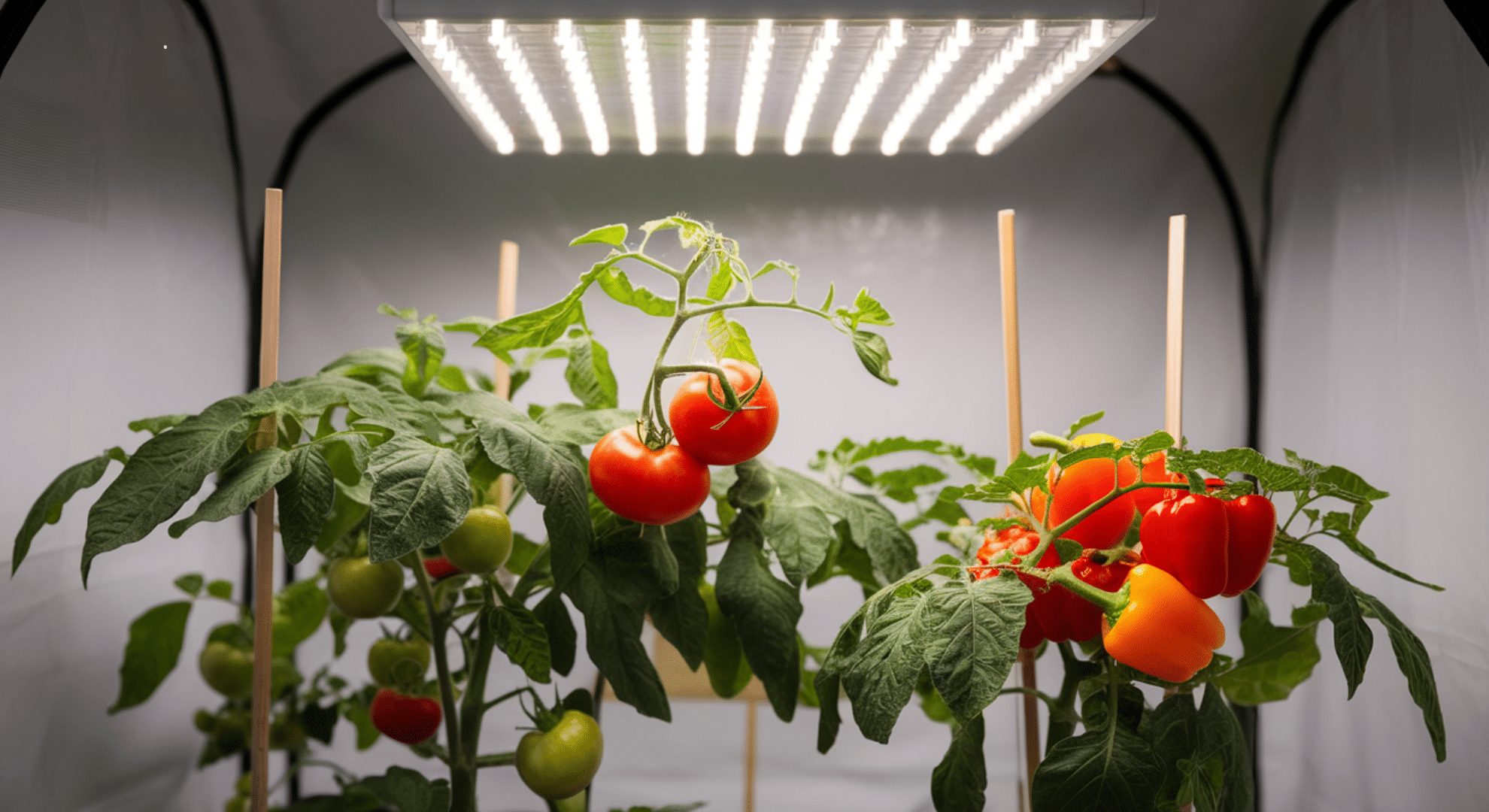
You can grow dwarf tomatoes or small pepper varieties indoors, but they need strong light and more space. These plants also need regular feeding and pollination.
That means more hands-on care. If you’re up for the challenge, they can be rewarding, but they’re not the best place to begin.
Vegetables to Avoid Indoors
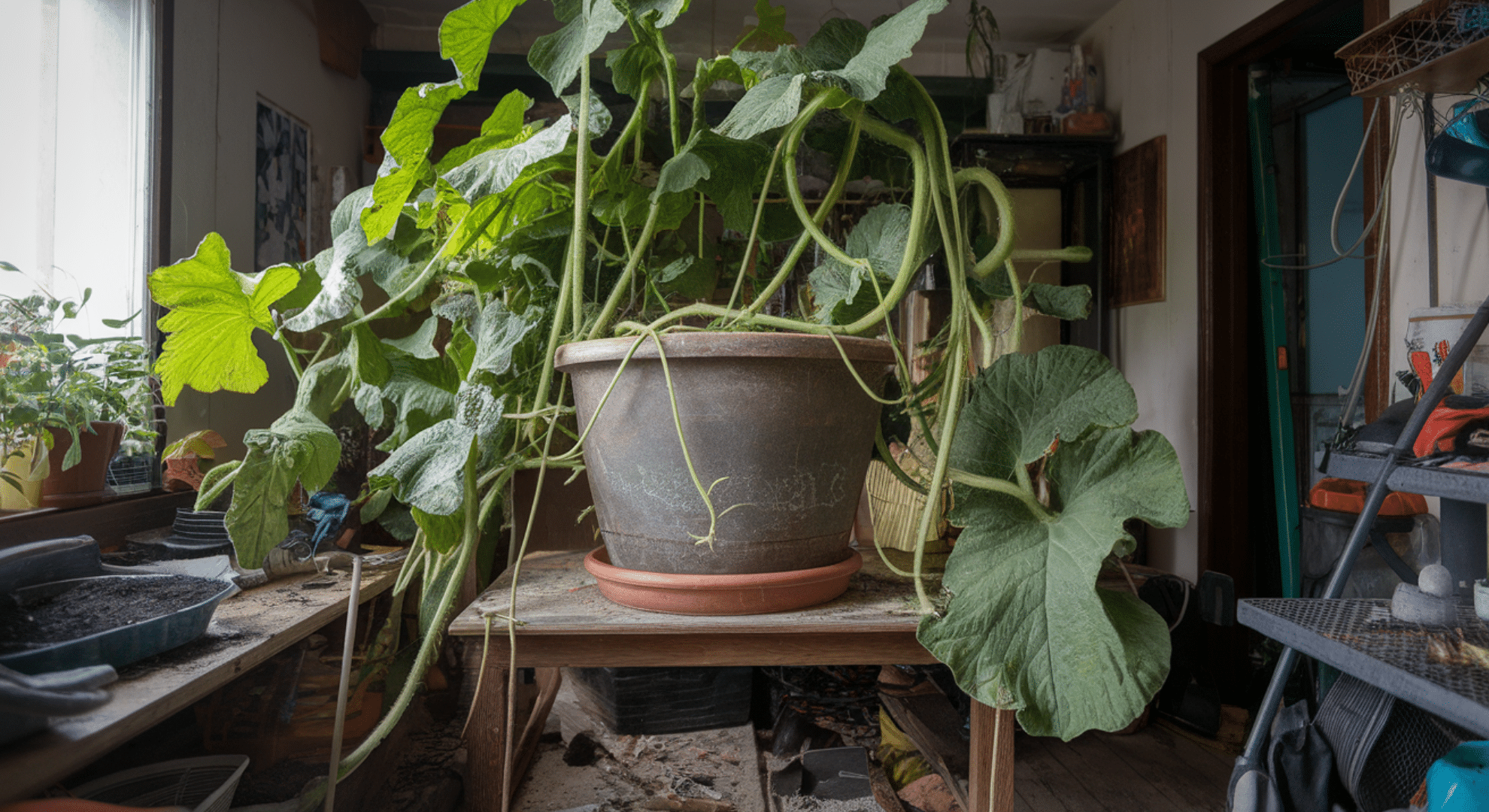
Skip large vining plants like squash, cucumbers, or pumpkins. These need too much space, light, and time to grow well indoors.
Long-season crops like corn or cabbage also struggle. They often take months to mature and won’t give a good return unless you have advanced equipment and a lot of time.
Stick with plants that match your space and your schedule.
How to Start an Indoor Vegetable Garden
Starting an indoor vegetable garden might seem tricky at first, but it’s easier than you think with the right setup. Here’s a step-by-step guide to help you grow fresh food inside your home, even during the coldest months:
Step 1: Choose Indoor-Friendly Crops
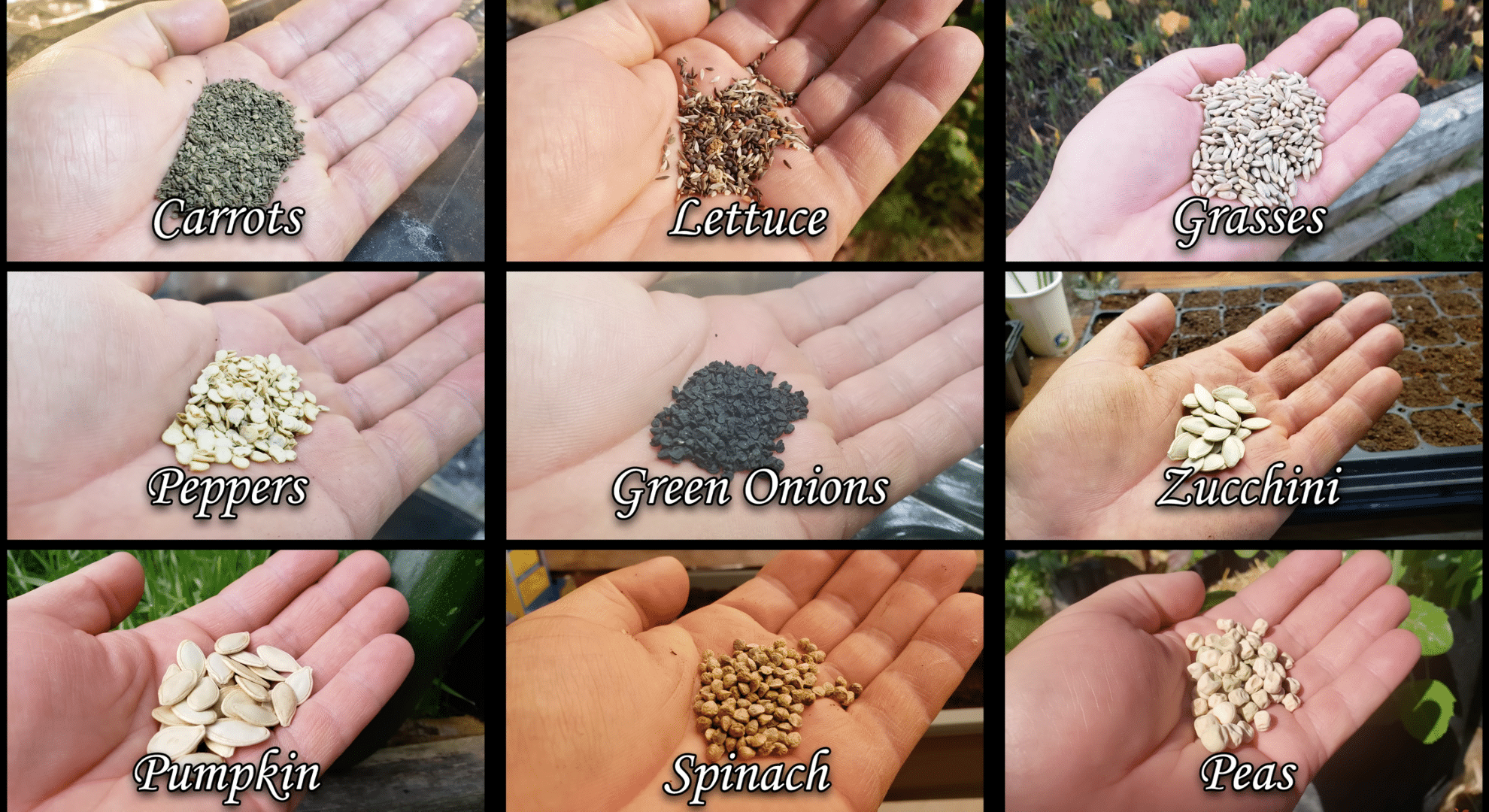
Start with plants that grow well in small spaces and need less care. Lettuce, spinach, arugula, microgreens, green onions, basil, and cilantro are great picks.
Avoid crops that sprawl or take a long time to grow like squash, cucumbers, or corn.
Step 2: Set Up Containers with Drainage
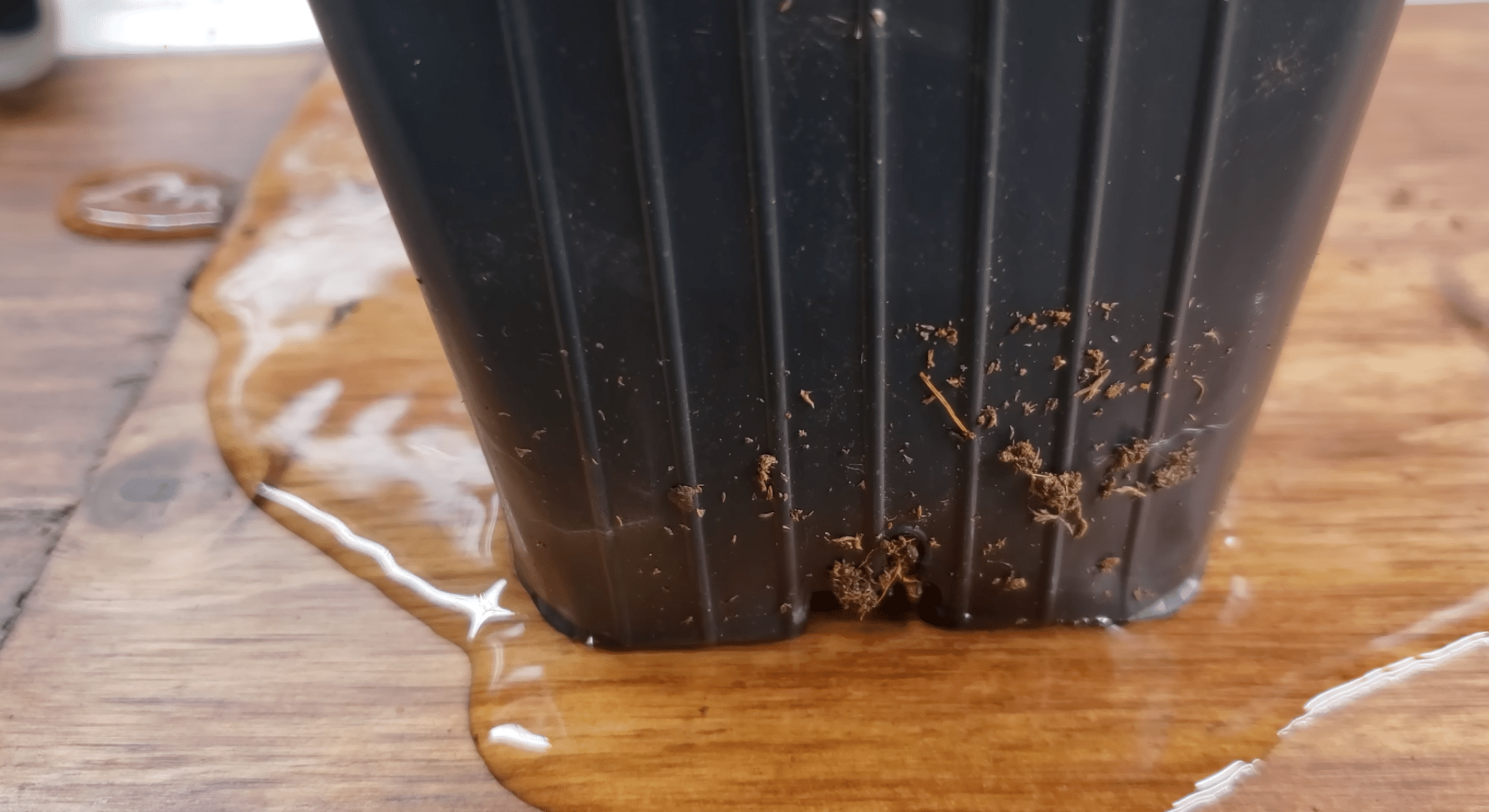
Pick pots that have drainage holes at the bottom. This helps avoid root rot caused by trapped water. Use trays or saucers underneath to catch extra moisture. Choose shallow pots for greens and herbs, and deeper ones for larger plants like dwarf tomatoes.
Step 3: Fill with a Balanced Potting Mix
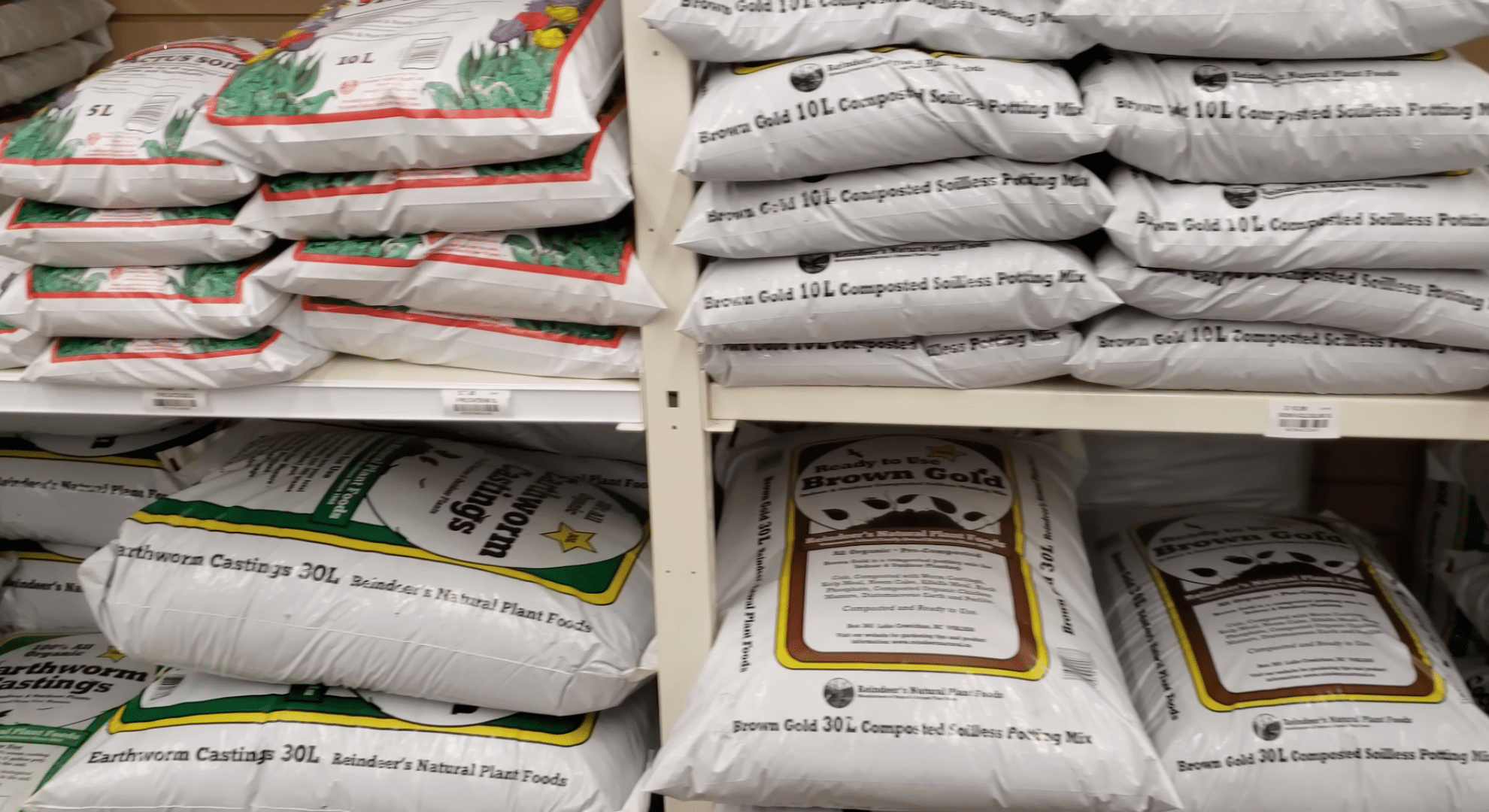
Use a sterile, store-bought potting mix made for indoor use. Add perlite for airflow, coco coir to help hold moisture, and a bit of compost for nutrients.
Skip outdoor soil, which can bring pests inside and may be too heavy for indoor containers.
Step 4: Install Grow Lights if Needed

If your space doesn’t get at least 6 hours of strong sunlight, add a full-spectrum LED grow light. Hang it 6 to 12 inches above the plants.
Use a timer to give them 12 to 16 hours of light each day for healthy, strong growth.
Step 5: Sow Seeds or Start from Cuttings
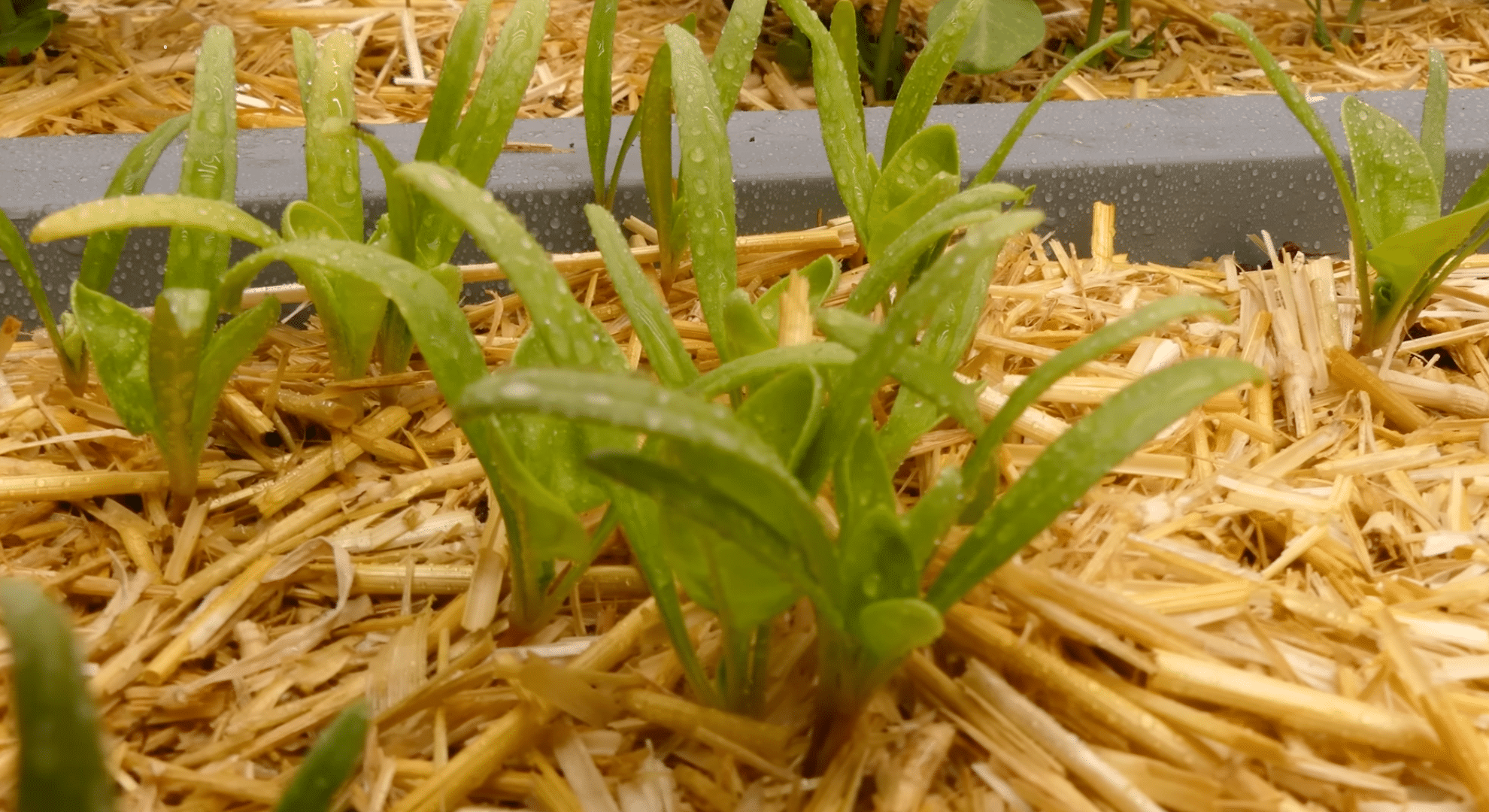
Plant seeds based on crop type. For greens, sow shallow and close together. For peas, use deeper spacing and vertical supports.
Some plants like green onions can regrow from grocery cuttings, just place the root end in water or soil and watch it sprout.
Step 6: Care for Plants and Replant Often
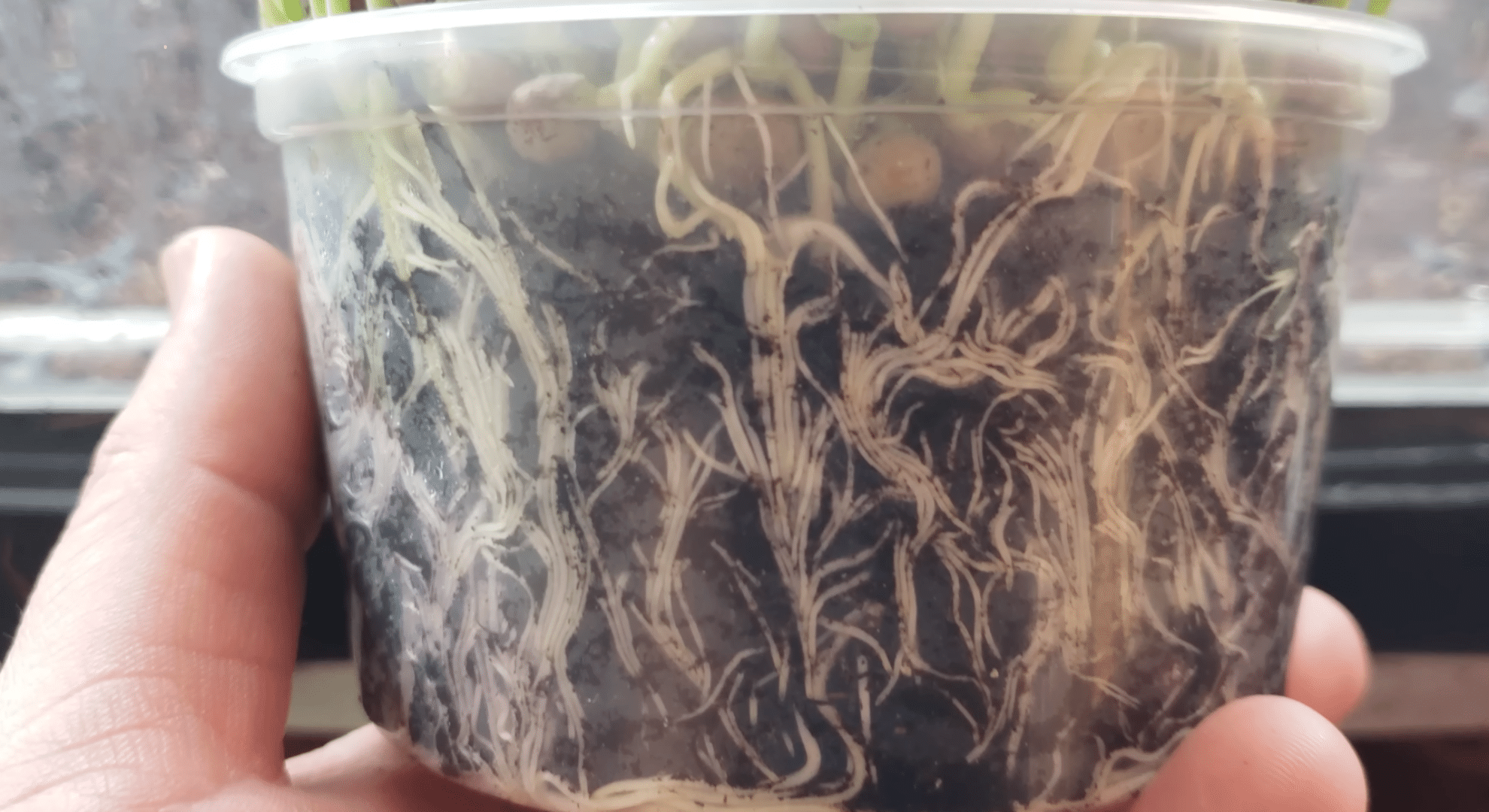
Water when the top inch of soil is dry. Harvest leafy crops regularly to keep them growing. For fast crops like microgreens and spinach, replant every few weeks for a steady supply.
Keep an eye out for pests or mold and adjust care as needed.
If you want a video tutorial, here’s one to follow.
Watering Without Overdoing It
Watering indoor plants sounds simple, but following a set schedule often leads to problems. Every plant and setup is different, so it’s better to check the soil than stick to a routine.
Try the finger test by pressing your finger about an inch into the soil. If it feels dry, it’s time to water. You can also lift the pot to feel if it’s light, which usually means the soil is dry.
Bottom watering works well for plants that don’t like wet leaves or for keeping the surface dry. Top watering is fine if you pour slowly and evenly.
Choose the method that suits the plant and pot type.
Overwatered plants often have yellow leaves, soft stems, and soggy soil. Underwatered ones may look dry, with crispy edges or drooping leaves.
Pay attention to how your plant looks and feels, and adjust your watering based on those signs.
What Indoor Vegetables Need to Stay Happy
Indoor vegetable plants rely on you for everything, especially nutrients. Unlike garden soil, potting mix indoors runs out of food quickly.
Start feeding seedlings once they develop their first set of true leaves, using a diluted fertilizer. Mature plants should be fed weekly or every two weeks with a balanced, water-soluble mix.
Over time, fertilizer salts can build up in the soil and show as a white crust on the surface. To fix this, flush the pot with clean water until it drains out the bottom, then let it dry.
Here’s what to keep in mind:
- Feed lightly and often instead of all at once
- Watch for salt buildup and flush the soil every few weeks
Good airflow keeps mold and pests away. A small fan set on low, not aimed directly at the plants, works well. Keep temperatures between 65 and 75°F and avoid sudden changes.
During winter, heated rooms often dry out the air. Using a small humidifier or grouping plants can help. Some crops, like tomatoes and peppers, need hand pollination.
Gently shake the flower or use a soft brush to move pollen from one flower to another.
Pruning helps plants stay compact and productive, especially in small spaces.
Common Indoor Garden Problems and Quick Fixes
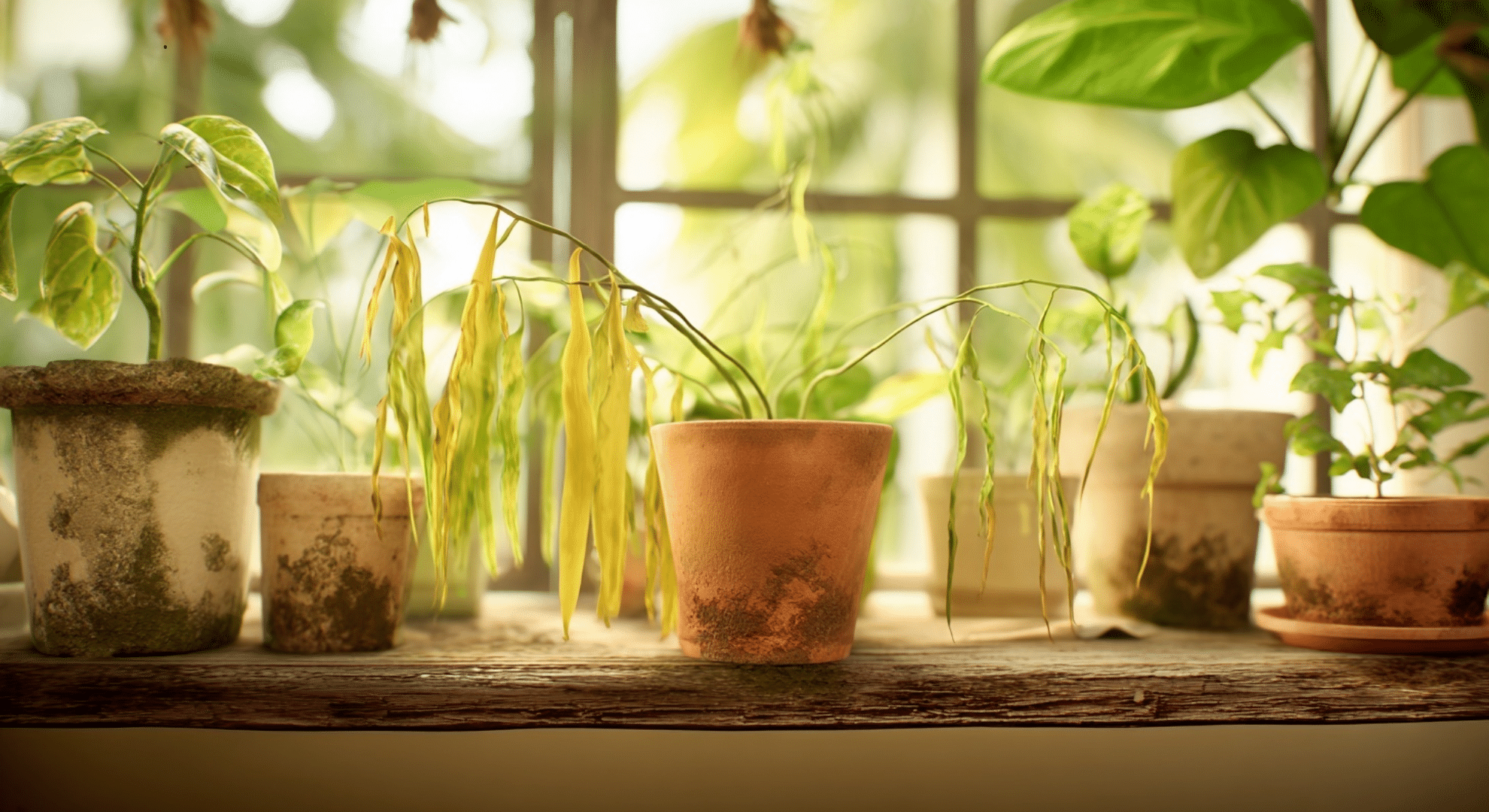
Even well-cared-for indoor gardens can hit a few bumps. Most issues have simple causes and clear signs. With a little attention, you can spot them early and get your plants back on track.
- Yellowing leaves: Often caused by overwatering or a lack of nutrients
- Leggy, stretched plants: Not enough light or light placed too far away
- Mold on soil: Poor airflow or watering too often
- Drooping plants: Could mean underwatering or overwatering—check the soil
- Brown, crispy edges: Air is too dry, or the plant is near a heat source
- No flowering or fruiting: Not enough light or missing pollination
- Slow growth: The Soil might be depleted, or the plant needs more feeding
Paying attention to changes in your plants helps you fix issues early. A few quick adjustments can make a big difference in how well your indoor garden grows.
Harvesting, Yield Expectations, and Replanting Plans
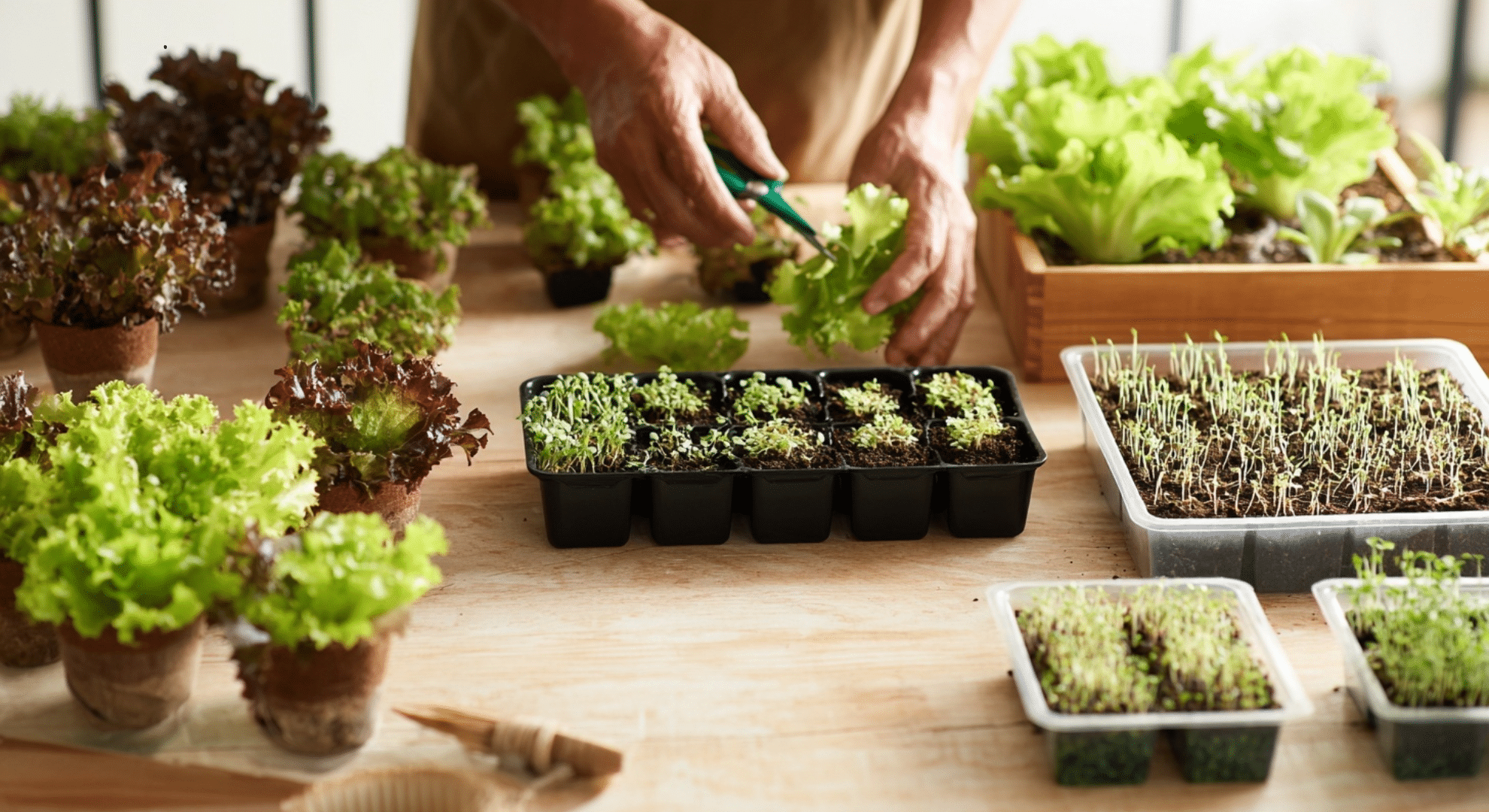
Indoor gardens don’t produce massive amounts, but they can give steady harvests if you plan well. Leafy greens like lettuce, spinach, and arugula can be picked a few leaves at a time.
This helps the plant keep growing and gives you several harvests from one plant. Microgreens are ready in one to two weeks and can be replanted right after cutting.
Herbs like basil and cilantro grow back if you trim them above a leaf node.
Don’t expect your indoor garden to replace all your store-bought produce. Instead, think of it as a way to add fresh food to meals and grow something useful year-round.
Replant fast-growing crops like spinach or cilantro every two to three weeks. This keeps your supply going. Rotate crops if the soil looks tired or if growth slows.
With a bit of planning, your indoor garden can stay active and productive all season long.
DIY vs. Indoor Garden Kits: Which One Should You Choose?
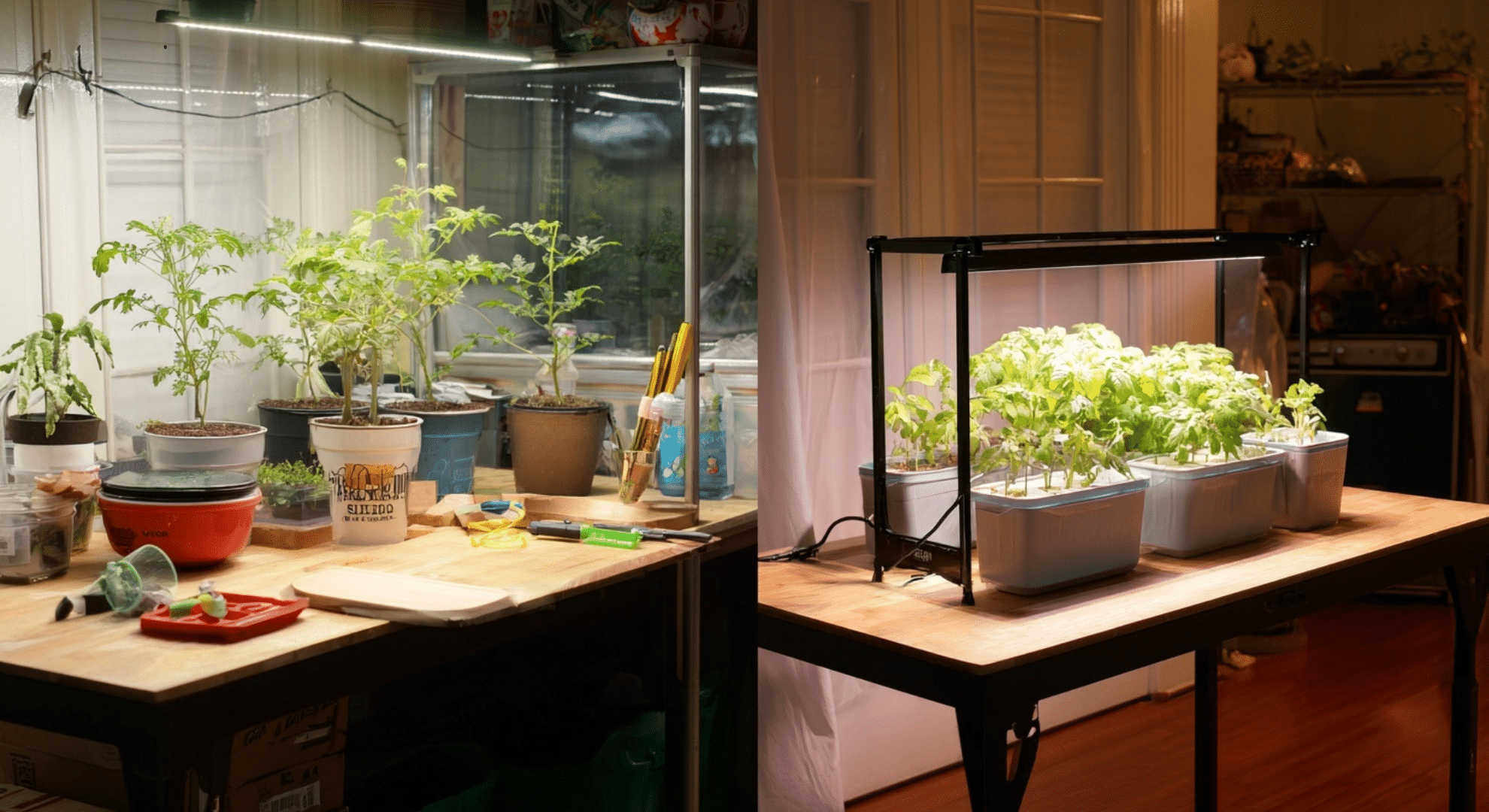
Starting an indoor garden can be done in two ways: setting it up yourself or using a ready-made kit.
Both options have pros and cons, depending on your time, budget, and interest in hands-on work.
| Option | Pros | Cons |
|---|---|---|
| DIY Setup | Flexible, cheaper, easy to customize | Takes time to plan, more room for mistakes |
| Indoor Garden Kit | Fast setup, comes with everything you need | Costs more, limited in crop and size options |
If you like building things your way and want to learn through trial and error, DIY is a great option. If you prefer convenience and a quicker start, a kit might be the better choice.
Pick what fits your space and comfort level.
Is Indoor Gardening a Good Trade-Off?
Starting an indoor vegetable garden requires some upfront spending. You’ll need basic supplies like lights, containers, and potting mix.
After setup, the main ongoing cost is electricity, mostly from running grow lights. A small LED light used for 14 hours a day adds only a little to your energy bill.
Indoor growing may not always save money, especially with slower or larger crops. But the real value is in what you gain. You get fresh, clean food you grew yourself.
You also get more control over what goes into your plants and a steady harvest during cold months. The experience of learning and staying connected to growing food is rewarding in itself.
If you care more about quality and freshness than quantity, indoor gardening is worth it.
Conclusion
Growing my own food inside taught me something I didn’t expect.
It wasn’t just about saving trips to the store or eating fresh. It gave me a small, steady project that fit into my day and made the colder months feel a little more alive.
Now you’ve got the tools to start your own indoor vegetable garden.
You’ve seen what to grow, how to care for it, and what to expect. Start simple. Try one plant. Watch it grow. It’s a small step that leads to something meaningful.
The rewards go beyond food. If you’re ready to keep learning and growing, there’s more waiting for you. Check out other blogs for helpful tips, ideas, and ways to make your garden even better!