When dealing with plants, it’s easy to overlook small pests, but their presence can have a significant impact on plant health. One such pest that can cause trouble is thrips on plants.
These tiny insects can damage your plants by feeding on their tissues, leaving behind telltale signs like silver streaks and deformed leaves. I’ve seen firsthand how quickly thrips can multiply and wreak havoc in a garden, and it’s something you’ll want to address early.
In this blog, we’ll explore how to spot and manage thrips on your plants, giving you effective strategies to protect your greenery.
No matter if you’re new to gardening or a seasoned pro, this guide will provide you with the tools you need to handle this pesky problem.
Understanding Thrips: What They Are and How They Affect Plants
Thrips are small, slender insects that belong to the order Thysanoptera. Their size, typically ranging from 1 to 2 millimeters, makes them hard to spot with the naked eye.
These pests have long, narrow bodies with fringed wings, and their color can range from yellow to black. Thrips undergo a simple life cycle with three stages: larvae, nymphs, and adults.
The larvae are tiny, wingless, and often translucent or pale yellow. They hatch from eggs laid by the adult female thrips, usually in the plant tissues or on leaf surfaces.
Nymphs look similar to adults but are smaller and lack wings. As they mature, they molt several times, growing larger each time.
The adult thrips are the most destructive, capable of flying and dispersing quickly to new plants. They have wings, but not all species are strong fliers. Adult thrips are also known for their ability to move from one plant to another.
Thrips feed by piercing the cells of plant tissues with their needle-like mouthparts, sucking out plant sap. Additionally, thrips are vectors for several plant viruses, spreading diseases as they move between plants.
Common plants susceptible to thrips include vegetables like tomatoes, peppers, and cucumbers, as well as ornamental plants like roses, chrysanthemums, and lilies.
Thrips are also a known issue for many fruit trees, particularly citrus and avocados, making them a serious threat to both home gardens and commercial agriculture.
How to Identify Signs of Thrips Infestation on Plants
Thrips can cause noticeable damage to your plants, but sometimes the symptoms can be subtle. Understanding how to identify thrips early will help prevent further damage and give you a better chance of controlling the infestation.
Visible Damage
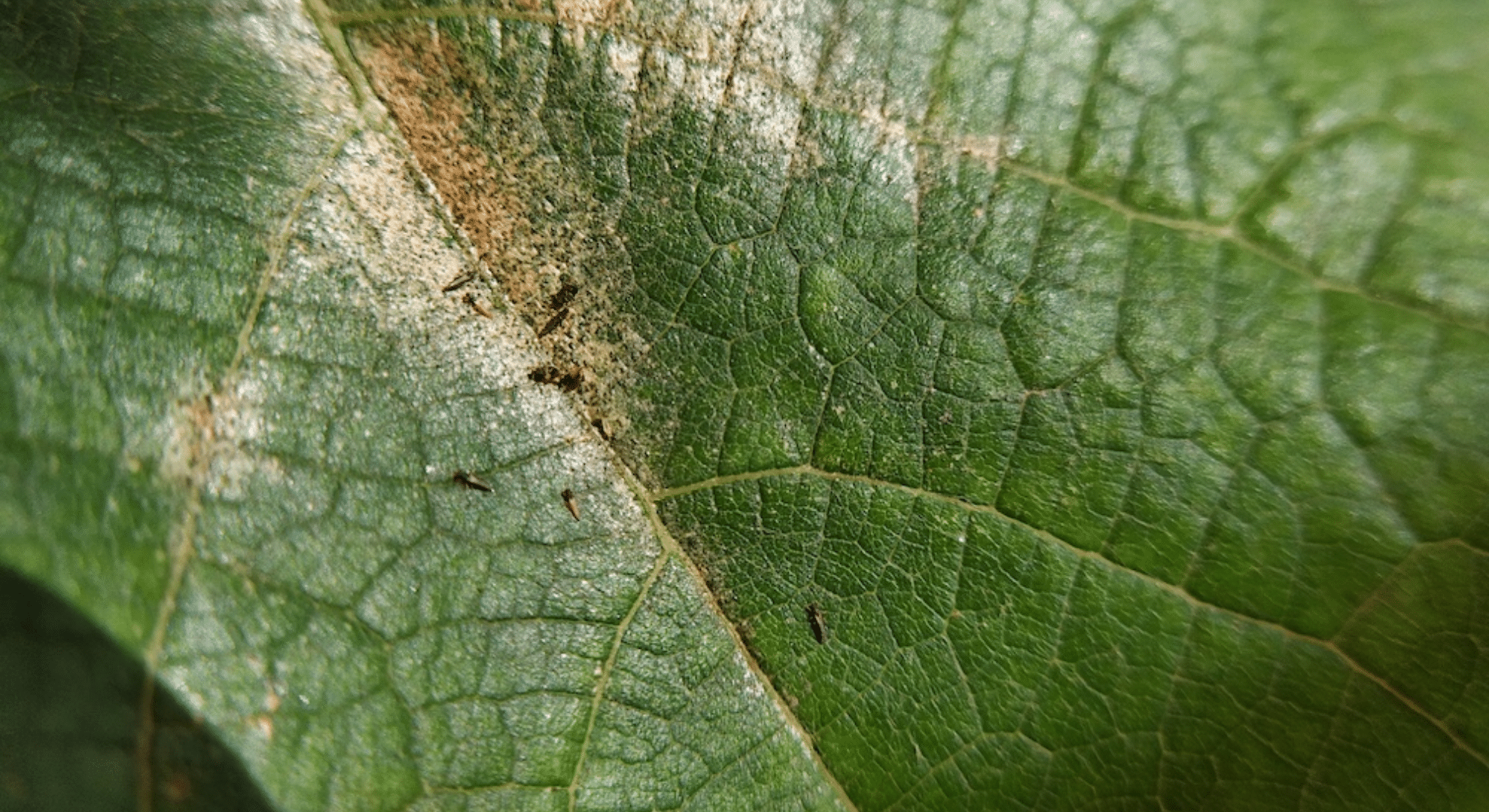
One of the first signs that thrips are feeding on your plants is the visible damage they leave behind. Here are some key symptoms to look for:
- Silvery Streaks: One of the most characteristic signs of thrips feeding is the appearance of silvery streaks or speckled areas on the surface of leaves. This happens because thrips scrape the surface of leaves and suck out plant sap, leaving behind a telltale silvery sheen.
- Stippling: As thrips continue to feed, small, pinprick-like spots (stippling) appear on the leaves, primarily on the upper side. This damage occurs as the insect punctures plant cells to extract sap, which disturbs the tissue and creates a spotted or stippled appearance.
- Deformed Leaves: Over time, the damage to the plant intensifies, leading to distorted, twisted, or curled leaves. The tips of the leaves may also appear brown or scorched.
- Black Specks (Fecal Matter): If you notice tiny black specks on the undersides of leaves or on flowers, these are likely thrips fecal matter. It’s a key indicator of their feeding activity.
Signs of Infestation
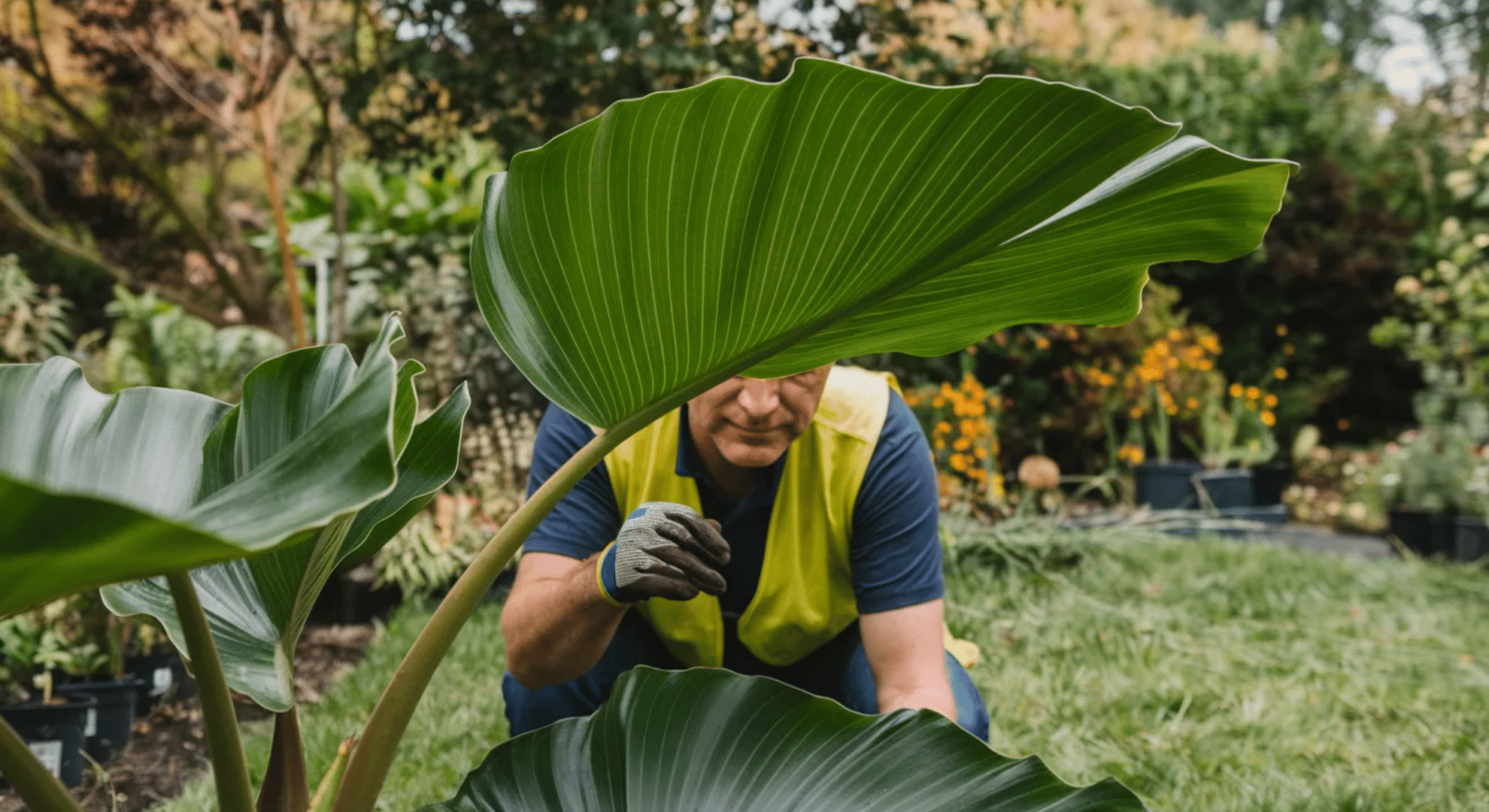
Thrips often target specific parts of the plant and can cause more severe damage if not addressed early.
Thrips are particularly drawn to new, tender growth. If you notice twisted or deformed stems, buds, or leaves that fail to unfurl, this may be due to thrips feeding on the soft, fresh tissue. In many cases, flowers may remain closed or deformed, unable to open properly.
They often hide on the underside of leaves, where they feed and lay eggs. To detect larvae and adults, gently lift the leaves and inspect them closely.
You may notice the tiny, pale larvae, which resemble small worms, or adult thrips, which are often found resting in the crevices of the leaf. They move quickly, so be observant.
Checklist for Identification
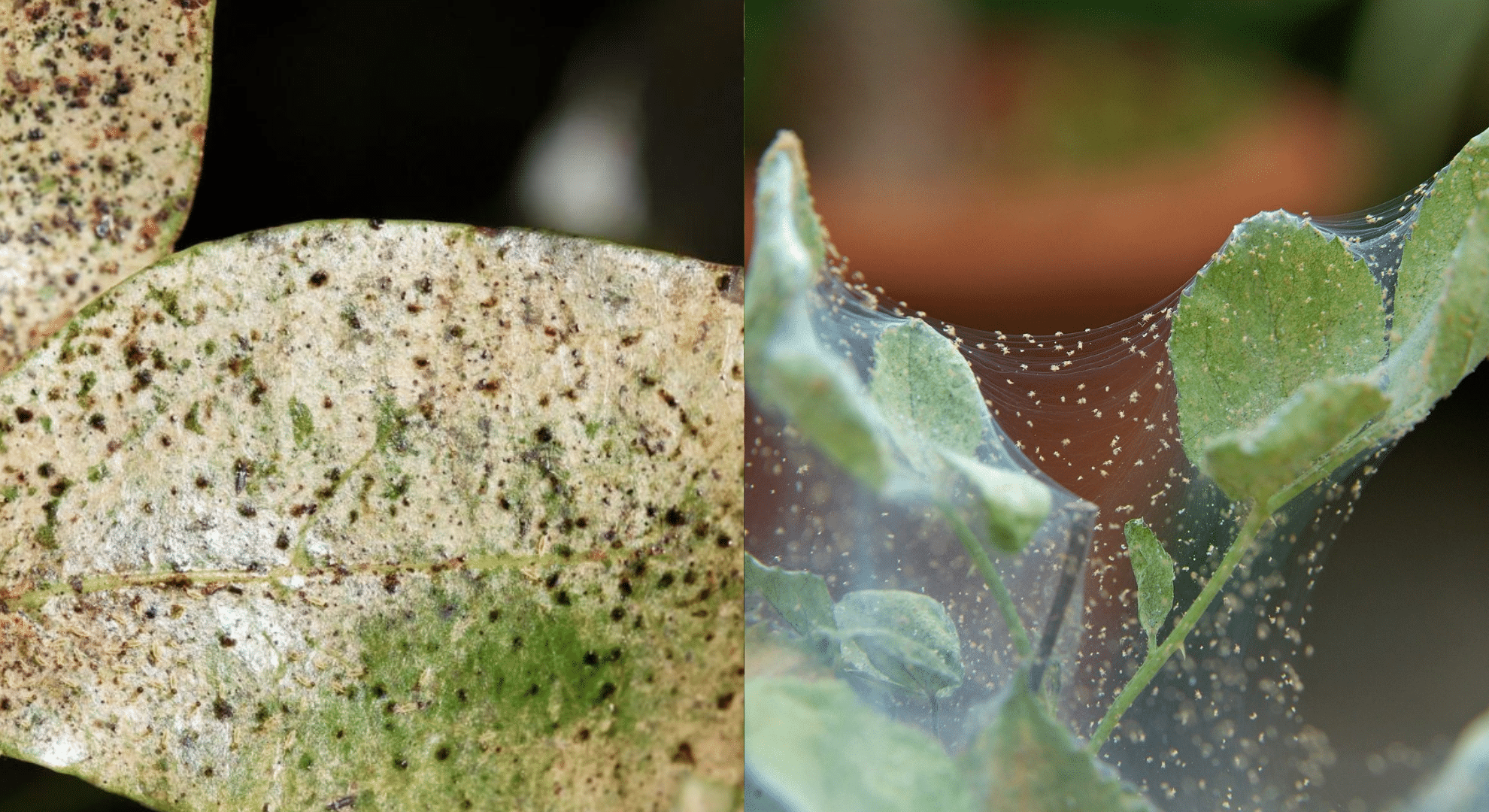
If you’re unsure whether your plant is suffering from thrips or another pest, here’s a quick list to help you identify thrips damage:
Thrips:
- Silvery streaks and stippling on leaves
- Twisted, deformed new growth
- Black specks (fecal matter) on leaves or flowers
- Undersides of leaves host larvae and adults
Spider Mites:
- Fine webbing, especially on the underside of leaves
- Tiny, reddish or brown specks on leaves
- Leaves may appear bronzed or discolored
Aphids:
- Clusters of small, soft-bodied insects on new growth or flower buds
- Sticky honeydew secretions on plants
- Deformation and yellowing, but no silver streaks or stippling
By comparing these characteristics, you’ll have a better idea of whether you’re dealing with thrips or another pest problem. Early identification is key to preventing further plant damage.
How Thrips Enter Your Home and Why You Might Have Them
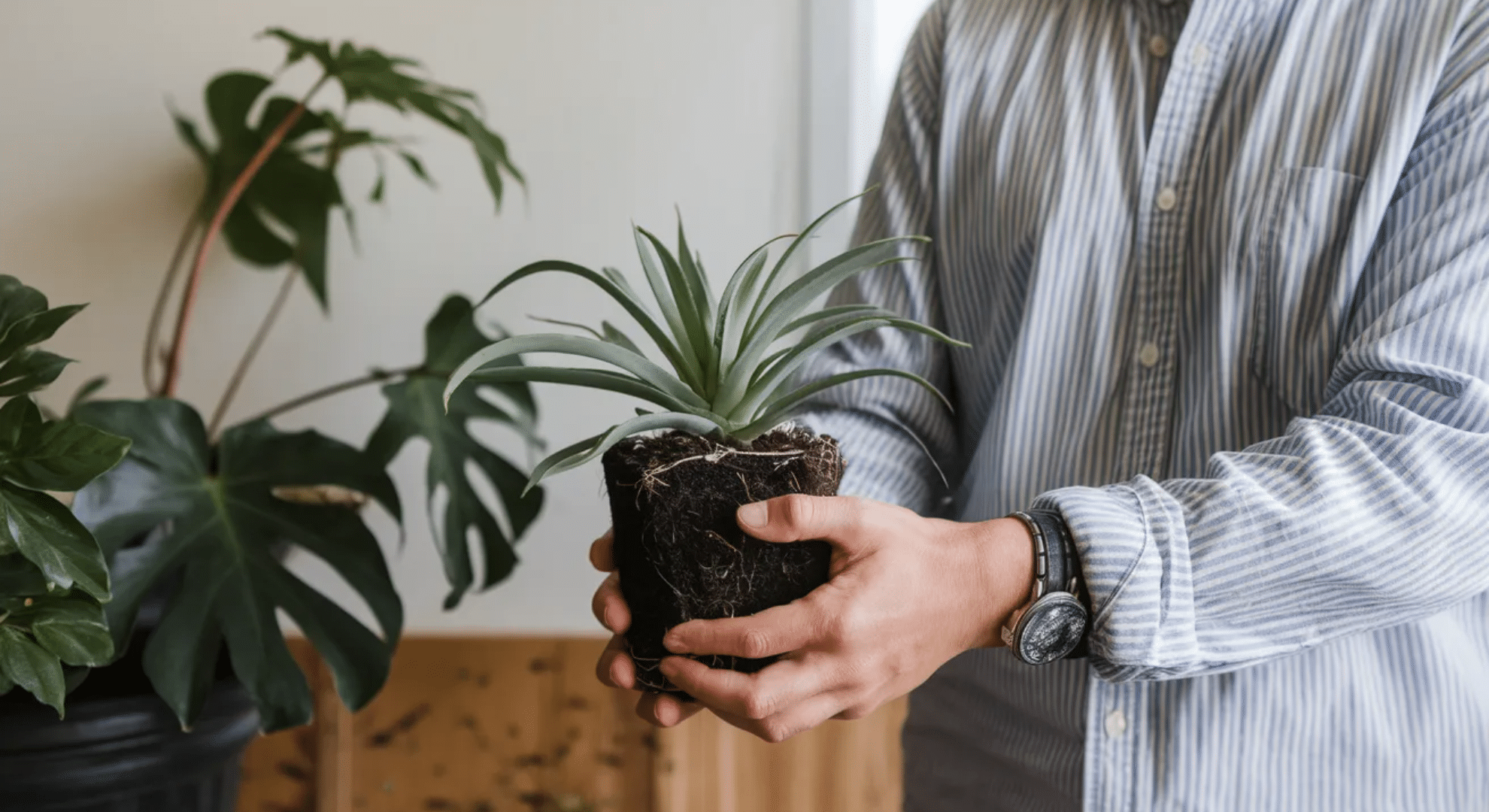
Thrips can easily find their way into your home through several common routes, often without you realizing it. One of the most frequent ways they are introduced is through new plants, especially if they were already infested at the nursery or store.
Open windows or vents can also be entry points, as thrips are small and can fly in from the outside.
Additionally, contaminated soil or gardening tools may harbor thrips, unknowingly bringing them indoors.
Thrips infestations often go unnoticed because these pests are tiny and initially cause minimal damage. They tend to target new growth, which may not be obvious right away.
By the time symptoms like silvery streaks, deformed leaves, or black specks are visible, the infestation may already be significant. Infestations can seem sudden because thrips reproduce rapidly, and a small number of pests can quickly multiply, causing noticeable damage in a short amount of time.
How to Get Rid of Thrips on Your Plants
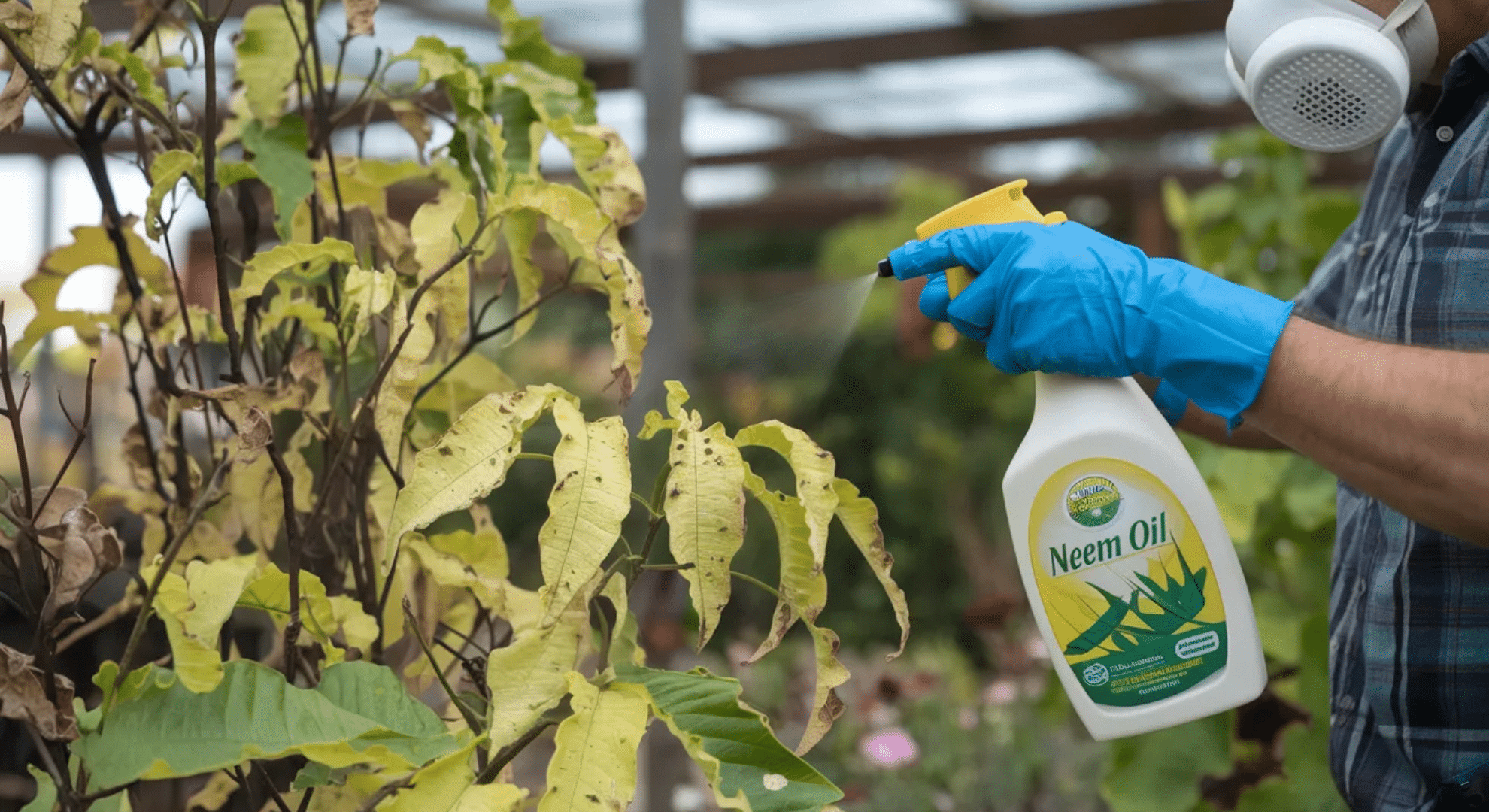
To effectively tackle thrips, a combination of physical removal, treatments, and follow-up is key.
Begin with physical removal techniques: rinse plants with water to dislodge thrips, use sticky traps to capture adults, and prune affected areas to prevent further damage. These methods can help reduce the pest population early on.
For more persistent infestations, consider organic and chemical solutions. Neem oil disrupts thrips’ feeding and reproduction, and should be sprayed every 7-14 days, focusing on the undersides of leaves.
Insecticidal soap works by suffocating the pests, while horticultural oils smother thrips and their eggs, applied every 5-7 days.
For severe cases, systemic pesticides can be used, absorbed by the plant to kill feeding thrips. Apply according to instructions, targeting the affected areas.
In severe infestations, it may be necessary to dispose of severely affected plants to prevent spreading. Clean and disinfect surrounding areas, including tools and soil, to eliminate any remnants.
Be consistent with repeated treatments, thrips reproduce quickly, so it’s essential to follow a regular schedule to break their life cycle and protect your plants from further damage.
Maintaining a Thrip-Free Plant Collection
Keeping your plant collection free from thrips requires consistent effort and a proactive approach.
By implementing regular monitoring and tailored pest control strategies, you can ensure your plants remain healthy and thrive without the threat of thrip damage.
Ongoing Monitoring
To maintain a thrip-free plant collection, regular monitoring is essential. Inspect your plants at least once a week for any early signs of thrips, such as silvery streaks, stippling, or deformed leaves.
Check both the tops and undersides of leaves, as thrips often hide in these areas. Using a magnifying glass can help you spot these tiny pests more easily. In addition to visual inspections, consider using sticky traps to capture any adult thrips flying around your plants.
Keeping track of pest activity in a garden journal can also help identify patterns, making it easier to anticipate and respond to infestations.
For ongoing pest control, schedule regular treatments (every 7-14 days) with insecticidal soap or neem oil to keep thrips at bay, even during non-peak seasons.
Seasonal Adjustments
As the seasons change, so do the habits of pests like thrips. During warmer months, thrips are more active, so it’s crucial to increase your monitoring and treatment frequency.
Conversely, during cooler months, thrips may be less active, but don’t let your guard down, continue checking for signs of damage. Additionally, adjust your pest control methods based on plant conditions.
For instance, in dry conditions, consider using insecticidal oils that also provide some moisture to the plant, while in humid conditions, focus on using treatments that dry faster to avoid mold growth.
Tailoring your pest management strategy to the season ensures continued plant health year-round.
How to Prevent Thrips Infestations in the Future
Preventing thrips infestations starts with proactive care and monitoring of your plants. By taking a few simple steps, you can significantly reduce the risk of future infestations and protect your plants from damage.
- Inspect new plants before bringing them indoors.
- Isolate new plants for a couple of weeks to monitor for pests.
- Keep windows and doors closed during peak outdoor thrips activity.
- Regularly clean and disinfect gardening tools and pots.
- Use mesh screens on windows and vents to block pests from entering.
- Apply natural predators like predatory mites or lacewing larvae to help control thrips populations.
- Avoid overwatering, as healthy plants are less attractive to pests.
- Maintain proper plant care, including healthy soil and balanced nutrients.
By adopting these practices and staying vigilant, you can greatly reduce the likelihood of thrips becoming a recurring issue.
Regular monitoring and early intervention are your best defenses in keeping your plants healthy and pest-free.
Conclusion
Thrips on plants can be a sneaky problem, often hiding out of sight until the damage is done. But with a little awareness and the right approach, you can stop them in their tracks.
By staying proactive with inspections and treatments, you can keep those pesky thrips from taking over.
I’ve shared everything I know to help you maintain a thrip-free garden, but if you’re looking for more tips on plant care and pest management, feel free to check out other blogs on the website. Your plants deserve the best care, and you’re on the right track!