A room can look stylish and still feel cold. That happens more often than people admit. A truly inviting home works differently. It welcomes toddlers with curious hands, teens who drop bags by the door, adults chasing deadlines, and older family members who want comfort without fuss. Good spaces aren’t built around trends. They’re built around people.
Start With Easy Movement
Nothing ruins comfort faster than awkward movement. Chairs squeezed too close together, rugs that bunch up, side tables placed like obstacle courses. It’s exhausting.
Walk through each room and notice where people hesitate. That pause matters. Open pathways between furniture. Keep entryways clear. Choose layouts that let someone carry laundry, guide a child, or use a walker without weaving through clutter. Homes should flow.
The last time a family redesigned a crowded living room, they removed one oversized chair and suddenly the space felt twice as large. Same room. Better decisions.
Make Seating Feel Generous
People gather where seating feels easy. Not formal. Easy.
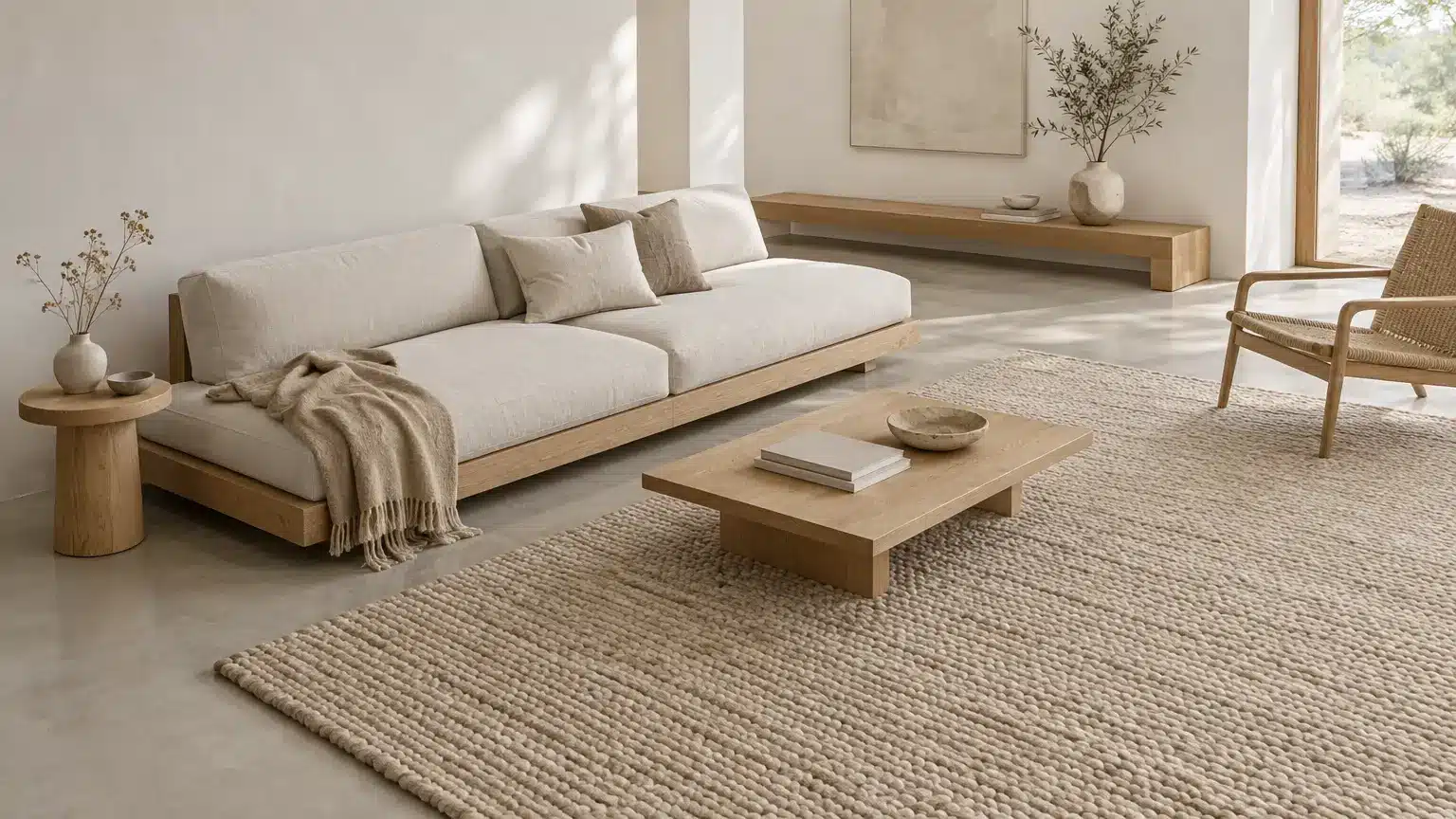
Mix heights and styles so everyone can settle in comfortably. A deep sofa might suit some people, while a firmer armchair helps others stand with less effort. Add one sturdy chair with arms. It gets used more than expected.
Benches near windows work well too. Kids climb onto them. Adults claim them with coffee. Grandparents appreciate the view and sunlight. Everyone wins.
Too many matching seats can make a room feel staged, like nobody is allowed to wrinkle a cushion. Skip that vibe.
Use Lighting That Changes With the Day
Harsh overhead lighting has ended many cozy evenings. It’s true.
Layer light sources instead. Use table lamps, floor lamps, reading lights, and warm bulbs where possible. Bright light helps with puzzles, homework, and cooking. Softer pools of light help people unwind later.
Dim corners can also feel gloomy or unsafe, especially for older adults. Better lighting supports visibility and mood at the same time. That’s a rare double win.
In one guest room inspired by relaxed Kings Beach accommodation, soft bedside lamps and filtered daylight made the whole space feel calmer before anyone even unpacked.

Build Comfort Into Touchpoints
People notice texture before they talk about it. A scratchy throw blanket gets ignored. A soft one disappears because someone grabbed it first.
Use materials that invite contact. Washed cotton, smooth timber, cushioned seating, soft rugs with low pile, linen curtains that move with a breeze. Even cabinet handles matter. If they pinch or feel flimsy, the room loses points instantly.
Ever noticed how some homes make people linger after dinner? It’s usually not the paint color. It’s the feel of the place.
Keep Storage Honest
Storage fails when it asks too much from real life. Fancy baskets on high shelves look great until someone needs batteries in a hurry.
Create storage people can actually use. Hooks at reachable heights. Bins for toys. Trays for keys. Closed cabinets for visual calm. Open shelves for everyday items. Label things if multiple generations share the home.
A family once insisted they needed more cabinets. They didn’t. They needed one basket near the door and a rule about shoes. Brutal truth, but helpful.
Add Personal Signals
An inviting space should reveal who lives there. Not every secret, obviously. Just enough.
Display family photos, travel finds, handmade art, books with bent spines, or a ceramic bowl that’s slightly crooked but loved. These details create warmth no catalog can manufacture.
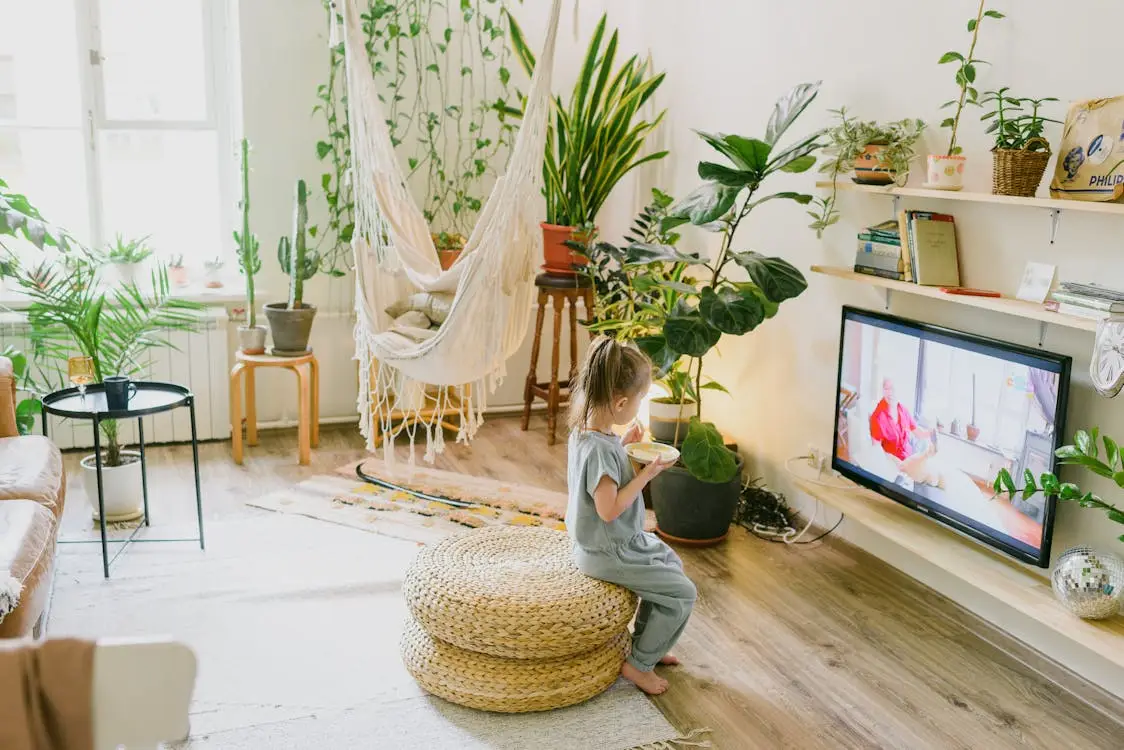
Children especially respond to rooms that reflect family life. So do older relatives. Familiar objects can spark stories, memories, and conversation. Those moments matter more than matching decor.
This can be especially meaningful in homes focused on care for aged at home, where recognizable surroundings often support comfort, confidence, and routine.
Choose Colors That Relax, Not Shout
Bold color can be brilliant in small doses. Entire rooms screaming for attention? Less brilliant.
Use calm base tones, then add personality through cushions, art, plants, or one accent wall. Soft greens, warm whites, sandy neutrals, muted blues, and earthy terracotta tend to age well. They also play nicely with changing furniture over time.
If everyone in the household disagrees on style, neutral walls save arguments. That may be the most practical design advice available.
Make Space for Shared Moments
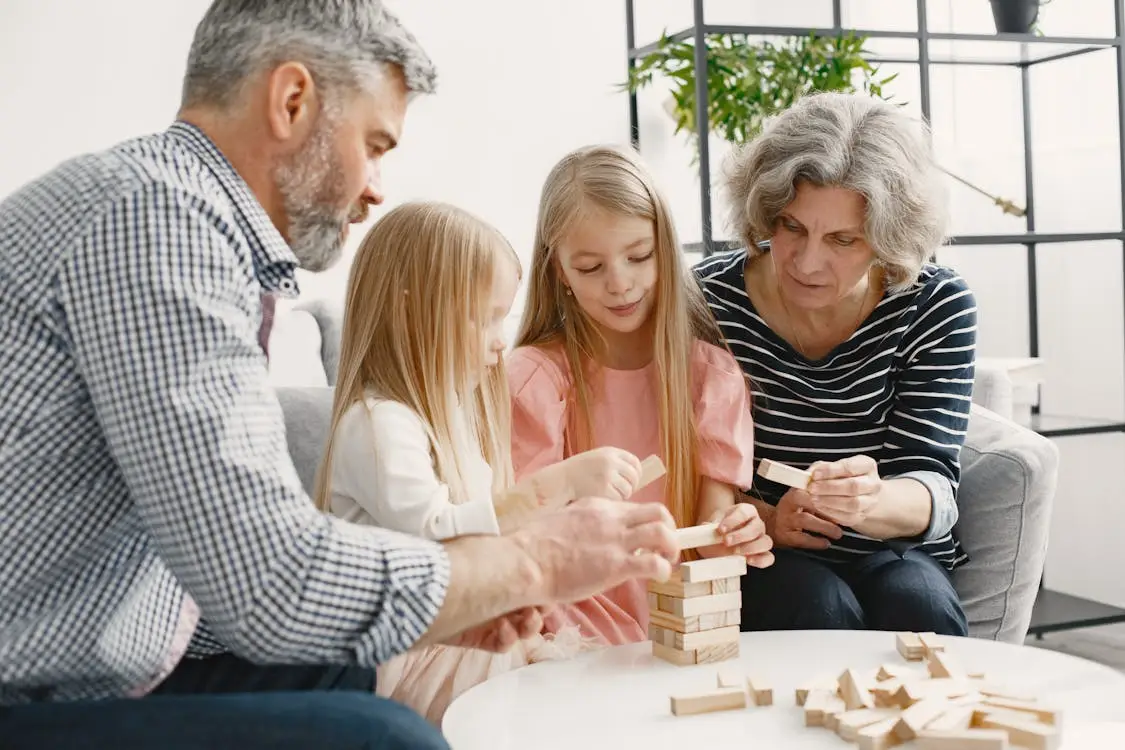
Rooms become inviting when they help people connect. A puzzle on the coffee table. A deck of cards in a drawer. A reading lamp beside two chairs. A dining table that isn’t buried under unopened mail.
These cues matter because they suggest what can happen there. Conversation. Games. Quiet reading. Tea after a long day.
Some of the best homes aren’t the prettiest ones. They’re the ones where people naturally gather without being told where to sit.
Don’t Chase Perfection
Perfect homes feel tense. One spill and everyone panics. That’s not hospitality. That’s a museum with snacks.
Choose washable fabrics. Accept a few scuffs. Let blankets drape imperfectly. Keep surfaces useful, not sacred. When people sense they can relax, they do.
And that’s the real secret. Inviting spaces aren’t about expensive finishes or designer tricks. They make every age group feel considered, comfortable, and welcome enough to stay a little longer.