If you’ve ever bitten into a fresh jalapeño and thought I want to grow that myself, you’re already closer than you think.
Jalapeños are one of those plants that genuinely reward you for showing up, even if you’re still figuring things out as a gardener.
They grow fast, produce generously, and fit beautifully into small spaces.
We’re covering everything here, from getting started in soil to troubleshooting along the way, so your plants actually thrive, not just survive.
Choosing the Right Jalapeño Variety
Not all jalapeños are the same, and picking the right variety upfront makes a real difference in what ends up on your plate.
If you’re working with a shorter growing season, early-maturing varieties like Early Jalapeño finish faster and still deliver solid yields.
For heat, classic varieties sit around 2,500 to 8,000 Scoville units, while milder types like Jalapeño M stay on the gentler end.
Beginners tend to do really well with Craig’s Grande or Mammoth, both forgiving, productive, and widely available.
Start with what excites you and go from there.
When to Plant Jalapeños?
Timing your planting right sets the tone for everything that follows.
Jalapeños are warm-weather plants through and through, and cold soil is genuinely one of the fastest ways to stall their growth.
Wait until after the last frost date in your area before moving anything outdoors, and make sure your soil temperature has settled above 18°C (65°F).
If you want a head start, sow seeds indoors 6 to 8 weeks before your expected last frost. That way, by the time outdoor conditions are right, your seedlings are already strong and ready to go.
How to Grow Jalapeños from Seeds?
Starting jalapeños from seed is more straightforward than it sounds, and there’s something genuinely satisfying about watching that first sprout push through the soil.
Get these steps right, and you’re already ahead.
Step 1: Start Seeds at the Right Time
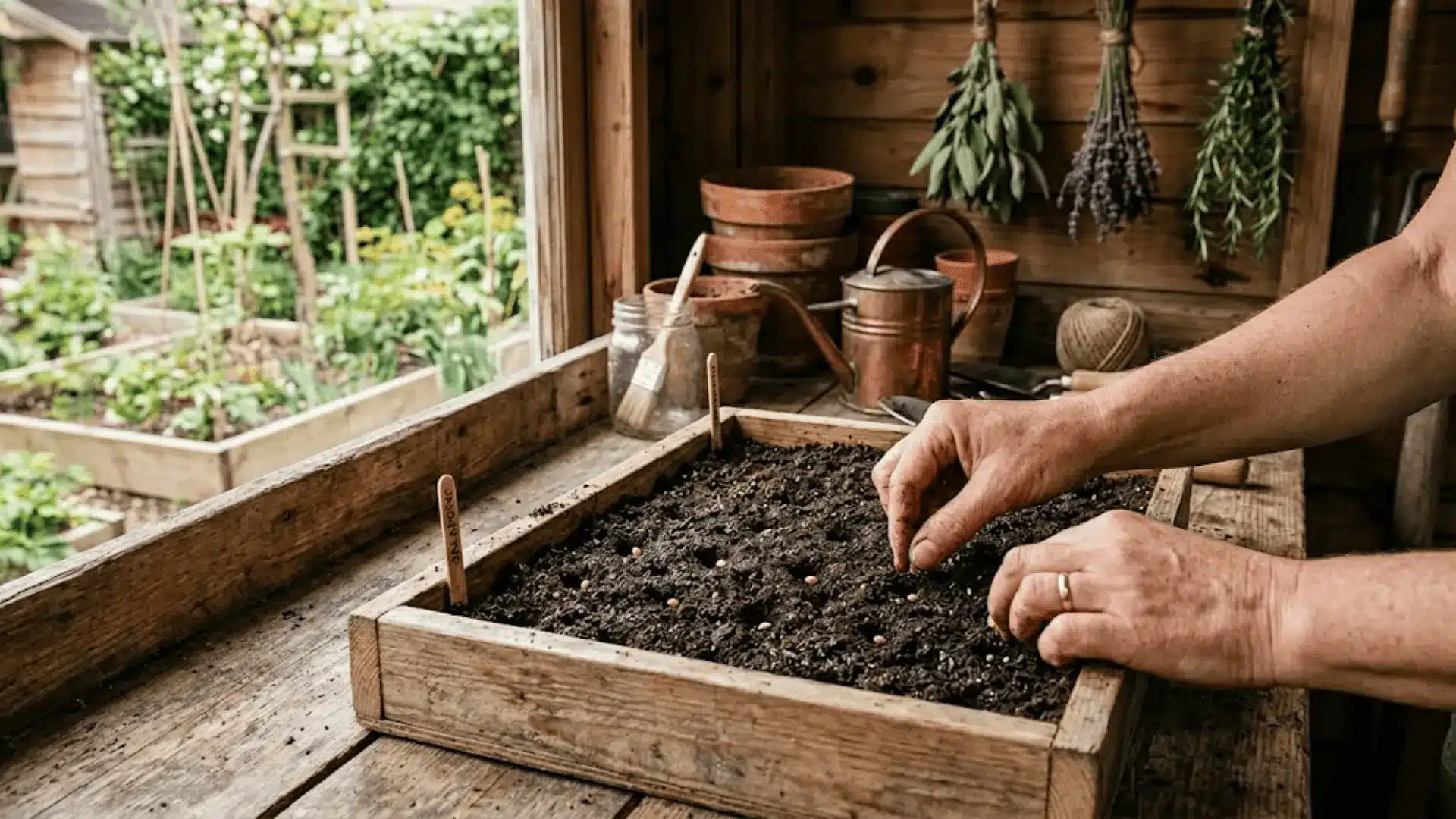
Sow your seeds indoors 6 to 8 weeks before your last frost date. This gives your seedlings enough time to develop properly before they face outdoor conditions.
Rushing this window means weaker plants; starting too early can leave you with overgrown seedlings that struggle after transplanting.
Step 2: Use the Right Growing Mix
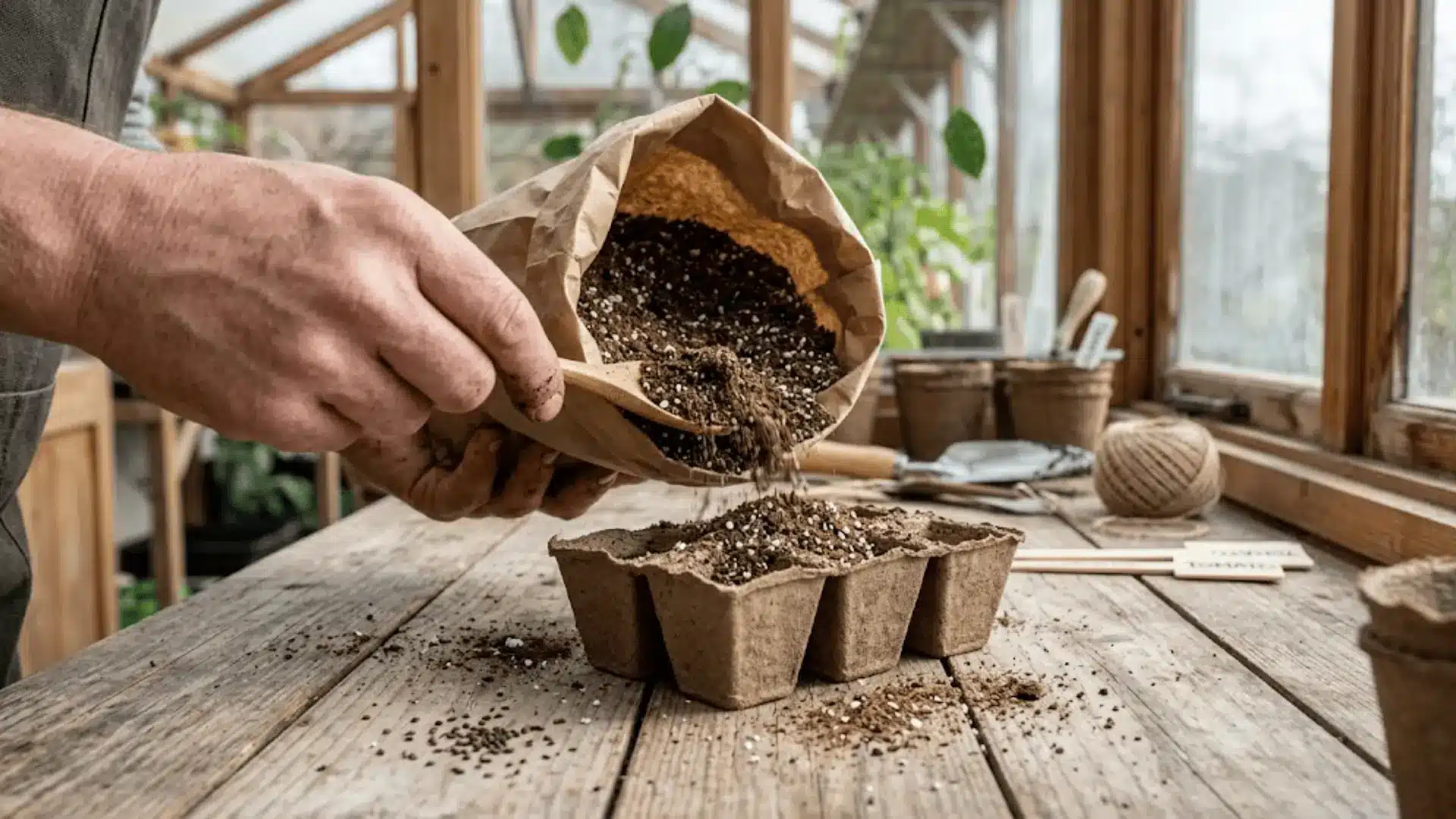
Skip regular garden soil here. A light, well-draining seed-starting mix gives your seeds the airy environment they need to germinate cleanly.
It holds just enough moisture without becoming waterlogged, which is one of the most common reasons seeds fail before they even sprout.
Step 3: Keep the Soil Warm and Moist
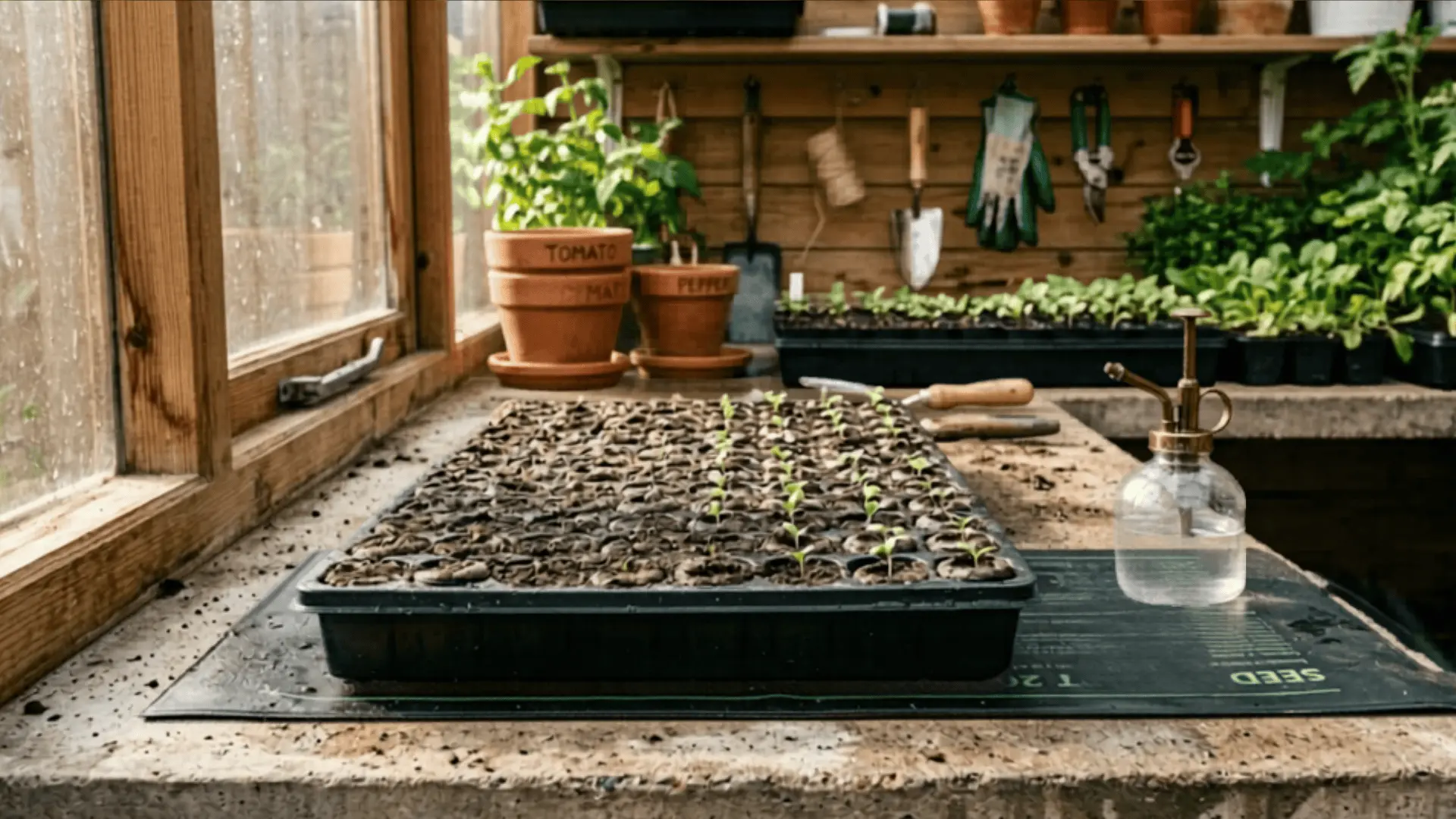
Jalapeño seeds germinate best when the soil stays consistently between 27°C and 32°C (80°F to 90°F). A heat mat placed under your trays makes this effortless.
Keep the mix moist but never soggy, and expect to see sprouts anywhere from 7 to 14 days with the right conditions.
Step 4: Provide Light After Sprouting
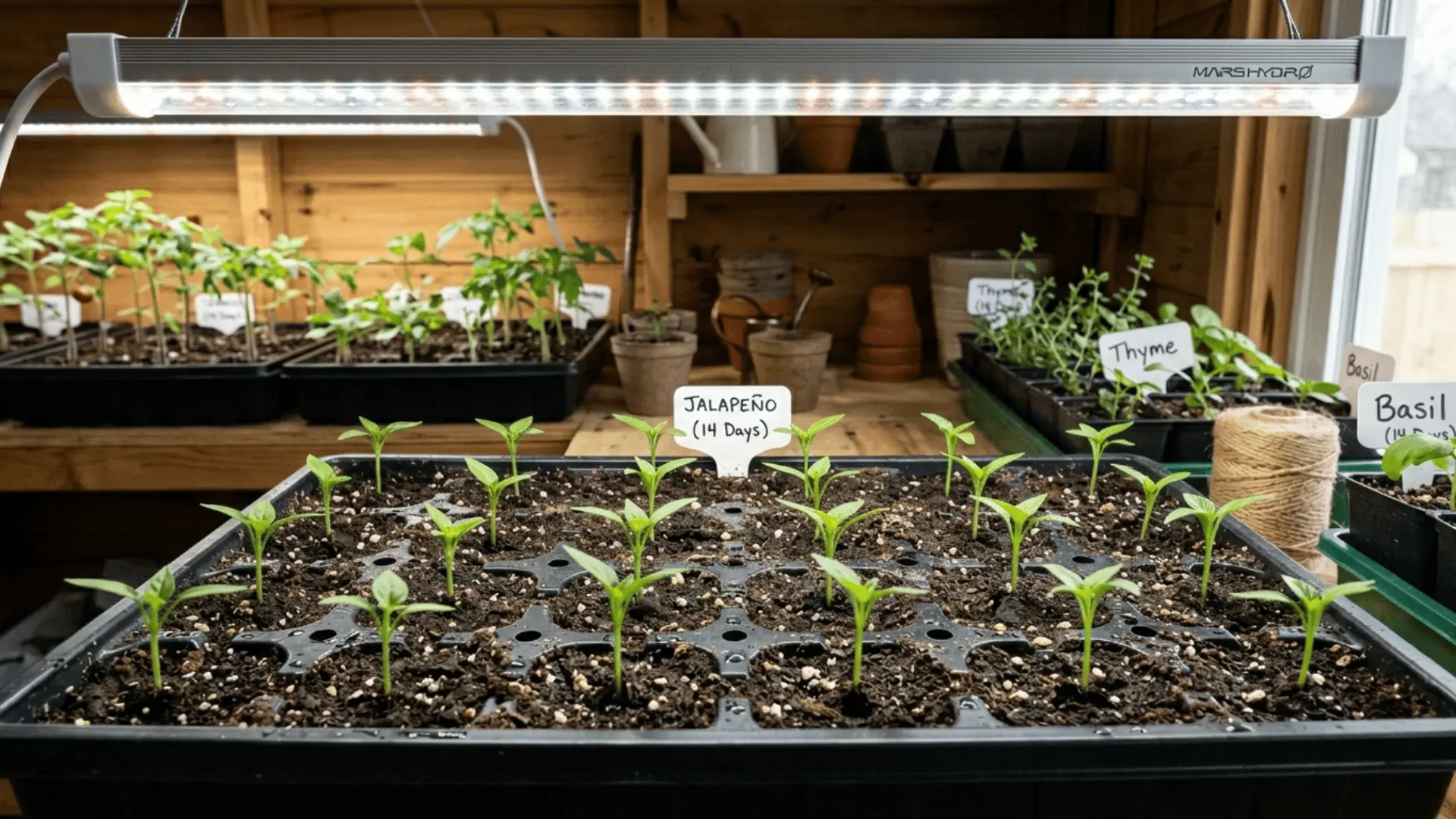
Once seedlings emerge, they need 14 to 16 hours of light daily to grow strong and compact.
A sunny south-facing windowsill can work, but a grow light positioned close to the seedlings gives much more consistent results and prevents that leggy, stretched-out growth that weak light causes.
Transplanting Jalapeño Seedlings
Once your seedlings have a few sets of true leaves and the weather is cooperating, they’re ready to move outdoors.
Take this part steadily, and your plants will settle into their new spot without skipping a beat.
- Harden off first by setting seedlings outside in a sheltered spot for a few hours daily over 7 to 10 days before full transplanting.
- Choose a location that gets at least 6 to 8 hours of direct sunlight daily.
- Space each plant 12 to 18 inches apart to allow healthy airflow and room to grow.
- Plant at the same depth as the seedling was growing in its starter cell, no deeper.
- Water thoroughly right after transplanting and keep the soil consistently moist during the first week of establishment.
Give them a little patience during those first few days outdoors. Once they adjust, jalapeños settle in quickly and start putting their energy into growth.
Best Soil for Growing Jalapeños
Jalapeños aren’t particularly fussy, but the quality of your soil directly reflects the quality of your harvest.
Get the foundation right and everything else follows naturally.
| Soil Factor | Ideal Condition | What to Avoid |
|---|---|---|
| Texture | Loose, light, and well-draining | Heavy clay or compacted ground |
| pH Level | 6.0 to 6.8 | Anything too acidic or alkaline |
| Nutrients | Compost-amended, organic-rich soil | Poor, unfed soil with no organic matter |
| Moisture | Evenly moist, never waterlogged | Overly wet or bone-dry conditions |
Sunlight Requirements
Jalapeños are sun-loving plants, and they perform best when they get plenty of it.
Full sun, at least 6 to 8 hours daily, is what keeps your plants healthy, productive, and consistently fruiting. Less than that and you’ll notice slower growth, fewer flowers, and a noticeably lighter harvest.
If you’re growing in containers, this actually works in your favor since you can move your pots to follow the sun through the day.
More sunlight doesn’t just sustain your plants; it directly drives better fruit set and stronger heat development in each pepper.
Watering Jalapeño Plants
Watering jalapeños is less about sticking to a fixed schedule and more about reading your soil.
As a general rule, water deeply but infrequently, allowing the top inch of soil to dry out between sessions. This encourages roots to grow deeper and makes your plants more resilient overall.
Overwatering is genuinely one of the most common mistakes with jalapeños, and it quietly does more damage than underwatering ever would.
Signs of Improper Watering
Your plants will usually tell you when something is off.
Keep an eye out for these:
- Yellow, drooping leaves signal overwatering and potentially the start of root rot.
- Wilting despite moist soil often points to root damage from sitting in waterlogged conditions.
- Dry, curling leaves with lightweight soil indicate the plant is underwatered and stressed.
- Slow fruit development can be a quiet sign that watering has been inconsistent over time.
Supporting and Pruning Jalapeño Plants
A little structural support and occasional pruning go a long way in keeping your jalapeño plants healthy, upright, and producing well through the season.
- Stake plants early, ideally when transplanting, to avoid disturbing roots later as the plant gets heavier.
- Use a small tomato cage or bamboo stake tied loosely with garden twine for clean, reliable support.
- Pinch off the first set of flowers to redirect the plant’s energy into stronger root and stem development.
- Remove any crossing or crowded branches to open up the plant and improve airflow.
- Trim yellowing or dead leaves regularly to keep the plant clean and reduce disease pressure.
- Avoid heavy pruning mid-season, as it stresses the plant and slows fruit production.
Small, consistent maintenance through the season keeps your plants structured and your harvest coming in steadily rather than all at once.
Jalapeño Plant Growth Stages
Knowing where your plant is in its growth cycle helps you respond to its needs at the right time rather than guessing.
Here’s how each stage unfolds from seed to harvest.
| Growth Stage | Timeframe | What’s Happening | What to Do |
|---|---|---|---|
| Seed Germination | 7 to 14 days | Seeds absorb moisture, and the first root emerges | Keep soil warm at 27°C to 32°C and consistently moist |
| Seedling Stage | 2 to 4 weeks | First true leaves appear, and the stem strengthens | Provide 14 to 16 hours of light daily |
| Vegetative Growth | 4 to 8 weeks | Plant puts energy into leaves, roots, and stems | Feed with balanced fertilizer and ensure full sun |
| Flowering | 8 to 12 weeks | White flowers appear, ready for pollination | Switch to phosphorus-rich fertilizer, avoid overwatering |
| Fruit Development | 12 to 20 weeks | Peppers form, sizing up, and gradually ripening | Water consistently and monitor for pests |
How Long Do Jalapeños Take to Grow?
Patience is a quiet part of growing jalapeños. From transplant to first harvest, most varieties take anywhere between 70 and 90 days, though this can shift depending on your climate, soil quality, and the variety you’ve chosen.
Warmer conditions with consistent sun tend to push things along faster, while cooler spells can stretch the timeline noticeably.
A good way to gauge readiness is by size and firmness rather than color alone.
Jalapeños are harvest-ready when they’re firm, deep green, and around 3 to 5 inches long, regardless of whether corking has appeared yet.
When and How to Harvest Jalapeños?
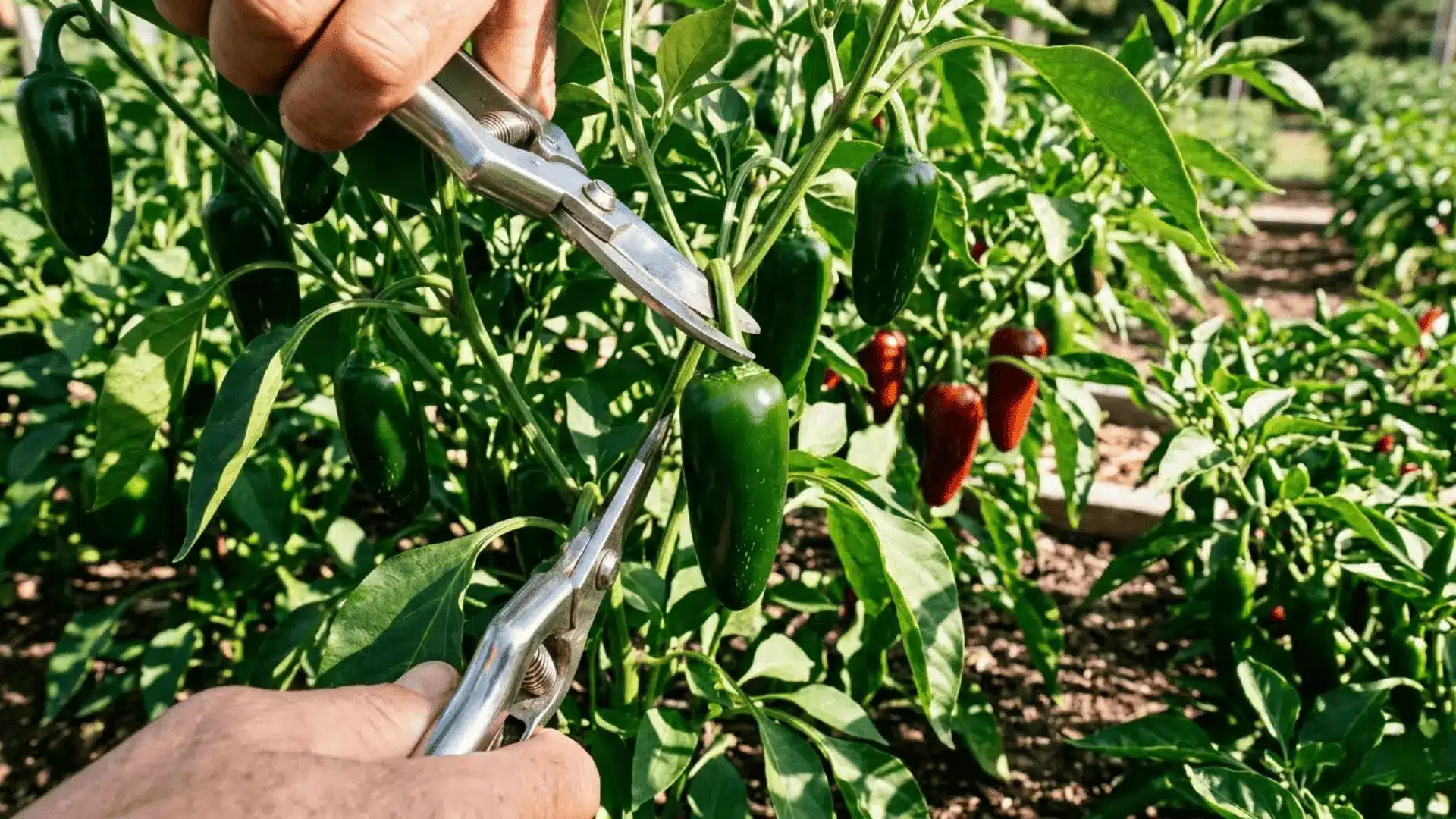
Harvesting at the right moment keeps your plant in a continuous production cycle.
Most jalapeños are ready when they’re firm, glossy, and deep green, though leaving them longer turns them red and brings out a slightly sweeter, more complex flavor.
Either stage is perfectly fine depending on your preference. The way you harvest matters just as much as the timing, since careless picking can snap branches and set your plant back.
How to Harvest Jalapeños?
A little care during harvest goes a long way in keeping your plant intact and productive.
- Step 1: Use clean, sharp scissors or pruning shears rather than pulling peppers off by hand.
- Step 2: Cut the stem just above the pepper, leaving a small portion attached for a longer shelf life.
- Step 3: Harvest every few days once the plant starts producing to signal it to keep fruiting.
- Step 4: Remove any overripe or damaged peppers immediately to redirect the plant’s energy toward new growth.
Common Problems When Growing Jalapeños
Even the most attentive gardeners run into bumps along the way. These are some of the most frequently asked questions from real growers, along with what actually helps.
Problem 1: “My jalapeño plant is full of flowers but they keep dropping before any peppers form.”
The Fix: Temperature swings and poor pollination are usually behind this. Gently shake the stems occasionally to mimic natural pollination, and if you’re growing indoors, a small fan running nearby helps stabilize conditions.
Problem 2: “My jalapeños have been on the plant for weeks and they’re barely sizing up.”
The Fix: This usually points to a sunlight gap or low phosphorus levels. Switch to a bloom-focused fertilizer and move containers to a sunnier spot, then give it a couple of weeks before expecting visible change.
Problem 3: “The leaves on my jalapeño plant are turning yellow and I’m not sure what I’m doing wrong.”
The Fix: Overwatering or nitrogen deficiency are the most common causes. Check soil moisture first, and if that’s not the issue, a balanced liquid fertilizer applied consistently over a few weeks usually brings the color back.
Problem 4: “My jalapeño leaves are curling inward and the plant looks stressed but I can’t figure out why.”
The Fix: Curling usually signals heat stress, inconsistent watering, or pests working quietly underneath the leaves. Check the undersides carefully for spider mites and adjust your watering routine before assuming the worst.
Problem 5: “I noticed tiny bugs clustering on my jalapeño stems and the leaves are starting to look damaged.”
The Fix: Aphids and spider mites both respond well to neem oil or insecticidal soap applied every few days. Catch them early and they’re very manageable before real damage sets in.
See what the r/HotPeppers community has to say about growing jalapeños →
Tips to Grow Bigger and Hotter Jalapeños
A few intentional adjustments through the season can make a real difference in the size and heat of your final harvest.
- Slightly reduce watering in the weeks leading up to harvest to naturally concentrate the capsaicin and intensify heat.
- Ensure your plants are getting consistent, uninterrupted sunlight throughout the day with no shading from nearby plants or structures.
- Avoid overcrowding by maintaining proper spacing so each plant has full access to nutrients, airflow, and light.
- Feed with a potassium-rich fertilizer during fruit development to support sizing and overall pepper density.
Small, deliberate choices made at the right time tend to show up directly in your harvest.
Growing Jalapeños in Pots
Container growing is genuinely one of the most flexible ways to grow jalapeños, especially if outdoor space is limited.
Choose a pot that’s at least 12 inches deep and wide to give roots enough room to spread comfortably.
Drainage is non-negotiable here, so make sure your container has adequate drainage holes and use a well-draining potting mix rather than garden soil.
The real advantage of containers is mobility; you can follow the sun through the day and bring plants indoors when temperatures drop.
One healthy plant per pot keeps competition low and yields surprisingly generous.
Indoor vs. Outdoor Growing
Both approaches can work well for jalapeños, and the right choice really comes down to your space, climate, and how involved you want to be in the process.
| Factor | Indoor Growing | Outdoor Growing |
|---|---|---|
| Yield | Moderate, limited by light availability | Higher, benefits from natural sunlight |
| Light Source | Grow lights, 14 to 16 hours daily | Natural sunlight, minimum 6 to 8 hours |
| Temperature Control | Easier to manage year-round | Dependent on seasonal conditions |
| Pollination | Manual or fan-assisted | Natural, through wind and pollinators |
| Space Requirement | Flexible, works in small indoor setups | Needs dedicated garden bed or patio space |
| Season | Can grow year-round | Limited to warm growing months |
Companion Plants for Jalapeños
What you plant alongside your jalapeños can quietly support or hinder their growth.
Tomatoes, basil, and onions are among the most compatible companions since they complement jalapeños without competing heavily for the same nutrients.
Basil in particular is known to repel common pests, making it a practical and aromatic addition near your pepper plants.
Plants to avoid growing near jalapeños:
- Fennel, which is broadly incompatible with most vegetables and tends to inhibit growth.
- Brassicas like cabbage and broccoli, which compete aggressively for the same soil nutrients.
The Closing Note
Growing jalapeños has a way of turning even the most hesitant gardener into someone who genuinely looks forward to checking on their plants every morning.
The process rewards attention, a little patience, and the willingness to adjust as you go. Start with good soil, respect the sun, and your plants will do most of the heavy lifting from there.
Learning how to grow jalapeños well is less about following rules and more about building a rhythm with your garden over time.
Tried any of these steps already? Drop your experience in the comments, the good, the unexpected, and everything in between.