I planted my first green bean seeds without a plan, just curiosity and a free afternoon. I checked the soil every day, not knowing what to expect.
When shoots appeared, I realized growing food did not require guesswork. Learning how to grow green beans showed me that timing, warm soil, and steady watering matter more than experience.
That small success made gardening feel doable, not intimidating.
Now you can follow that same simple path. You will learn when to plant, how to prepare soil, and how much sun green beans need. You will also learn how to care for plants so they keep producing a healthy harvest.
Understanding the Green Bean Plant
Green beans are easy to grow and don’t need much space. But they do need a few key things to grow well:
- Good sunlight (at least 6 hours)
- Well-drained soil
- Watering a few times a week
- Warm temperatures
There are two main types: bush beans and pole beans.
Bush beans are short and grow in small bunches. They don’t need any support and grow well in containers or tight spaces. They’re perfect for small gardens.
Pole beans grow tall and climb. They need a stick or trellis to grow on. But they keep producing beans for longer.
If you have a small garden or a pot, go with bush beans. They’re easy and quick. If you want a longer harvest and have space for a trellis or fence, try pole beans.
Both are great. You just need to pick what works best for your space and time.
When to Plant Green Beans
Green beans don’t like cold soil. That’s why soil temperature is more important than the calendar. Wait until the soil is at least 60°F (16°C); warmer is even better.
In cool spring areas, plant in late spring, once the ground warms up. You may only get one harvest.
In warm or hot regions, you can plant in spring and again in late summer for a fall harvest.
Spring planting starts after the last frost. Fall planting should happen 8–10 weeks before the first frost.
Too late? If you plant less than 2 months before cold weather, beans won’t have time to grow. Check your local frost dates to be sure.
How to Grow Green Beans Step by Step
If you’re ready to grow your own green beans, don’t worry. It’s easier than you might think. Here’s a simple step-by-step guide to help you get started and grow fresh beans at home:
Step 1: Get Your Soil Ready
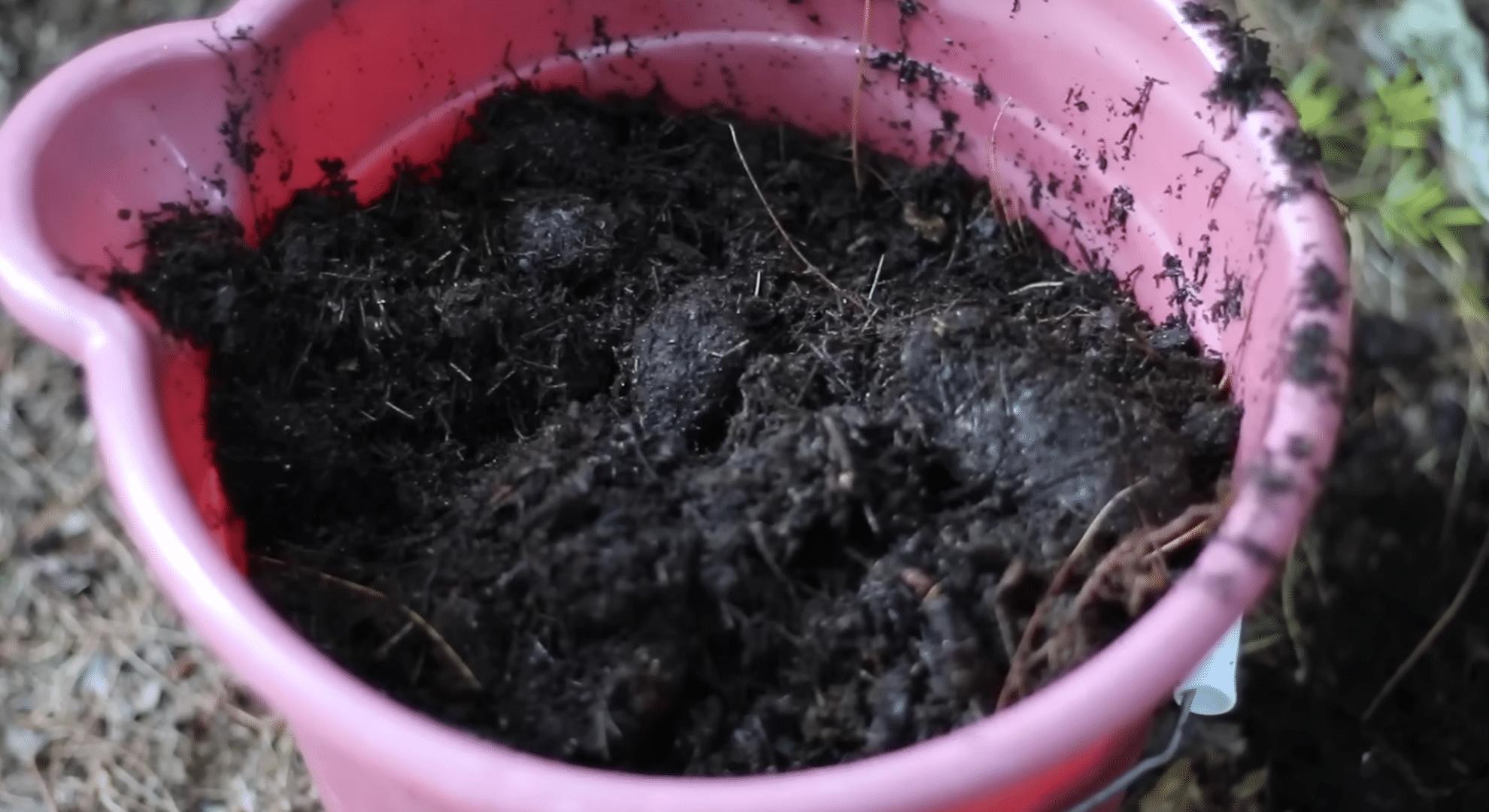
Add fresh compost to your garden bed. Mix it into the top few inches of soil. Compost adds nutrients and helps your beans grow strong.
Beans like soil with a pH above 6.0, and they need 4 to 6 hours of sunlight each day.
Step 2: Plant Using the Square Foot Method
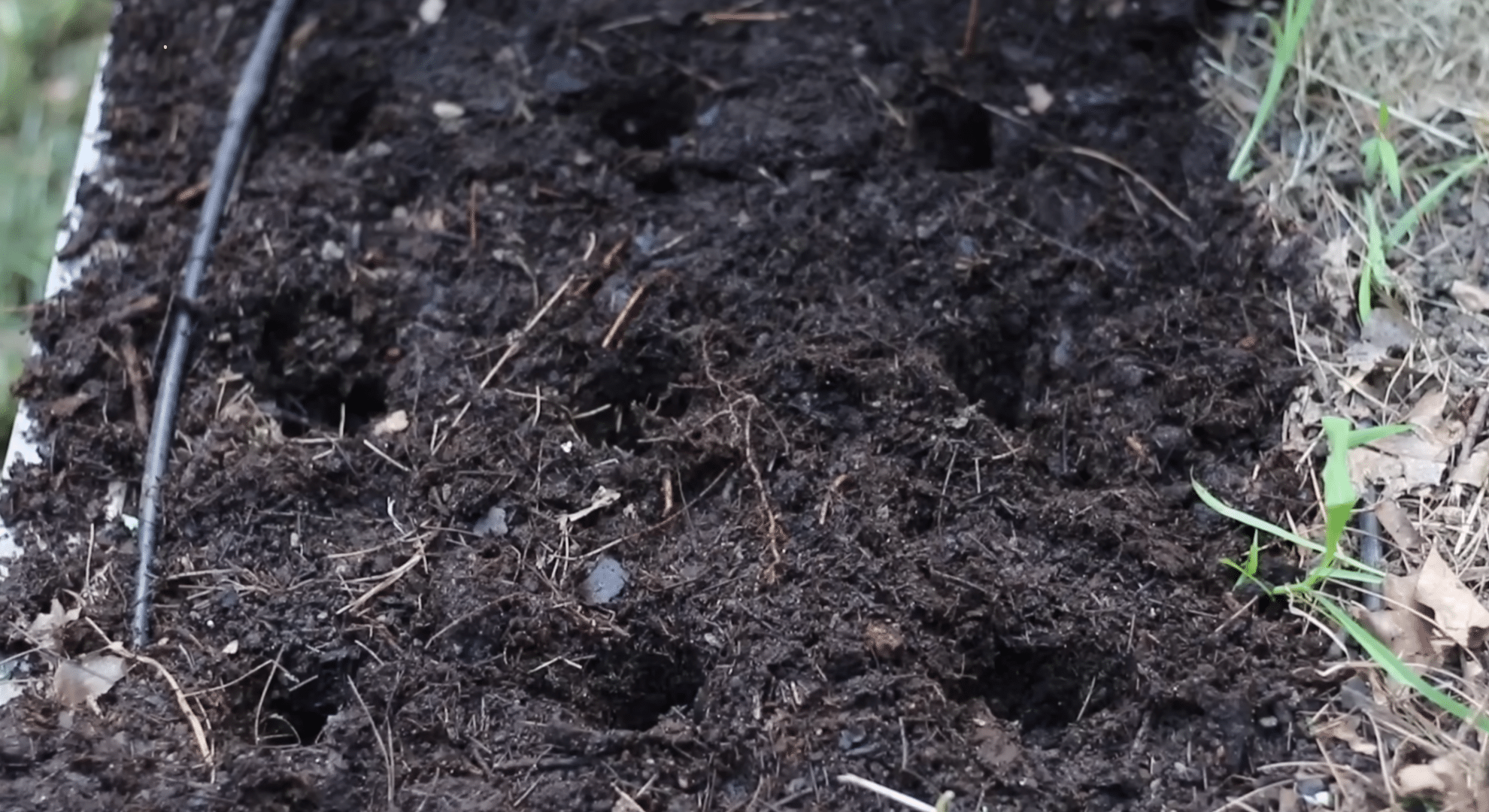
Use the square foot method to save space.
Plant 9 bush bean seeds per square foot. Make a grid, and space seeds evenly inside each square. This method helps you grow more in less space.
Step 3: Use Inoculant to Help Beans Grow
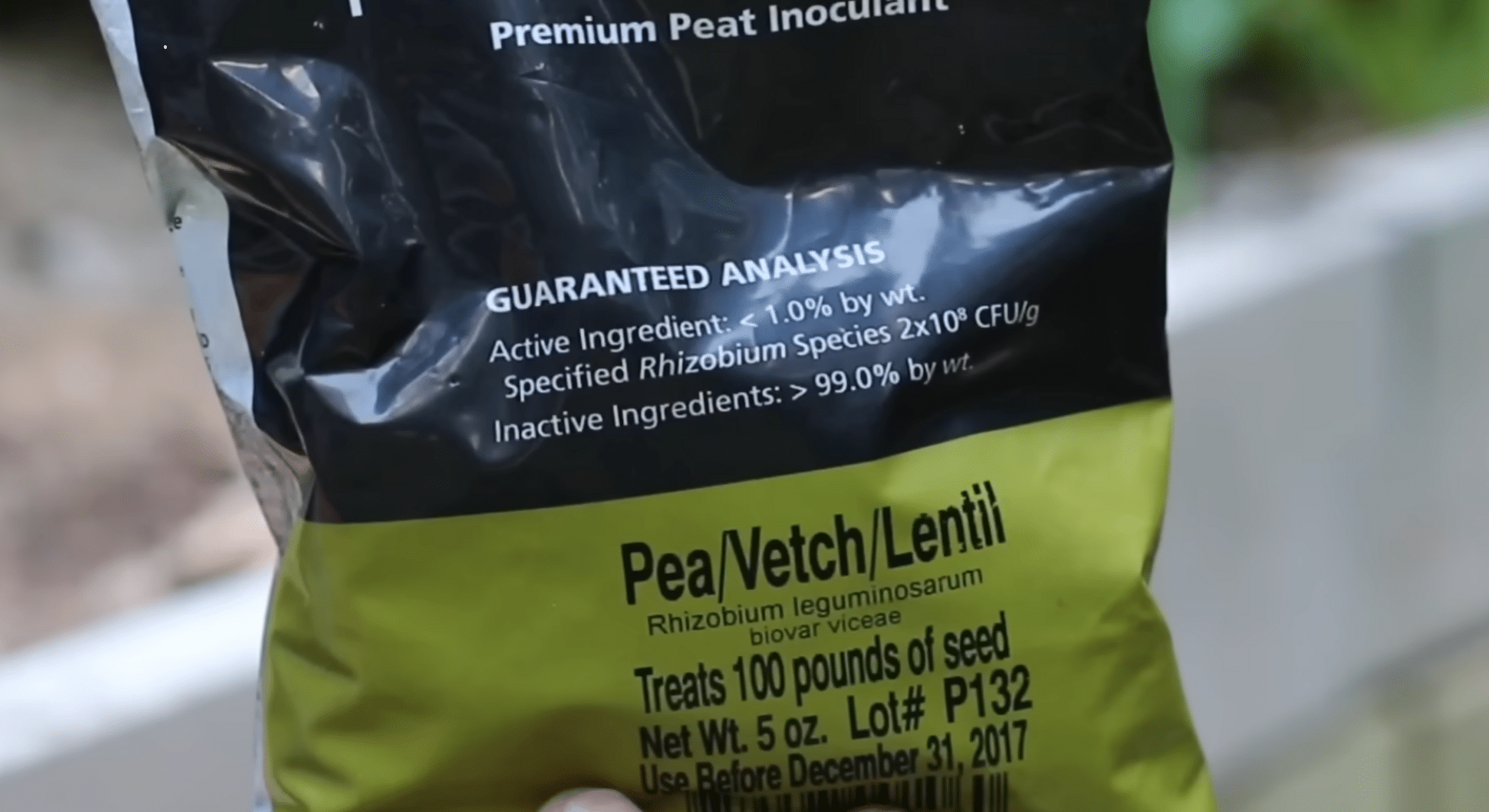
Inoculant is a powder that adds helpful bacteria to the seed. These bacteria help bean roots pull nitrogen from the air. This makes your plants grow better without using chemical fertilizer.
Make sure to get the right type for beans.
Step 4: Coat Seeds Before Planting
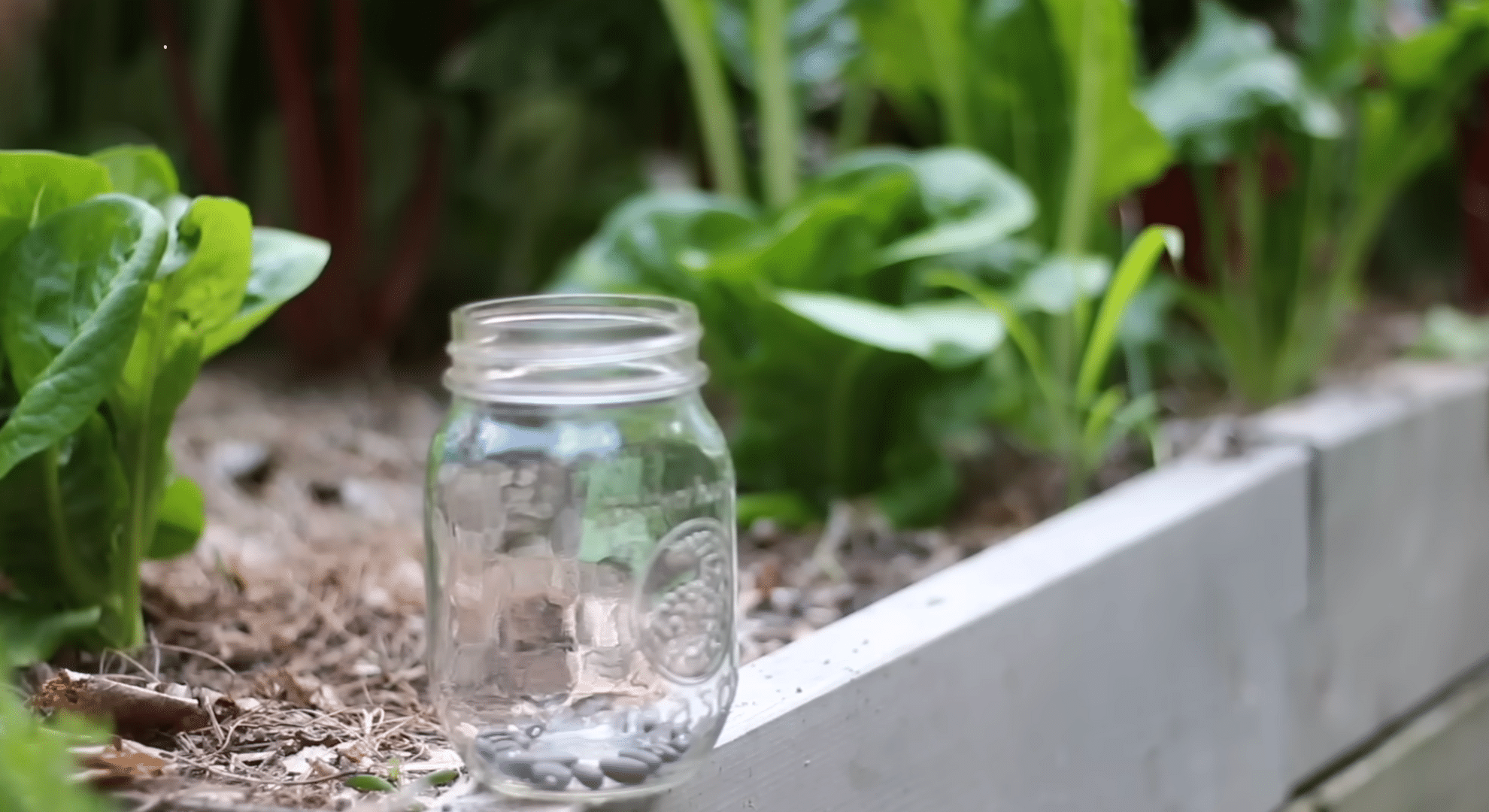
Put your seeds in a jar. Add some inoculant and a splash of water. Swirl the seeds until they’re coated. Then plant them 1 inch deep in the soil.
This step helps the roots grow small round nodules that feed the plant naturally.
Step 5: Water Gently Until Sprouts Show
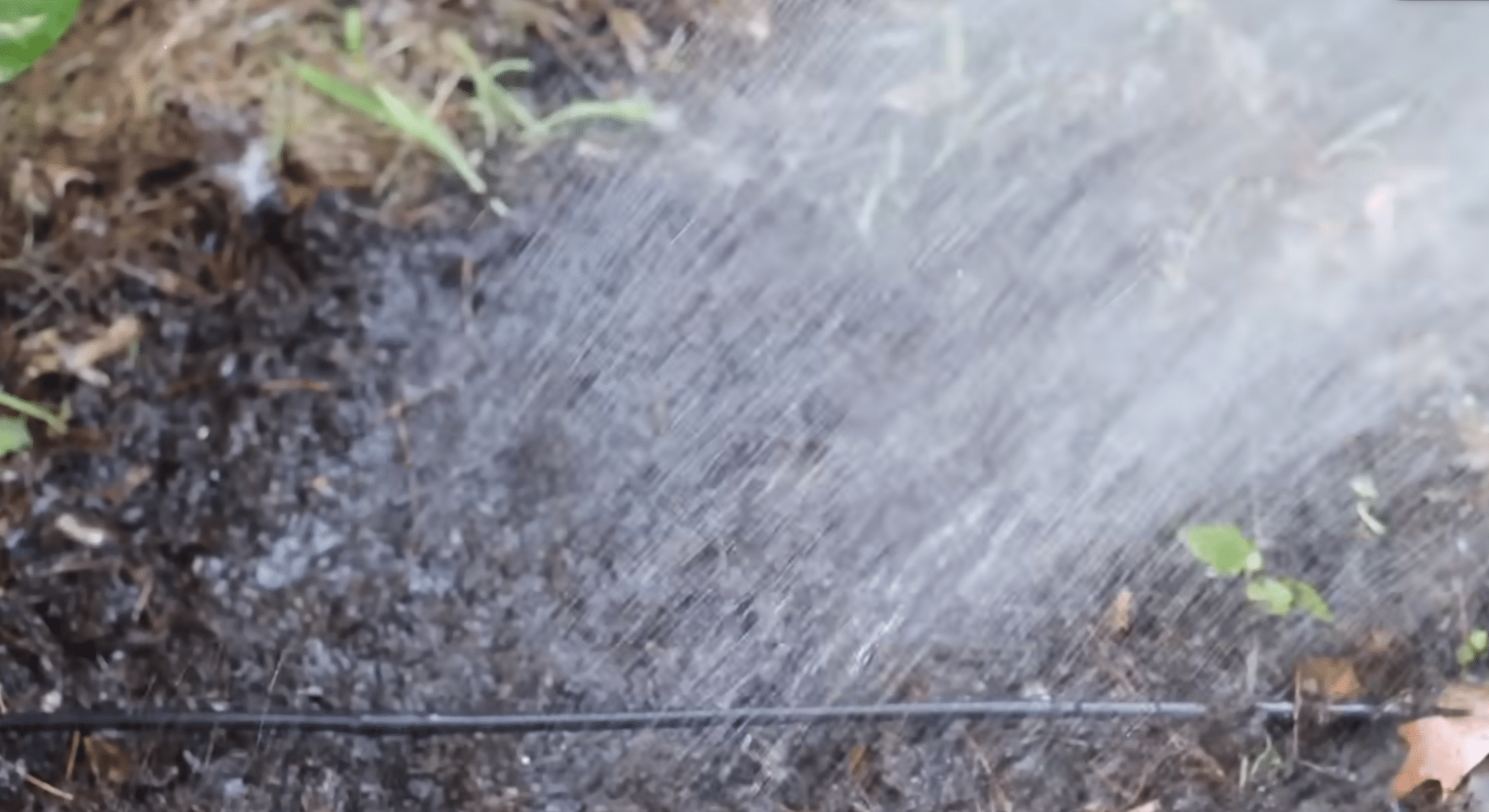
Keep the soil damp but not soaked. Water with a light spray every day for 5 to 7 days. After the seeds sprout, you can water less often.
Try not to get the leaves wet, since that can cause plant diseases.
Step 6: Add Mulch Around the Plants
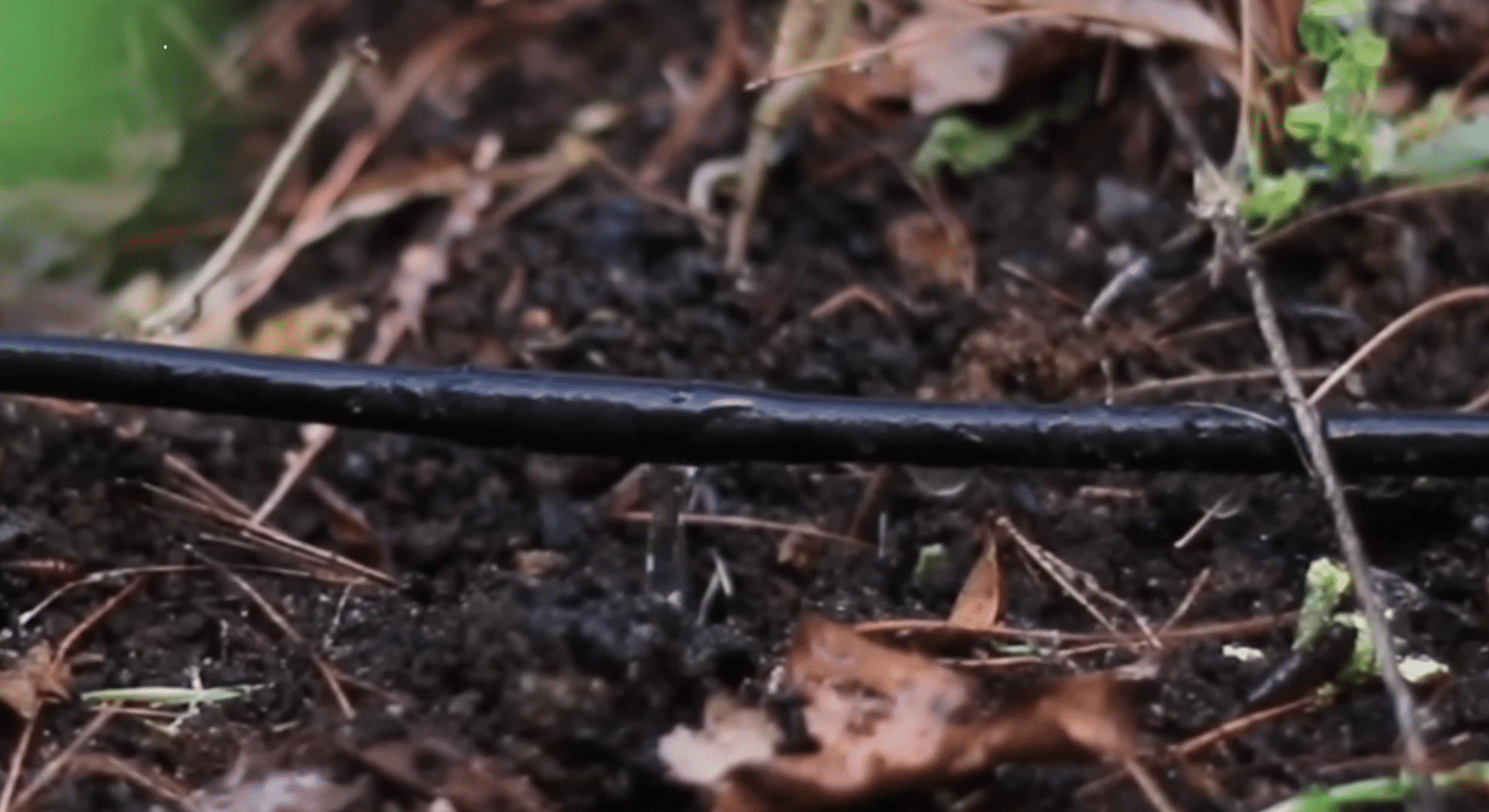
Put grass clippings or dry leaves around the plants as mulch. This keeps the soil moist and cool. Mulch also feeds worms in the soil.
Worms help your garden by turning mulch into natural fertilizer.
Step 7: Support Plants with a Simple Fence
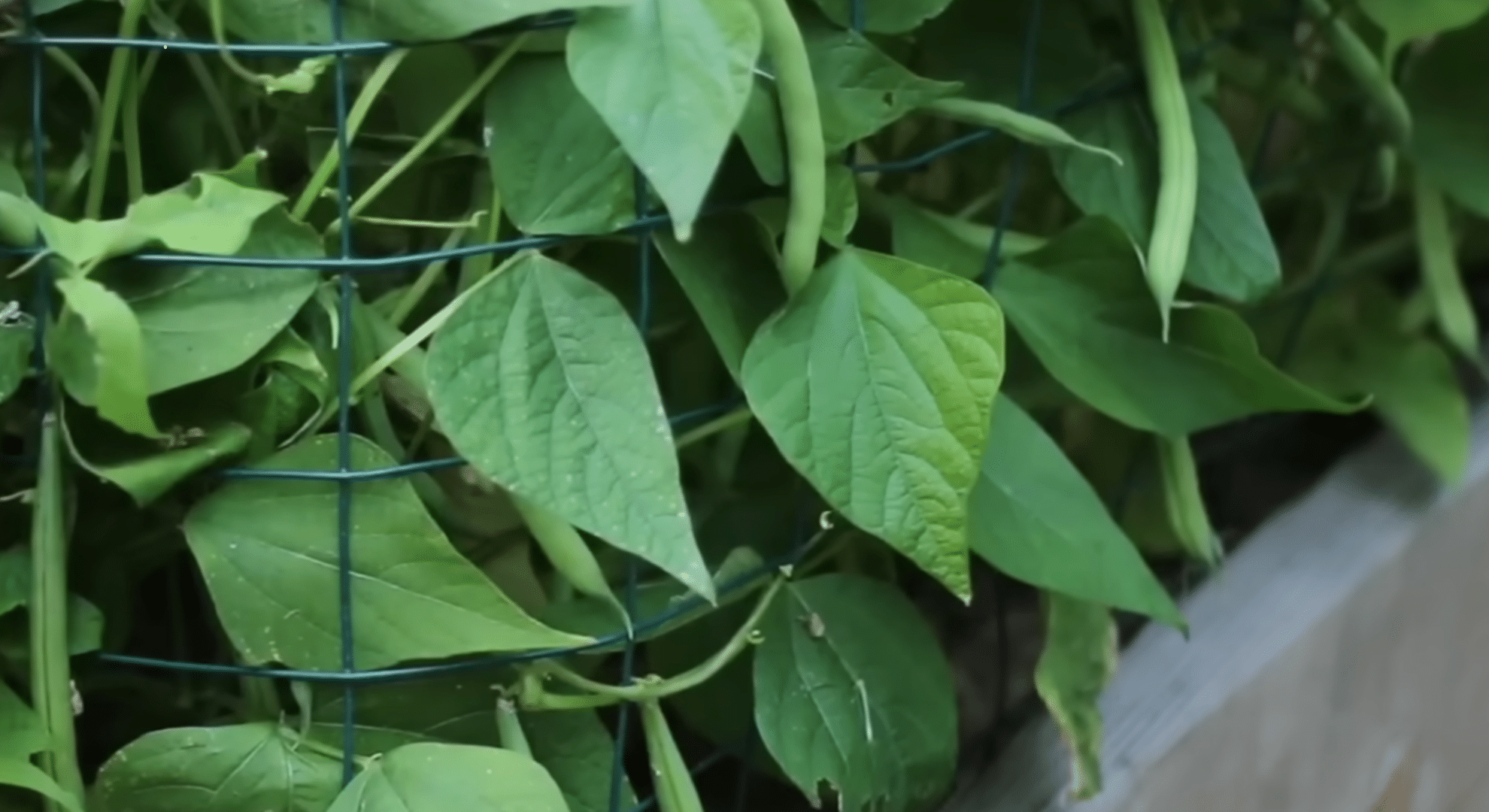
Bush beans don’t need tall support like pole beans. But they can tip over, especially near the edges of raised beds.
A small fence or border around your bed can help hold the plants up and stop them from falling over.
Step 8: Pick Beans Often and Leave Roots in Soil
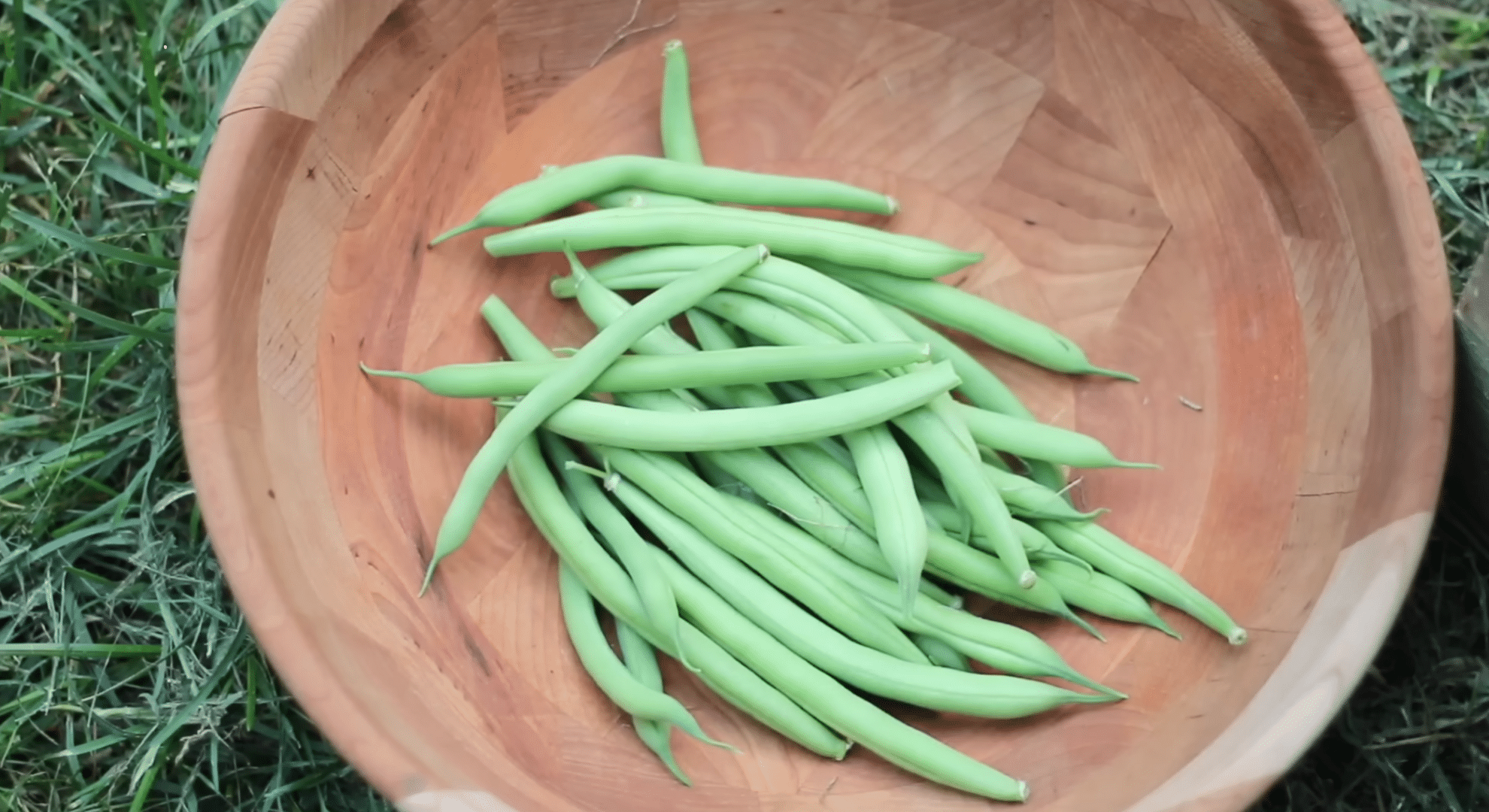
Start picking beans when they’re about 4 to 7 inches long. They should be a little fatter than a pencil. Pick often, this keeps the plant growing new beans.
At the end of the season, cut the plant at the base but leave the roots in the soil. The roots still hold nutrients that help next season’s crops.
Watering, Feeding, and Daily Care
Green beans are pretty easy to care for, but they still need regular attention to grow strong and healthy.
Here’s what you should know:
- Water deeply about 2–3 times a week. Let the top inch of soil dry between watering.
- Too much water? Leaves may turn yellow or look soft.
- Too little? Plants may droop or stop growing.
- Most green beans grow fine without added fertilizer if the soil is good.
- Mulch helps hold in moisture and keeps weeds down.
- Use straw or leaves in garden beds; for containers, try shredded bark or compost.
Stick to these simple steps, and your green beans will have what they need each day. It’s more about consistency than doing too much.
Growing Green Beans in Containers
You don’t need a big yard to grow green beans. A sunny balcony, patio, or even a windowsill can work just fine. Choose a pot that’s at least 12 inches deep with drainage holes.
Bush beans are best for containers because they stay short and don’t need much support. Use good-quality potting mix, not garden soil, and place the container where it gets at least 6 hours of sun a day.
Here are a few key tips:
- Water when the top inch of soil feels dry
- Don’t let the pot sit in water
- Add mulch on top to keep soil moist
- Support the plant if needed using small stakes
With regular watering and a little care, your container green beans can grow just as well as those in the ground. They’re perfect for small spaces and easy to harvest too.
Succession Planting for a Longer Harvest
Succession planting means planting in stages instead of all at once. This gives you fresh green beans for a longer time.
With bush beans, plant a new batch every 2 to 3 weeks. Since they produce all at once, this keeps fresh beans coming. Pole beans grow slower but make for a longer time. You usually only need to plant them once per season if you harvest often.
To know when to stop planting, count back 60 days from your first fall frost. That’s your last chance to plant and still get beans before it gets too cold.
This simple trick helps stretch your harvest and keeps your meals full of fresh beans.
Conclusion
Growing green beans has been one of the simplest and most rewarding things I’ve done in my garden. I learned that I didn’t need a big space or a lot of experience: just good soil, sunlight, and a bit of care. Planting in stages helped me get fresh beans for weeks.
Now it’s your turn. You know how to grow green beans step by step. You can start small, even with just a pot. Pay attention to the seasons, water right, and pick often.
One last reminder: don’t wait too long to plant that next batch.
Want to keep going? Check out my other blogs for more simple ways to grow food at home!