Getting your home guest-ready is not just about tidying up. It is about creating an environment where people feel comfortable the moment they walk in. Whether you are hosting a dinner party, a holiday gathering, or a spontaneous weekend visit, the preparation process follows a repeatable system.
Start With a Deep Clean Strategy
Surface cleaning is not enough. Guests notice what you overlook daily.
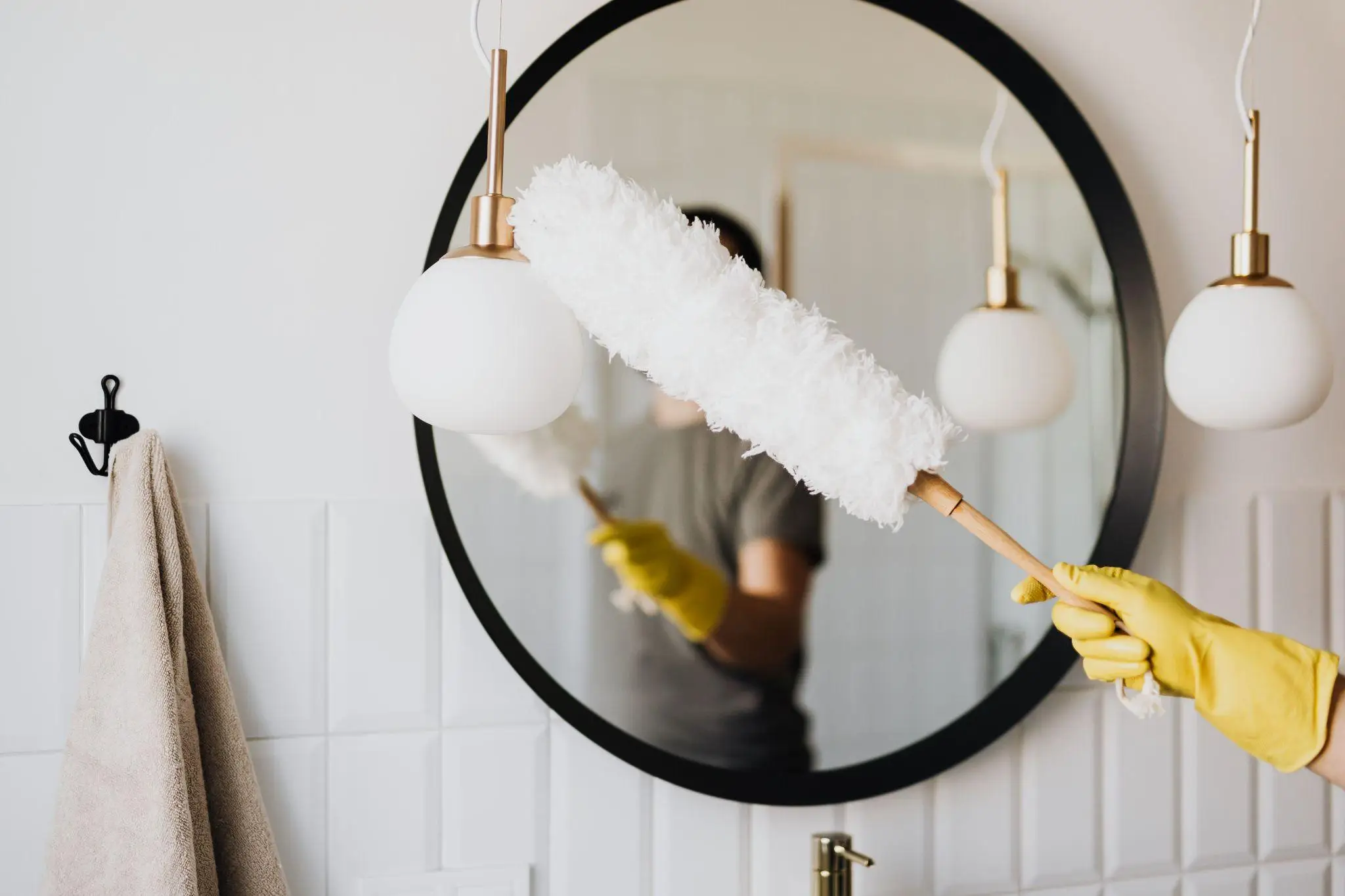
Begin with high-traffic zones: the entryway, living room, kitchen, and bathrooms. These are the spaces guests spend most of their time in. Work from top to bottom in each room. Dust ceiling fans and light fixtures before vacuuming the floors.
If you are short on time, hiring a house cleaning service is one of the most efficient ways to get every corner done correctly. Professionals follow systematic room-by-room checklists that cover grout lines, baseboards, and appliances most homeowners skip.
Declutter Before You Decorate
Decoration means nothing on top of clutter. Remove everything that does not serve a purpose in the guest-facing spaces first.
Use the following approach:
- Clear flat surfaces such as countertops, coffee tables, and console tables completely, then add back only intentional items.
- Hide daily-use clutter like mail, chargers, and remote controls in baskets or drawers.
- Edit your bookshelf or display areas down to items that are visually intentional.
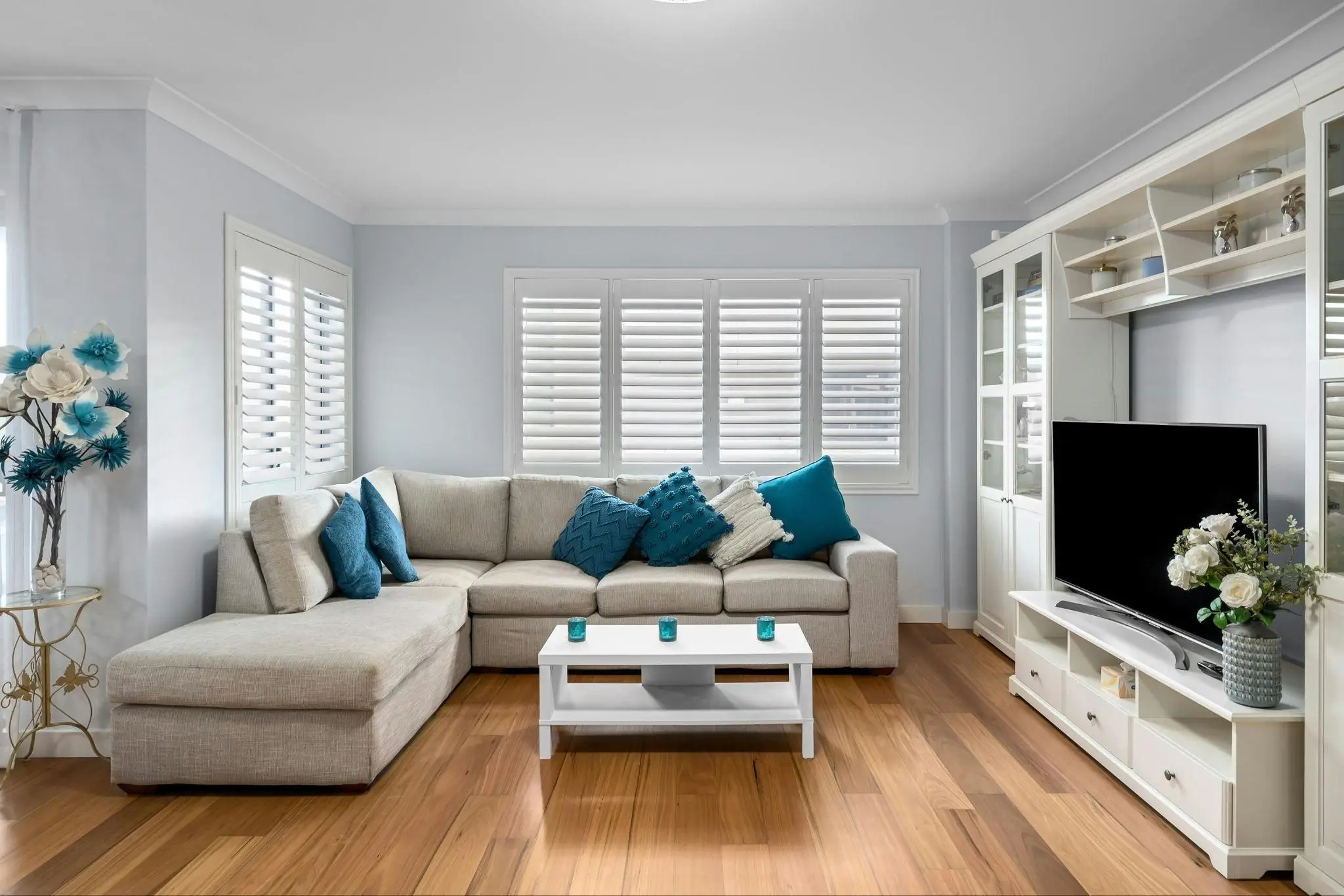
- Store extra furniture that makes rooms feel cramped. Open floor space signals a well-organized home.
Decluttering before decorating makes every decorative choice more impactful.
Address Odors Before Guests Arrive
Smell is the first sense guests engage when entering a home. It is also the most memorable.
Open windows for 20 to 30 minutes before guests arrive if the weather allows. Replace any overflowing trash bags. Clean the kitchen drain with baking soda and vinegar. Wash pet bedding.
Avoid heavy synthetic air fresheners. They often signal that something is being masked. Light a single candle or use a linen spray instead. Scents like cedar, eucalyptus, or citrus are neutral and widely tolerated.
Create a Clear Entryway Experience
The entryway sets the tone for the entire visit. It should communicate order immediately.
Clear any shoes, bags, or coats that belong to your household. Add a small tray or basket near the door for guests to place their belongings. If you have a coat closet, clear enough space to actually hang a guest’s coat.
A small plant, a framed piece of art, or a simple mirror in the entryway adds personality without requiring effort to maintain.
Set the Table With Intention
A well-set table communicates that effort was made. It does not need to be expensive.
Customized table runners are one of the most effective ways to anchor a tablescape. They add structure and color to a table without requiring a full linen set or elaborate centerpiece. Pair a runner with consistent tableware and a single low centerpiece, such as a small vase or candle cluster, to keep sightlines open across the table.
The goal is a table that looks considered, not decorated.
Prepare a Guest Bathroom Properly
The guest bathroom needs more than a clean toilet. According to a2023 survey by the American Cleaning Institute, 72% of Americans say a clean bathroom is the most important factor in feeling comfortable in someone else’s home.
Stock the bathroom with:
- Fresh hand towels, folded or rolled
- A full soap dispenser or unused bar soap
- Toilet paper with at least one backup roll visible
- An empty or recently emptied trash bin
Remove personal items like razors, medication, and skincare products from the counter. Guests should not have to navigate your daily routine.
Control Lighting for Ambiance
Overhead lighting alone makes spaces feel clinical. Layer your lighting to create warmth.
Turn on lamps in the living room before guests arrive. Use dimmer switches if you have them. In dining spaces, lower the overhead light and rely on candles or a buffet lamp. Bathrooms can stay at full brightness for practical reasons.
Lighting adjustments take less than five minutes and make a measurable difference in how a space feels.
Plan the Flow of the Gathering
Guest readiness is not only physical. It includes knowing how people will move through your home.
Think about where guests will congregate naturally and make sure those areas are cleared and comfortable. Consider traffic flow between the kitchen, dining area, and living room. If you are serving food, set up a drinks station that guests can access without asking you every time.
Pre-setting snacks, glasses, and napkins in the right spots reduces friction during the actual event. The more your home anticipates guest needs, the more relaxed everyone, including you, will feel.
Keep a Guest-Ready Checklist on Hand
Consistency is the real goal. A one-time deep clean is not a system.
Build a short checklist you can run through 24 hours before any gathering. Include the non-negotiables: clean bathrooms, cleared surfaces, fresh towels, stocked kitchen, and a walkthrough of every guest-facing room. Keep it somewhere easy to find. The more you repeat the process, the faster it gets. Over time, maintaining a guest-ready home requires less effort because the baseline stays higher.