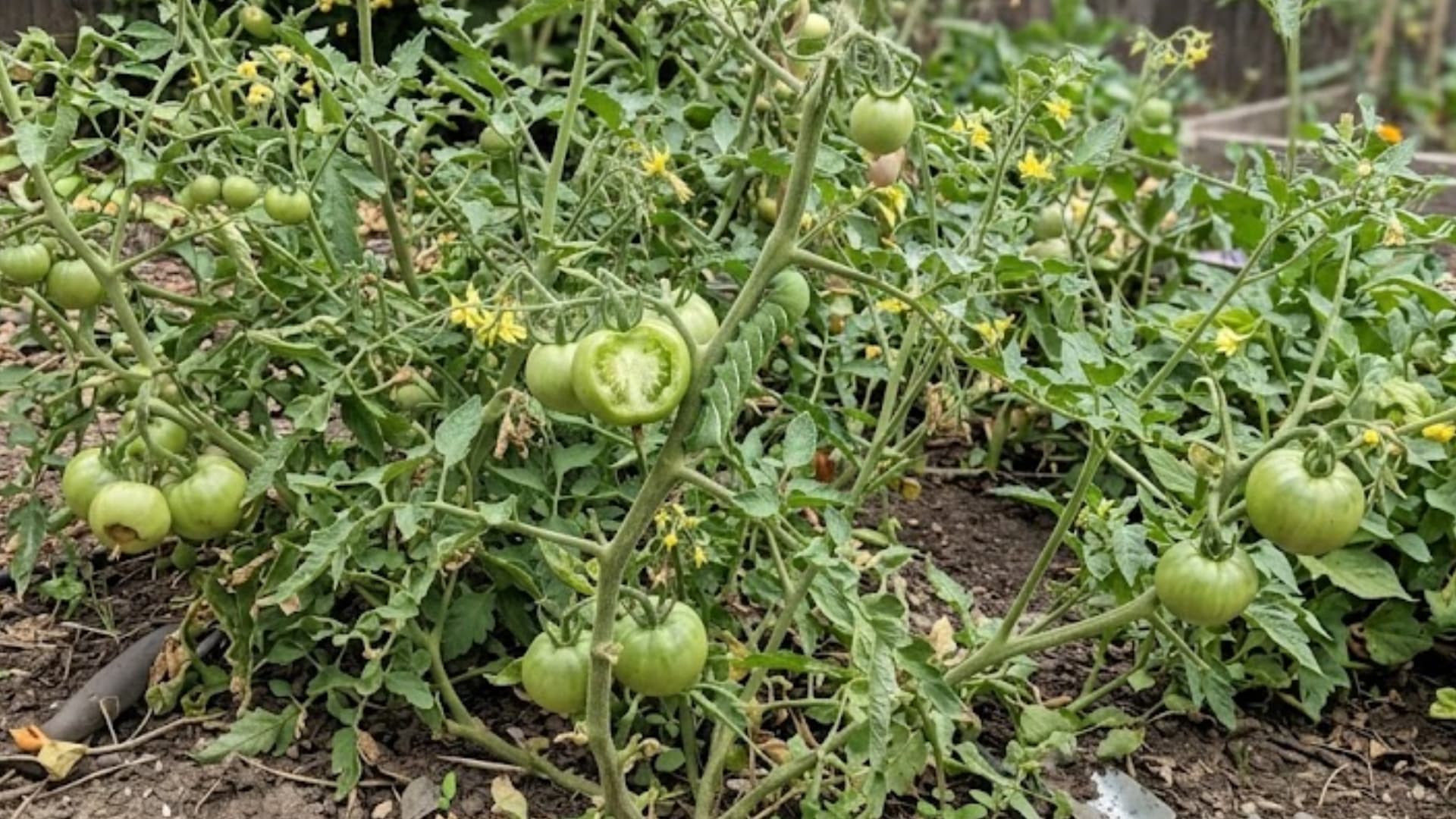
A hornworm can hide on a tomato plant for days without being noticed. Its green body mixes perfectly with the leaves it feeds on.
By the time you spot one, it may have already stripped several branches bare. Learning how to get rid of tomato hornworms helps you catch them before that happens.
Left alone, a single caterpillar can undo weeks of careful growing. Knowing what to look for makes a real difference in how your plants hold up.
A tomato plant can bounce back fast once you handle the problem right. This guide walks you through spotting and stopping hornworms for good.
Why Tomato Hornworms Are a Problem for Your Garden
Tomato hornworms deserve real attention because they grow fast and eat even faster. A single hornworm can strip leaves from a plant in just a few days.
Feeding often starts small, but it speeds up quickly once the caterpillar grows bigger. This makes early detection important before damage gets out of hand.
Young tomato plants and fresh transplants face the biggest risk, since their leaves are still tender and easily stripped. Damage also shows up faster on these plants than on older, more established ones.
Left unchecked, this feeding can weaken a plant’s overall health and slow its growth. Fewer leaves mean less energy for the plant, which often leads to smaller yields down the road.
How to Get Rid of Tomato Hornworms Naturally?

Disclaimer: Handpicking hornworms may cause mild skin irritation for sensitive individuals, so wear gloves, and results can vary depending on infestation size.
You can manage tomato hornworms with simple hands-on methods and natural garden helpers. Here are the most effective ways to control hornworms in your garden:
1. Hand-Pick the Hornworms
Check tomato plants often for hornworms hiding in plain sight. Look under leaves and along stems where they like to rest.
Fresh chew marks or dark droppings often point to where they are feeding. Pick them off by hand and drop them into soapy water.
A UV blacklight after dark makes hornworms glow, turning a slow hunt into a quick sweep using basic yard tools.
2. Use Bacillus thuringiensis (Bt)
Bt is a natural product that targets caterpillars like hornworms. It works best on young hornworms still feeding on leaves.
Spray it directly onto the foliage where hornworms are active. The hornworms get sick after eating the treated leaves and stop feeding.
Always read the product label before applying it. Reapply as directed, especially after rain washes it away from the plant.
3. Apply Spinosad
Spinosad is a strong option when hornworm numbers get out of hand. It comes from natural soil bacteria and targets caterpillars effectively.
Choose a product made for use on tomato plants specifically. Spray it in the evening to avoid harming bees and other pollinators.
Always follow label instructions closely for the best results. This helps protect helpful insects while still controlling hornworms.
4. Encourage Natural Predators
Many garden insects naturally help keep hornworm numbers under control. Parasitoid wasps are especially helpful since they target hornworms directly.
These wasps lay eggs inside the hornworm, which stops it from feeding. Avoid using broad insecticides that kill helpful bugs along with pests.
Planting flowers nearby can attract more of these beneficial insects. A balanced garden often needs less chemical help overall.
5. Leave Parasitized Hornworms Alone
Sometimes a hornworm will have small white cocoons stuck to its back. These cocoons come from parasitoid wasp larvae growing inside the hornworm.
Leave that hornworm in place so the wasps can finish developing. Once they hatch, the new wasps search out more hornworms to target.
Planting flowers draws in beneficial insects that also help with mealybug outbreaks on houseplants, once flowering companions attract them to the garden.
6. Remove Weeds and Alternate Host Plants
Weeds in the nightshade family can attract hornworms to the garden. Keep the area around tomato plants clear of these unwanted plants.
Volunteer tomato, pepper, and eggplant seedlings can also host hornworms. Check these plants regularly since hornworms often move between them.
Removing extra food sources makes it harder for hornworms to spread. This simple habit reduces the risk of a larger infestation.
7. Till the Soil After the Growing Season
Hornworms spend the winter as pupae buried in garden soil. Tilling the soil after harvest exposes these pupae to the elements.
Cold weather and hungry birds can destroy many pupae this way. Fewer surviving pupae means fewer moths laying eggs next season.
Light tilling in fall is an easy way to interrupt this cycle, and following it with a fresh layer of landscaping mulch helps the soil settle before next year’s planting.
Common Home Remedies for Tomato Hornworms
Many gardeners turn to home remedies before trying stronger control methods. Here is a quick look at which ones actually hold up:
| Home Remedy | Key Details | Best Used For |
|---|---|---|
| Soapy Water | Kills hand-picked hornworms safely but can damage leaves if sprayed directly. | Disposing of hornworms after handpicking |
| Neem Oil | Slows young hornworms but rarely stops larger ones from feeding. | Light prevention on young caterpillars |
| Cayenne Pepper | Popular remedy with inconsistent results and little research support. | General pest deterrence, not hornworms |
| Coffee Grounds | Mostly anecdotal advice with no strong evidence behind it. | Soil amendment, not pest control |
| Vinegar Spray | Too harsh for regular use and can burn tomato foliage. | Not recommended for hornworm control |
Most home remedies work best as light support, not a main solution. Proven methods like handpicking and Bt still offer the most reliable results.
Note: These home remedies show mixed results in gardens and lack strong scientific backing, so treat them as optional extra support only.
What NOT to Do When Controlling Tomato Hornworms?
Some common habits can actually make hornworm problems worse over time. Here are a few mistakes to avoid in your garden:
- Reaching for broad-spectrum insecticides right away often backfires. These sprays kill helpful insects along with hornworms.
- Killing parasitized hornworms covered in small white cocoons stops progress. Removing them prevents helpful wasps from doing their job.
- Finding one hornworm doesn’t mean the problem is solved. Several more could still be hiding nearby.
- Ignoring fresh droppings or fast-disappearing leaves is a mistake. These signs often mean hornworms are already active.
- Spraying untested homemade mixtures across the whole plant rarely helps. This can damage leaves without solving the hornworm problem.
Avoiding these mistakes makes hornworm control much more effective. A careful, steady approach protects your tomato plants and your garden’s helpers.
How to Prevent Tomato Hornworms?
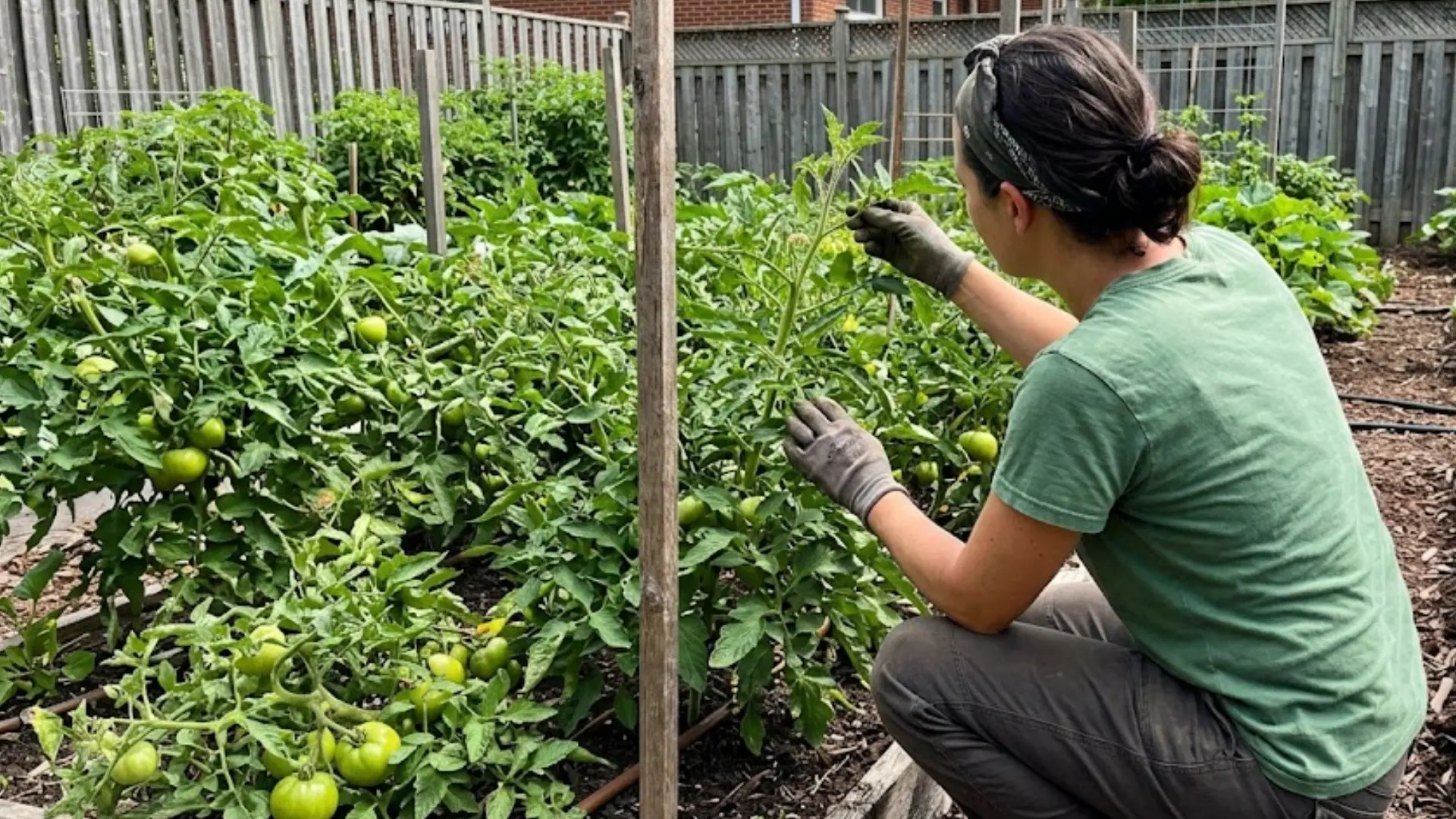
Preventing hornworms is easier than dealing with a full infestation later. Simple habits like inspecting plants and managing the garden can keep numbers low. Here are some practical ways to prevent tomato hornworms:
1. Inspect Tomato Plants Frequently
Check your tomato plants often, especially new growth near the top. Look closely at stems and the undersides of leaves. Hornworms often mix in with the green foliage around them.
Catching them early makes control much easier and less stressful. Make plant checks part of your regular garden routine. A few minutes each week can prevent bigger problems later.
2. Remove Infested Plant Debris
Clean up tomato plant debris once the growing season ends. Old leaves and stems can hide eggs or pupae. Removing this debris helps lower the chance of future infestations.
Add healthy plant matter to compost instead of leaving it behind. Dispose of infested material away from the garden area. This simple habit keeps your soil and plants healthier overall.
3. Manage Alternative Host Plants
Keep nightshade-family weeds under control around your vegetable garden. These weeds can host hornworms even when tomatoes aren’t around. Check volunteer tomato, pepper, and eggplant seedlings regularly too.
Removing extra host plants limits where hornworms can feed and grow. This step reduces hiding spots throughout the growing season. A tidy garden bed makes hornworm control noticeably easier.
4. Attract Beneficial Insects
Certain plants can help attract insects that prey on hornworms. Dill, sweet alyssum, and yarrow are common options. Cilantro and other small-flowered plants can also draw in helpers.
These plants naturally support insects like parasitic wasps. Companion planting works best alongside other prevention methods. It won’t stop hornworms alone, but it can help support balance.
5. Rotate Your Crops
Rotating crops each season can help reduce hornworm populations over time. Moving tomatoes to a new spot limits access to old pupae.
Rotation works best when plants are moved a meaningful distance away. Small gardens may have limited space for effective rotation.
Even partial rotation can still offer some benefit. Combining rotation with other steps gives better long-term results.
6. Look for Hornworm Pupae in the Soil
Hornworm pupae are brown, oval-shaped, and found underground near host plants. Gardeners often spot them while digging or tilling in fall.
Removing pupae you find can help interrupt their life cycle. Fewer surviving pupae can mean fewer moths the following season.
This step works well alongside fall tilling practices. A quick soil check can support long-term hornworm prevention.
Frequently Asked Questions (FAQs)
What Kills Tomato Hornworms Instantly?
Handpicking and dropping hornworms into soapy water kills them right away. Bt and spinosad sprays work fast but not instantly.
Should I Kill Tomato Hornworms?
Yes, in most cases, since they damage tomato plants quickly. Leave parasitized hornworms alone to support beneficial wasps instead.
Are Tomato Hornworms Poisonous?
No, tomato hornworms aren’t poisonous to humans or pets. They can’t sting or bite, though they often look intimidating.
Closing Thoughts
Tomato hornworms are a manageable part of growing tomatoes at home. Spotting them early and acting fast makes all the difference.
Handpicking, natural sprays, and helpful insects keep your plants safe. Knowing how to get rid of tomato hornworms means healthier plants and bigger harvests.
Small daily checks go a long way toward stopping these pests. Natural methods work well and avoid harming the rest of your garden.
Your tomato plants can stay green and strong all season. A little consistency keeps hornworms from becoming a repeat problem.
Share your own hornworm story or tip in the comments below.