Slugs showed up in my garden last spring and destroyed my lettuce overnight.
I tried everything: coffee grounds, copper tape, even staying up late with a flashlight. Some methods worked better than others, and I learned what actually keeps them away for good.
If you’re wondering how to get rid of slugs in garden spaces without using harsh chemicals, you’re dealing with one of the most persistent pests out there. They hide during the day and feast on your plants at night.
You’ll find practical solutions here that work in real gardens, not just theory. I’ll show you natural barriers, traps, and long-term strategies that protect your vegetables and flowers. You’ll finally stop waking up to chewed leaves.
Why Slugs Are Drawn to Your Garden
Your garden probably has everything slugs need to thrive. They love moisture, and if you water regularly or have shady spots that stay damp, you’re creating their ideal habitat.
Slugs hide under rocks, mulch, boards, and dense plant growth during the day. These sheltered areas protect them from sun and heat. At night, they come out to feed.
They’re after your tender plants: seedlings, lettuce, hostas, and anything with soft leaves.
You’ll notice irregular holes in leaves and silvery slime trails across your soil and plants. That slime helps them move and marks where they’ve been.
The damage adds up fast:
- They can destroy entire seedlings in one night
- Mature plants get weakened and look terrible
- Your harvest suffers when vegetables get eaten
- Ornamental plants lose their beauty
I’ve seen slugs wipe out a whole row of young bean plants before they had a chance to grow. They reproduce quickly too—one slug can lay hundreds of eggs in moist soil.
If you don’t control them early, you’ll have a serious infestation on your hands. Your garden becomes their feeding ground, and they’ll keep coming back as long as conditions stay favorable.
Essential Garden Practices to Prevent Slugs
Prevention works better than trying to eliminate slugs after they’ve taken over. I changed a few basic habits in my garden, and the slug population dropped significantly within weeks.
Watering Methods
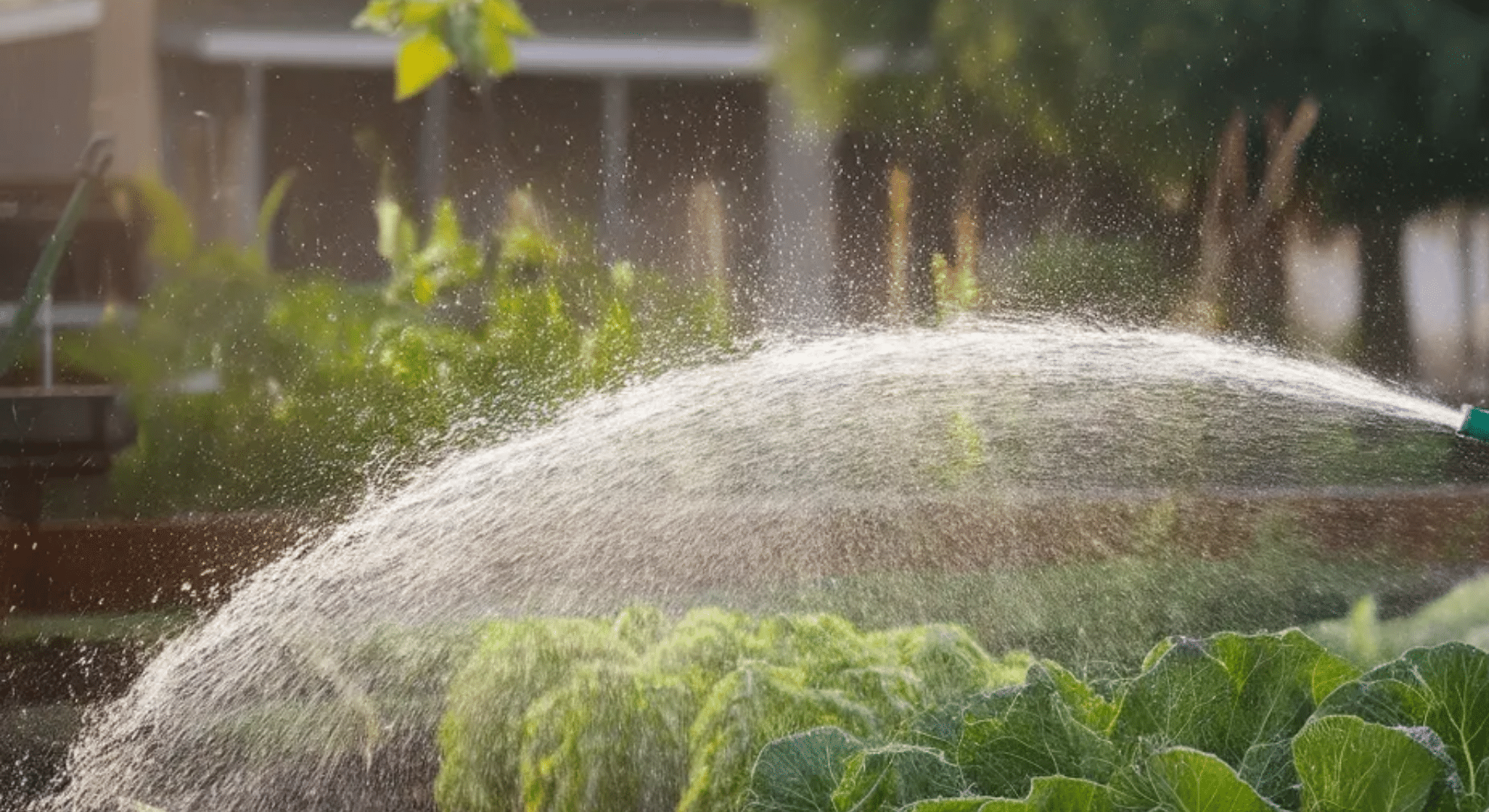
Water your garden in the early morning, not at night. This gives the soil surface time to dry out before evening, when slugs become active.
I used to water in the evening after work. That kept my garden damp all night, exactly what slugs want. Once I switched to morning watering, I noticed fewer slugs right away.
- The top layer of soil dries by nightfall
- Slugs find the surface less appealing
- Your plants still get the moisture they need
- You’re not creating a slug-friendly environment
Cleaning and Clearing
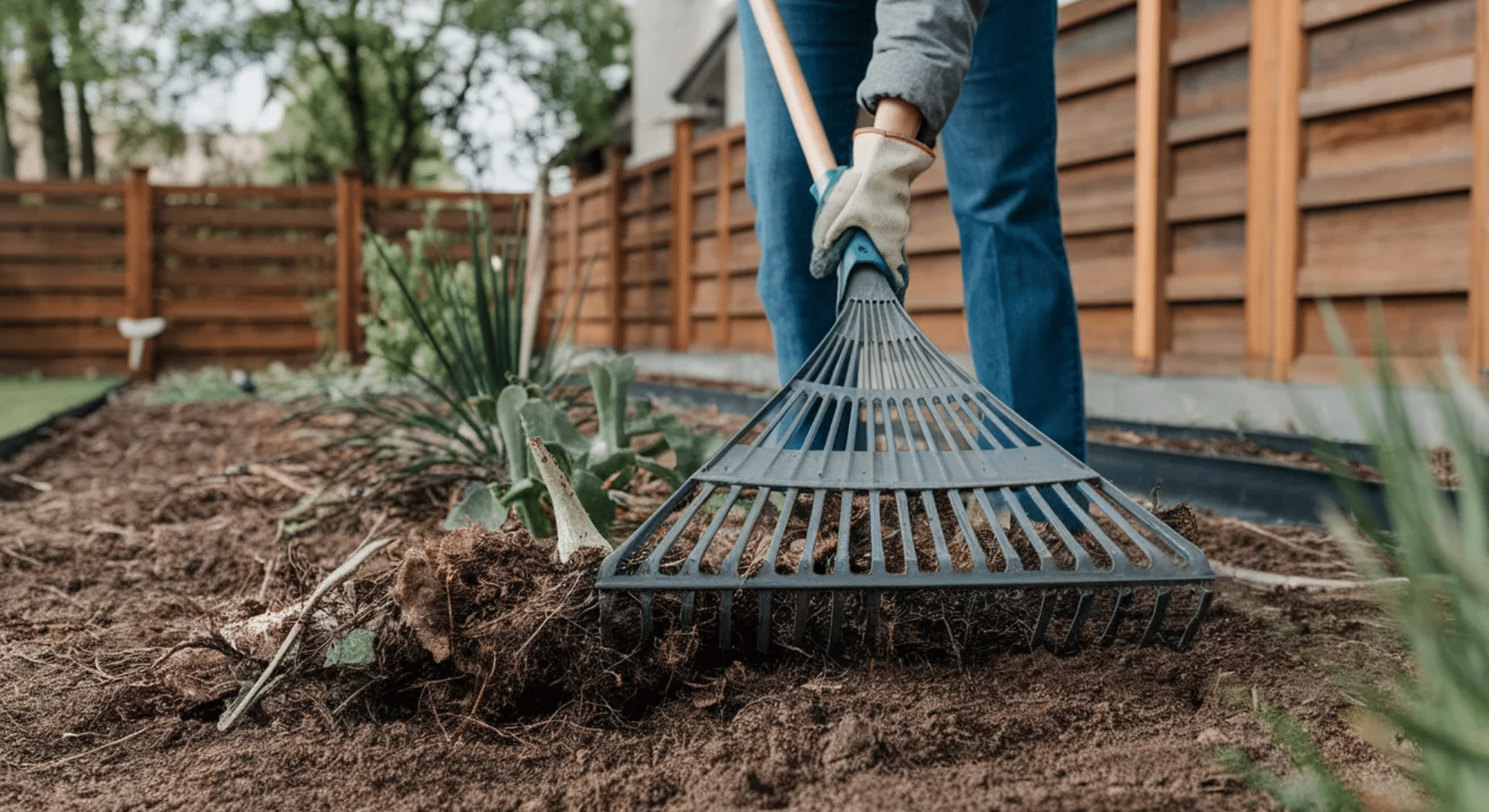
Remove dead leaves, plant debris, and weeds regularly. These create perfect hiding spots for slugs during the day.
I found dozens of slugs under a pile of old leaves I’d left near my tomatoes. They were using it as shelter and breeding ground. Clear away fallen fruit too—rotting produce attracts them.
Check under boards, pots, and garden decorations. Slugs gather in these dark, moist spaces. Either remove these items or check under them frequently and remove any slugs you find.
Garden Layout and Mulching
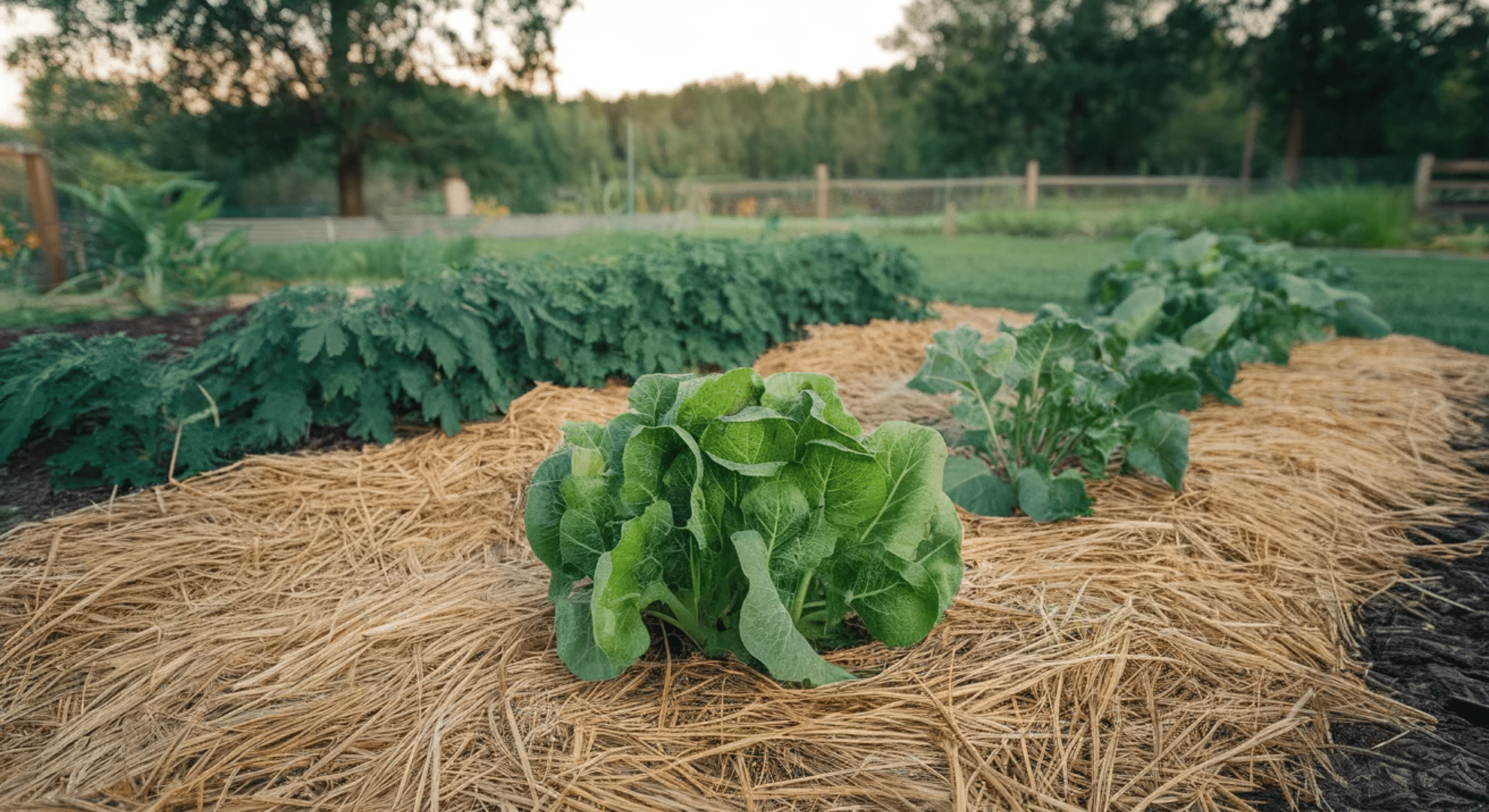
Use mulch carefully. While mulch helps retain moisture and suppress weeds, it also gives slugs a place to hide.
Keep mulch thin, about one to two inches. Avoid piling it against plant stems.
I switched from thick wood chip mulch to a thinner layer of straw in my vegetable beds, and it made a difference.
- Coarse mulch like wood chips creates more hiding spots
- Fine mulch like straw is less slug-friendly
- Leave space between mulch and plant stems
- Consider gravel or sand around vulnerable plants
Plant slug-resistant varieties when possible. Herbs like rosemary, thyme, and sage don’t attract slugs. Ornamental grasses and most ferns hold up well too.
Space your plants properly so air circulates between them. Crowded gardens stay damp and create more shelter for slugs. You’ll have healthier plants and fewer pest problems overall.
How to Get Rid of Slugs: Organic and Non-Toxic Ways
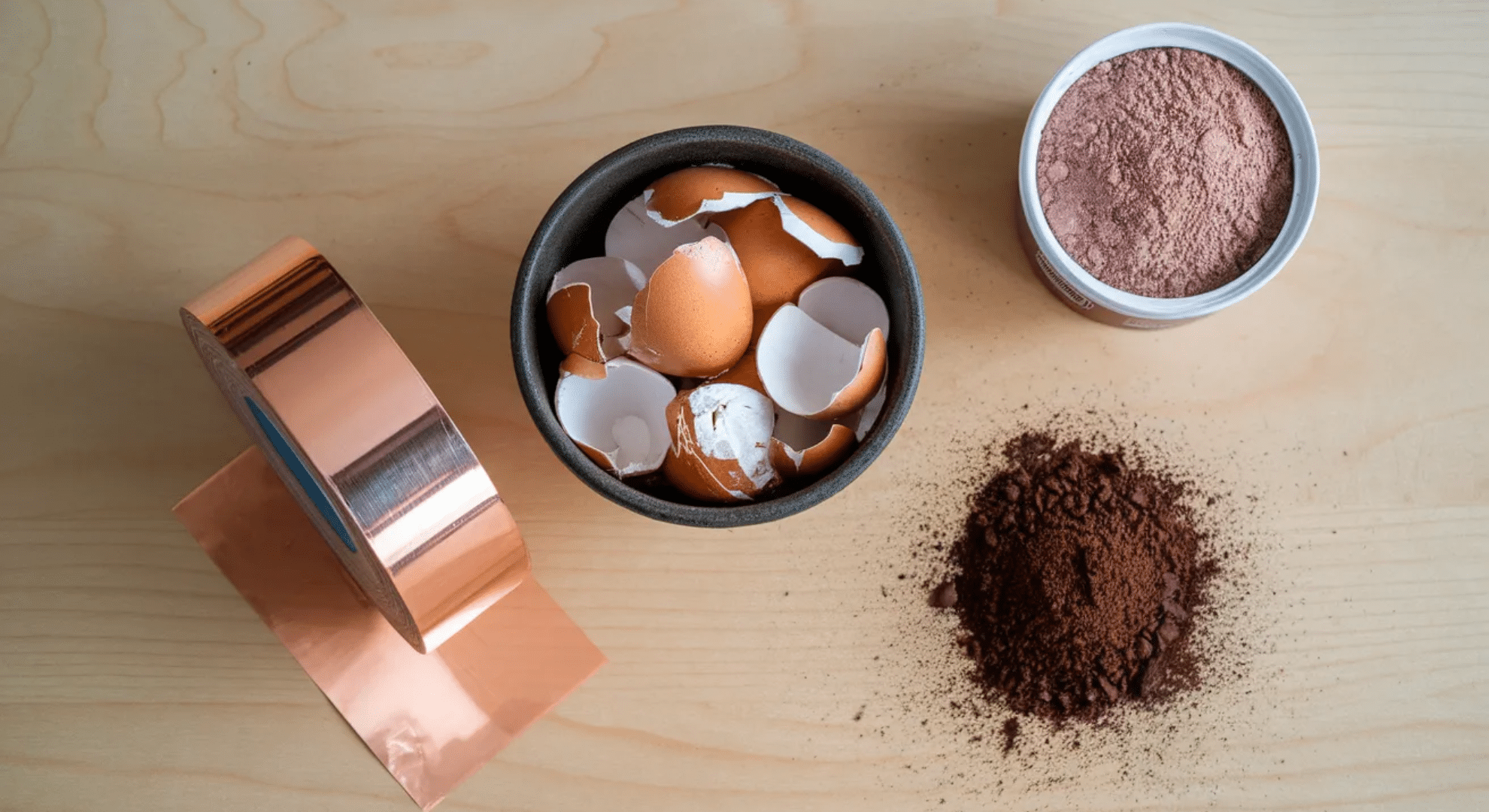
You don’t need harsh chemicals to control slugs effectively. I’ve used organic methods for years, and they protect your plants while keeping your garden safe for pets, kids, and beneficial insects.
These natural barriers and deterrents work when applied correctly and consistently.
| Method | How It Works | Application Tips | Effectiveness |
|---|---|---|---|
| Copper Tape | Creates a reaction with slug slime that repels them | Wrap around pots and raised beds 2 inches from the top; ensure no gaps in the ring | High – lasts multiple seasons if maintained |
| Eggshells | Sharp edges irritate slug bodies and deter movement | Crush into small pieces; spread a 3-inch band around plants | Moderate – reapply after rain |
| Diatomaceous Earth | Microscopic sharp edges damage and dehydrate slugs | Sprinkle 2-3 inch barrier in dry weather; use food-grade only | High – must reapply when wet |
| Coffee Grounds | Caffeine repels slugs and acts as a deterrent | Spread a thin layer of used grounds around the plant base | Moderate – reapply weekly |
These methods work with nature instead of against it. You’re creating barriers that protect your plants without introducing toxins into your soil or harming the beneficial creatures that actually help control slug populations naturally.
Creative Natural Methods That Keep Slugs Away
Beyond the standard barriers, I’ve discovered some surprisingly effective slug deterrents that most gardeners overlook. These methods work great when combined with physical barriers for layered protection.
Garlic spray repels slugs with its strong scent. I blend four cloves of garlic with water, strain it, and spray it on plants and soil. Reapply after rain. The smell fades for us but lingers for slugs.
Citrus peels attract slugs, then you collect and dispose of them. Place orange or grapefruit halves upside down near affected plants at night. Check them in the morning, you’ll find slugs gathered underneath. I’ve caught dozens this way.
Companion planting creates natural slug resistance. Plant garlic, chives, fennel, or lavender near vulnerable crops. I planted chives around my lettuce, and the slug damage dropped noticeably.
Mix these methods with copper tape or diatomaceous earth. You’re building multiple defenses that make your garden much less appealing to slugs while keeping everything chemical-free.
How to Get Rid of Slugs in the Garden With Traps and Removal Techniques
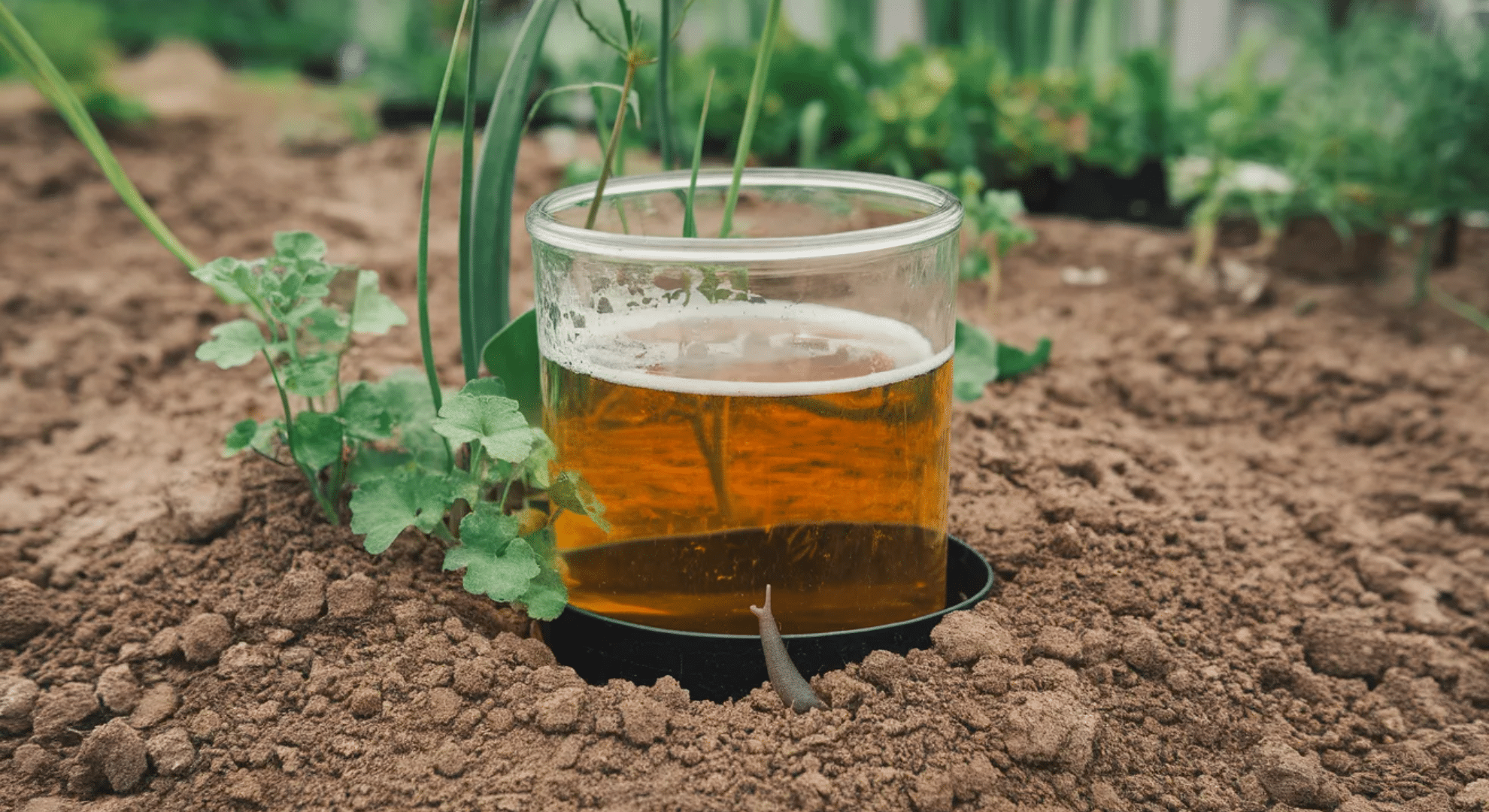
Traps let you catch slugs without chemicals and remove them from your garden permanently. I’ve used these methods for years, and they work especially well when slug populations are high.
Beer traps are the most popular slug trap, and they actually work. Slugs are attracted to the yeast smell, crawl in, and drown.
I bury small containers like yogurt cups so the rim sits at ground level.
Fill them halfway with cheap beer, expensive craft beer isn’t necessary. Place traps near affected plants, spacing them about three feet apart.
- Check traps every morning
- Empty and refill every two to three days
- Bury multiple traps for better coverage
- Position them away from plant stems to avoid attracting slugs directly to your crops
The downside is you’ll catch beneficial ground beetles too sometimes. I place a small stick or twig in each trap so beetles can climb out, but slugs typically can’t.
Board traps provide daytime hiding spots where you can collect slugs easily.
Place boards, cardboard, or burlap near your plants in the evening.
Slugs will gather underneath by morning. I lift the boards, collect the slugs, and drop them in soapy water. It’s simple and costs nothing.
- Dampen the ground before placing boards
- Check traps early in the morning
- Dispose of slugs immediately
- Move traps around every few days
Hand-picking is tedious but effective, especially for small gardens. Go out after dark with a flashlight when slugs are most active.
I spend fifteen minutes each evening picking slugs off my plants.
You’ll be amazed how many you find. Drop them in a bucket of soapy water or saltwater.
- Focus on plants with visible damage
- Check under leaves and along stems
- Wear gloves if you’re squeamish about slime
- Make it part of your evening garden routine
Slug shelters work like board traps but look better. Use terracotta pot pieces, stones, or decorative items to create shaded hiding spots.
I propped up flat stones with small rocks underneath. Slugs gather in the shade during the day. Lift them, collect the slugs, and you’re done.
These traps and removal methods give you direct control over slug populations. You’re physically reducing their numbers rather than just deterring them. Combine trapping with barriers for the best results, trap what’s already in your garden while barriers keep new ones out.
Encouraging Natural Predators in Your Garden
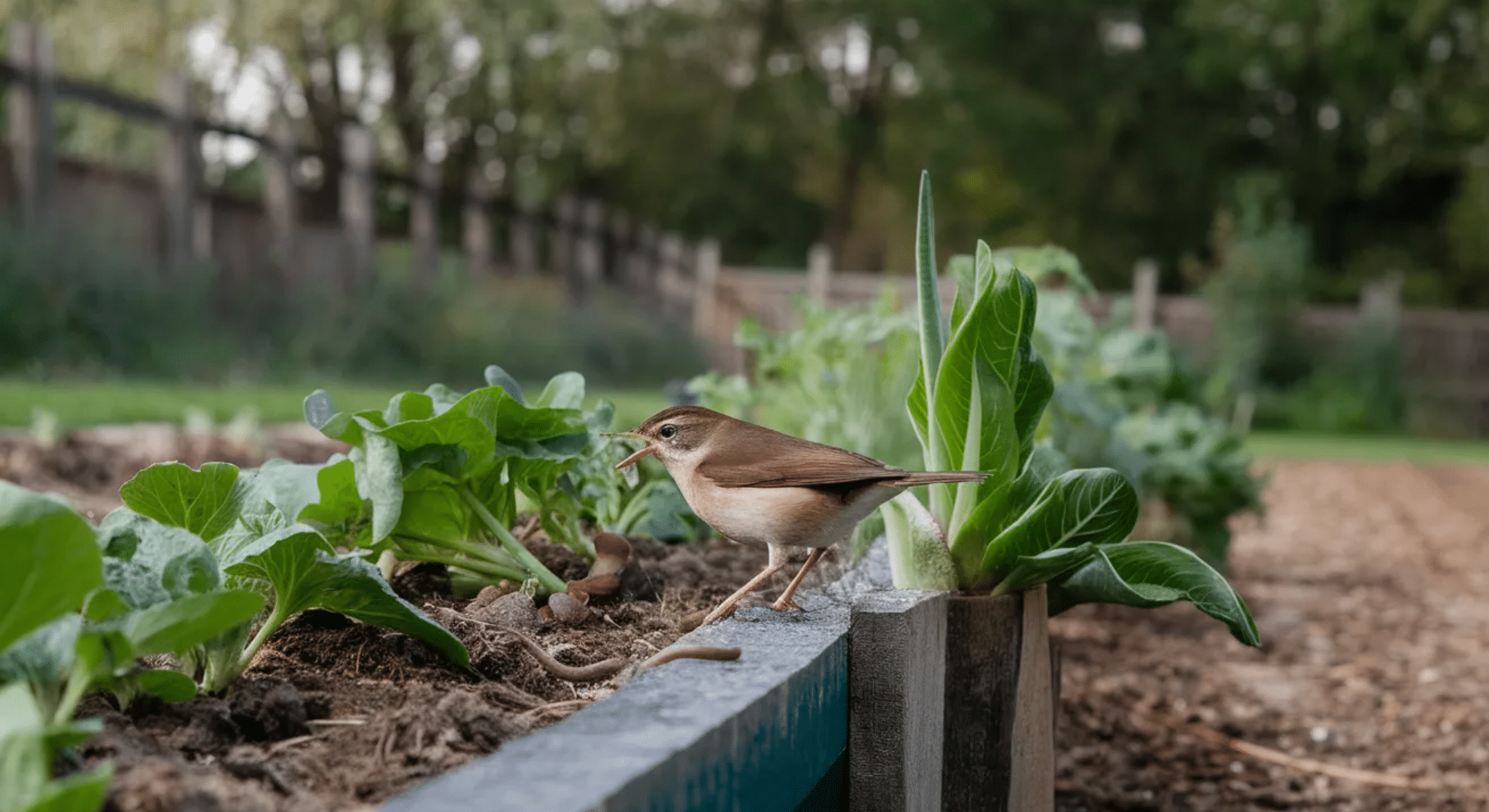
Natural predators control slugs better than any method I’ve tried. Once you attract these helpful creatures, they do the work for you day and night.
Birds like thrushes, robins, and blackbirds eat slugs throughout the day. I put up bird feeders and birdbaths to draw them in, and they stick around hunting for slugs between feeder visits. Nesting boxes encourage them to stay year-round, and berry-producing shrubs give them natural food sources.
Frogs and toads are incredible slug hunters at night when slugs are most active. A single toad can eat thousands of slugs in one season. I created a small pond in my garden, and frogs showed up within weeks.
Even a shallow water dish works if you don’t have space for a pond. Add rocks and logs around water for hiding spots, and create damp, shady areas with leaf litter where toads can hide during the day.
Ground beetles hunt slug eggs and young slugs, patrolling your garden at night. They need ground cover to thrive, so I leave some areas with mulch, stones, and leaf litter undisturbed.
Creating the right environment matters most. Add water sources like birdbaths or shallow dishes and change the water regularly. Create shelter with rock piles, log piles, or dense plantings where predators can rest and hide.
I changed one corner of my garden into a wildlife zone with some leaf litter and native flowers. The predator population grew, and my slug problem became manageable without constant intervention. You’re building a balanced ecosystem where nature handles pest control for you.
Seasonal Slug Management: Keeping Your Garden Slug-Free All Year
Slug control isn’t a one-time effort, it changes with the seasons. I’ve learned that timing your efforts based on slug activity throughout the year keeps populations low and prevents major infestations.
- Spring: Check for slug eggs in soil when preparing beds and remove them before they hatch; apply barriers early before populations explode
- Late Spring: Hand-pick slugs regularly as they become more active in warm, wet weather; set up beer traps near vulnerable seedlings and young plants
- Summer: Water in the morning so soil dries by evening; maintain barriers like diatomaceous earth and reapply after rain or heavy watering
- Late Summer: Clear away decaying plant matter and fallen fruit that attracts slugs; reduce dense plantings where slugs hide during hot days
- Fall: Remove slug hiding spots like boards and debris before winter; slugs lay eggs in autumn, so trapping now reduces next year’s population
- Late Fall: Clean up all dead plants and leaf litter where slugs overwinter; turn soil gently to expose eggs to cold and predators
- Winter: Plan next year’s slug-resistant garden layout; order supplies like copper tape and diatomaceous earth before spring rush
- Year-Round: Encourage natural predators by maintaining water sources and habitat; monitor problem areas consistently rather than waiting for damage
Stay consistent with these seasonal tasks and you’ll notice fewer slugs each year. I used to battle major slug problems every spring, but now I catch issues early and my garden stays protected through every season.
Conclusion
I’ve tried every method here over the years, and the combination approach works best for me.
Some slugs still show up, but they never cause the damage they used to. Learning how to get rid of slugs in garden spaces takes patience and consistency, not perfection.
The barriers stop most slugs from reaching your plants, traps catch the ones that get through, and natural predators handle the rest. You’ll see results within a few weeks if you stay consistent with your chosen methods.
Your garden will look healthier, your harvest will improve, and you won’t be frustrated by chewed leaves every morning. Pick two or three methods that fit your gardening style and stick with them through the season.
You’ll find what works for your specific situation. Check out other gardening blogs on the website for more pest control tips and organic solutions that keep your plants thriving!