
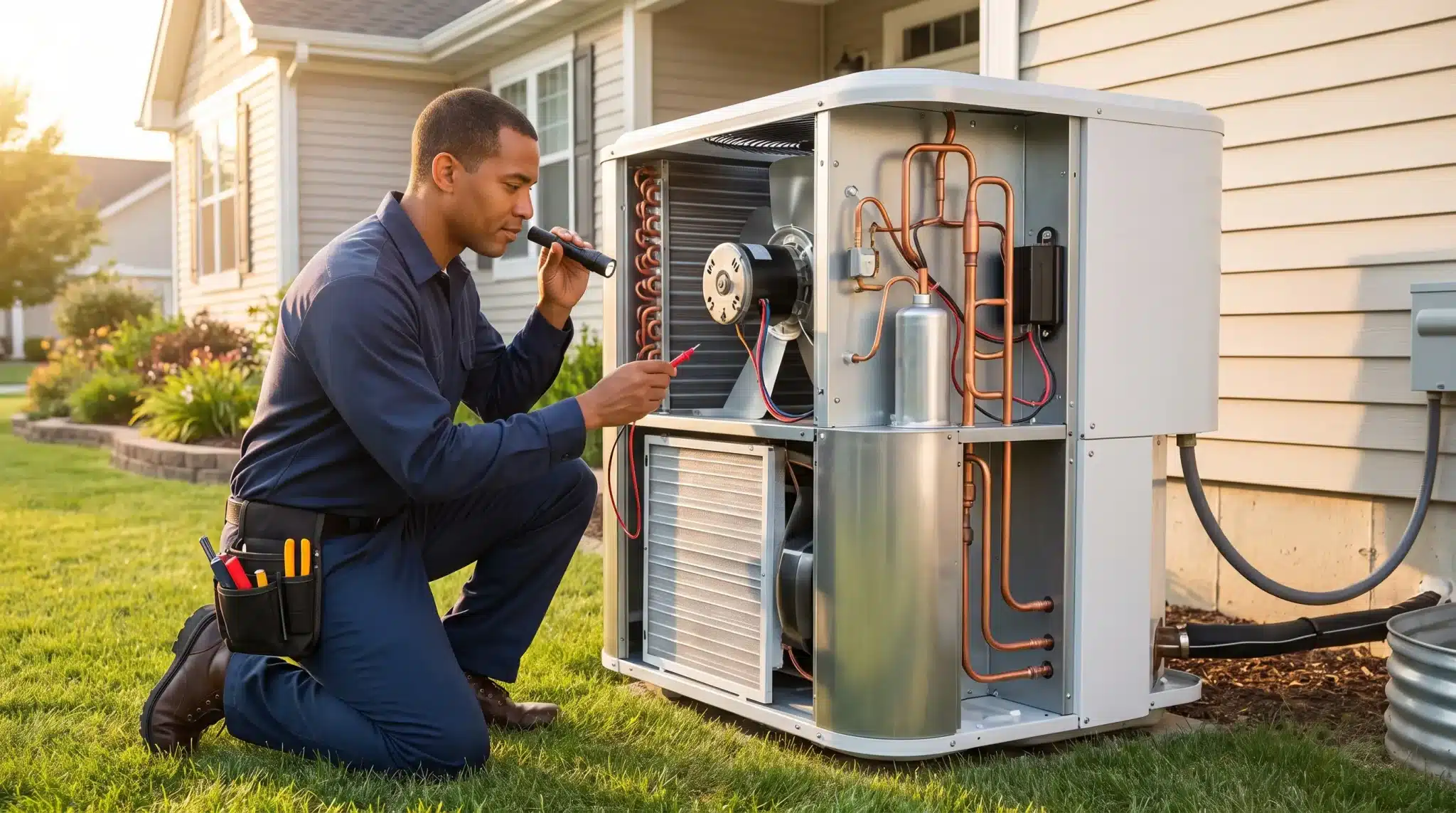
For year-round comfort, a home or business owner depends on a heating, ventilation, and air conditioning system. The consequences of this system failing can be costly and uncomfortable. Plans for professional maintenance provide a means of keeping this equipment in good condition. But there are plenty of options on the market, and each one has unique characteristics. A thorough evaluation aids in choosing a plan that satisfies particular requirements and financial constraints. The important things to think about before signing an agreement are explained in this article.
Review the Age and Condition of the Equipment
The first thing to do is have a good look at the present heating, ventilation, and air conditioning unit. It is quite likely that an older HVAC system will have been used more often, so it requires repairs at more regular intervals than a new one. A qualified HVAC technician from Jay Moody HVAC and similar services can carry out a general evaluation of the equipment during the check-up. This examination is done to find out if a simple maintenance plan or a detailed maintenance plan is more suitable for a certain customer.
Compare the Number of Service Visits Per Year
Maintenance programs vary per the frequency of the technician’s visits to the customer’s home or office. One arrangement calls for a visit once a year only, whereas another will have a technician come twice, or even more times a year. The HVAC system, which is the major heating/cooling equipment for the household throughout the entire year, in most cases, should be checked and taken care of twice a year. But the ideal number of visits mainly depends on the weather and also on how hard the machine is working to provide the comfort level.
Check What the Plan Actually Covers
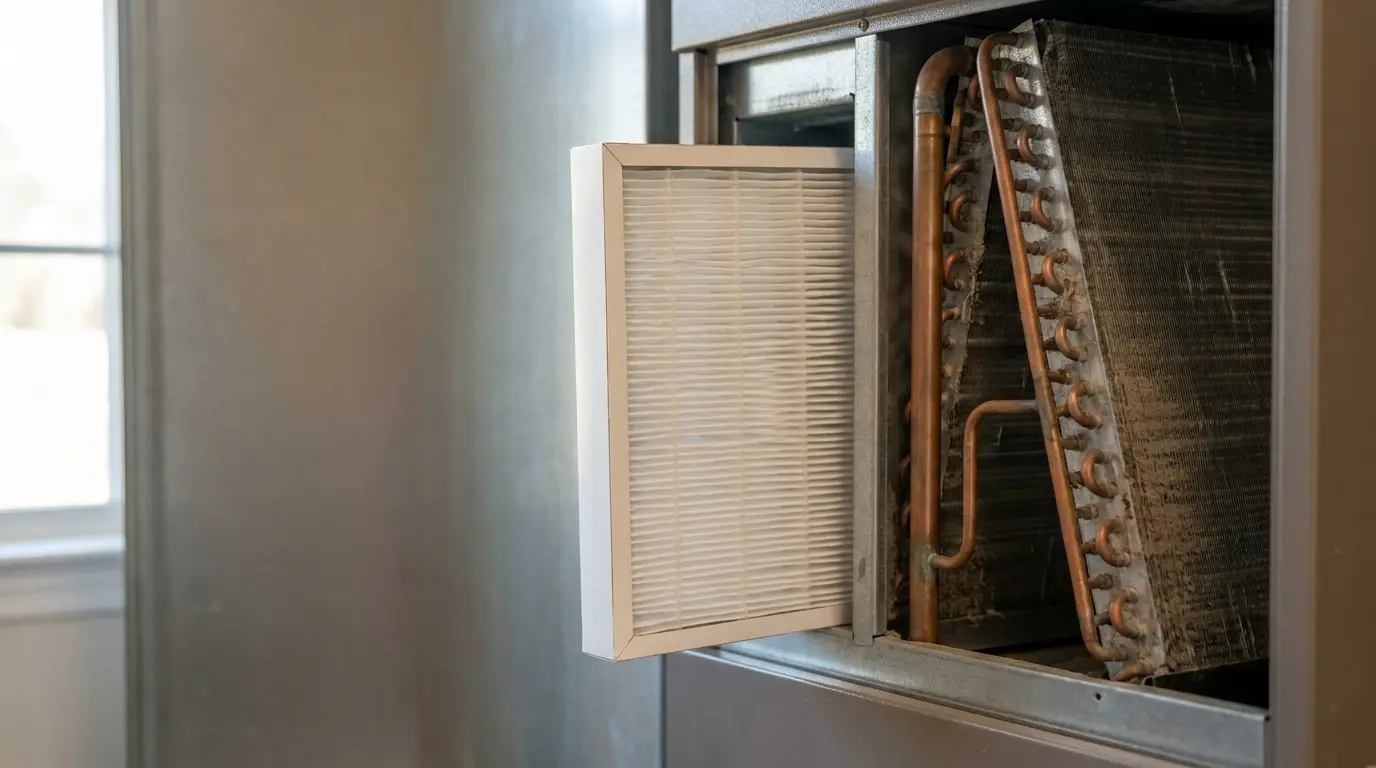
Coverage varies a great deal from one provider to another. Some plans include only basic tasks such as filter changes and visual inspections. Others include cleaning of coils, checks of electrical components, and testing of refrigerant levels. A buyer should ask for a written list of included services before making a decision. This list helps prevent surprises later when a needed task falls outside the agreement. Plans that cover common wear items often provide better long-term value. Clear coverage details also make it easier to compare two competing offers.
Evaluate the Cost Structure and Payment Options
Price matters, yet the cheapest plan is not always the best choice. A low monthly fee may hide charges for parts, labor, or emergency visits. A higher fee may include these items and save money over time. Buyers should ask whether the plan uses a flat rate or a pay-per-visit model. Monthly payment plans can make budgeting easier for some households. Annual prepayment sometimes comes with a discount. Each person must weigh upfront cost against long-term savings.
Look at Response Times for Emergencies
An HVAC breakdown rarely happens at a convenient time. A plan that promises priority service can make a real difference during a heat wave or cold snap. Some companies guarantee same-day service for plan members. Others offer a set number of hours before a technician arrives. This detail deserves attention because comfort and safety depend on quick repairs. A plan without a clear response time may leave a household waiting for days. Priority scheduling is often one of the most valuable features of a maintenance agreement.
Ask About Discounts on Repairs and Parts
A discount on any repairs that are not part of routine maintenance is often included in maintenance plans. In the industry, a ten to fifteen percent discount is typical. These savings can add up to a significant sum over the equipment’s lifetime. Additionally, some plans do not charge overtime for calls made after hours. Others provide replacement parts at lower costs. A buyer should determine if the annual plan cost is offset by these discounts. In this step, a vague promise of savings becomes a specific figure.
Verify the Credentials of the Service Provider
The company behind the plan matters as much as the plan itself. A licensed and insured technician from companies like Jay Moody HVAC protects the homeowner from liability issues. Certifications from industry organizations show a commitment to proper training. Reading online reviews can reveal how a company treats its customers. Asking neighbors or friends for recommendations adds another layer of trust. A provider with a long history in the local area often offers more reliable service. Credentials and reputation should carry real weight in the final decision.
Confirm the Contract Terms and Cancellation Policy
Every maintenance plan comes with a contract that outlines the rules. A buyer should read this document with care before signing anything. Important details include the length of the agreement and any auto-renewal clauses. A fair cancellation policy allows a customer to leave without a large penalty. Some contracts lock a homeowner in for several years, which may not suit every situation. Others offer flexible month-to-month terms. Clear terms protect both the buyer and the service company.
Selecting a professional HVAC maintenance plan requires patience and a clear head. The process starts with an honest look at the equipment and its needs. From there, a buyer compares visit frequency from Jay Moody HVAC and likewise providers, coverage, cost, and emergency response times. A well-chosen plan protects the system, the budget, and the comfort of everyone inside the building.