Starting seeds indoors is one of the most rewarding ways to kick off a growing season. It gives you more control over germination, extends your growing time, and allows you to grow exactly what you want, even if outdoor conditions aren’t ideal yet. The challenge for many home gardeners, though, is space. That’s where a simple indoor seed starting station with custom storage can make all the difference.
This guide walks through how to create a practical, tidy, and adaptable setup that fits comfortably into your home without feeling like a temporary or messy solution.
Why an Indoor Seed Starting Station Makes Sense
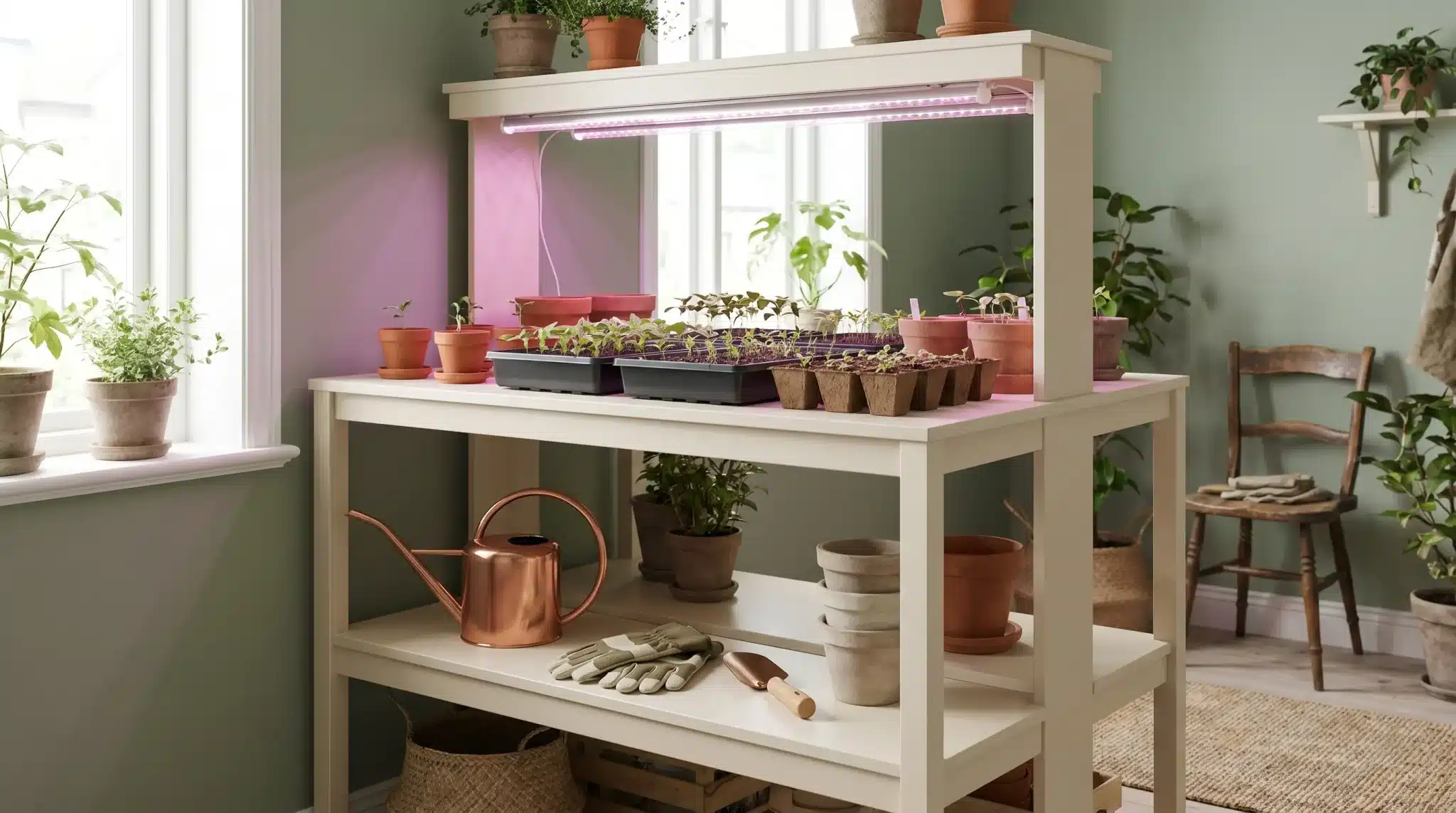
An indoor seed starting station creates a dedicated place for trays, pots, tools, and supplies. Instead of spreading everything across windowsills or kitchen counters, you have one organised area that supports healthy plant growth and keeps your living space calm.
A well-designed station also makes daily care easier. Watering, checking seedlings, adjusting lights, and tracking growth all become part of a simple routine rather than a chore.
Choosing the Right Location
Before building anything, decide where your station will live. Good options include:
- A spare room or home office
- A utility room or laundry area
- A bright hallway corner
- Near a window with supplemental grow lights
You don’t need direct sunlight all day, but access to power for grow lights and enough room to move around comfortably is important.
Planning Your Storage Needs
Seed starting involves more than just soil and seeds. Think about everything you’ll need to store:
- Seed trays and pots
- Soil or compost
- Watering cans or spray bottles
- Labels and markers
- Heat mats and grow lights
- Gardening gloves and small tools
Custom storage allows you to build shelves and compartments sized specifically for these items, keeping everything accessible without clutter.
Materials That Work Well Indoors
For an indoor project like this, smooth, stable materials are ideal. MDF is a popular choice because it’s easy to work with, affordable, and perfect for painted finishes.
Using 15mm mdf cut to fit makes it easier to create shelves and panels that suit your available space precisely. The thickness provides enough strength for seed trays while keeping the overall structure light and manageable.
Building the Frame
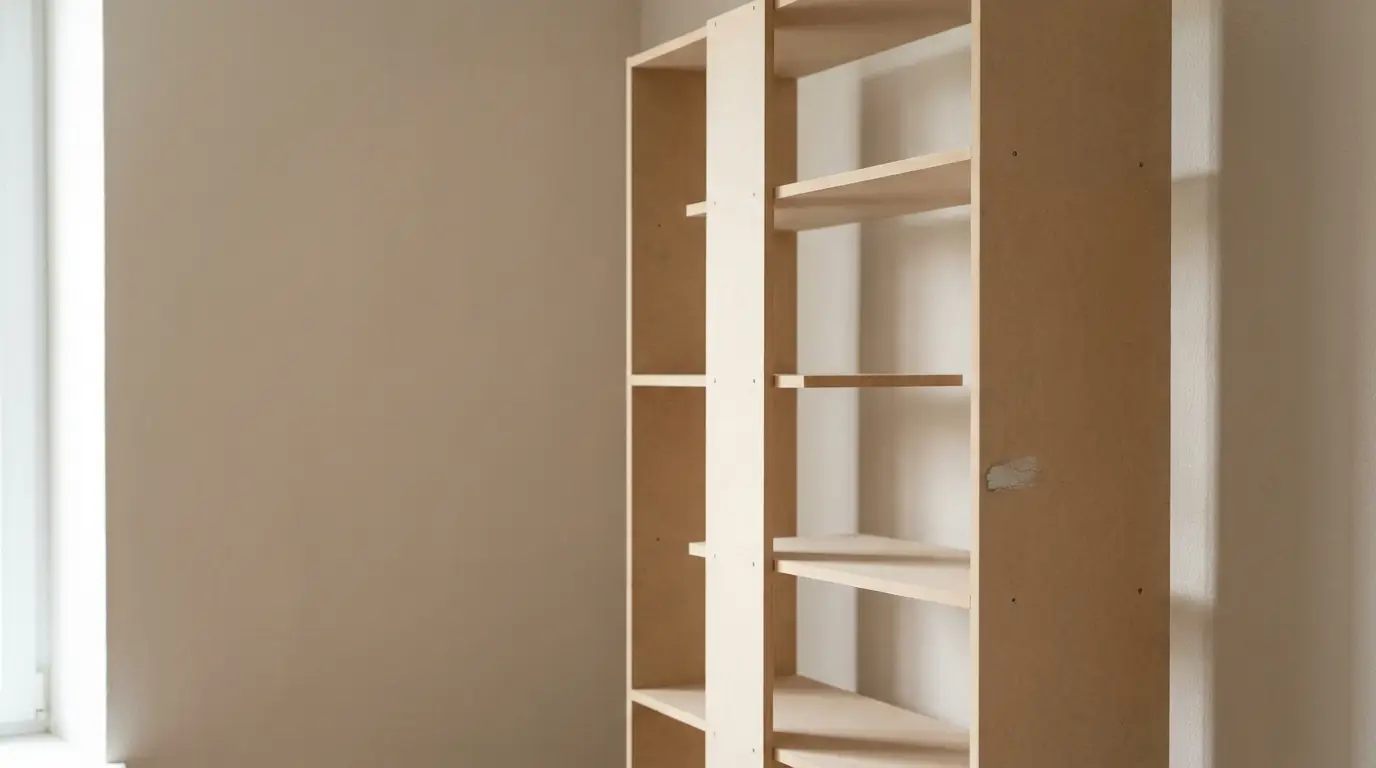
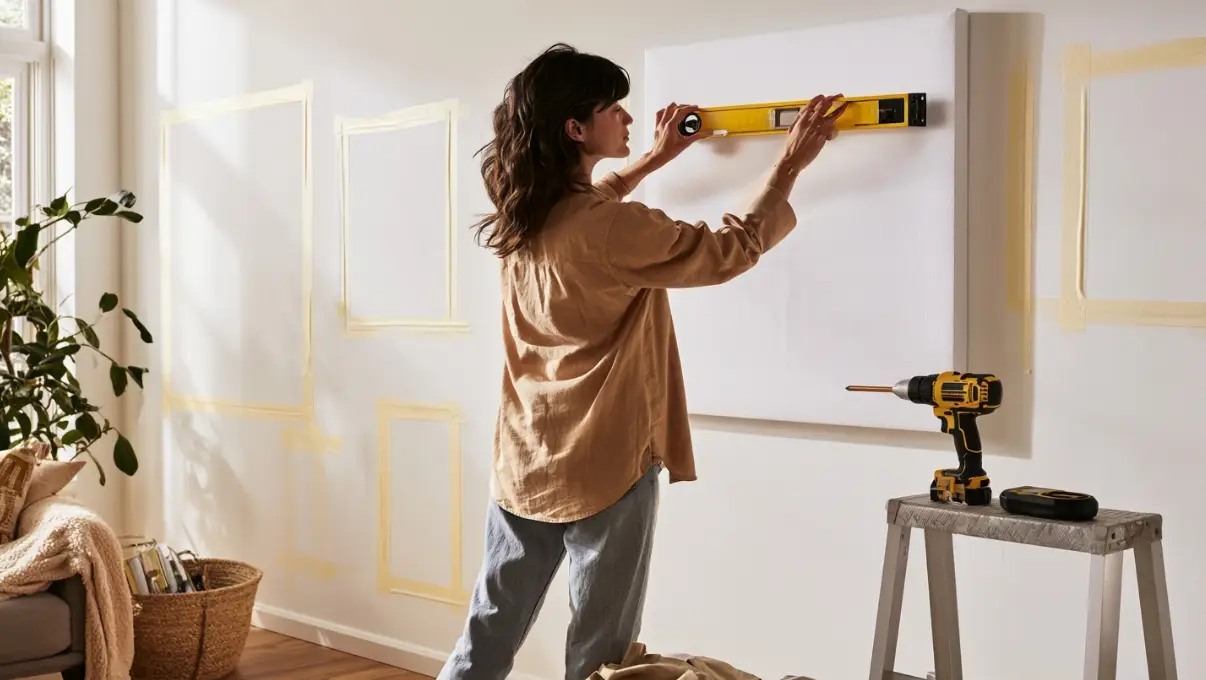
Start with a simple frame design. This can be freestanding or fixed against a wall, depending on your space.
A basic structure includes:
- Two vertical side panels
- Horizontal shelves at different heights
- A solid top for lights or extra storage
Measure carefully before assembly. Seed trays typically need around 25–30 cm of vertical clearance, but adjustable shelving gives you flexibility as plants grow.
Adding Custom Shelving
Shelves are the heart of your seed starting station. Consider using multiple levels:
- Lower shelves for soil bags and heavier supplies
- Middle shelves for seed trays and heat mats
- Upper shelves for lights or lightweight storage
Painting shelves with a moisture-resistant finish helps protect them from spills and makes cleanup easier.
Lighting and Practical Add-Ons
Most indoor seed starting stations benefit from grow lights. Mount them under shelves or on adjustable chains so you can raise them as seedlings grow.
Other helpful additions include:
- Hooks on the side panels for tools
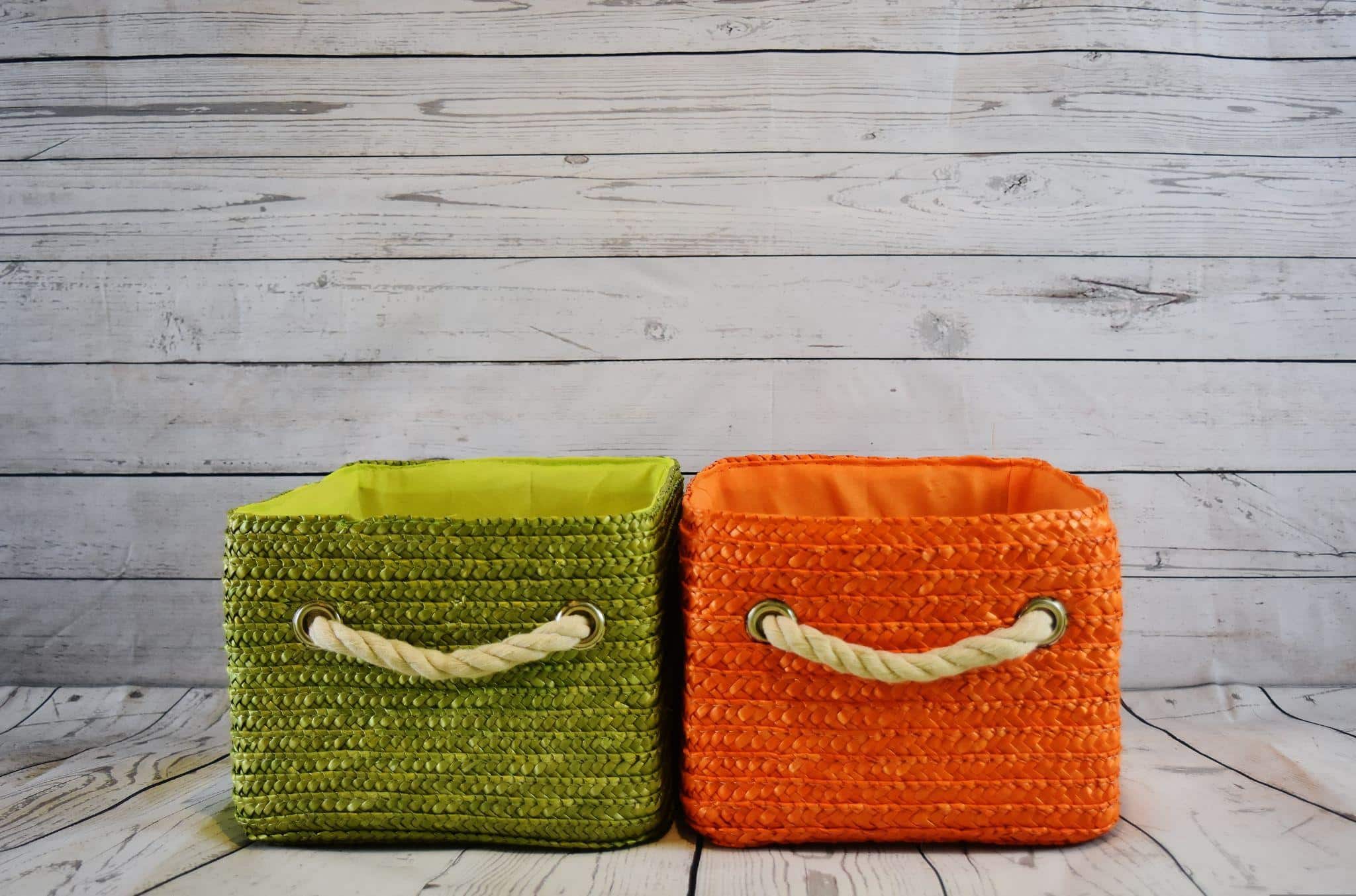
- Small drawers or bins for seeds and labels
- A removable tray or liner to catch water drips
These small details make the station easier to use daily.
Keeping Moisture Under Control
Indoor gardening means managing water carefully. While MDF isn’t naturally moisture-resistant, sealing it properly makes a big difference.
Use a good primer and paint on all surfaces, including edges. Adding plastic trays or waterproof mats under seed trays protects shelves and extends the life of your station.
Ventilation is also helpful. Even simple airflow prevents mould and keeps seedlings healthier.
Making It Fit Your Home Aesthetic
One of the advantages of building your own station is that it doesn’t have to look temporary or utilitarian. Painted MDF can blend seamlessly into modern interiors.
Choose neutral tones to match your home or go for a soft colour that feels calming and natural. When the growing season ends, the station can easily double as general storage or shelving.
A Project That Grows With You
An indoor seed starting station isn’t just a seasonal tool—it’s an investment in your gardening routine. As your skills grow, you can adapt the design with extra shelves, better lighting, or new storage solutions.
Because it’s custom-built, it can evolve alongside your needs without requiring a complete rebuild.
Final Thoughts
Building a simple indoor seed starting station with custom storage solutions is a practical project that combines organisation, creativity, and a love of growing plants. With thoughtful planning and the right materials, you can create a setup that supports healthy seedlings while fitting neatly into your home.
Whether you’re starting a few herbs or preparing dozens of plants for the garden, a dedicated station makes the process more enjoyable, more efficient, and far more satisfying.