A backyard does not have to choose between being a peaceful garden and a place for active recreation. Homeowners planning a dedicated court can explore pickleball surface installers to learn about pickleball court installation in Nashville, including surface options, site preparation, drainage, fencing, lighting, and other considerations involved in creating a suitable playing area.
With thoughtful planning, gardens, seating areas, pathways, and recreational features can share the same outdoor space without making the yard feel crowded or disconnected.
Start With a Clear Plan for the Space
Before changing the backyard, consider how different household members want to use it. Some people may value vegetable beds, flowers, or quiet seating, while others may want room for games, exercise, and entertaining. Identifying these priorities early makes it easier to divide the available space fairly and avoid features that go unused.
The size and shape of the property should also influence the layout. Larger yards may accommodate permanent recreation areas alongside substantial gardens, while smaller spaces often require features that serve several purposes.
Measuring the yard and noting existing trees, slopes, drainage areas, and structures can reveal where each activity will work best.
Create Distinct Zones Without Isolating Them
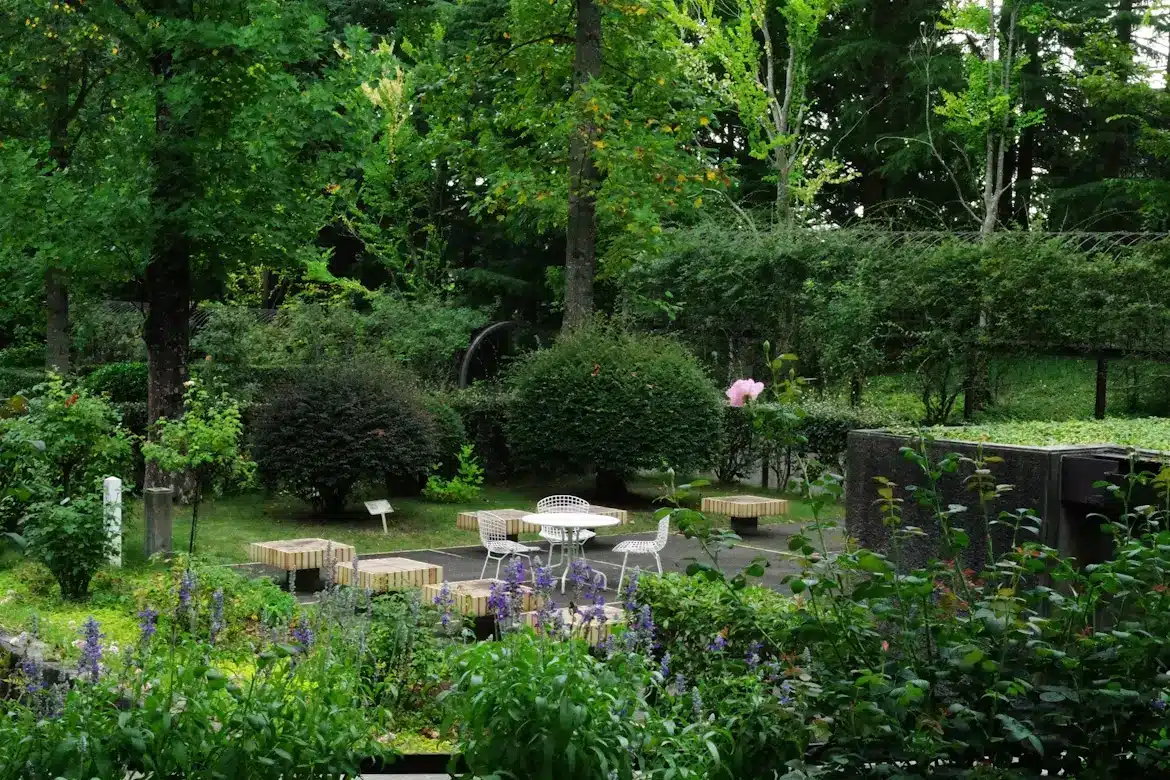
Dividing a backyard into zones can help gardening and recreation coexist without one activity interfering with another. Planting beds can occupy quieter edges and corners, while recreation areas can be positioned where there is enough uninterrupted space for movement. Patios, pathways, changes in ground surfaces, and low planting can provide subtle boundaries between these areas.
These zones should still feel like parts of one overall landscape. Repeating similar materials, plants, shapes, or edging throughout the yard can create visual consistency even when individual areas have different purposes.
Maintaining clear routes between the house, garden, seating areas, and recreation spaces also makes the entire backyard easier to use.
Protect Gardens From Recreational Activity
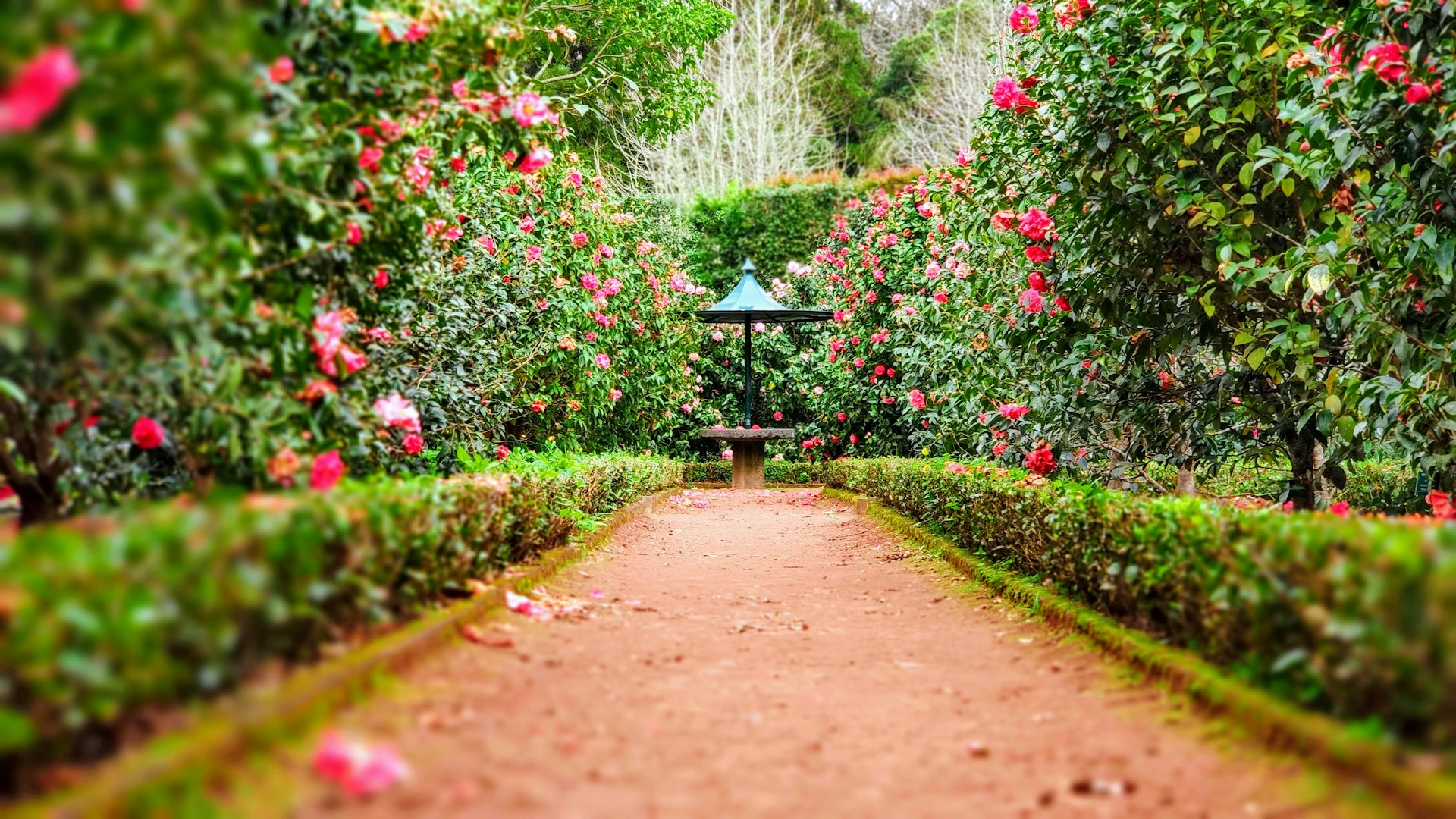
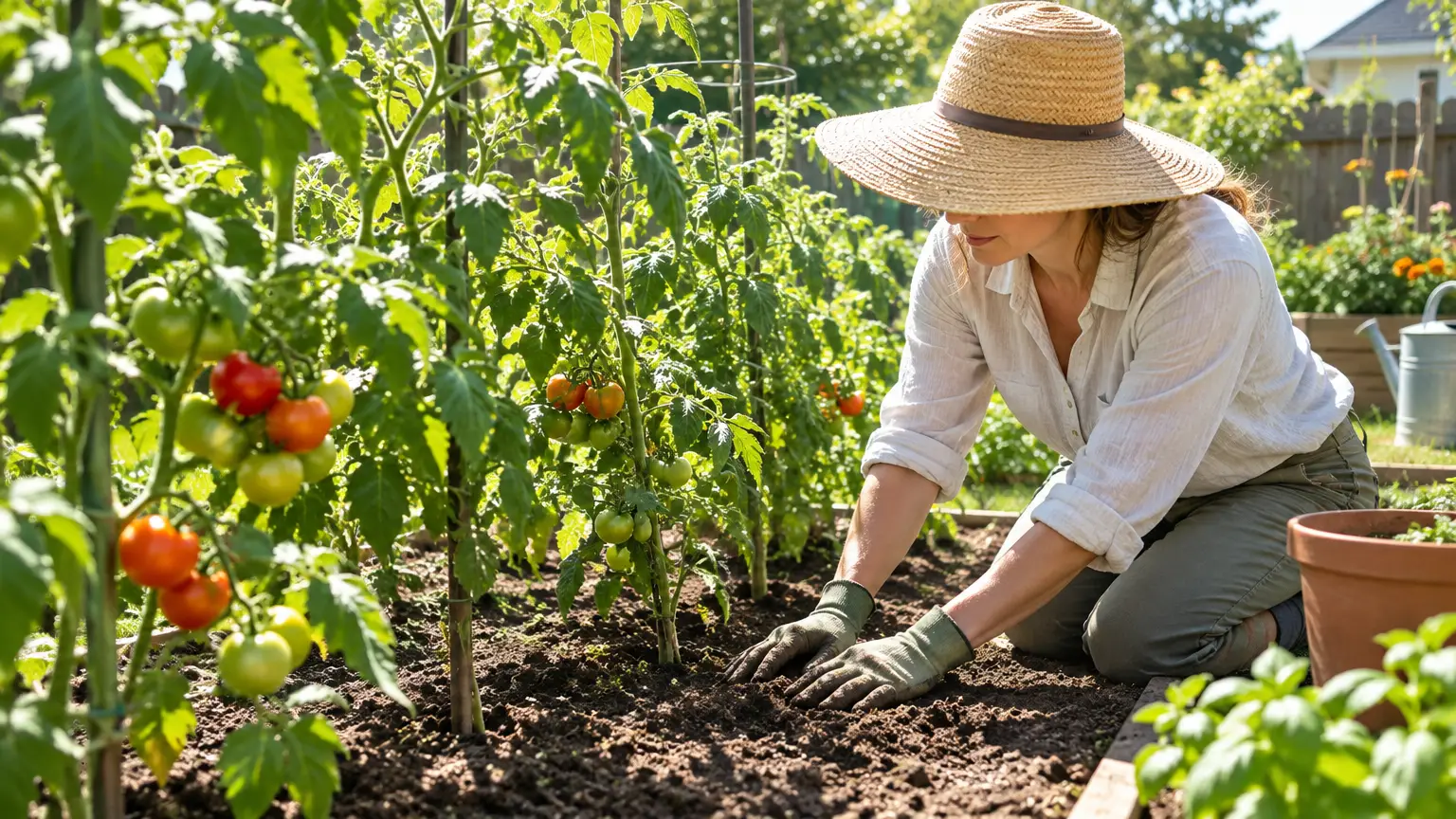
Active areas can challenge nearby plants, especially when balls, equipment, or regular foot traffic repeatedly reach garden beds. Leaving a reasonable buffer between recreation spaces and delicate planting can reduce accidental damage. Tough shrubs, ornamental grasses, or raised beds can also provide practical separation without requiring large fences or barriers.
Plant placement deserves additional attention around permanent courts and play areas. Avoid positioning fragile plants where people regularly retrieve balls or walk between activity zones, and consider how mature branches and roots could eventually affect nearby surfaces. Planning for future plant growth can prevent landscaping from becoming an obstacle several years after the backyard is completed.
Choose Plants According to Each Zone
Different sections of a backyard can experience very different growing conditions. A sunny open area beside a recreation space may suit plants that tolerate heat, while shaded boundaries beneath trees may require completely different varieties.
Selecting plants according to their actual environment generally produces healthier landscaping and reduces unnecessary maintenance.
It is also useful to think about how plants behave throughout the year. Trees that drop large quantities of leaves, fruit, seeds, or flowers can create additional cleaning when planted immediately beside patios and sports surfaces. Strategic placement allows homeowners to enjoy seasonal planting without constantly clearing debris from areas intended for recreation.
Consider Noise, Shade, and Comfort
Recreation can generate more sound and movement than gardening or relaxing, so placement matters when designing a balanced backyard. Positioning active areas away from bedroom windows, quiet seating spaces, and sensitive neighboring boundaries can make the yard more comfortable for everyone. Landscaping may also help soften the visual separation between energetic and peaceful parts of the property.
Shade is another important consideration because both gardeners and people using recreational areas may spend long periods outside. Trees, pergolas, umbrellas, and covered seating can create comfortable places to rest without necessarily shading plants that require full sunlight. Understanding how shadows move across the property during the day can help determine where these features belong.
Keep Maintenance Requirements Realistic
A backyard filled with different features can become difficult to maintain if every area demands frequent attention. Consider the combined workload created by lawns, planting beds, recreational surfaces, furniture, pathways, and other outdoor features before finalizing the design. Choosing durable materials and manageable planting can keep routine maintenance from becoming overwhelming.
Access for maintenance should be incorporated into the layout as well. Garden beds need to be reachable for watering, pruning, and weeding, while recreational areas require space for cleaning and occasional repairs. Practical access routes allow maintenance to happen without carrying tools through delicate planting or repeatedly crossing areas where people are relaxing.
Allow the Backyard to Change Over Time
Outdoor needs rarely remain exactly the same for many years. Children grow older, hobbies change, plants mature, and homeowners may eventually want different ways to use their outdoor space. Designing some flexibility into the backyard makes it easier to adapt without rebuilding everything from the beginning.
This could mean keeping certain lawn areas open, using movable furniture, or avoiding permanent structures in every available corner. Gardens can also evolve gradually as plants mature and homeowners discover which areas receive the most use. A flexible design gives recreation and gardening room to change alongside the household.
Create a Backyard Everyone Can Enjoy
Balancing gardening and recreation is ultimately about giving different activities enough space to function comfortably together. Careful zoning, suitable planting, practical maintenance choices, and thoughtful placement of permanent features can preserve the character of a garden while creating opportunities for exercise and entertainment.
When each part of the backyard has a clear purpose but still contributes to a cohesive design, the result can be an outdoor space that supports both active enjoyment and quieter moments for years to come.