Your front door does more than greet visitors and accept the occasional delivery box with mild judgment. It shapes curb appeal, affects energy use, influences security, and, in storm-prone areas, can play a serious role in protecting your home. If you’re browsing home decor ideas, it helps to remember that a door sits right at the intersection of style and function. You want something that looks sharp, holds up over time, and doesn’t become the weak point when weather gets ugly.
Storm Protection Deserves a Place in the Conversation
If you live in a coastal or hurricane-prone area, front door shopping gets more serious. Design still matters, but performance moves much higher on the list. A beautiful entry won’t mean much if it can’t handle pressure changes, flying debris, and water intrusion.
That’s where hurricane impact front doors come into the picture. They’re built to offer stronger protection during severe weather while still giving you style options that don’t scream bunker chic. For homeowners in storm-exposed regions, that combination matters.
You should look for products rated for impact resistance and installed to meet local building requirements. The installation quality is crucial. Even a strong door can underperform if the frame, fasteners, or seals aren’t handled properly.
There’s also a practical resale angle here. Buyers in high-risk weather zones often notice storm-ready features right away. Insurance considerations, long-term durability, and peace of mind can all factor into how valuable that upgrade feels.
How Your Front Door Changes the Entire Look of Your Home
Your front door works like a focal point. Even if your landscaping is simple and your exterior paint is neutral, the door grabs attention first. Color, material, glass details, and hardware all shape the impression your home gives from the sidewalk.
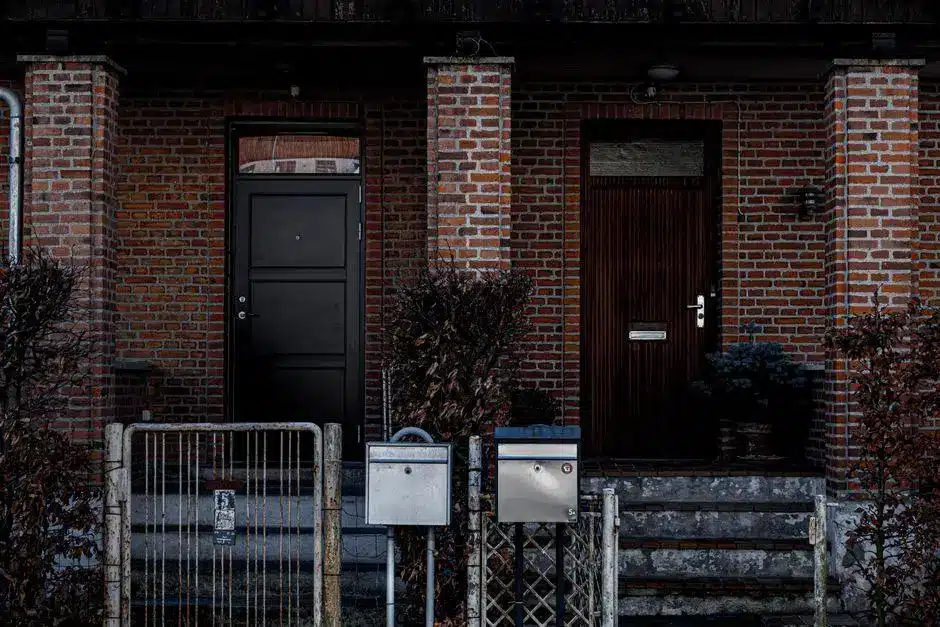
A sleek black steel door can make a small house look more refined. A warm wood-tone finish can soften a modern exterior that feels a little too strict. If your home leans coastal, farmhouse, or contemporary, your door can either support that style or throw it completely off balance.
You also need to think beyond looks. Tall glass panels may feel elegant, but they affect privacy and sunlight. Decorative hardware can elevate the whole entry, though oversized pieces sometimes look more dramatic than practical. The best choice usually balances visual impact with everyday use.
If you’ve ever looked at a house and thought, “Something feels off,” the front door is often part of the answer. It’s a small surface with a surprisingly loud design voice.
Materials Matter More Than Most Homeowners Expect
Picking a door material isn’t just a style decision. It affects maintenance, durability, insulation, and cost. That part tends to get overlooked until you’re sanding, repainting, or dealing with a warped panel that suddenly doesn’t close right.
Wood doors bring classic character, but they need regular care. Sun, humidity, and rain can wear them down faster than many people expect. Fiberglass doors are popular because they mimic wood well, resist dents, and usually hold up with less maintenance. Steel doors offer solid security and value, though scratches need attention before rust gets ideas.
If you live in a region with heavy rain, high humidity, or strong sun exposure, climate should weigh heavily in your decision. A door that looks perfect in the showroom may behave very differently after two summers and one storm season.
Pay attention to the frame too. A quality slab installed in a weak or poorly sealed frame is a bit like buying expensive sneakers and then walking through wet cement.
Style Should Work With Function, Not Against It
It’s easy to get pulled toward a door that photographs well. Clean lines, dramatic glass, trendy finishes, all of it looks great online. Real life has different standards. You need visibility, insulation, secure locking points, and a design that still works when your hands are full and the dog is trying to escape.
Start with your daily routine. If your entry gets direct afternoon sun, darker colors may absorb more heat. If kids run in and out all day, a finish that hides fingerprints and scuffs will save your patience. If your foyer is small, inward swing clearance matters more than you’d think.
Glass inserts deserve extra thought. Frosted or textured glass can bring in light without putting your hallway on display. Sidelights can make an entrance feel bigger and brighter, but they need to be proportionate to the house.
The strongest door choices feel intentional. They don’t just match your Pinterest board. They fit your home’s structure, your climate, and the way you actually live.
Energy Efficiency and Comfort Start at the Entry
A front door affects indoor comfort more than many homeowners realize. Tiny gaps around the frame can let in drafts, humidity, and outside noise. Over time, that can push energy bills up and make your entryway feel oddly uncomfortable in every season.
A well-built, properly installed door helps regulate indoor temperature by creating a tighter seal. Insulated cores, quality weatherstripping, and threshold design all contribute. If your current door lets in heat, cold, or moisture, replacing it can improve comfort almost immediately.
This matters even more if your front door faces wind or direct weather exposure. You may notice fading floors near the entry, condensation around glass inserts, or an annoying whistle on stormy days. Those aren’t just quirks. They’re signs your door system may be underperforming.
When you compare options, ask about energy ratings and long-term maintenance, not just finish colors. A door should look good, but it should also help your home work better. Pretty and practical can absolutely share the same address.
What to Check Before You Buy or Replace a Front Door
A front door upgrade goes smoother when you plan beyond appearance. Measurements, swing direction, frame condition, and neighborhood style all deserve attention before you commit. Rushing the choice usually leads to expensive fixes or a result that feels slightly off every time you pull into the driveway.
Use this quick checklist as you narrow things down:
- Measure the full opening, not just the current door slab
- Check whether the frame is square and free of rot
- Decide if you want more natural light or more privacy
- Compare maintenance needs for wood, fiberglass, and steel
- Ask about energy efficiency and weather resistance
- Match hardware finish with your exterior lighting and house numbers
- Review local code requirements if you live in a storm-prone region
- Confirm who handles installation and warranty support
Try to picture the door five years from now, not just on installation day. A smart choice should still look good, function smoothly, and suit your home after trends shift and weather has had a few chances to test it.