I’ve stood outside a house more than once and wondered how tall it really was, especially when planning a project that needed exact numbers.
That simple thought often leads to a bigger look at the structure itself, and it’s why I wanted a clear way to explain the basics.
Now you get the answer you came for. When you ask how tall is a 2 story house, you want a quick number and a sense of what changes it.
You’ll learn the typical height, what affects it, and how those details guide your choices. By the end, you’ll understand the height and feel ready to plan your next steps with confidence.
What Counts as a Home’s Height
When we talk about a home’s height, it’s not just one number. There are a few parts to it. Total height means the full distance from the ground to the top of the roof.
Eave height is the point where the roof starts to slope, usually along the side of the house. roof peak is the very top point of the roof.
Things like roof pitch (how steep the roof is), foundation height, and all the layers in the walls and roof can change the total height. That’s why one house might seem taller than another even if the rooms inside are the same size.
Different websites can show different height numbers because they may count these things differently.
Some people think the height means just the walls or the ceiling inside, but in building work, height means everything from the bottom of the foundation to the tallest part of the roof.
It includes all the parts that make the home stand.
How Tall is a 2 Story House?
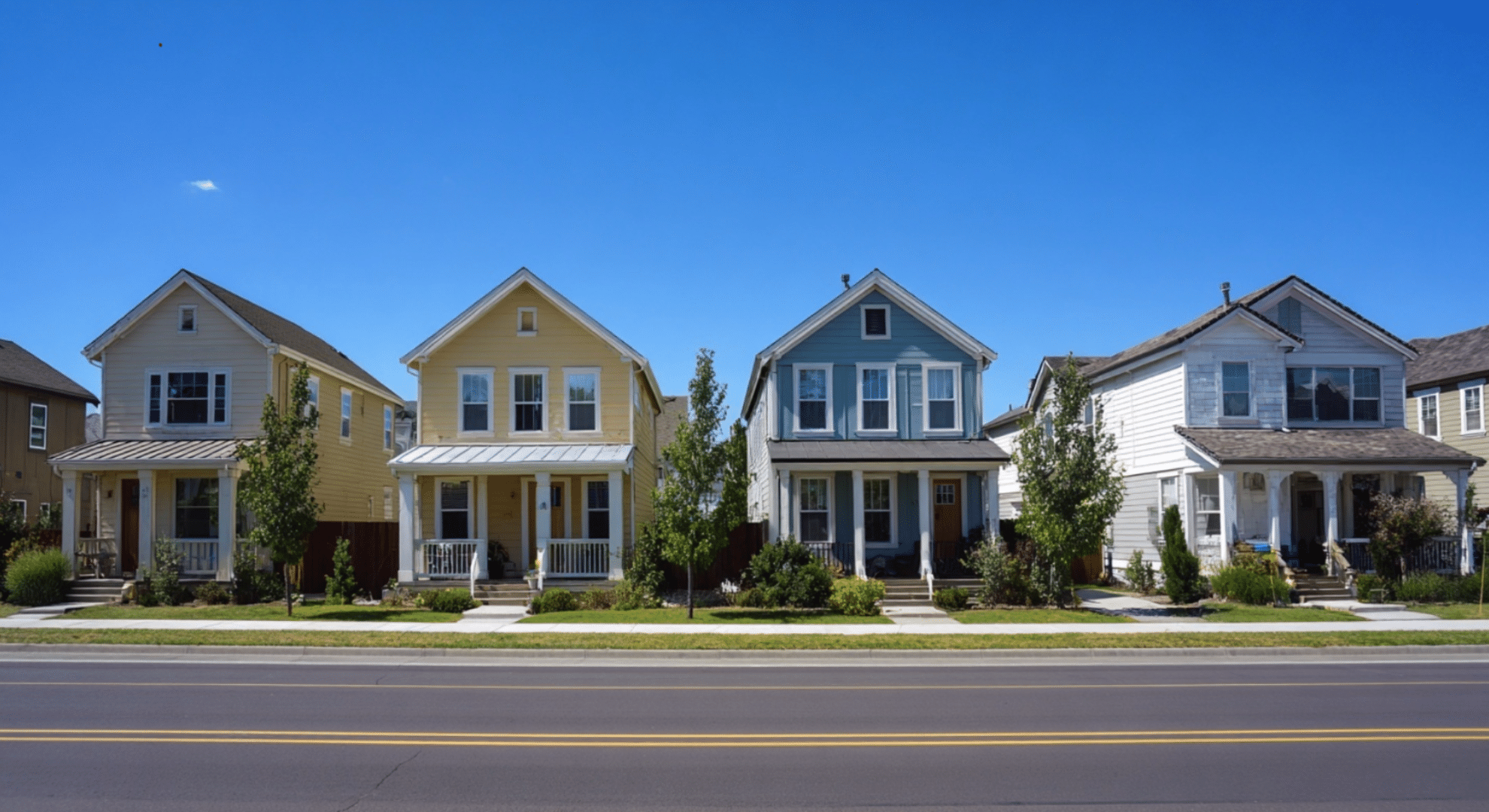
Most 2-story homes are 20 to 25 feet tall (about 6 to 7.6 meters). That’s the average range you’ll see in many neighborhoods.
Smaller or more compact homes might be shorter, around 16 to 20 feet (about 4.9 to 6 meters). On the other hand, homes with high ceilings or fancy designs can reach 25 to 30+ feet (about 7.6 to 9+ meters).
Here’s a simple breakdown:
- First floor height: 8 to 10 feet
- Floor system (between floors): 1 to 2 feet
- Second floor height: 8 to 9 feet
- Roof height: 3 to 6+ feet, depending on roof pitch
Quick formula:
First floor + floor system + second floor + roof = total height
Example: 9 + 1.5 + 8.5 + 5 = 24 feet
This is just a guide. Actual height can change based on design and structure.
What Makes One Two-Story House Taller Than Another?
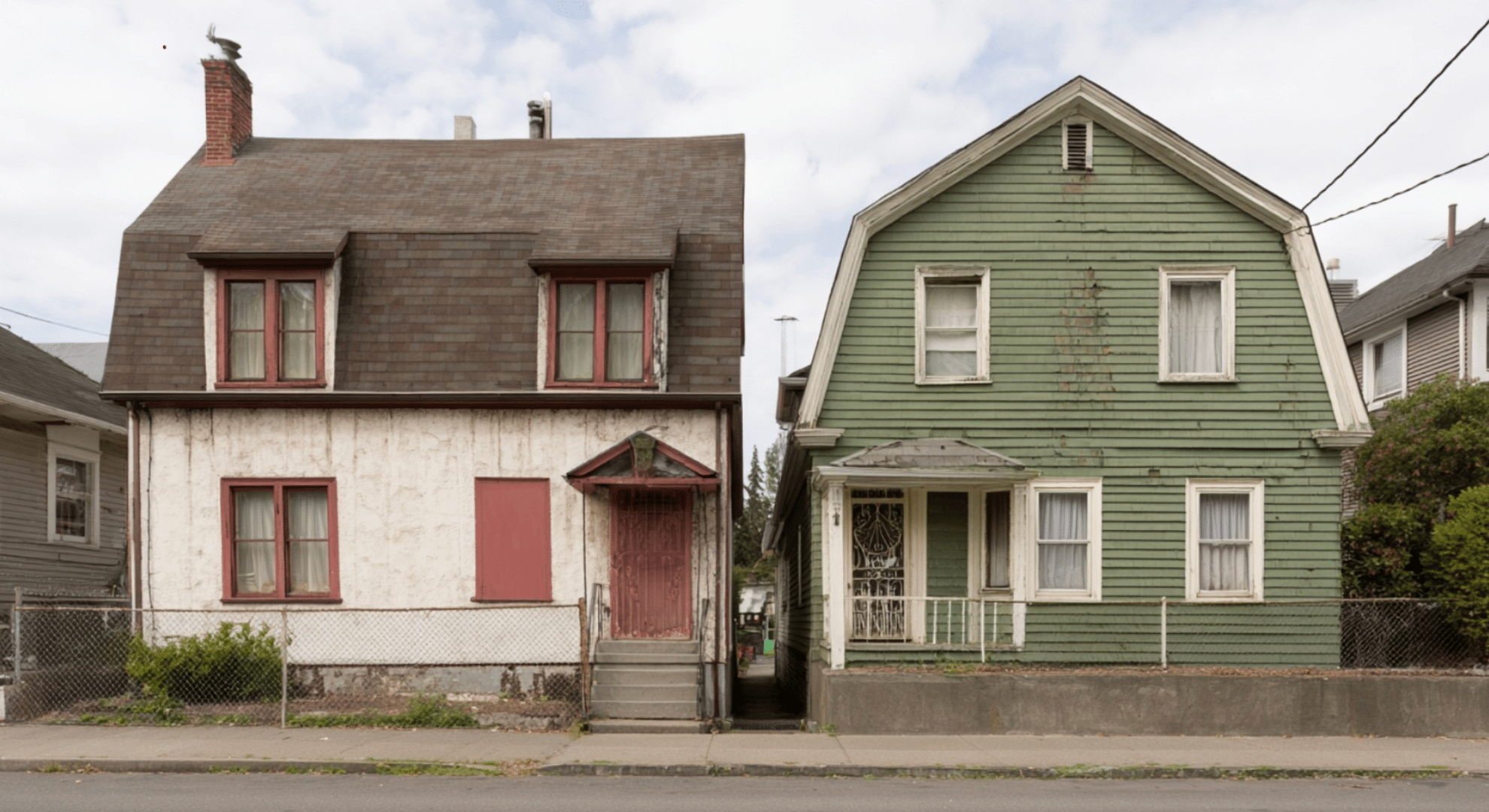
Not all 2-story homes are the same height. Even if two houses have the same number of floors, many small details can change how tall they are.
First, ceiling height matters. Some homes have 10-foot ceilings instead of the usual 8 feet, which adds extra height.
Next, the floor system (the part between the two stories) can be thicker in some houses, especially if they use stronger materials.
Roof style also plays a big role. A steep roof adds more height than a flat or low-slope roof. Some homes also have taller foundations, especially if they sit on uneven ground or have a basement.
Also, decorative features like tall entryways, large windows, or extra trim can make a house appear taller even if the inside size is the same.
In short, ceiling height, roof pitch, floor thickness, and foundation size all add up.
How Style Affects Height: Modern, Colonial and Victorian

Different home styles come with different heights. The way a house looks on the outside often changes how tall it stands.
| Style | Common Height Range | Notes |
|---|---|---|
| Modern | 16–22 feet | Flat or low-slope roofs, clean lines, lower overall height |
| Colonial | 20–25 feet | Symmetrical, moderate roof pitch, standard ceiling heights |
| Victorian | 25–30+ feet | Tall roofs, steep pitch, more decorative features |
So, even with two stories, a Victorian might tower over a Modern home just because of style choices like roof shape and details.
Regional Height Differences and Building Code Limits
Building height can change based on where you live. Rules, weather, and style all play a part. Let’s look at how it works in different places:
United States
In the U.S., most 2-story homes are 20 to 25 feet tall. Zoning laws vary by city and neighborhood. Many towns limit home height to 30 to 35 feet, especially in suburban areas.
Coastal or mountain zones may have extra rules due to storms or slopes. Some places also measure height from the natural grade, not the finished ground, which can change what’s allowed.
United Kingdom
In the UK, 2-story homes are usually 5.5 to 7.5 meters tall. Roof shape is tightly controlled in many places. Some areas limit ridge height (top of roof) to keep it in line with neighbors.
Permitted development rules also cap total height at 8 meters for houses with a dual-pitch roof, unless you get special permission.
Canada and Australia
Canada and Australia often follow similar patterns. A 2-story house in Canada is usually 6 to 8 meters tall, depending on the province.
In Australia, it’s around 6 to 9 meters. Both countries follow local council rules. Some neighborhoods limit roof height or ask for setbacks if the house is close to another.
Zoning Height Limits and Maximum-Height Rules
Zoning laws help keep neighborhoods consistent. These rules often include:
- Maximum height (usually 30–35 ft or around 9–10.5 m)
- Setback rules (how far a home must be from the property line)
- Story limits (some areas only allow 1 or 2 stories)
- Roof shape limits (especially in historic or tightly packed areas)
So, the height of your home isn’t just a design choice, it’s also about what’s allowed by your town or city. Always check local rules before building or planning.
Most competitors fail to gather these examples in one place.
Other Measurements People Look For Besides House Height
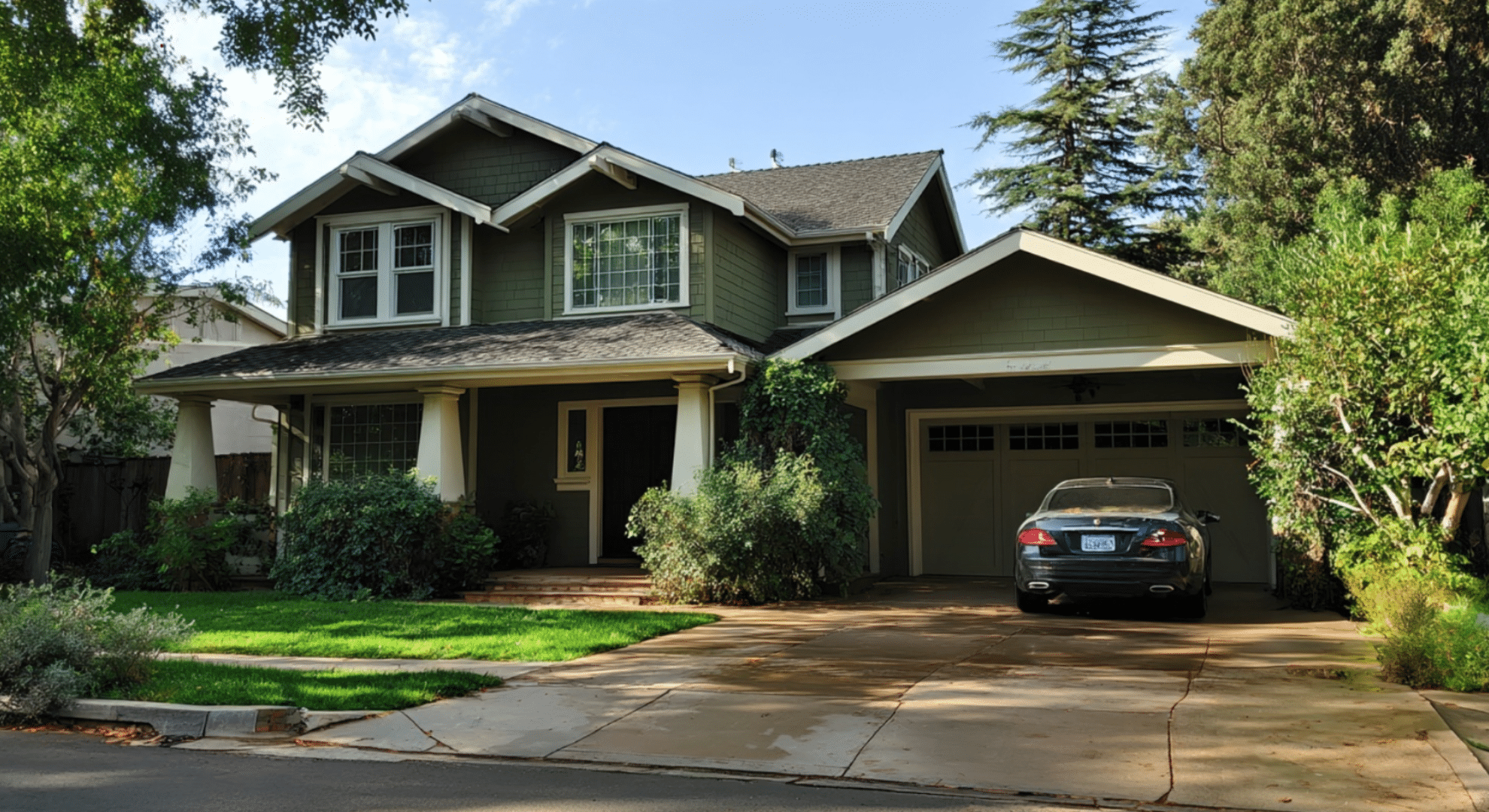
When people ask about house height, they often want more than just how tall it is. They’re usually thinking about how the home fits their space, how it looks, or what it feels like inside.
For example, many want to know the ceiling height on each floor. Standard ceilings are 8 feet, but newer homes often have 9 or 10 feet, especially on the main floor. This changes the feel of the rooms.
Others check the roof overhang, garage door height, and the total height with chimneys or other extras. Some also want to know the height from ground to the top of windows, especially for outdoor planning like decks or fences.
If you’re placing a home near other buildings or planning landscaping, knowing the overall footprint, width, and setback space helps too. It’s not just about height, it’s about how the whole home fits your space.
How to Measure House Height on Your Own
If you’re curious about how tall a house is, you don’t always need a pro. With the right tools and a little patience, you can get a pretty close estimate on your own.
Here are some ways to do it:
- Tape measure: works well if you can safely reach the base and parts of the wall
- Laser measurer: fast and accurate, especially for straight walls
- Smartphone app: some phones have built-in measuring apps that use the camera
- Measuring by shadow: compare the shadow of the house to something with a known height
- Use a stick and your eye: hold a stick at arm’s length and use angles to estimate
- Check building plans: if available, these often list exact heights
- Ask the builder or city office: they often keep records for permits and inspections
Even a close guess can help you plan outdoor spaces, choose the right trees, or stay within zoning rules.
Conclusion
As I think back on everything covered here, I’m glad I took the time to break down how tall is a 2 story house in a way that actually feels useful.
Laying out the height ranges and the parts that shape them helped me see the whole structure with fresh eyes, and it reminded me how much small details matter.
Now you can take that same clarity into your own plans. Use what you learned to size your project, choose the right tools, or double-check your measurements.
Keep these numbers close, because they’ll guide you each time you look at a home’s height. And when you’re ready for more simple, helpful breakdowns, go read the other blogs waiting for you on the website!