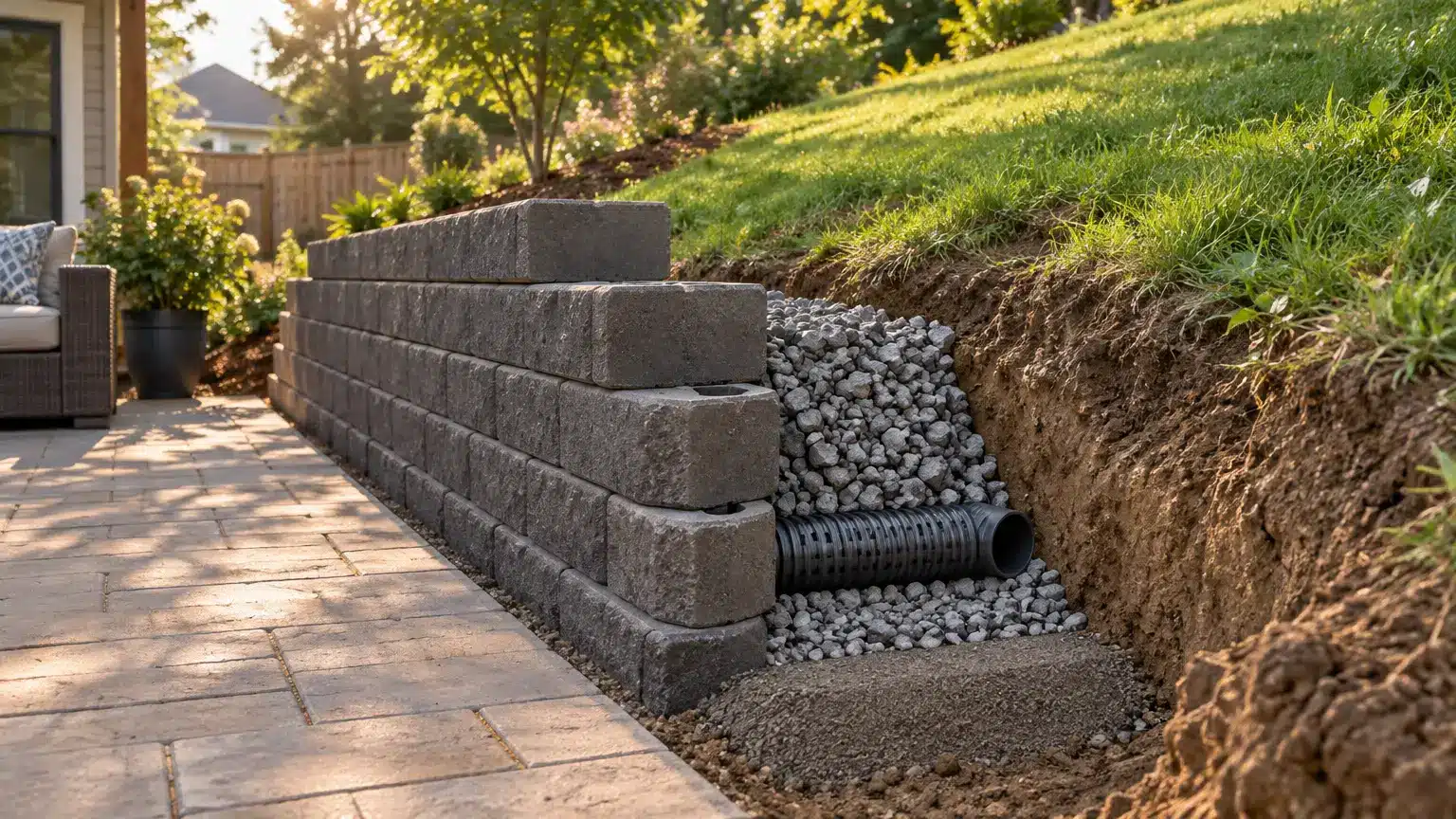

Rain falling on a residential roof turns into hundreds of gallons of water during a storm. Without proper guidance, the heavy flow drains straight into yard spaces and creates major challenges for nearby flowers, shrubs, and soil.
Knowing how water moves from shingles to soil helps home gardeners protect their yard investments. Managing storm flow properly preserves healthy outdoor spaces and protects structural foundations.
Protecting Yard Spaces From Uncontrolled Water Flow
Heavy rain striking a roof sends volumes of water rushing off shingles every single season. Homeowners working with roofing contractors like Valiant Roofing Vancouver WA learn early on that directing water away from foundation walls saves major repair bills. Unmanaged flow across garden beds washes away topsoil and damages delicate plant roots. Setting up proper drainage paths keeps flowerbeds safe during heavy downpours.
Properly positioned channels carry runoff smoothly past fragile root systems. Directing water toward well-drained sections prevents pooling near stems and trunks. Simple precautions keep healthy topsoil right where plants need it most. Taking time to plan runoff routes prevents expensive soil repair projects later.
Preventing Soil Erosion Around Your Home
When debris blocks drainage channels, water pools up and spills over edges in uncontrolled waves. Clogged channels gather water across wide roof spans before pouring out at a single low spot. A concentrated stream carves deep trenches in flower beds and strips away rich organic matter.
Installing dedicated drainage channels creates a structured path for storm runoff to travel safely away from living plants. Integrated systems of channels, downspouts, and outlets can be conservation tools that convey rainwater off roofs to controlled locations. Channeling runoff toward stable discharge points eliminates hard soil scouring near house foundations.
Managing Moisture Levels and Soil Nutrients
Excess water saturating garden beds creates severe problems beneath the surface. Heavy saturation washes key nutrients deep into soil layers beyond the reach of active plant root systems. Waterlogged roots struggle to absorb oxygen, leading to yellowing leaves and stunted plant growth.
Choosing the right drainage system keeps moisture levels balanced across flower beds throughout the year. Standard aluminum systems cost roughly $4 to $9 per linear foot installed as a budget baseline. Investing in reliable collection systems prevents nutrient leaching and keeps plant nutrition in upper soil layers. Simple upgrades to your outdoor drainage setup offer several immediate benefits:
- Protection against sudden soil washouts during heavy rainstorms
- Better retention of key soil nutrients near active roots
- Prevention of stagnant pooling around sensitive plant stems
- Balanced soil moisture levels across all garden beds
Capturing and Filtering Rainwater With Rain Gardens
Rain gardens handle heavy downpours with ease. Well-designed rain gardens filter out 90% of nitrogen, phosphorus, and chemicals carried in runoff plus 80% of sediment, before water reaches local water tables. These specialized planting beds turn potential flooding risks into valuable moisture sources.
Designing these areas requires careful attention to holding capacity and soil absorption rates. Stormwater management experts report that a properly built rain garden holds standing water for 12 to 48 hours following a major storm. A temporary collection window gives plant roots time to drink without risking root rot.
Designing Effective Retention Zones
Retention zones work best when situated slightly downhill from primary collection points. Positioning plants according to water tolerance keeps moisture-loving species thriving near center basins. Dry-tolerant plants do much better along upper banks where soil dries out after rainfall.
Gravel borders are natural buffers against fast currents. Placing decorative stone along entry paths slows down incoming water streams before hitting sensitive leaves.
Leveraging Alternative Roofing and Harvesting Options
Modern roofing innovations offer direct benefits to home gardens by slowing down initial water velocity. A green roof with three to four inches of growth media retains about an inch of water, equal to 0.6 gallons per square foot. Capturing rainwater at roof level reduces total ground runoff during intense storm events.
Collecting stored rainwater in barrels or cisterns gives gardeners a reliable supply during dry periods. Clean collection systems with debris filters and first-flush diverters guarantee high-quality water for garden storage tanks. Using clean harvested water protects soil health and lowers household utility bills.
Maintaining Healthy Drainage Channels Year Round
Keeping collection channels clear of fallen leaves and organic debris guarantees smooth operation during heavy storms. Regular seasonal sweeps discourage sudden clogs that lead to localized garden flooding. Simple routine inspections catch loose brackets and sagging sections before severe damage occurs.
Pairing clean channels with proper downspout extensions directs heavy flow toward safe discharge zones. Placing splash blocks or flexible piping at downspout exits spreads out streams safely. Consistent care protects both yard investments and home foundations through every changing season.

Directing runoff away from delicate roots and capturing clean rainwater builds resilient, thriving outdoor spaces. Taking proactive steps today protects plant health and safeguards property for years.