A productive garden is shaped by more than good soil, regular watering, and sufficient sunlight. One of the most important but often overlooked factors is understanding how different plants grow, flower, mature, and complete their life cycles.
This becomes especially important in balconies, patios, raised beds, greenhouses, and compact urban gardens. When growing space is limited, every container or planting area has to be used carefully. Choosing plants according to their growth speed, flowering behavior, mature size, and environmental requirements can make a small garden more efficient and easier to manage.
Rather than asking only what you want to grow, it is useful to ask how each plant will use the available space over time.
Understand How Long Plants Occupy Your Garden
Different plants require very different amounts of time to reach maturity.
Some crops can move from seed to harvest relatively quickly, while others occupy the same bed or container for several months. Radishes, lettuce, spinach, arugula, and many herbs can fit into short growing windows. Tomatoes, peppers, eggplants, and many fruiting plants usually require a longer commitment.
Neither approach is automatically better.
The most important consideration is whether the plant’s life cycle matches your overall gardening plan.
Fast-growing crops can be especially useful for succession planting. A gardener might begin the season with leafy greens, replace them with a warm-season crop, and plant another quick-growing vegetable after the main crop has been harvested.
This allows the same physical space to support more than one crop during a growing season.
Thinking in terms of time can therefore be just as important as thinking about square footage.
Learn How Different Plants Flower
Flowering behavior is another important characteristic to understand because plants do not all respond to the same environmental signals.
Some plants rely heavily on changes in day length, temperature, or seasonal conditions. Others begin flowering according to biological maturity or internal developmental signals.
Strawberries provide a familiar example. Different strawberry varieties can respond differently to day length, influencing when they flower and produce fruit.
Cannabis genetics offer another example of how flowering characteristics can influence plant selection where cultivation is permitted by local law. Gardeners may encounter autoflower cannabis, which begins flowering primarily according to plant maturity rather than depending on a specific seasonal change in the light cycle.
This characteristic can be relevant when growers are considering timing, available space, climate, or the length of the growing season.
Another category commonly encountered is feminized seeds, which are bred to greatly increase the likelihood of producing female plants. From a broader horticultural perspective, this illustrates how plant breeding can emphasize specific reproductive traits that make cultivation more predictable.
The larger lesson goes beyond any single plant species. Genetics, flowering behavior, and reproductive characteristics are important factors when deciding whether a plant is suitable for a particular growing environment.
Think About the Garden in Three Dimensions
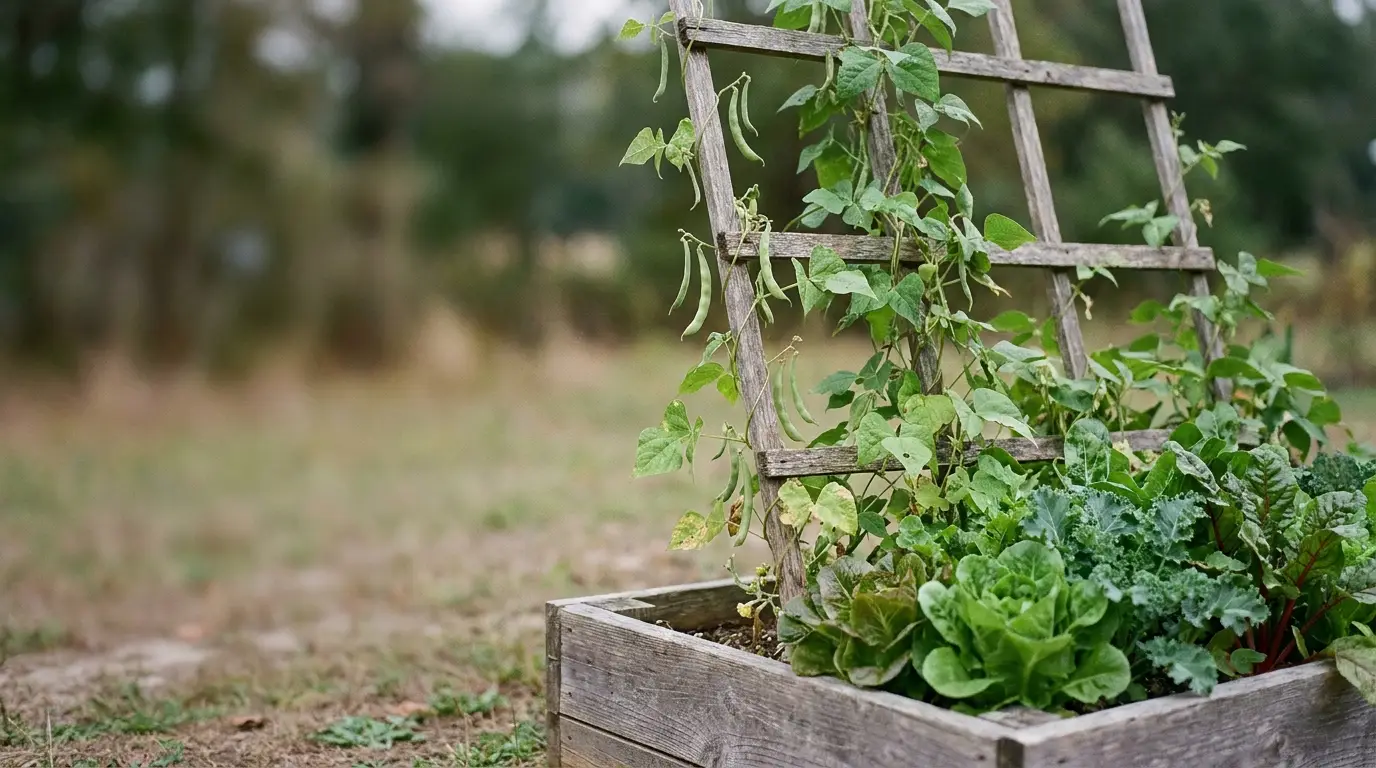
Small gardens should not be planned only according to surface area.
Plants occupy vertical and horizontal space, while roots require enough room below the surface. Some plants spread widely, while others can be trained upward.
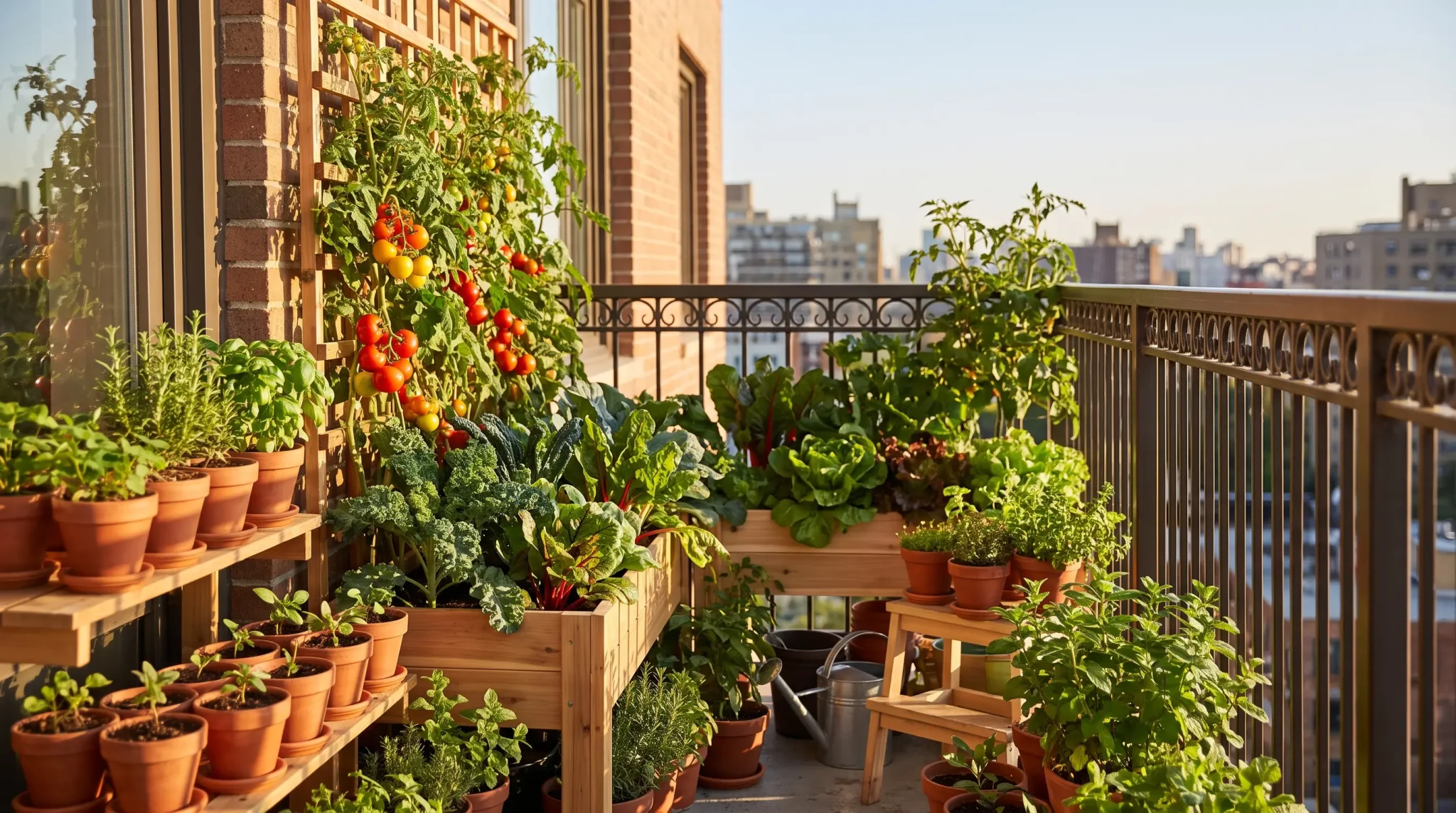
Climbing beans, peas, cucumbers, and certain squash varieties can use trellises to take advantage of vertical space. This can free up valuable growing area at soil level.
Root vegetables require a different strategy. Their visible foliage may not occupy much room, but sufficient soil depth is critical for healthy root development.
The mature size of each plant should always be considered before planting.
A small seedling may look perfectly suited to a compact container, but the same plant can become much larger as it matures. Overcrowding may reduce airflow, increase competition for water and nutrients, and make plants more vulnerable to disease.
Efficient gardening is not about filling every possible gap. It is about allocating enough space for each plant to develop properly.
Match Plants to the Light You Actually Have
Sunlight is one of the most important resources in any garden.
Before deciding what to plant, observe the growing area at different times of day. A balcony receiving several hours of gentle morning sun may create very different conditions from a rooftop or patio exposed to strong afternoon sunlight.
Many fruiting vegetables prefer substantial direct sunlight. Leafy greens and some herbs can often tolerate less.
Choosing plants based on the conditions you actually have is usually more productive than trying to force sun-loving species into shaded areas.
This is one of the reasons plant characteristics matter so much.
Successful gardening is essentially a matching process between what a plant needs and what the environment can provide.
Use Containers Strategically
Containers can be especially valuable in small gardens because they offer flexibility.
Pots can be moved to follow seasonal changes in sunlight, protected during extreme weather, or rearranged as plants grow larger.
They also allow gardeners to separate species with different soil, moisture, or nutrient requirements.
However, container size matters.
A plant may technically survive in a small pot while performing poorly because its roots cannot access enough water, nutrients, oxygen, or growing space.
Larger plants generally require larger containers, while fast-growing species may consume water and nutrients more rapidly than expected.
Good drainage is equally important. Excess water should be able to escape so roots are not left sitting in consistently saturated soil.
Gardeners should also remember that containers can dry out faster than traditional garden beds, particularly during warm or windy weather.
Create a Simple Growing Calendar
One of the easiest ways to improve a small garden is to create a basic planting calendar.
Record when each crop is planted, how long germination usually takes, the approximate time to maturity, and the expected harvest period.
It is also helpful to note what you intend to plant in the same space afterward.
These dates do not need to be perfectly accurate.
Temperature, rainfall, soil conditions, pests, watering, genetics, and unexpected weather can all influence plant development.
The purpose of the calendar is to give the garden structure.
It helps prevent situations in which a bed or container remains occupied much longer than expected, disrupting plans for the next crop.
Use Plant Diversity to Improve Resilience
Planting several different crops can make a garden more resilient.
A period of unusually hot weather may damage one crop while another continues to grow well. A pest may target a particular plant family while leaving neighboring herbs or flowers largely untouched.
Diversity can also make better use of available space.
Tall plants can be combined with lower-growing species. Fast crops can be planted alongside longer-season vegetables. Herbs may fit into smaller spaces that would otherwise remain unused.
However, diversity should not become overcrowding.
Plants still require enough room for airflow, root development, and access to sunlight.
The goal is to combine plants intelligently rather than simply placing as many species as possible into the same area.
Choose Plants That Work With Your Space
Successful gardening starts before the first seed is planted.
Before selecting a crop, consider how much sunlight the space receives, how large the plant will become, how long it will occupy the area, what conditions influence flowering, and whether the same location can support another crop later.
It is also useful to consider water requirements, container size, root depth, climate, and the amount of daily maintenance each plant needs.
These questions make plant selection much more deliberate.
A small garden does not necessarily have to produce a small harvest. Careful planning can help gardeners make much better use of limited growing space.
Understanding plant life cycles, flowering behavior, genetics, mature size, and environmental requirements allows gardeners to select plants that naturally fit their conditions.
Ultimately, productive gardening is not about squeezing the greatest possible number of plants into a small area.
It is about choosing plants whose natural growth patterns, timing, and resource requirements work with the garden rather than against it.