Insulation plays a quiet but vital role in keeping your home comfortable and energy efficient. Over time, though, old or damaged insulation may need to come out, whether due to age, moisture, pests or a planned upgrade. If you are facing this prospect, one of your first questions is bound to be about cost. Understanding what goes into the price helps you budget sensibly and make informed decisions. This guide breaks down the key factors that influence insulation removal costs and what you can expect.
Why Insulation Removal Becomes Necessary
There are several reasons a homeowner might need to remove existing insulation. Age is a common one, as older insulation can lose its effectiveness and stop performing as it should. Moisture damage, often from leaks, can leave insulation soggy and ineffective, while pest infestations can contaminate it and make removal essential.
Sometimes removal is part of a wider improvement project. Upgrading to a more efficient insulation type, renovating an attic, or addressing problems hidden behind old material all call for the existing insulation to come out first. Whatever the reason, removing compromised insulation is an important step toward a healthier, more efficient home.
What Affects the Cost
Several factors influence how much insulation removal will cost, and understanding them helps you anticipate the price. The size of the area, the type of insulation, how accessible the space is, and the condition of the material all play a part. Removing contaminated or damaged insulation, for instance, often costs more due to the extra care required.
Detailed resources can help you understand the figures involved. A guide such as the one from Atticrawl breaks down the factors that affect insulation removal pricing, giving homeowners a clearer picture of what to expect. Consulting this kind of information before you begin helps you approach quotes with realistic expectations and confidence.
Average Price Ranges
While exact costs vary considerably, it helps to have a general sense of the price ranges involved. Insulation removal is typically priced based on the area covered, with larger spaces naturally costing more. The type of insulation also matters, as some materials are quicker and simpler to remove than others.
Additional factors such as difficult access, the need for specialist equipment, or contamination can push costs higher. Because of all these variables, the best way to understand your particular situation is to gather quotes from professionals. Still, having a rough idea of typical ranges helps you judge whether a quote seems reasonable.
DIY Versus Professional Removal
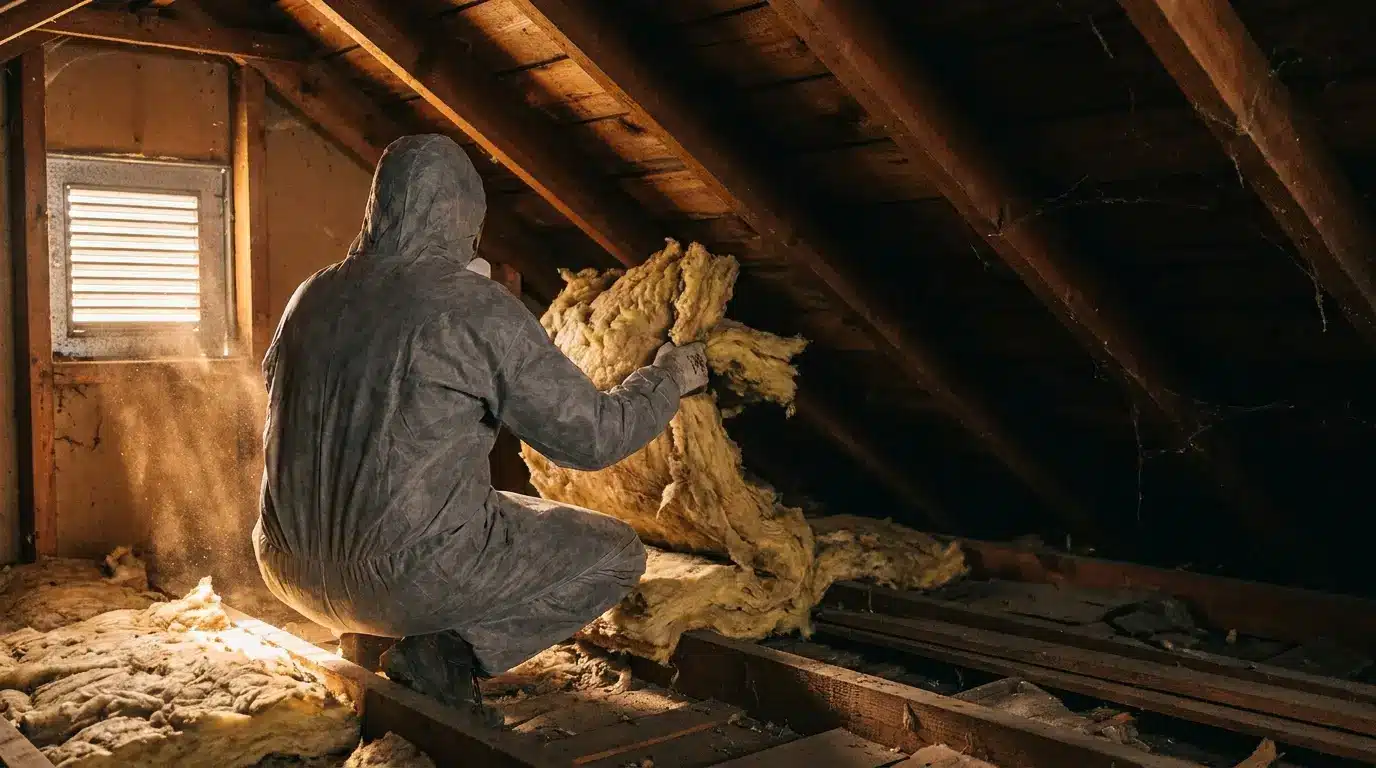
Some homeowners consider removing insulation themselves to save money, and for small, straightforward jobs this can be feasible. However, insulation removal can be messier and more demanding than it first appears, often involving dust, awkward spaces and the need for protective equipment. It is not always the bargain it seems.
Professional removal, while an added cost, brings expertise, proper equipment and efficiency. Professionals can handle contaminated material safely and dispose of it correctly, which is particularly important with mould or pest damage. Weighing the savings of DIY against the convenience and safety of professional help is an important part of your decision.
The Value of Proper Insulation
It is worth remembering why insulation matters so much in the first place. Good insulation keeps your home warmer in winter and cooler in summer, reducing the strain on your heating and cooling systems. This translates directly into greater comfort and lower energy bills throughout the year.
Resources such as ENERGY STAR highlight how effective insulation contributes to a home’s energy efficiency and overall performance. Viewing insulation removal as part of a wider upgrade, rather than just a cost, helps put the expense in context. Investing in your home’s insulation is an investment in long-term comfort and efficiency.
Signs You Need Replacement
Knowing when insulation needs attention can save you money and discomfort down the line. Telltale signs include rising energy bills, uneven temperatures between rooms, draughts, or noticeable moisture and musty smells in your attic or walls. Any evidence of pests is another clear warning sign.
If you spot these indicators, it is worth having your insulation inspected. Catching problems early often makes them easier and cheaper to address. Staying alert to the condition of your insulation helps you act at the right time, rather than waiting until small issues grow into bigger, costlier ones.
Getting an Accurate Quote
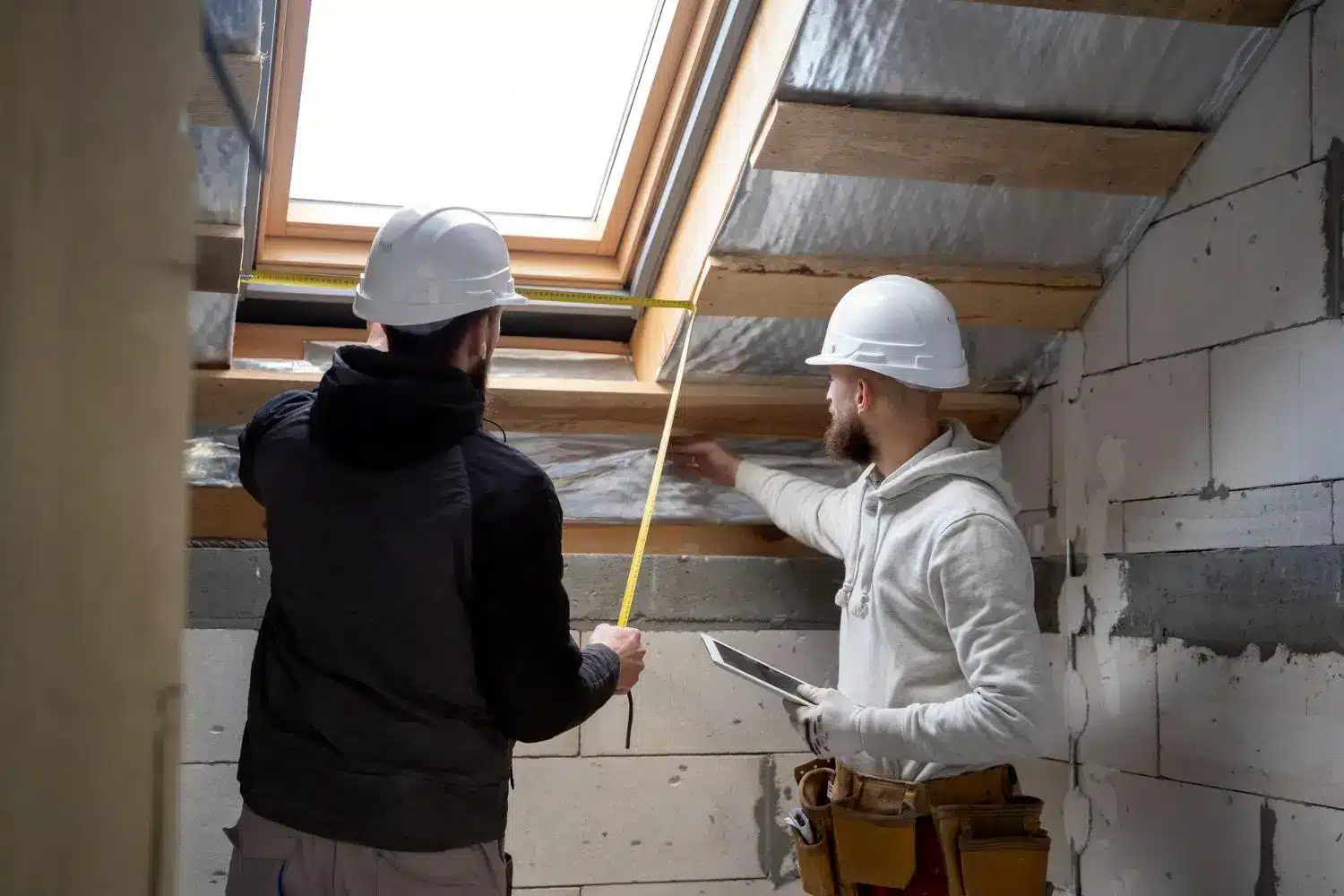
The most reliable way to understand your costs is to obtain quotes from reputable professionals. When doing so, ask for a clear breakdown of what is included, covering removal, disposal and any preparation work. This transparency helps you compare options fairly and avoid unexpected charges.
It is wise to gather a few quotes rather than accepting the first one you receive. This gives you a better sense of the going rate and helps you find a provider who offers good value and reliability. Asking questions and understanding exactly what you are paying for ensures you make a confident, well-informed choice.
Investing in a Comfortable Home
Removing old or damaged insulation is an important step toward a healthier, more comfortable and more efficient home. While the cost depends on many factors, understanding what drives the price helps you plan and budget with confidence. Armed with good information, you can approach the project sensibly.
So if your insulation has seen better days, take the time to research, gather quotes and weigh your options. Whether you choose DIY or professional help, addressing the issue properly pays off in comfort and efficiency for years to come. A well-insulated home is a sound investment in your everyday quality of life.