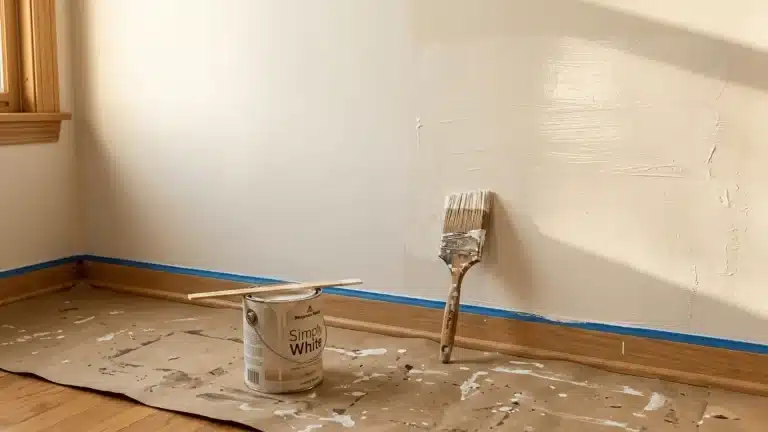
Rushing a second coat feels so tempting when the color looks good, and the brush is still wet.
But skipping proper drying time is usually where things go sideways. Streaks, peeling, and that patchy, uneven finish you were trying to avoid all trace back to one thing: impatience.
Paint needs time to settle and bond with the surface before you layer anything on top.
Getting this right depends on your paint type, the humidity in your space, and the surface you are working on.
Dry Time vs. Cure Time: What’s the Difference?
Understanding these three stages will save you from a lot of avoidable mistakes.
Here is how they break down.
| Stage | What It Means | Typical Timeframe |
|---|---|---|
| Dry to the touch | Surface is no longer tacky | 30 min to 1 hour |
| Dry to Recoat | The layer is stable enough for another coat | 2 to 4 hours |
| Fully Cured | Paint has hardened and reached full durability | Several days to a few weeks |
Cure time is what determines how washable, scrubbable, and long-lasting your finish actually is, so it is worth factoring in even after the painting is done.
Drying Times by Paint Type
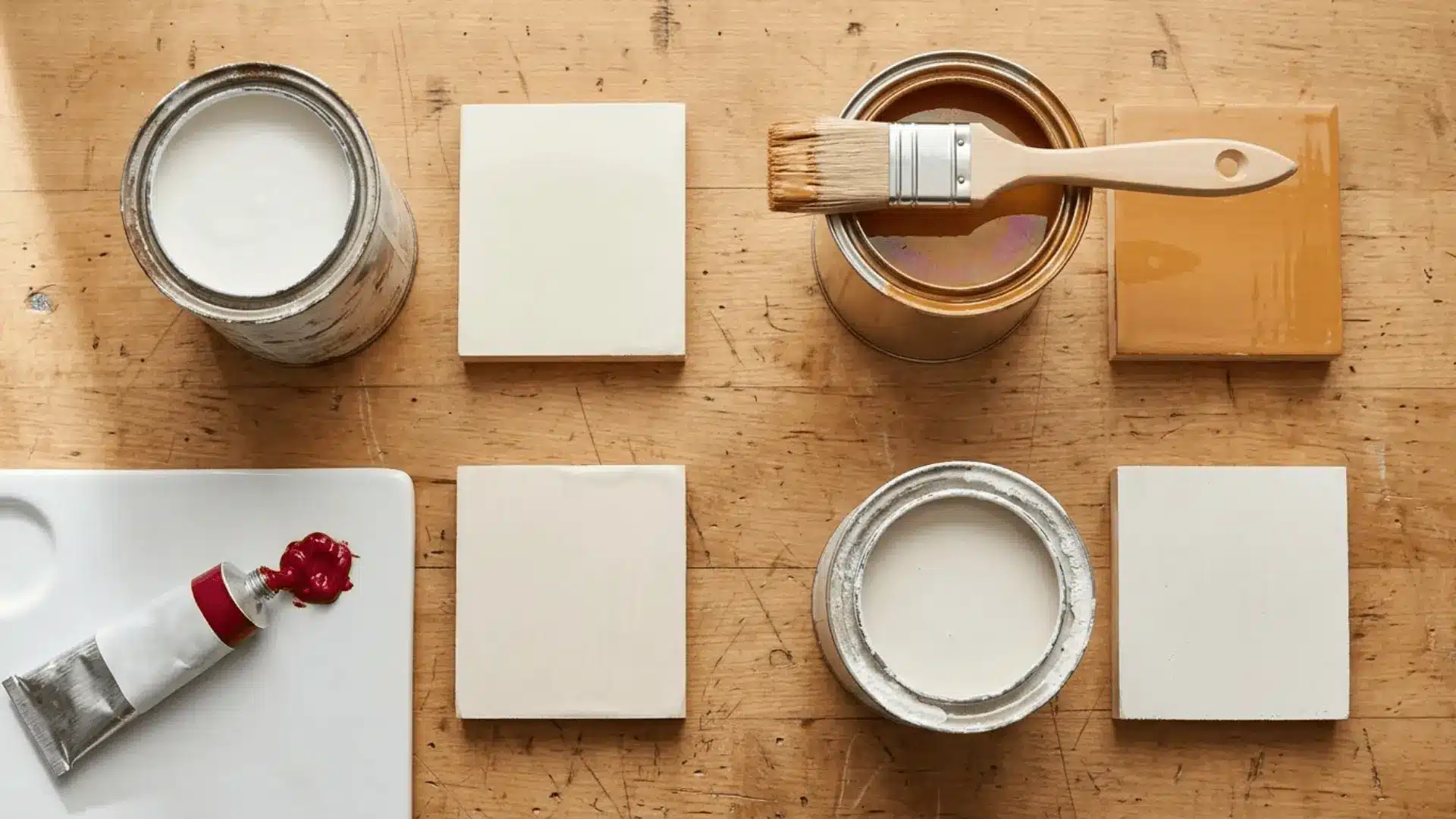
Not all paints dry on the same schedule, and using the wrong timing for your specific paint type is one of the most common reasons a finish goes wrong.
Here is what to expect from each.
1. Latex (Water-Based) Paint
Average Drying Time: 1 to 2 hours; recoat after 2 to 4 hours
Latex paint is the go-to for most interior projects, and a big reason for that is how quickly it dries. It is ready for a second coat within a few hours, making it ideal when you want to finish a room in a single day.
Humidity and airflow can shift that window slightly, but generally, it is one of the more forgiving paint types to work with.
2. Oil-Based Paint
Average Drying Time: 6 to 8 hours; recoat after 24 hours
Oil-based paint takes its time, and that is actually part of what makes it so durable. The longer dry time allows it to level out beautifully, which is why it is often chosen for trims, doors, and high-traffic surfaces.
Rushing a second coat here will almost always show, so patience genuinely pays off with this one.
3. Acrylic Paint
Average Drying Time: 30 minutes to 1 hour; recoat after 2 to 3 hours
Acrylic dries fast, sometimes almost too fast if you are working in a warm or dry environment. It shares a lot of characteristics with latex paint and works well on both walls and smaller craft projects.
The quick dry time is convenient, but make sure the first coat is fully set before layering, or you risk pulling up what is already there.
4. Primer
Average Drying Time: 30 minutes to 1 hour (water-based); 3 to 4 hours (oil-based)
Primer dry time depends on whether you are using a water-based or oil-based formula. Water-based primers are usually ready for a topcoat within an hour, while oil-based ones need a few hours more.
Never apply paint over primer that has not fully dried, as it can compromise everything that goes on top of it.
Factors That Affect Paint Drying Time
A few environmental and application factors can quietly push your drying time in either direction. Keep these in mind before you start.
- Temperature sits at the top of the list; anything between 50 and 85°F (10 and 30°C) is your ideal working range.
- High humidity slows everything down by preventing moisture from evaporating out of the paint properly.
- Good ventilation speeds up drying since steady airflow helps moisture leave the surface faster.
- Porous surfaces like wood or drywall absorb paint differently than smooth or non-porous ones, which affects how long each coat takes to set.
- Thick coats take significantly longer to dry than thin, even layers, and are also more prone to cracking and peeling.
Getting these conditions right before you open the paint can makes the entire process smoother and your results more predictable.
How Many Coats of Paint Do You Need?
For most projects, 2 coats is the standard, and that holds true for the majority of walls and surfaces you will encounter.
Where things change is when you are working with a deep or bold color, painting over a stain, or covering a surface that has never been painted before.
Those situations can call for an extra coat or two.
Primer also plays a big role here since a properly primed surface gives paint something solid to grip, which often means you need fewer topcoats to get that clean, even finish.
Signs Paint is Ready for the Next Coat
Before reaching for the brush again, do a quick check.
Your paint is ready if:
- No tackiness when you lightly press the surface with your fingertip.
- Smooth, even color with no wet-looking patches or shiny spots remaining.
- Zero smudging when you gently run a finger across a small, inconspicuous area.
- Consistent texture across the entire coated surface, not just in one spot.
If even one of these feels off, give it a little more time. A few extra minutes of waiting is always better than a coat that does not sit right.
What Happens If You Recoat Too Soon?
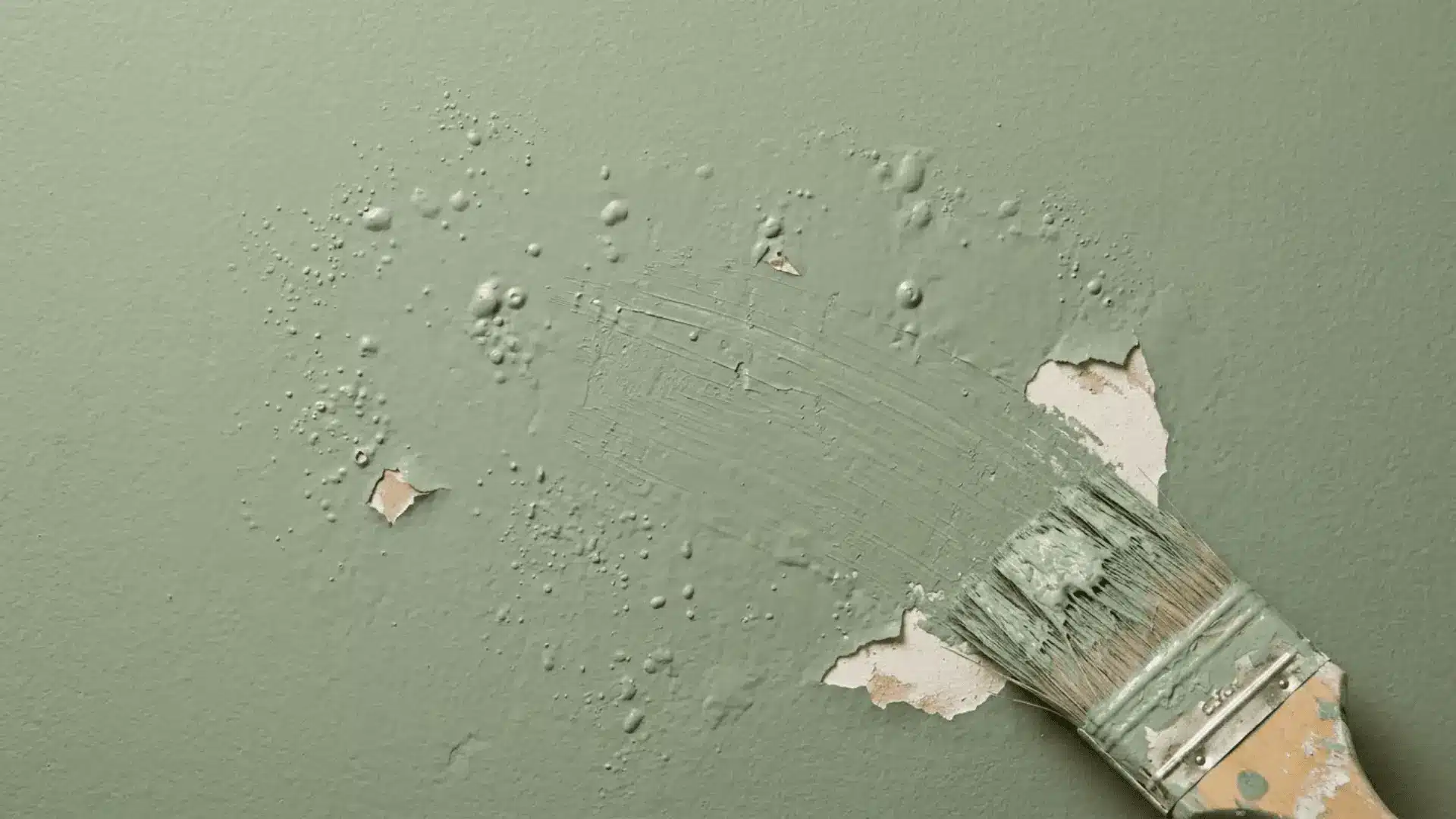
Jumping in too early rarely saves time; it usually creates more work.
A second coat applied over paint that is not ready will often bubble, peel, or streak because the layer beneath is still releasing moisture. That moisture has nowhere to go, so it gets trapped, and the finish suffers for it.
You also end up with reduced durability over time since the coats never properly bond.
Ironically, recoating too soon can make the overall drying process longer, leaving you with a finish that looks uneven and takes far more effort to fix than it would have to just wait.
Tips to Speed Up Paint Drying Time
A few small adjustments to your setup can make a noticeable difference in how quickly each coat dries.
- Improve ventilation by opening windows or running a fan to keep air moving across the surface.
- Apply thin, even coats instead of thick ones since thinner layers dry faster and lay down more smoothly.
- Pick the right day to paint, as mild temperatures and low humidity create the most ideal drying conditions.
- Opt for fast-drying formulas if your timeline is tight, as many brands now offer quick-dry versions of their most popular paints.
Small habits like these add up, and your overall project timeline will reflect them.
Room-by-Room Drying Considerations
Drying time does not look the same in every space. Where you are painting matters just as much as what you are painting with.
| Space | Key Challenge | Best Practice | Expected Dry Time |
|---|---|---|---|
| Interior Walls | Temperature fluctuations | Maintain airflow and a steady indoor temperature | 2 to 4 hours |
| Bathrooms & Kitchens | High humidity and moisture | Run ventilation or a fan throughout | 4 to 6 hours |
| Exterior Surfaces | Unpredictable weather | Avoid rainy, humid, or extremely hot days | 6 to 8 hours |
Professional Painter Tips
The difference between a good paint job and a great one usually comes down to a few practiced habits.
- Always follow the manufacturer’s guidelines first since dry time recommendations on the label are specific to that formula.
- Test a small area before recoating to make sure the first coat is truly ready and not just surface-dry.
- Use primer before your topcoat for better adhesion, more even color, and a finish that actually lasts.
- Plan your painting schedule around drying time rather than squeezing coats in whenever it feels convenient.
- Never paint in a rush since a slower, more intentional approach almost always produces cleaner, longer-lasting results.
These are not complicated steps, but following them consistently is what separates a finish that holds up from one that needs redoing within a season.
The Closing Note
Getting the timing right between coats is honestly one of the quieter skills in painting, but it shows in the final result every single time.
Once you understand how your paint type, environment, and surface all play into how long to let paint dry between coats, the whole process starts feeling a lot more intuitive and a lot less guesswork.
Take your time with each layer, trust the process, and your walls will thank you for it.
Tried any of these tips on a recent project? Drop your experience in the comments below.