Onion seeds are often dead within a year. Tomato seeds can still sprout after a decade in the same drawer. The date on the packet has almost nothing to do with it.
Seed life comes down to the plant itself, not how long ago it was packed.
A dry basement drawer keeps some seeds viable for years, while others lose the ability to sprout within months of harvest, no matter how they are stored.
This blog covers why some crops hold up far better than others, and how to tell when a batch of seeds is actually done.
What Does Seed Shelf Life Actually Mean?
The shelf life of seeds varies and is not a specific fixed duration. It is a range, and that range depends on the seed itself.
Some seeds, like tomato or lettuce, stay viable for four or five years if stored right. Others, like onion or parsnip, fade fast and lose most of their germination power within a year or two.
Moisture and heat speed up that decline, so a cool, dry spot always beats a hot garage shelf.
Packet dates give a starting point, but they don’t guarantee anything past that year.
A germination test provides more reliable information than the date alone.
What Determines How Long Seeds Stay Viable?
Several factors determine whether your seeds will sprout next spring or remain dormant.
- Storage Temperature: Cooler is always better; warmth wears seeds down over time.
- Container Type: Airtight glass or metal beats a flimsy paper packet.
- Seed Species: Some hold up for years, and some just don’t.
- Harvest Quality: Seeds pulled from healthy, mature plants start with an edge.
- Light Exposure: Sunlight breaks seeds down faster than most people realize.
- Seed Coat Thickness: Thicker coats shield the embryo longer, so they age slower.
- Handling Before Storage: Rough drying or bruising during cleanup shortens a seed’s life.
How Long Do Vegetable Seeds Last: Average Lifespan by Crop
Not all vegetable seeds age equally; some retain germination for years, while others fade quickly.
Getting the timing and technique right when you plant also determines whether that stored vigor translates into strong seedlings, which is where solid seed-starting fundamentals come in.
1. Tomato Seeds
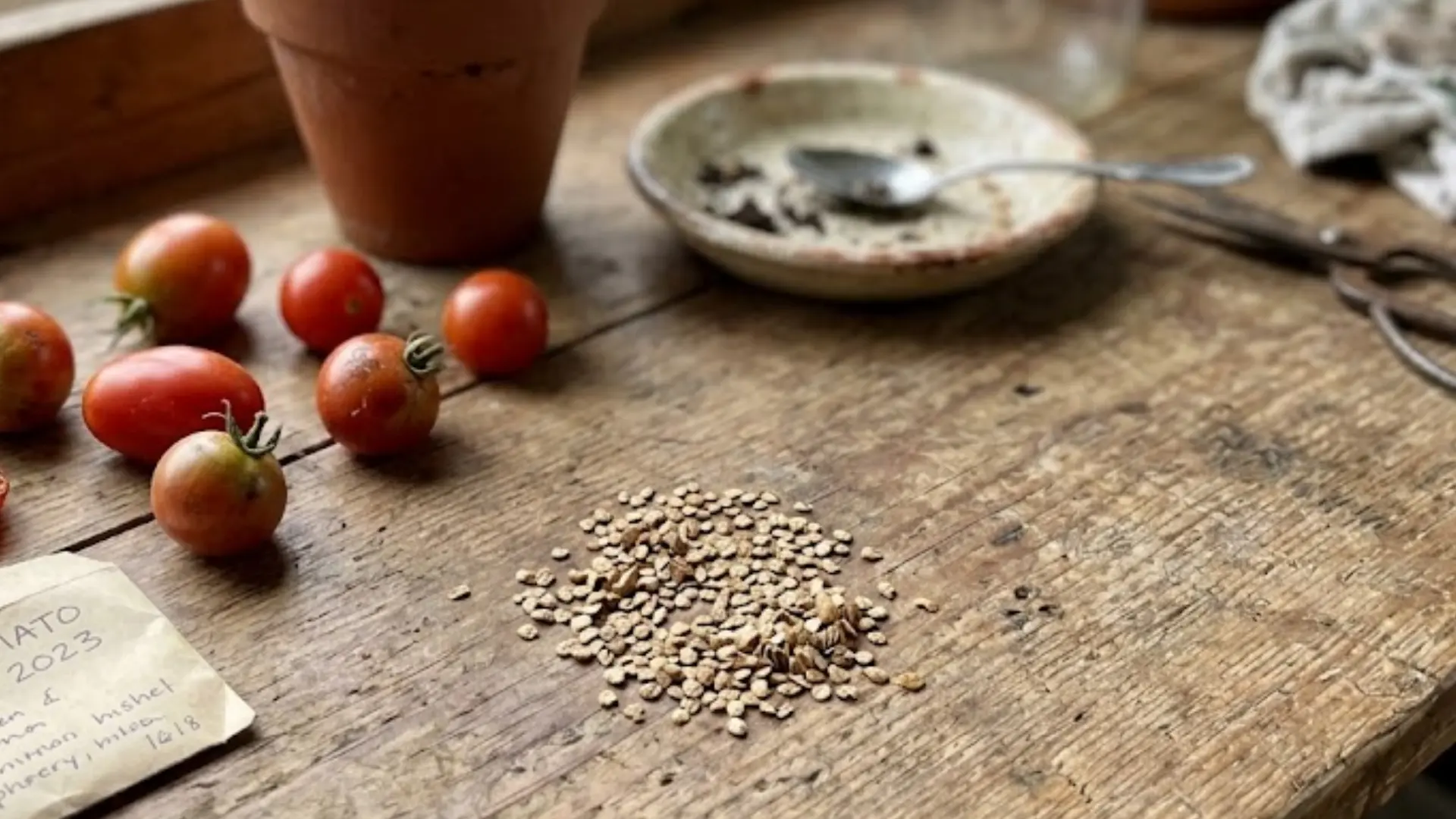
Tomato seeds are tough. Stored properly, they stay viable for four to six years.
Their seed coat is dense, which slows moisture absorption and delays decline. Fermentation before drying also strips away pathogens that would otherwise shorten storage life. Humidity is the real threat here, not age.
A sealed jar in a dark cabinet keeps them productive far longer than a windowsill packet ever could.
2. Pepper Seeds
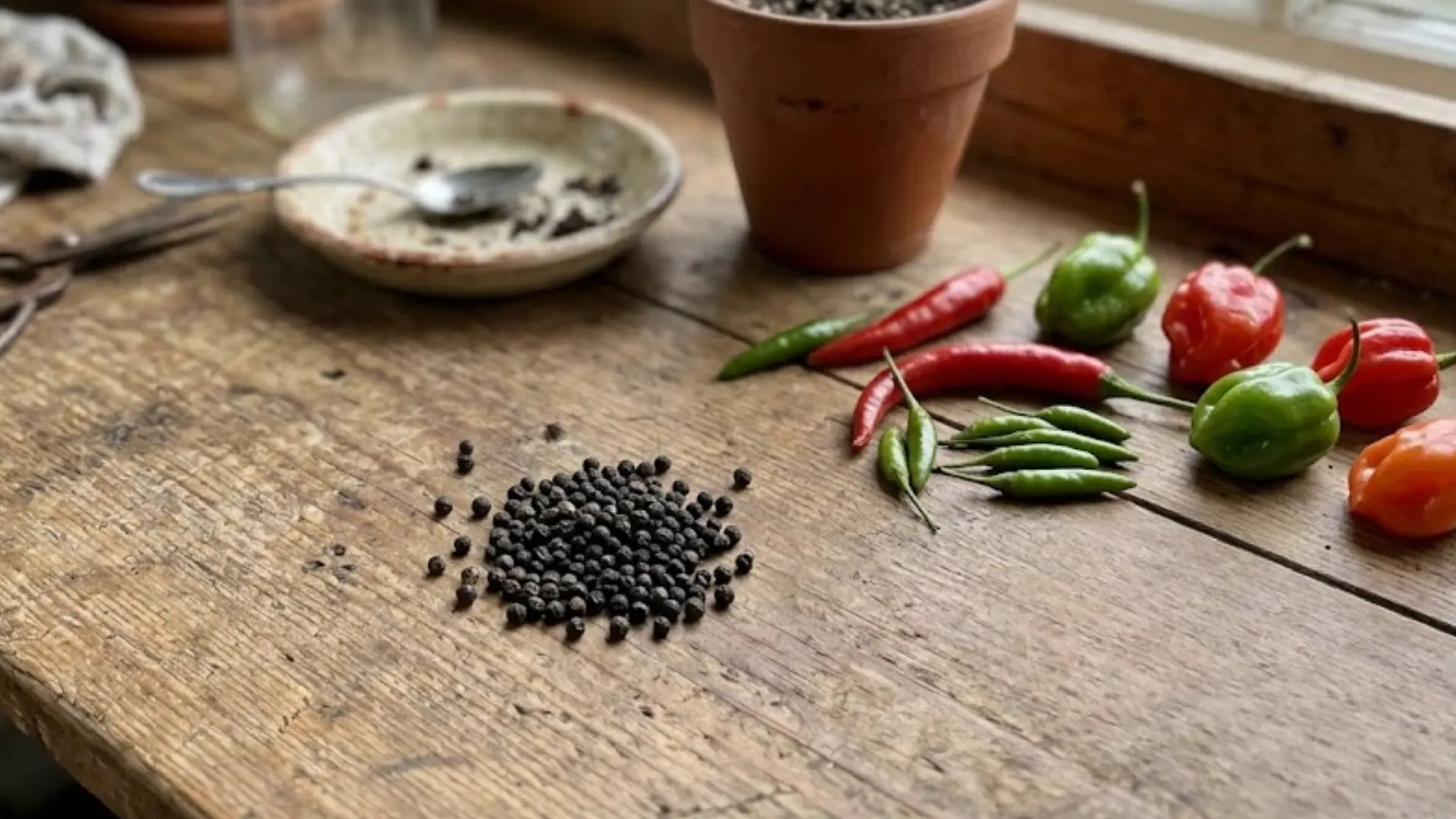
Pepper seeds last two to four years on average.
They are thinner than tomato seeds, so they lose vigor faster once exposed to warmth.
Hot peppers tend to outlast sweet varieties slightly, likely due to differences in seed coat composition. Germination rates drop noticeably after year three, even with good storage.
Testing before planting saves a wasted season.
3. Cucumber Seeds
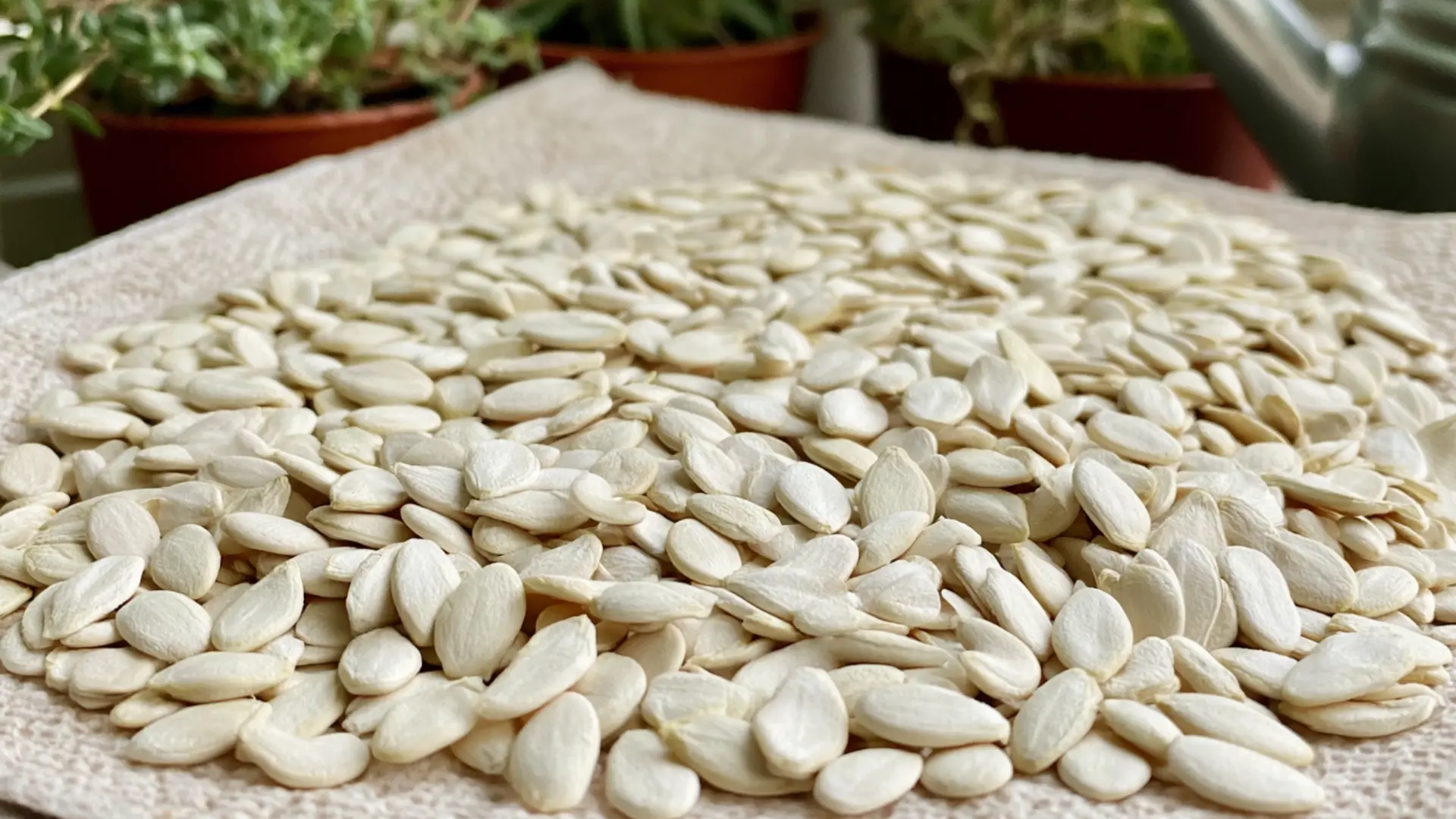
Cucumbers hold up well, often lasting five years or more.
Their thick, waxy coating protects the embryo from early moisture damage.
Older cucumber seeds sometimes germinate better than fresh ones, a quirk unique to this crop. Vine-dried seeds outperform machine-dried batches.
Storage consistency matters more than age for this particular vegetable.
4. Bean Seeds
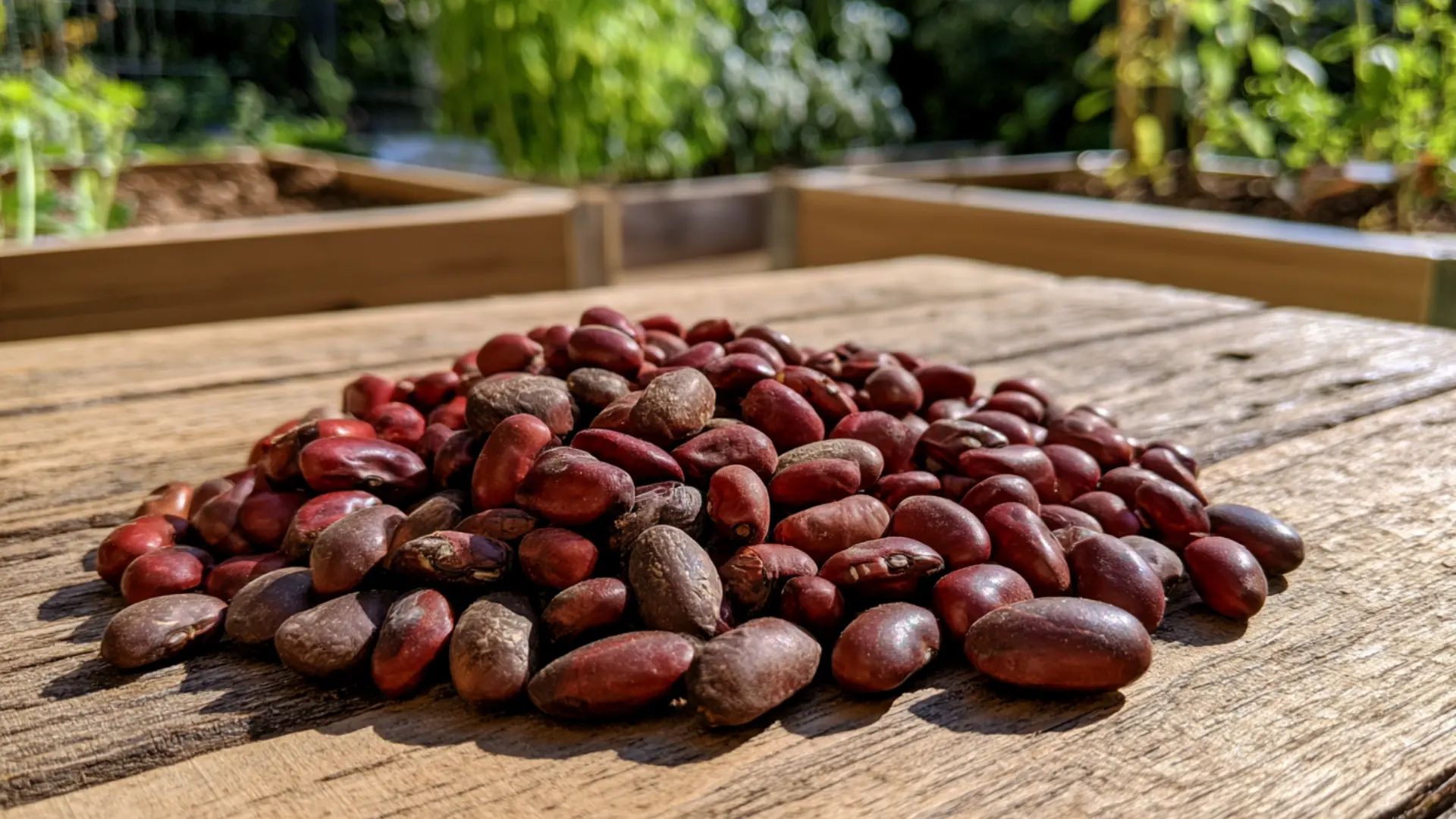
Beans usually last for three to four years.
They’re sensitive to fluctuating temperatures, which cause the seed coat to crack over time. Cracked coats let moisture in and quickly reduce viability.
Pole beans tend to store slightly longer than bush varieties.
Dry, stable conditions matter more here than for most other crops.
5. Pea Seeds
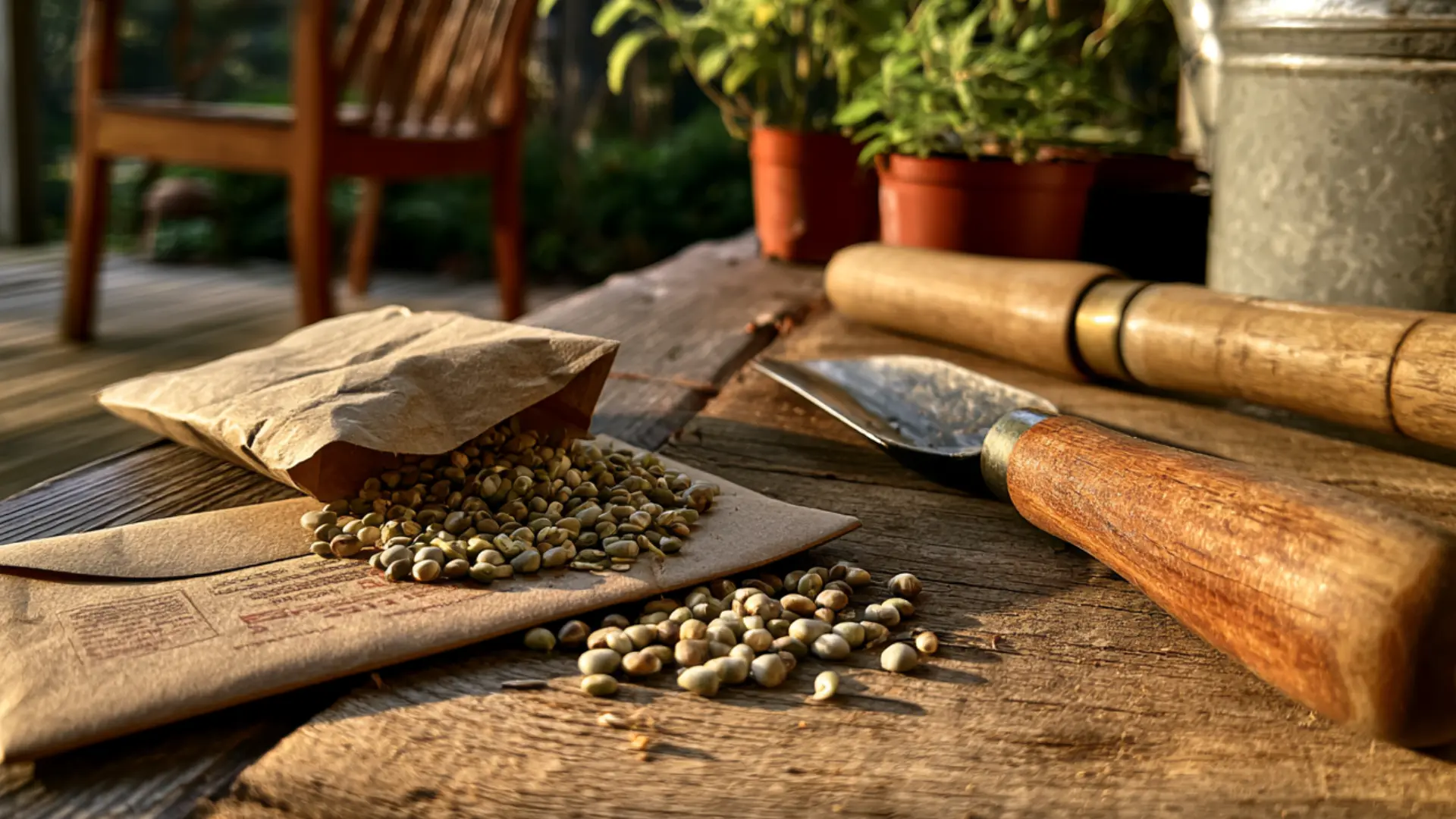
Peas last around three years under decent conditions.
They are prone to insect damage during storage, which shortens their usable life significantly.
Weevil-infested batches drop in germination almost overnight. Briefly freezing seeds before storage kills pests without harming viability.
This step matters more for peas than for most vegetables.
6. Carrot Seeds
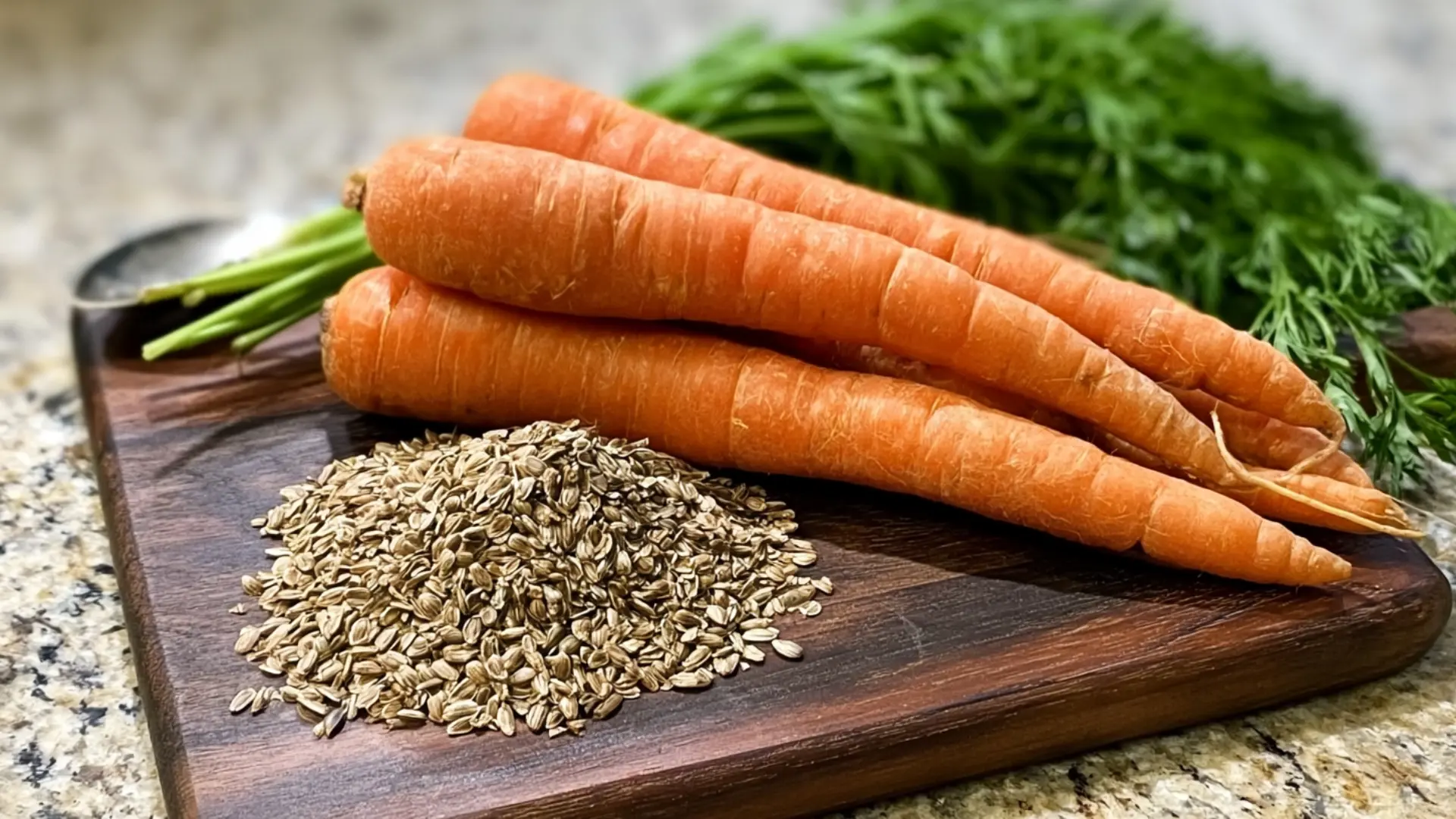
Carrot seeds are short-lived, usually good for just one to two years.
Their small size means minimal internal moisture reserves, so they dry out and die quickly. Fresh seed always outperforms older stock here.
Buying only what you will plant that season avoids waste.
Longevity drops sharply after the second year regardless of storage care.
7. Onion Seeds
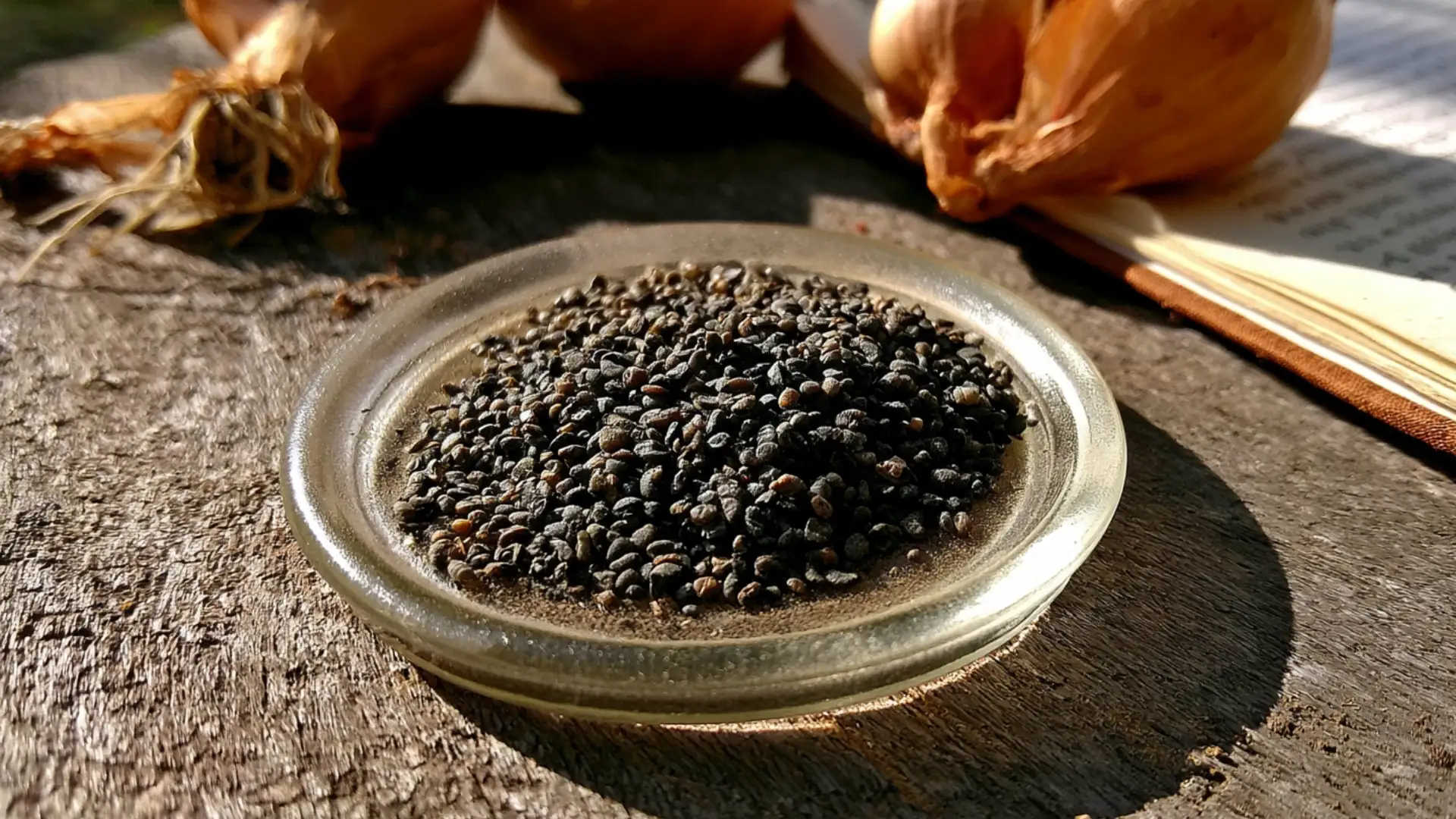
Onions have among the shortest lifespans, often just one year.
Their embryos are especially vulnerable to oxidation once exposed to air.
Even sealed storage cannot fully offset this decline. Many growers replace onion seed annually rather than risk poor germination.
Buying fresh each season is standard practice for serious gardeners.
8. Lettuce Seeds
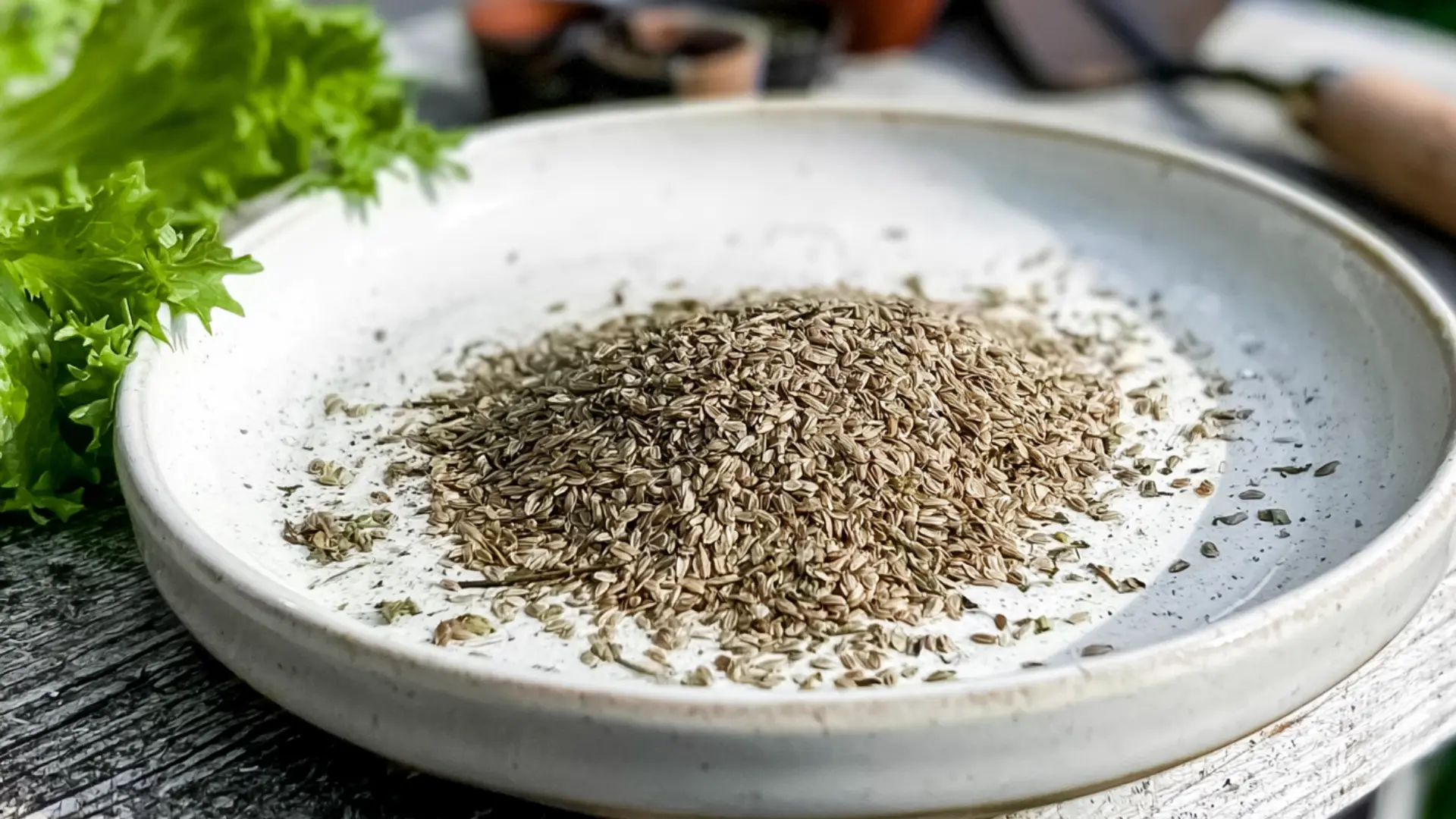
Lettuce seeds last about five to six years, among the longer-lived vegetables.
Heat is their main enemy, not time itself. High temperatures during storage induce dormancy issues that mimic seed death.
Cooler basements or refrigerated storage extend usability considerably.
Age alone rarely explains a failed lettuce germination test.
9. Squash and Pumpkin Seeds
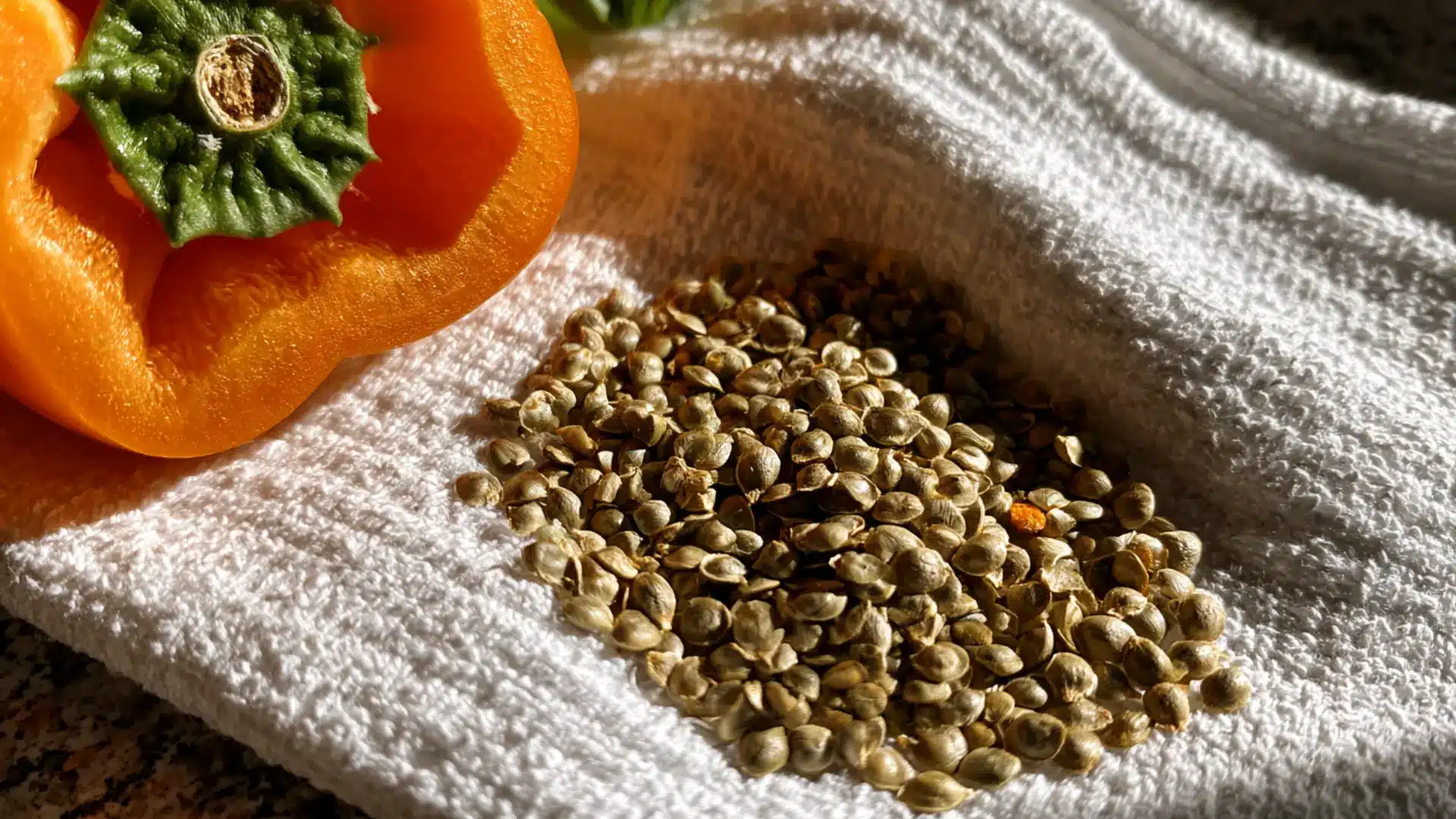
Squash and pumpkin seeds typically last four to five years.
Their large size holds more stored energy, buffering against early decline. Mold is the bigger risk than age, especially if seeds weren’t fully dried before storage.
Proper curing before packing away extends their usable window considerably.
How Long Do Flower, Herb, and Fruit Seeds Last?
Seed longevity varies even more dramatically when you move beyond vegetables.
Here’s how flowers, herbs, and fruit seeds compare.
| Seed Type | Average Shelf Life | Key Note |
|---|---|---|
| Marigold | 1–2 years | Loses vigor fast once exposed to air |
| Zinnia | 2–3 years | Sensitive to humidity swings |
| Sunflower | 1–2 years | Oil content turns rancid over time |
| Cosmos | 3–4 years | Fairly forgiving in dry storage |
| Basil | 3–5 years | Small size dries out slowly if sealed |
| Cilantro | 1–2 years | Short-lived; buy fresh each season |
| Dill | 1–3 years | Volatile oils fade with heat exposure |
| Parsley | 1–2 years | Notoriously slow and inconsistent to germinate |
| Watermelon | 4–5 years | Thick coat protects against early decline |
| Melon | 3–4 years | Similar durability to cucumber seeds |
| Strawberry | 2–3 years | Needs cold stratification to stay viable |
Where Should You Store Seeds for Maximum Lifespan?
The container you use for storing seeds is just as important as the seeds themselves.
1. Choose a Dark Spot: Light degrades seeds over time. A closet or drawer protects them better than a surface near a window, even briefly. Cabinets work particularly well since they block light completely.
2. Control Humidity Strictly: Add silica gel packets inside containers. Moisture quickly destroys dormant seeds, leading to early and unnecessary germination.
3. Keep Temperatures Steady: Avoid spots near vents, radiators, or exterior walls. Fluctuating temperatures stress seeds more than consistent cold. A basement or interior closet stays steadiest.
4. Use the Refrigerator Wisely: A dedicated fridge shelf works well for long-term storage. Avoid the freezer unless seeds are fully dried first. Wet seeds in a freezer will rupture and die.
5. Label Everything Clearly: Write down the variety and storage date. Untracked seeds get forgotten, overused, or planted past usefulness. A simple system prevents confusion during next year’s planting.
How to Test Seed Viability Before Planting?
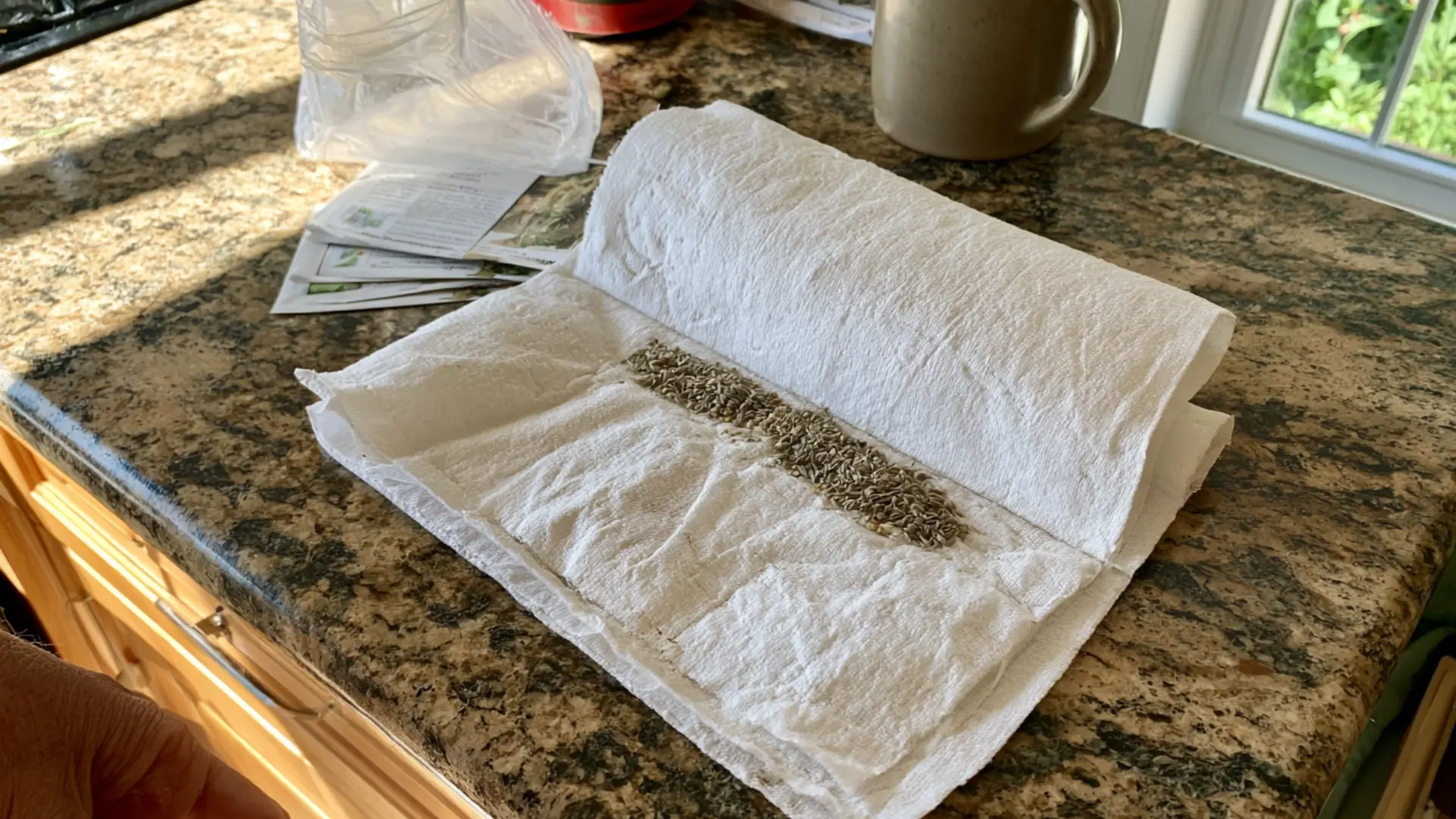
Testing is more reliable than guessing each time. Grab ten seeds and lay them on a damp paper towel.
Fold it over, seal it in a plastic bag, and set it somewhere warm. Check in five to seven days.
Count how many sprouted. That percentage tells you your germination rate.
Seven out of ten means roughly seventy percent viability, so plant a bit thicker to compensate. Zero or one sprout signals it’s time to toss that batch.
Perform this test a few weeks prior to planting to ensure you can order fresh seed if necessary.
Should You Plant Expired Seeds?
Expired does not always mean dead. Many seeds still sprout well past their printed date, just at lower rates.
The real question is whether the drop in success is worth the gamble.
For cheap, fast crops, sure, plant them and see what happens. Worst case, you replant. For pricey or hard-to-source varieties, do not risk an entire season on old stock.
Mixing old and new seed in the same row also hedges your bets. Beginner-friendly crops like low-fuss vegetable picks tend to forgive a weaker germination rate better than finicky varieties, so they are a safer bet for testing older seed.
Sow expired seeds thicker than usual to offset weaker odds. Mixing old and new seed in the same row also hedges your bets.
Nothing’s guaranteed with age, but plenty of gardeners get lucky anyway.
How to Tell If Old Seeds Are Still Good?
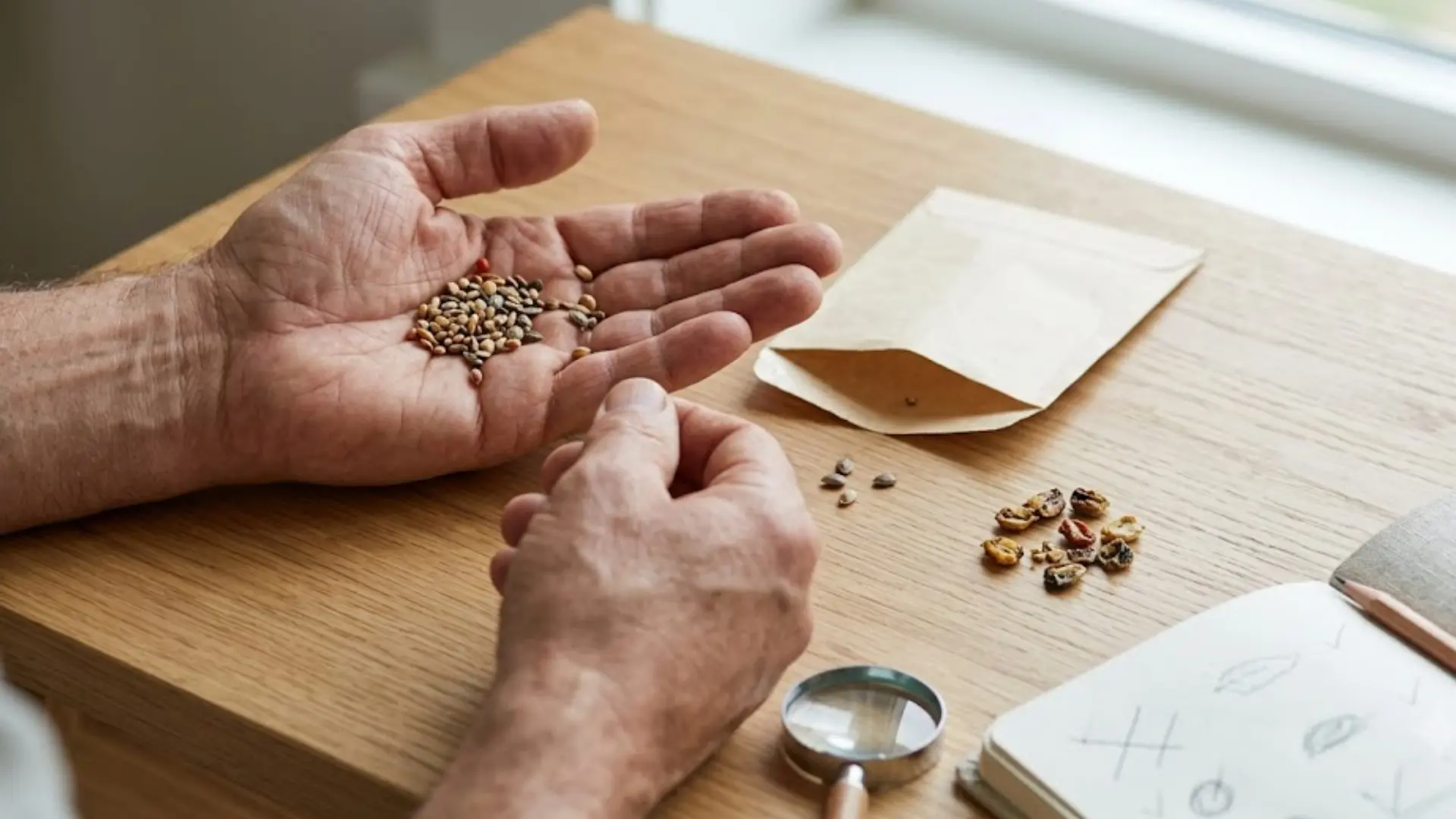
Good seeds are firm and heavy; shriveled, lightweight, or hollow ones seldom succeed.
Check color too. Faded, dull, or unusually pale seeds often signal age or poor storage.
A musty smell is a bad sign, pointing toward mold or moisture damage inside. Cracked or split coats let air in, which speeds decline.
Give the container a shake; seeds that clump or stick together may have absorbed dampness.
None of this substitutes for a real test, but it quickly eliminates obvious failures.
Common Seed Storage Mistakes That Shorten Shelf Life
Small habits can secretly reduce seed viability well before anyone notices. Be vigilant about these mistakes.
- Long-term storage of seeds in the original paper packet.
- Storing containers on a shelf in the garage or shed.
- Reusing damp measuring spoons inside seed jars.
- Stacking containers near a stove or oven vent.
- Opening jars repeatedly, letting humid air rush in.
- Forgetting to reseal silica packets after checking them.
- Mixing different seed batches without separate labeling.
Saving Seeds for Future Years
Save seeds from your strongest, healthiest plants only. Let fruits or pods fully mature before harvesting.
Clean off pulp or debris, then dry seeds completely on a screen, not a plate.
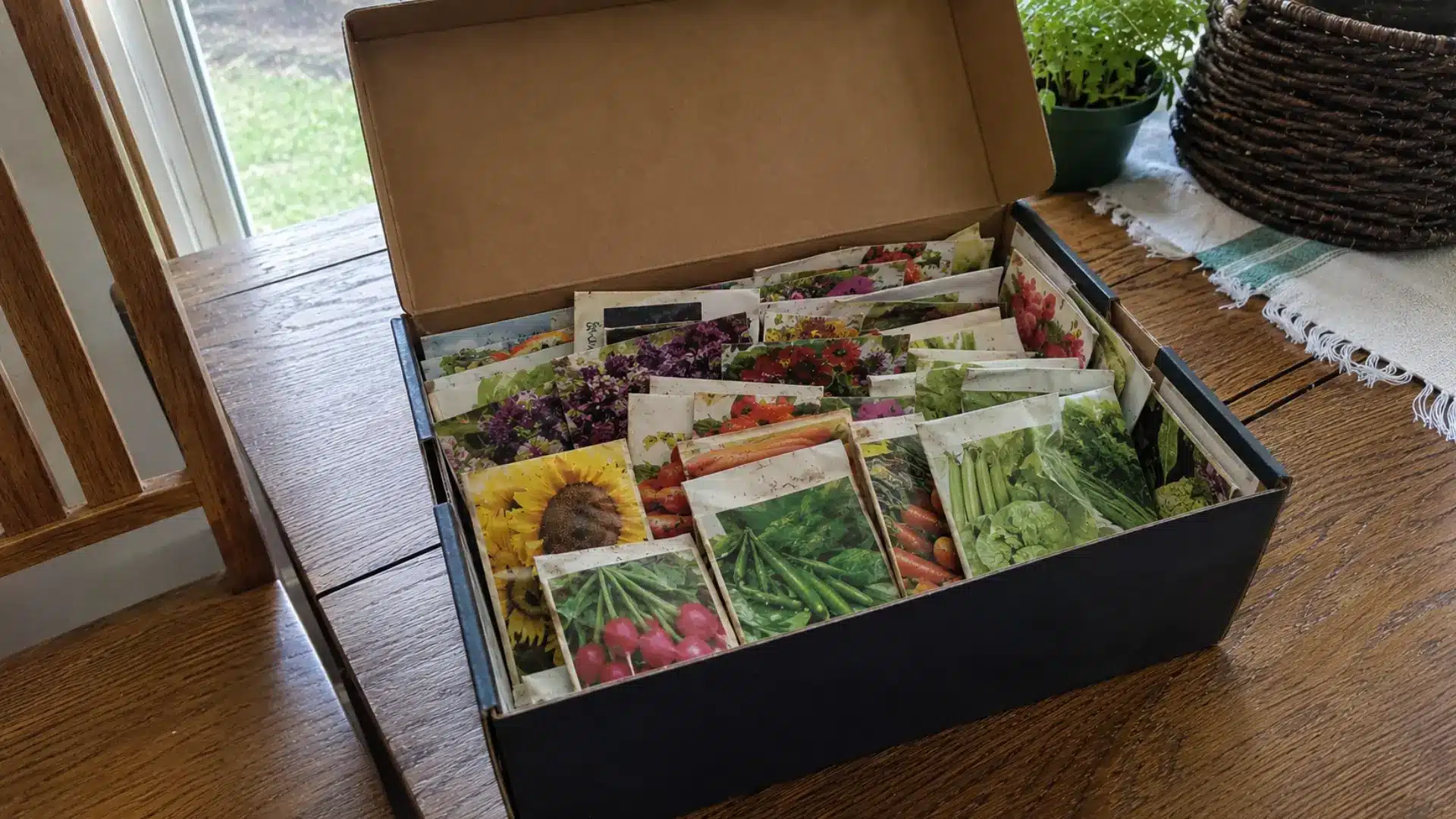
Trapped moisture ruins a whole batch overnight. Once dry, sort by variety and date the container immediately. Small paper envelopes inside a larger sealed jar work well for organizing multiple crops.
Rotate older saved seed to the front so it gets planted first.
Do Seeds Really Expire?
Seeds do not suddenly stop being viable; instead, they slowly decline in vigor.
A seed can still sprout years later, just slower and less reliably. Death is a spectrum here, not a switch.
Cellular breakdown happens gradually inside the seed coat, degrading enzymes needed for germination. Some seeds decline within months; others coast for decades under the right conditions.
In rare cases, ancient seeds have even sprouted after thousands of years.
Storage, not a calendar date, ultimately decides how long any seed stays alive and capable.
Wrapping It Up
A seed’s timeline bends based on how it’s handled, where it sits, and what species it belongs to.
Understanding how long seeds last means paying attention to the small stuff: airtight lids, steady temperatures, and honest labeling.
Skip the guesswork, and your garden will thank you come spring.
Treat each variety on its own terms instead of applying one blanket rule across the board. That shift in mindset saves money, cuts down on wasted soil, and keeps your planting schedule realistic.
Seeds reward attention far more than they punish neglect.
Frequently Asked Questions (FAQ’s)
How Long Do Vegetable Seeds Last After Opening?
Opening doesn’t speed decline much; sealed storage afterward matters far more than the act itself.
Can Seeds Still Grow After Their Expiration Date?
Yes, often, though germination rates drop and results become less predictable each passing year.
Which Seeds Lose Viability the Fastest?
Onion, parsnip, and carrot seeds fade quickest, often within a single growing season.
Which Seeds Stay Viable the Longest?
Cucumber, lettuce, and tomato seeds routinely stay productive for five years or beyond.
Is Freezing Seeds a Good Idea?
Only if seeds are bone-dry first; moisture during freezing ruptures cells and kills them.