I used to think orchids were too fancy to last. Then I got one. It bloomed quietly on my windowsill, and I found myself checking on it every day.
I started wondering, how long do orchids last, really?
I didn’t want it to be one of those short-lived plants. So, I learned what affects their lifespan, bloom time, plant care, and even how to bring them back after the flowers fall.
Now you’ve got one too or you’re thinking about it.
You’re asking the same thing. Good. In this blog, you’ll find simple answers, clear tips, and real steps to help your orchid not just live, but live longer. Let’s make sure it’s not just a one-time bloom.
Understanding Orchid Lifespan
When people ask how long orchids last, they’re usually thinking about the flowers. But there are actually two parts to an orchid’s lifespan:
- How long do the blooms stay on the plant
- How long can the plant itself live with good care
It’s easy to feel disappointed when the flowers fall off. But don’t worry—bloom drop doesn’t mean your orchid is dead. It’s just taking a break. The plant is still alive and can bloom again with the right care.
Here’s a quick look at what to expect:
- Bloom time: Most orchids bloom for 6 to 10 weeks, though some can last up to 3 months
- Plant lifespan: With proper care, orchids can live for 10 to 20 years, sometimes even longer
How Long Do Orchids Last in Homes and in Nature?
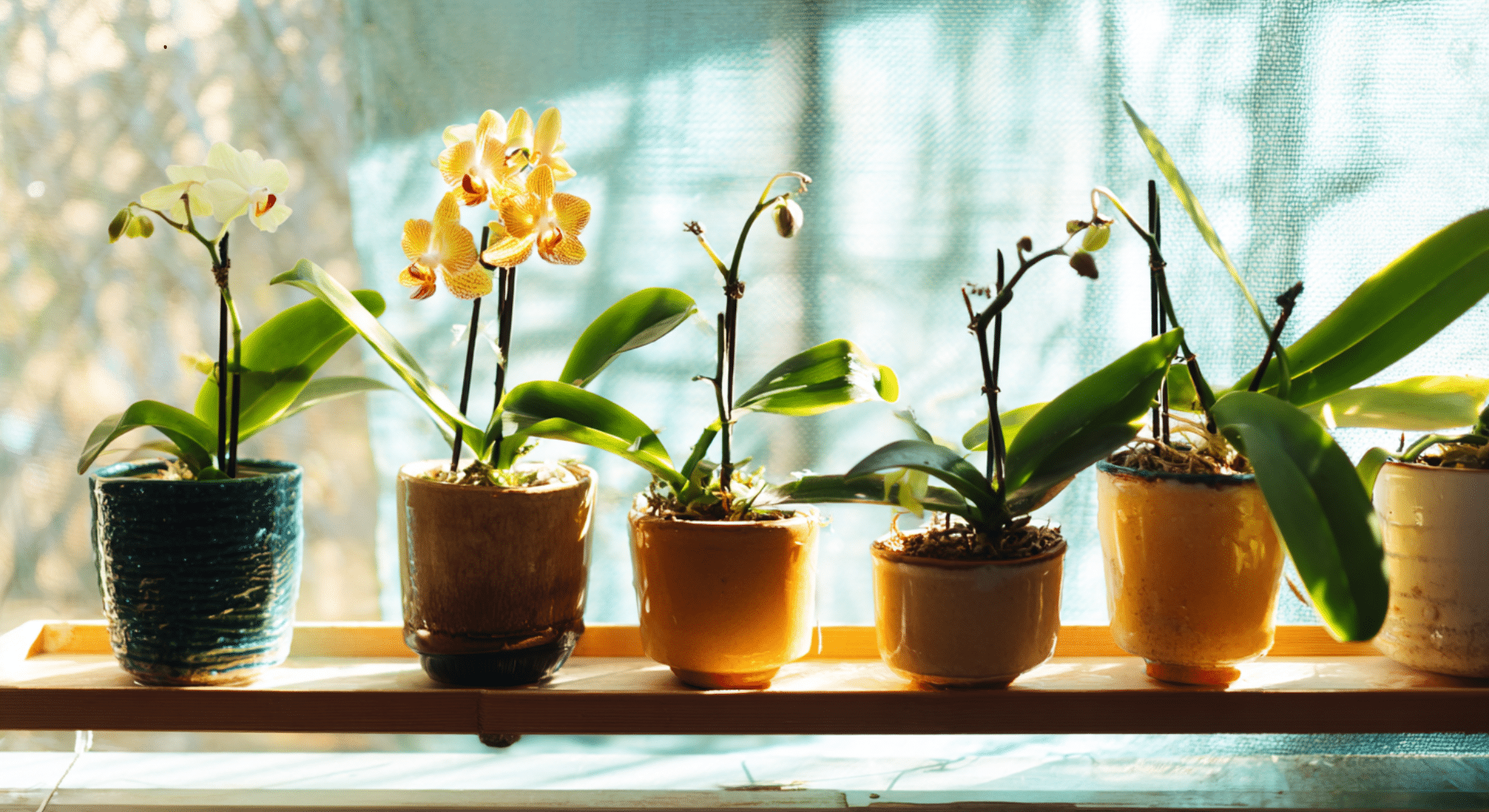
Orchids are tougher than most people think. While their flowers are delicate, the plants themselves can live a long time if you treat them right. Some last for years. Some, in a way, never really die at all.
Let’s look at how long orchids can truly last, in homes and in nature.
Average Lifespan of Potted Orchids Under Good Care
Most healthy potted orchids can live 10 to 20 years, and some even longer. But it depends on how you care for them.
Here’s what often shortens their life:
- Overwatering, which leads to root rot
- Poor lighting, especially too little sunlight
- Keeping dead roots or crowded pots, which stresses the plant
- Neglect after blooming, when many think the plant is done
When you give them the right water, light, and a little patience, orchids can stick around for a long time. They may not bloom all the time, but they’re very much alive in between.
How Long Can Orchids Live in Nature
In the wild, orchids grow on trees, rocks, and forest floors. They don’t rely on people, but on rain, wind, and nature’s balance. Wild orchids often live for decades and their plant lines can continue even longer.
Here’s why:
- Orchids make offshoots, called keikis (KAY-keys), which grow into new plants.
- Gardeners or nature itself can divide older orchids into new ones.
Even if the original orchid fades, its parts can keep growing. So while a single plant might not survive forever, its line can continue for many decades.
Can Orchids Really Live for 100 Years?
There are stories of orchids being passed down for generations. Some even say orchids can live 100 years or more. Is it true?
Yes, in a way.
The original base plant likely won’t stay alive for a full century. But through division or keikis, you can keep the same line of the orchid growing year after year.
Think of it like a family tree, one plant becomes two, then four, then eight, and so on.
Now, as a home grower, your orchid may not reach “immortal” status.
But with care, it can live a few decades, and you can help it create new growth that outlives the original. That’s as close to forever as most plants get.
Next, let’s talk about what makes orchid blooms last and how you can help them stick around longer.
How Long Orchid Blooms Usually Last by Type
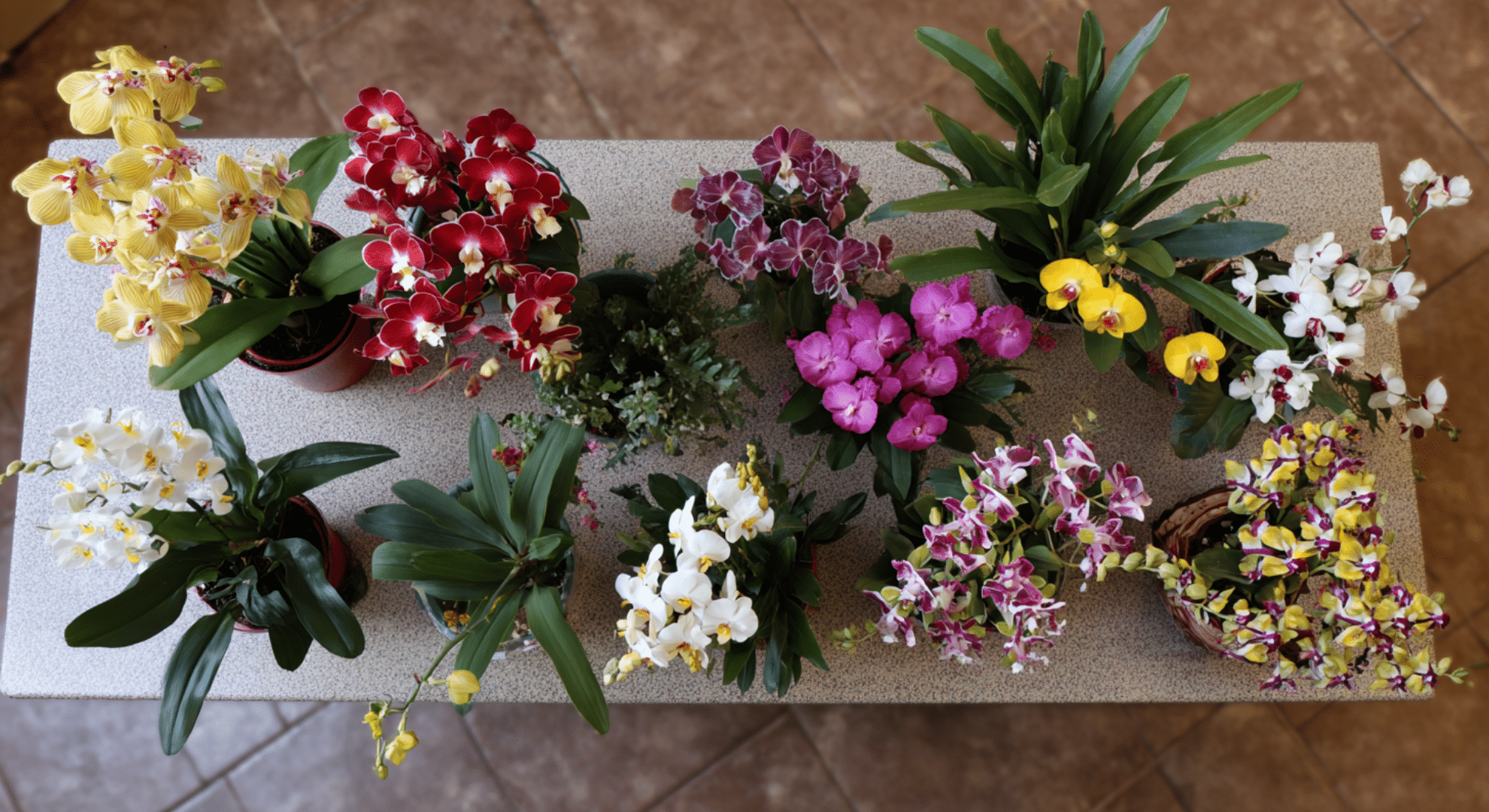
Orchid blooms don’t all follow the same schedule. Some last weeks. Others can surprise you for months. Knowing the type of orchid you have makes a big difference in what to expect.
Typical Bloom Time for Common Orchid Types
Here’s a look at how long the flowers usually last for the most popular orchids:
- Phalaenopsis (Moth Orchids):These are the most common houseplant orchids. Their blooms last 2 to 3 months, sometimes even longer with good care.
- Dendrobium: Dendrobium orchids bloom for around 6 to 8 weeks, though some hybrids can stretch to 10 weeks.
- Cymbidium: These orchids bloom in cooler months. Their flowers usually last 6 to 8 weeks, and the plant can bloom more than once during its season.
- Oncidium: Oncidiums tend to have shorter bloom times, 4 to 6 weeks, but they often bloom more than once a year.
- Paphiopedilum: About 6 to 8 weeks
- Miltoniopsis (Pansy Orchids): Around 4 to 6 weeks, more sensitive to heat
- Cattleya: About 2 to 4 weeks, but with bold and bright flowers
These numbers aren’t exact, but they’re good estimates for healthy plants under the right conditions.
Why Bloom Time Differs Between Orchid Types
Orchid bloom time isn’t the same for every type, and that’s because each kind grows in its own way. Some, like Phalaenopsis, come from warm, steady climates and hold their flowers for months.
Others, like Cattleya or Miltoniopsis, are used to more seasonal changes, so their blooms don’t last as long. The way orchids store energy also matters.
Plants with thick bulbs may bloom fast but only for a short time, while others take longer to flower but keep their blooms longer. Some orchids bloom once a year, others more often but for shorter periods.
So if your orchid’s flowers don’t last as long as another’s, it’s not a mistake—it just has a different natural bloom cycle.
Easy Orchid Bloom and Lifespan Breakdown
If you’re caring for orchids or thinking about getting one, knowing how long they bloom and how long they live makes things easier.
Here’s a simple table that compares more common orchid types, including how long their blooms last, how often they bloom each year, and how long the plant can live with good care:
| Orchid Type | Average Bloom Duration | How Often It Blooms Each Year | Approximate Plant Lifespan |
|---|---|---|---|
| Phalaenopsis | 2–3 months | Once or twice | 15–20 years or more |
| Dendrobium | 6–8 weeks | Once or twice | 10–15 years |
| Cymbidium | 6–8 weeks | Once | 10–20 years |
| Oncidium | 4–6 weeks | 2–3 times | 10–15 years |
| Cattleya | 2–4 weeks | Once | 10–15 years |
| Paphiopedilum | 6–8 weeks | Once | 10–15 years |
| Miltoniopsis | 4–6 weeks | Once or twice | 5–10 years |
| Vanda | 4–8 weeks | Multiple times | 15–25 years or more |
| Ludisia (Jewel Orchid) | 4–6 weeks | Once | 10–15 years |
| Zygopetalum | 4–6 weeks | 2–3 times | 10–15 years |
This table gives you a quick idea of what each type needs and how long it can stay part of your home.
The better the care, the longer the plant lasts and the more blooms you’ll see over time.
What Happens When Orchid Blooms Fall Off
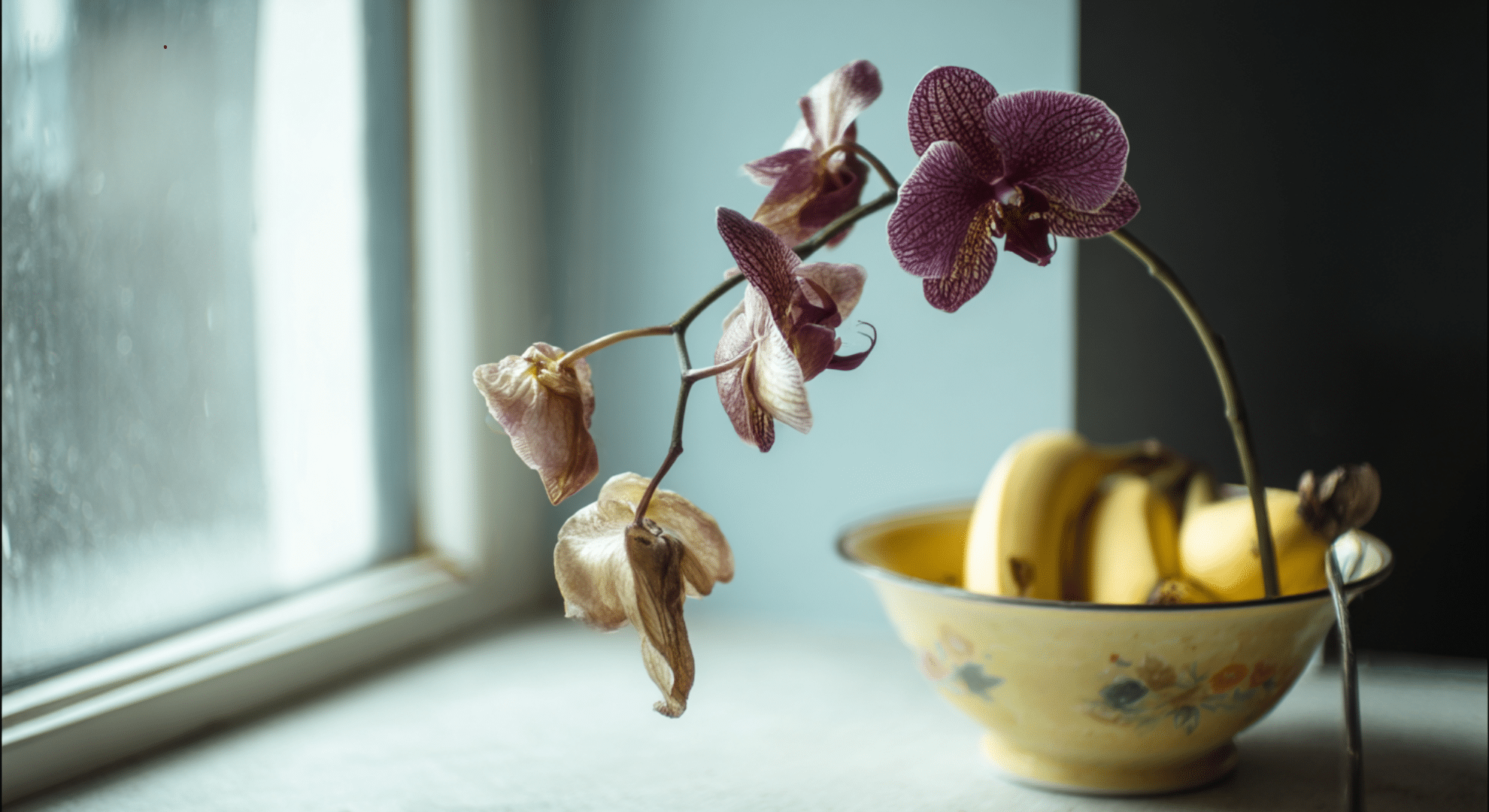
When orchid flowers start to fall off, it’s easy to think something’s gone wrong but that’s not always true. Most orchids naturally drop their blooms after 6 to 10 weeks, depending on the type.
Normal bloom drop happens when the flowers slowly wilt, dry out, and fall one by one. During this time, the leaves and roots should still look healthy.
But sometimes, dropping flowers can be a sign of stress. If you notice yellowing leaves, soft or mushy roots, or wrinkled, limp leaves, your orchid may need help.
These signs usually point to issues like overwatering, root rot, or too much heat or cold.
After the blooms fall, focus on the flower spike (the stem where the blooms grew). For Phalaenopsis orchids, you can often cut the spike just above a healthy node to encourage a side branch.
In other types, like Cattleya or Dendrobium, it’s better to cut the spike all the way back once it turns brown.
Reblooming takes time. For many orchids, it takes 6 to 9 months to bloom again.
How quickly it happens depends on light, water, temperature, and rest. With steady care, your orchid can bloom again and maybe even stronger than before.
Why Orchid Blooms Fade or Fall Off Too Soon
Sometimes orchid flowers fall off earlier than expected, and it can be frustrating. One common reason is sudden changes in the environment.
Moving the plant, changing rooms, or shifting temperatures can stress it out. Orchids also don’t like cold drafts, dry air, or direct sunlight, all of which can cause flowers to drop early.
Overwatering is another big reason. When roots stay too wet, they begin to rot, and the plant weakens. This can lead to both flower and leaf loss. Underwatering can also dry out the plant, causing blooms to fall faster than usual.
Other causes include low light, poor nutrition, or even ethylene gas from nearby fruits, which can make flowers age faster.
To help your orchid bloom longer, keep its conditions steady, bright but gentle light, right water levels, and stable temperature. That way, the plant won’t feel the need to drop its flowers early.
Is Your Orchid Still Healthy or Truly Dying?
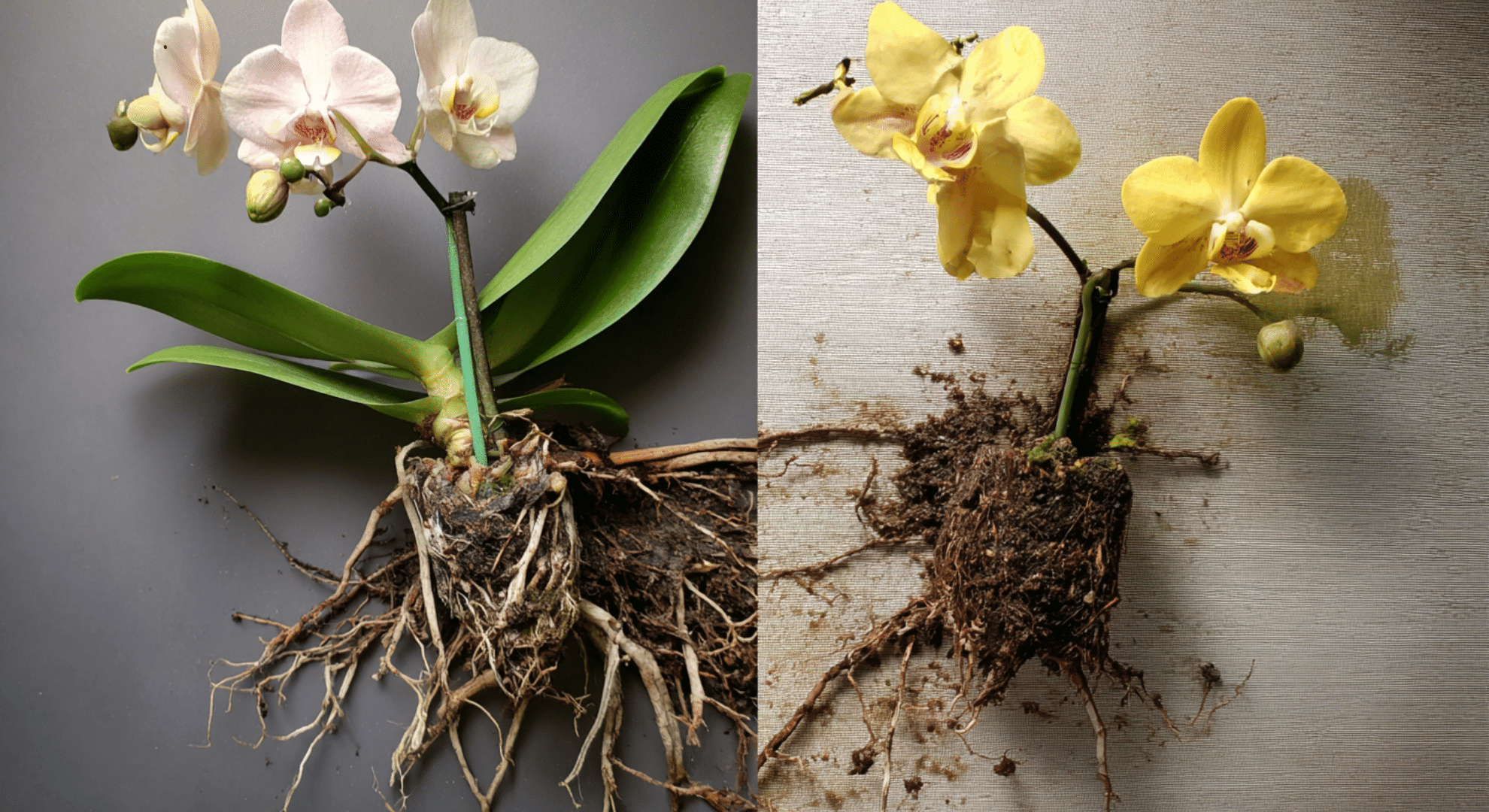
After the flowers fall, it can be hard to tell if your orchid is still healthy. But don’t assume the worst—most orchids are still alive even when they look bare.
A healthy orchid will have firm, green or silver roots, strong green leaves, and no bad smell. The leaves might look a little dull or soft after blooming, but they shouldn’t be mushy or turning black.
Signs that your orchid might be in trouble include yellowing or spotted leaves, soft, mushy roots, or a stem that shrivels and dries up. If you see black spots, mold, or the plant smells bad, it could be a sign of rot or disease.
Look at the roots first. If they’re firm and light green when wet, the orchid is still alive. Trim off any bad roots, give it time, and keep caring for it. Many orchids bounce back with a little patience.
Simple Weekly and Seasonal Care Checklist
Taking care of your orchid doesn’t have to be complicated. Here’s a simple weekly and seasonal routine to help keep your plant healthy and blooming for years.
- Check the roots: Make sure they’re firm, not mushy or dry.
- Water only if needed: Usually once a week, but only when the roots are silvery white.
- Wipe the leaves: Use a soft cloth to gently remove dust.
- Look for pests: Check leaves and stems for spots, holes, or sticky areas.
- Trim dead parts: Remove dry spikes or brown leaves with clean scissors.
- Rotate the pot: Turn it weekly so all sides get even light.
- Adjust with the seasons: Use less water in winter, more light in fall to help reblooming.
Stick to this simple checklist, and your orchid will stay strong, healthy, and ready to bloom again.
Conclusion
I used to toss orchids once the blooms fell off.
I thought that meant the plant was done. But I was wrong. Once I understood how long do orchids last and how their cycle works, I started to see them differently.
Now, I care for them even when they look quiet, and they always reward me with new blooms when they’re ready.
You don’t have to be an expert to do the same. Just pay attention to the small signs: healthy roots, steady leaves, slow changes. Your orchid isn’t gone. It’s just waiting.
Give it care, give it time, and it’ll bloom again. If you want to keep learning simple ways to care for plants without the guesswork, check out the other blogs; they’re made with you in mind!