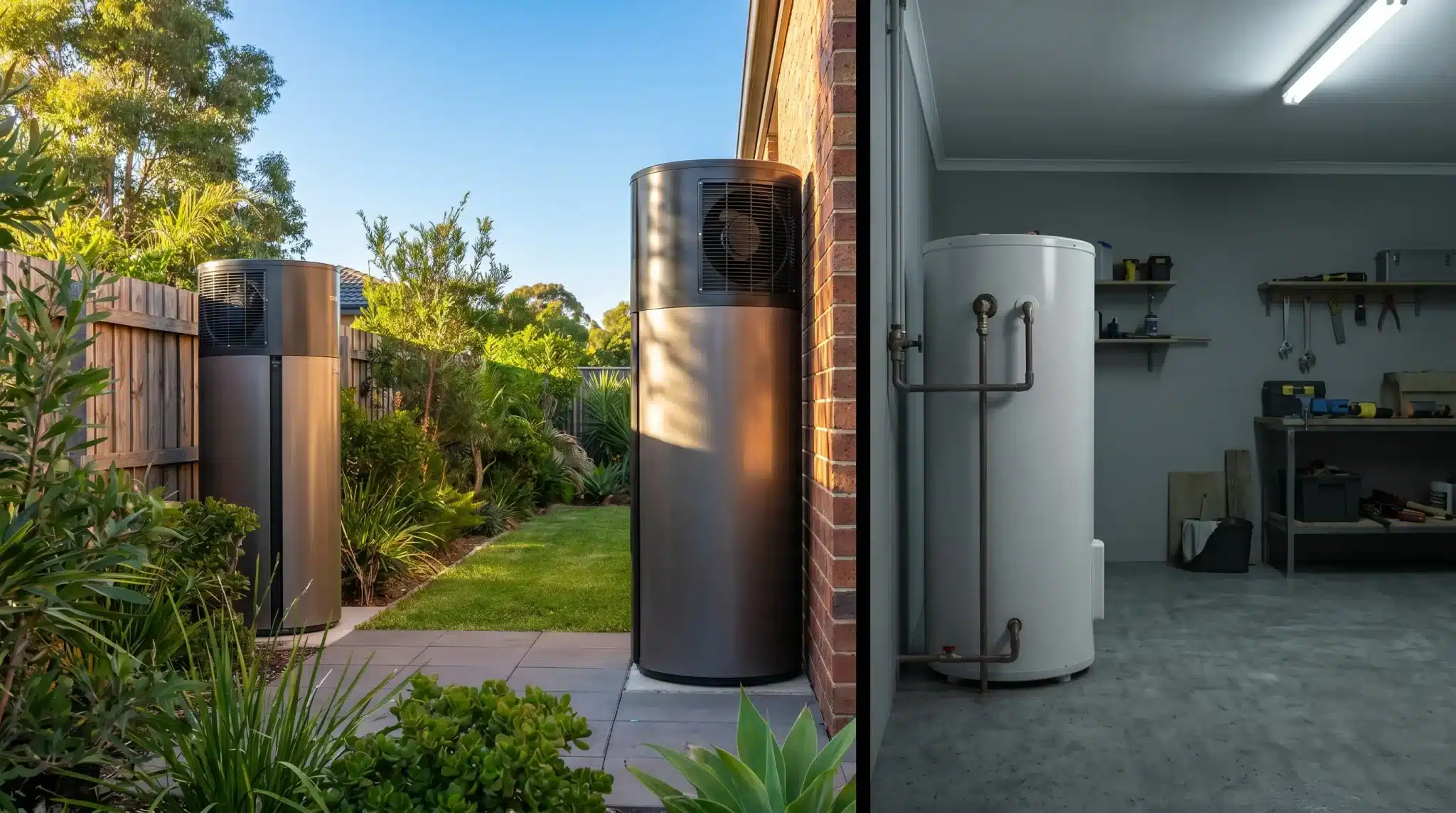
Your hot water system is one of the biggest energy consumers in your home. For most Australian households, it accounts for around 20 to 25 cents in every dollar on the electricity bill.
So when it’s time to replace your system, the choice you make matters. Not just for the next few months, but for the next decade.
The two most common options are a traditional electric storage water heater and a hot water heat pump. Both run on electricity, both store hot water in a tank, and both do the same job. But they’re not the same investment.
Take a look at Eurosun Hot Water Heat Pumps to see what a modern heat pump system looks like before diving into the comparison.
The Core Difference: Efficiency
Everything in this comparison comes back to one thing: how efficiently each system turns electricity into hot water.
A traditional electric water heater uses a resistive element to heat water directly. For every unit of electricity it draws, you get roughly one unit of heat. It’s simple, and it works, but there’s no efficiency gain to be had. You pay for exactly what you use, at full rate.
A heat pump works differently. It pulls heat from the surrounding air and transfers it into the water tank, using the same refrigeration cycle as a reverse-cycle air conditioner. Because it’s moving heat rather than generating it, a heat pump produces 3 to 5 units of heat energy for every single unit of electricity consumed.
That ratio is the entire argument for heat pumps. Everything else flows from it.
Running Costs: Year After Year
Put the efficiency difference into dollar terms, and the gap becomes hard to ignore.
A standard electric storage hot water system costs a typical household of four somewhere between $600 and $900 per year to run. A heat pump running the same household uses a fraction of the electricity, bringing that cost down to $150 to $300 per year.
That’s a real-world annual saving of $300 to $700, compounding every year for as long as the system is running.
Over 10 years, you’re looking at $3,000 to $7,000 in electricity savings. And if you have rooftop solar and program your heat pump to run during peak generation hours, you can push that figure even further.
An electric storage system has no equivalent levers. It draws the same power regardless of time of day, solar output, or anything else.
Upfront Cost: The Honest Numbers
Here’s where the electric storage system has a genuine advantage.
A standard electric water heater can be purchased and installed for $700 to $1,800, depending on tank size and your existing setup. It’s one of the cheapest major appliance replacements you can make in a home.
A heat pump system costs more: typically $2,000 to $4,000 fully installed. That’s a meaningful difference, and it’s worth being honest about.
What changes the equation is government incentives. Heat pumps qualify for federal Small-scale Technology Certificates (STCs) under the Renewable Energy Scheme. These are usually applied as a point-of-sale discount by the installer, reducing the purchase price by $400 to $1,000, depending on your location and system size.
On top of that, some state governments run their own rebate programs. Victoria’s Solar Homes Program has offered up to $1,000 for eligible upgrades. Availability varies by state and changes over time, so it’s worth checking what’s current before you buy.
With rebates applied, the upfront gap between the two systems closes considerably. And given the running cost savings, most households recoup the difference within 3 to 6 years.
Installation: What Each System Needs
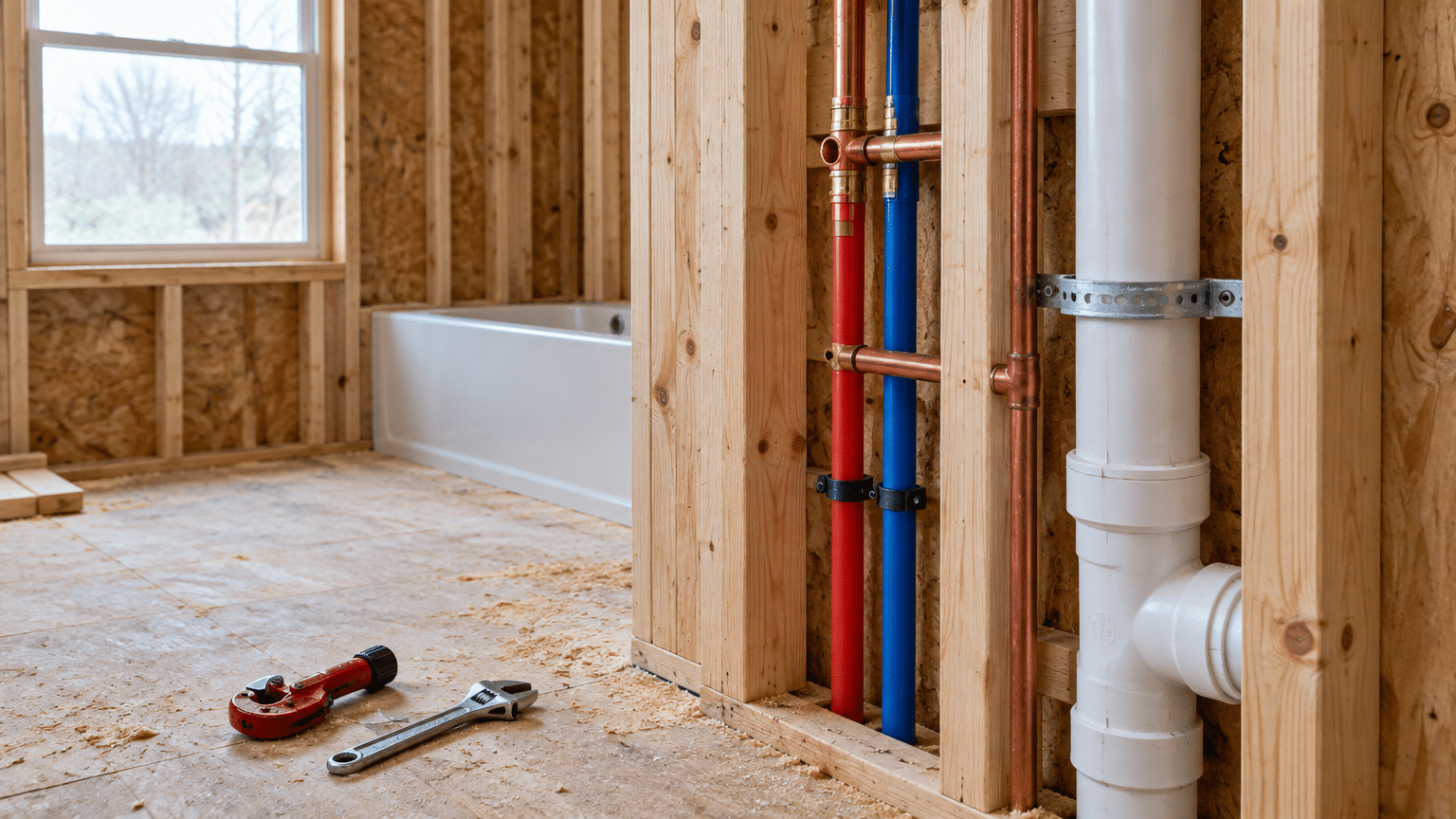
Replacing an electric storage system is about as straightforward as home appliance swaps get. It needs a power connection and plumbing, and fits almost anywhere, indoors or out.
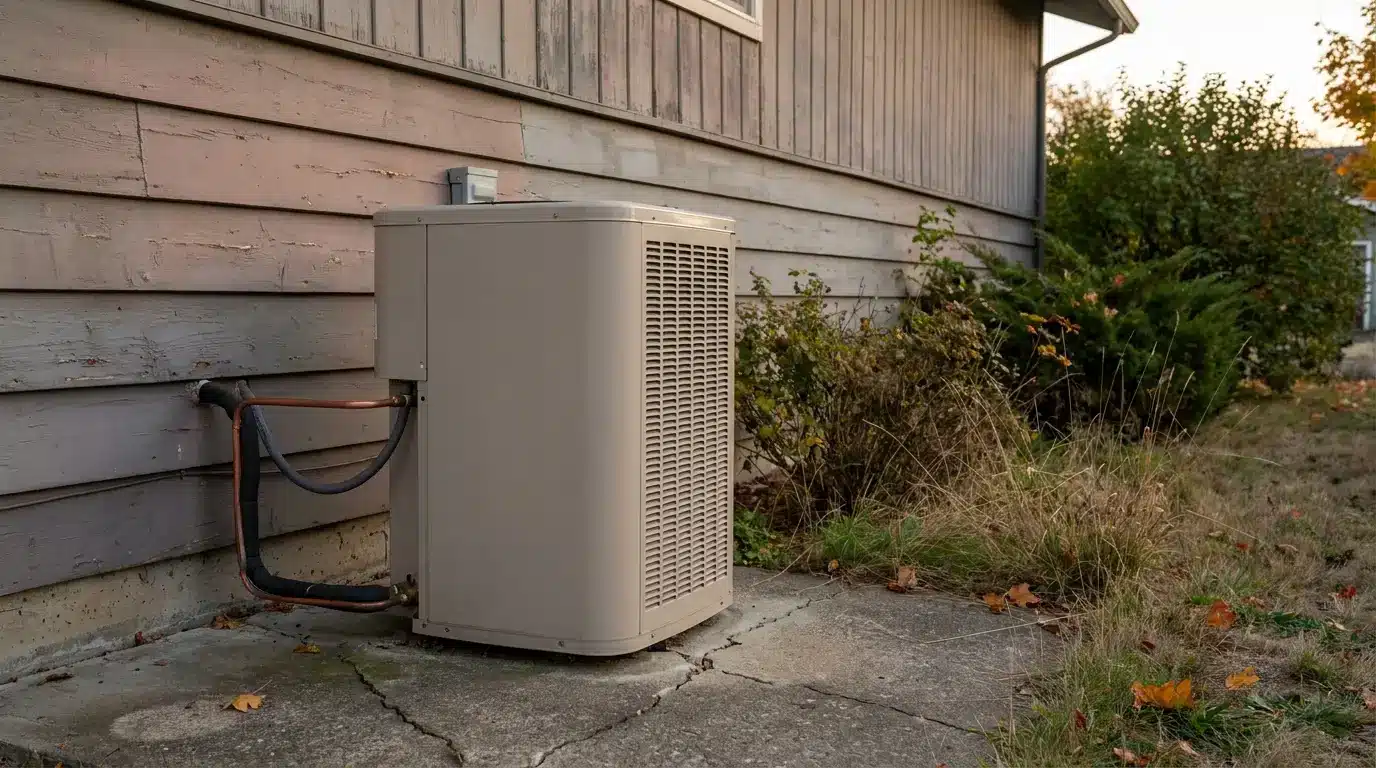
Heat pumps have more specific requirements. They need access to a reasonable volume of ambient air to extract heat from, which means they work best installed outdoors or in a large, well-ventilated space like a garage. They also emit some operational noise, similar to a running air conditioner, so placement near bedrooms or boundary fences is worth thinking about.
For most freestanding homes, these requirements are easy to satisfy. In apartments, small townhouses, or very restricted spaces, they can be a limiting factor.
Lifespan: Will It Last?
Both systems are long-lived when maintained properly.
Electric storage systems typically run for 8 to 12 years. The main maintenance task is replacing the sacrificial anode rod inside the tank every 5 years to protect against corrosion. Beyond that, they’re largely set-and-forget.
Heat pumps have a similar or slightly longer lifespan of 10 to 15 years. The mechanical components of the heat pump unit add a small degree of complexity compared to a resistive element, but modern systems are well-built and don’t require significantly more maintenance than a standard system.
Both benefit from an annual plumber inspection to check the anode, pressure relief valve, and connections.
Environmental Impact
Electric storage systems produce emissions proportional to your grid’s energy mix. Every kilowatt-hour they draw comes with a corresponding carbon cost.
Heat pumps draw far less electricity for the same hot water output, so their emissions footprint is significantly lower even before considering renewable energy. As Australia’s grid continues to shift toward solar and wind generation, that advantage grows.
For households with rooftop solar, the combination of a heat pump running on self-generated power gets very close to carbon-neutral hot water.
So Which One Should You Choose?
Go with an electric storage system if your priority is the lowest possible upfront cost, you’re in a space where a heat pump isn’t practical, or your hot water usage is low enough that the payback period doesn’t stack up.
Choose a heat pump if you’re replacing an ageing system anyway, you qualify for rebates that reduce the upfront cost, and you want to significantly cut your ongoing electricity bill.
For most Australian homeowners making a planned replacement, the numbers favour the heat pump clearly. The running cost savings are real, the rebates are available, and the payback period is well within the system’s lifespan.
It costs more to get started. It costs considerably less to keep running.