I planted my first snapdragons on a whim five years ago, tucked between some struggling petunias. By mid-spring, those cheerful spikes were the stars of my garden: blooming in waves, attracting bees, and somehow thriving through a late frost that wiped out everything else.
Growing snapdragons turned out to be one of the easiest wins I’ve stumbled into as a gardener. If you’re looking to fill your beds with reliable color and old-fashioned charm, you’re in the right place.
This guide walks you through everything from picking the right varieties and timing your planting to extending blooms well into fall. You’ll learn how to keep them bushy, prevent common issues, and even coax a second flowering when most annuals have called it quits.
Why Grow Snapdragons? A Gardener’s Favorite for Color and Resilience
Snapdragons earn their spot in gardens for reasons that go beyond just good looks.
They deliver weeks of continuous blooms in practically every color you can imagine, from soft pastels to deep burgundies and bi-color combinations that look hand-painted.
What really sets them apart is their cool-season resilience. While most annuals wilt at the first hint of frost, snapdragons keep going, often bouncing back after temperatures dip into the low 30s.
That makes them perfect for extending color into late fall or getting a jump on spring.
Beyond the garden bed, they’re exceptional as cut flowers. Those tall spikes hold up beautifully in arrangements, and the more you snip, the more side shoots they produce.
You can grow them in containers, borders, cottage-style gardens, or even as fillers between perennials.
They’re low-maintenance, deer-resistant, and surprisingly forgiving if you occasionally forget to water. For the effort you put in, snapdragons give back tenfold.
How to Grow Snapdragons from Seed
Starting snapdragons from seed is surprisingly straightforward and gives you access to a much wider variety of colors and heights than you’ll find at any nursery.
With the right timing and a few basic steps, you’ll have sturdy seedlings ready to fill your garden beds by spring.
The Best Time to Plant Snapdragons
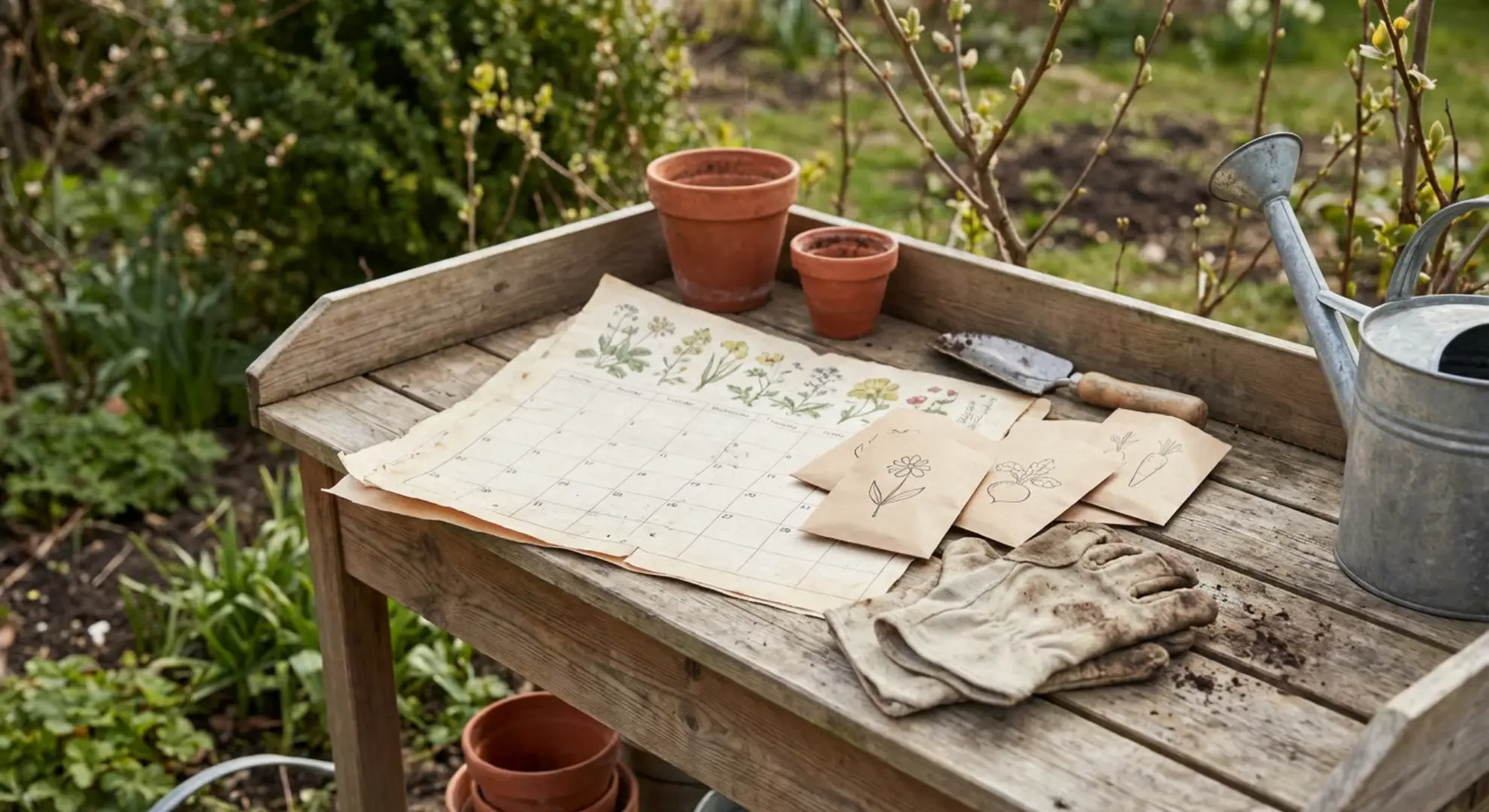
Timing makes all the difference with snapdragons. In most climates, you’ll want to start seeds indoors in late winter, about 8 to 10 weeks before your last expected frost date. If you’re direct-seeding outdoors, wait until soil temperatures stay consistently above 40°F, usually in early to mid-spring.
Key timing windows:
- Indoor starts: January to March in most zones
- Outdoor direct sowing: Early to mid-spring after last frost
- Fall planting (zones 8-10): September to October for winter blooms
Snapdragons actually prefer cooler weather, so giving them a head start before summer heat arrives or planting them as temperatures drop in warmer climates, helps them establish strong root systems and bloom longer.
Preparing for Planting: The Right Soil and Temperature
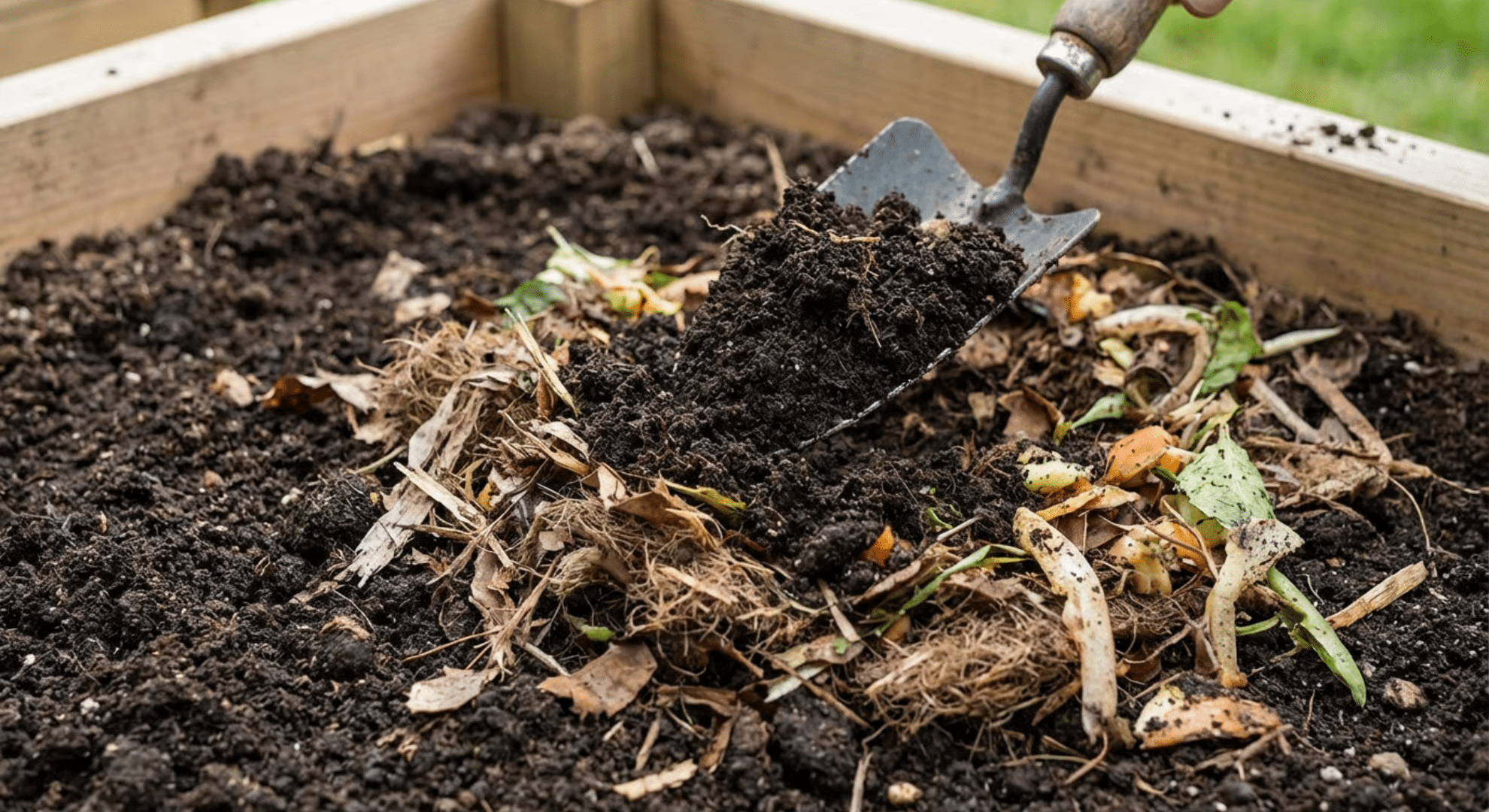
Snapdragons aren’t overly fussy, but they do have preferences when it comes to their growing environment. The right foundation sets them up for months of vigorous blooming.
Soil requirements:
- Texture: Loose, well-draining soil enriched with compost
- pH level: Slightly acidic to neutral (6.2 to 7.0)
- Drainage: Avoid heavy clay or waterlogged conditions
Temperature sweet spots:
- Germination: 65°F to 75°F
- Seedling growth: 55°F to 65°F during the day
- Outdoor transplanting: Nighttime temps consistently above 40°F
Heavy clay or waterlogged soil is their enemy, roots need oxygen, and sitting in moisture invites rot. A light frost won’t kill established plants, but tender seedlings need protection until they toughen up.
Starting Snapdragons Indoors: Step-by-Step
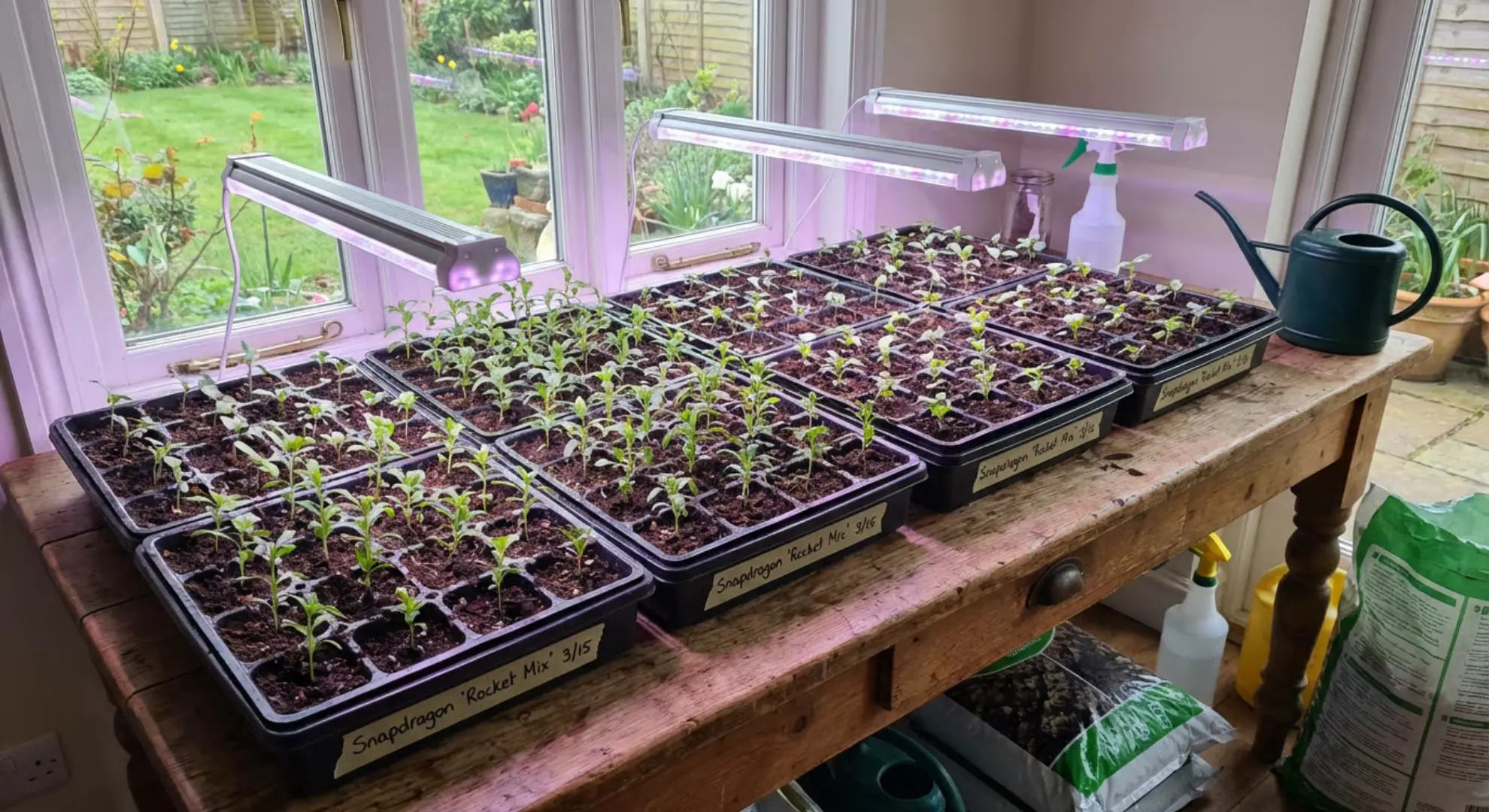
Starting snapdragons indoors gives you a serious head start and stronger plants. Fill seed trays or small pots with a sterile seed-starting mix—something light and fluffy that drains well. Snapdragon seeds are tiny, so don’t bury them.
Simply press them gently onto the soil surface and mist lightly, as they need light to germinate.
Germination setup:
- Light: Bright, indirect light or grow lights 3-4 inches above trays
- Moisture: Keep soil consistently moist with a spray bottle
- Location: Warm spot away from heat vents
- Timeline: Expect germination in 10 to 14 days
After germination:
- Transplant: Move to larger containers once true leaves appear
- Lighting: Provide plenty of light to prevent legginess
- Hardening off: Gradually expose to outdoor conditions one week before planting out
Once seedlings develop their first true leaves (not the initial seed leaves), transplant them into larger containers and keep them in a cooler spot with plenty of light to build strong stems.
Growing Snapdragons in Containers vs. Ground: What’s Best for Your Garden?
Both methods work beautifully for snapdragons, but your choice depends on your space, climate, and how much control you want over growing conditions. Here’s how they stack up:
| Factor | Containers | Ground |
|---|---|---|
| Space requirements | Ideal for patios, balconies, small spaces | Needs garden beds or open ground |
| Soil control | Complete control over soil quality and drainage | Dependent on existing soil; may need amendment |
| Watering needs | More frequent watering (daily in hot weather) | Less frequent; soil retains moisture longer |
| Mobility | Easy to move for sun, shade, or frost protection | Fixed location once planted |
| Root space | Limited; choose dwarf or medium varieties | Unlimited; supports taller varieties better |
| Maintenance | Requires regular feeding due to limited nutrients | Less feeding needed if soil is well-prepared |
| Winter protection | Can bring indoors or move to sheltered spots | Exposed to elements; may need mulching |
| Visual impact | Great for vertical interest on porches and entryways | Creates mass plantings and dramatic borders |
If you’re limited on space or want flexibility to adjust conditions as seasons change, containers give you that advantage. Ground planting works best if you’re aiming for large drifts of color and have well-draining soil already in place.
Planting and Transplanting Snapdragons: Timing and Best Practices
Getting snapdragons from their cozy indoor start to thriving in your garden requires a bit of planning, but it’s not complicated. The transition needs to be gradual, and understanding your climate helps you set them up for success from day one.
Transplanting Indoors to Outdoors
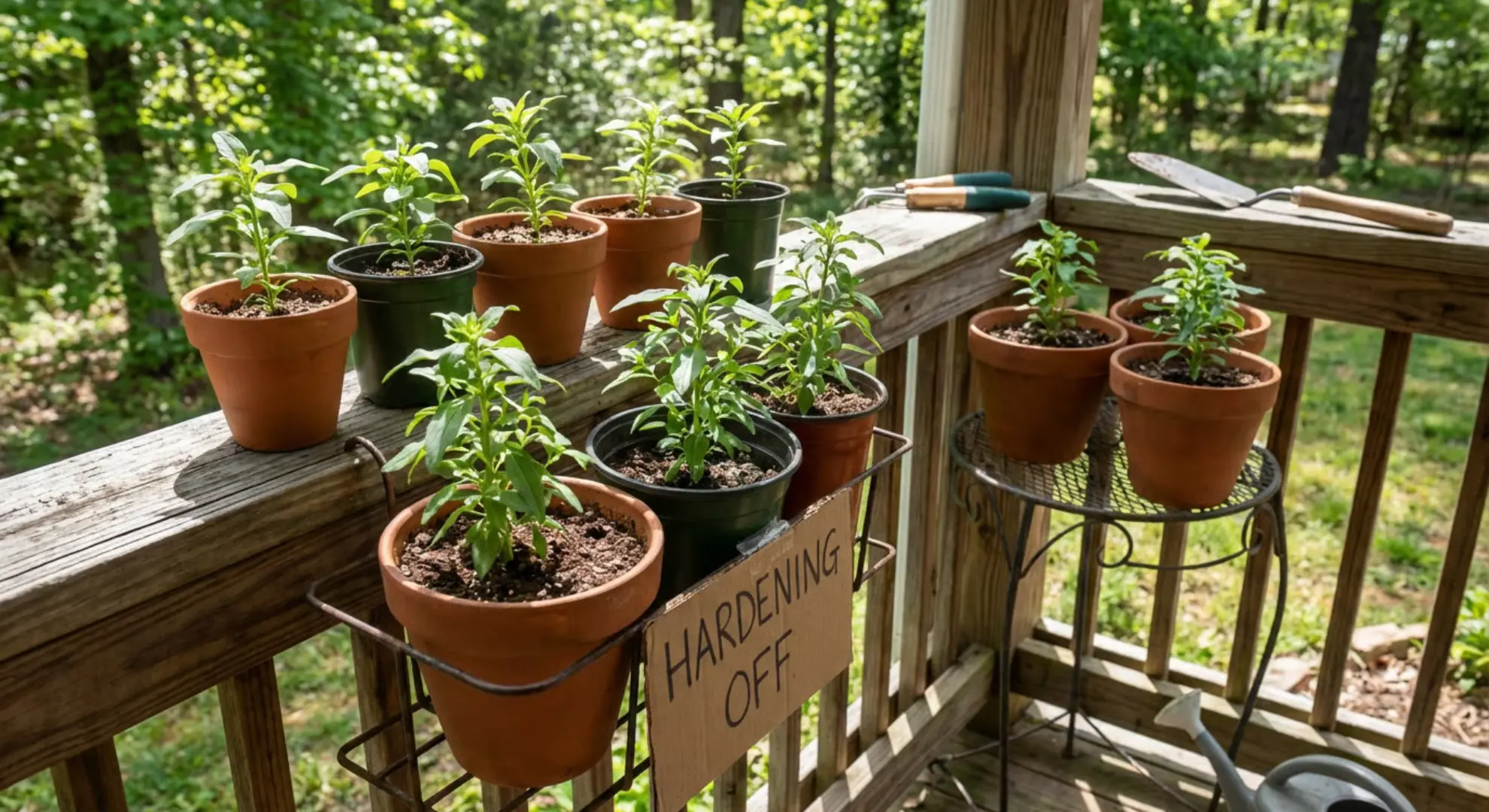
The move from indoors to outdoors is the most critical phase for young snapdragons. You can’t just plop them straight into the garden—they need time to adjust to wind, direct sun, and temperature swings they’ve never experienced under grow lights or on a windowsill.
Hardening off process:
- Start timing: Begin 7-10 days before your planned transplant date
- Day 1-2: Place seedlings outside in a sheltered, shaded spot for 1-2 hours
- Day 3-4: Increase to 3-4 hours, introducing partial sun
- Day 5-7: Gradually extend to full days, including direct morning sun
- Day 8-10: Leave outside overnight if temps stay above 40°F
Transplanting guidelines:
- Timing: Wait until nighttime temperatures consistently stay above 35°F
- Spacing: 6-8 inches apart for dwarf varieties; 10-12 inches for tall types
- Depth: Plant at the same depth they were growing in containers
- Watering: Water thoroughly after transplanting and keep the soil moist for the first week
Snapdragons handle light frosts surprisingly well once established, but tender seedlings fresh from indoors are more vulnerable. If a late cold snap threatens right after planting, cover them overnight with row covers or even upturned buckets.
Snapdragons in Hot vs. Cool Climates
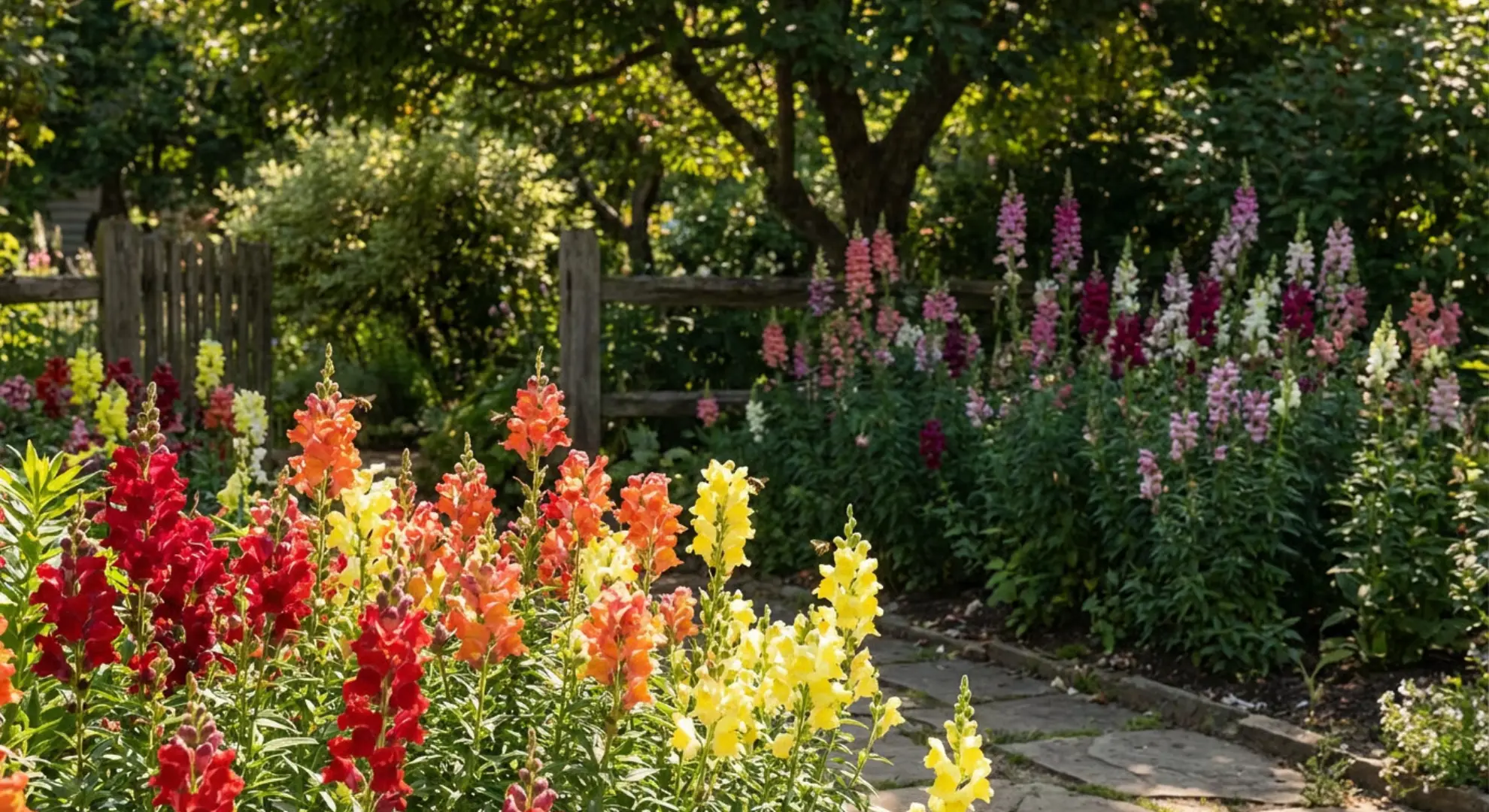
Snapdragons are cool-season lovers at heart, but with some adjustments, they can perform in a range of climates. Your approach changes significantly depending on whether you’re battling heat or working with chilly springs.
Hot climate strategies (zones 8-10):
- Timing: Plant in fall for winter and early spring blooms; avoid summer planting
- Location: Provide afternoon shade or dappled light during peak heat
- Watering: Water deeply every 2-3 days; mulch to keep roots cool
- Varieties: Choose heat-tolerant series like Snapshot or Montego
- Expectation: Treat as cool-season annuals; they’ll fade as temperatures hit 80°F+
Cool climate advantages (zones 3-7):
- Timing: Plant in early spring as soon as the soil can be worked
- Location: Full sun encourages stocky growth and maximum blooms
- Succession planting: Start a second batch in mid-summer for fall color
- Frost tolerance: Established plants survive light frosts (down to 25°F briefly)
- Extended season: Deadhead regularly to keep blooms coming until hard freeze
In moderate climates, you get the best of both worlds: plant in early spring and enjoy blooms straight through to late fall with proper deadheading and occasional feeding.
Harvesting and Using Snapdragons
Snapdragons make exceptional cut flowers, and harvesting them actually encourages more blooms. Knowing when and how to cut keeps your plants productive and your vases full for weeks:
| Aspect | Best Practice |
|---|---|
| Best time to cut | Early morning when stems are fully hydrated |
| Stem readiness | When 1/3 to 1/2 of the florets on the spike are open |
| Cutting technique | Cut at a 45-degree angle just above a leaf node |
| Stem length | Take 8-12 inches; longer cuts encourage branching |
| Vase life | 7-10 days with proper care |
| Water preparation | Remove lower leaves; change water every 2-3 days |
| Flower food | Use commercial flower food or add a drop of bleach to prevent bacteria |
| Encourage reblooming | Cut spent spikes back to just above side shoots |
| Peak harvest period | Mid-spring through early summer (or fall in warm climates) |
The more you cut, the bushier your plants become. Each cut spike triggers lateral shoots lower on the stem, giving you multiple flowering stems from a single plant. If you’re not using them as cut flowers, deadhead spent blooms the same way to keep the show going.
Essential Care Tips for Snapdragons
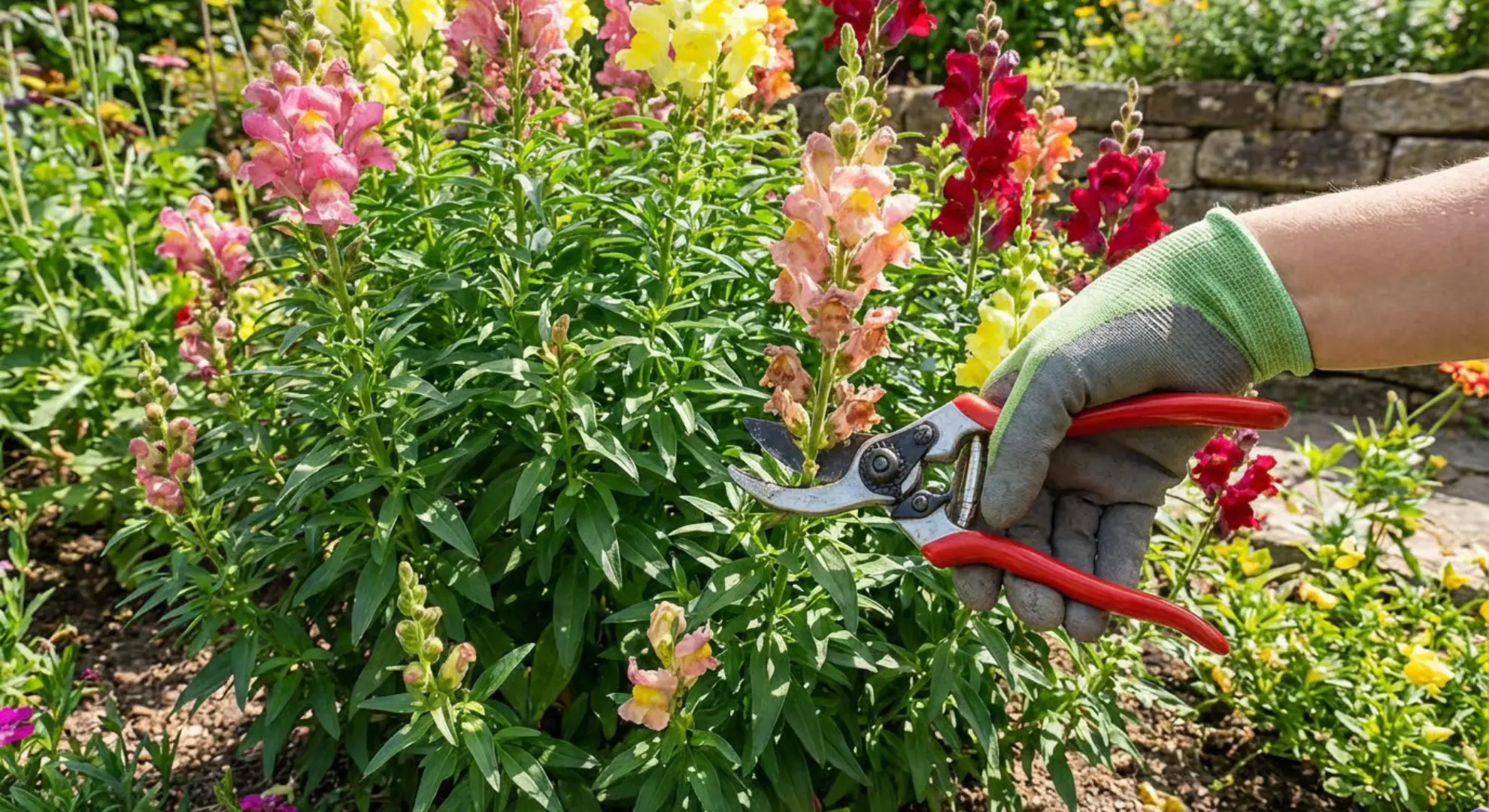
Once your snapdragons are established, they don’t ask for much, but a few key practices keep them blooming longer and looking their best. Here’s what makes the biggest difference:
- Water consistently, but don’t overdo it: Snapdragons prefer evenly moist soil, not waterlogged conditions. Water deeply when the top inch of soil feels dry, aiming for the base of plants rather than overhead to prevent fungal issues.
- Feed lightly every 3-4 weeks: A balanced liquid fertilizer (like 10-10-10) keeps blooms coming without promoting excessive leafy growth. Too much nitrogen creates tall, floppy stems with fewer flowers.
- Pinch back young plants: When seedlings reach 3-4 inches tall, pinch off the top inch to encourage branching. You’ll get bushier plants with multiple flower spikes instead of one tall, single stem.
- Deadhead regularly: Snip off faded flower spikes just above the next set of leaves or side shoots. This prevents seed formation and redirects energy into producing new blooms.
- Stake taller varieties: Varieties over 18 inches can get top-heavy, especially after rain. Use bamboo stakes or small plant hoops to keep stems upright without strangulation.
- Mulch to regulate soil temperature: A 2-3 inch layer of organic mulch keeps roots cool in warmer months and retains moisture. Keep mulch a few inches away from stems to prevent rot.
- Watch for rust and aphids: Rust appears as orange-brown spots on leaves; remove affected foliage immediately. Aphids cluster on new growth; blast them off with water or use insecticidal soap if infestations persist.
Snapdragons reward attention with continuous blooms, but they’re forgiving if you miss a watering or forget to deadhead for a week. The goal is steady care, not perfection.
Troubleshooting Common Snapdragon Issues
Even low-maintenance snapdragons run into occasional problems, but most issues are easy to spot and fix before they derail your blooms. Here’s how to handle the most common setbacks:
- Leggy, weak stems: This usually means insufficient light. Snapdragons need at least 6 hours of direct sun daily. Indoors, seedlings stretched toward light need to be moved closer to a window or under grow lights, and outdoor plants may need transplanting to a sunnier spot.
- Yellowing lower leaves: Often a sign of overwatering or poor drainage. Let the soil dry out slightly between waterings, and check that containers have drainage holes. If the problem persists, it could indicate nitrogen deficiency—apply a balanced fertilizer.
- Rust (orange-brown pustules on leaves): This fungal disease thrives in humid, crowded conditions. Remove infected leaves immediately, improve air circulation by thinning plants, and avoid overhead watering. In severe cases, apply a fungicide labeled for rust.
- Aphid infestations on buds and new growth: These tiny green or black insects suck sap and cause distorted growth. Spray them off with a strong stream of water, or use insecticidal soap for heavy infestations. Ladybugs and lacewings are natural predators.
- Lack of blooms or sparse flowering: Usually caused by too much nitrogen (encouraging leaves over flowers), insufficient sunlight, or skipping deadheading. Cut back on fertilizer, ensure full sun exposure, and remove spent blooms to trigger new flower production.
- Wilting despite moist soil: Root rot from overwatering or fungal pathogens. Check roots; if they’re brown and mushy, the plant is likely beyond saving. Prevent this by ensuring excellent drainage and watering only when the top inch of soil is dry.
- Flopping or broken stems: Tall varieties need support, especially in windy spots or after heavy rain. Stake plants early before they become top-heavy, and consider choosing dwarf varieties for exposed locations.
Most snapdragon problems stem from water management, light, or spacing. Catch issues early, and your plants will bounce back quickly and keep producing those signature spikes all season long.
Conclusion
Growing snapdragons taught me that some of the best garden performers are the ones you don’t have to baby. They handle cold, bounce back from neglect, and reward minimal effort with weeks of color.
You’ve got the roadmap now from seed to vase-worthy blooms. The trick is to work with their cool-weather nature rather than fight it. Plant early, keep them fed lightly, and cut often to multiply your flower spikes.
If you’re looking for more ways to fill your garden with reliable, beautiful plants, check out other guides for more practical tricks and tips!